
25 years later, it’s BMW USA’s best-selling model
The BMW X5 wasn’t the first luxury crossover, having been preceded by the Lexus RX. However, the X5 was marketed as the first Sports Activity Vehicle, a designation made to distinguish the X5 as having better on-road performance than other SUVs of its size. Whatever BMW called it, the X5 has been a colossal success, laying the foundation for the smaller X3. Last year, it was BMW’s best-selling model in the United States. Now four generations in, let’s see how this SUV trailblazer evolved over the last 25 years.
First-Generation (E53) BMW X5
Bring A Trailer
Bring A Trailer
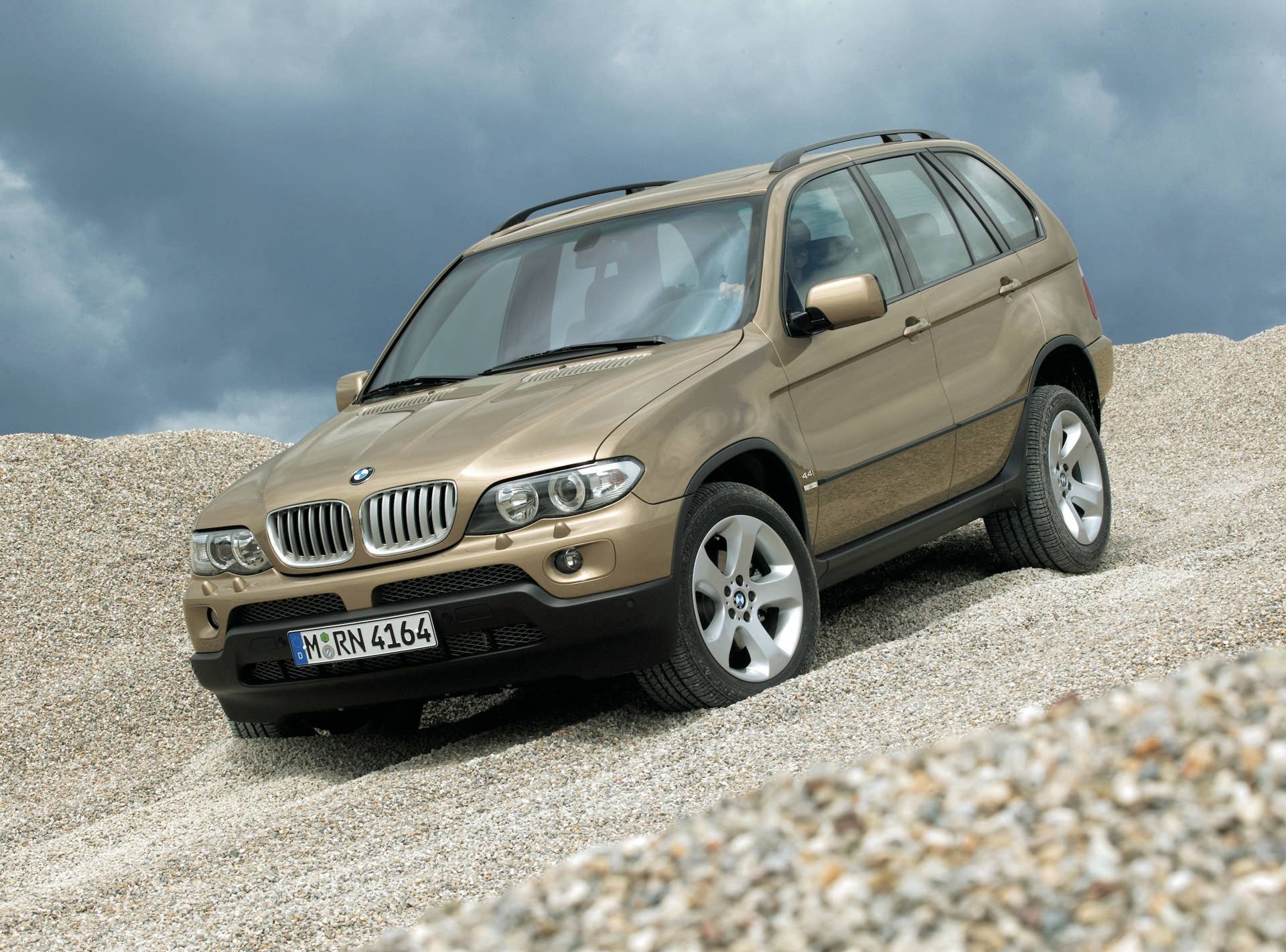
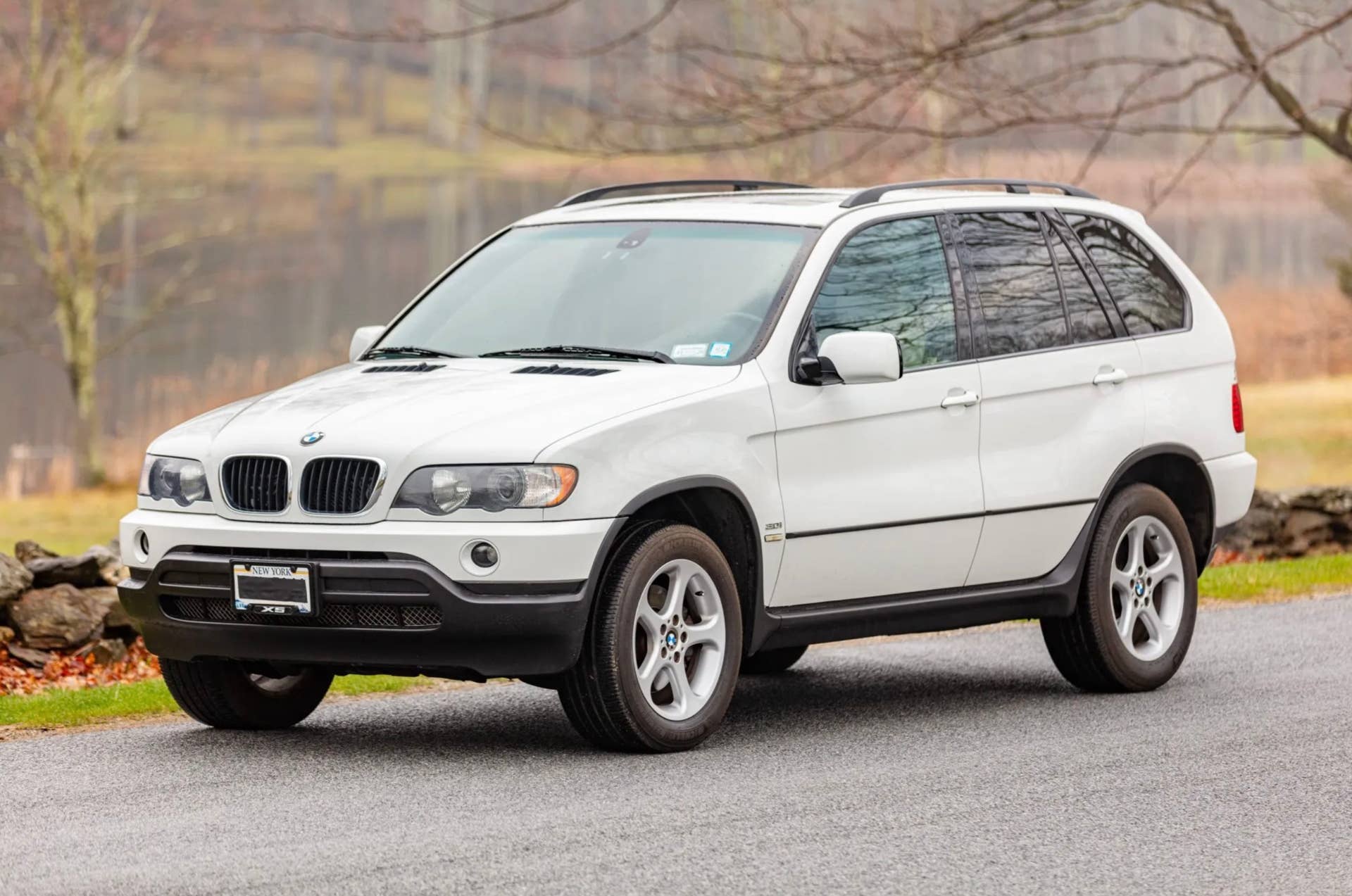
Sold for the 2000 to 2006 model years, the E53 immediately set new standards for how SUVs should drive and handle. It wasn’t the best off-roader, but it had a sportiness not seen in rivals like the Mercedes-Benz ML-Class; at the time, the ML still used body-on-frame construction.
This first X5 was available with a 3.0-liter six-cylinder and a 4.4-liter V8, several years before BMW introduced turbocharging. The V8 made 315 horsepower, but both engines were super smooth. Later, BMW introduced the 4.8is V8 with 355 hp, a model that can be considered the spiritual predecessor to today’s fire-breathing X5 M.
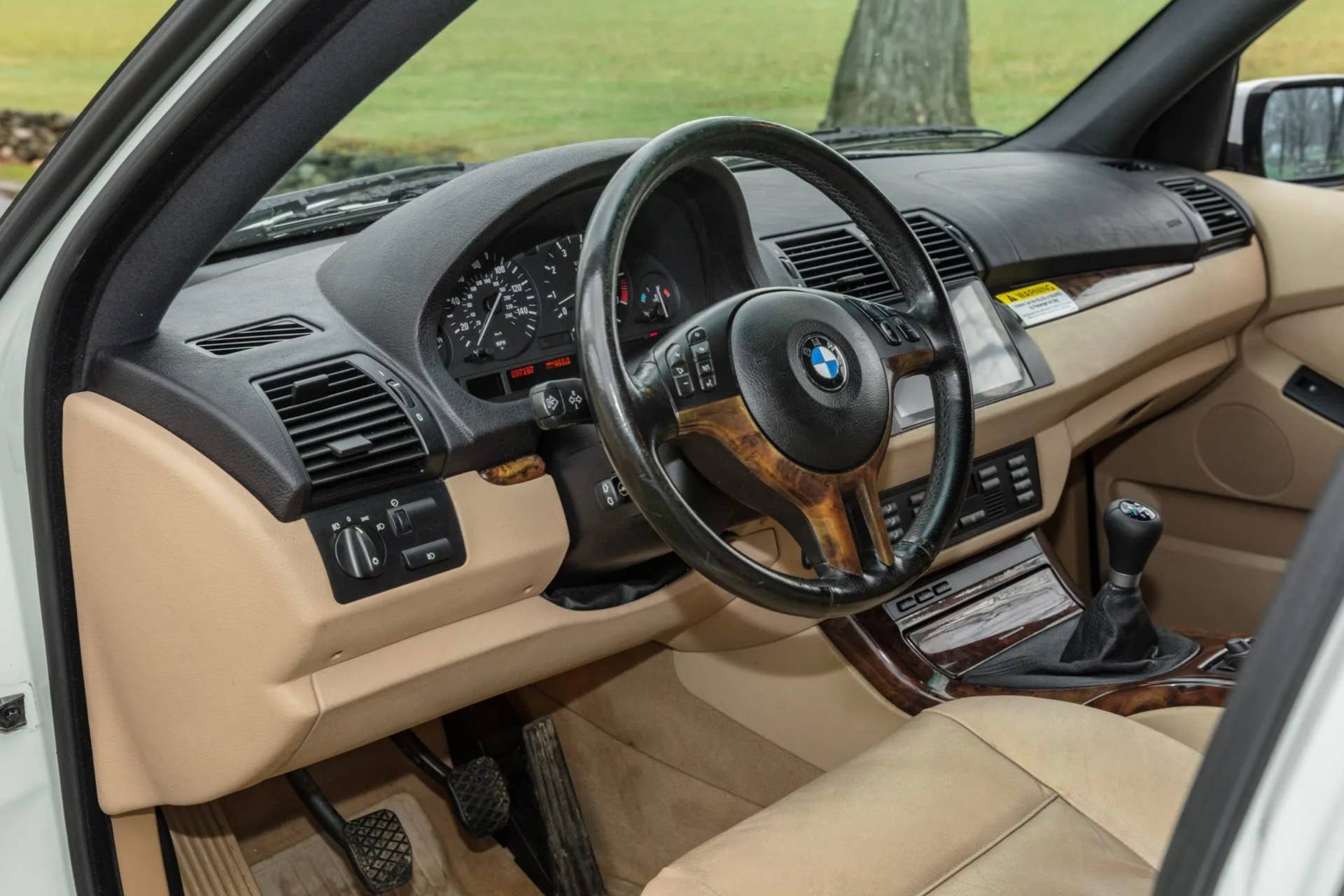
Transmissions included five- and six-speed manuals, along with five- and six-speed automatics. All-wheel drive was standard, but it was a rear-biased system, which contributed to the X5’s good on-road dynamics. This BMW X5’s major model year changes were implemented from the 2004 model year, when it introduced a revised grille and headlights.
This X5’s sharp looks, exemplary build quality, and potent engines elevated it above all rivals on the road – at least, until the Porsche Cayenne came along.
Second-Generation (E70) BMW X5
BMW
BMW
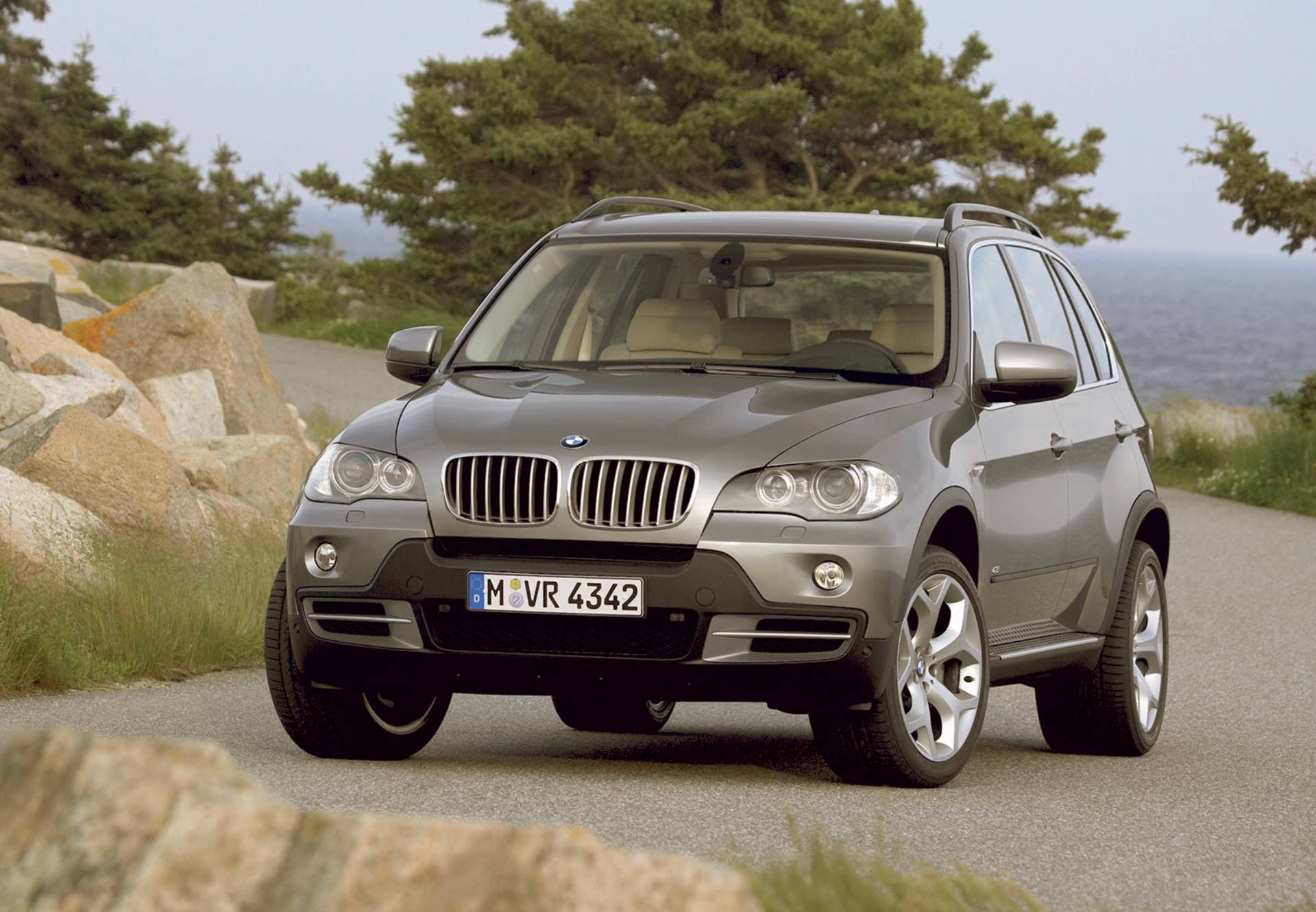
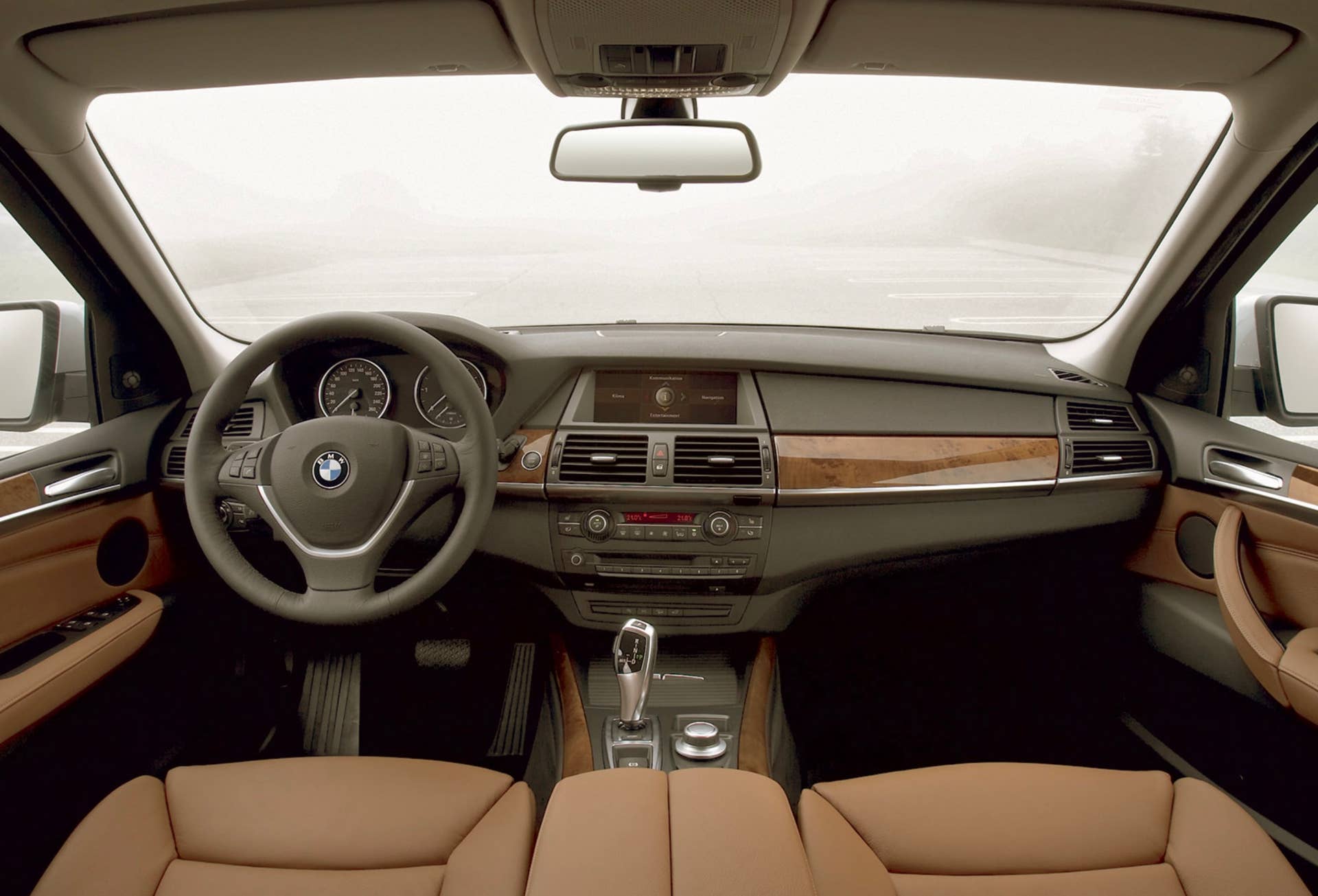
The E70 was manufactured for the 2007 to 2013 model years, with the 2011-2013 BMW X5 models benefitting from a facelift. Larger than the E53, major changes for the second-gen X5 included the fitment of BMW’s iDrive infotainment system, a new turbodiesel engine, an available third row, and the first turbocharged gas engine equipped to an X5.
The manual transmission was discontinued, leaving only six- and eight-speed automatics, depending on the engine. BMW also began the switch over to turbocharged gas engines. 2013 model year specs ranged from 265 hp in the xDrive35d to 400 hp for the V8 turbo xDrive50i. The first X5 M also arrived for this generation, sporting more aggressive styling and a boosted V8 tuned to make 555 hp. It needed just 4.5 seconds to hit 60 mph.
Although more advanced than the E53, the E70 ranks as the least reliable of all the X5 generations. Over 20 recalls apply to the 2010 model year alone, and it was also plagued by coolant issues, PCV valve failures, and problems with the hydraulics.
Third-Generation (F15) BMW X5
BMW
BMW
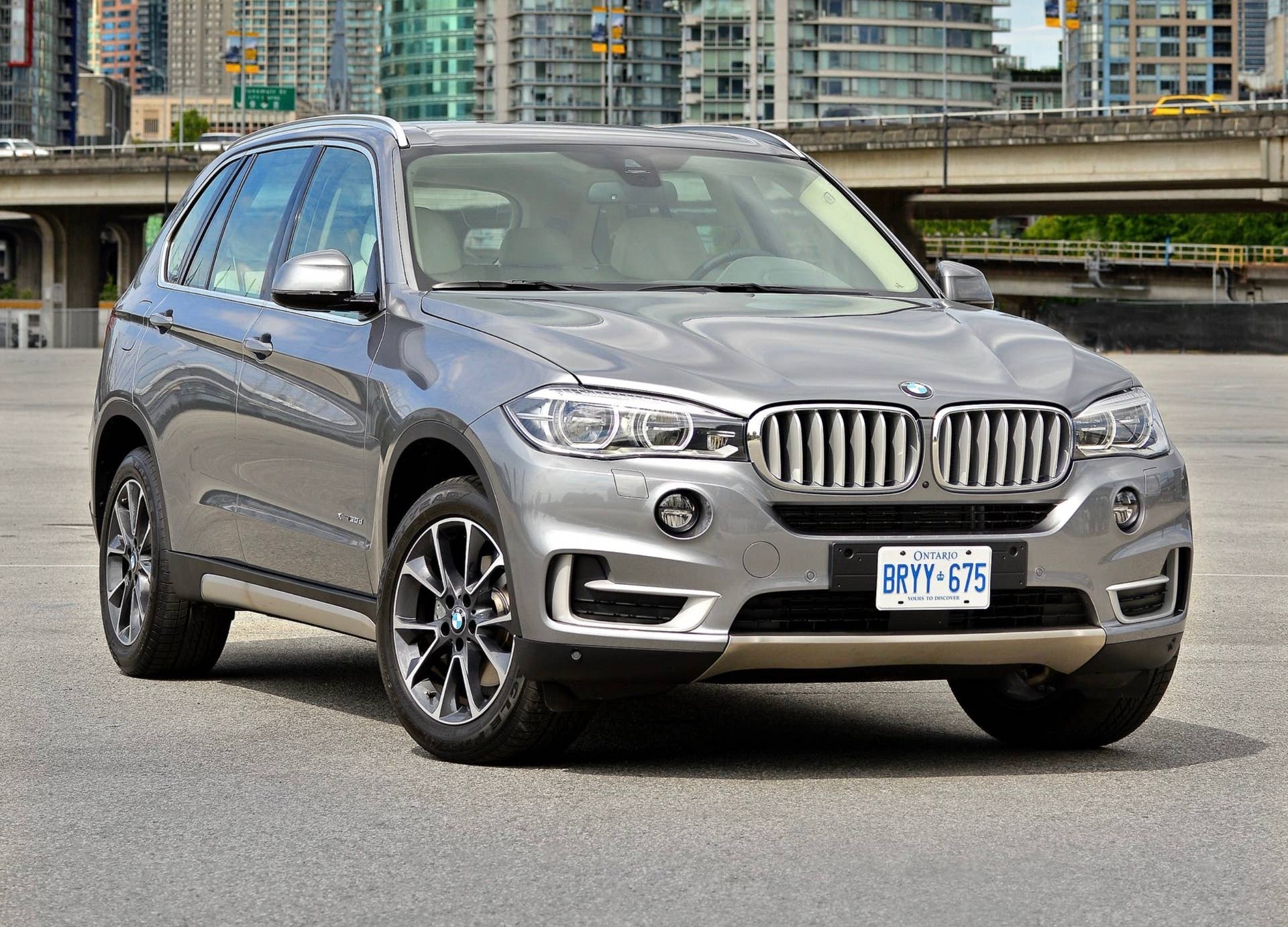
Produced between the 2014 and 2018 model years, the third-gen X5 had a shorter production run than other X5s. Looking back, it’s not a particularly memorable generation of the X5, with neat but not particularly striking styling, and while very comfortable, it wasn’t considered as enjoyable to drive as older X5s.
Still, there was a lot to like about the F15. All engine options were now turbocharged, including a new plug-in hybrid that could achieve 56 MPGe combined and an all-electric range of 14 miles. An eight-speed automatic was standard across the lineup, and the range-topping X5 M now produced 567 hp – its 0-60 time was down to just four seconds.
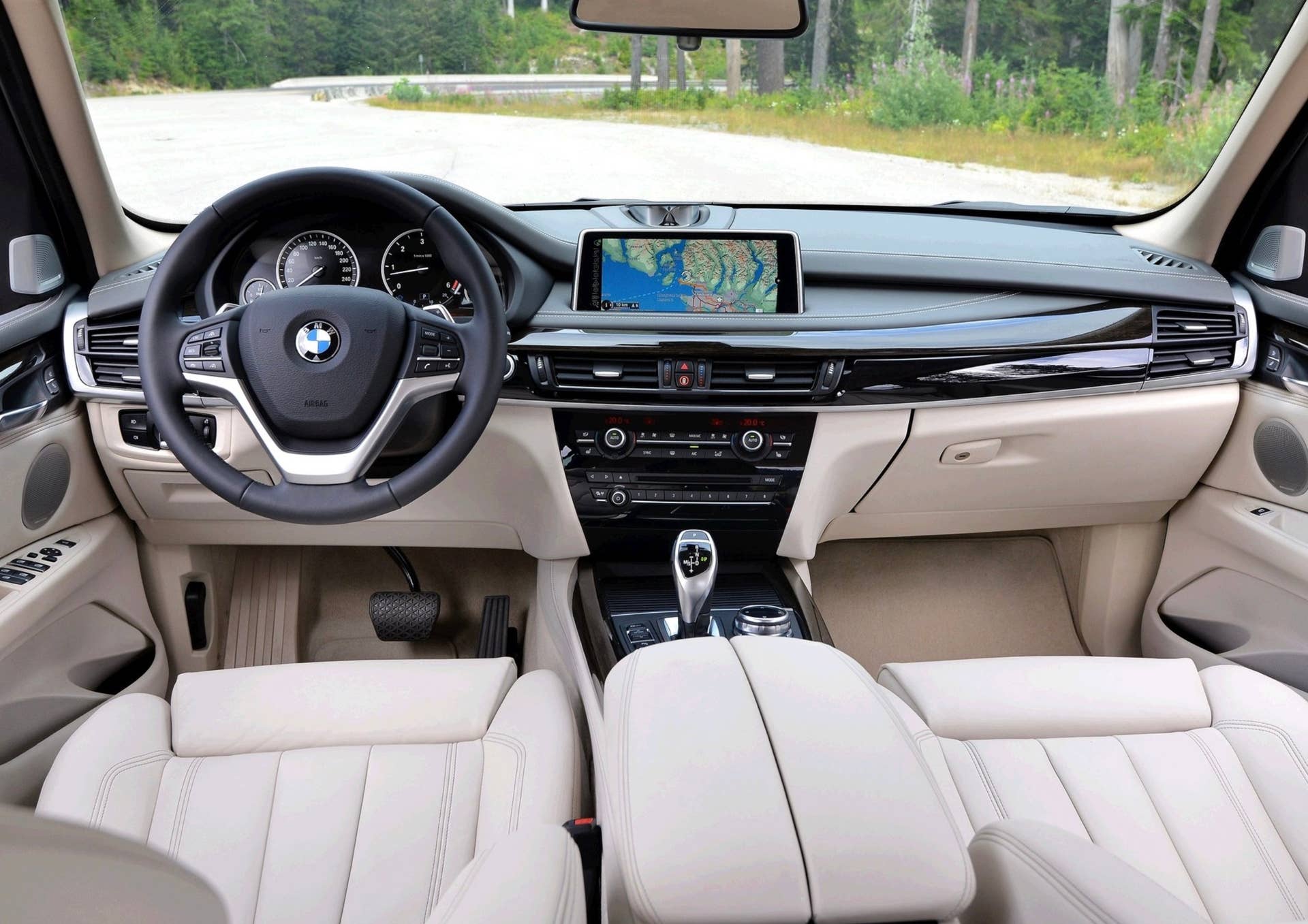
For the first time, a touchscreen was added to the X5 in this generation, but the physical rotary dial remained. The F15 also saw many improvements to the driver-assistance suite, with an enhanced parking assistant and a traffic jam assistant.
Fourth-Generation (G05) BMW X5
BMW
BMW
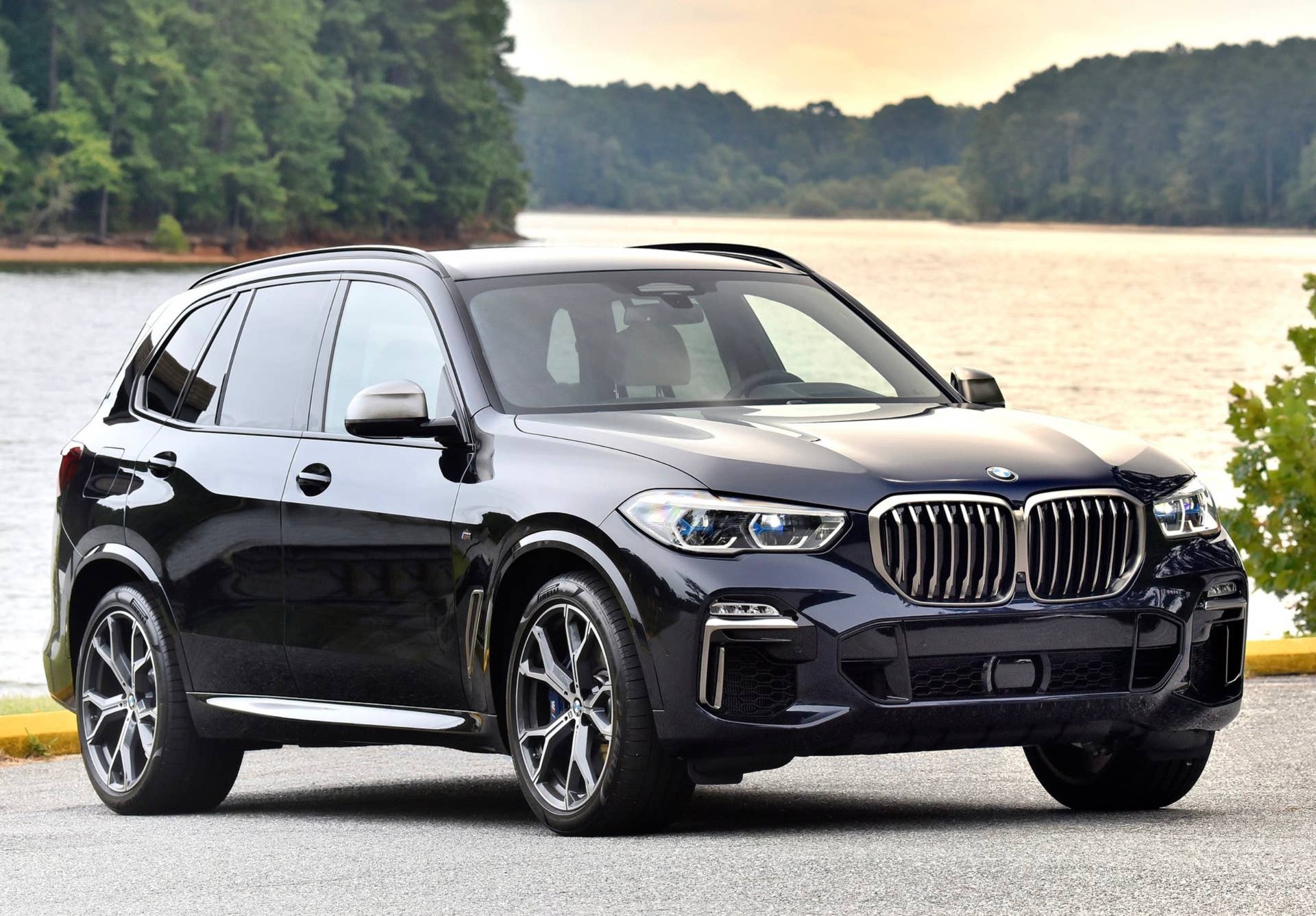
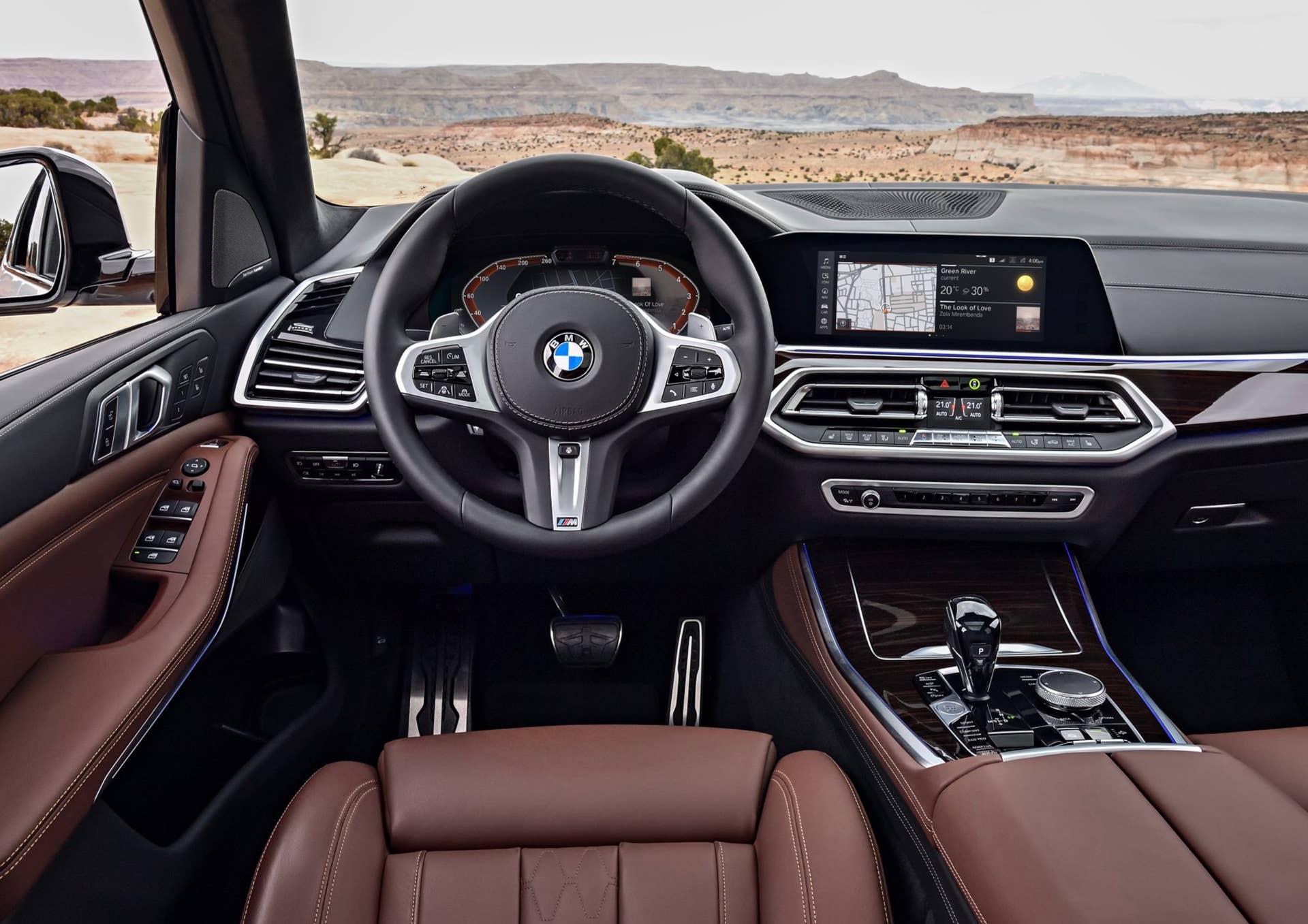
Unveiled in 2018 for the 2019 model year, the G05 is still in production currently, with a facelift having been introduced for the 2024 model year. Similar in size to the F15, the G05 feels like a return to form for the X5 – it rides and handles beautifully, is supremely built, and manages to look distinctive in what has become a highly competitive segment.
The latest plug-in hybrid is a vast improvement over the previous gen, now featuring a six-cylinder engine and an all-electric range of 39 miles, up from 14 miles in the F15. The B58 six-cylinder engine provides reliable power at the bottom of the range, either with RWD or AWD, while the current 4.4-liter twin-turbo V8 is known as the M60i. The X5 M was initially available in standard and Competition forms, but only the latter is now available and produces 617 hp. As with the previous gen, all G05s have an eight-speed automatic.
This BMW X5’s redesign years were from 2024 onwards, when all G05s received BMW’s new curved display, which migrates many of the older physical controls into the touchscreen. The X5 can also be optioned with a hands-free driving system from the 7 Series, showing just how far it has come since the E53.
Looking Ahead: Fifth-Generation (G65) BMW X5
SH Proshots/Autoblog
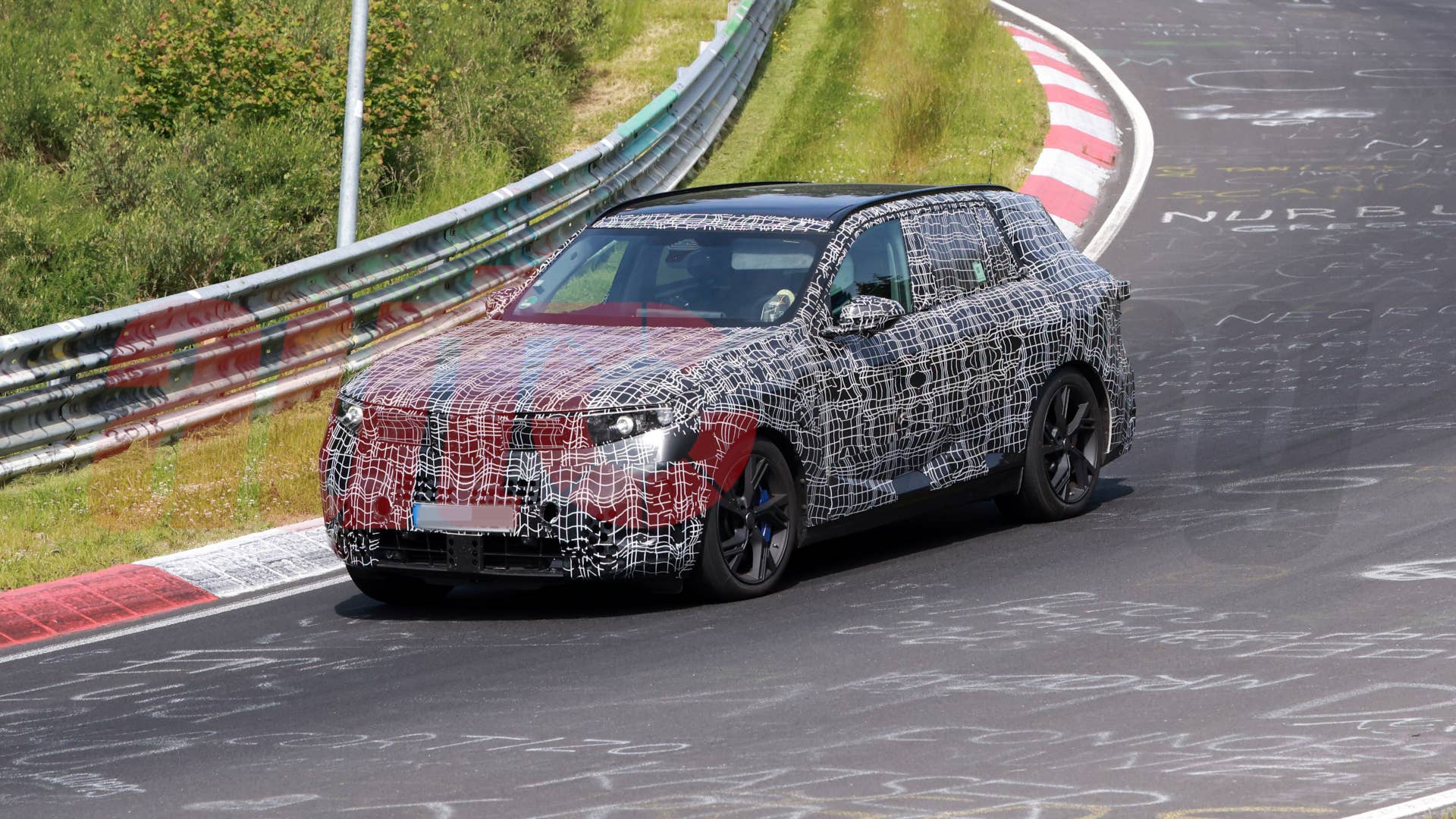
Although not revealed yet, the next-gen G65 X5 is expected to launch for the 2027 model year. Spy shots indicate that it will have a design inspired by the brand’s Neue Klasse concepts, and we anticipate a range of powertrains that could include a fully electric iX5 and a range-extender model.
As with other new BMWs, we expect BMW to rely more heavily on display screens and ambient lighting to set the mood inside, in place of the more luxurious wood and aluminum trim panels in the current X5.
A full reveal is only expected in 2026, so it may be a while before we get a proper look at the next X5, but it sure has big shoes to fill.
About the author

Karl Furlong
Senior Editor, Autoblog