
BMW has a long history of engineering excellence, and since the beginning of this century has produced some iconic powerplants. This era represents the brand’s shift from high-revving, naturally aspirated perfection to modern, high-torque turbocharged monsters, and we cover the very best ones here. Limiting our list to just seven entries was hard enough, so if you feel we left out one of your favorites, let us know in the comments below.
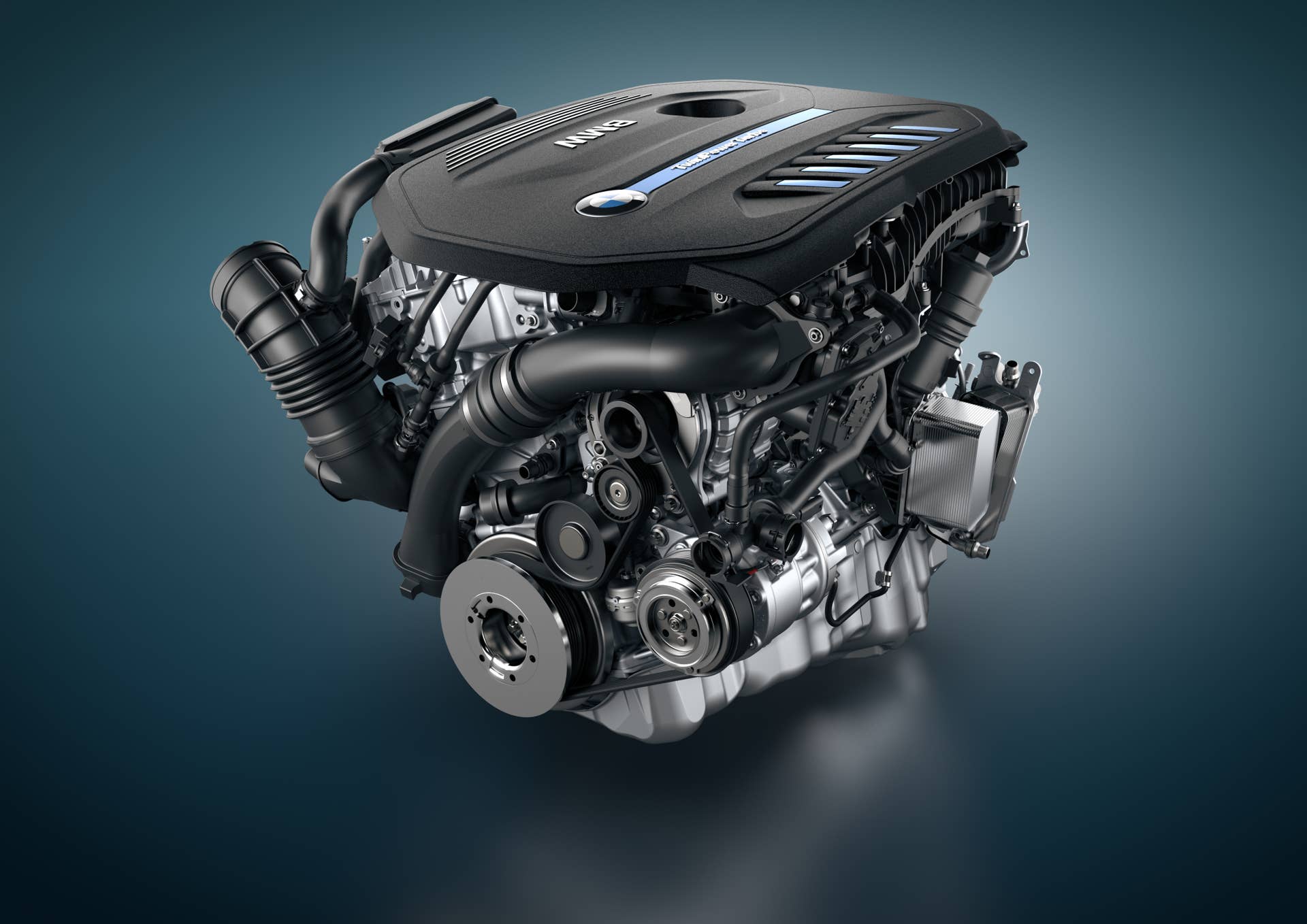
1. The B58 (3.0L Turbocharged Inline-6)
BMW
BMW
- Max Power: 382 hp
- Max Torque: 369 lb-ft
Introduced in 2015, the B58 is widely considered BMW’s modern masterpiece. It has gained such a reputation for reliability and performance that Toyota chose it for the modern Supra. It combines the smooth, linear power of a classic inline-6 design with incredible tuning potential and modern reliability.
It uses a “closed-deck” design, making it extremely strong under high boost pressures. While it is very reliable overall, plastic cooling system components (like the water pump) can still fail prematurely; and it can suffer from oil filter housing leaks.
2. The S54 (3.2L Naturally Aspirated Inline-6)
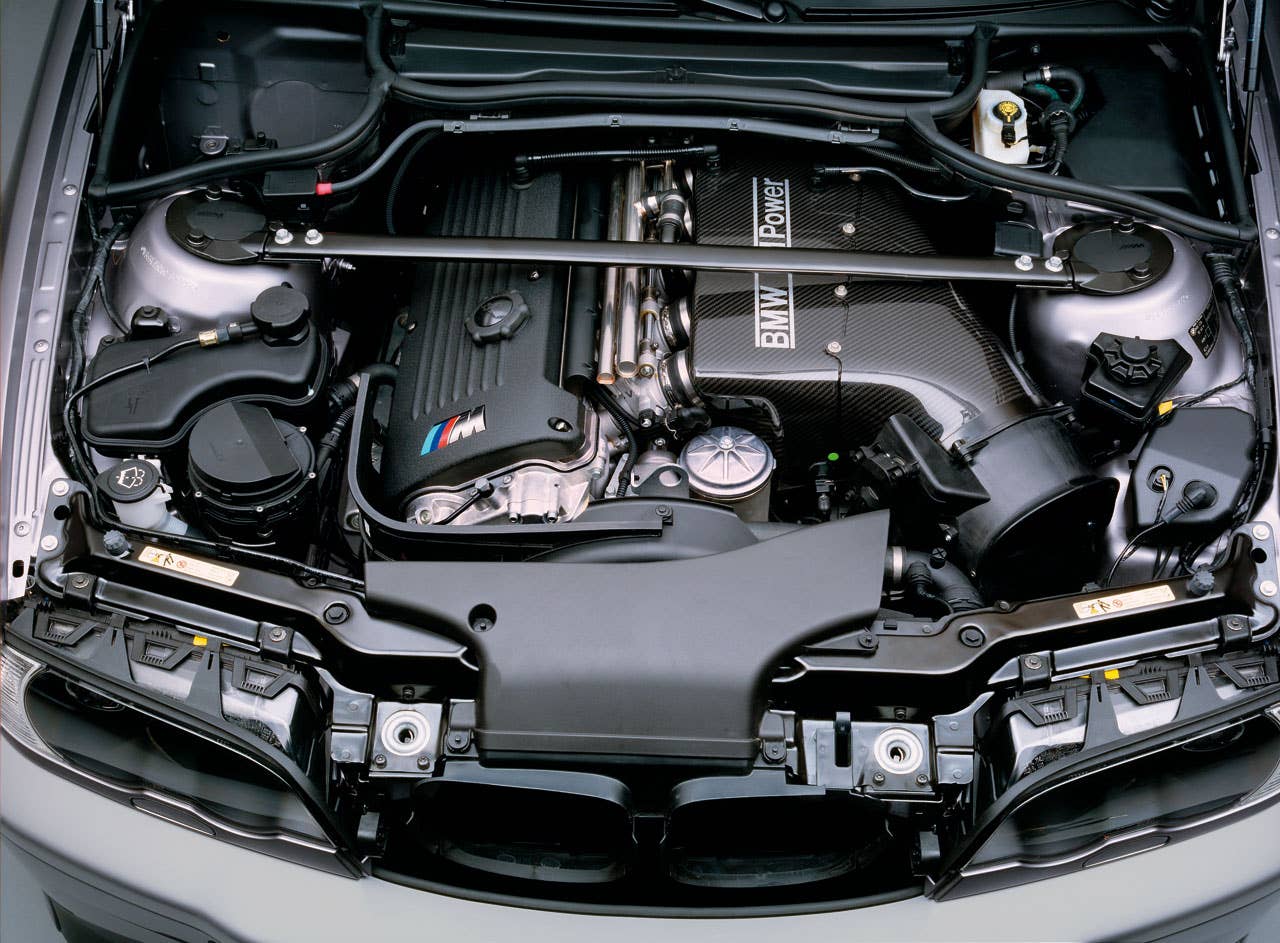
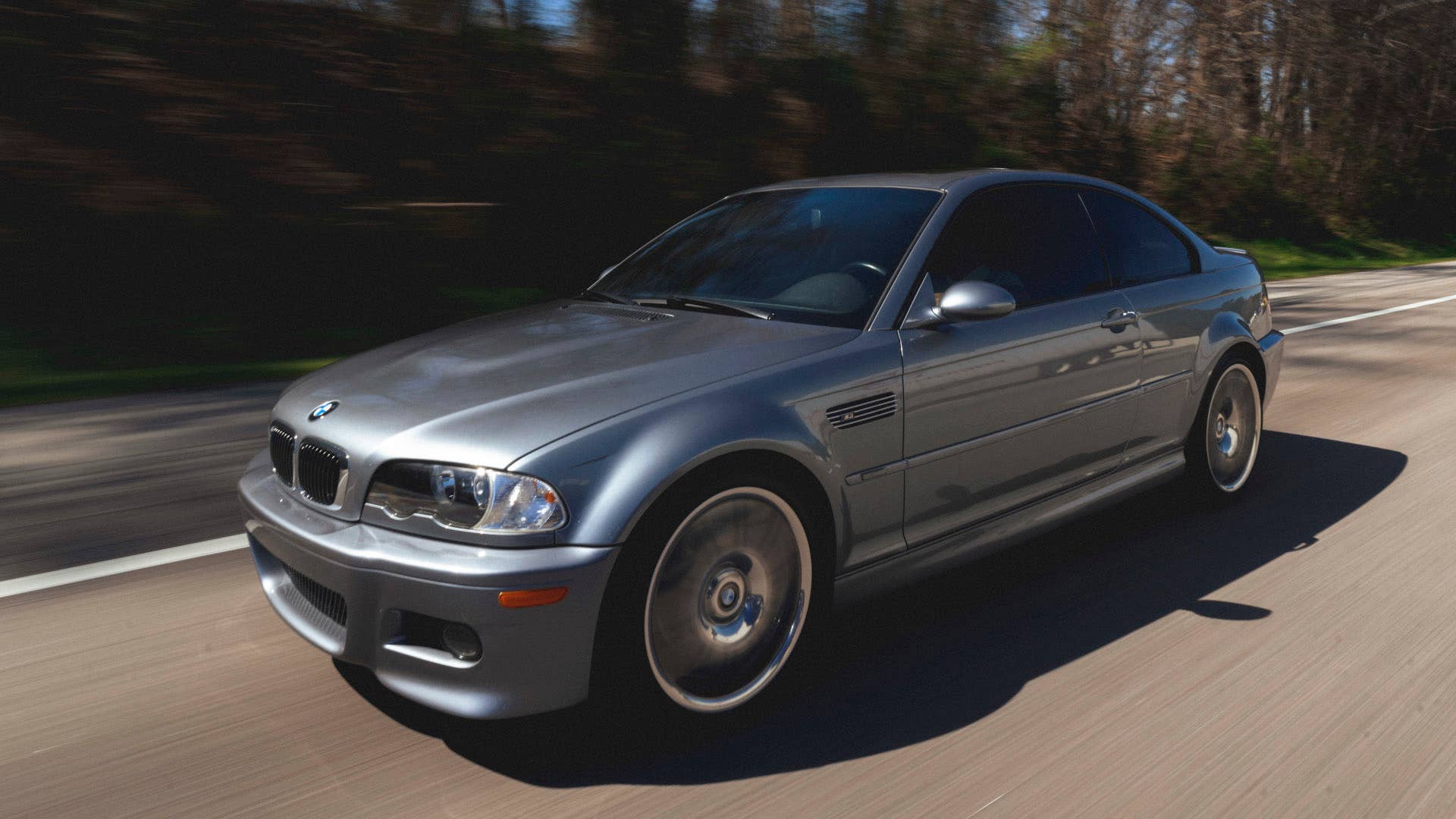
- Max Power: 333–360 hp
- Max Torque: 252–273 lb-ft
Used in the E46 M3 and Z4 M, this is the ultimate evolution of BMW’s naturally aspirated straight-six legacy. Even though it is now over 25 years since it debuted, it remains a technological tour-de-force, with a screaming 8,000 RPM redline and individual throttle bodies that provide instantaneous throttle response. It has a searing exhaust note and had one of the highest power-per-liter ratios of its time.
While built to withstand serious stresses, these engines have high maintenance costs and are known for rod bearing failure and Vanos (variable valve timing) issues. Regular servicing and some preventative maintenance can keep the S54 running strong for years.
3. The S65 (4.0L Naturally Aspirated V8)
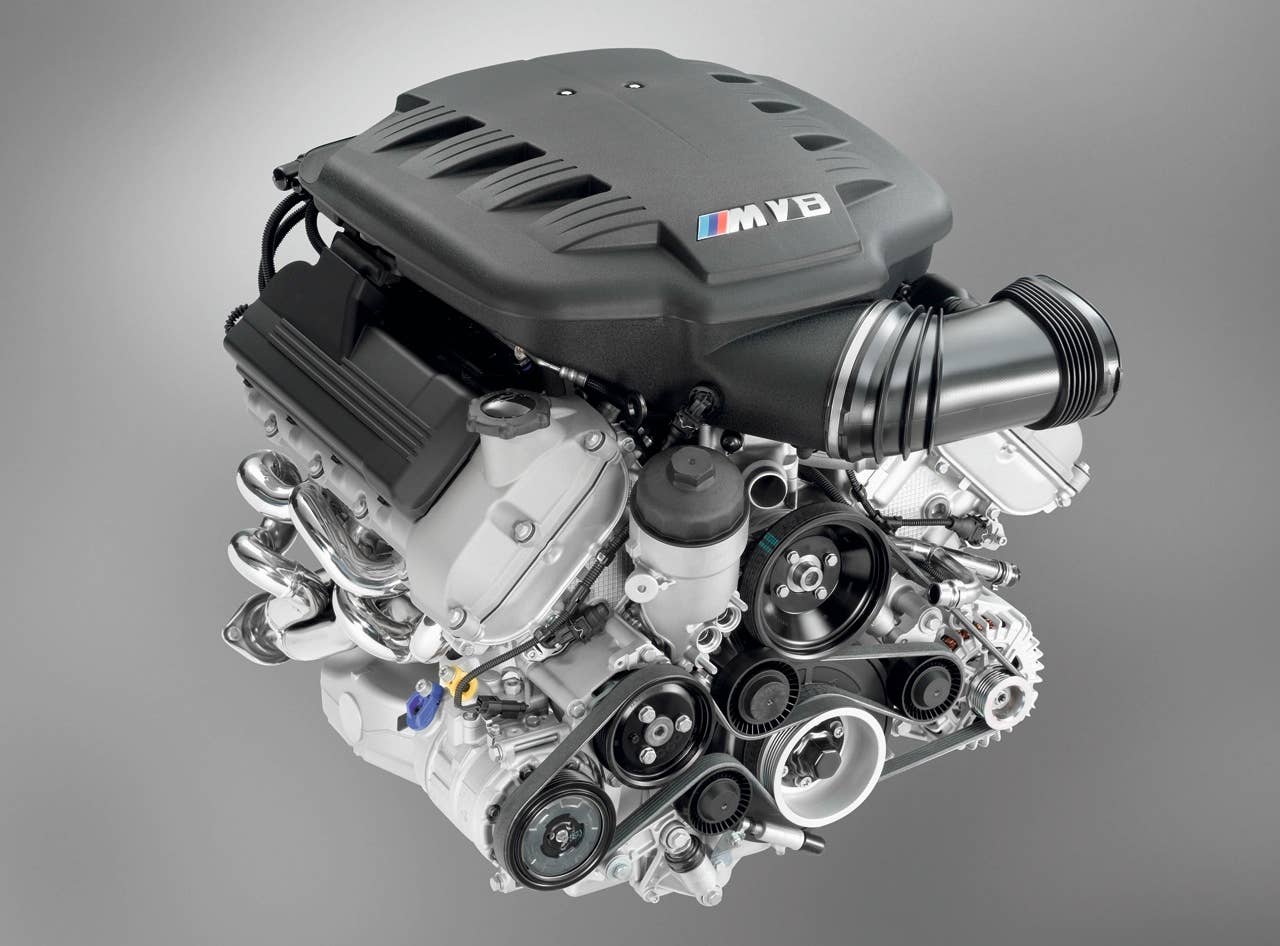
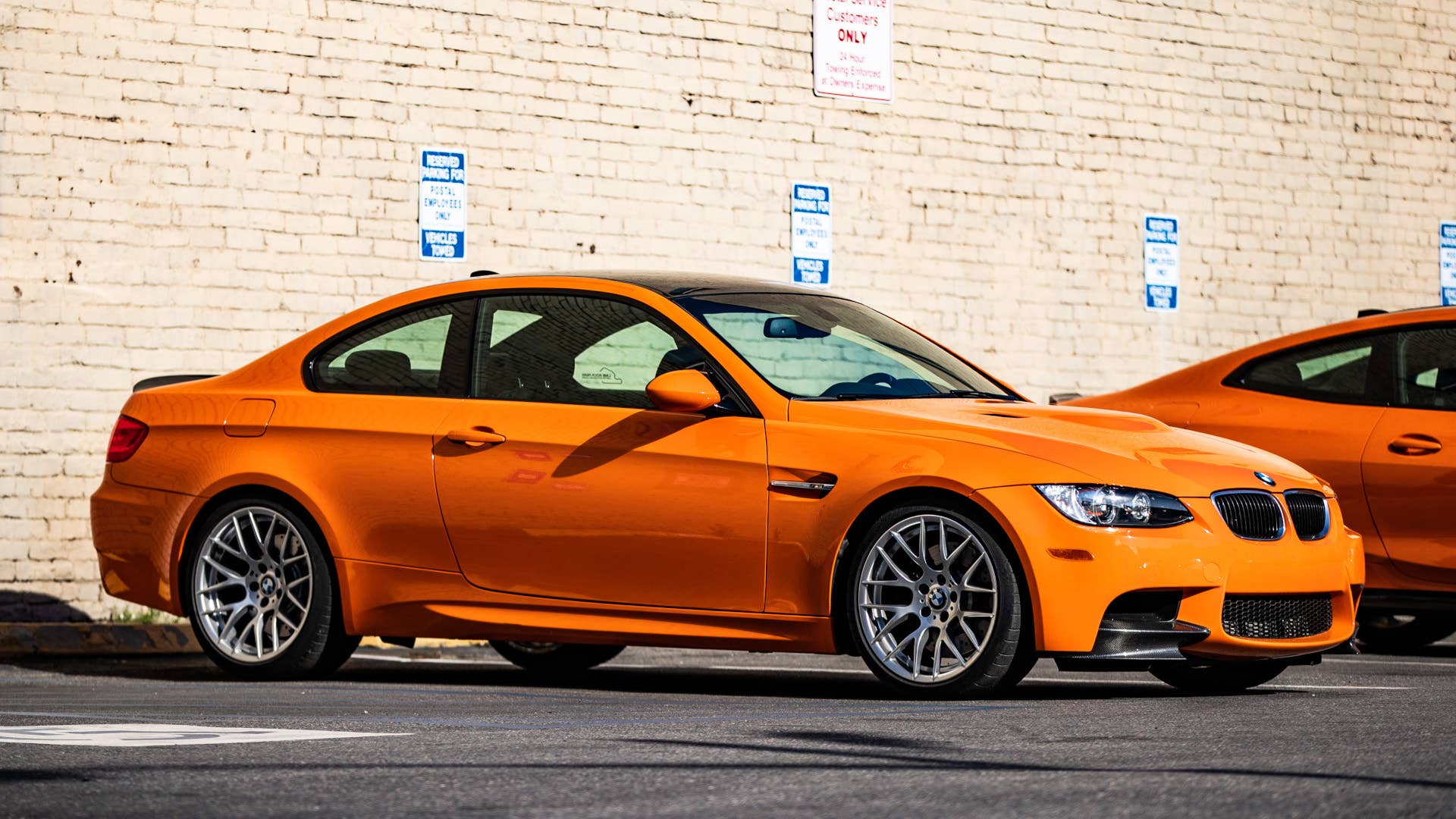
- Max Power: 420 hp
- Max Torque: 295 lb-ft
The only V8 ever fitted to a production M3, this engine is essentially a shortened version of the legendary S85 V10. It is the highest revving cross-plane crank V8 ever, soaring to an intense 8,400 RPM and creating a sound experience more akin to a supercar than a sports sedan. Aside from its exotic exhaust note, it has lightning-fast throttle response and is surprisingly lightweight for a V8.
However, it does have poor fuel economy and is notorious for chewing up its rod bearings and premature throttle actuator failures. A bit of preventative maintenance can prevent these issues, but only very gentle driving will keep your fuel economy vaguely reasonable.
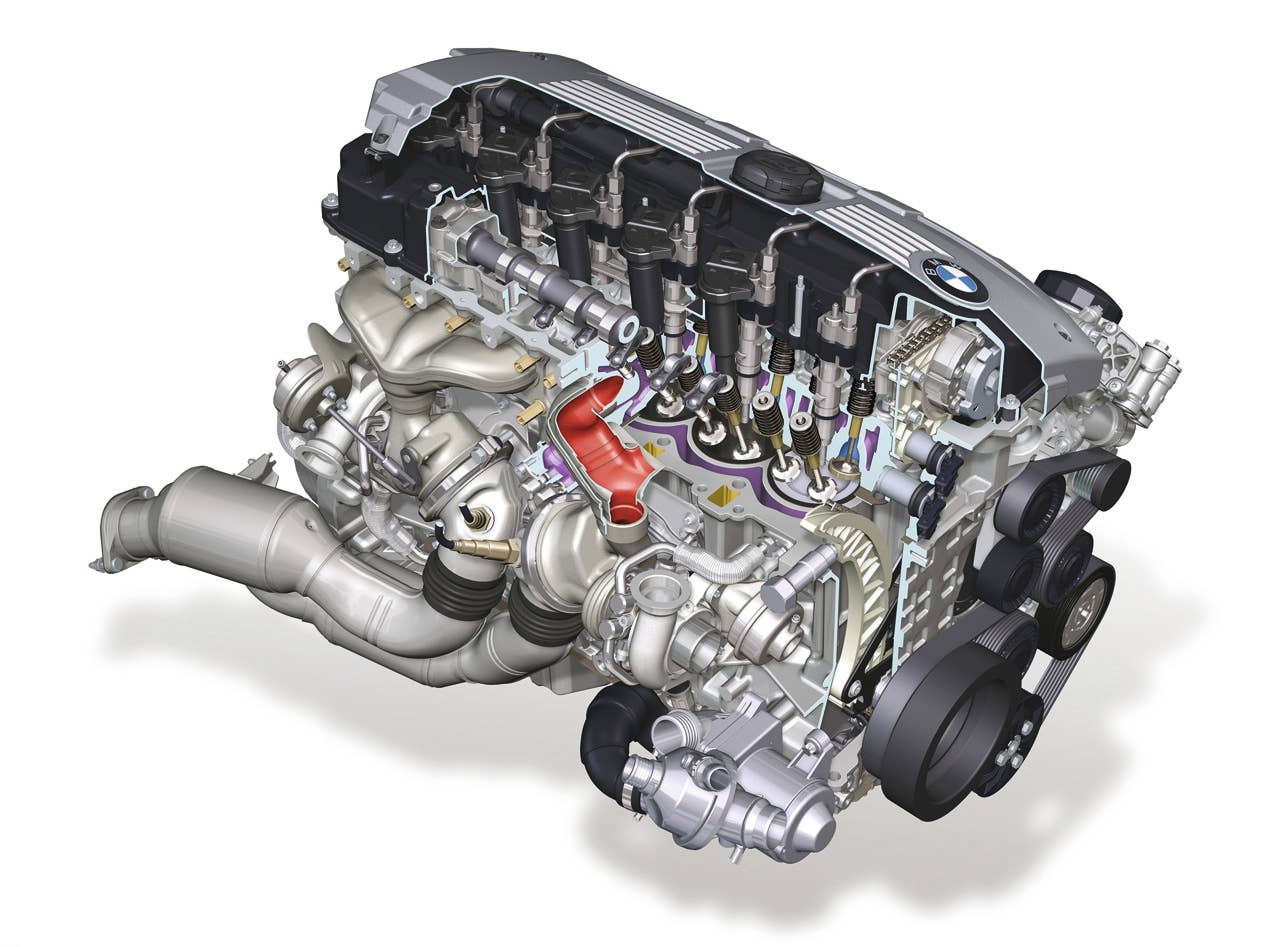
4. The N54 (3.0L Twin-Turbocharged Inline-6)
BMW
Drew Phillips
- Max Power: 300–335 hp
- Max Torque: 300–332 lb-ft
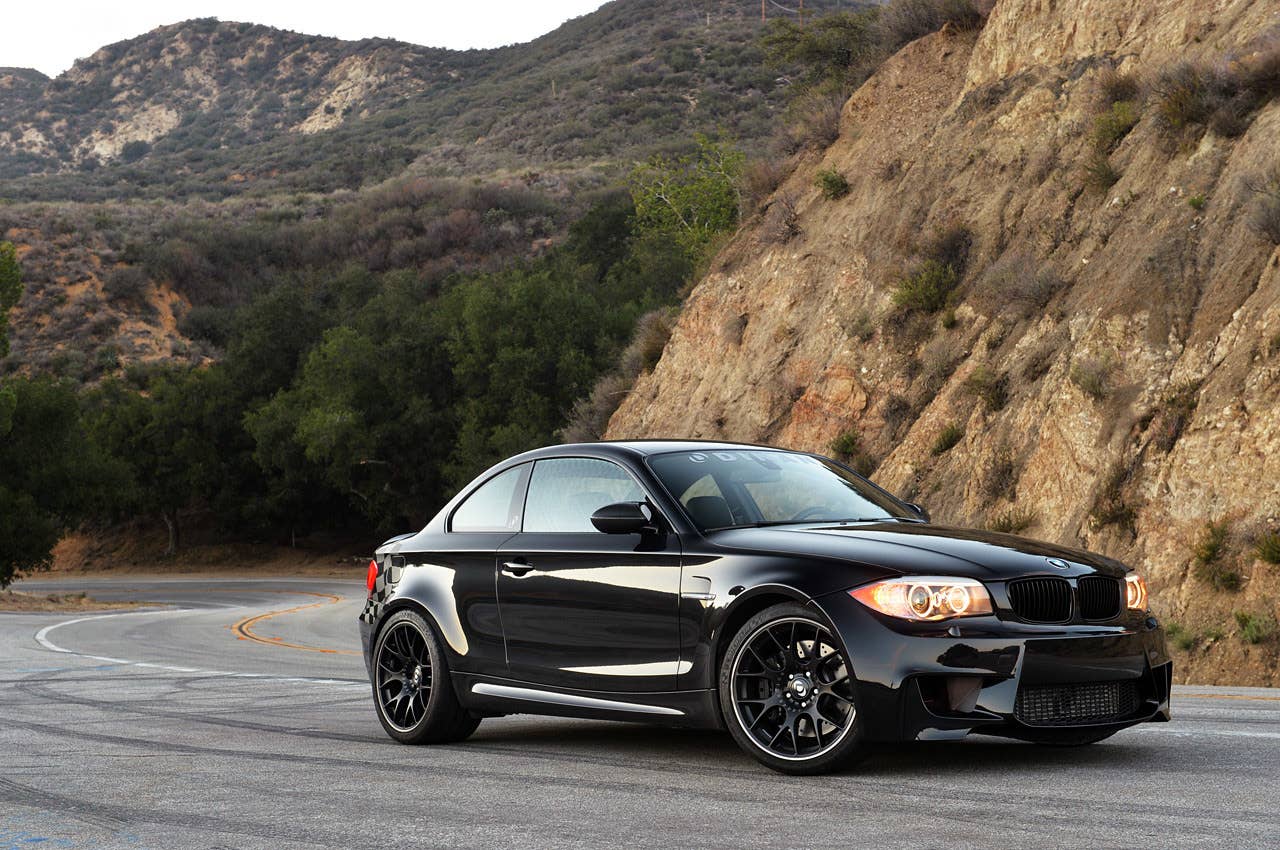
This was BMW’s first mass-production turbocharged engine in decades. With a closed-deck design and engineered internals like a forged crankshaft and rods, tuners could reach 500–700+ hp on stock internals. The twin-turbo layout gave the motor massive low-end torque, but it was not the most reliable BMW engine ever.
It became known for a few common issues like High-Pressure Fuel Pump (HPFP) failures and a turbo wastegate rattle, among other things. As a first attempt, the N54 was a superb effort, and it formed the basis for a whole range of powerful (and much more reliable) turbocharged engines for future BMW models.
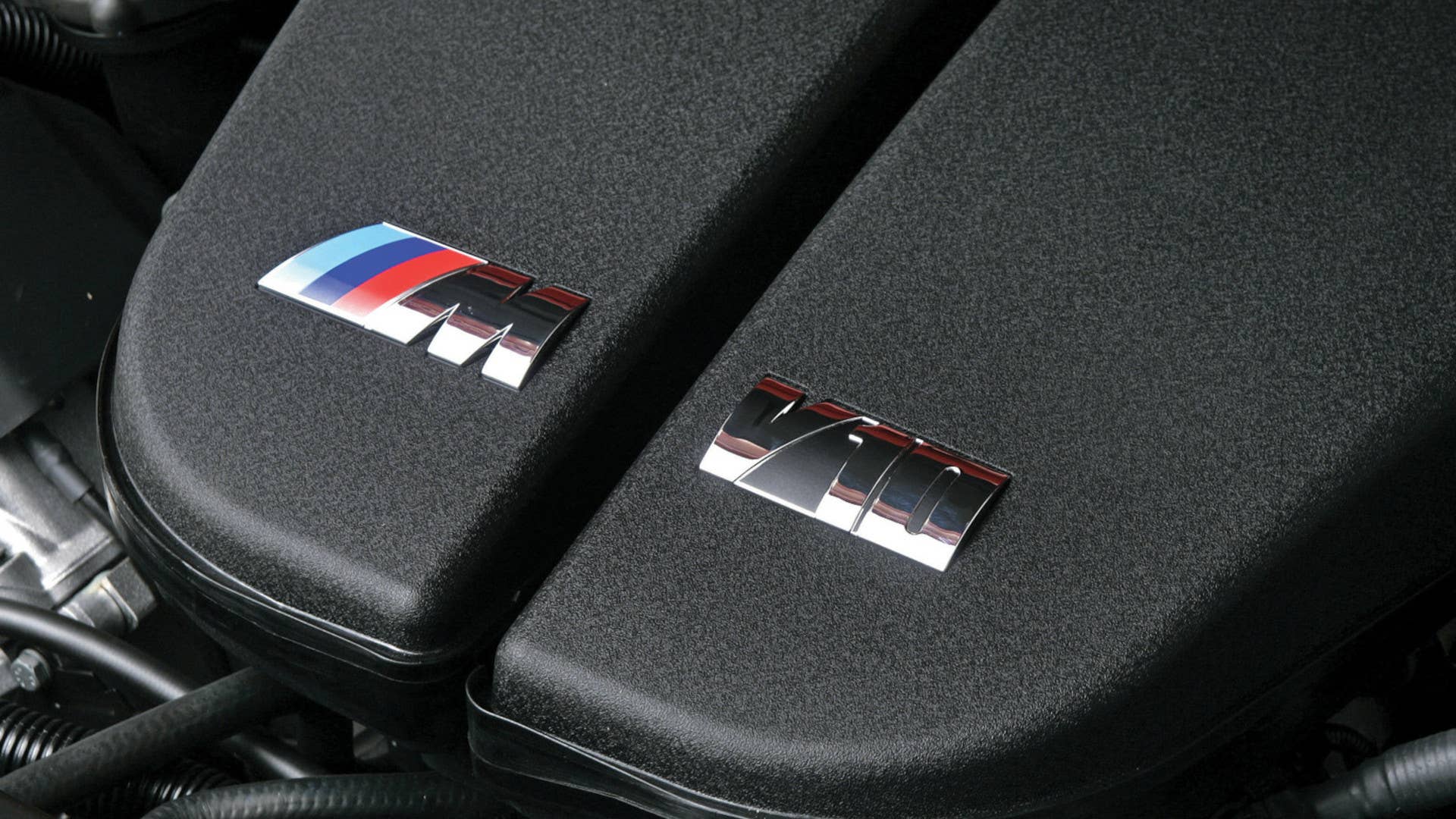
5. The S85 (5.0L Naturally Aspirated V10)
- Max Power: 500 hp
- Max Torque: 384 lb-ft
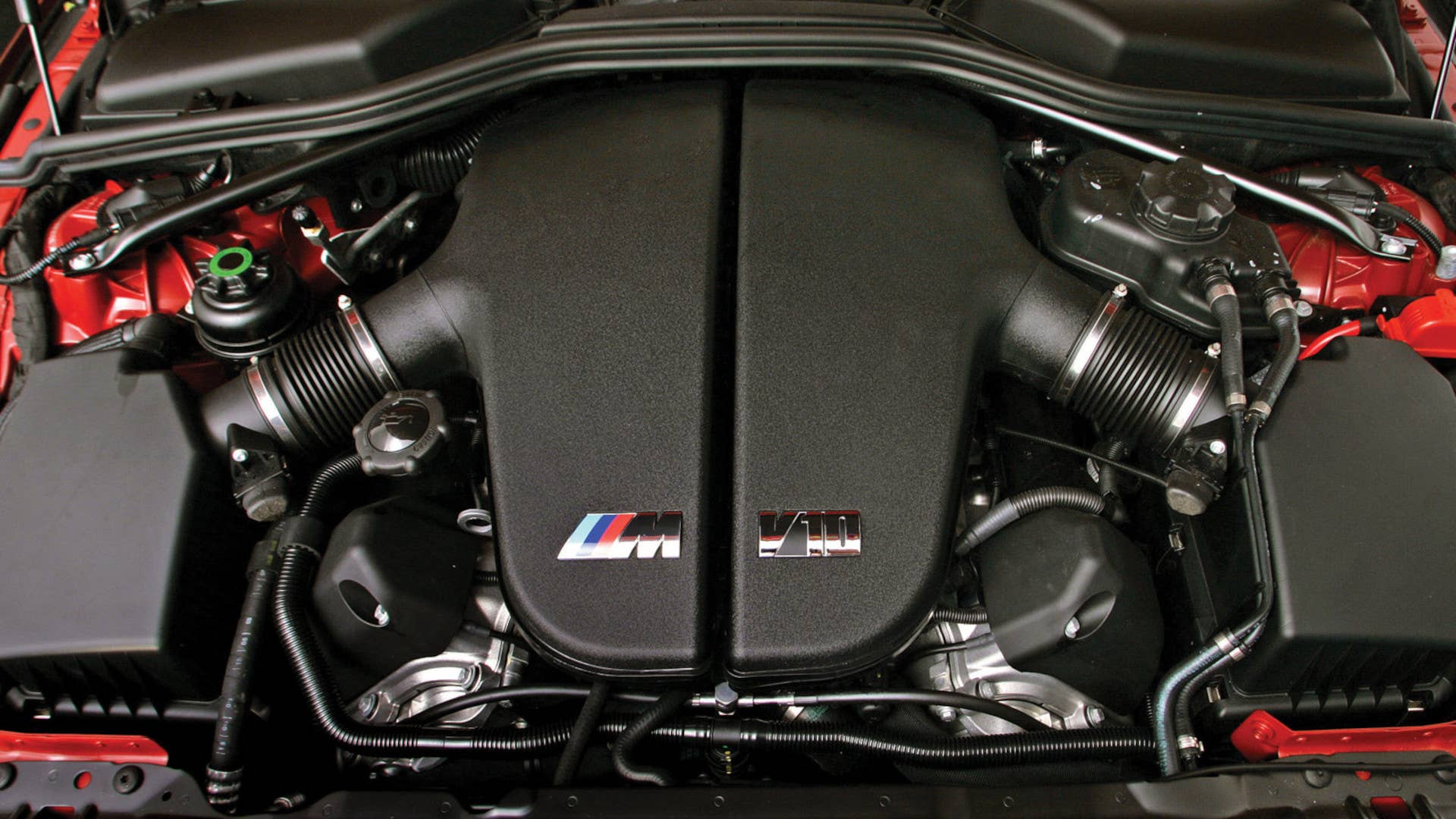
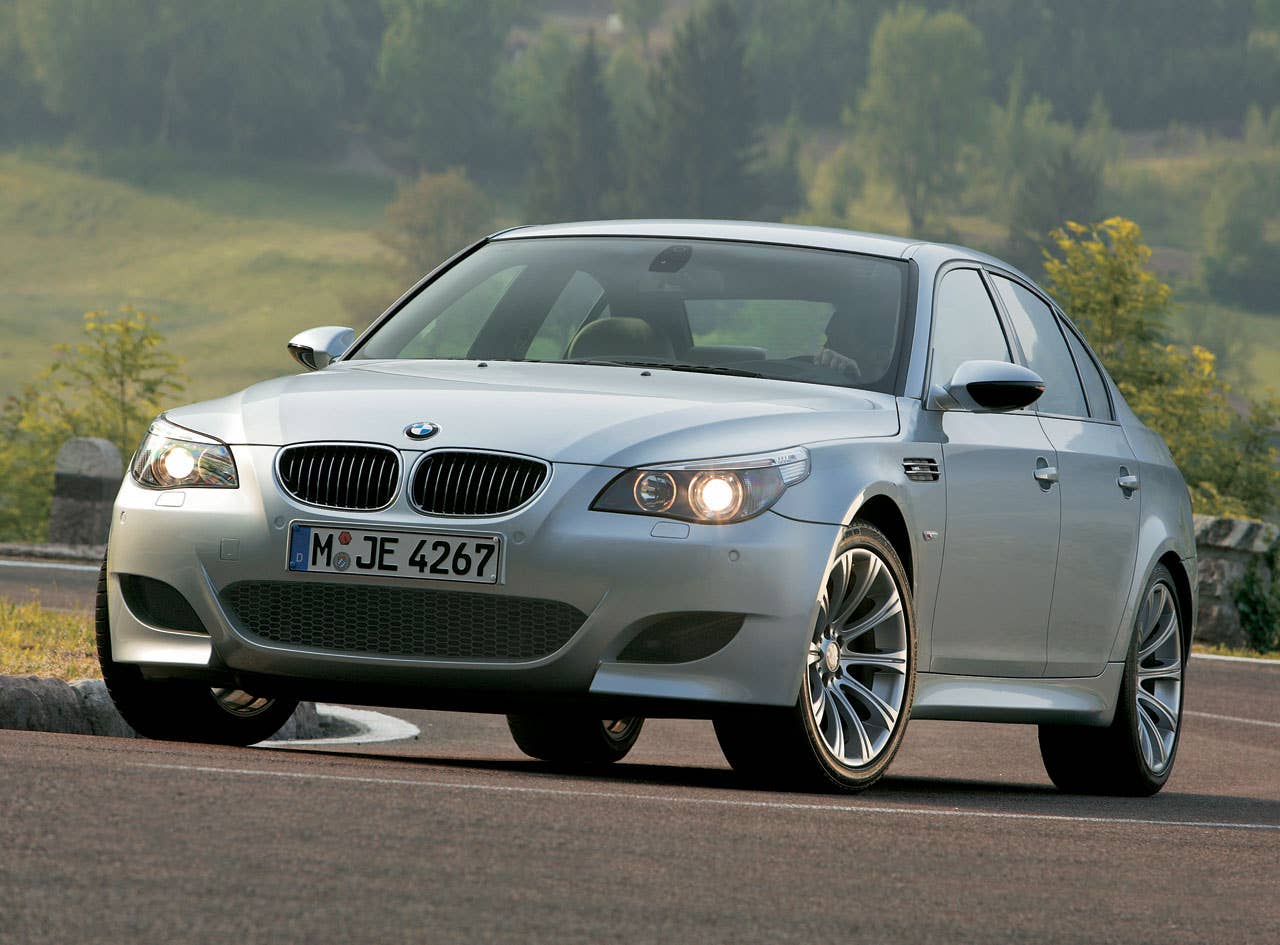
Inspired by BMW’s Formula 1 program of the early 2000s, this engine powered the E60 M5 and E63 M6. It didn’t really have anything to do with the F1 engines aside from being built in the same facility in Landshut, Germany, but it certainly felt like a racing engine for the road. While its predecessor had a game changing 4.9-liter 394-hp V8, this V10 is arguably the most ambitious engine BMW ever built.
A 10-cylinder engine in a luxury sedan that screams to 8,250 RPM is a feat of engineering that will likely never happen again. Aside from the hug fuel consumption, it has become known for high maintenance costs, and suffers from the same maladies as the smaller S65 V8 that is derived from it. However, replacing the fragile rod bearings, and carrying out frequent oil changes are the best way to ensure long term reliability, and with prices for E60 M5s still reasonably low, you could own one of histories greatest road car engines ever created.
6. The M57 (3.0L Turbocharged Diesel Inline-6)
- Max Power: 282 hp
- Max Torque: 425 lb-ft
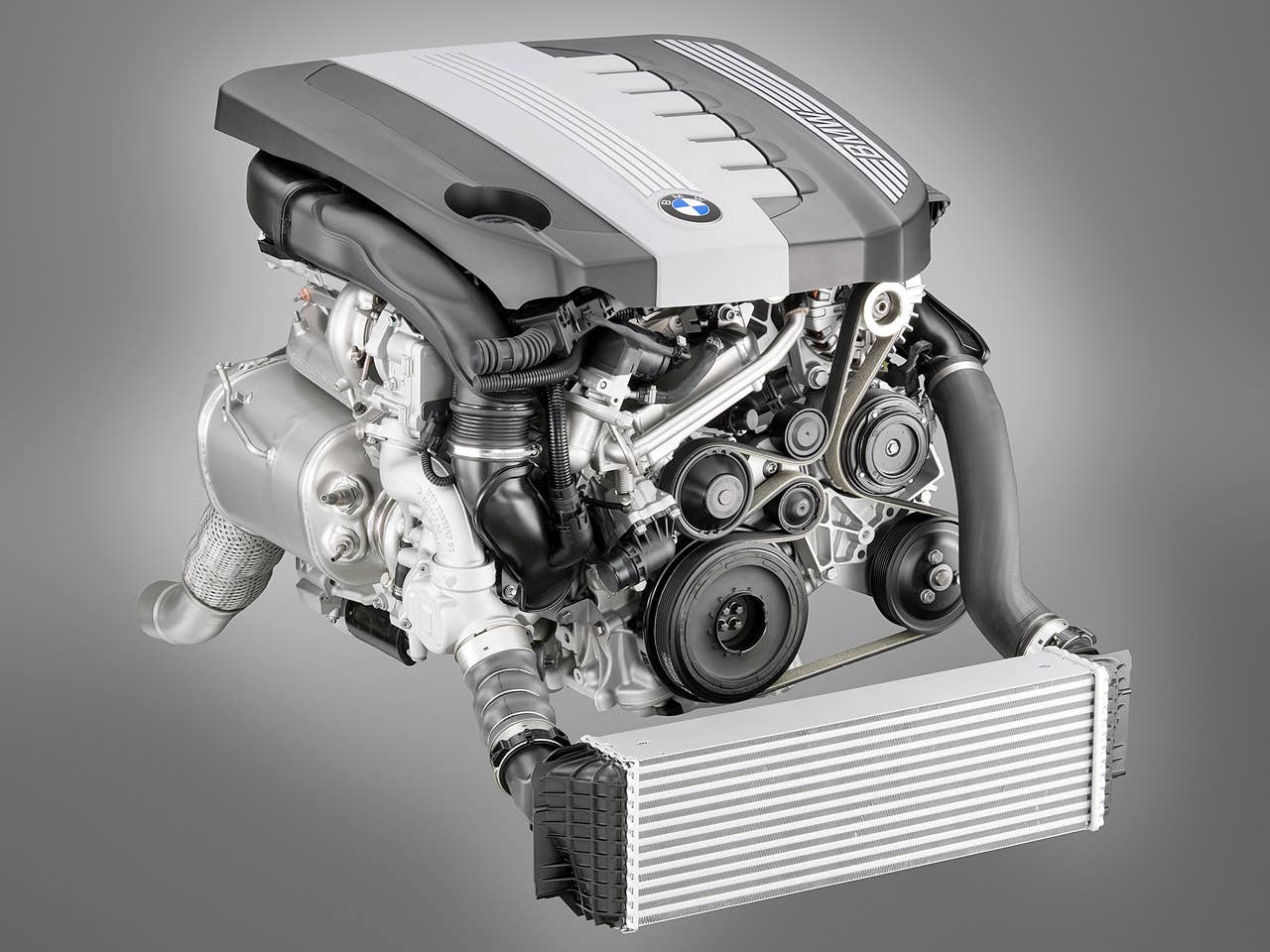
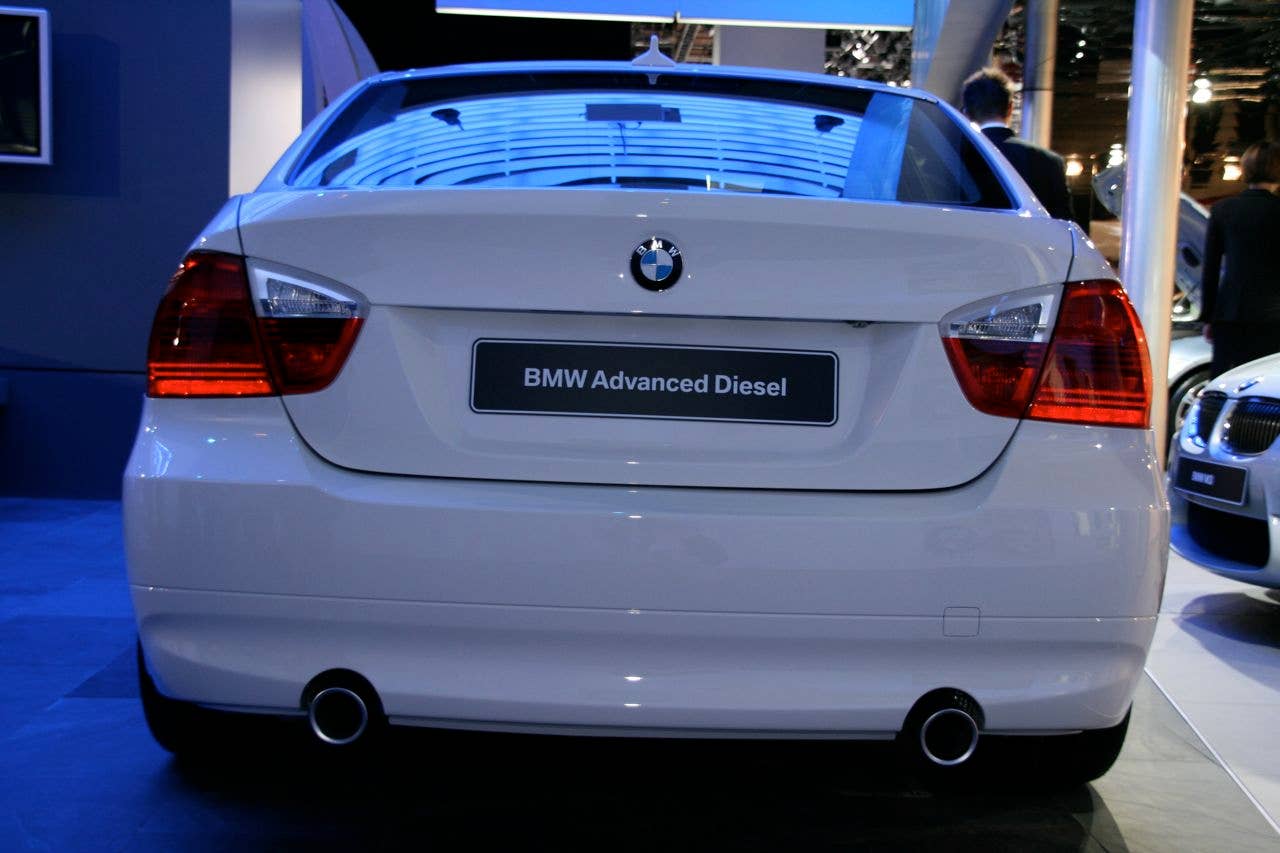
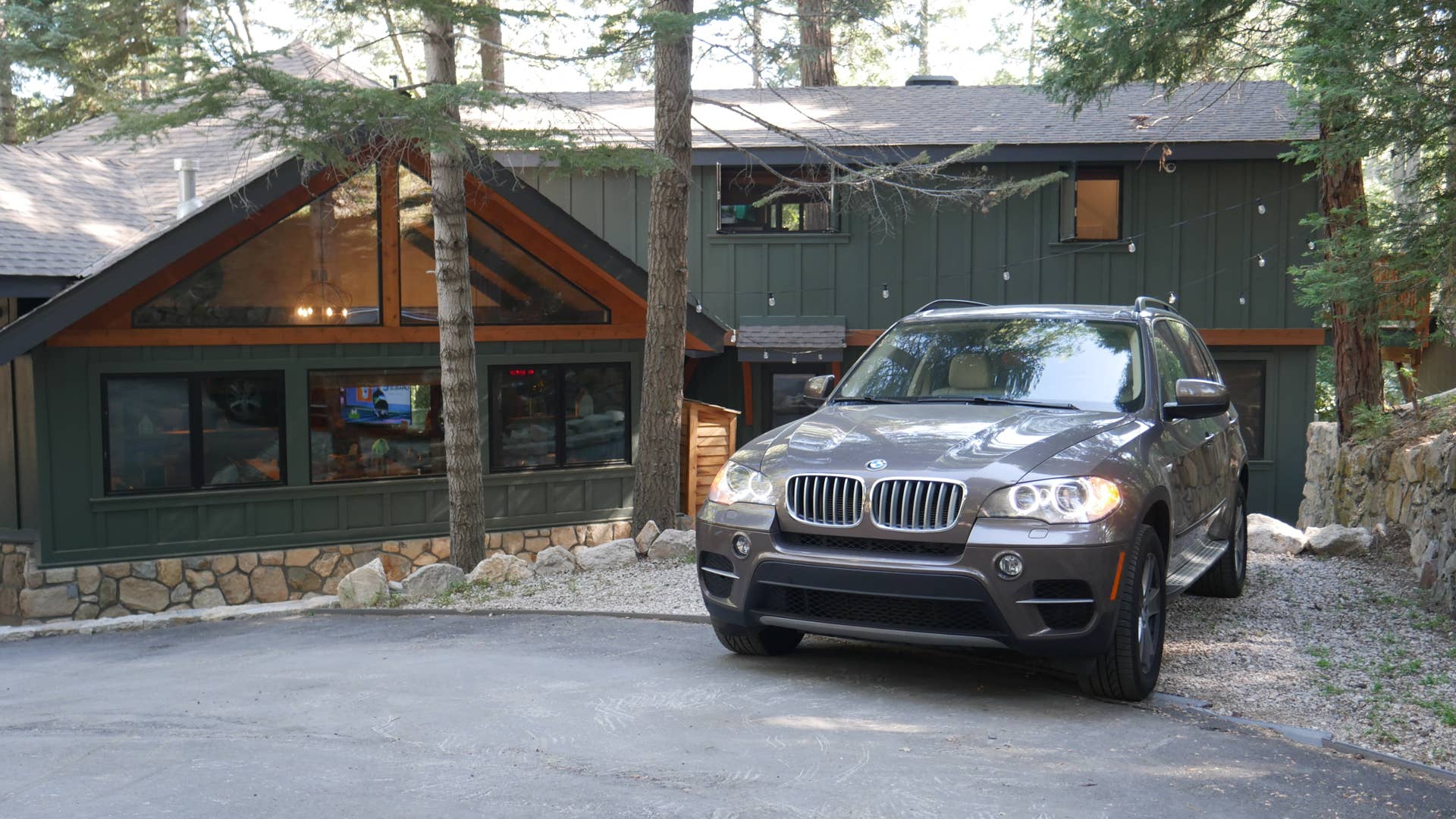
Diesels tend to take a back seat in ‘best engine’ lists, but the M57 motor certainly deserves to sit alongside these gas-powered engines. It was practically indestructible, and some examples had sequential twin-turbo setups that were easy to tune for much more power than the stock figures.
The US only got to experience these engines in the twin-turbo 335d and X5 xDrive 35d, but owners still loved them. One common issue was that the swirl flaps could be sucked into the engine, resulting in their removal. While the gas-powered BMW engines will continue to set new standards in power and performance, the M57 diesel proved that diesels aren’t just for economy and heavy-duty trucks, they could be fun, too.
7. The S58 (3.0L Twin-Turbocharged Inline-6)
- Max Power: 473–552 hp
- Max Torque: 406–479 lb-ft
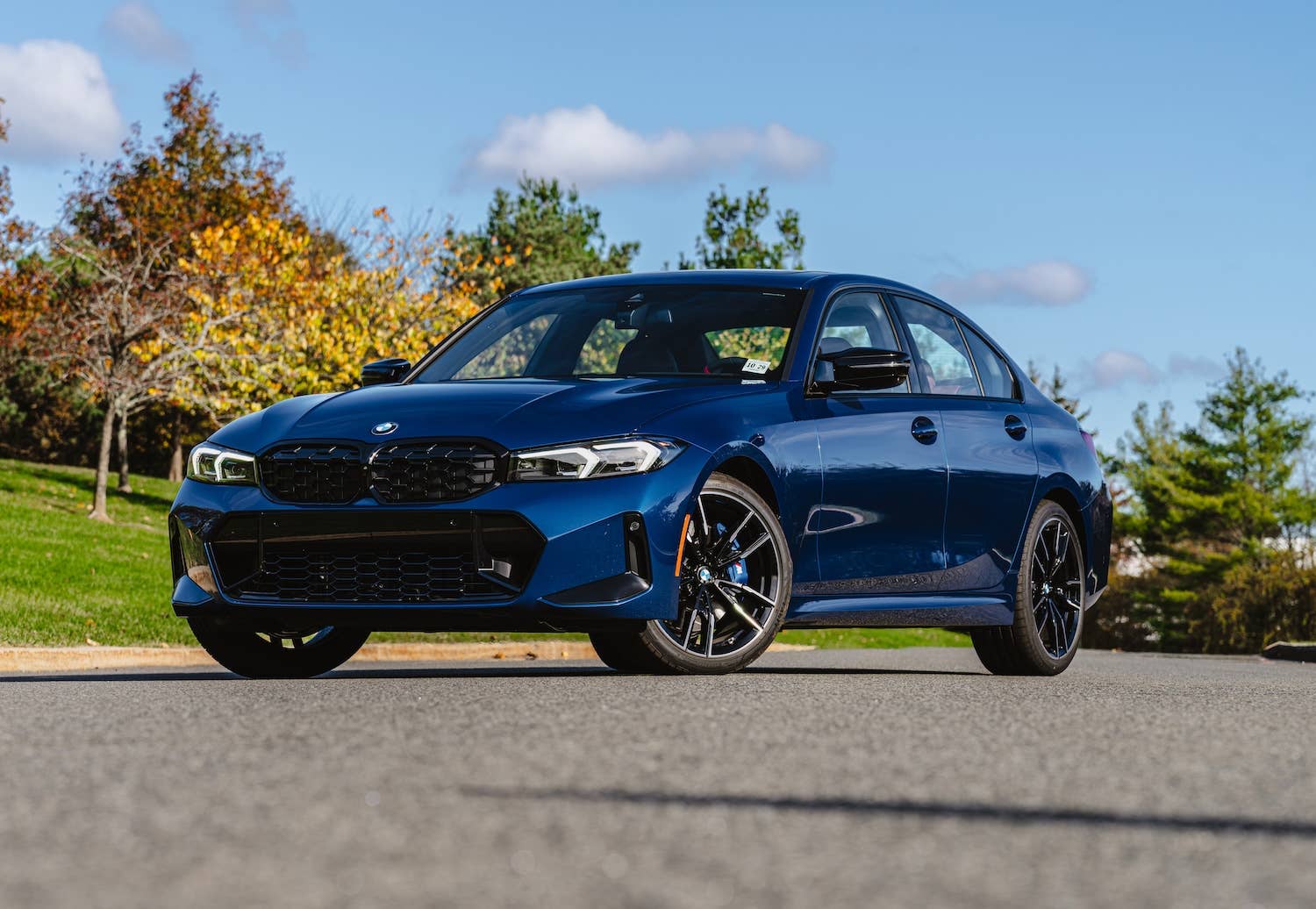
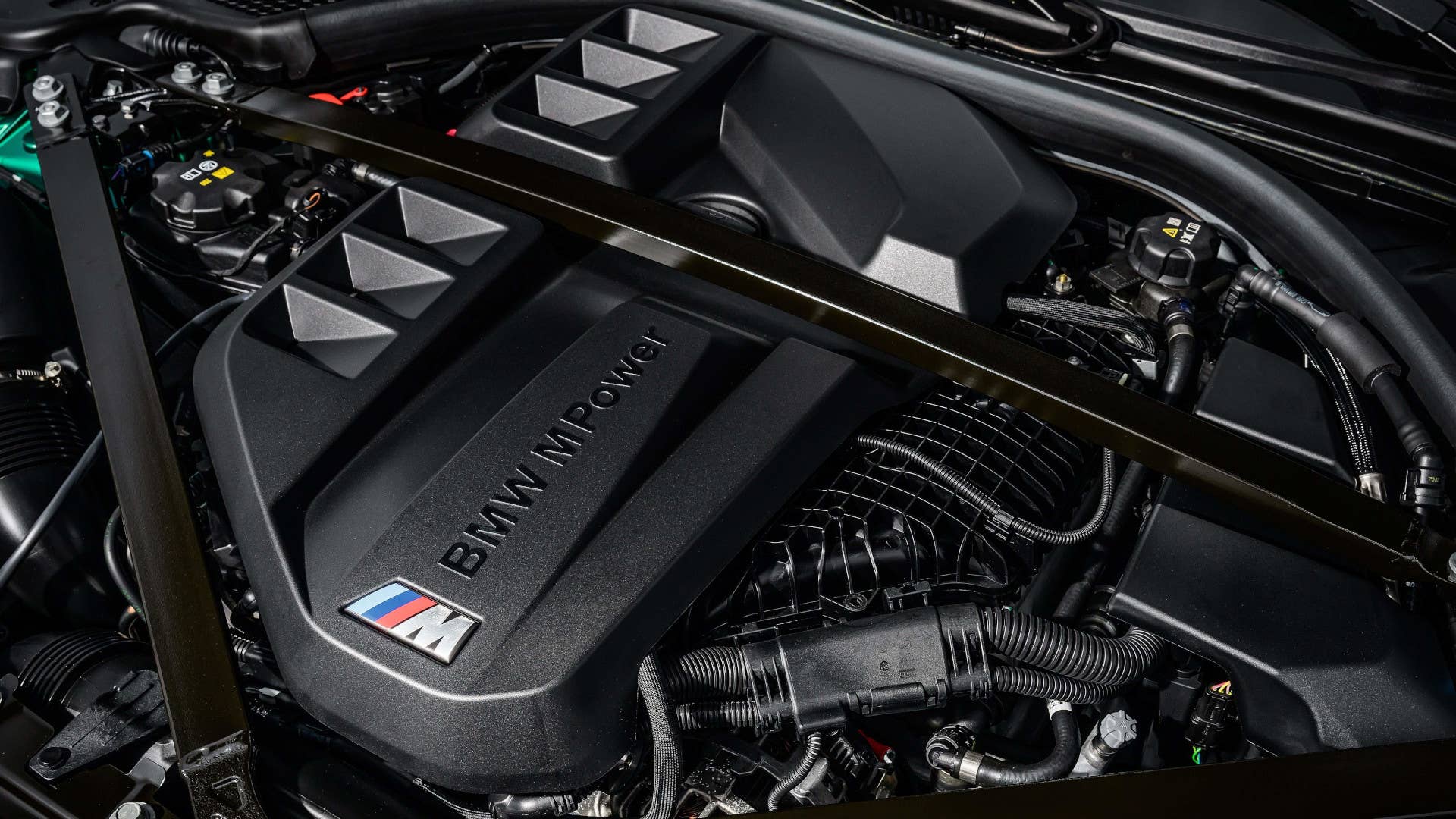
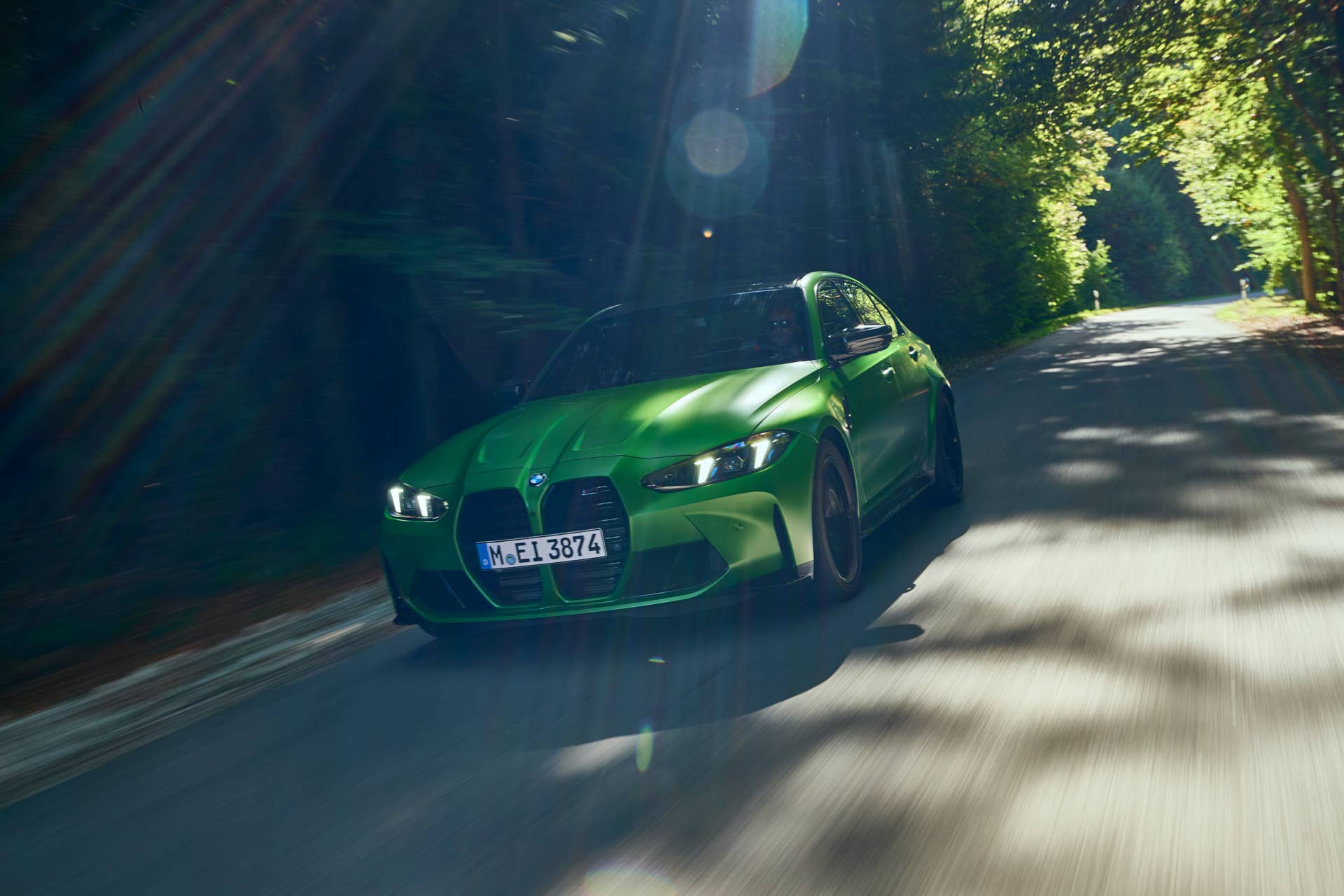
Introduced in 2019 in the X3 M and later the G80 M3, the S58 is the high-performance evolution of the B58 and BMW’s most powerful six-cylinder engine to date. It is designed for extreme applications and has an uprated cooling system and a forged steel crankshaft that allows it to handle immense stress.
It swaps the B58’s single twin-scroll turbo for two mono-scroll turbochargers. With a higher redline, and a more intense top-end power delivery, it is perfectly suited for the top-spec M cars it is fitted to. Thanks to its robust design, the S58 has proven to be very reliable, although some owners have noticed high oil consumption during hard use although mechanical issues are rare unless the engines have been extensively modified.
About the author

John Tallodi
Senior Editor