

50 Years of Honda Accord: A Quick Look at Every Generation
The Honda Accord is one of the most successful vehicles ever sold in America. Since its debut in 1976, it has evolved from a tiny fuel-efficient hatchback into a spacious, sophisticated family sedan. Along the way, it helped define what a midsize car should be.
This is not to be taken lightly. The Honda Accord helped establish the Honda brand to the masses and was Honda’s first vehicle built in the United States (the second generation). In fact, Honda was one of the first Japanese automakers to establish an assembly plant in the United States.
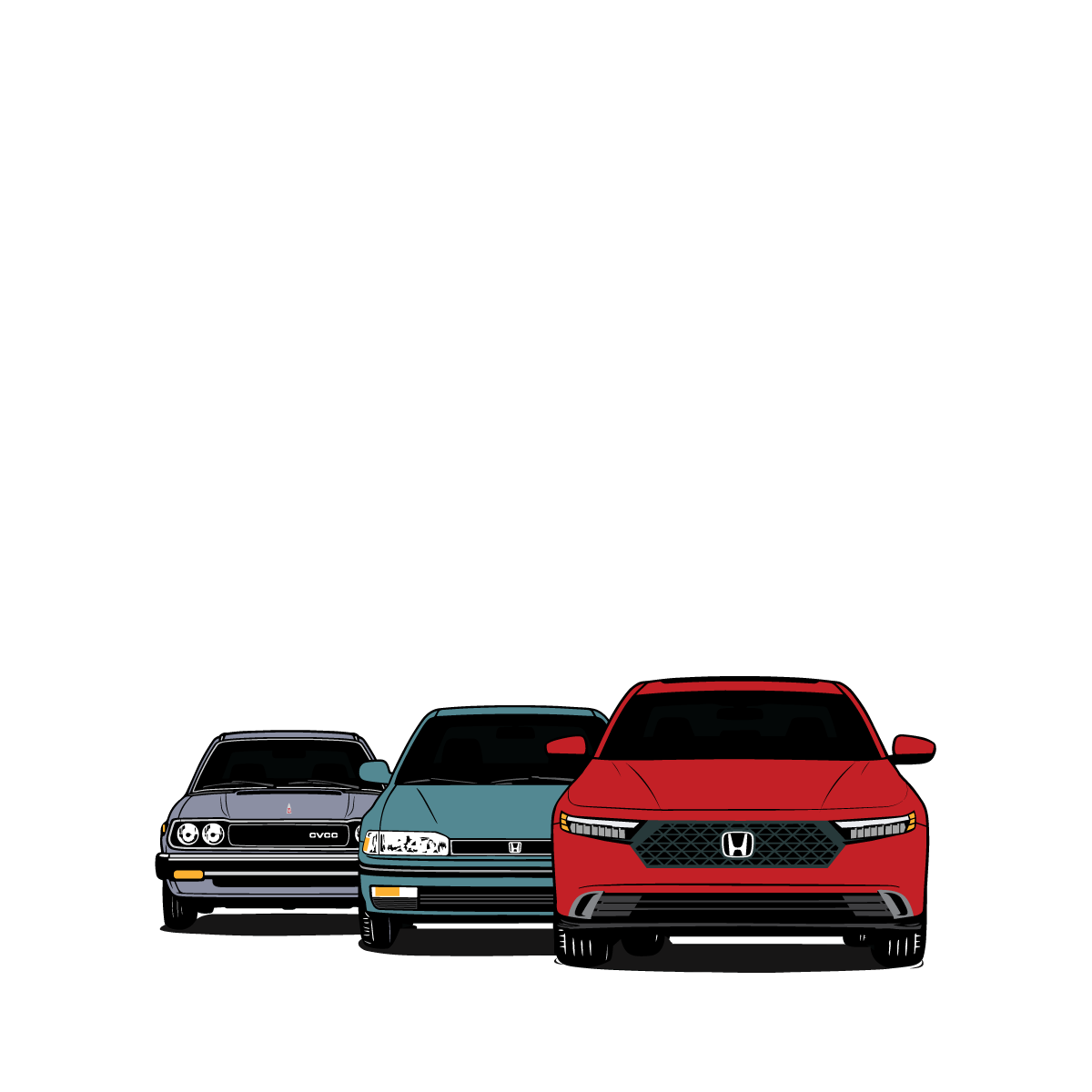
Over the years, the Honda Accord has gone through many changes. It began as an affordable, well-made vehicle that was efficient and fun to drive. Over the years, there have been versions with turbocharged engines, hybrids, V6 engines, all-wheel-drive (AWD) crossovers, coupes, hatchbacks, and more.
Even today, you can still get an Accord for less than $30,0000, which is quite a feat in the U.S. market. Honda invited me out to drive all 11 generations of Accord in celebration of their 50th Anniversary. Most of these examples were from their museum, and are rare sights on the road today.
Full disclosure: I’ve driven every version of the Accord over the past several decades. That includes the polarizing Honda Crosstour (initially branded the Accord Crosstour). Still, I leapt at the chance to drive a few of the early models again. It was like meeting some old friends after many years.
First Generation (1976-1981)
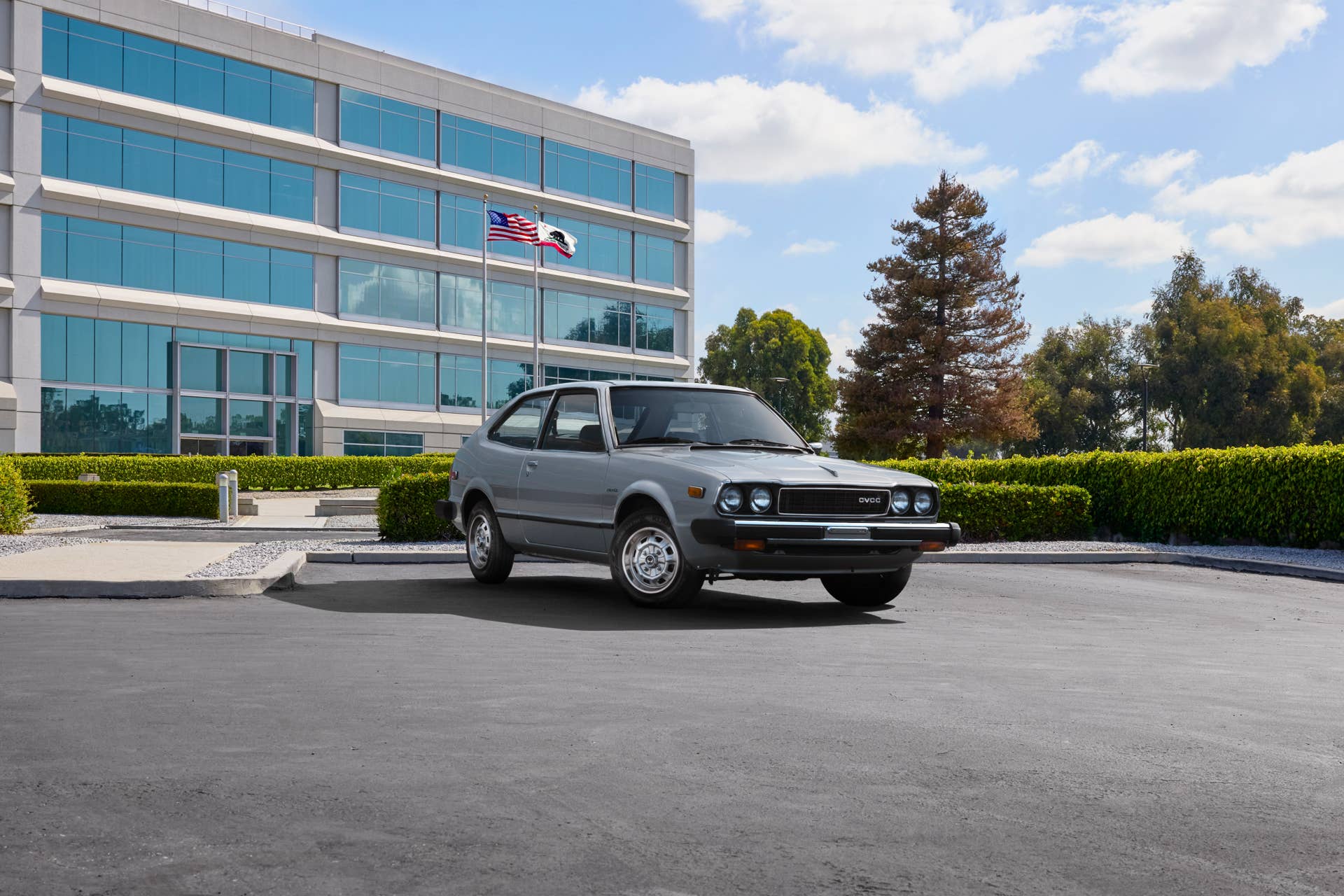
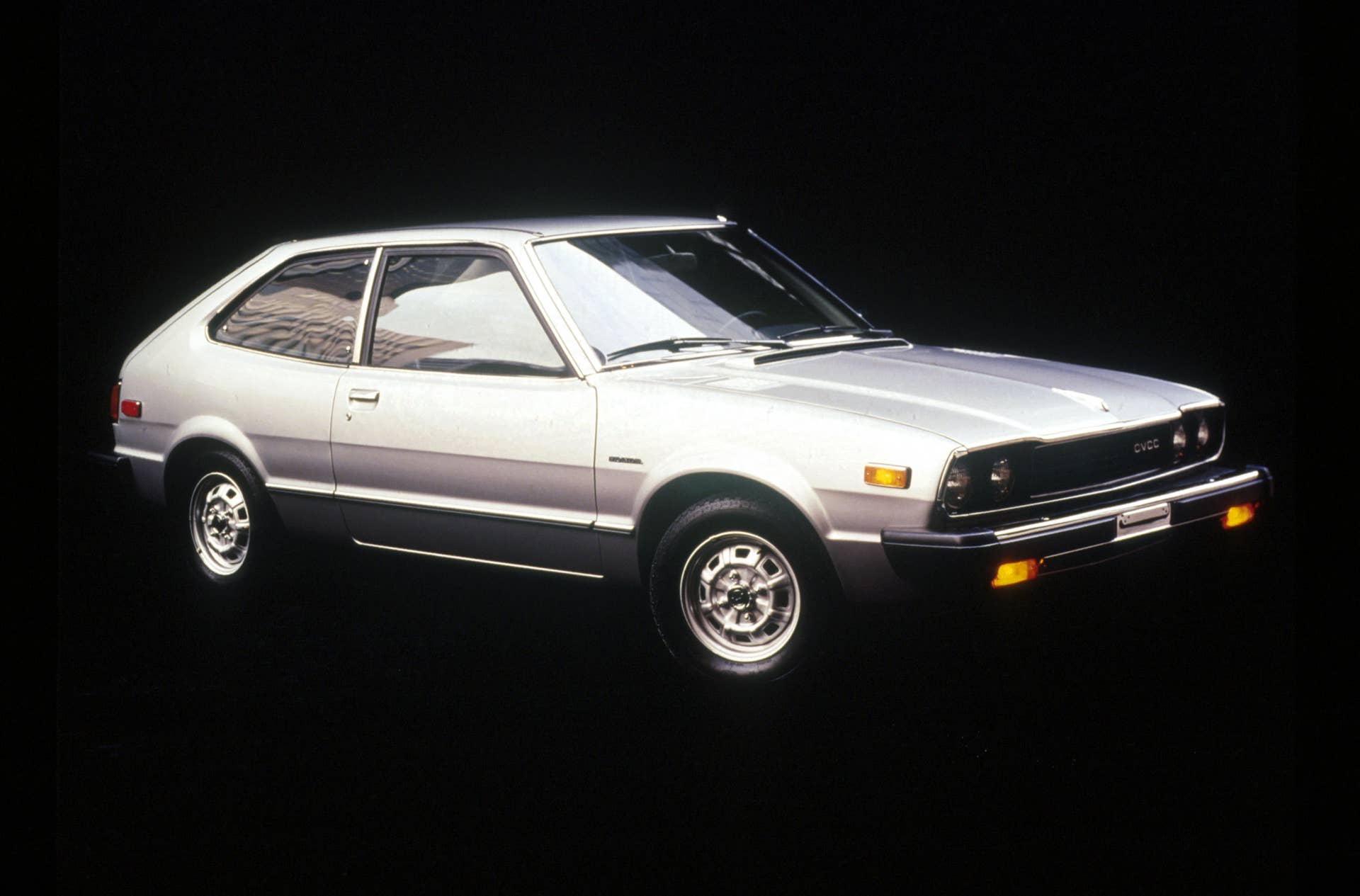
The original Accord arrived during the fuel crisis and immediately gained attention for its efficiency, reliability, and surprisingly upscale feel. Initially offered as a hatchback, it quickly became a hit in North America.
Claim to fame: Honda’s first major mainstream success in the U.S.
On the road, it lacks the punch of modern cars. Sure, it made less than 90 horsepower, but it weighed less than a ton. As such, it was sprightly on the streets, cornered well, and got outstanding mileage. The steering is way overboosted, but that suited the tastes back then.
Second Generation (1982-1985)
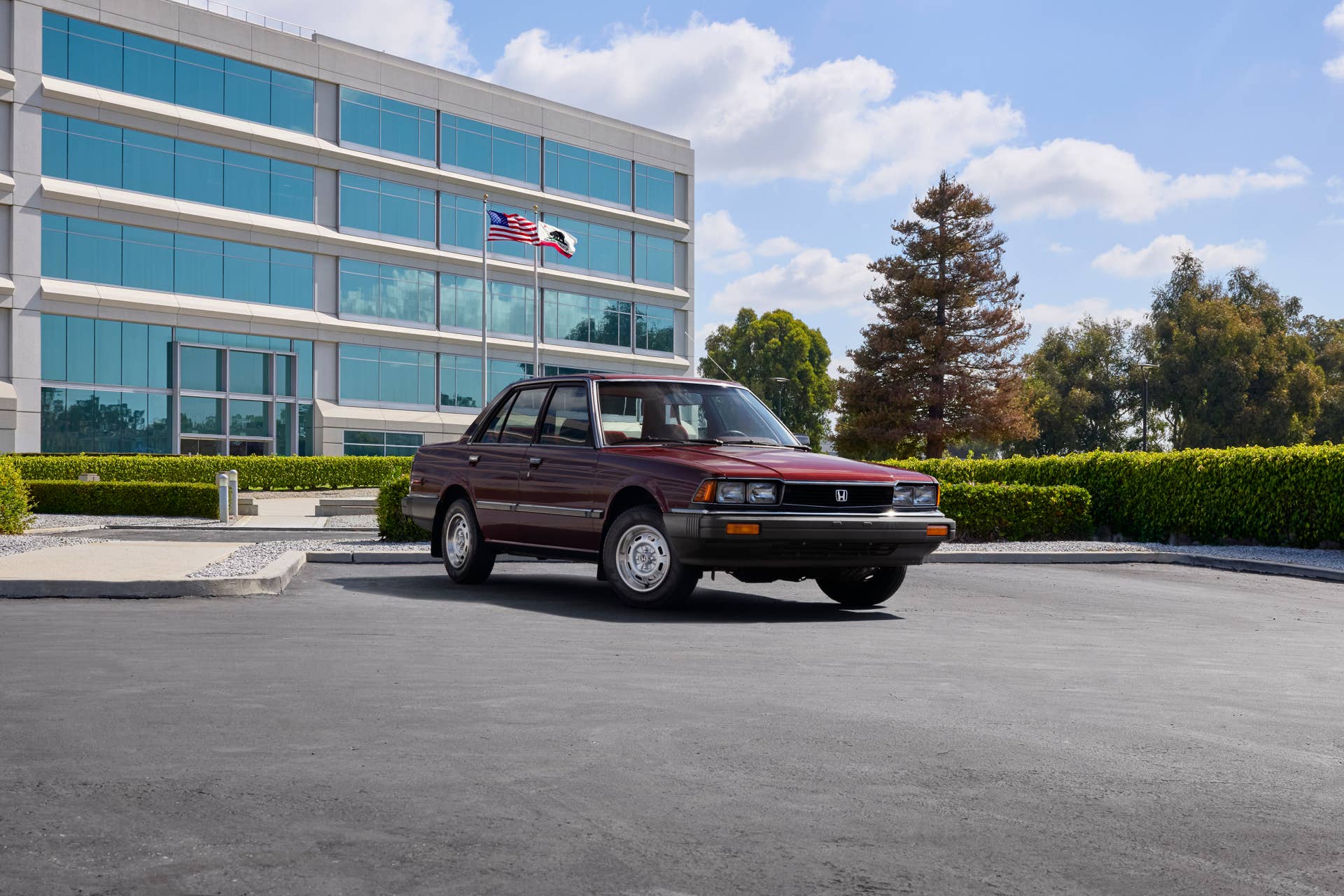
In many ways, this was one of the most important Accords built. It was the first Accord built in the United States, at Honda’s plant in Ohio. It grew in size, became more refined, and established Honda as a serious competitor to domestic brands.
Claim to fame: First Japanese car built in America in significant volume.
I was never a fan of the interior styling of this vehicle, and I had a few family members who owned one. Still, they owned these things for over a decade, while other vehicles were being taken to the scrap yard. They were far more refined to drive, and offered a lot for the dough.
Third Generation (1986-1989)
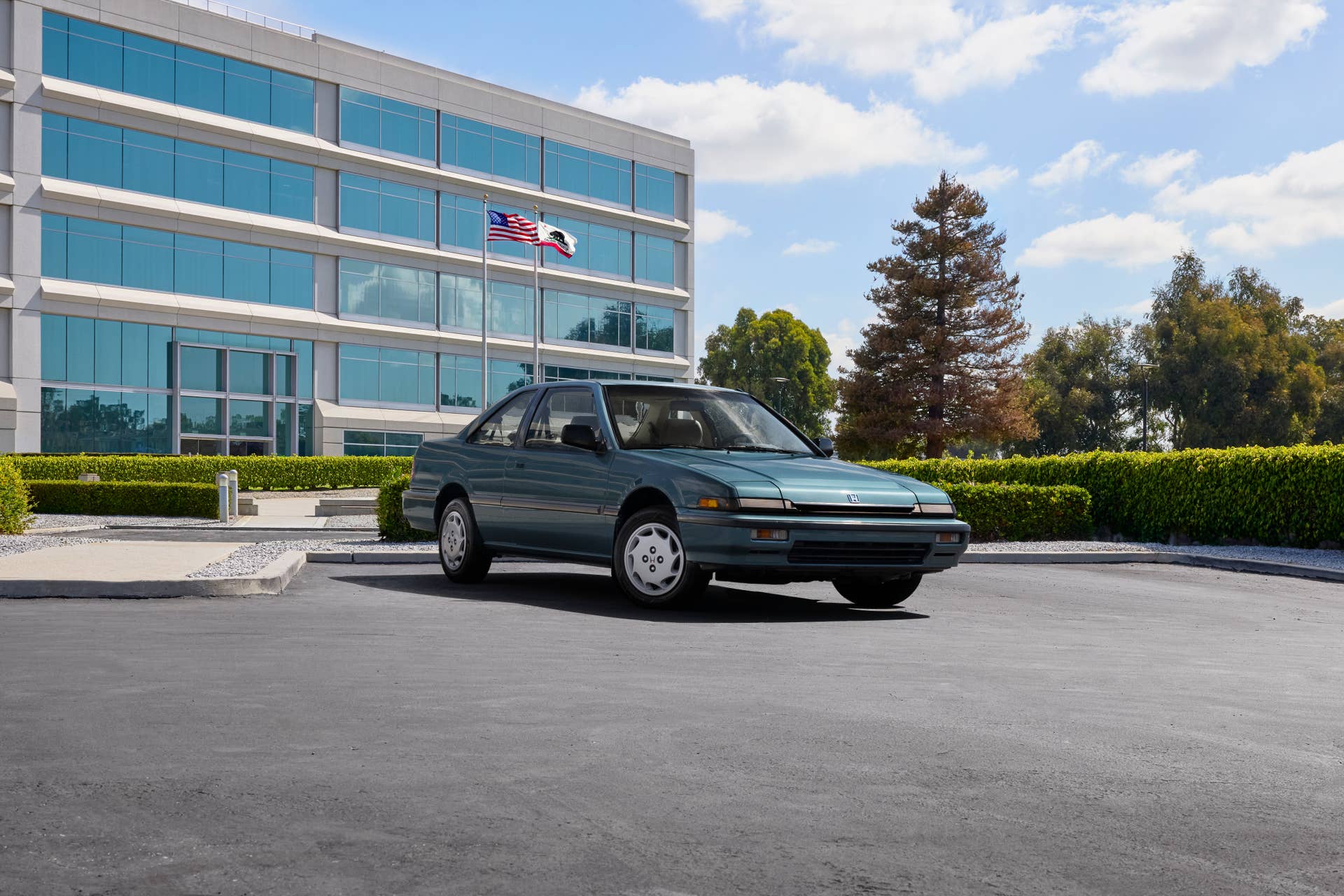
Arguably one of the coolest Accords ever. It introduced a sleek design, pop-up headlights, and the first Accord Coupe. Pop-up headlights are cool, period. The rest of the car was sleeker and more contemporary in its design. Honda was now establishing modern design in this segment.
Claim to fame: The “pop-up headlight” Accord.
If you hop into a third-generation Accord, you’ll find that it’s easy to drive and has a surprising amount of amenities in this class. At the time, it was cooler than many of its contemporaries, and it was a hoot to drive, with the right configuration.
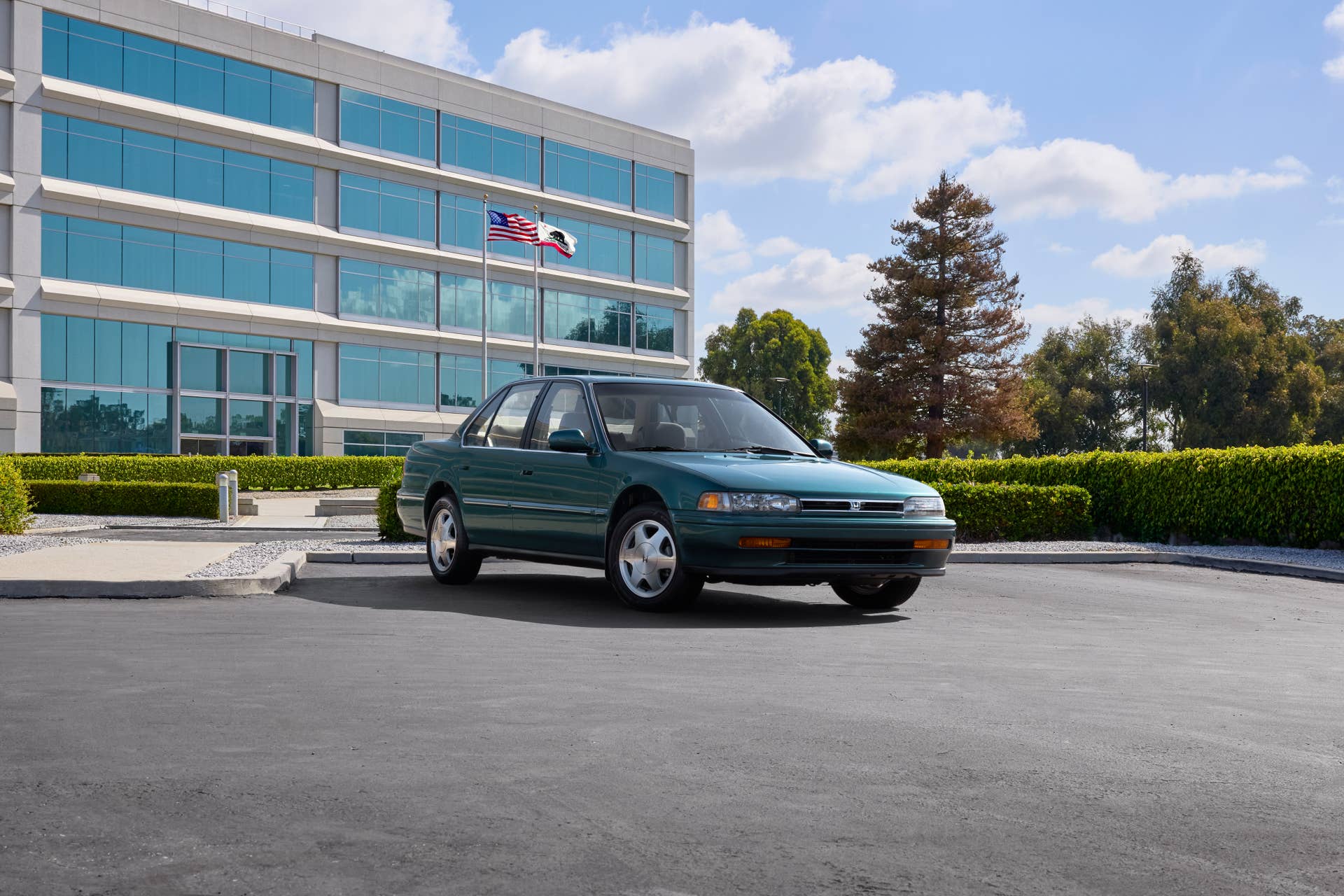
Fourth Generation (1990-1993)
The Accord grew substantially and became more premium. This generation helped cement Honda’s reputation for quality and durability. Some felt this generation was built to be a direct rival to the Camry,
Claim to fame: One of the best-selling cars in America.
The sales numbers proved that the design and engineering had moved in the right direction. This vehicle was slightly more sophisticated and less rickety than its previous models. Still, it was genuinely enjoyable to drive, and the quality was unmistakable.
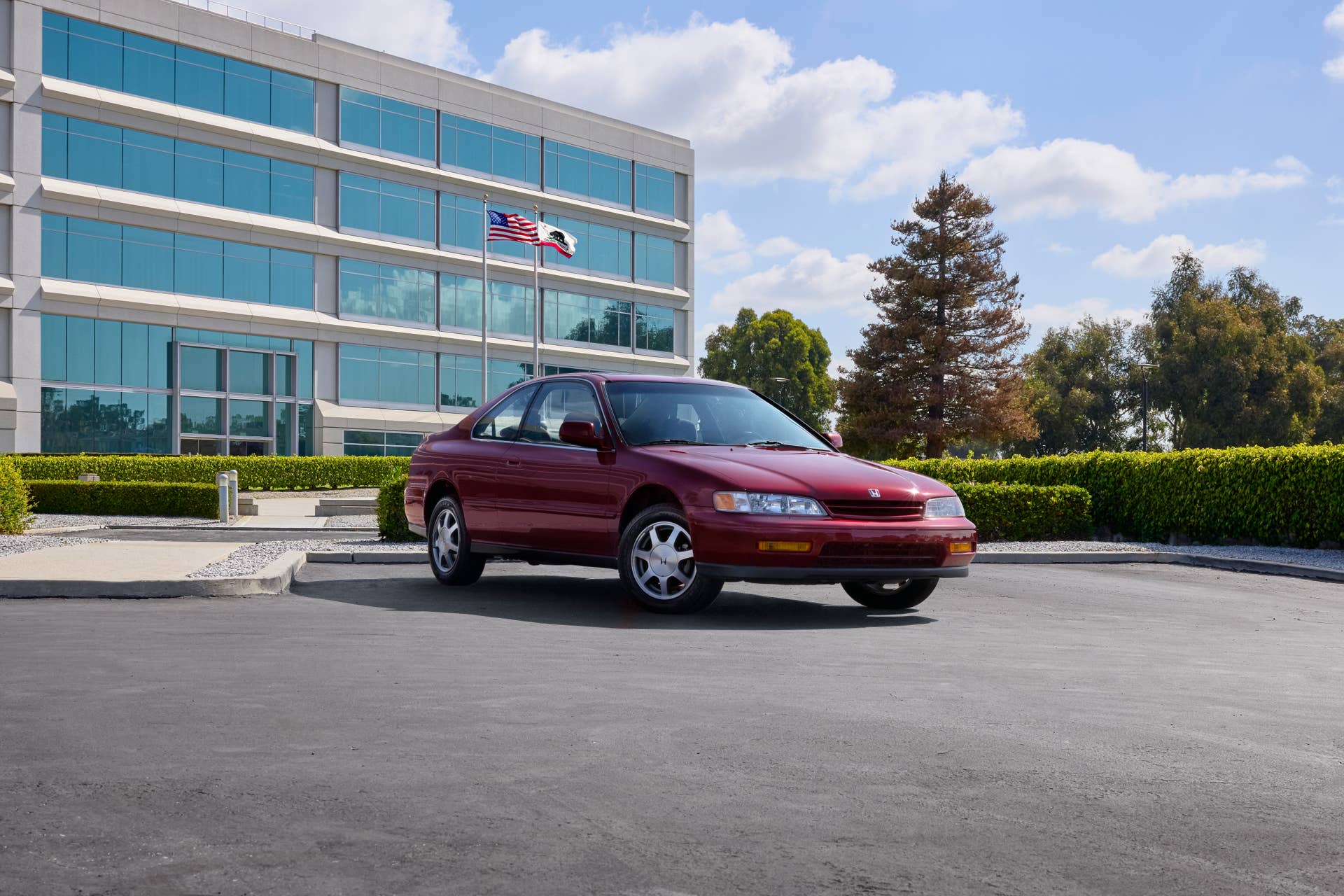
Fifth Generation (1994-1997)
Honda leaned further into comfort and refinement. The Accord became larger, quieter, and more family-oriented while maintaining excellent driving dynamics. Still, some of the driving pizzaz was muted.
Claim to fame: Peak 1990s Honda reliability.
You still see a ton of the fifth-generation Accord on the road. Why? The mixture of excellent materials, a bulletproof powertrain, and great manufacturing meant this vehicle was hard to kill. It’s a good vehicle to be sure, one that rivaled many more expensive vehicles in terms of ride and quality. Still, it was a little less fun to play with.
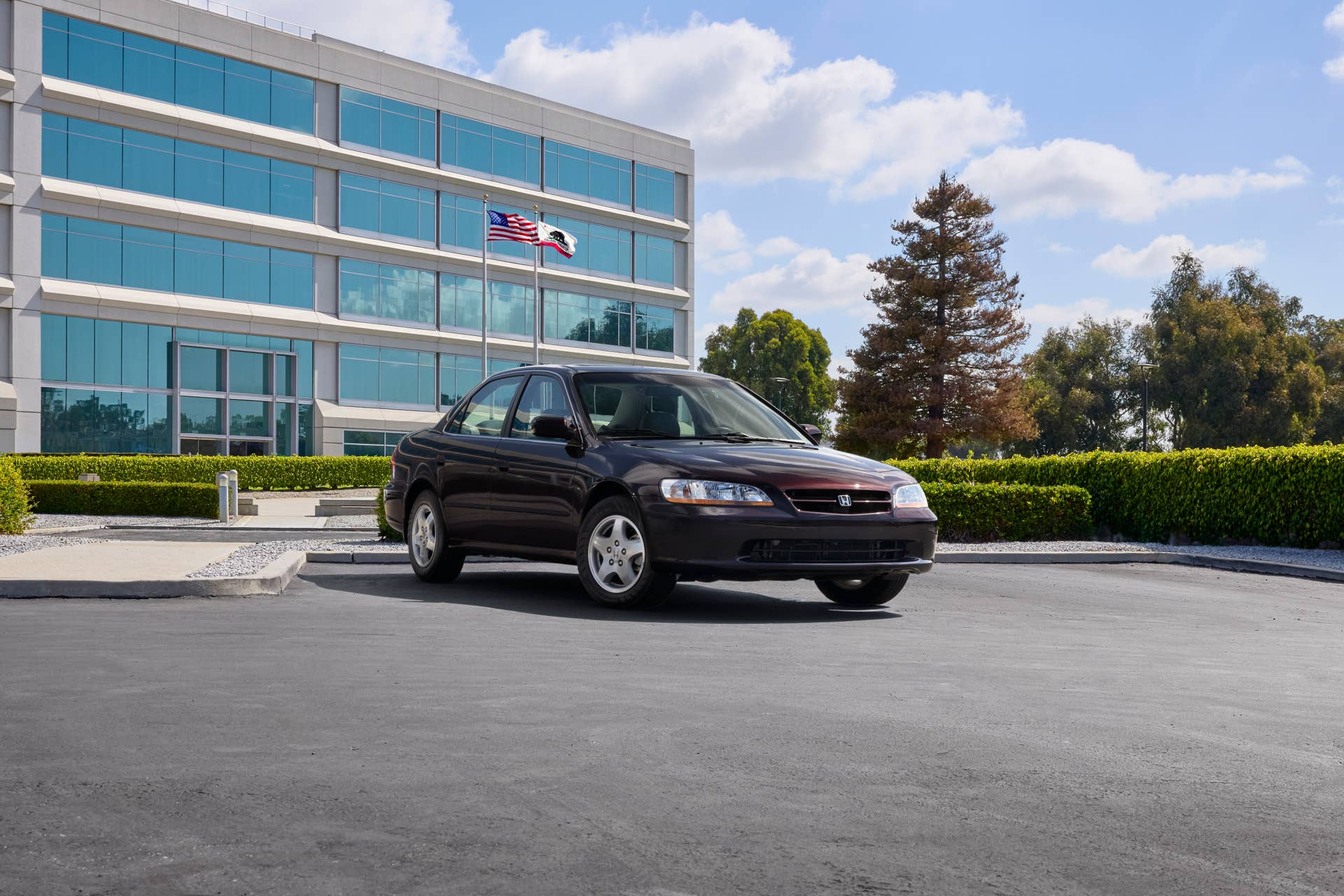
Sixth Generation (1998-2002)
This generation introduced available V6 power and more upscale features. It was also among the most popular family sedans of its era. Truly built to bring the fight to Toyota and Nissan, it was the next step in its mid-size evolution.
Claim to fame: Helped make the Accord a true midsize sedan.
The V6 was brilliant, and Honda kept the overall package similar to the previous generation while stepping up its category. Few automakers could directly compete, and Honda showed no signs of slowing down. Toyota took notice.
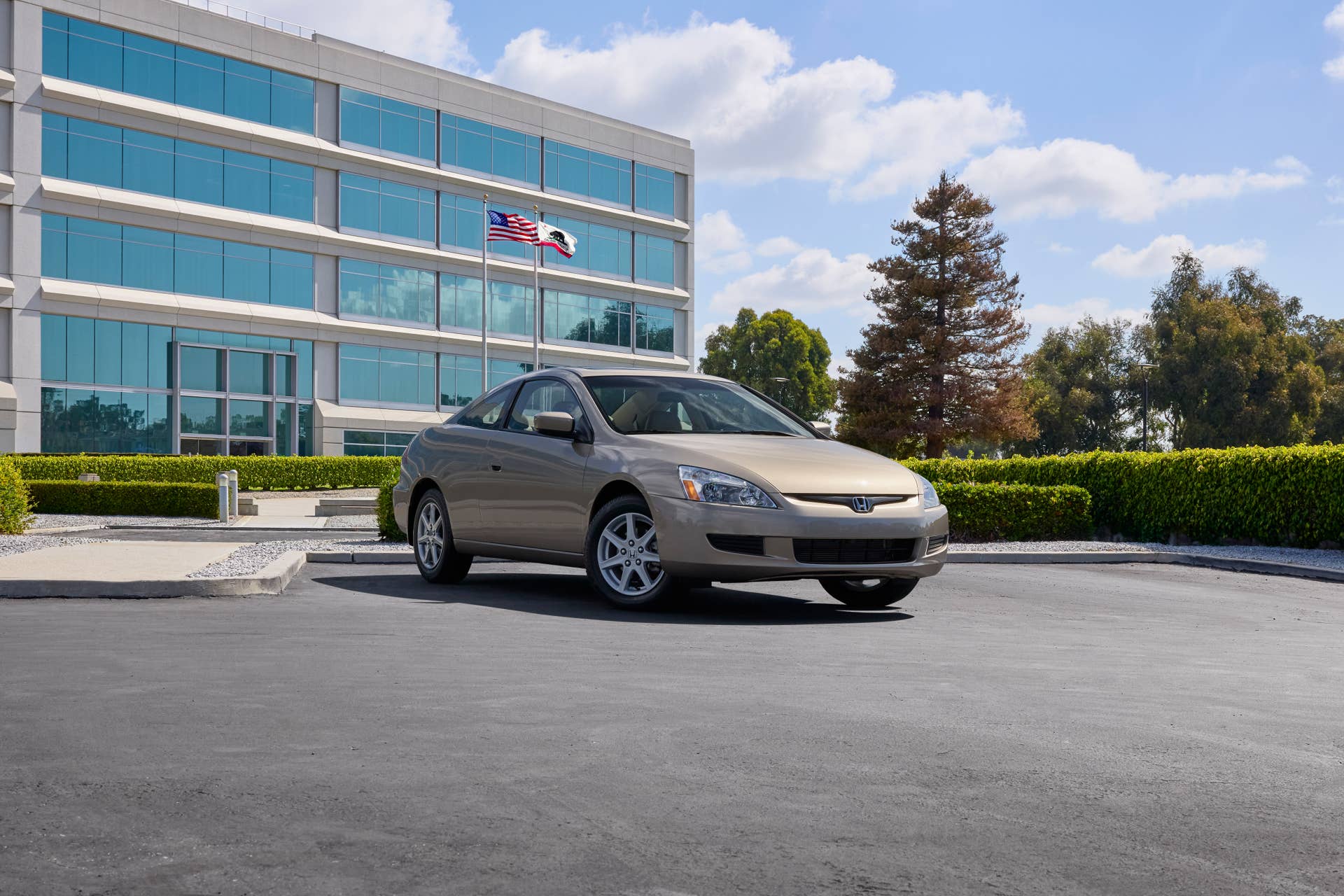
Seventh Generation (2003-2007)
Many enthusiasts consider this one of the best Accords ever built. Available with a smooth V6 and manual transmission, it offered genuine performance while remaining practical. This generation offered the world’s first production V6-powered gasoline-electric hybrid. For a moment, Honda brought back an Accord with a bit of spice.
Claim to fame: The beloved V6 manual Accord.
Some felt the styling was a bit polarizing, but no enthusiast complained about the sweet V6 with the manual transmission setup. Sure, it wasn’t for everyone, but it was known as a delightful sleeper, with outstanding road manners. It’s still a legend.
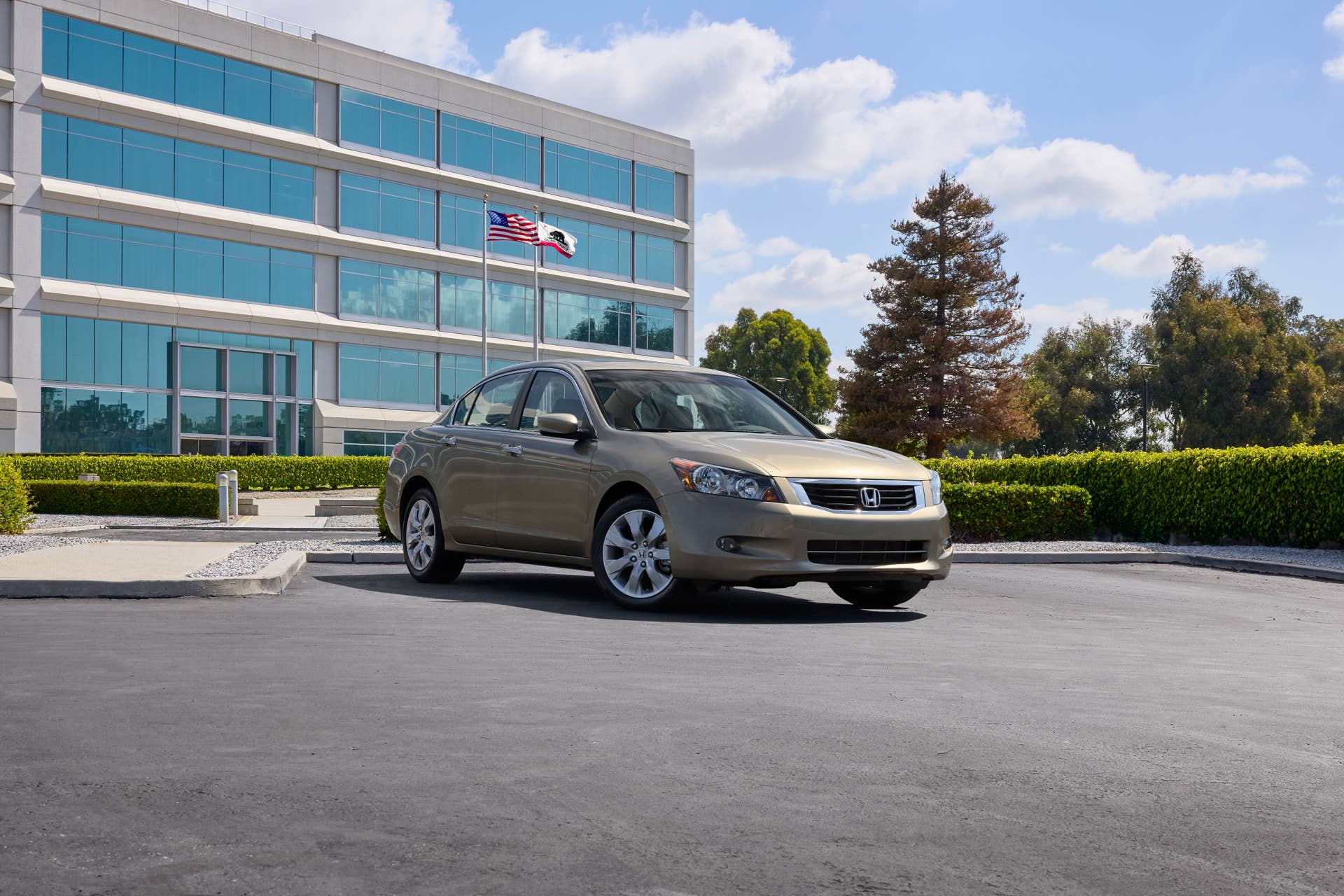
Eighth Generation (2008-2012)
Honda went big. Very big. This Accord became one of the largest vehicles in its class and offered impressive interior space. With extra space comes extra weight, but it still drove smoothly and was enjoyable to wheel.
Claim to fame: One of the roomiest Accords ever.
Much of what people loved about the early Accords was long since gone. This generation exemplified that sentiment with a bigger interior, presence, and price tag. It was still very competitive, but the Accord took on a different demeanor.
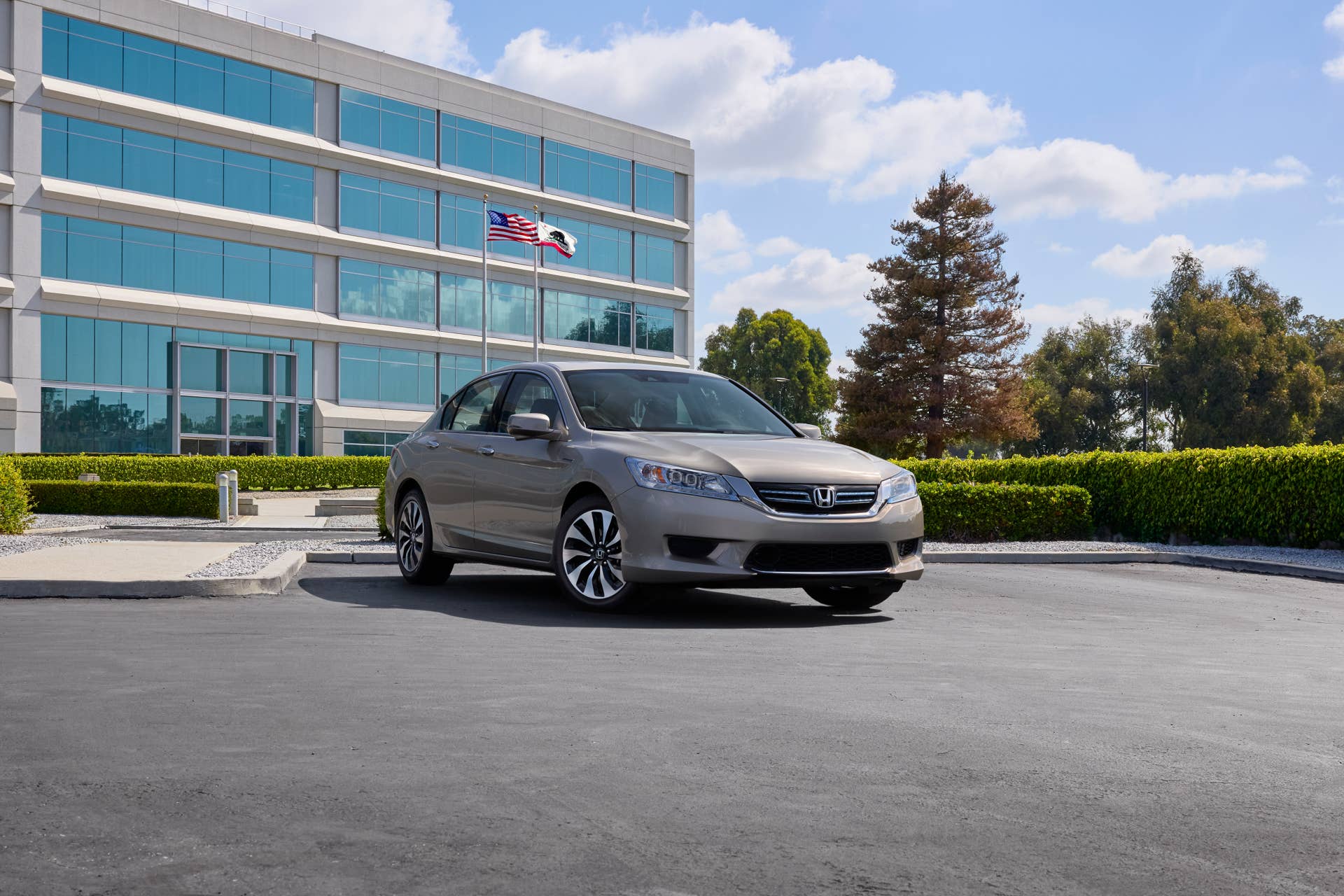
Ninth Generation (2013-2017)
A return to a lighter, more balanced formula. Technology improved dramatically, and fuel economy became a major focus. The hybrid returned after a brief hiatus. Honda returned to (some of) their roots, before taking our toys away.
Claim to fame: Last Accord available with a naturally aspirated V6 mated to a manual transmission.
Many lament the end of the manual transmission option with the V6. Still, this model cooled the need for constant growth and took things down a notch. It was still fun to drive in the right configuration.
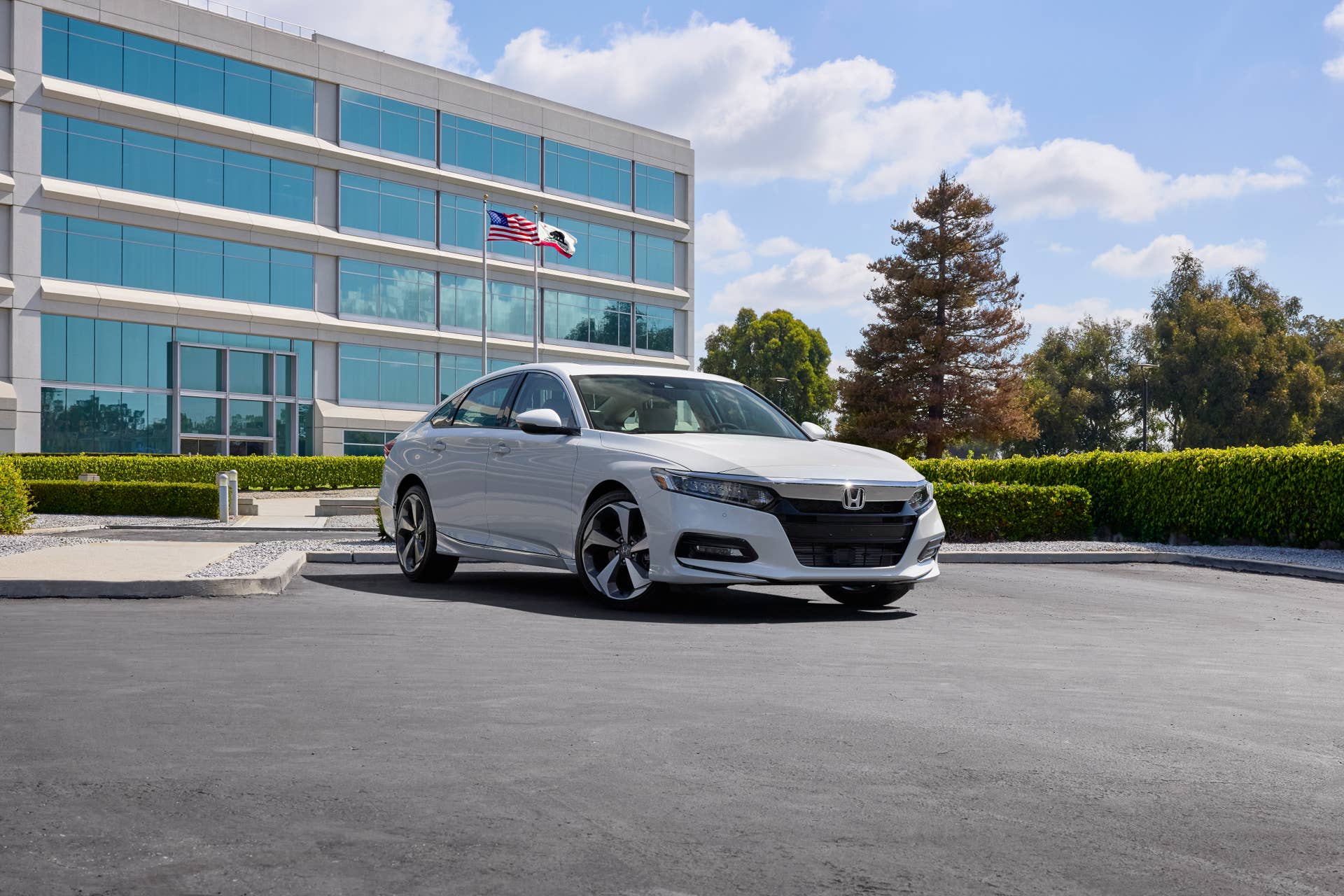
Tenth Generation (2018-2022)
A less formal redesign. It stood out more and made people take notice. Honda replaced the V6 with turbocharged engines, dramatically improved the chassis, and gave the Accord a fastback-inspired profile.
Claim to fame: Turbos for the people.
While the V6 was gone, the turbocharged engines were plenty powerful. Honda still maintained a compelling bang-for-the-buck demeanor, and showed the world they were still serious about building a world-class sedan.
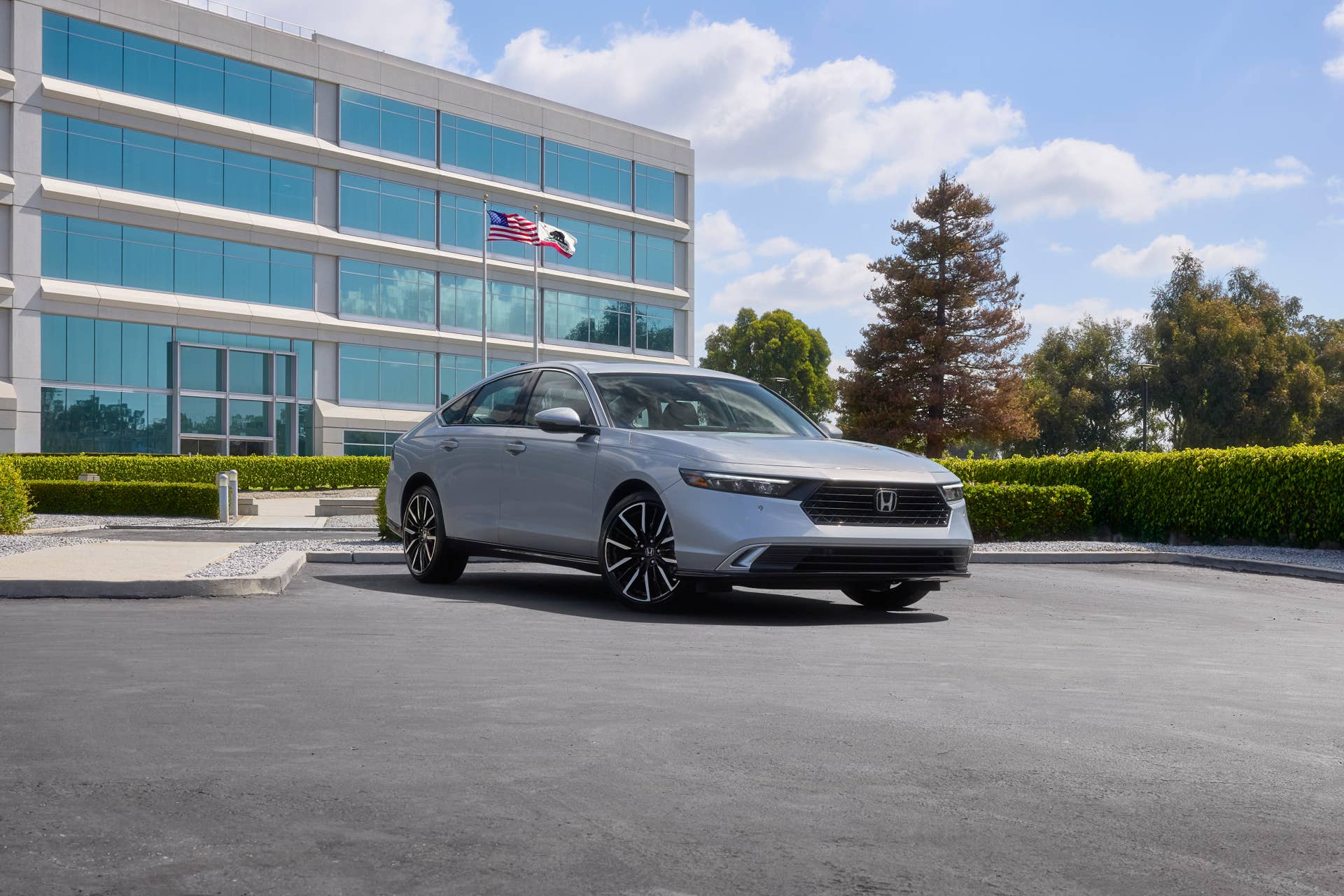
Eleventh Generation (2023-Present)
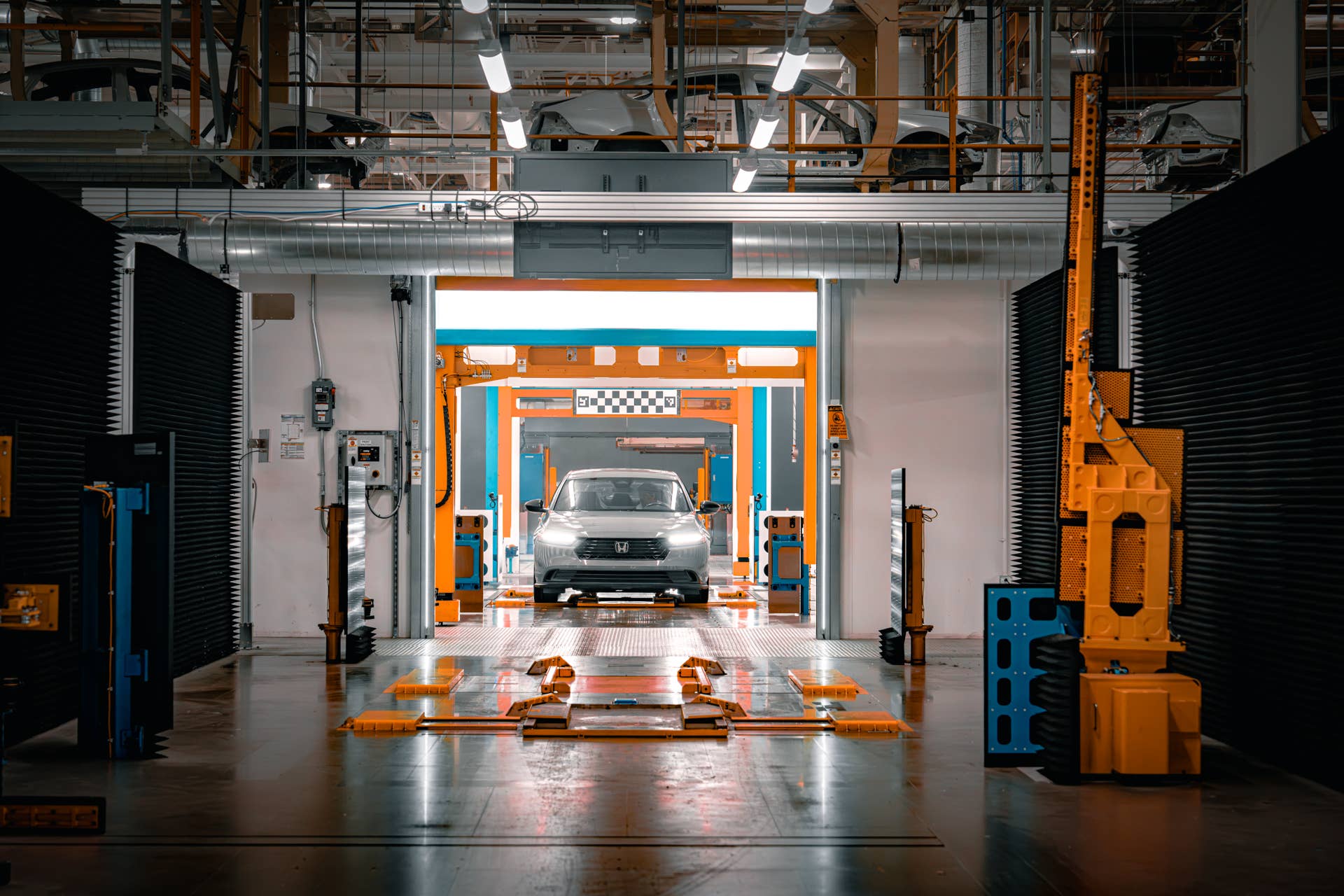
The current Accord emphasizes efficiency, technology, and comfort. Hybrid models now play a major role in the lineup, reflecting changing consumer priorities. You can still get an Accord with a turbo, cutting the entry fee to under $30K – which is a killer bargain.
Claim to fame: Honda’s most efficient and technologically advanced Accord.
No doubt, Honda is still in the game. While many automakers waffle about building proper sedans, Honda shows the way. Only their old foe, Toyota, offers a truly compelling option, but challengers from Korea are gaining ground.
Final Thoughts
Over five decades, the Accord has transformed from a compact economy car into one of the defining family sedans in automotive history. More than 13 million Accords have been sold in the United States alone, and each generation reflects what American buyers wanted at the time.
If you ask enthusiasts which generation is the best, you’ll likely hear arguments for the third-generation pop-up-headlight cars, the seventh-generation V6 manuals, or the tenth-generation turbo models.
If you ask Honda, they’ll proudly point to a half-century of success and say, “They’re all part of the family.”
About the author

Nathan Adlen
Contributing Writer, Autoblog