
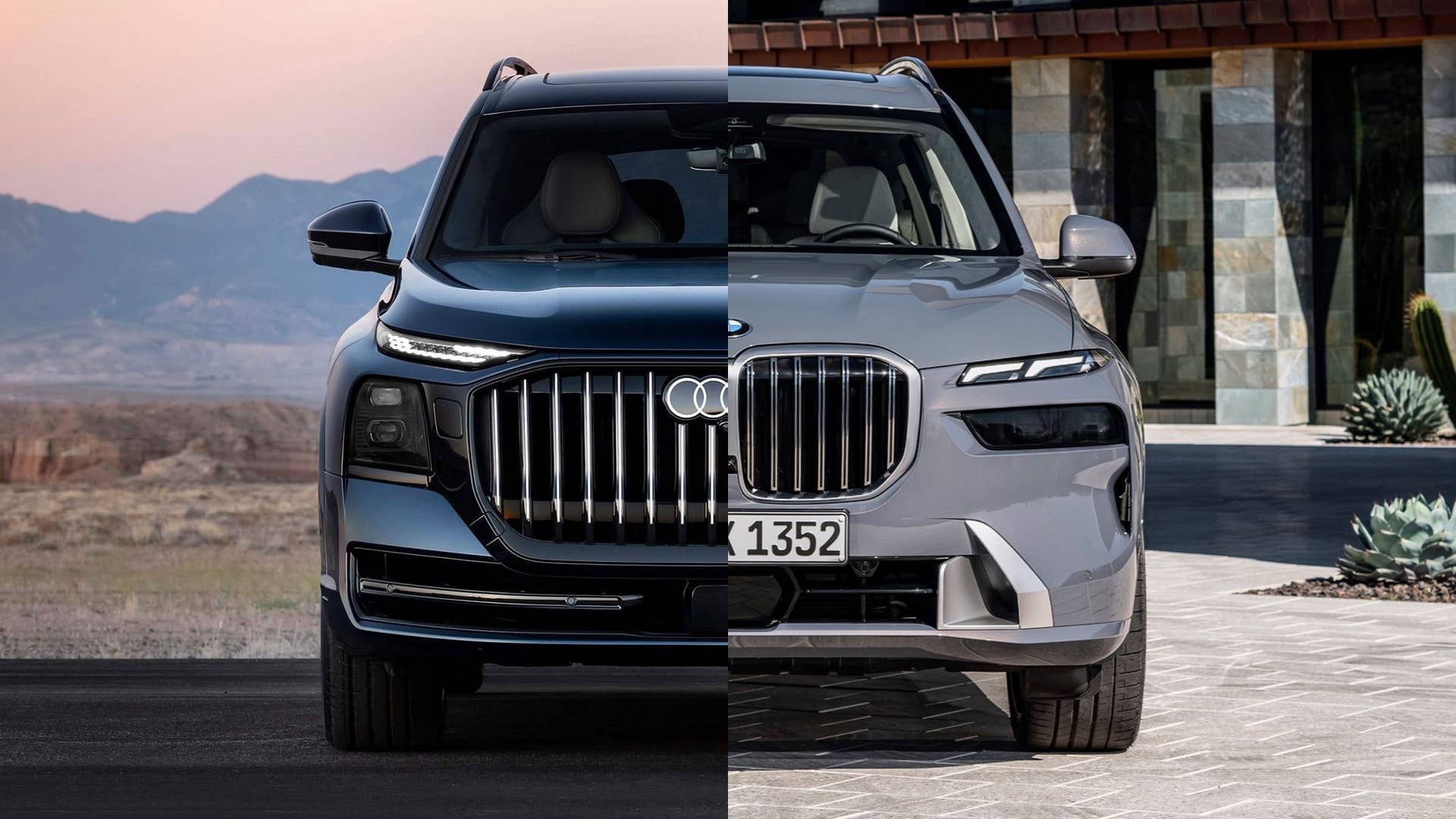
The three-row luxury SUV battle just got heated
Audi has taken the covers off the Q9, a new flagship luxury SUV that sits above the Q7. Larger and more luxurious than any other Audi SUV, the Q9 pushes the brand into a new league with tougher rivals. The BMW X7 is one of them; it’s been BMW’s flagship SUV since being launched in 2018. The X7 is one of the vehicles the Q9 must beat if it wants to ascend to the top of the class, so can the Audi pull it off? We’ve compared their designs and on-paper specifications here to see if the Q9 has what it takes to conquer the BMW.
Design and Dimensions
Cole Attisha
Cole Attisha
BMW
BMW
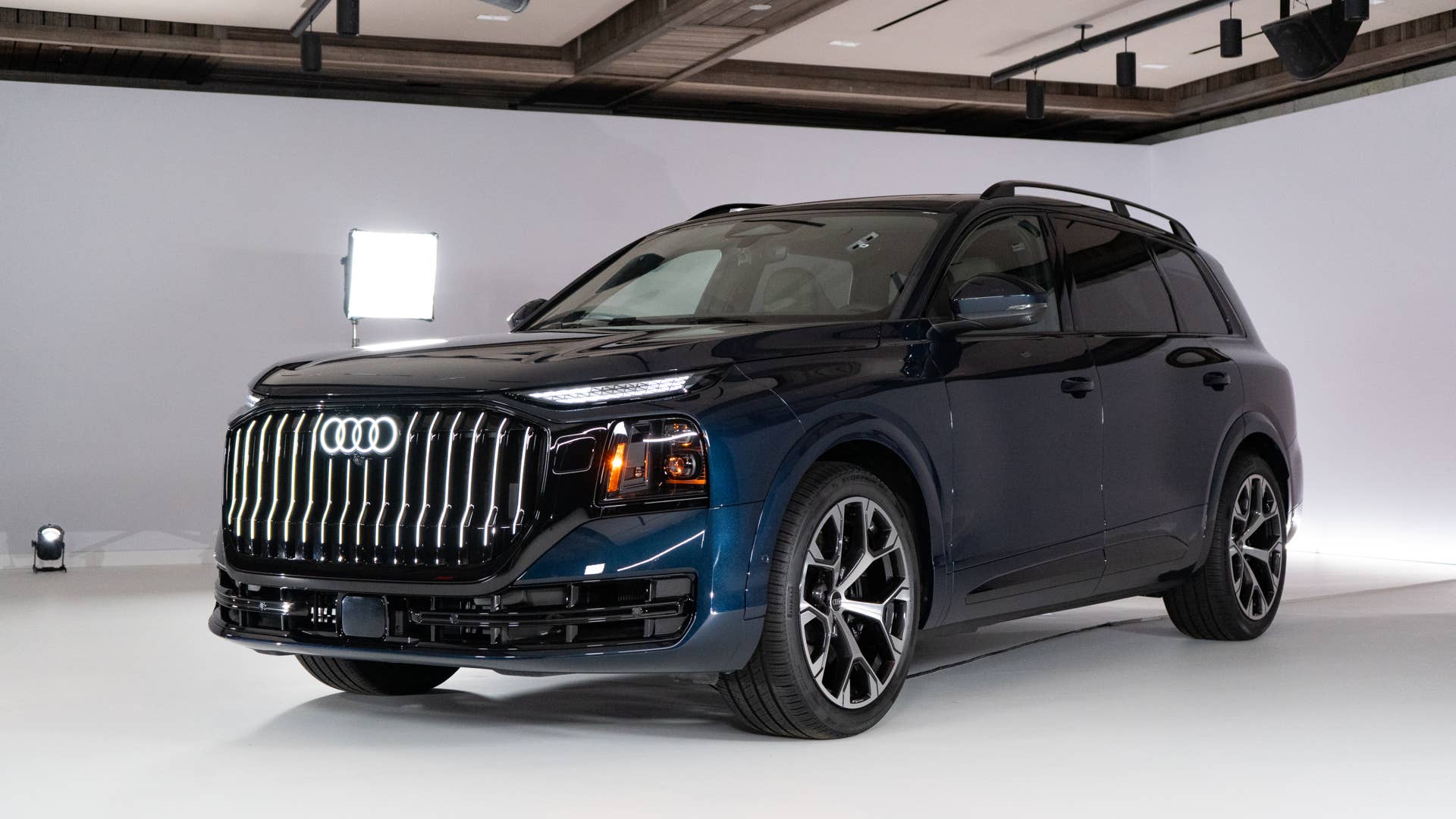
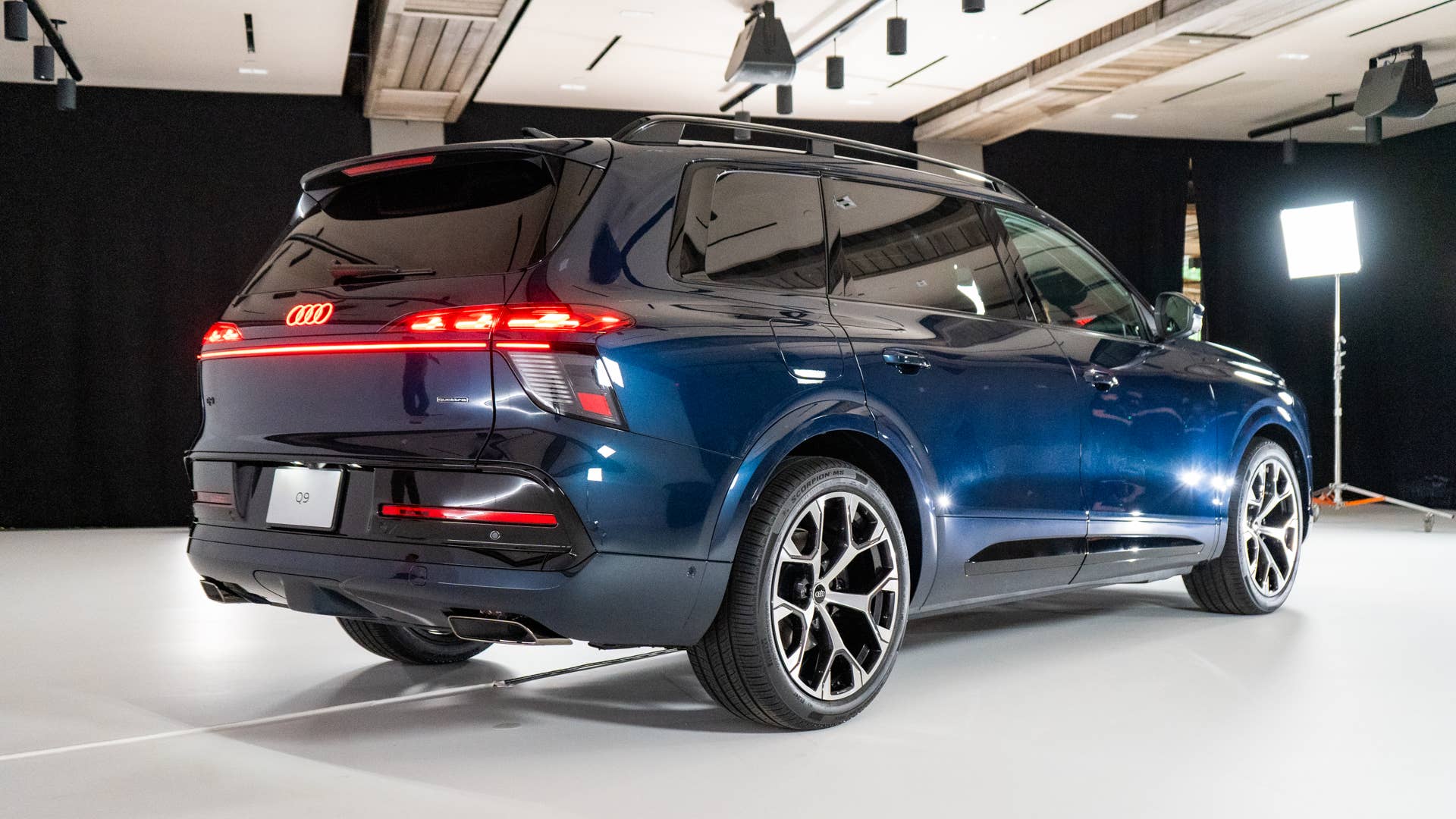
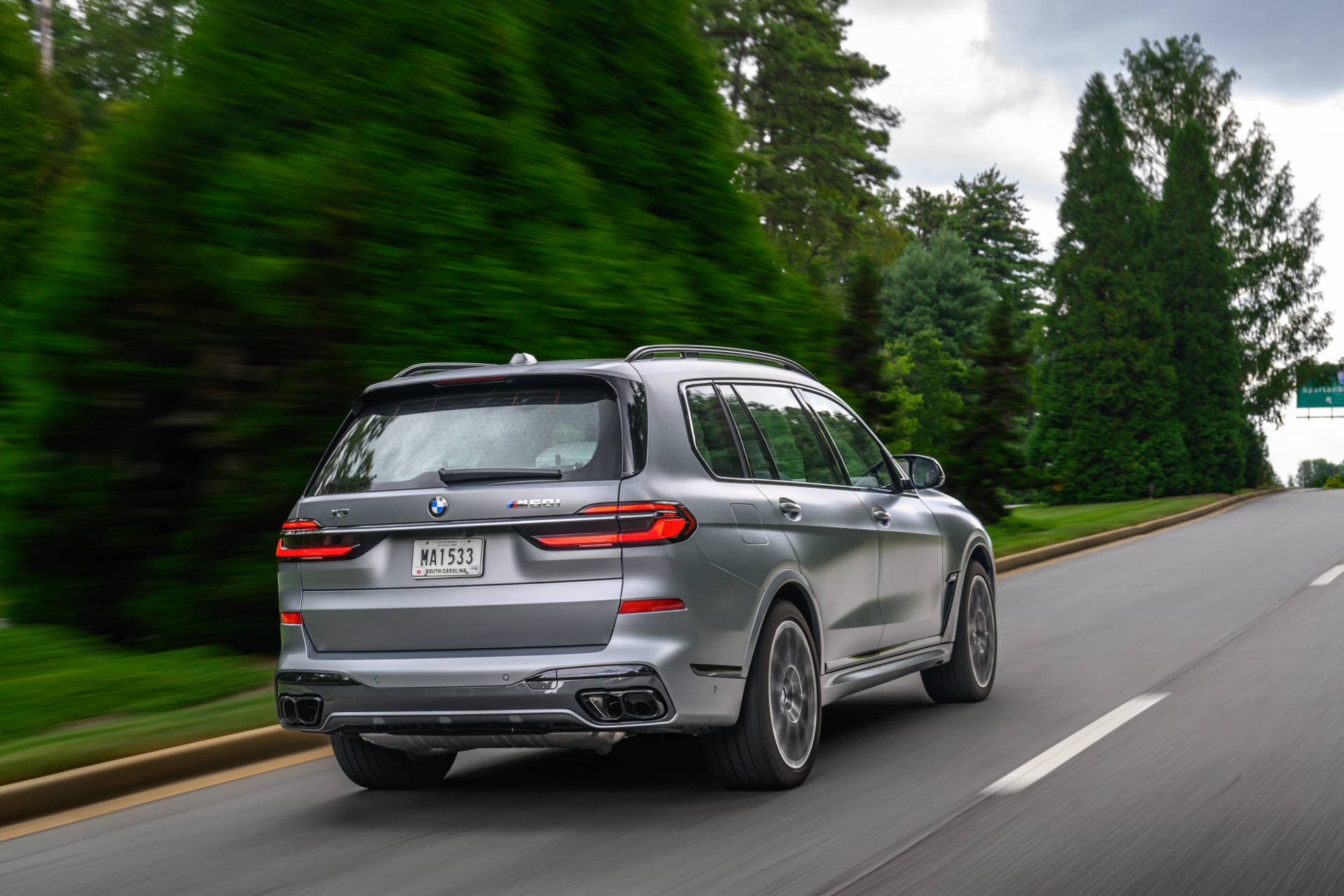
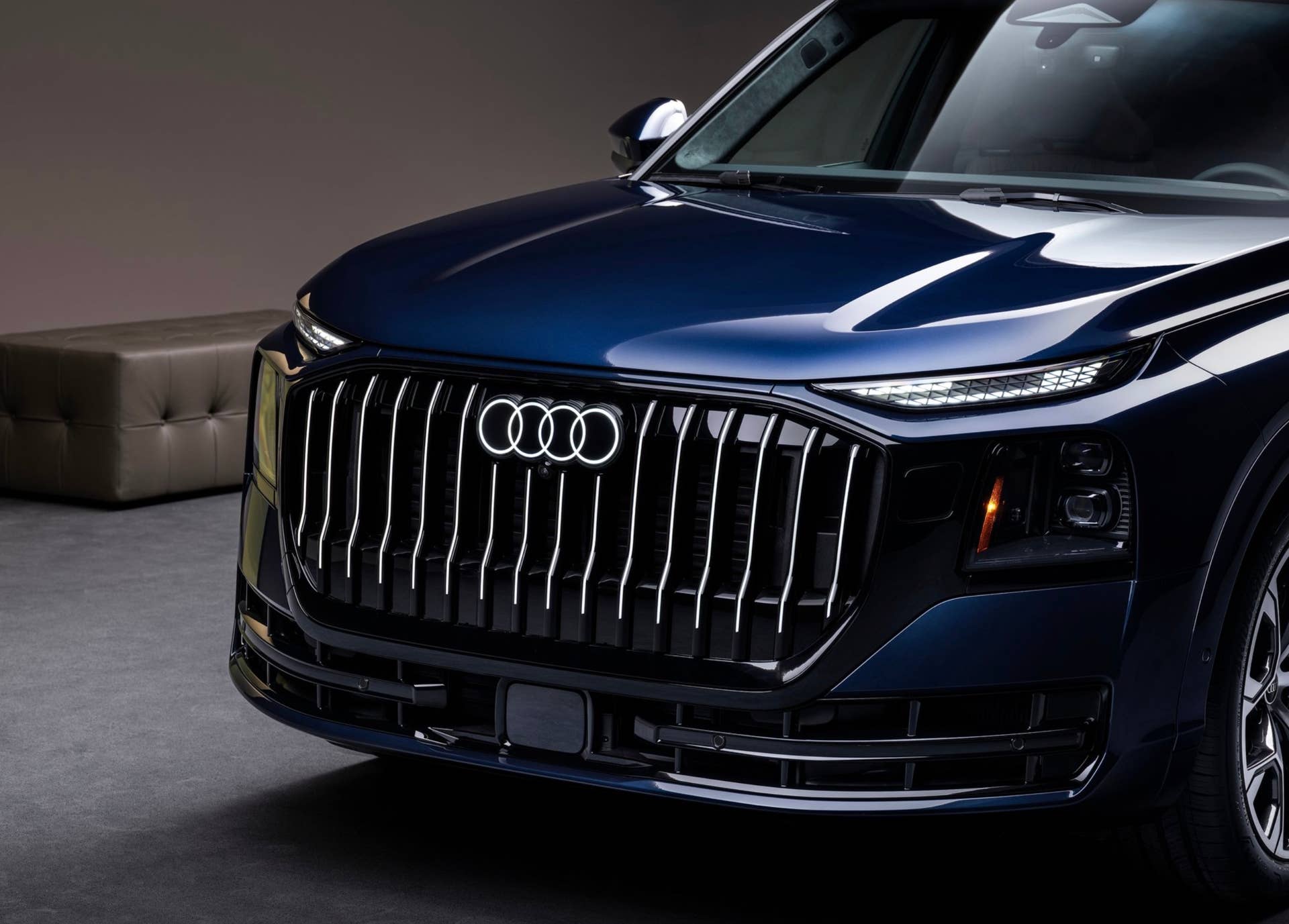
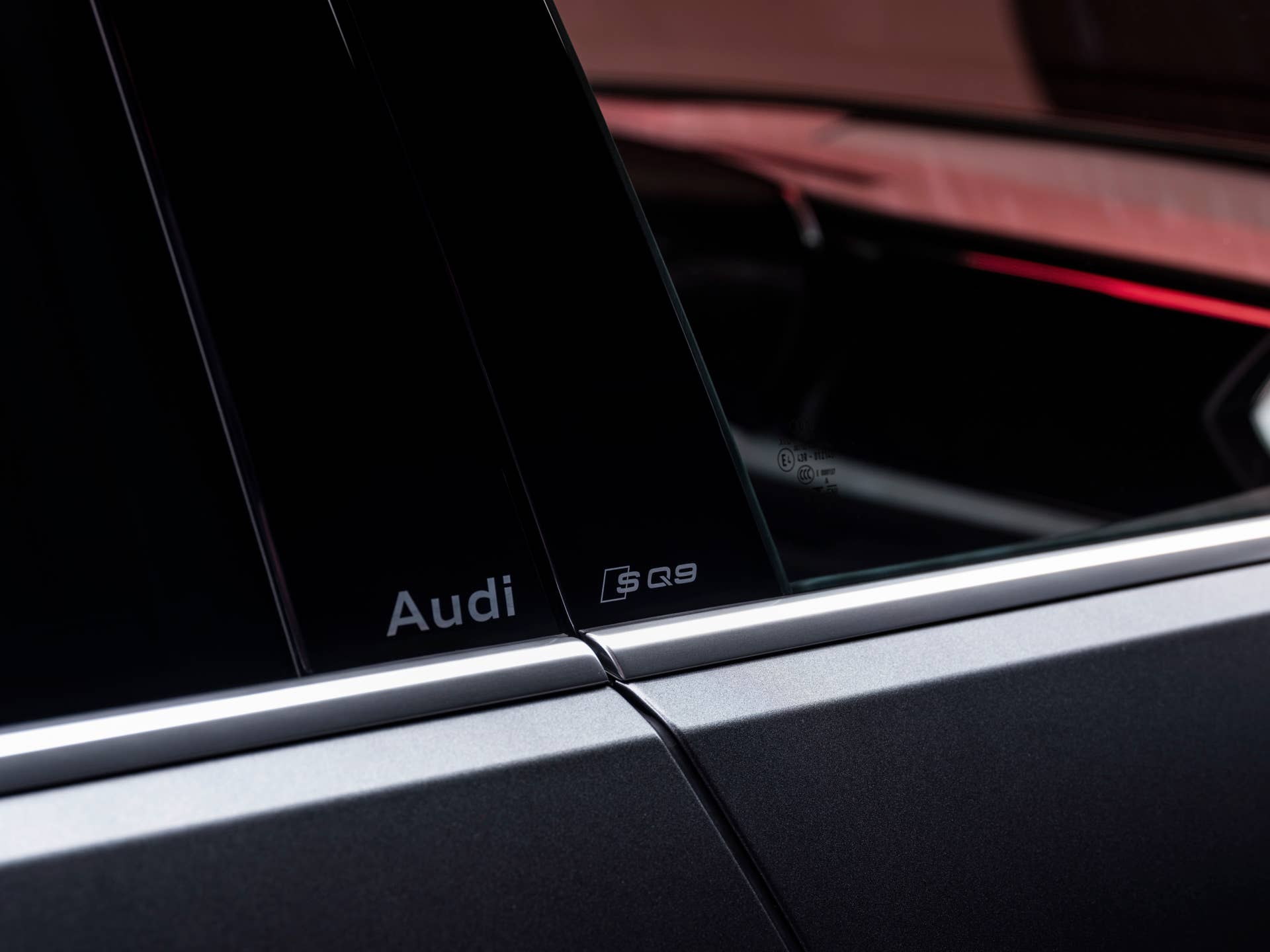
The full-size Q9 will be the largest Audi on sale in the U.S. when deliveries begin in the fourth quarter of 2026. It absolutely looks like the flagship SUV it is, but Audi has exercised admirable restraint and allowed the ample proportions to speak for themselves. That’s not to say the details aren’t modern and distinctive, including a massive grille on the Q9 and SQ9; these variants have unique grille finishes. Beyond that, the lines are clean and the profile’s boxiness hints at the space inside. Wheel sizes are up to 23 inches.
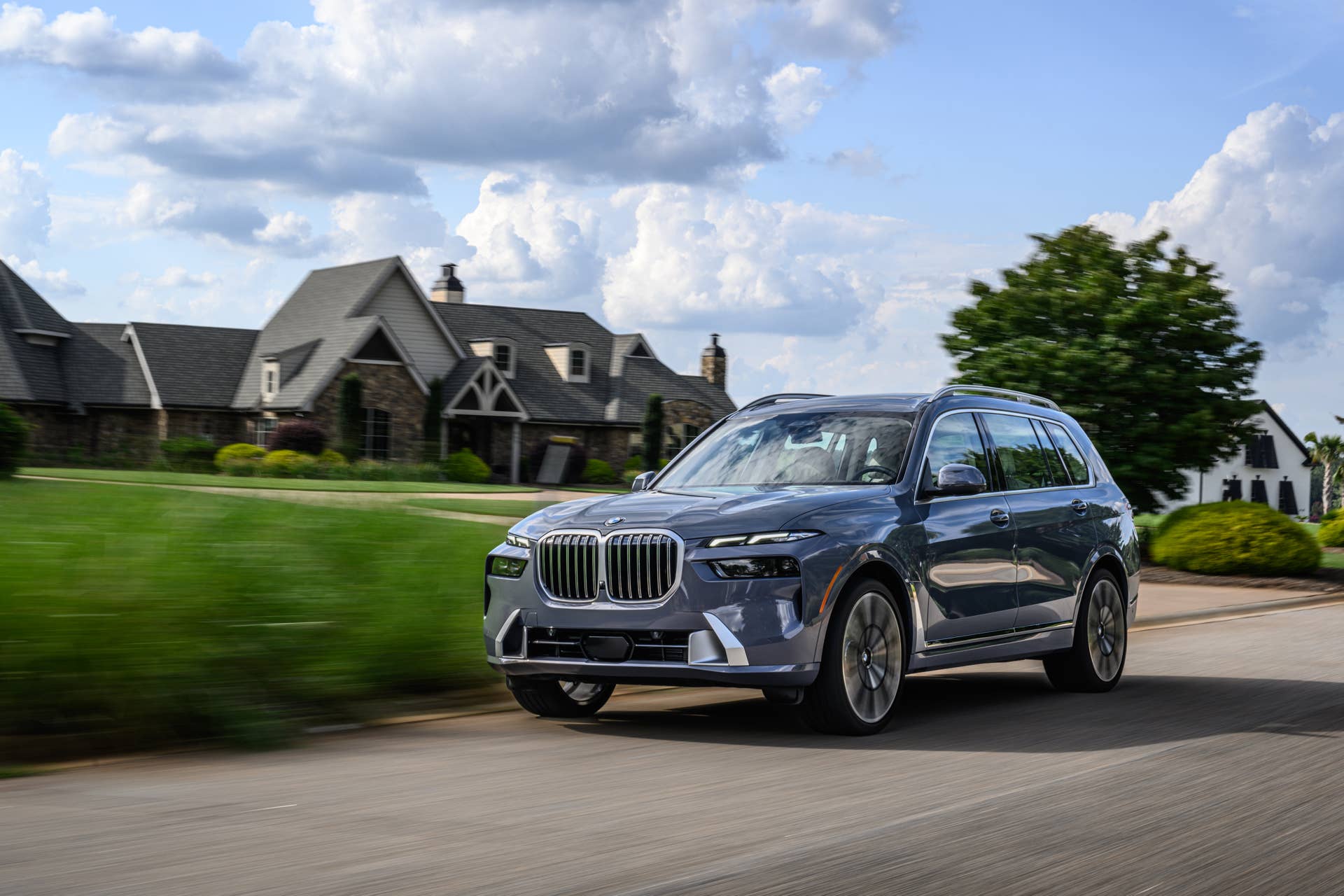
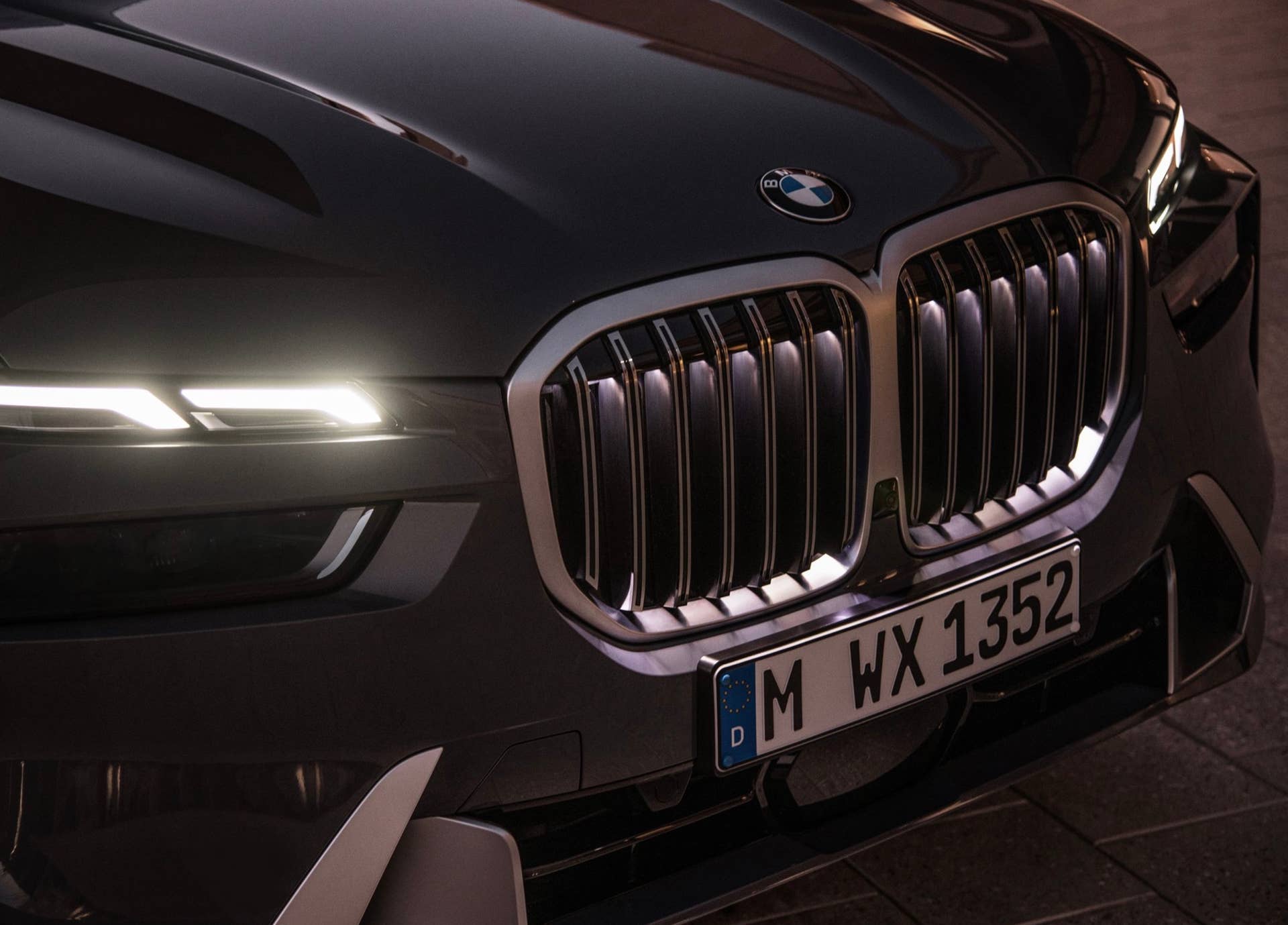
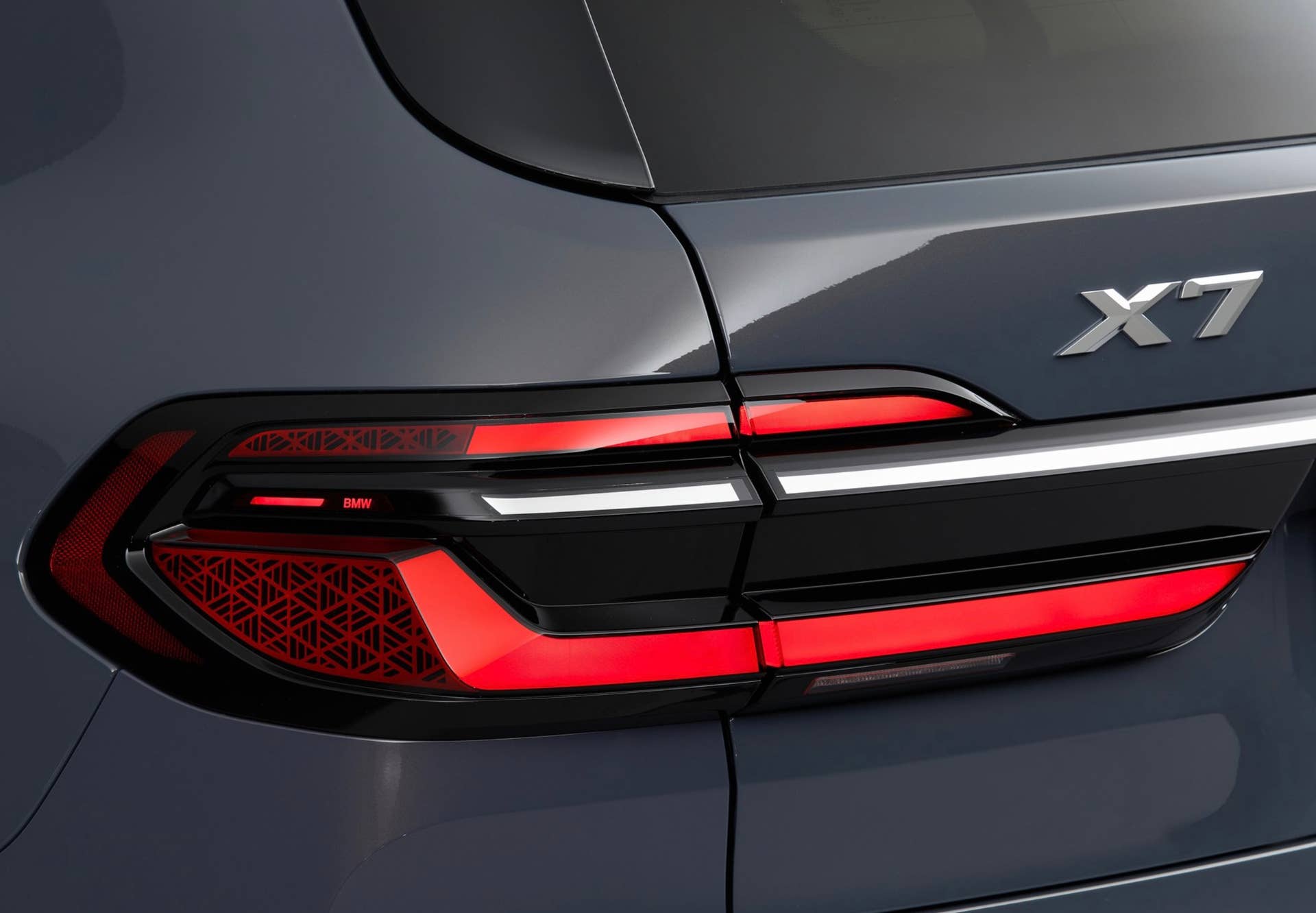
Whether it looks better than the BMW X7 is subjective, but the Audi definitely appears more modern, especially from the back. The X7 is still quite a handsome, imposing beast, though.
In terms of size, the Audi is longer, but the BMW is actually wider and taller. Here’s how they compare.
| Audi Q9 | BMW X7 | |
| Length | 209 inches | 203.6 inches |
| Wheelbase | 123.5 inches | 122.2 inches |
| Width (including mirrors) | 86.8 inches | 87.3 inches |
| Height | 71.4 inches | 72.2 inches |
Both vehicles are firmly in the full-size category, but they’re not quite as large as a Cadillac Escalade.
Performance and Powertrains
Audi
BMW
Both vehicles start off with six-cylinder power and are available with high-performance V8s. The Q9’s standard engine is a 2.9-liter twin-turbocharged V6, while the X7 gets a 3.0-liter turbocharged inline-six. Both have turbocharged V8s, with the Audi’s being a 4.0L and the BMW’s a 4.4L. Outputs and performance favor the Audi in both cases.
| Audi Q9 | BMW X7 xDrive40i | Audi SQ9 | BMW X7 M60i | |
| Engine | 2.9L V6 Turbo | 3.0L I6 Turbo | 4.0L V8 Turbo | 4.4L V8 Turbo |
| Horsepower | 429 hp | 375 hp | 591 hp | 523 hp |
| Torque | 442 lb-ft | 398 lb-ft | 590 lb-ft | 553 lb-ft |
| 0-60 | 4.9 seconds | 5.6 seconds | 3.8 seconds | 4.5 seconds |
| Transmission | 8-speed auto | 8-speed auto | 8-speed auto | 8-speed auto |
| Drivetrain | AWD | AWD | AWD | AWD |
The Audi has a 0.7-second advantage versus the equivalent BMW, which is quite significant at this level. We’ll have to wait and see how the Audi drives when it arrives, but the X7 impresses with its agility (for its size) and smooth ride. Both vehicles have an air suspension.
Interior and Space
Audi
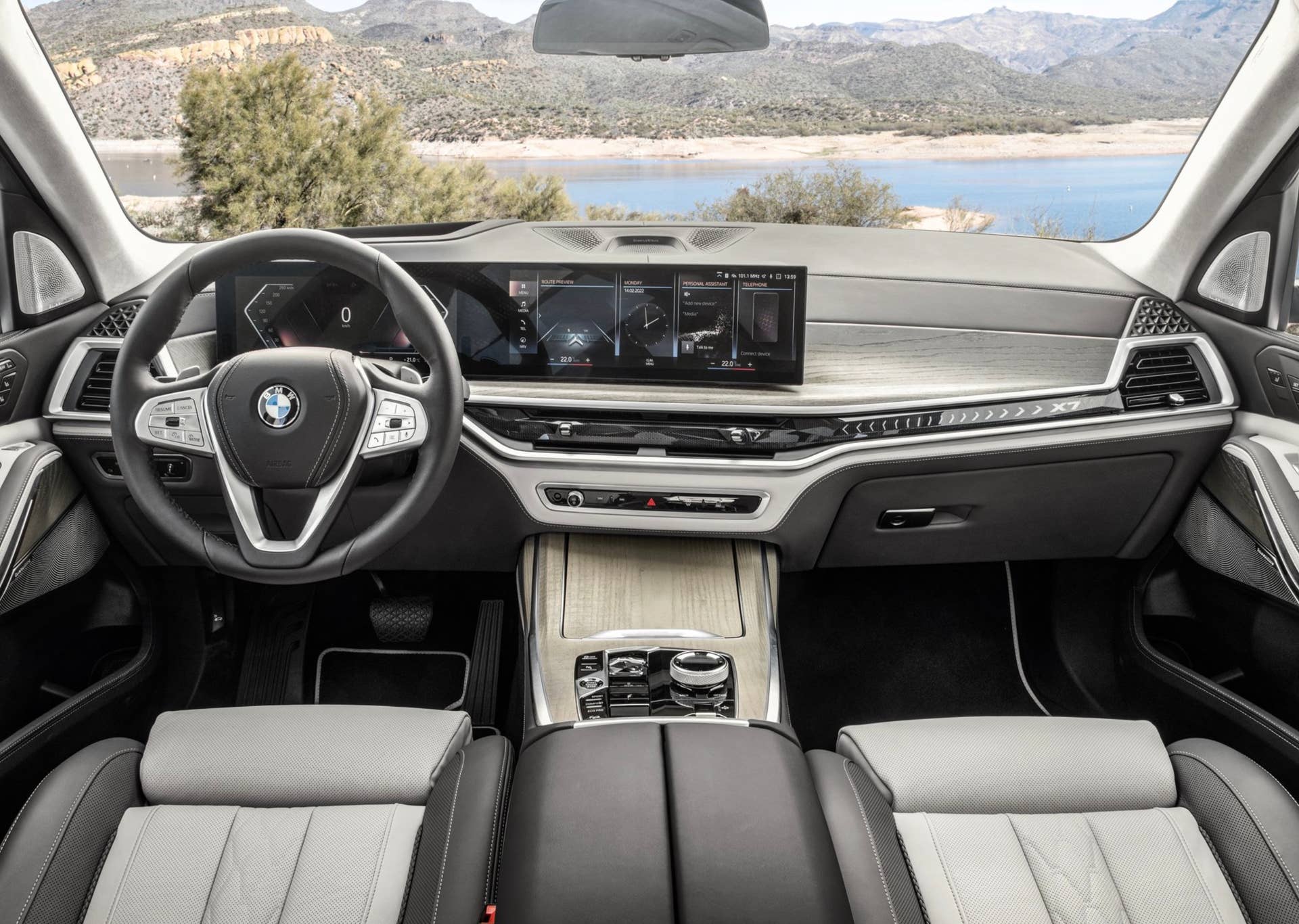
BMW
In luxury SUVs at this level, the execution of the interior is crucial. Buyers in this segment expect generous space in all three rows, the best technologies, and the finest materials.
Starting with space, both vehicles can accommodate six or seven occupants depending on how they’re specified. Surprisingly, though, the Audi’s third row isn’t as spacious as expected.
| Audi Q9 | BMW X7 | |
| 1st/2nd/3rd row headroom | 39.1/40/39.8 inches | 41.9/39.9/36.6 inches |
| 1st/2nd/3rd row legroom | 41.5/41.6/29.1 inches | 39.8/37.6/33.3 inches |
| 1st/2nd/3rd row shoulder room | 59.5/58.2/48.9 inches | 60/58.1/47.9 inches |
| Cargo space behind 1st/2nd/3rd row | 87.7/43.8-50/19.3 cubic feet | 90.4/48.6/12.8 cubic feet |
One of the main takeaways is in how Audi appears to have prioritized second-row space. It has four inches more legroom in that row, which should make it feel a lot more spacious for adults. However, the Audi’s third-row legroom is poor and comparable to some midsize SUVs. BMW provides more third-row legroom but less space for shoulders and heads there.
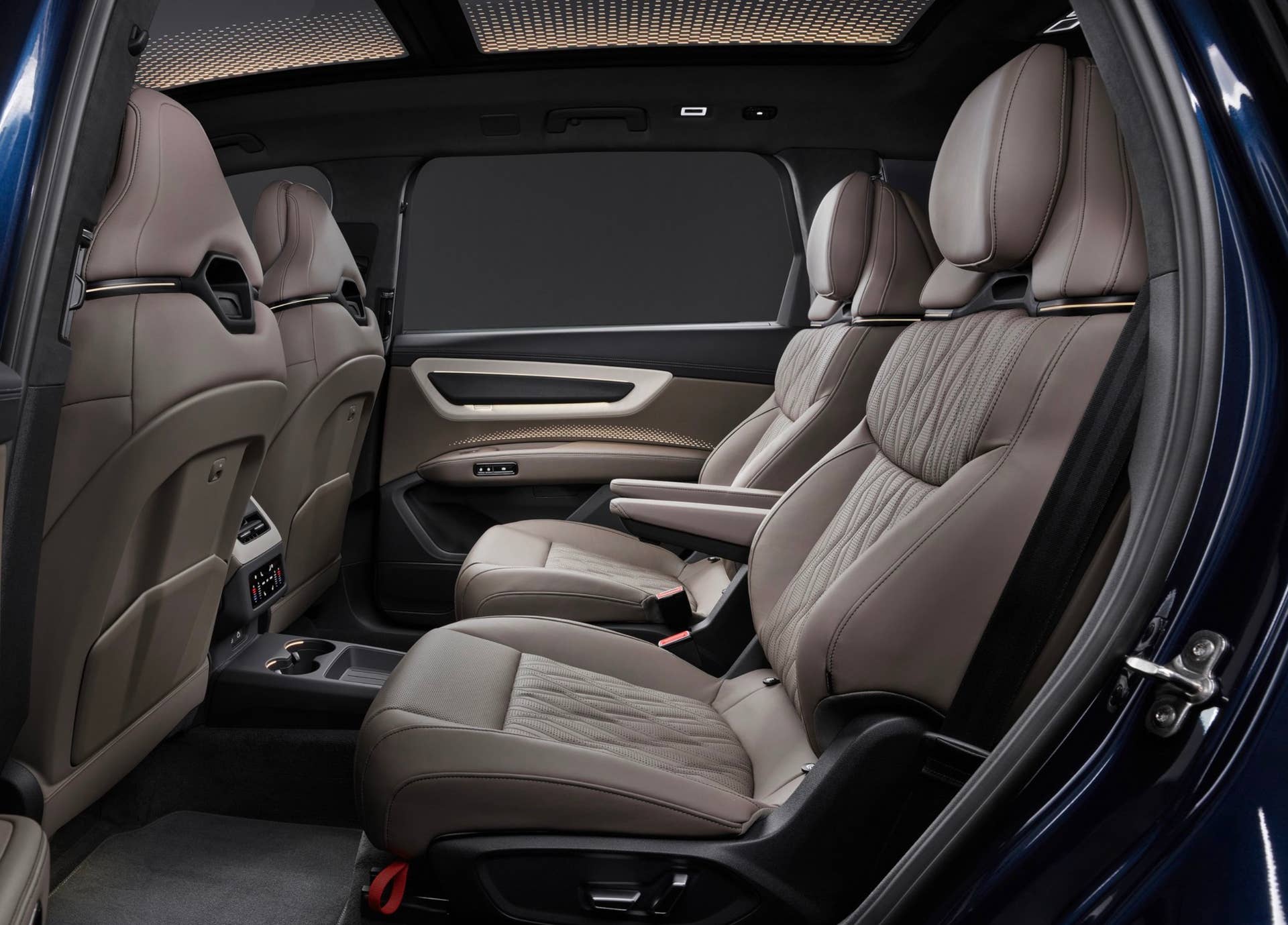
Audi
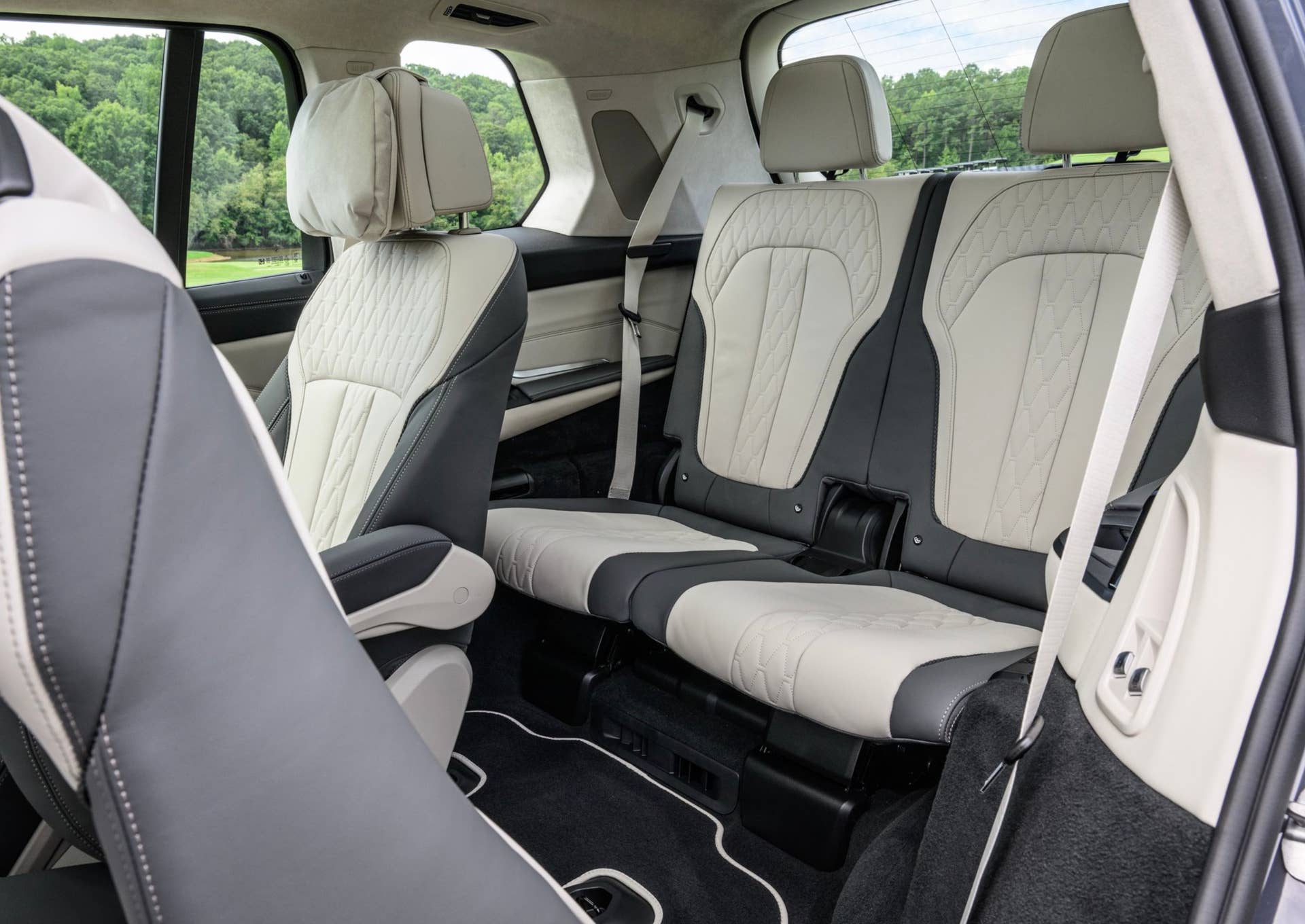
BMW
Cargo space behind the first two rows is comparable, but the Audi has much better capacity behind the third row. We’ll give the overall edge to the Audi, but we do wish it had more legroom in the rearmost row.
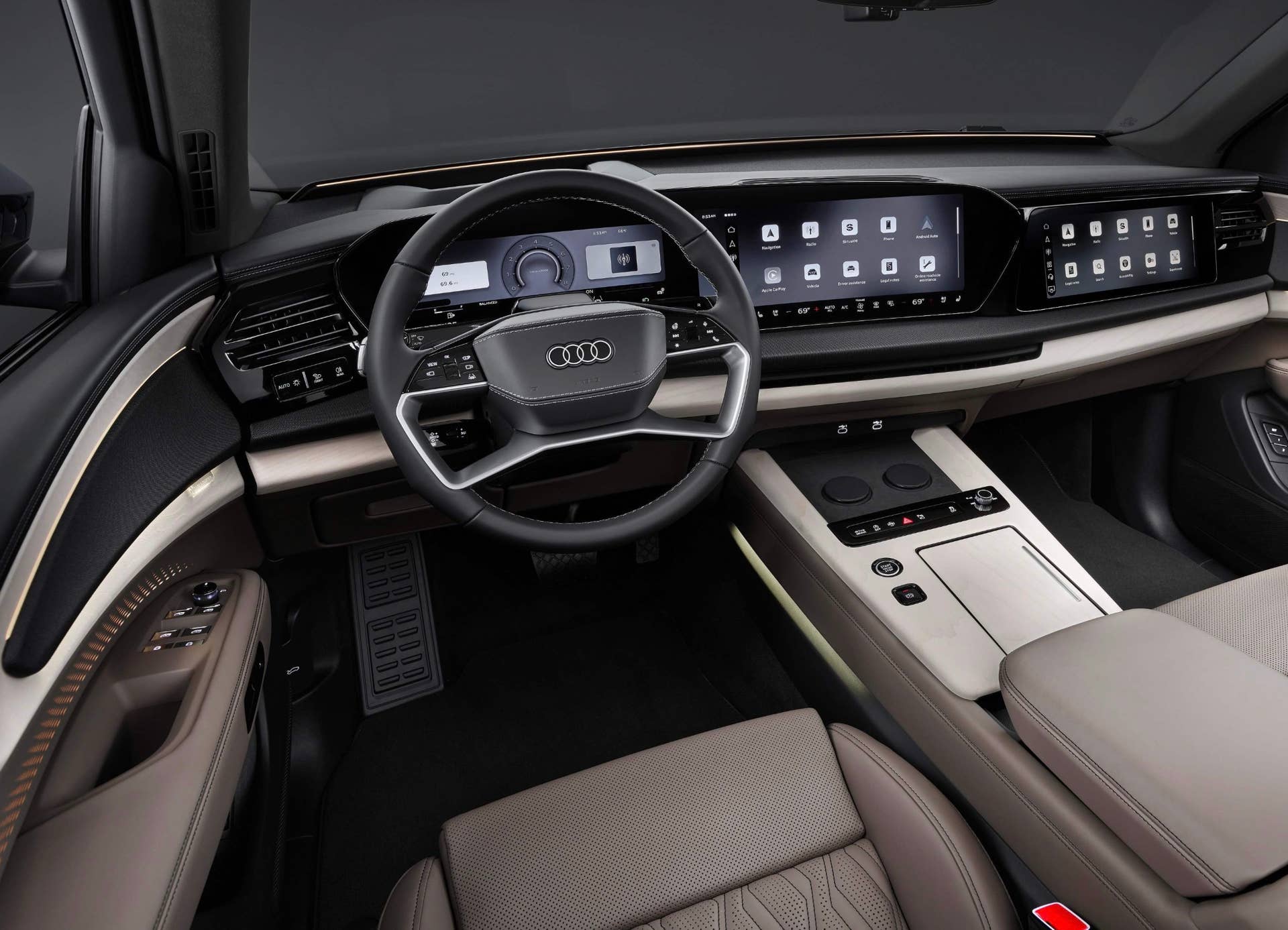
In terms of layout and technology, Audi’s plan to abandon big screens definitely hasn’t begun with this Q9. A trio of displays adorn the dashboard, although not everyone loves Audi’s attempts to integrate a passenger-side screen. Quality in the Audi appears excellent, with Nappa leather upholstery, fewer finger-print prone surfaces, and attractive lighting. Some of the tech has gone too far, though, with airflow needing to be adjusted via the touchscreen.
The BMW sticks with dual screens and a more traditional layout, as it still has the iDrive rotary controller. It’s no longer as modern-looking, but build quality remains flawless.
Both vehicles have plush seats, massive panoramic sunroofs, and killer sound systems—with even more decadence available via the options list.
Pricing
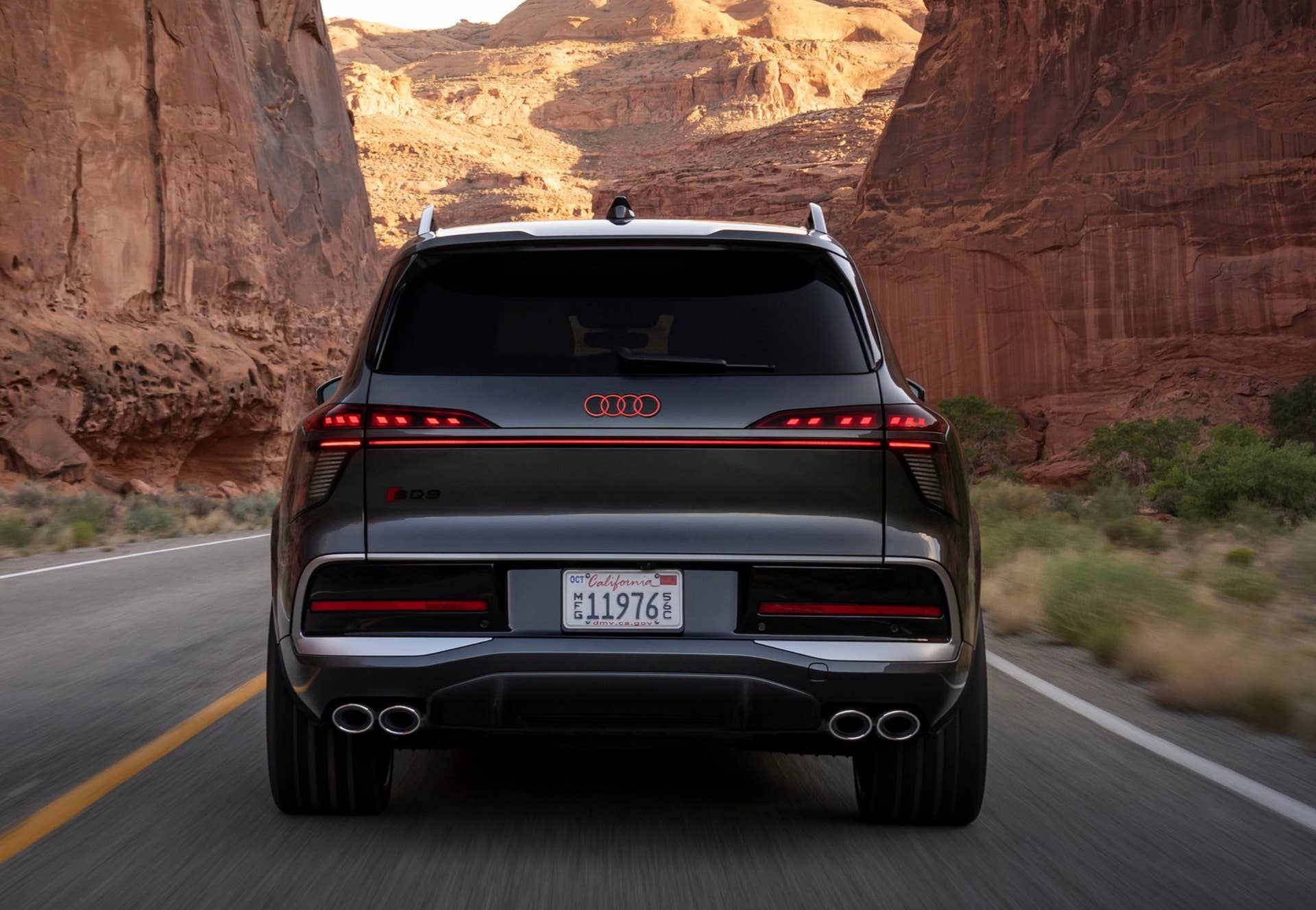
Audi
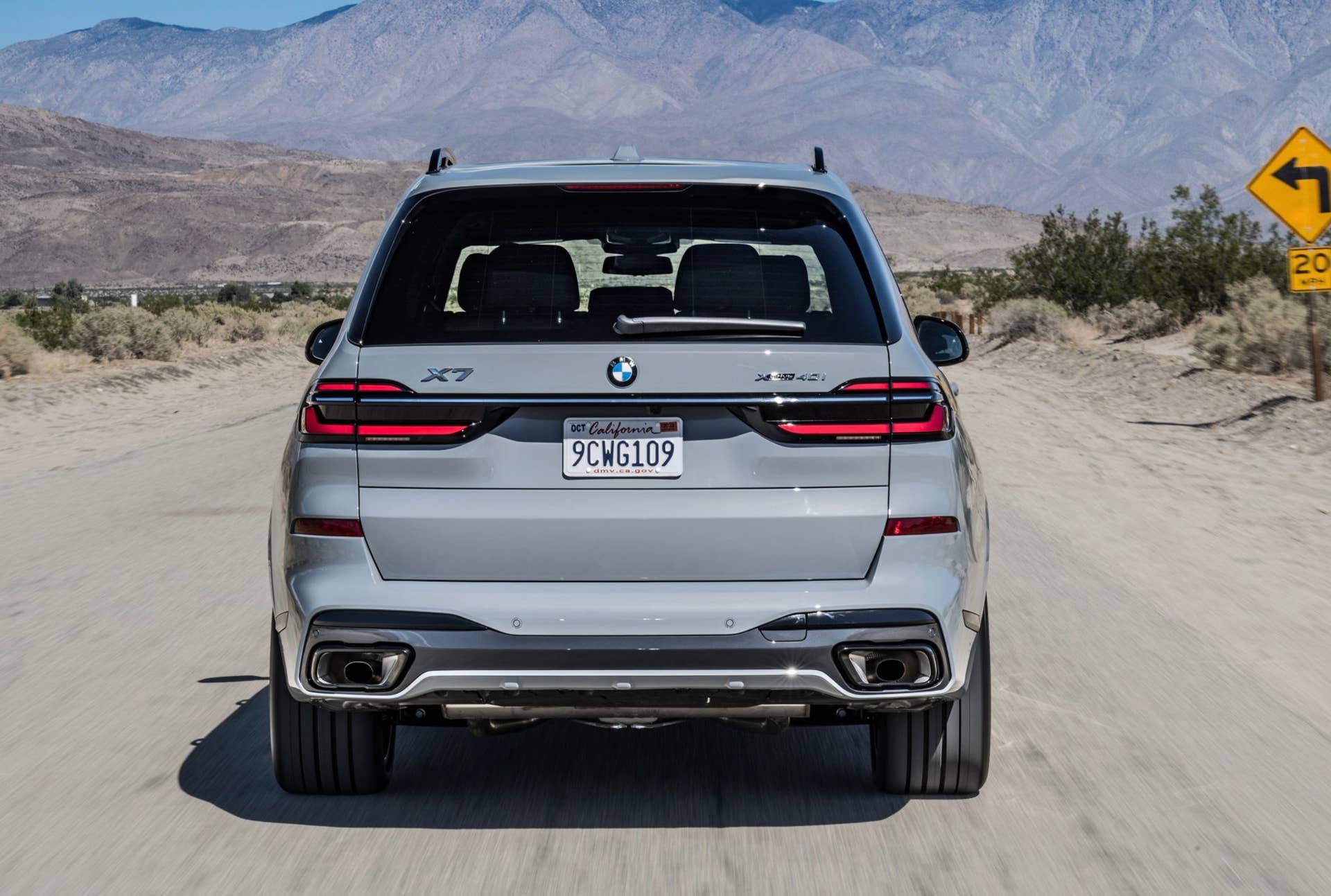
BMW
The 2027 Audi Q9 will start at $87,700 and increase to $118,000 for the SQ9.
Pricing for the BMW is almost identical. It starts at $87,500 for the xDrive40i and goes up to $115,000 for the M60i with the V8.
Both vehicles will inevitably cost much more when loaded up with options.
Final Thoughts
Audi
BMW
We can’t declare a definitive winner in the full-size luxury SUV segment until we drive the Q9, but Audi appears to have done enough to surpass the BMW. The Audi is quicker, more modern-looking, boasts more overall interior space, and looks to be slightly better-equipped than the X7. The BMW is a victim of its age, if nothing else; it’s still a well-rounded luxury SUV. If the Audi rides and handles as well as the BMW, it could be the top choice among the Germans in this arena.
About the author

Karl Furlong
Senior Editor, Autoblog