

MSRP: $45,270
Use the table of contents to jump to a section
Overview
The 2026 Toyota Highlander is still one of America’s favorite family vehicles, delivering reliability, practicality, and unpretentious competence – exactly what its local customer base expects. Toyota’s legendary durability combines with sensible engineering over flash and unnecessary features, making the Toyota Highlander a three-row midsize SUV that continues to sell strongly. It offers a comfortable, refined ride, even on rough pavement, and has intuitive controls, so it’s easy to use. It’s available in both gas and hybrid configurations, with AWD now standard on all 2026 models. There is seating for up to eight people with flexible second-row configurations available.
Safety is top-notch too, with the Toyota Safety Sense 2.5+ driver-assistance suite fitted as standard to all trims, and the standard AWD assuring sure-footedness in all weather conditions. Cabin quality is class-appropriate but not particularly premium, but ride refinement is prioritized, so the Highlander more cossets than thrills, so it excels as stress-free and comfortable family transportation at the expense of driving thrills. It’s perfectly suited to families looking for ease of ownership and dependability instead of engaging driving manners and extroverted styling, and will appeal mostly for being a rational choice with baked-in longevity and resale value.

Toyota
What’s New for 2026
Toyota has streamlined the 2026 Highlander lineup by dropping the base LE trim and all the front-wheel-drive variants, so all Highlanders are now AWD, ensuring enhanced traction and stability, especially in treacherous weather. This obviously increases the price of entry, with the XLE base trim now starting at over $45K. On the hybrid side, the XLE Nightshade and the Limited 25th Anniversary Edition Hybrid have also been dropped from the range.
Other than these changes, the Highlander is carried over largely unchanged from last year, and offers the same proven powertrains and technology features, wrapped in the same basic design that the Highlander has had since the introduction of the current (fourth) generation has had since its introduction as a 2020 model.
Exterior
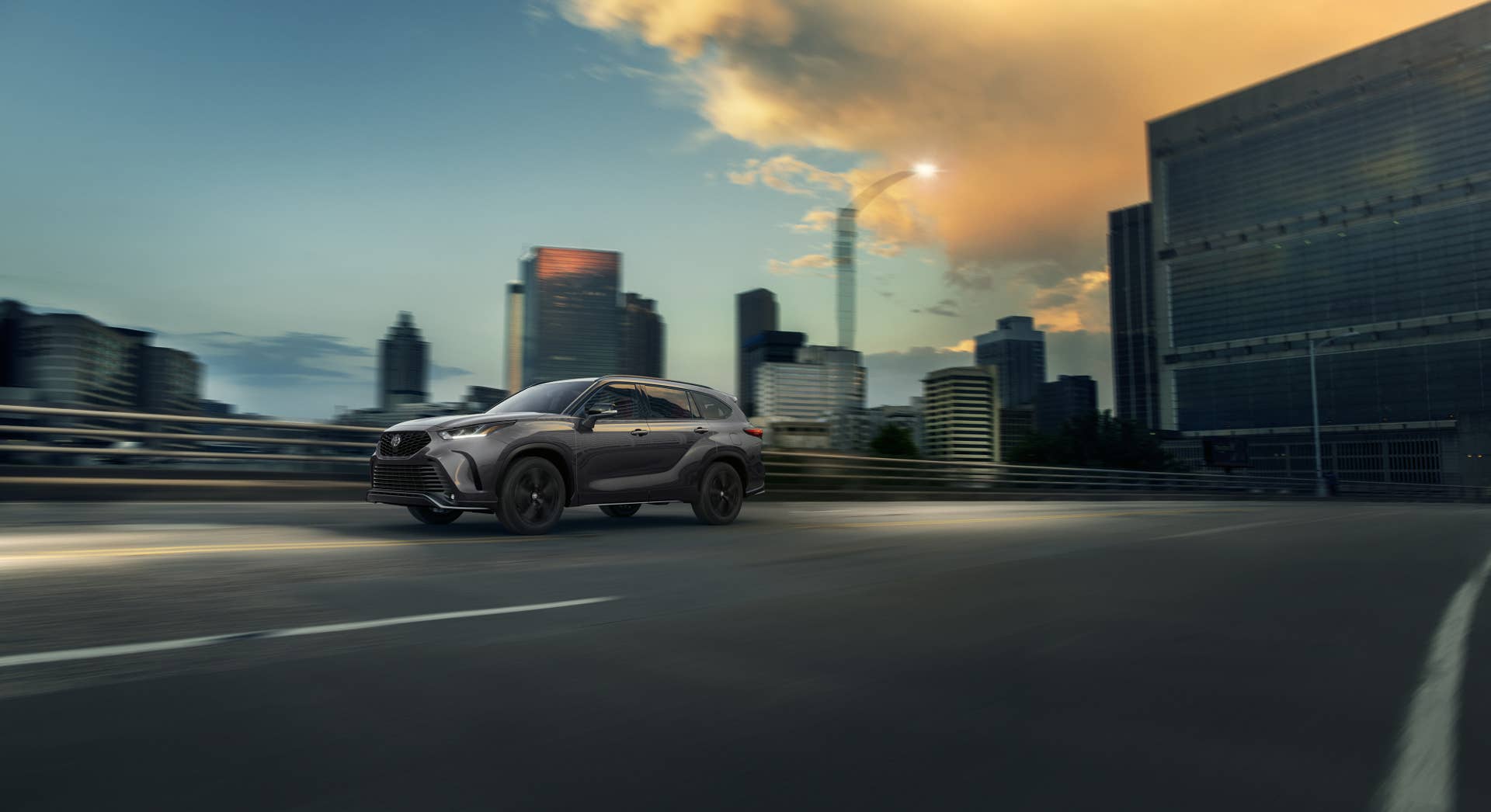
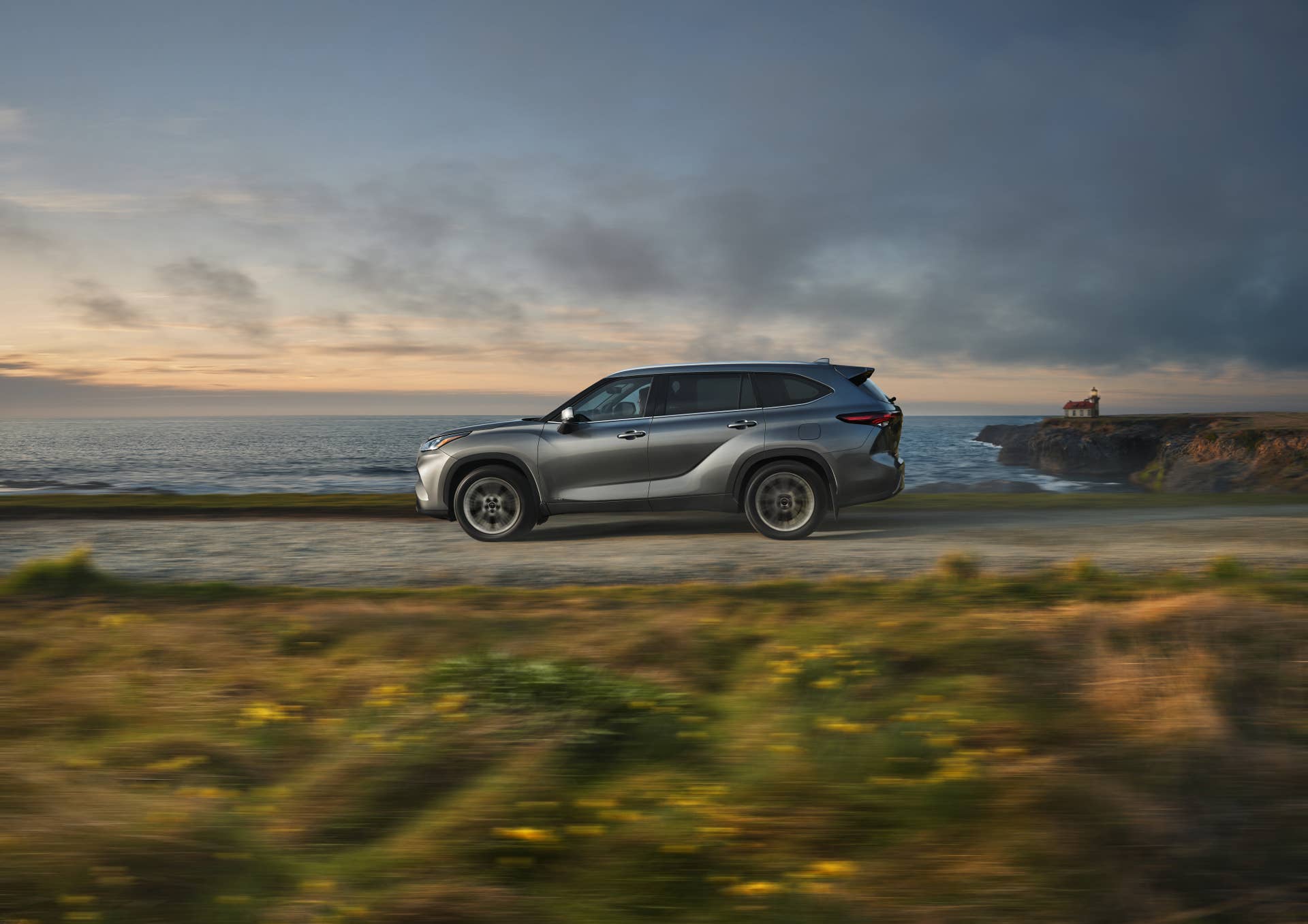
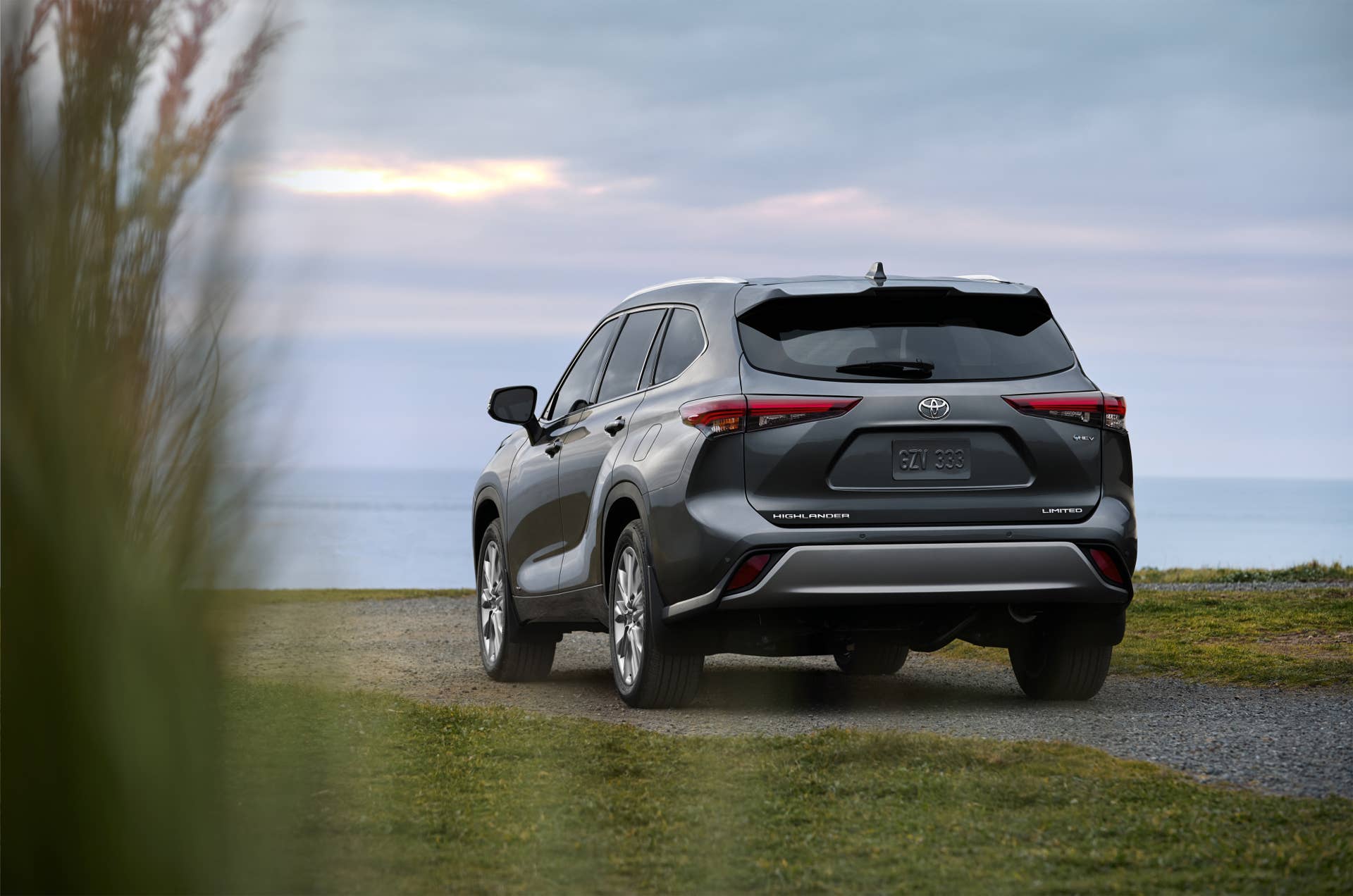
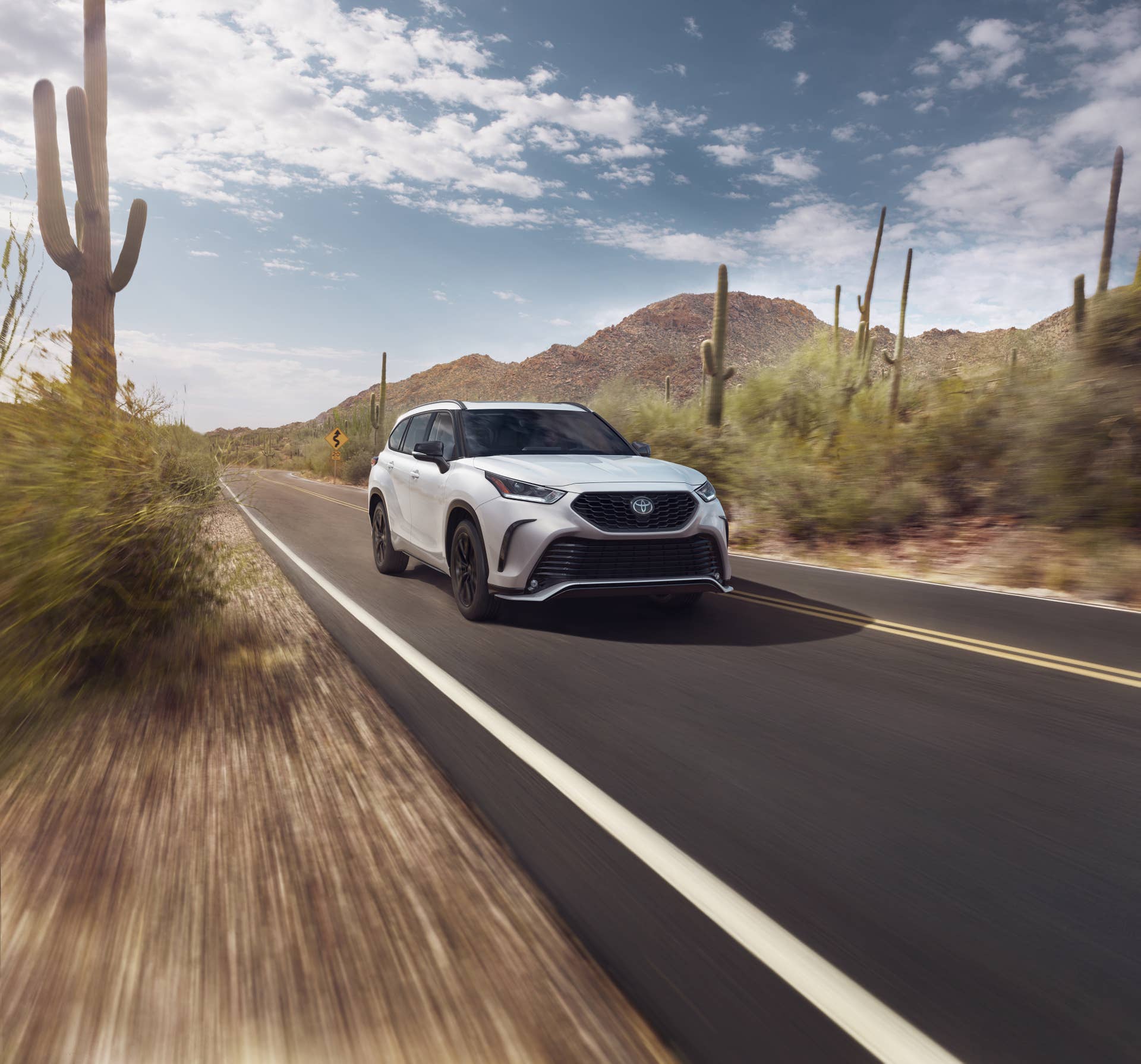
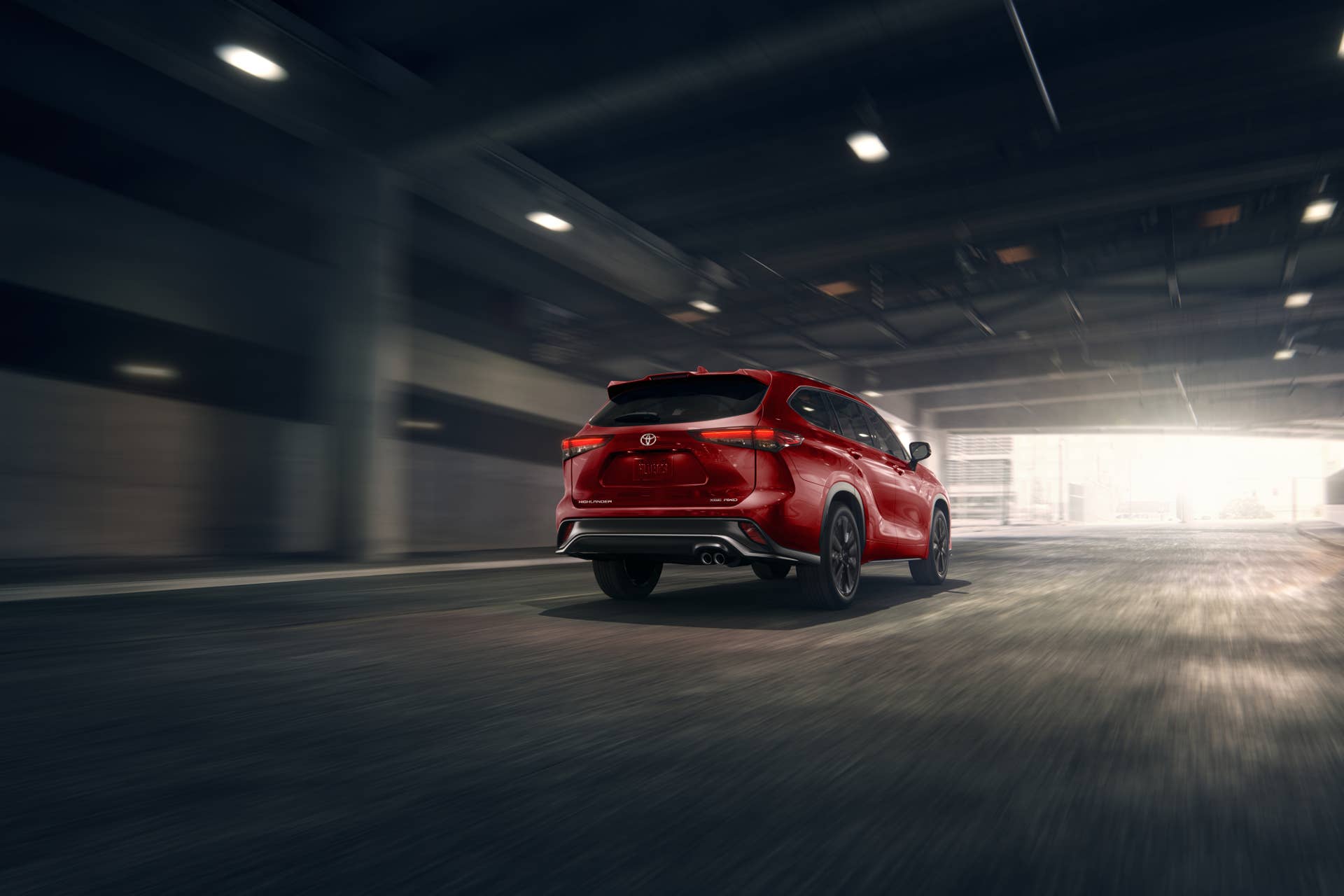
The exterior design of the Highlander is clean, contemporary, and devoid of controversial or adventurous styling elements, emphasizing function over flash. LED headlights flank Toyota’s signature grille, making it instantly familiar and recognizable, but there’s nothing dramatic about the understated, aerodynamically sound body lines, and it projects a reassuring family-vehicle sensibility.
Wheel sizes vary from 18 to 20 inches, depending on the trim level, and the sportier XSE gets a more aggressive mesh grille and black wheels. Some trims get twin-tip exhausts to add some visual interest to the rear, and Platinum trims step it up with premium wheel designs and more chrome accents. In overall proportions, it slots in between the Grand Highlander and boxier new RAV4, with adequate interior room while maintaining manageable dimensions for urban driving and parking. An optional panoramic moonroof enhances the ambience.
Toyota
Toyota
Toyota
Interior
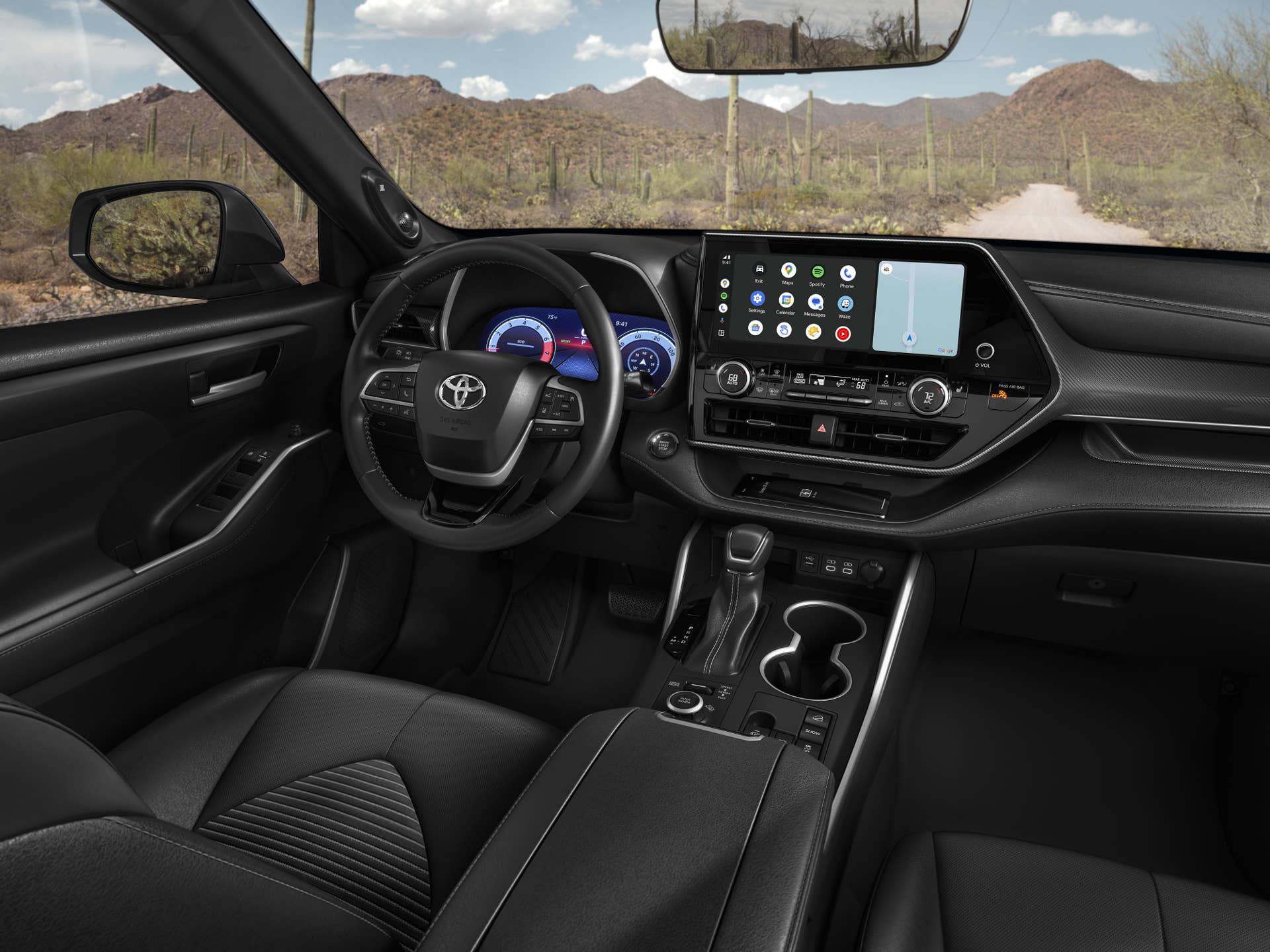
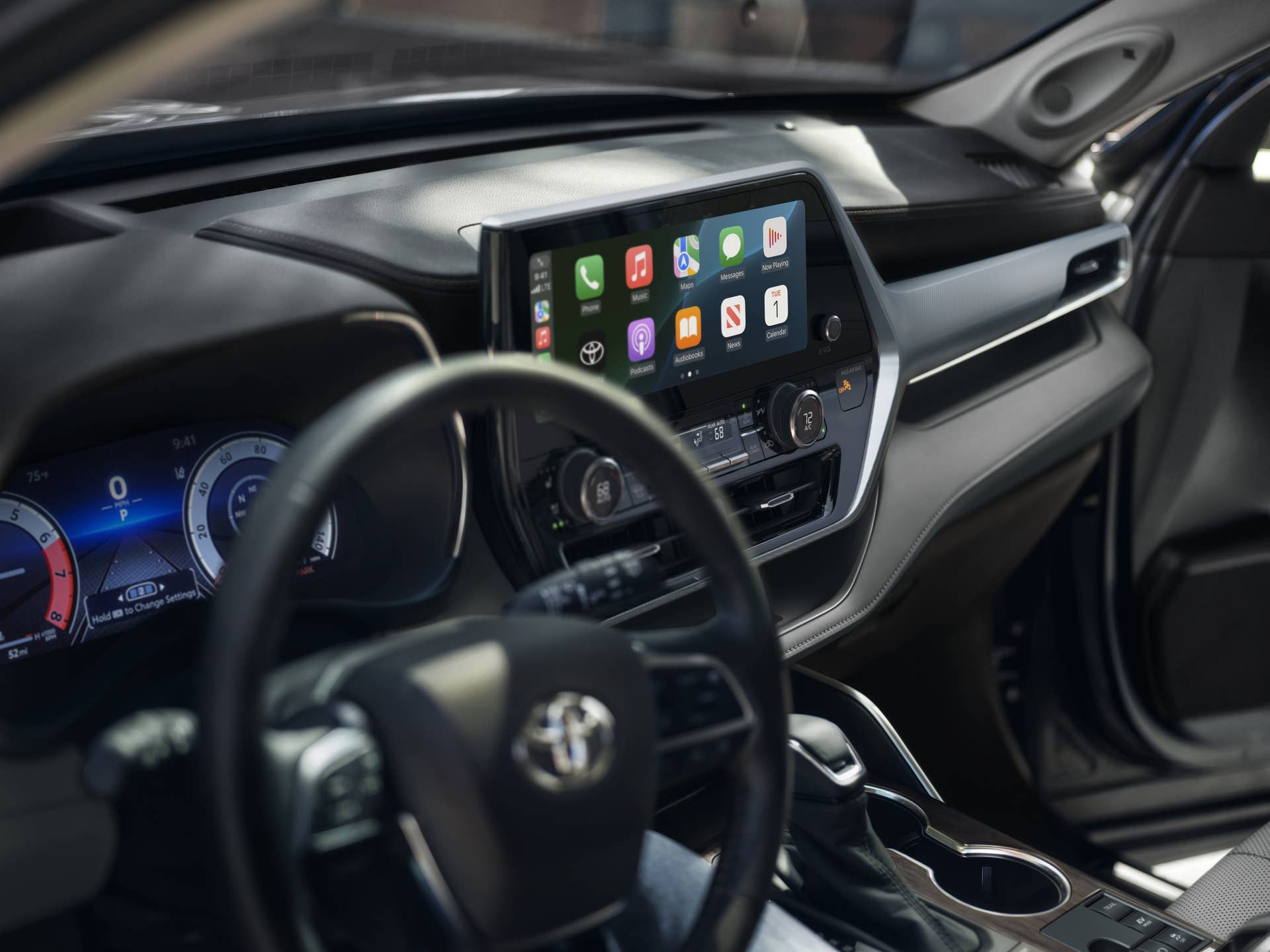
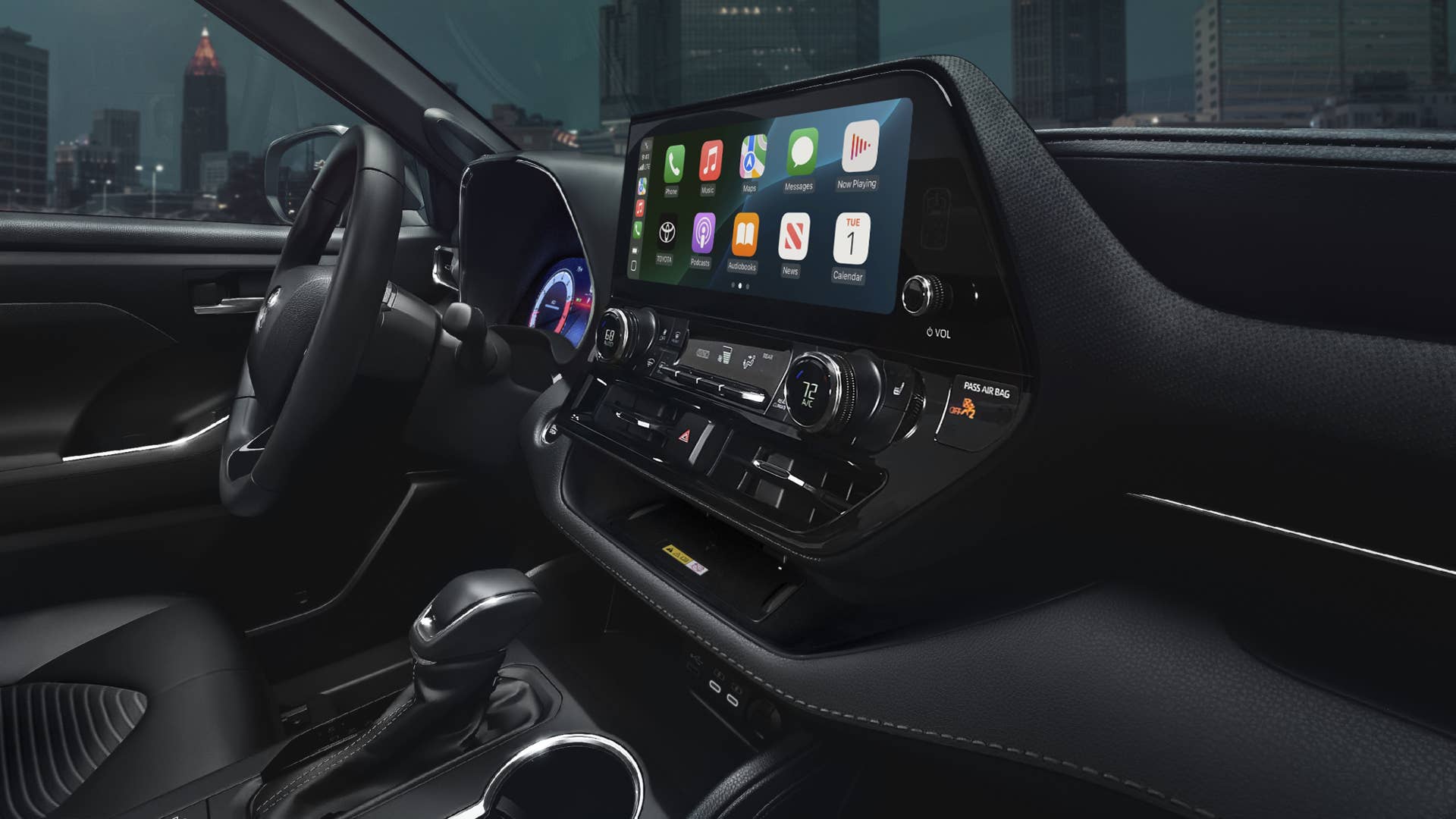
The Highlander’s cabin is sensibly organized and focuses on usability, not a dramatic design. Material quality is perfectly satisfactory, and everything is screwed together tightly, ensuring long-term durability, with some soft-touch surfaces deployed in strategic areas. The controls are laid out logically, and the central touchscreen measures 8 inches, growing to 12.3 inches on top trims. Standard features include wireless Android Auto and Apple CarPlay, along with SofTex leatherette upholstery, which is exchanged for genuine leather with heating and ventilation for the front chairs on Limited and Platinum trims.
A 12.3-inch digital gauge cluster is standard on the Limited and Platinum as well, modernizing the driver’s display without representing tech overload. The second row offers generous space and excellent seating comfort, but opting for the twin captain’s chairs cuts the passenger count from eight to seven. Storage solutions are abundant and include door pockets, thoughtful cubbies, and lots of cupholders. An optional panoramic moonroof bathes the cabin in natural light.
Toyota
Toyota
Toyota
Price Range and Best Value Trim
| Trim Level | Price |
| Base trim: XLE | $45,270 |
| Top trim: Hybrid Platinum | $54,675 |
| Best value trim: Hybrid XLE | $47,020 |
The new base XLE trim offers the best value, and we’d have it in Hybrid, combining a comprehensive list of standard features and excellent fuel economy at a very modest premium over the gas model. The hybrid almost matches the performance of the gas model, but scores with a smoother powertrain and superior efficiency, justifying the investment, especially for buyers who accumulate significant mileage per year. This trim is sensible, avoiding some of the unnecessary luxury features while still providing wireless charging, heated front seats, and Toyota’s full safety and driver-assistance suite.
2026 Toyota Highlander Specs Overview
In this section, we cover all the basic technical specifications for both gas and hybrid powertrains, as well as fuel economy ratings and performance characteristics. We see Toyota’s conservative engineering approach, which prioritizes efficiency and reliability over outright performance. The gas model has a turbocharged 2.4L four-cylinder engine with respectable performance and economy, but the hybrid’s class-leading efficiency comes thanks to a hybridized naturally aspirated 2.5L four-pot that suffers nearly no performance deficit. You’ll pick the one that best matches your needs, but the hybrid is the smart choice on paper.
Powertrain Options
| Engine | Horsepower | Torque | Transmission | Drivetrain |
| 2.4L Turbo I-4 | 265 hp | 310 lb-ft | 8-Speed Auto | AWD (Standard) |
| 2.5L Hybrid I-4 | 243 hp (combined) | N/A | eCVT | AWD (Standard) |
Note: The Hybrid system combines a 2.5L four-cylinder engine with electric motors. All 2026 Highlanders include standard AWD.
Performance and 0-60 MPH
The 2.4L turbo-four delivers adequate performance for daily driving and merging on the highway, and should reach 60 mph in about 7.5 to 8 seconds. This may not be all that quick, but the engine’s mid-range torque delivery is strong, so it passes with little drama, with the 8-speed automatic shifting quickly and holding onto the gears when necessary. The hybrid hardly loses out, and only trails the gas car by about 0.1-0.4 seconds, depending on the trim, with the advantage of near-silent running during electric operation and seamless transitions between power sources.
Toyota
Fuel Economy (MPG / MPGe)
The gas AWD Highlander’s EPA-rated economy is 21 mpg city and 28 mpg highway, resulting in a combined rating of 24 mpg, which is a good result in its segment, and achievable in sensible driving. The hybrid model gets the same number for all three cycles – 35 mpg – representing a substantial fuel saving in extended ownership, especially in city driving, where the hybrid comes into its own.
AWD/4WD System Overview
The standard Dynamic Torque Vectoring AWD system distributes the engine’s power intelligently between the front and rear axles, and the front-biased system can send up to 50% of the torque rearward when slippery conditions require it. The torque is actively shuffled between the front and rear wheels to improve handling responsiveness and cornering stability in spirited driving or bad weather. The car reverts to primarily FWD operation in normal conditions to maximize efficiency, engaging the rear wheels only when sensors detect front-wheel slip. The Multi-Terrain Select system provides four driving modes, namely Mud & Sand, Snow, Rock & Dirt, and Normal. These modes optimize traction in various conditions and enhance grip in winter or off-road.
Dimensions
The Highlander occupies a sweet spot between compact and full-size three-row SUVs, providing genuine third-row utility without overwhelming parking situations or daily maneuverability. The footprint remains manageable for suburban driveways and urban parking while maximizing interior volume efficiency.
| Dimension | Measurement |
| Length | 194.9 inches (XSE 197.4 inches) |
| Width | 76 inches |
| Height | 68.1 inches |
| Wheelbase | 112.2 inches |
Interior Space (front/second-row/third-row seats (in.)
| Measurement | Specification |
| Seating Capacity | 7 or 8 passengers |
| Legroom 1st/2nd/3rd Row | 42.0/38.7/28.0 inches |
| Headroom 1st/2nd/3rd Row | 38.4-41.2/37.1-39.4/36.1 inches |
| Hip room 1st/2nd/3rd Row | 57.2/57.0/45.6 inches |
| Shoulder room (w/shade) 1st/2nd/3rd Row | 59.0/58.4/55.0 inches |
Cargo Space
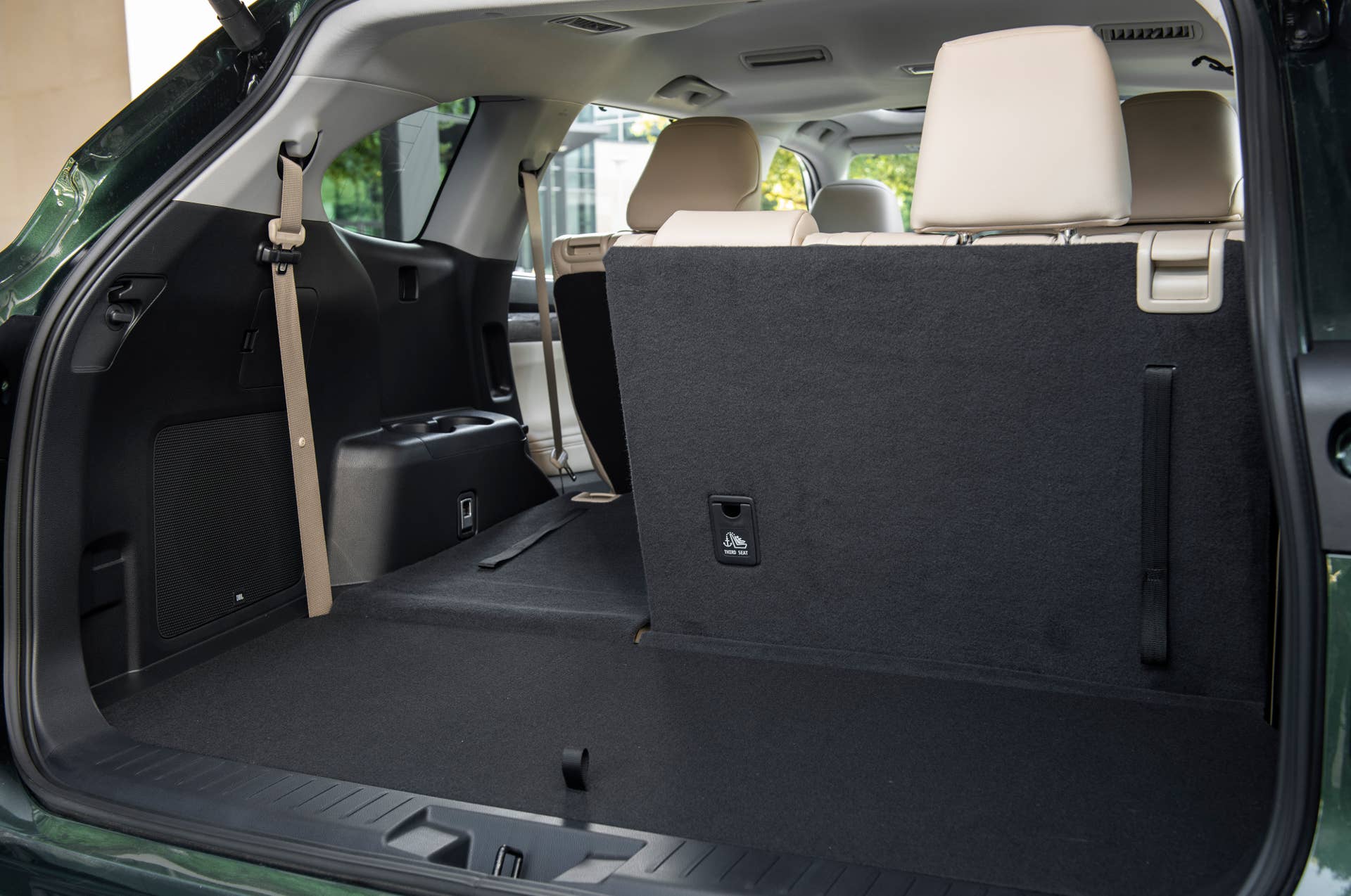
There is 16 cu-ft of cargo space behind the third row, which is hardly generous, but sufficient for a grocery run or some carry-on luggage. Folding down the third row liberates a total of 48.4 cu-ft, which will comfortably accommodate larger shopping trips or weekend gear. With both rear rows folded down, a huge 84.3 cu-ft is on offer, rivalling some full-size SUVs. Loading is eased with a hands-free power liftgate with jam protection.
Toyota
Ground Clearance
All Highlander trims offer decent ground clearance for confidently traversing unpaved roads and tackling snow-covered winter roads, but the body doesn’t sit so high that stability or fuel efficiency is adversely affected. The AWD and Mult-Terrain Select systems haven’t been designed with serious rock crawling in mind, but allow you to explore light trails and make it to the camping site on weekend trips on maintained dirt roads.
| Ground clearance (Base)(in.) | 8 |
| Approach/departure angle (degrees) | 18.1/23.4 degrees gas 18.1/22.7 degrees Hybrid |
| Ramp breakover angle | 16.7 degrees |
Warranty
Toyota provides competitive warranty coverage matching industry standards, backed by the manufacturer’s strong reputation for reliability and lower-than-average repair costs throughout the ownership experience.
| Coverage Type | Duration |
| Basic Limited Warranty | 3 years / 36,000 miles |
| Powertrain Limited Warranty | 5 years / 60,000 miles |
| Rust-Through Coverage | 5 years / unlimited miles |
| Emissions Coverage | Varies by component |
| Hybrid Component Coverage (Hybrid models) | 8 years / 100,000 miles |
| Hybrid Battery Warranty (Hybrid models) | 10 years / 150,000 miles |
| ToyotaCare Maintenance | 2 years / 25,000 miles |
Pros and Cons
Pros:
- Exceptional resale value and a reputation for reliable
- A refined and quiet ride quality on various road surfaces
- The Hybrid model delivers outstanding fuel economy for this segment
- Comprehensive standard safety technology
- Straightforward operation and intuitive controls
- A spacious second row with flexible configurations
- Two years of complimentary scheduled maintenance
Cons:
- Elimination of the base LE trim raises the entry price significantly
- Third-row space is tight for adults
- Acceleration is merely adequate rather than spirited
- Interior design is conservative rather than distinctive
- No FWD option reduces affordability
- The base XLE lacks some premium features found on competitors
Verdict
The 2026 Toyota Highlander’s success is down to refusing to prioritize excitement or chase trends over substance. This honest and straightforward family vehicle delivers comfortable accommodations for seven or eight passengers, reliability, peace of mind backed by Toyota’s legendary reliability, and excellent efficiency, especially in hybrid guise, which is exactly what most buyers want and need. Rivals may offer more exciting styling, cutting-edge tech, or sportier handling, the Highlander’s trump cards are intuitive operation, proven engineering, and the lowest ownership costs in its class.
Dropping the base trim and making AWD standard significantly raises the base price, potentially putting it out of the reach of budget-conscious buyers who would have preferred FWD affordability. If the budget allows, the hybrid powertrain is the one to have, as it combines superb efficiency with nearly the same performance as the gas model. Add to these advantages Toyota’s reliability year after year, and it’s clear why the Highlander is still so popular.
The third row accommodates children without a problem, and the second row takes care of adults of any height. The ride isn’t exciting, and the cabin is not luxurious, but the Highlander’s combination of efficiency, practicality, and dependability more than makes up for it. The best overall value is represented in the Hybrid XLE trim, which combines a decent feature count with superior fuel economy and decent performance for a reasonable premium over the gas model. It’s perfect for families who cover significant mileages and for whom the efficiency benefit is important. That it’s also a more discreet powertrain is a bonus.
Toyota
Competitors
About the author

Cobus F. Potgieter
Reviews and Features Editor