
MSRP: From ~$32,000
Use the table of contents to jump to a section
Overview
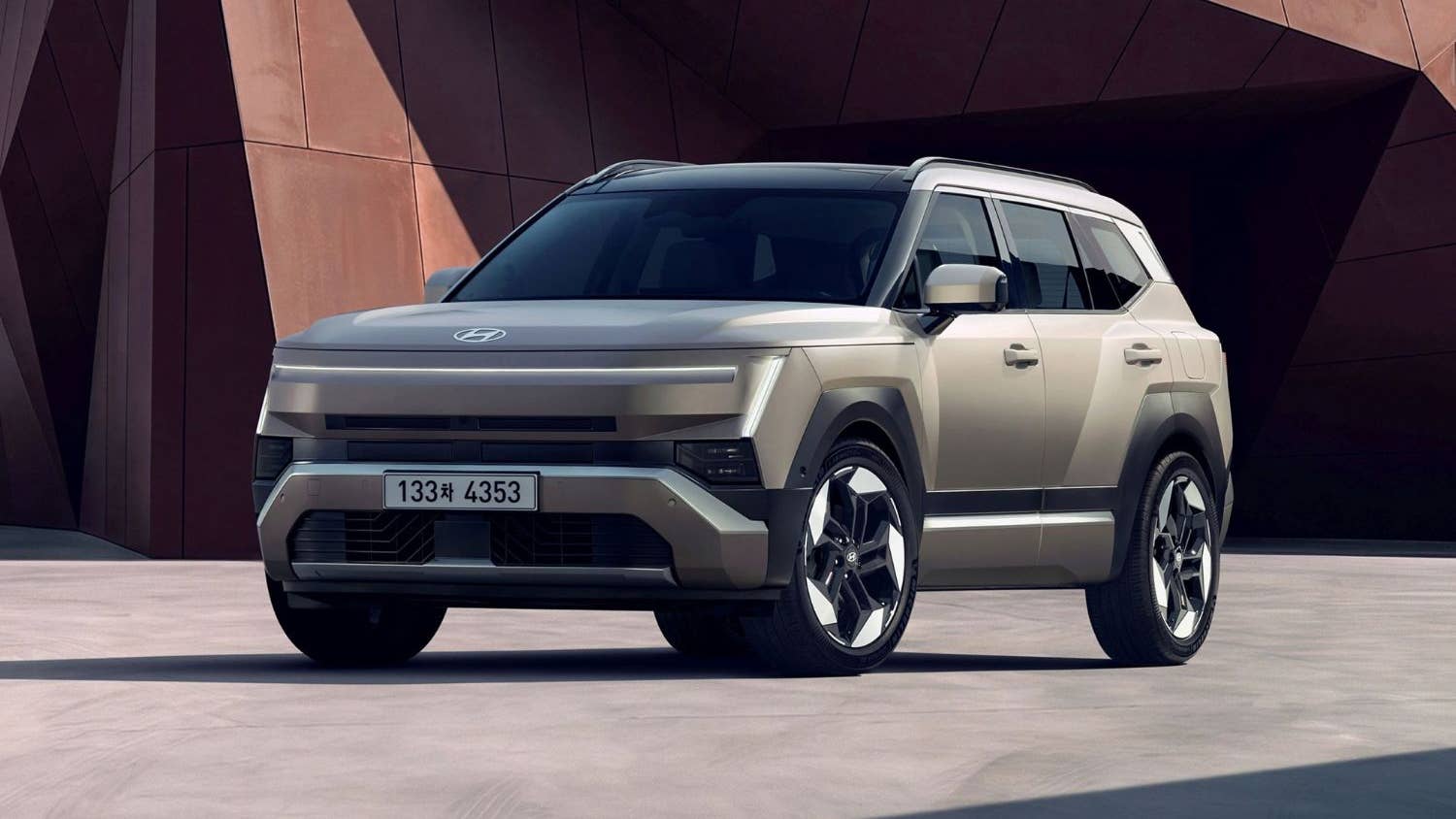
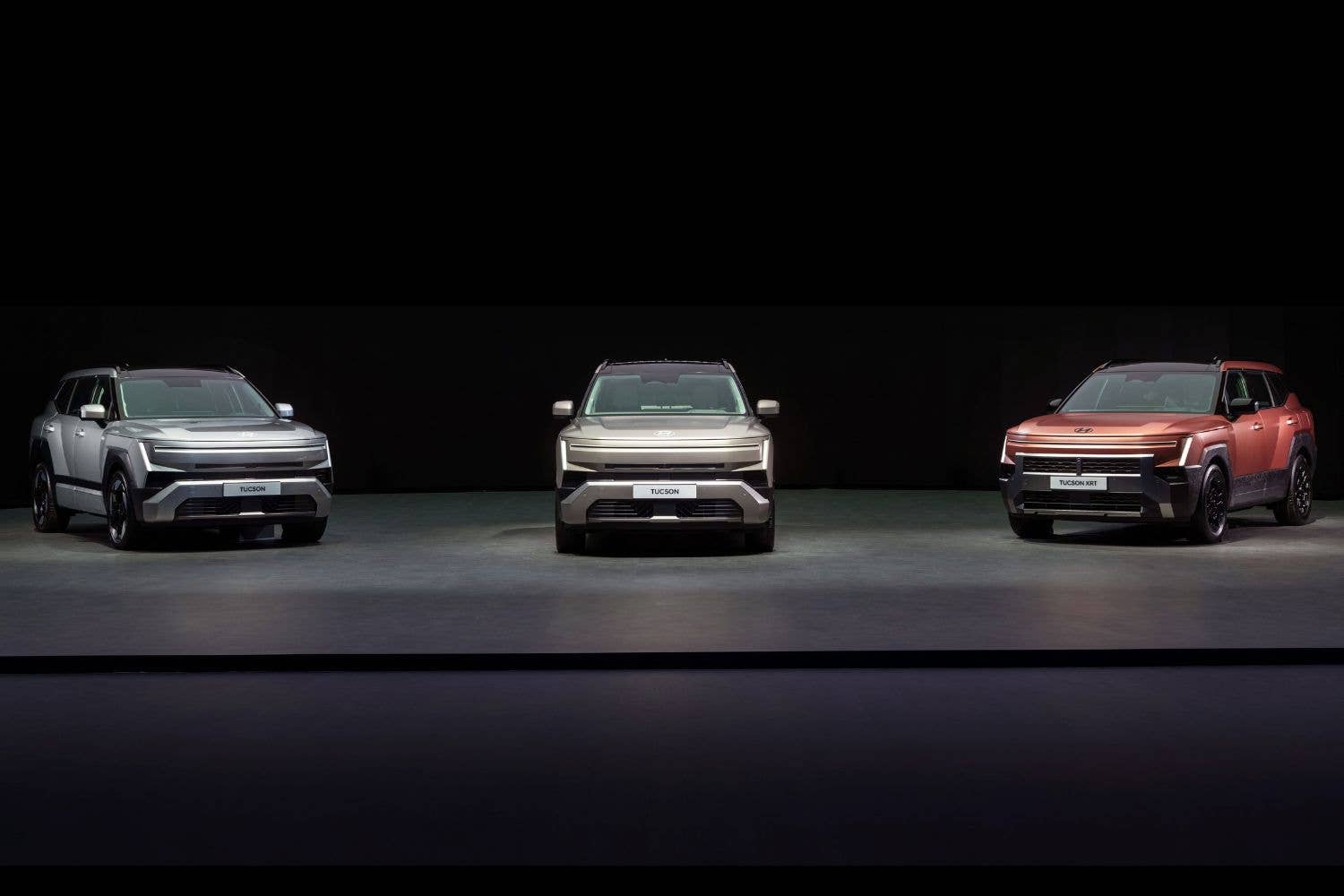
Hyundai has given the 2027 Tucson the sort of makeover that makes its predecessor look almost shy. The fifth-generation 2027 Hyundai Tucson compact SUV swaps its flowing bodywork for a taller, squarer personality, while gaining useful interior space and a considerably more impressive infotainment system. It still competes with the Honda CR-V, Toyota RAV4, and Nissan Rogue, but the new design looks ready to pick a fight with something wearing hiking boots.
A turbocharged 1.6-liter 4-cylinder with 184 horsepower replaces the outgoing naturally aspirated 2.5-liter engine. The hybrid returns with 233 combined horsepower, and buyers can choose front- or all-wheel drive depending on configuration. There’s also a tougher, hybrid-only XRT Pro with standard AWD. The plug-in hybrid, however, bows out of the U.S. lineup, leaving shoppers with conventional gas and hybrid choices.
Hyundai
What’s New for 2027
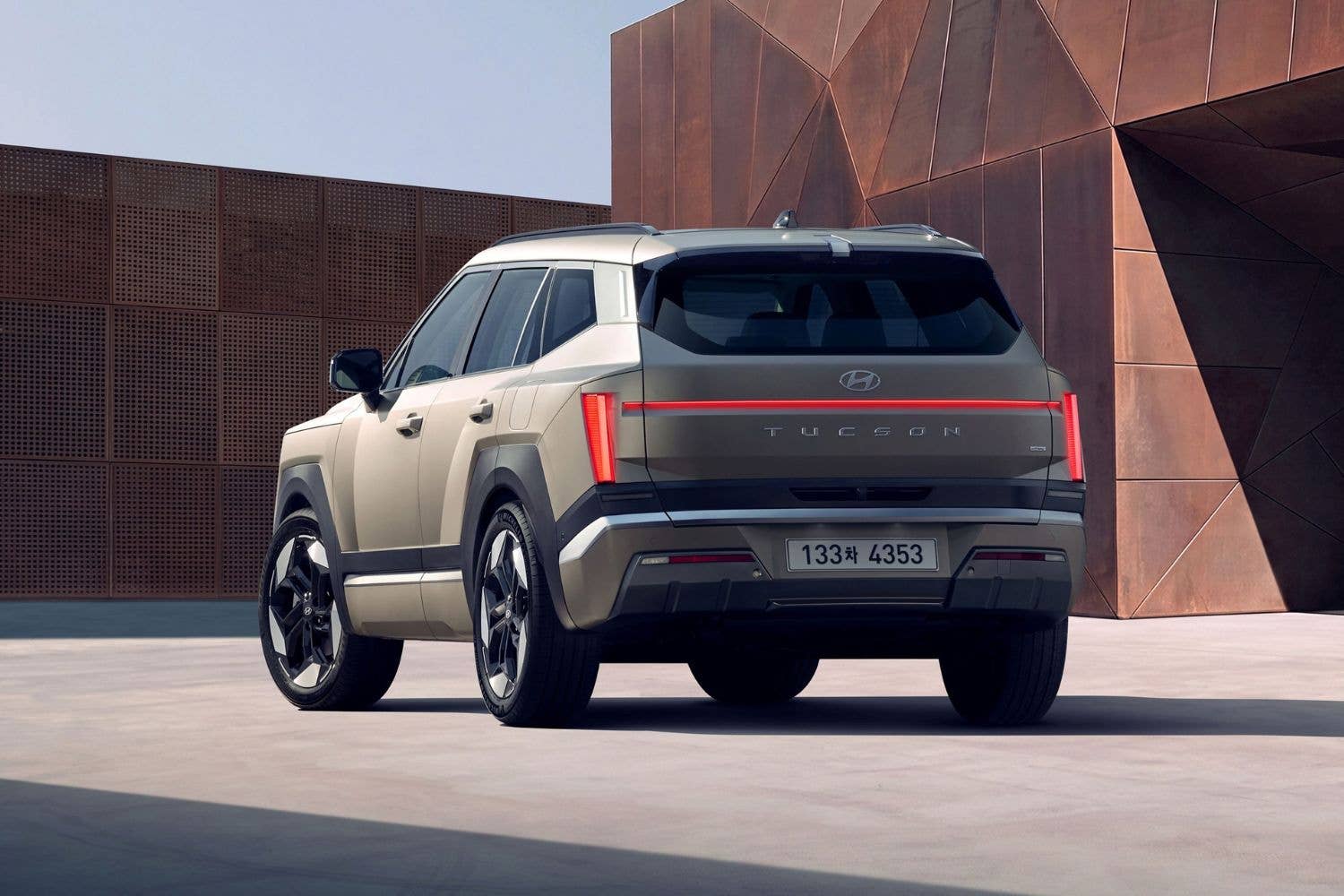
Almost everything. The 2027 Tucson grows 2.4 inches longer and 1.6 inches wider, with a wheelbase stretched by about 1.2 inches. The redesign brings a more upright body, pronounced fenders, full-width front lighting, and rear doors that now open to 83 degrees instead of 73. New paint choices include Ranger Green Pearl, Kodiak Blue Pearl, Driftwood Gray Metallic, and Red Rock Orange Pearl. The XRT treatments add extra attitude through contrasting cladding and distinctive trim details.
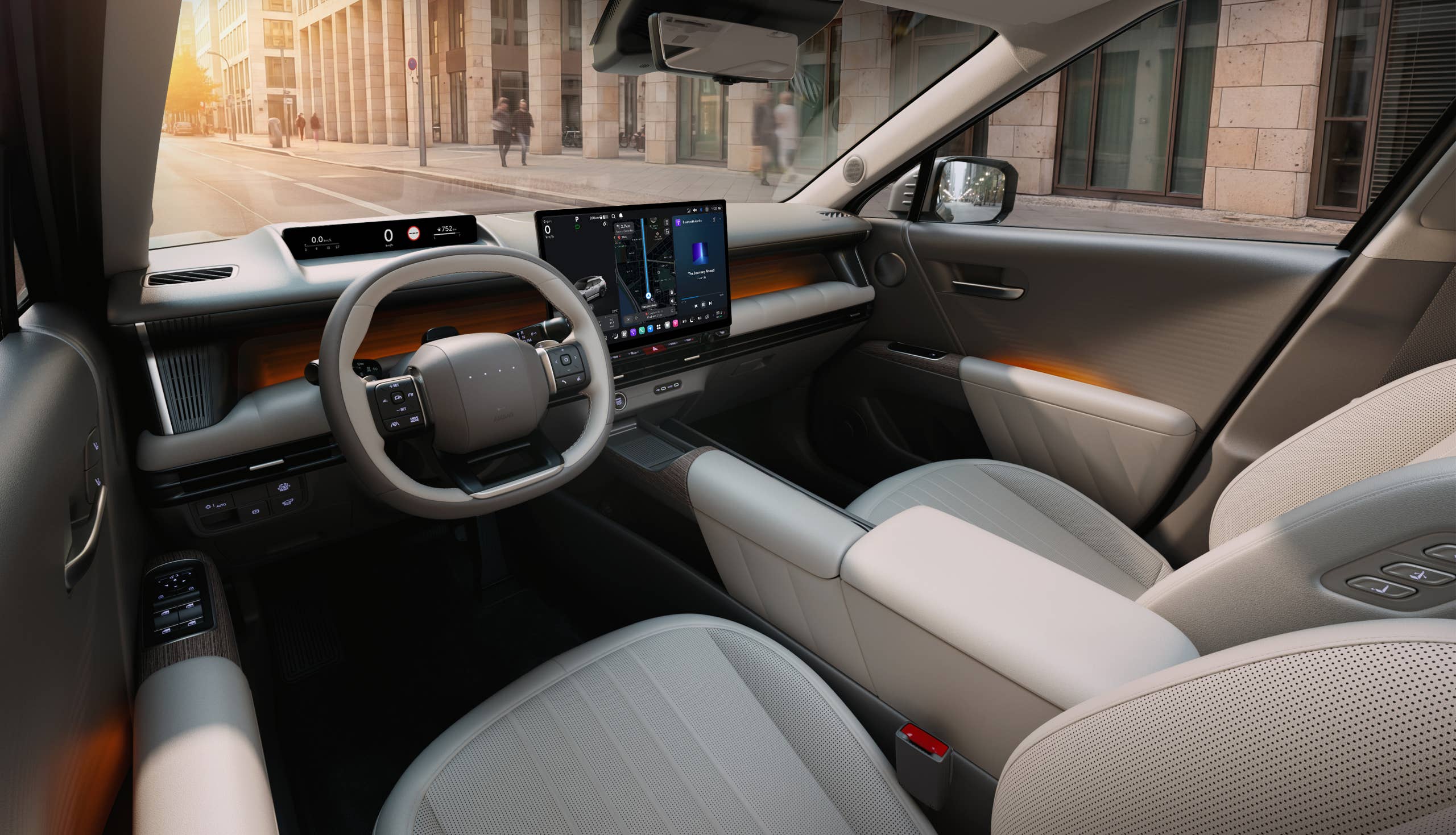
Inside, there’s a new dashboard and console, a squared-off steering wheel, more space for rear passengers, and available dual wireless charging pads. Two front USB-C ports and extra storage beneath the center armrest make daily life easier. Hyundai also introduces Pleos Connect, its new infotainment platform, alongside the conversational Gleo AI assistant. The XRT Pro adds genuine off-pavement hardware, including all-terrain tires and terrain-monitoring technology, rather than just relying on a rugged-looking bumper.
Hyundai
Hyundai
Hyundai
Exterior
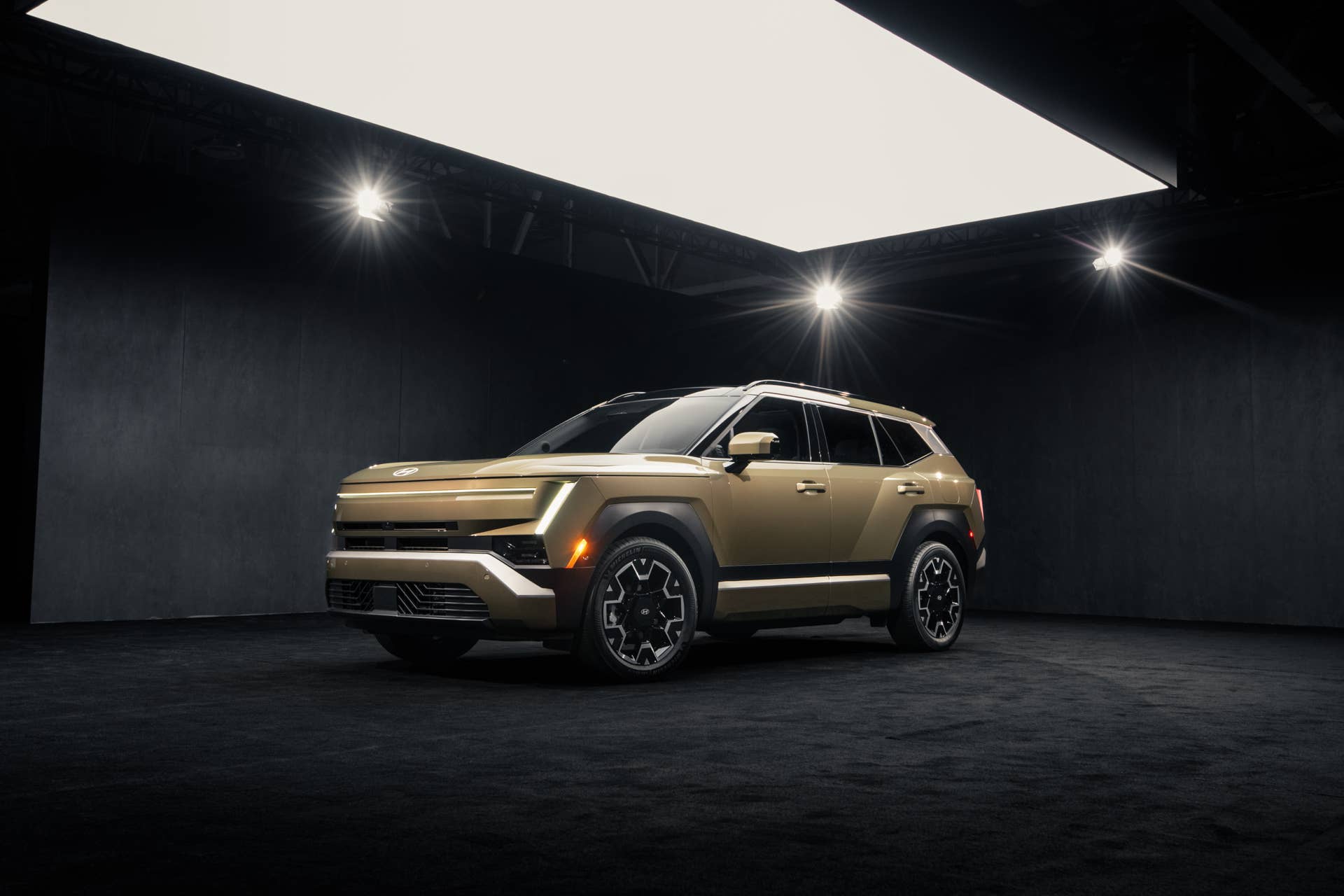
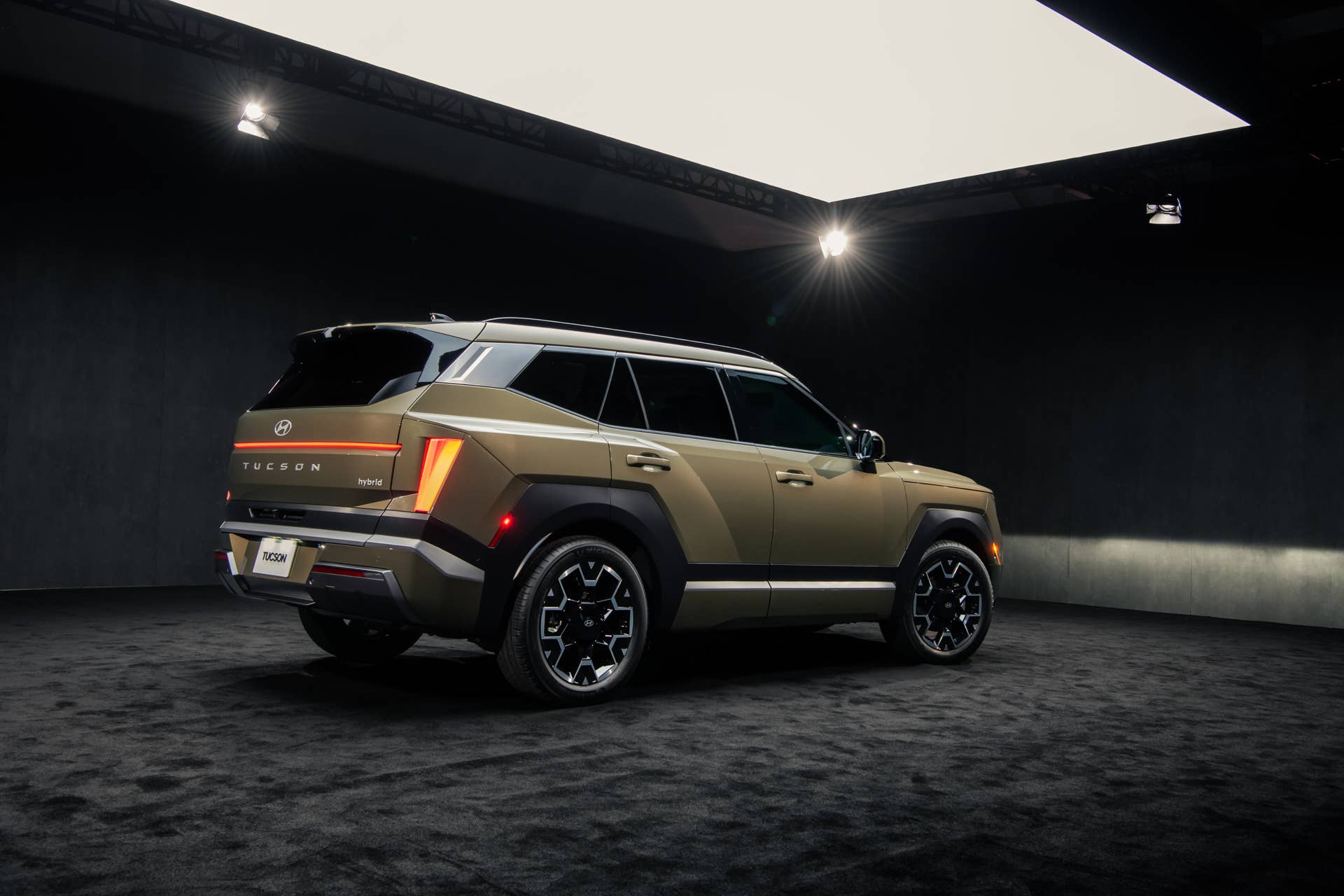
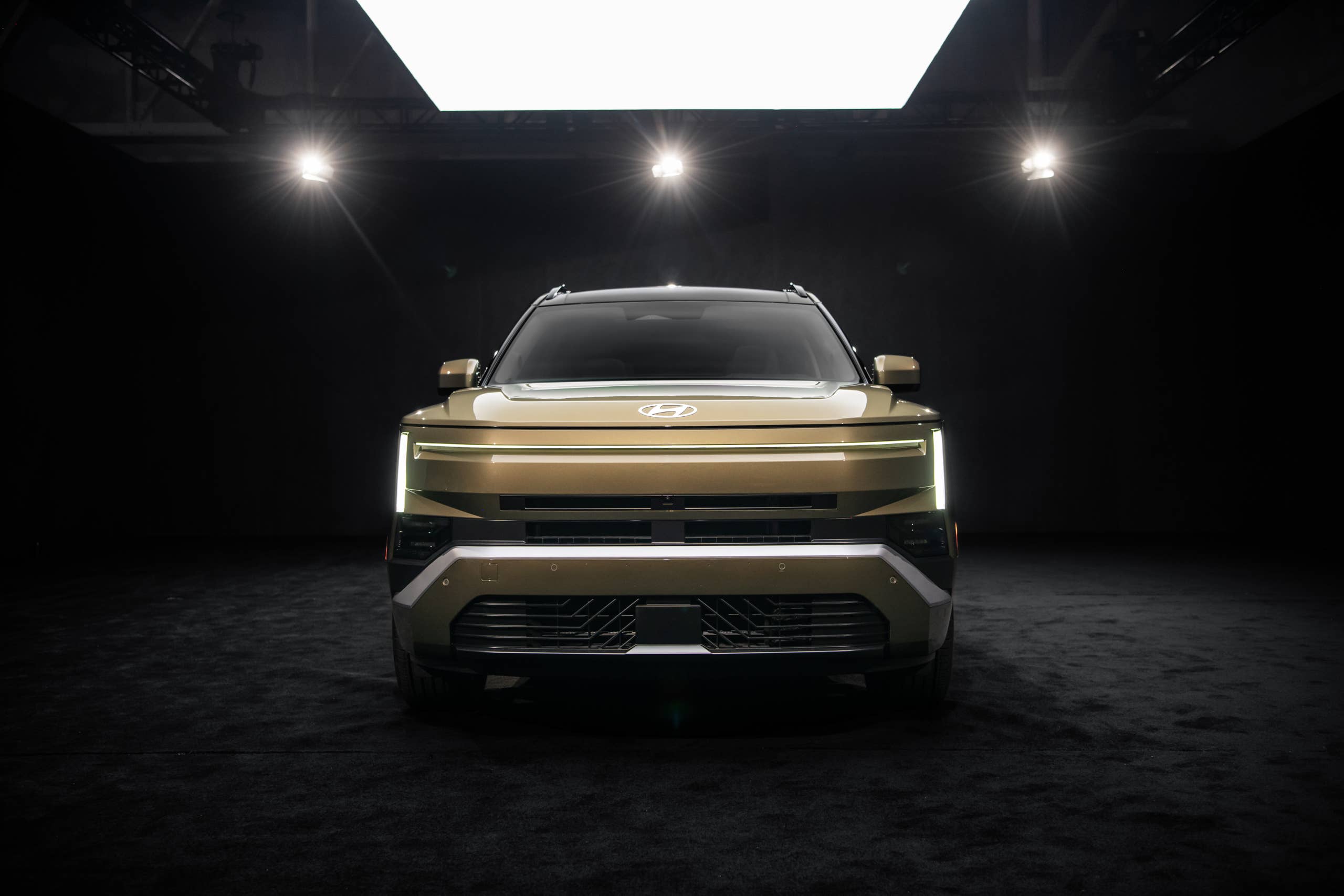
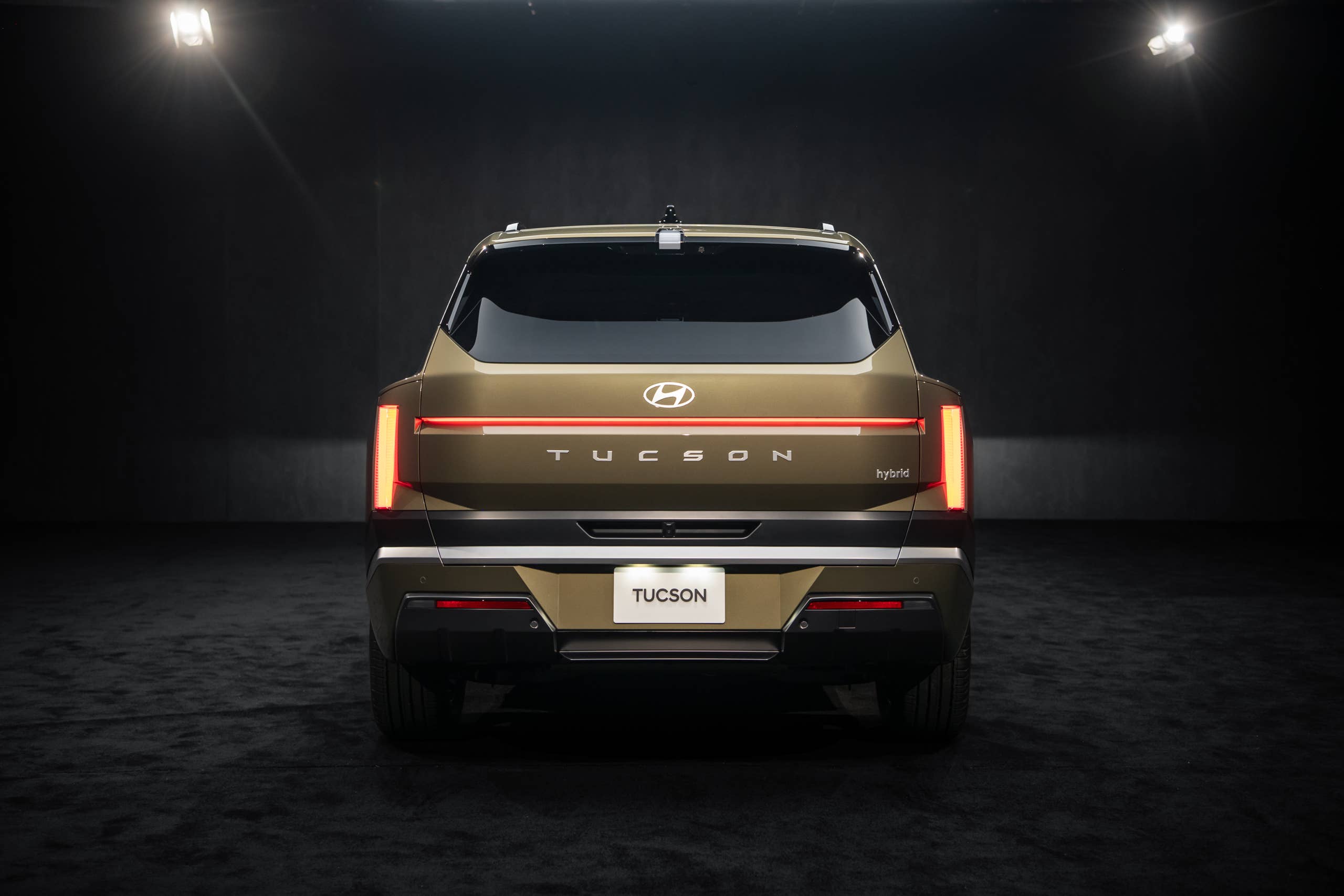
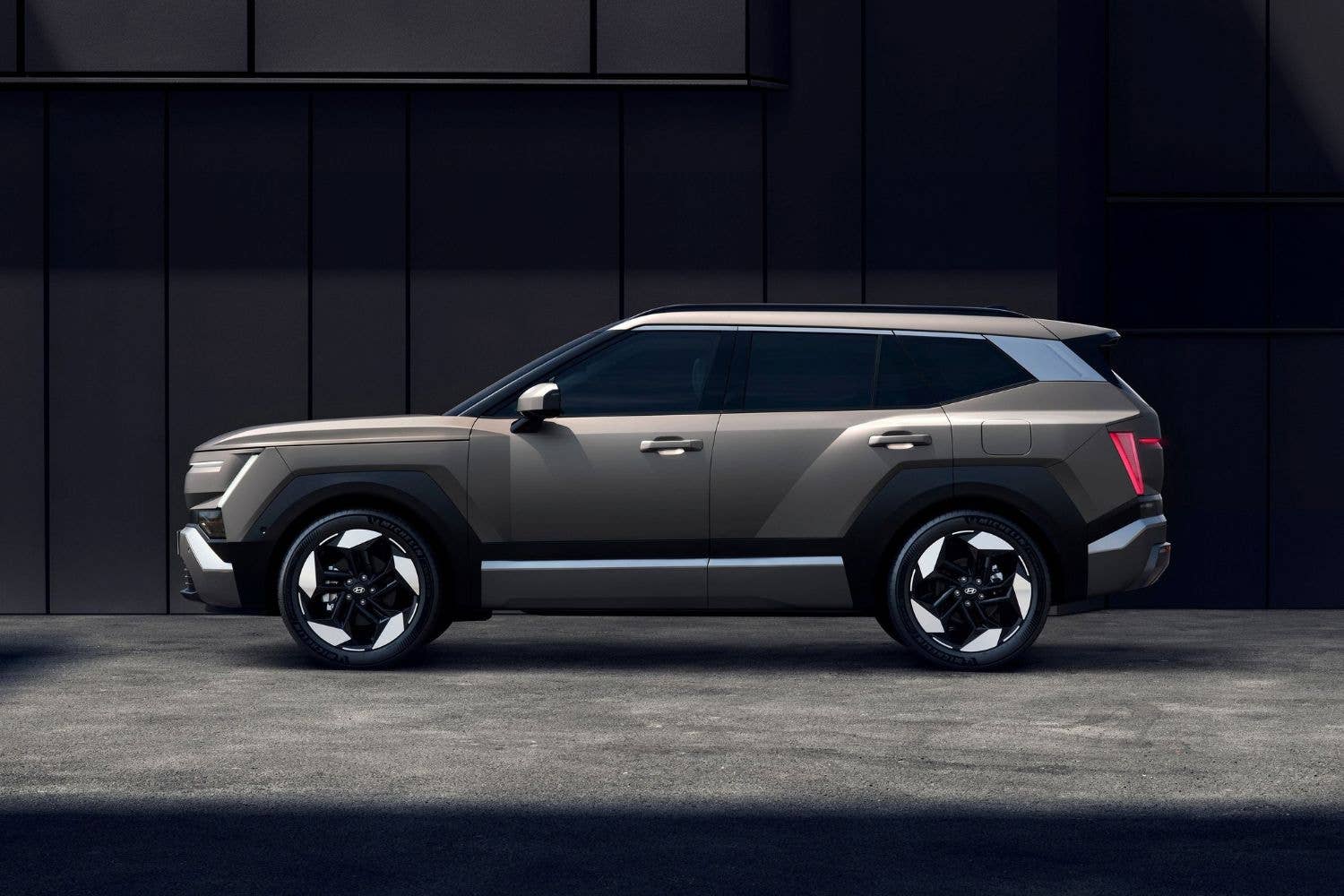
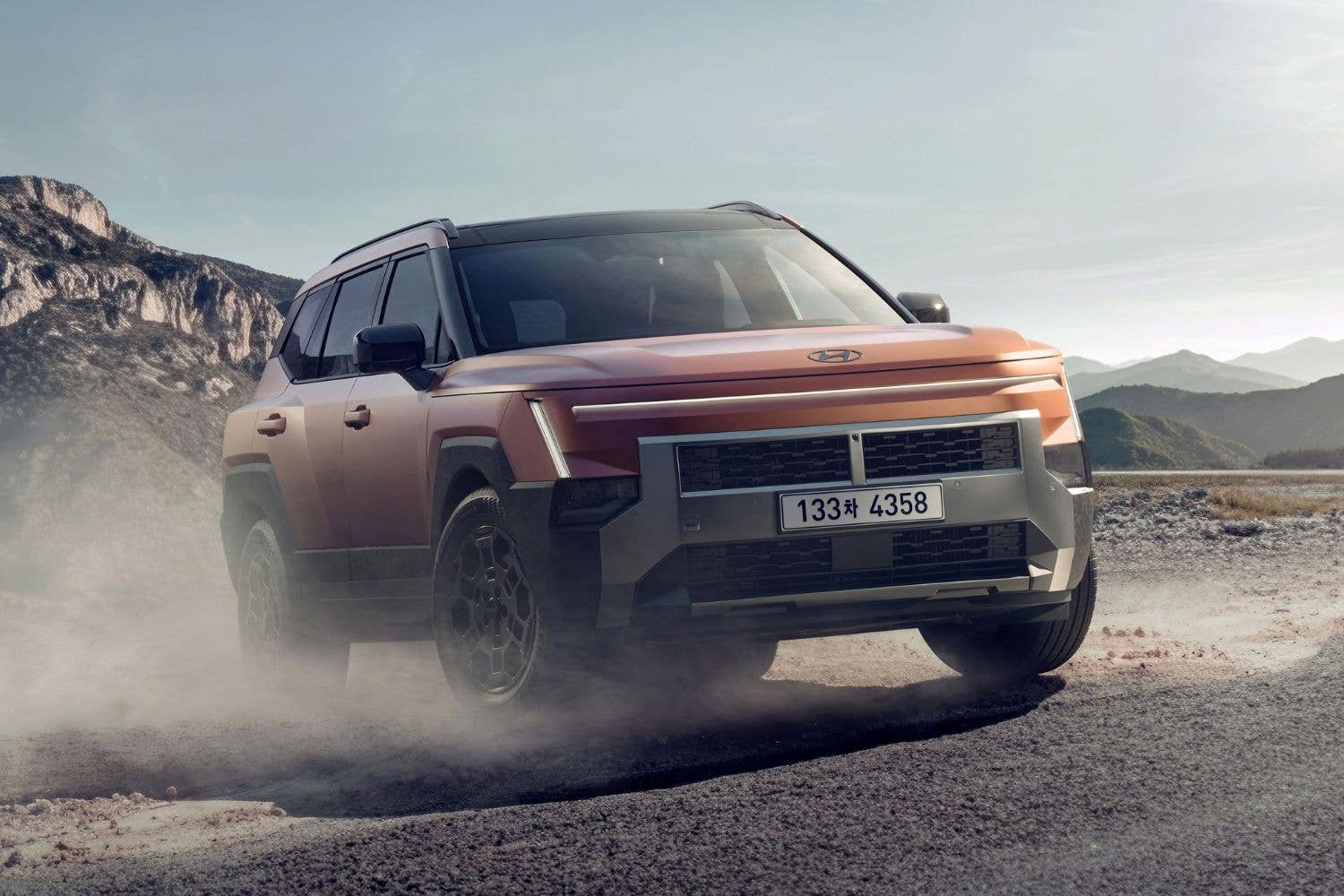
The 2027 Tucson adopts Hyundai’s Art of Steel styling, and whoever signed off on the sheet metal clearly had a ruler nearby. Broad shoulders, a clamshell-style hood, squared wheel arches, and tightly drawn side surfaces replace the outgoing model’s swoopier look. Architectural H-Edge lighting stretches across the nose, while elaborate prism-style rear lamps provide a more distinctive farewell than most compact SUVs can manage.
There’s a fine line between rugged and trying too hard, and the Tucson occasionally gives that line a nudge. Still, its larger proportions suit the tougher design. The AWD-only XRT Pro pushes things further with protective lower cladding, recovery hooks, all-terrain tires, and 8.3 inches of clearance, up from 7.1 inches on standard versions. It has the hardware for modest trails, although nobody should mistake it for a dedicated rock crawler.
Hyundai
Hyundai
Hyundai
Interior
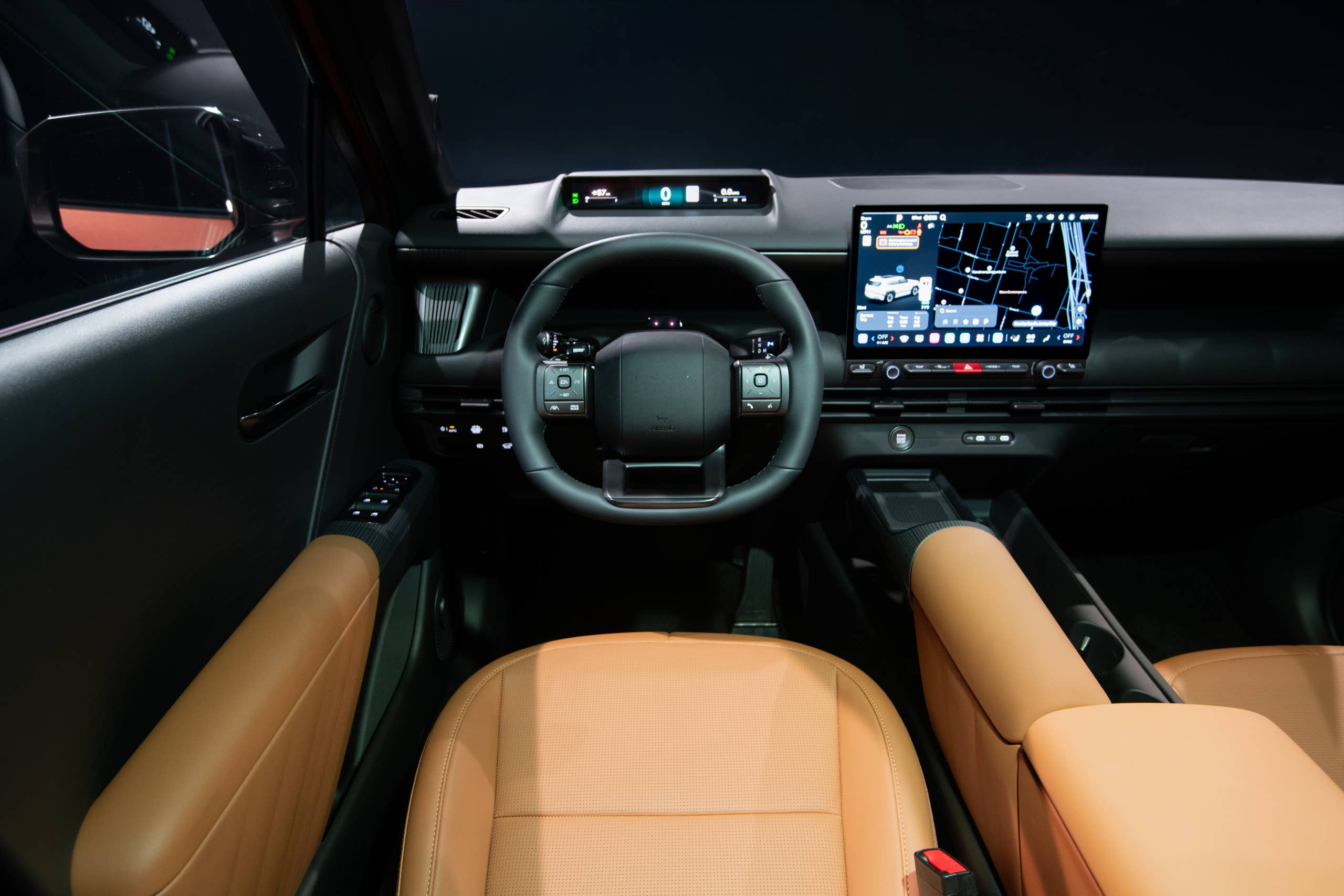
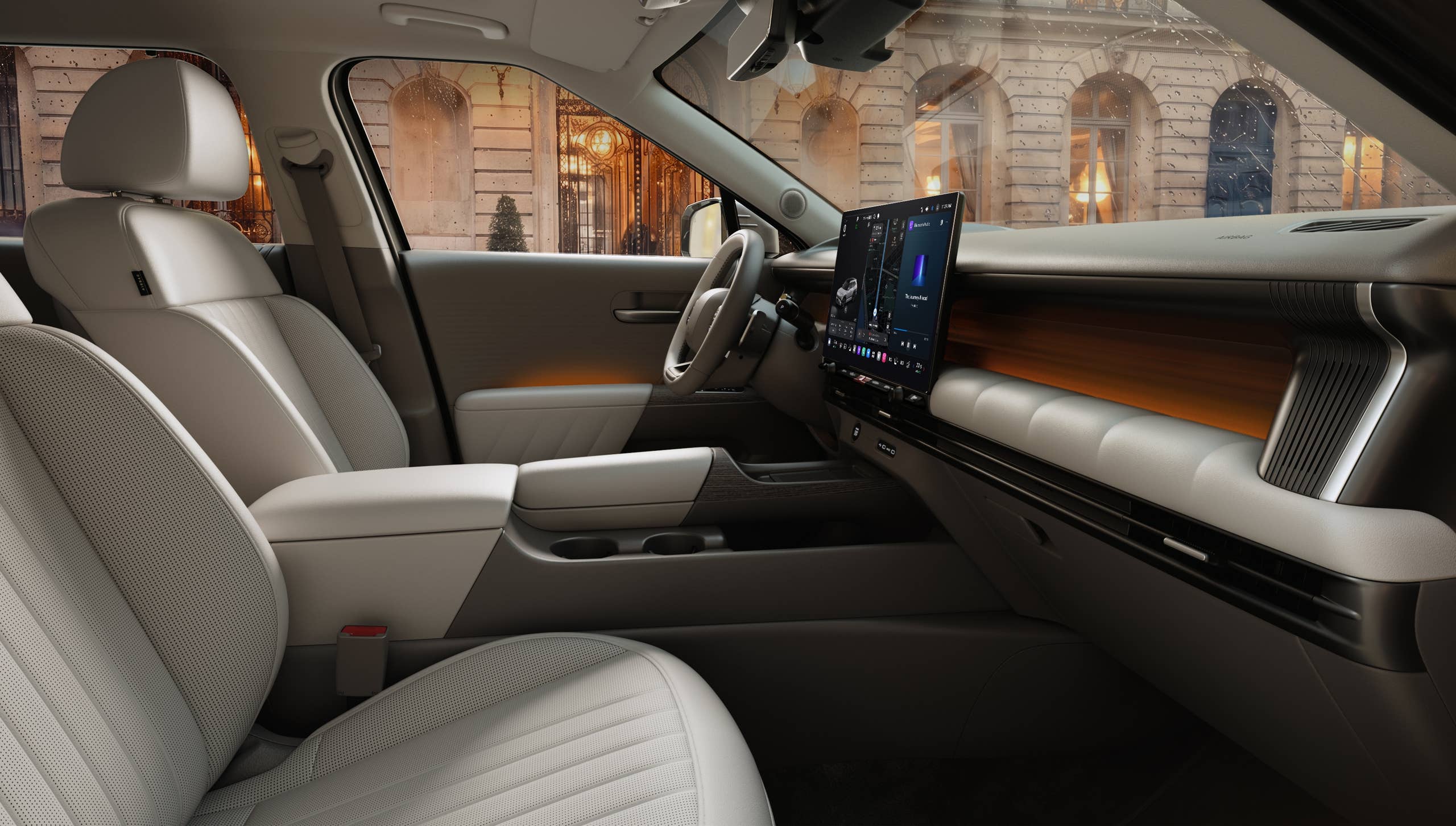
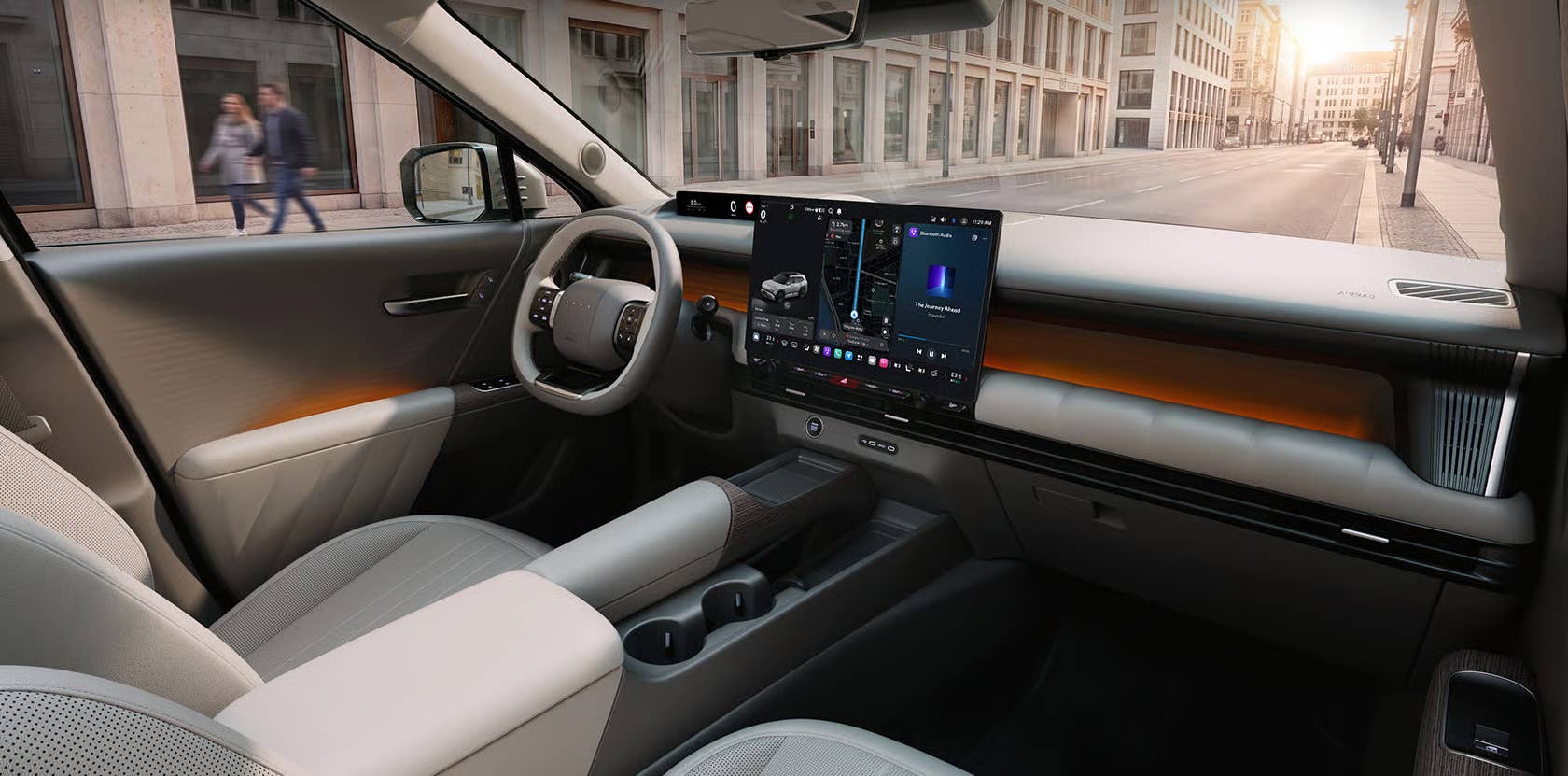
The cabin is a welcome counterpoint to all those exterior angles. Hyundai favors rounded surfaces, soft-looking trim, and a layered dashboard with convenient open shelving. A column-mounted gear selector clears space in the center console, and a compartment beneath the armrest gives smaller belongings somewhere to disappear. Actual buttons for climate and audio functions remain, sparing drivers the joy of hunting through touchscreen menus just to adjust the temperature.
A standard 12.9-inch infotainment screen can be upgraded to a 17-inch display, both running Pleos Connect with wireless Apple CarPlay and Android Auto. There’s also a slim 9.9-inch driver display, available dual 15-watt wireless chargers, and Gleo AI voice assistance. The interface sounds promising, although its everyday usefulness still deserves a proper test.
Passenger room is another selling point. The second row offers a huge 41.9 inches of legroom, beating most midsize SUVs; rear doors open wider to accommodate passengers and child seats, and cargo space expands to a class-leading 41.7 cubic feet behind the back seats. Five adults may still find shoulder room a negotiation, but this is a compact SUV that takes family duty seriously.
Hyundai
Hyundai
Hyundai
Price Range and Best Value Trim
The 2027 Hyundai Tucson’s price range should include four main trims:
| Trim | Price |
| SE | ~$32,000 |
| SEL | ~$35,000 |
| XRT Pro Hybrid AWD | ~$40,000 |
| Limited | ~$43,000 |
The SEL looks like the sensible sweet spot at an estimated $35,000, roughly $3,000 above the SE. Based on the outgoing model’s trim positioning, that premium should buy worthwhile comfort and convenience upgrades without demanding a jump to the top of the range. Both gas-focused trims center on the same 184-hp turbo engine, so choosing the SEL is primarily about equipment rather than horsepower. Exact 2027 SEL features and hybrid availability remain unconfirmed, making this a provisional recommendation until the final specifications arrive.
2027 Hyundai Tucson Specs Overview
Powertrain Options
| Spec | Gas | Hybrid |
| Engine | 1.6L Turbo I4 | 1.6L Turbo I4 + Electric Motors |
| Output | 184 hp | 233 hp (combined) |
| Torque | 195 lb-ft | 280 lb-ft |
| Transmission | 8-speed automatic | 6-speed automatic |
| Drivetrain | FWD or AWD | FWD or AWD |
| Hybrid battery | N/A | 1.49 kWh |
Performance and 0-60 mph
| Spec | Gas | Hybrid |
| 0-60 mph | TBC | 8.5 sec (manufacturer target) |
| Max towing | TBC | 3,000 lbs (AWD) |
Hyundai
Fuel Economy (MPG)
| 2027 Manufacturer target (not EPA-rated) | Combined MPG |
| Gas FWD / AWD | 28 / 26 |
| Hybrid FWD, 17-inch wheels / other | 42 / 40 |
| Hybrid AWD, 17-inch wheels / other | 40 / 38 |
Dimensions
| Measurement | Value |
| L x W x H | 185.0 x 75.0 x 66.3 in |
| Wheelbase | 109.6 in |
Interior Space (Front and Rear)
| Measurement | Value |
| Front / Rear Headroom | 40.8 / 40.6 in |
| Front / Rear Legroom | 41.4 / 41.9 in |
Cargo Space
| Measurement | Value |
| Cargo Space Rear Seats Up / Down | 41.7 / 74.8 cu-ft |
Warranty
| Coverage | Duration |
| Limited Warranty | 5 years / 60,000 miles |
| Powertrain Warranty | 10 years / 100,000 miles |
| Complimentary Maintenance | 3 years / 36,000 miles |
Pros and Cons
Pros:
- Class-leading rear-seat space and cargo capacity
- Hybrid targets up to 42 mpg combined
- Physical climate controls survive the screen-heavy makeover
- Long powertrain warranty and useful XRT Pro hardware
Cons:
- Plug-in hybrid is no longer offered in the U.S.
- New infotainment system needs real-world evaluation
Verdict
The redesigned Tucson brings meaningful improvements where owners notice them: rear-seat space, cargo capacity, cabin storage, and day-to-day tech. Its styling won’t win over everyone, but a little visual personality is preferable to another anonymous parking-lot appliance. The hybrid looks particularly appealing, pairing 233 horsepower with an ambitious 42-mpg target, while the XRT Pro gives outdoorsy shoppers a more capable option.
At approximately $35,000, the SEL is our tentative pick for buyers seeking an agreeable balance of price and equipment. That recommendation depends on the final feature list, and Hyundai still needs to prove its fuel-economy claims and infotainment polish. Even so, the new Tucson has a strong case as a spacious, practical compact SUV with just enough eccentricity to keep things interesting.
Hyundai
Competitors
About the author

Cobus F. Potgieter
Reviews and Features Editor