
It is important to establish one fact from the outset: any technical review of the current market will still recommend a Toyota hybrid over just about anything else. They remain a gold standard for a reason. However, the strength of the modern automotive market lies in its diversity of choice. Just as a runner might acknowledge the dominance of Nike but find that a pair of Brooks offers a better fit for their specific gait and budget, the “Toyota Tax” isn’t a mandatory entry fee for high efficiency. For the 2026 model year, there are several platforms that meet or beat Toyota in terms of value or efficiency.
If you’re one of the few who don’t want a Toyota hybrid because of the interior quality, high price, engine options, or even interior and exterior color options, this is the list for you.
Toyota Corolla Hybrid vs. Honda Civic Hybrid
The Toyota Corolla Hybrid is a respected compact sedan offering 47-50 mpg and an accessible entry price of $23,125. It is particularly well-suited for commuters and new buyers, with the company even offering a student or military discount.
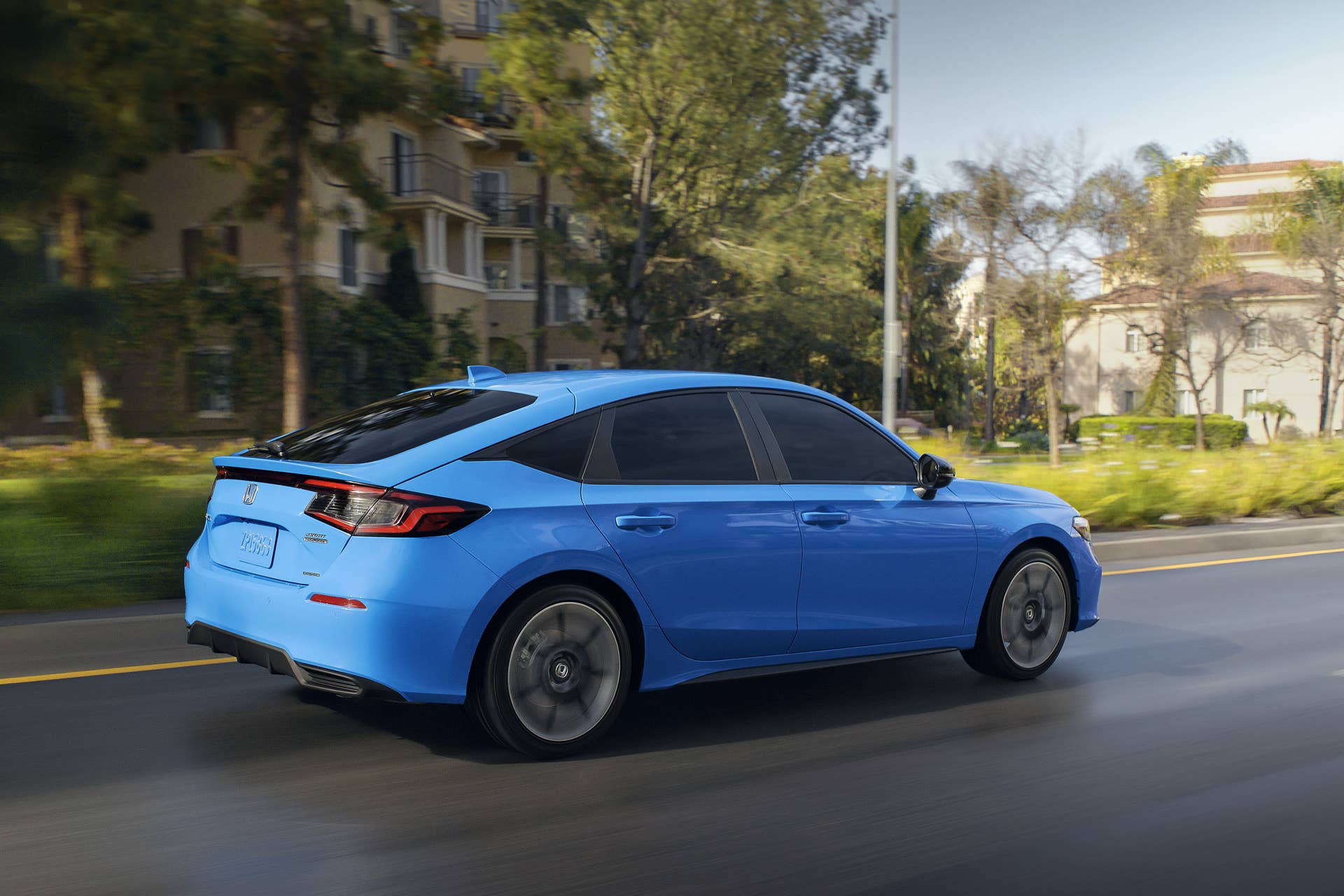
However, the Corolla’s budget-friendly nature is reflected in its smaller cabin, modest 138-horsepower engine, and limited cargo room. For a more premium experience, I suggest the Honda Civic Hybrid as an equally efficient yet more powerful alternative. It features more attractive styling, a nicer interior, and a versatile hatchback option with more cargo space.
Honda
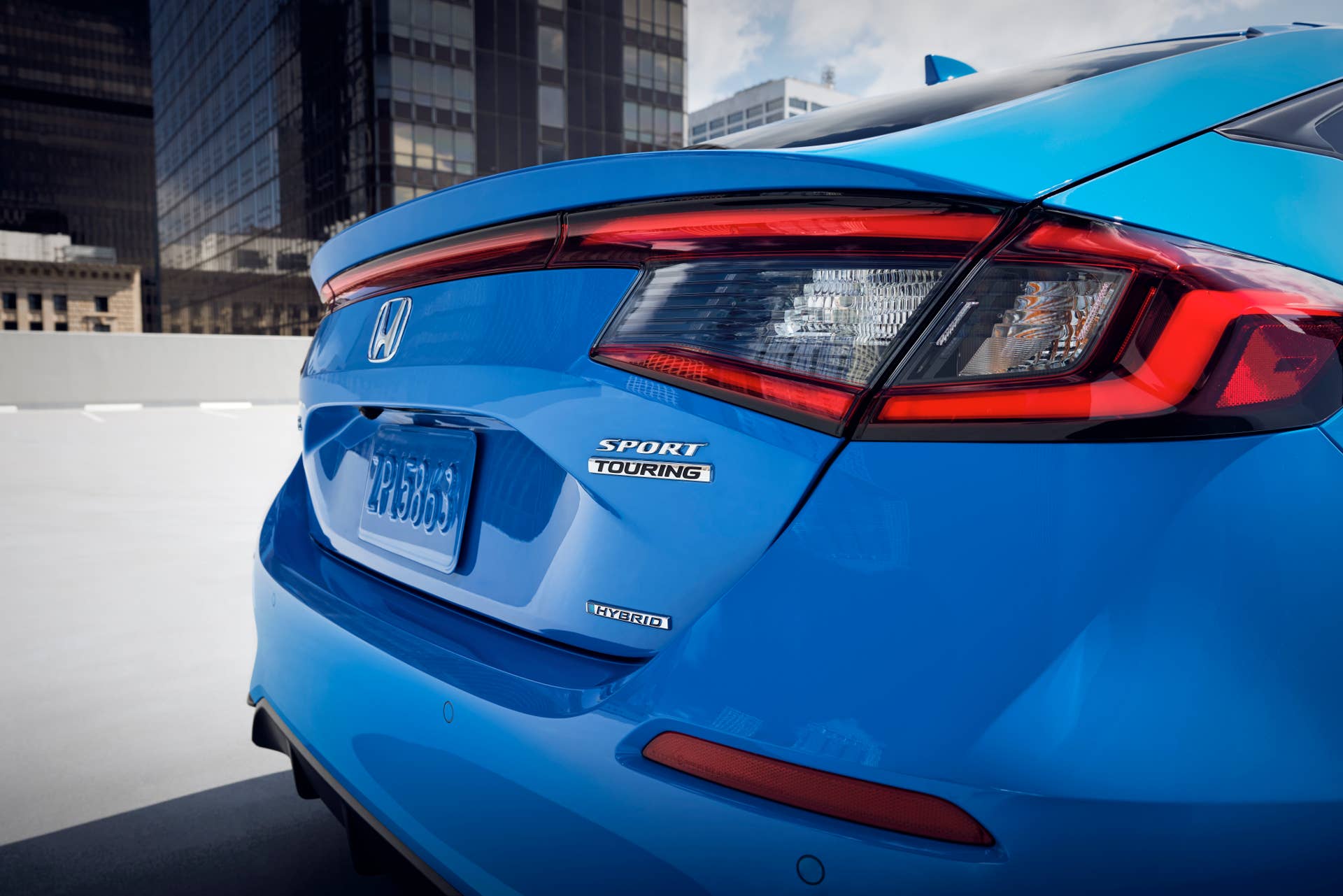
Starting at $28,950, the Civic Hybrid justifies its higher cost with a potent 200-horsepower engine, a 50 mpg rating, and Honda’s established reputation for safety and reliability. Plus, it comes in attractive, energetic colors like Boost Blue Pearl or Sand Dune Pearl, and in the Sport Touring trims, which start around $33,000, you get a premium sound system and leather seats. That’s tough to beat.
Toyota Camry Hybrid vs. Honda Accord Hybrid
Okay, here’s another instance of a Toyota-to-Honda trade-off. And there’s a valid reason for it. The Camry is a reliable choice for Toyota, and for good reason. It’s budget-friendly, with a base price of $29,300, highly efficient, achieving up to 51 mpg in mixed driving conditions, and offers ample space for families. It’s also available in a beautiful ocean blue. Sporty trim levels elevate its appearance, and all-wheel drive is an option.
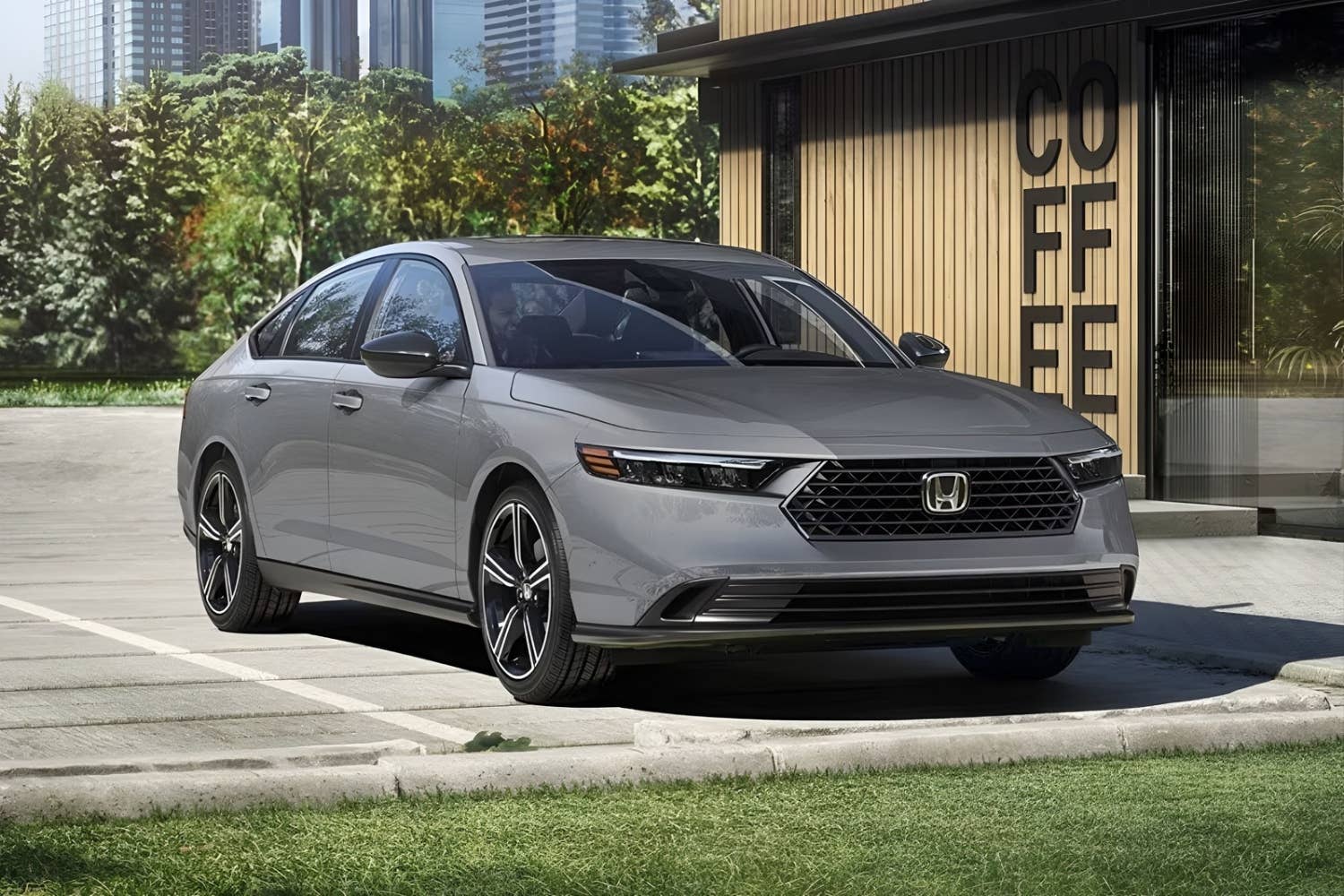
However, if the Camry’s design doesn’t capture your interest, I recommend the Honda Accord Hybrid as a strong contender. Similar to the Camry, it’s a spacious sedan suitable for families, and the EX-L trim provides 51 mpg combined, along with a larger trunk and more room for passengers. Additionally, I found the ride, the higher-end interior in the upgraded models, and Honda’s infotainment system to be superior.
Honda
While it has a higher starting price of $33,795, the same principle applies as with the Civic versus the Corolla: you get what you pay for. The Honda offers more power, has Google integration, and, as previously noted, provides more cargo and passenger space. Sportier and more luxurious trim levels are also available for those seeking them.
Toyota Prius vs. Hyundai Elantra and Kia Niro
The Prius is the champion commuter and mileage leader. It’s hard to beat for the price, with a starting range of about $28,550 and a maximum price of $40,100 for the Limited PHEV model. The base model with FWD is rated to get up to 57 mpg, and even with all-wheel drive, it’s rated for 46 mpg. That’s a tough argument to beat.
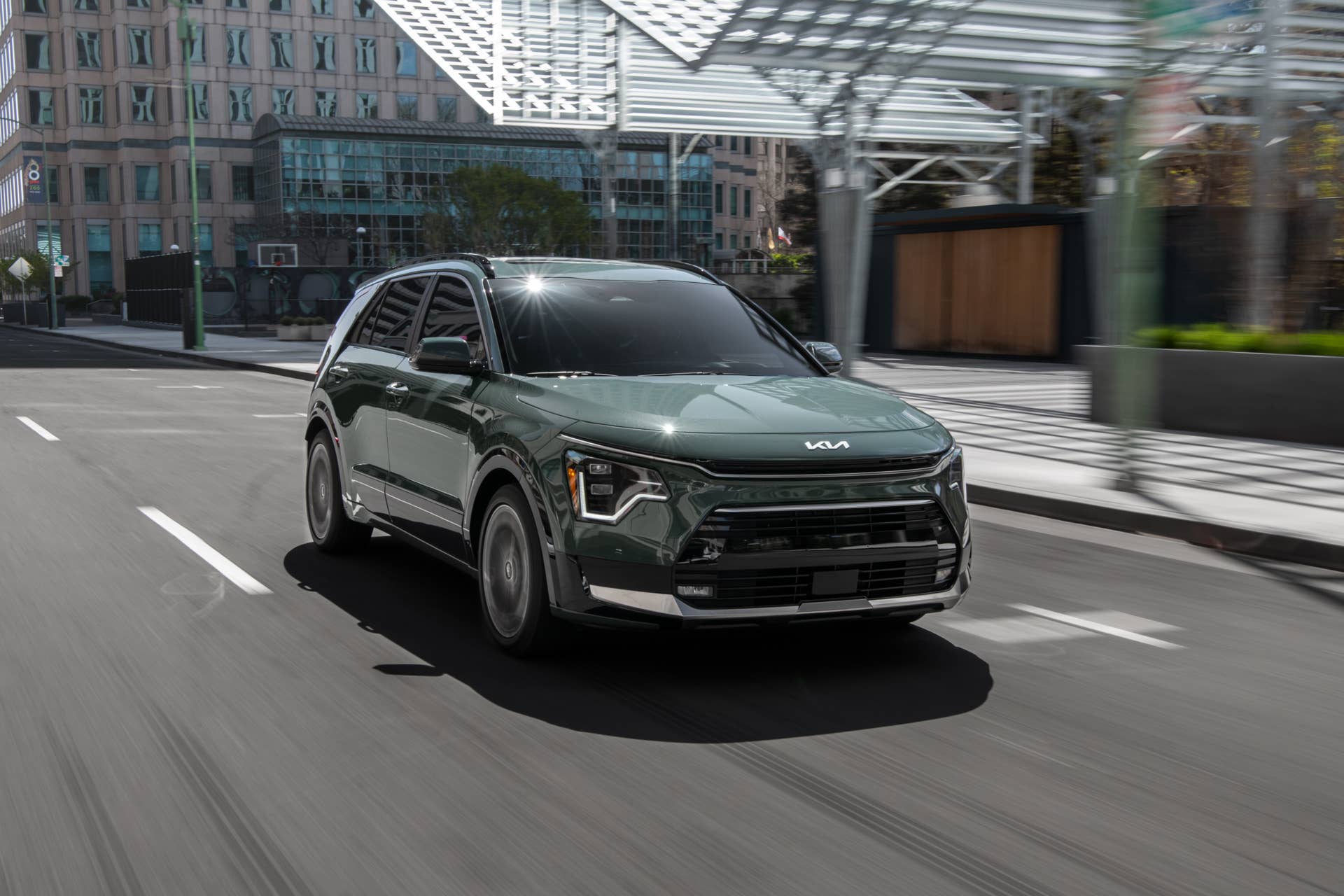
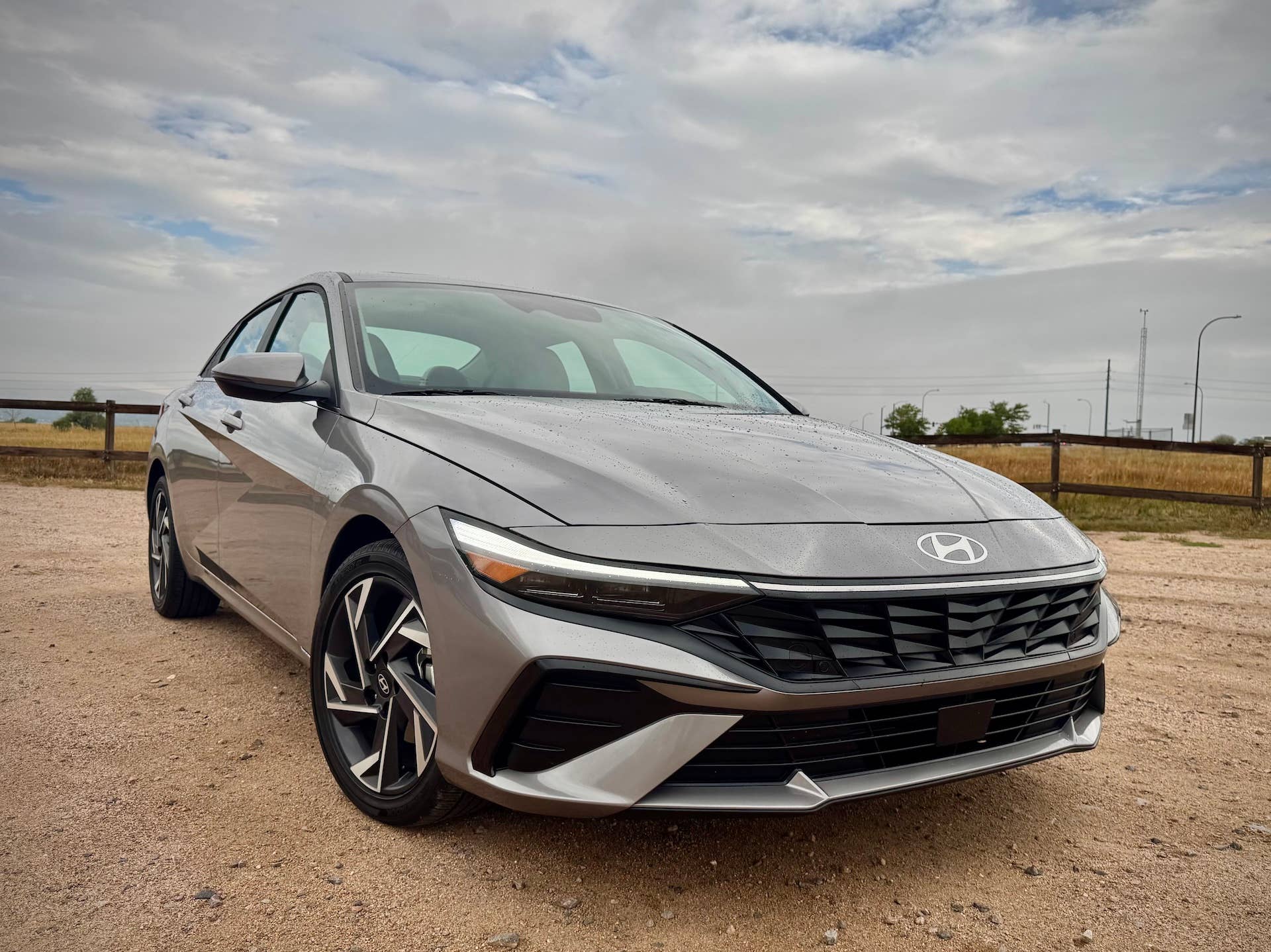
However, if you can’t get past the door-stop look or visibility issues, the Hyundai Elantra hybrid is a strong contender. It has a lower starting price of $26,450 and achieves a combined mileage of around 54 mpg in the base Blue trim. While not quite as good as the Prius’s 57 mpg, it’s a close competitor to the Honda Civic Hybrid. The Kia Niro hybrid also comes close with up to 54 mpg on the highway, but it has a higher starting price of $27,390.
Kia
Joe Santos
The Hyundai also boasts a nicer interior, sporty exterior styling, a larger and more usable trunk, and a better factory warranty. Hyundai covers the power and drivetrain for 10 years or 100,000 miles, whichever comes first – something Toyota can’t match.
Toyota Crown vs. Lexus ES 300h
Consider this: the Toyota Crown is somewhat unique. It made its comeback to the US after more than half a century, stepping in for the Avalon. Even though the Crown mirrors the Camry in terms of trunk space, rear and front passenger room, and overall length, it’s not simply a Camry. It boasts standard all-wheel drive and increased horsepower from the factory. Although the interior design is only slightly different from the Camry’s, the Crown has a distinct purpose. It’s designed to be a sporty yet luxurious hybrid that comfortably accommodates families.
Lexus
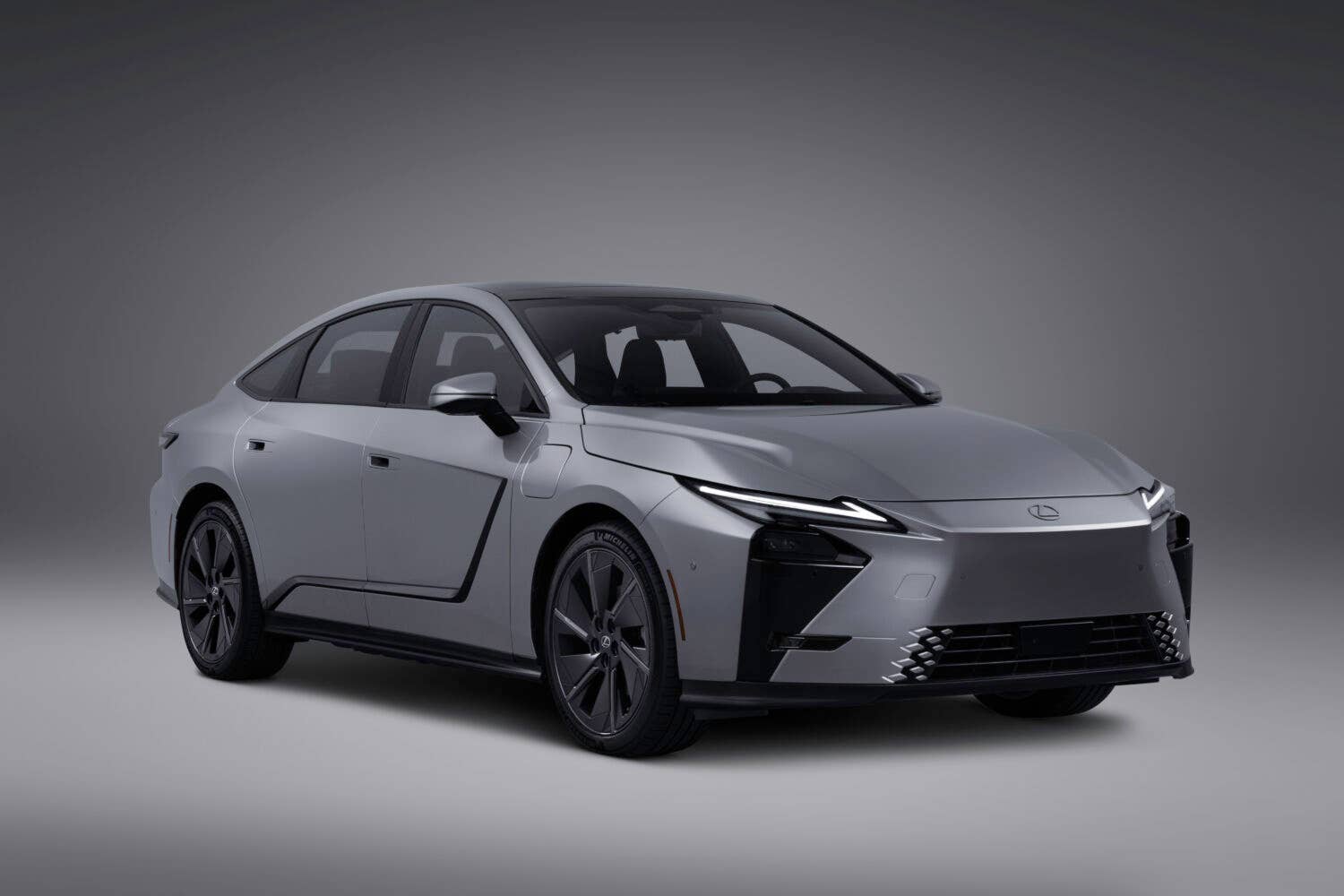
The Crown faces limited competition, mainly from its related model, the Lexus ES 300h. For those unfamiliar, Lexus is Toyota’s luxury brand, providing many of the same features but in a more upscale and lavish presentation. It has a comparable starting price of $44,500 (compared to the Crown’s starting MSRP of $41,440), enhanced sound insulation, a recently redesigned and beautiful interior, and Toyota’s well-known reliability. The 500e variant of the Lexus can even generate 343 horsepower, surpassing the Crown’s Hybrid Max configuration.
Toyota Corolla Cross Hybrid vs. Subaru Crosstrek Hybrid, Kia Seltos Hybrid and Hyundai Kona Hybrid
I really liked the Corolla Cross Hybrid because it offers excellent value. Even at its top trim level, the XSE, you get near 40 mpg with all-wheel drive and a comfortable ride for around $38,000 (or just over $36,000 without upgrades like the JBL sound system, sunroof, parking assist, and power liftgate). It makes a family-hauling SUV more accessible. However, some may find an SUV in this price bracket a bit underwhelming. Here are a few alternatives to consider.
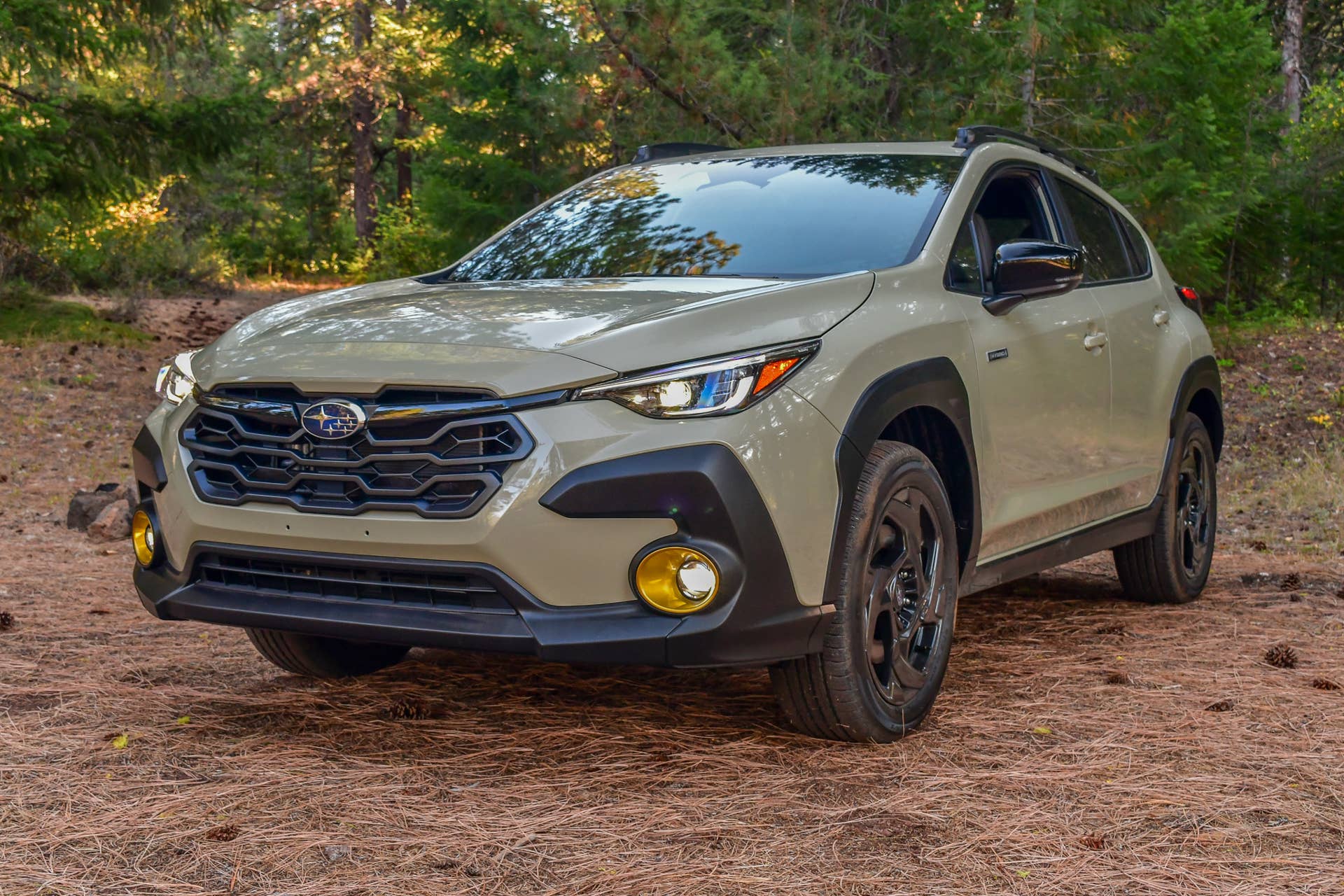
The Subaru Crosstrek Hybrid is a strong contender, similar in size, features, and price. While Subaru offers only two hybrid trims compared to Toyota’s three, the Subaru starts at $33,995, versus the Toyota’s $29,395, a difference of roughly $5,000. Yet, the Subaru provides more. It boasts a more premium interior, a larger and better infotainment system, standard all-wheel drive, and significantly reduced cabin noise at higher speeds. Mileage is comparable, with a combined rating of about 36 mpg, slightly lower than the Corolla Cross’s 45 mpg. The Crosstrek does have more cargo space, though it comes at the expense of rear passenger room, which is the opposite in the Toyota.
Kristen Brown
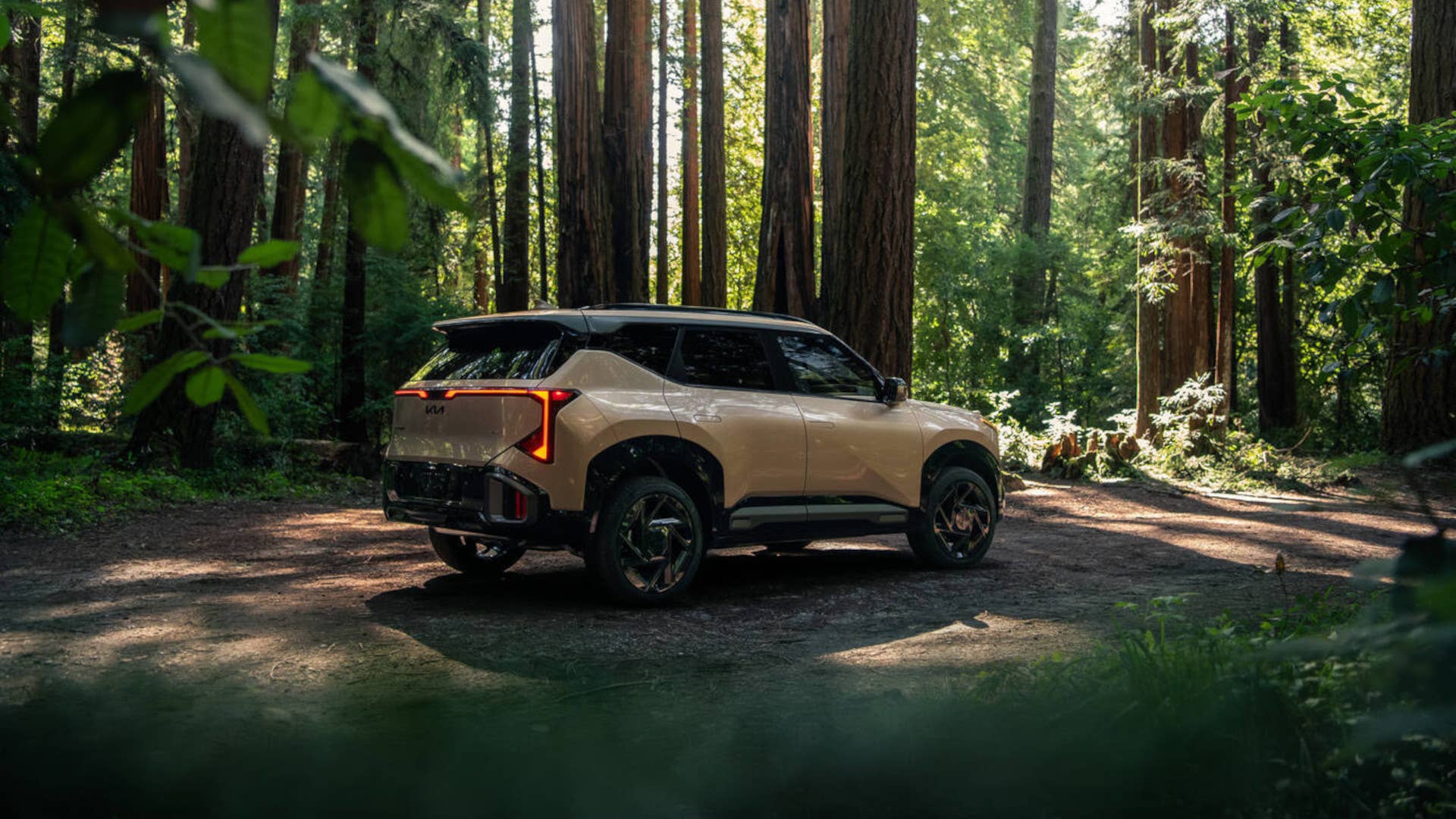
Next, there’s the Kia Seltos. It’s comparable in size but more affordable, with a starting price of $23,790 for the base model. Similar to the Toyota, it can achieve up to 46 mpg, depending on the trim. While it has less horsepower, it offers more trunk and passenger space. And if you value a high-quality interior, the Kia’s is definitely superior.
Kia
Hyundai
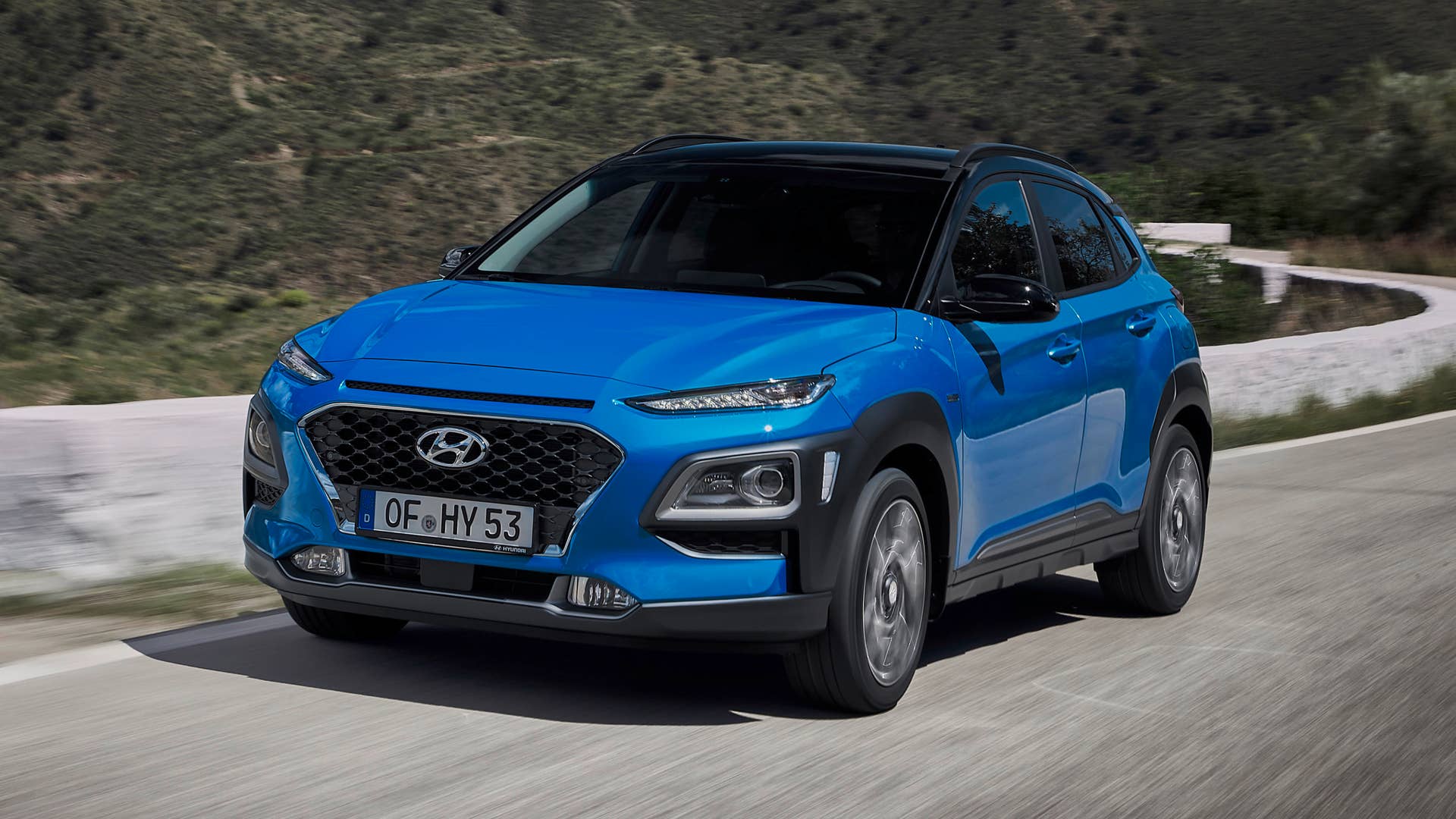
The Hyundai Kona hybrid is another compelling option. It has a lower starting price of around $27,100, less than the Toyota, but doesn’t offer better MPG than the Corolla Cross, with a maximum rating of about 32 mpg. However, it features a much nicer and more spacious interior (honestly, almost anything beats the Corolla Cross’s interior), and a more modern, adventurous exterior. Plus, it has more rear passenger and cargo space, ideal for families.
Toyota RAV4 Hybrid vs. Subaru Forester or Honda CR-V Hybrid
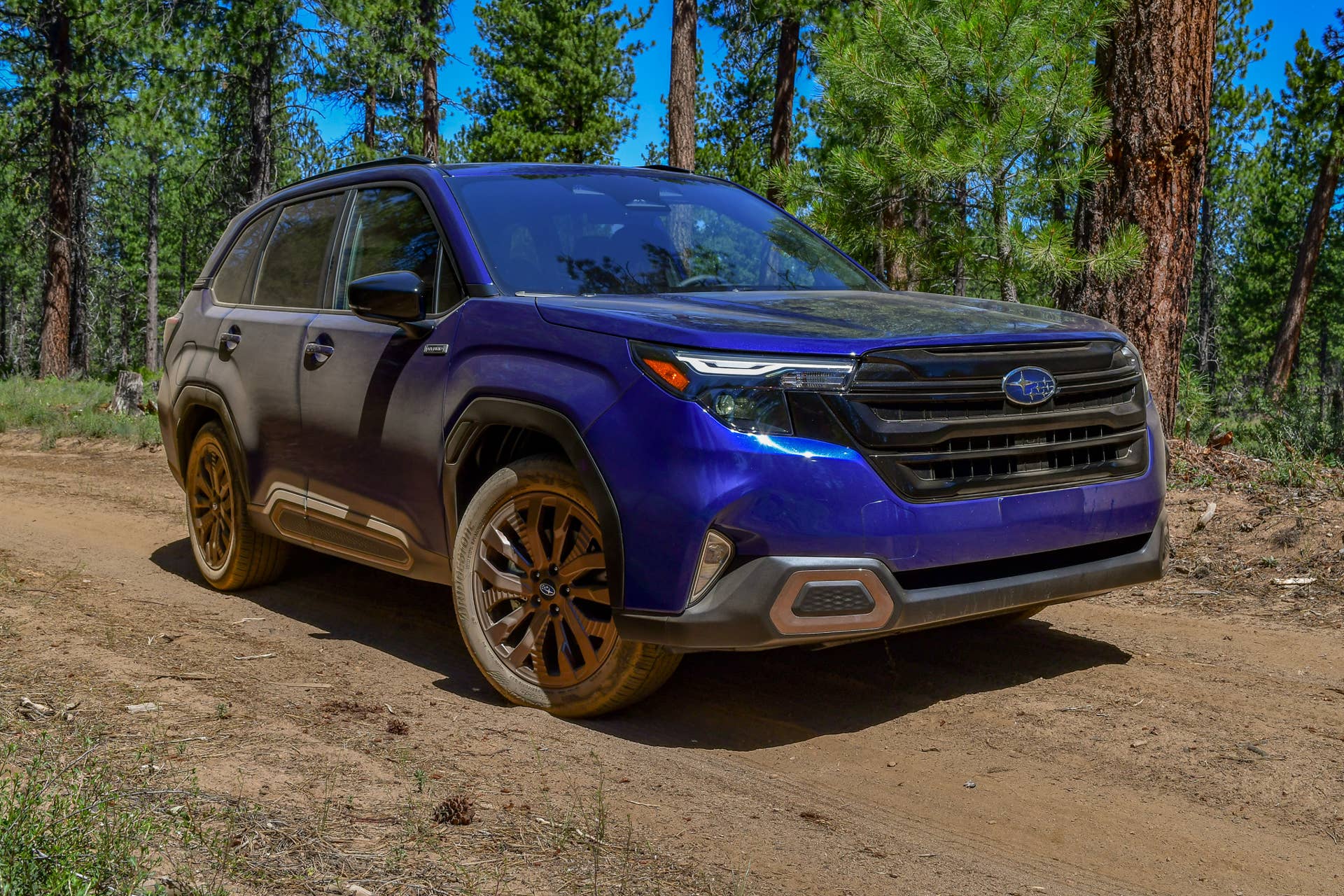
Our feelings about the RAV4 hybrid are very similar to how we feel about the Prius: it puts up a fight that feels impossible to win. But we also know that the RAV4’s redesign and pricing change may not be for everyone, so if you want a similarly sized hybrid SUV for a similarly attainable price, we recommend either the Honda CR-V hybrid or Subaru’s Forester hybrid. The Toyota, to start, has a starting price of about $31,900 and maxes out at $43,300 for the Limited. The Subaru, then, starts higher at the base at $34,730 and has a maximum price of $41,545 for the Touring hybrid.
Kristen Brown
Unsurprisingly, you can get up to 47 mpg depending on the trim you get for the Toyota, while, no matter the trim level, the Subaru is rated for 35 mpg combined, thanks to a fully mechanical all-wheel drive system over Toyota’s electronic AWD setup. For the extra bit of money, though, you do get more trunk space, more passenger space in the front and rear, and much better visibility. I preferred the interior of the Forester over the RAV4, too, if you’re picky about that like I am.
Then there’s the cutesy, approachable CR-V hybrid. Funnily enough, the CR-V hybrid is more expensive, with a starting cost of $35,630, and a higher maximum price of $42,550 for the Sport Touring hybrid, but, like the Subaru, you get more passenger and rear cargo space with the Honda. The CR-V also has an advantage when it comes to mileage, because it can get up to 43 mpg in the city and 40 combined if you go with front-wheel drive. I really liked the ride in the Honda over the Toyota, and the visibility was a lot better.

Cole Attisha
As a bonus, we also like the Hyundai Tucson hybrid as a competitor to the RAV4. It has a slightly higher entry cost of $32,450, but you get up to 38 mpg across the board, a very posh and tech-forward interior, more cargo and passenger space, and more fun styling. Plus, like the other Hyundai we mentioned, it has the industry’s best warranty, too. We preferred the acceleration in the Hyundai over the Toyota, too.
Toyota Crown Signia vs. Hyundai Santa Fe Hybrid
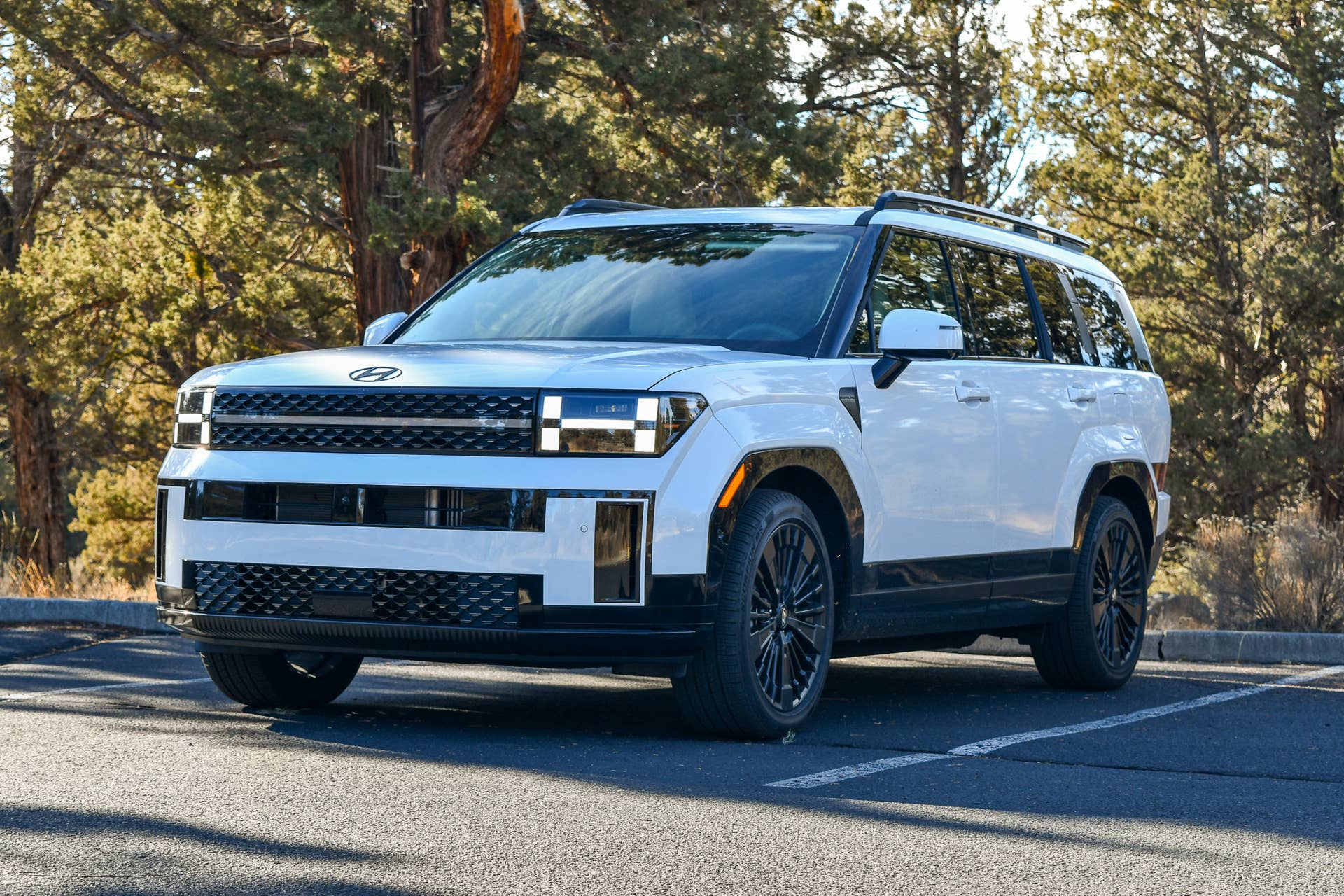
Many recommend the Subaru Outback over the Crown Signia due to its wagon-like styling and size. However, since the Outback isn’t a hybrid, we’re comparing the Hyundai Santa Fe to the Toyota Crown Signia for similar reasons. The Santa Fe is, in fact, a hybrid. The Crown Signia, like the sedan it’s based on, isn’t inexpensive. It starts around $44,490 and tops out at $48,890 for the Limited trim. The Santa Fe hybrid, on the other hand, starts at $36,400 and maxes out at $48,700.
Kristen Brown
They’re similar in size, but the Hyundai is a three-row SUV, while the Crown Signia is a premium five-seater “crossover-wagon.” As a result, you don’t get as much cargo or passenger space with the Toyota. However, the Toyota has more horsepower, with a rating of 240 hp from a 2.5-liter turbo-four engine, compared to the Hyundai’s 231 horsepower from a smaller 1.6-liter turbo-four. The Toyota is also more efficient, with a rating of 38 mpg combined, while the Hyundai is rated for 37 mpg. And, does the Crown Signia have 37 “H”s for the kids to find? I don’t think so.
Toyota Highlander Hybrid vs. Kia Telluride or Sorento Hybrid
The Toyota Highlander has been a consistent hit for the brand. As the company’s initial SUV in the US and its first hybrid SUV, it’s no surprise it’s been so well-received. However, for the 2027 model year and beyond, Toyota is ending production of the Highlander hybrid and switching to an all-electric version. So, if you want a hybrid, now is your last chance to buy a 2026 model. If the Highlander’s reputation hasn’t quite convinced you, there are a couple of alternatives.
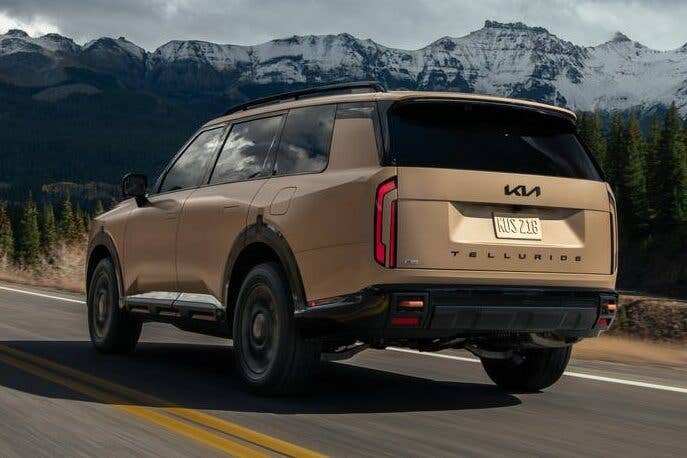
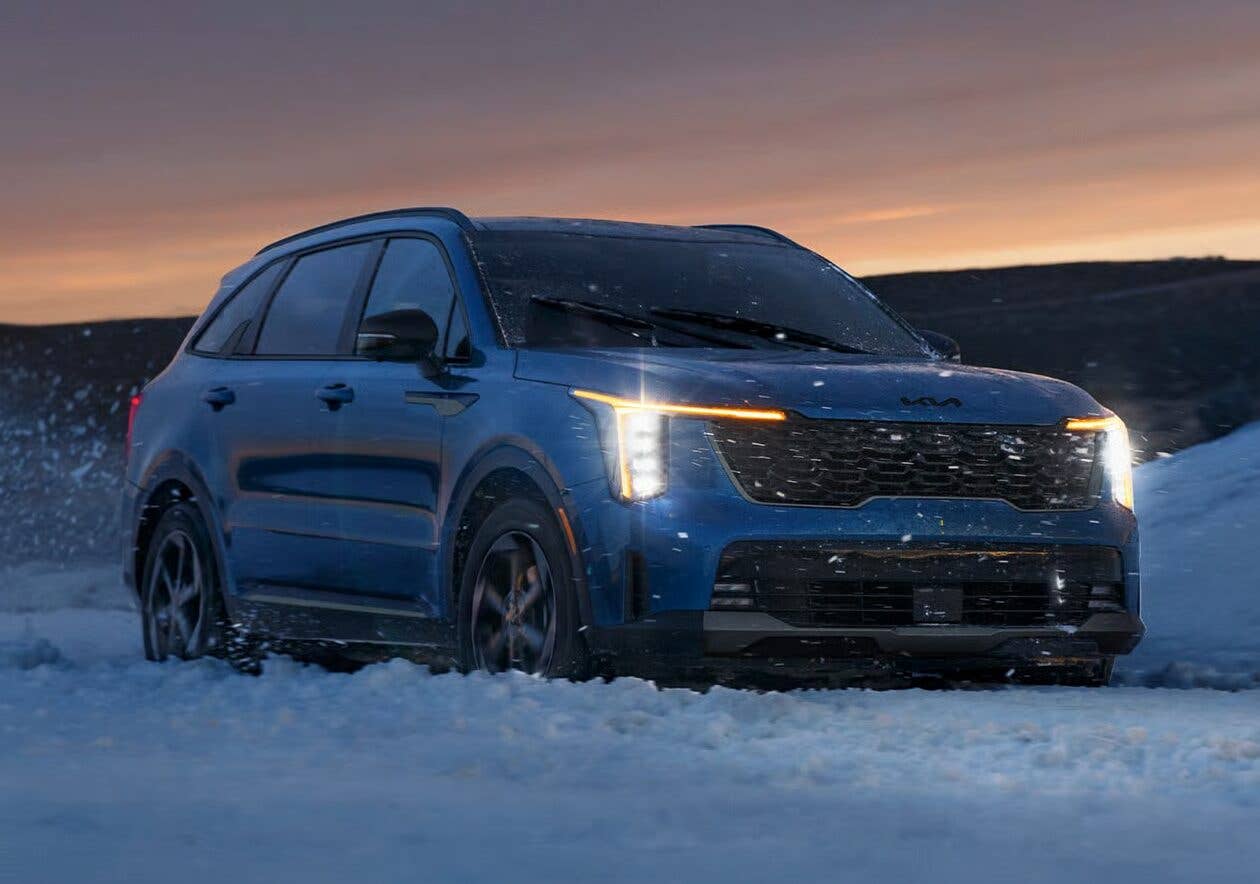
Kia has two hybrid SUVs that stand out: the Sorento Hybrid and the upcoming 2027 Telluride, which is finally getting a hybrid engine. The Sorento hybrid is often overlooked, despite being a great value. It’s priced competitively, ranging from $38,890 to $47,190, while the Highlander starts at $47,620 and can go as high as $55,275. The Telluride is in a similar price range, starting at $46,490 and reaching $57,590 for the top X-Line SX Prestige trim. Both of Kia’s hybrid 3-row SUVs offer excellent fuel economy, with the Telluride reaching up to 36 mpg at the base model. The Highlander is rated for 35 mpg. Furthermore, the Telluride has a functional third row (similar to the Sorento), a more refined and technologically advanced interior, and a stylish, dynamic exterior.
Kia
Kia
Both of Kia’s 3-row SUVs also have more cargo space, more room in the back for passengers, and a broader selection of interior colors, which can be a major selling point for some. I’m particularly fond of the Kia Sorento’s rich brown leather, which makes it feel incredibly luxurious. While Toyota’s hybridized engines are excellent, the two Kia models offer a very compelling value proposition.
Toyota Grand Highlander vs. Hyundai Palisade Hybrid
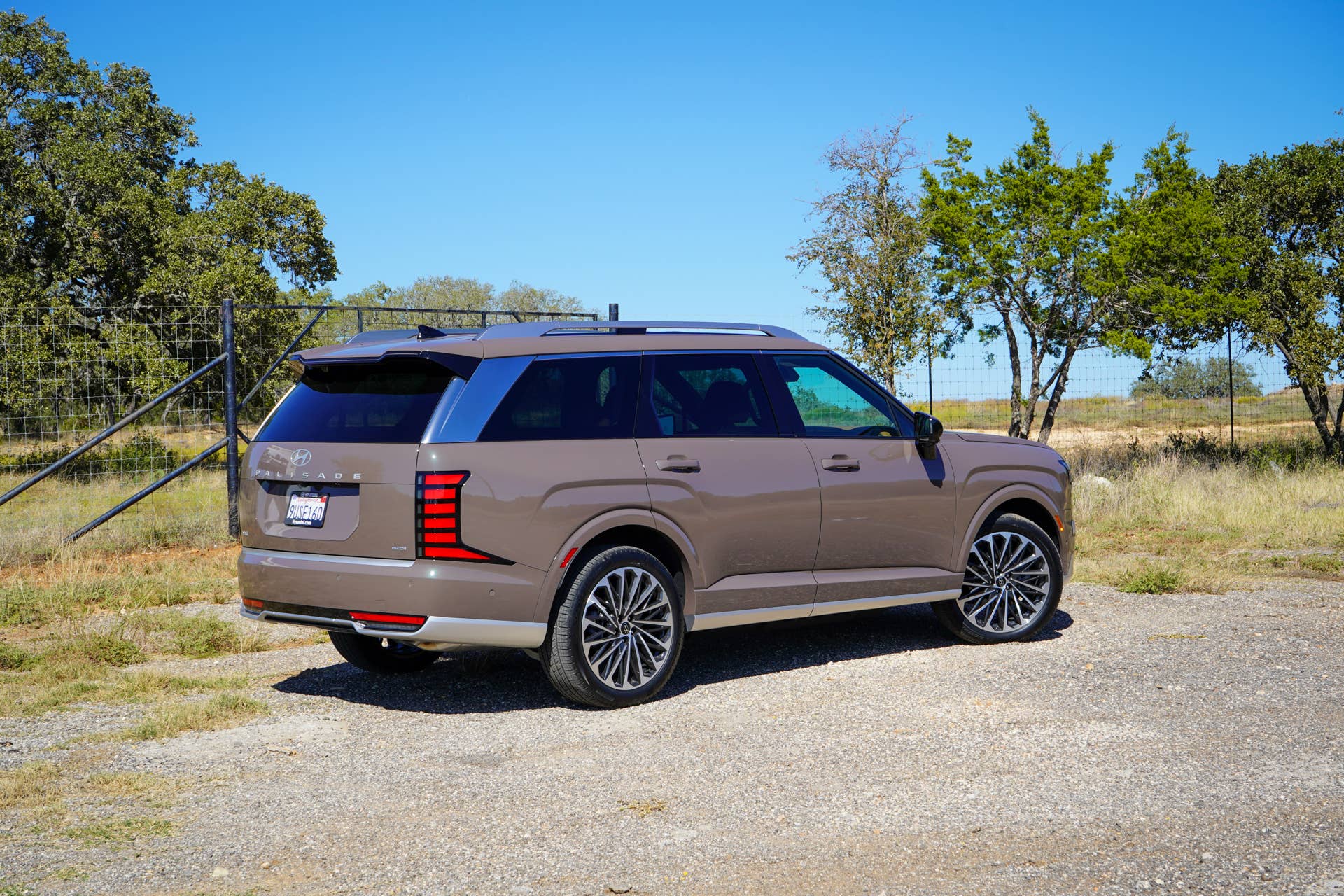
The Toyota Grand Highlander is a solid choice for families needing an SUV but unwilling to consider a minivan. It’s efficient, offers ample cargo space, boasts a smooth ride, and provides comfortable third-row seating. The Hybrid Max version offers increased power without sacrificing too much fuel economy. However, if the Grand Highlander’s styling doesn’t appeal, the Hyundai Palisade hybrid is a noteworthy contender.
The Grand Highlander hybrid ranges from $45,210 to $53,690 for the Nightshade trim. The Hybrid Max version, adding significant horsepower, costs $55,690 to $59,775. The Palisade hybrid starts at $47,520 and tops out at $56,780. The Hyundai offers more horsepower even at the base level (329 hp vs. the Grand Highlander’s 245 hp). It’s also available with a V6 gas engine, while the Toyota features a 2.4-liter turbo-four without the hybrid system. I preferred the Palisade’s interior.
Cole Attisha
NOTE: Hyundai and Kia have issued official safety recalls (NHTSA ID: 26V160 and 26V173) for the 2026 Hyundai Palisade (Limited/Calligraphy) and 2026 Kia Telluride (SX Prestige variants) following a fatal incident earlier this year where a toddler was crushed by a power-folding seat after the anti-pinch sensors failed. While the Santa Fe and Sorento are not currently included in this specific “power-crush” recall, the manufacturers have deployed a mandatory Over-the-Air (OTA) software update for all 2026 models featuring power folding seats. This update does not disable the seats but adds critical mechanical safeguards: the “one-touch” folding buttons have been converted to “press-and-hold” operations, and the stowing function is now interlocked to only operate when the tailgate is open.
There aren’t many alternatives for the i-FORCEMAX hybrids
If Jeep hadn’t recently discontinued all 4xe models—the Wrangler, Grand Cherokee, and pending Gladiator—due to reliability issues, safety recalls (including fire risks), I’d recommend them over Toyota’s torque-forward, performance-oriented i-FORCEMAX 4Runner, Tacoma, Tundra, and Sequoia models. With the 4xe system six feet under, there aren’t many real competitors to those hybrids. Granted, Toyota’s no stranger to fire risks—just look at the major recall involving millions of RAV4 hybrids because the battery would shake loose and catch fire—but Toyota hasn’t discontinued a hybrid powertrain because of it.
If the 4xe system had been improved upon instead of canceled and scrapped, I would have been happy to recommend a Wrangler 4xe instead of a 4Runner hybrid, a Grand Cherokee L instead of a Sequoia, and the Gladiator over the Tacoma (notice I didn’t list an alternative for the Tundra—because right now there isn’t one), because their hybrid systems were similar in the sense that they prioritized torque in the low end from the battery to help with towing or off-road capabilities instead of increased mileage (both systems only marginally improve mileage).

Cole Attisha
If you were looking into those 4xe models to save a buck or two, you can find a used, low-mileage 2021-2023 Jeep Wrangler 4xe priced between $27,500 and $36,500 compared to the 4Runner’s range of $53,690 and $68,200. If you’re looking into the Grand Cherokee 4xe, those range between $30,500 to $32,000 for 2022-2024 models. Just make sure it’s been fixed before you park it in your garage or anywhere near your house.
Toyota Sienna Hybrid vs. Kia Carnival Hybrid
This argument is going to be hard to make, because the Toyota Sienna is hard to nit pick. Everyone’s comfortable, and anyone with mobility needs loves its versatile and mostly modular interior. However, it’s not accessible to everyone, as it’s the priciest minivan available at its top trim. The Kia Carnival, otherwise known as the most affordable minivan in the current market, offers a strong hybrid system, family-centric features, and a roomy interior, all for less. The Sienna has been hybrid-only since 2021, so whether you spend $40,420 on the FWD base model or $57,810 on the Platinum, you’re getting the same dependable, efficient (up to 36 mpg combined, even with optional AWD), and reliable hybrid system—but at a premium price.
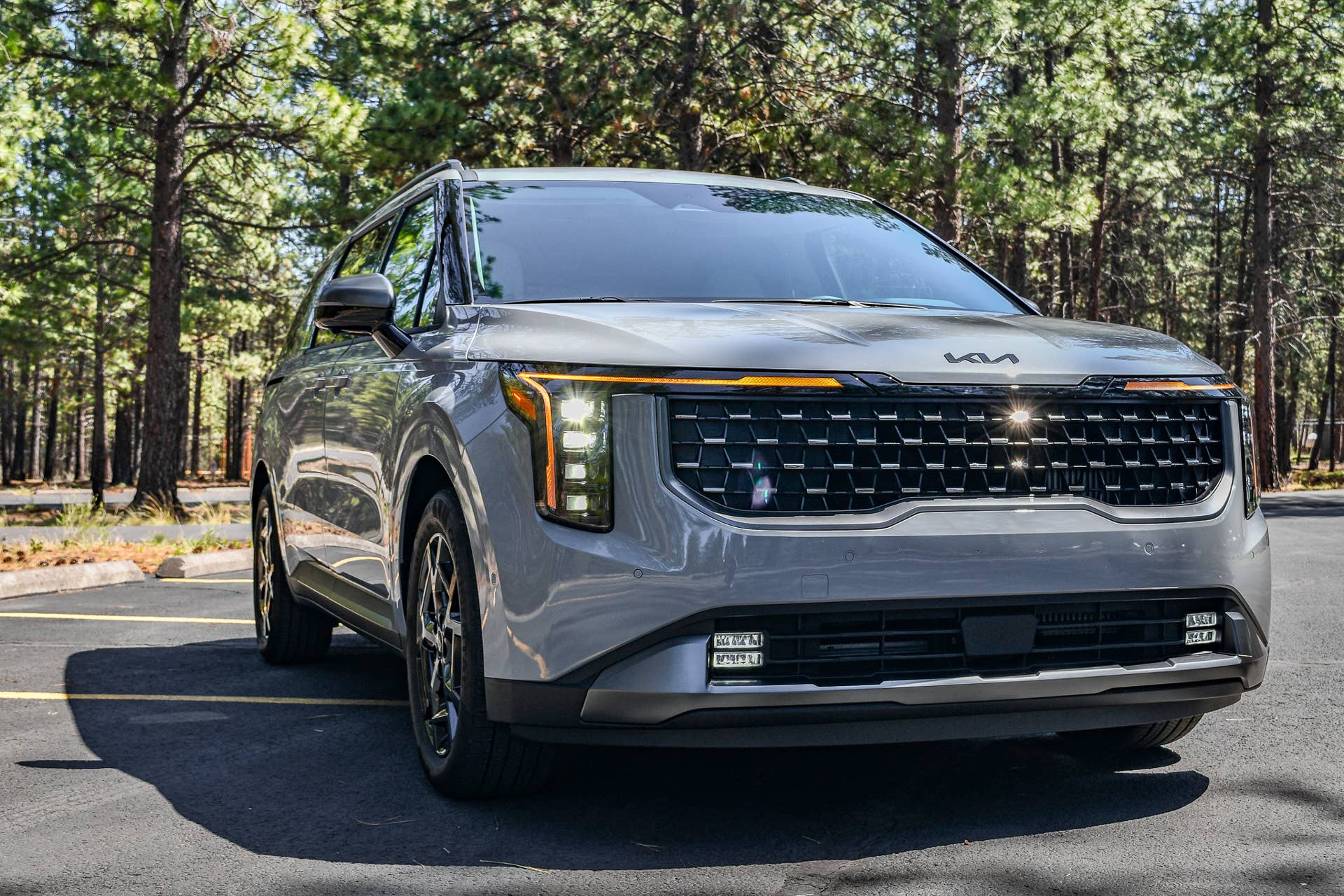
Enter the Kia Carnival. While its maximum mpg is 32 and it doesn’t offer all-wheel drive, the price range is more attractive, especially for higher trims, which range from $41,390 to $53,490. As a parent, my favorite feature was the Passenger View, unavailable even as an option on the Sienna. A button press brought a camera feed of the second and third rows onto the large, 12.3-inch screen. It was a high-resolution feed, even functioning as an infrared camera at night, so I could always see my two toddlers. When I tested it, my youngest was in a rear-facing seat and my oldest was front-facing, and I could see both of their faces clearly. This camera system was standard equipment, not an extra-cost package.
Kristen Brown
I appreciated the excellent outward visibility, which didn’t require a $1,200 technology package for parking assist features or a larger screen – it was all included. The smooth ride, SUV-inspired looks, fun colors, and removable seats for extra cargo space were also highlights. I found very little to dislike about the Kia Carnival.
Final thoughts
I anticipate some criticism for some of these comparisons. Circling back to my shoe brand example, it might feel like I’m recommending Skechers instead of Nikes or Brooks, and my reasoning is that, similar to shoes, not everyone wants the most expensive choice simply because of its reputation. Some find greater worth and comfort in a potentially cheaper alternative that offers comparable, if not identical, advantages. Or, mirroring some of the Toyota hybrid options I’ve presented, some may be willing to invest more in a pricier option like Hokas rather than the Nikes or Brooks everyone else is buying. As a journalist, parent, and car enthusiast, I will always advocate for Toyota hybrids, but if someone says to me, “I’m not interested in a Toyota,” these are the options I put on the table.
About the author

Kristen Brown
Contributing Writer, Autoblog