
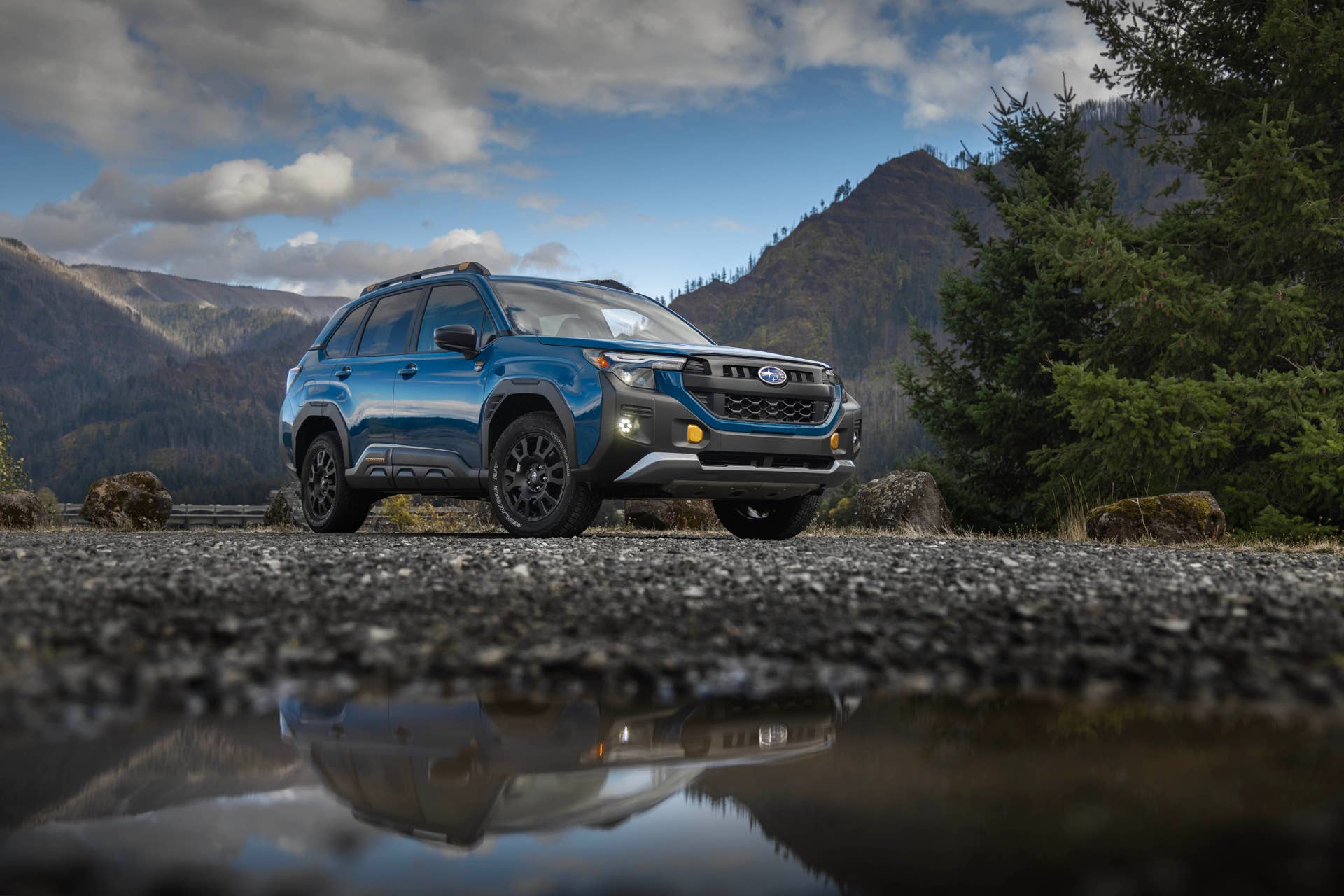
All three of these SUVs come with automatic emergency braking, lane-keeping, and adaptive cruise control as standard, so the differences are subtle. They emerge in the Insurance Institute for Highway Safety’s award tiers, and in which models pair top crash scores with standard all-wheel drive. On that combined measure, the Subaru Forester edges ahead, though the Mazda is close enough that many buyers could reasonably flip the order.
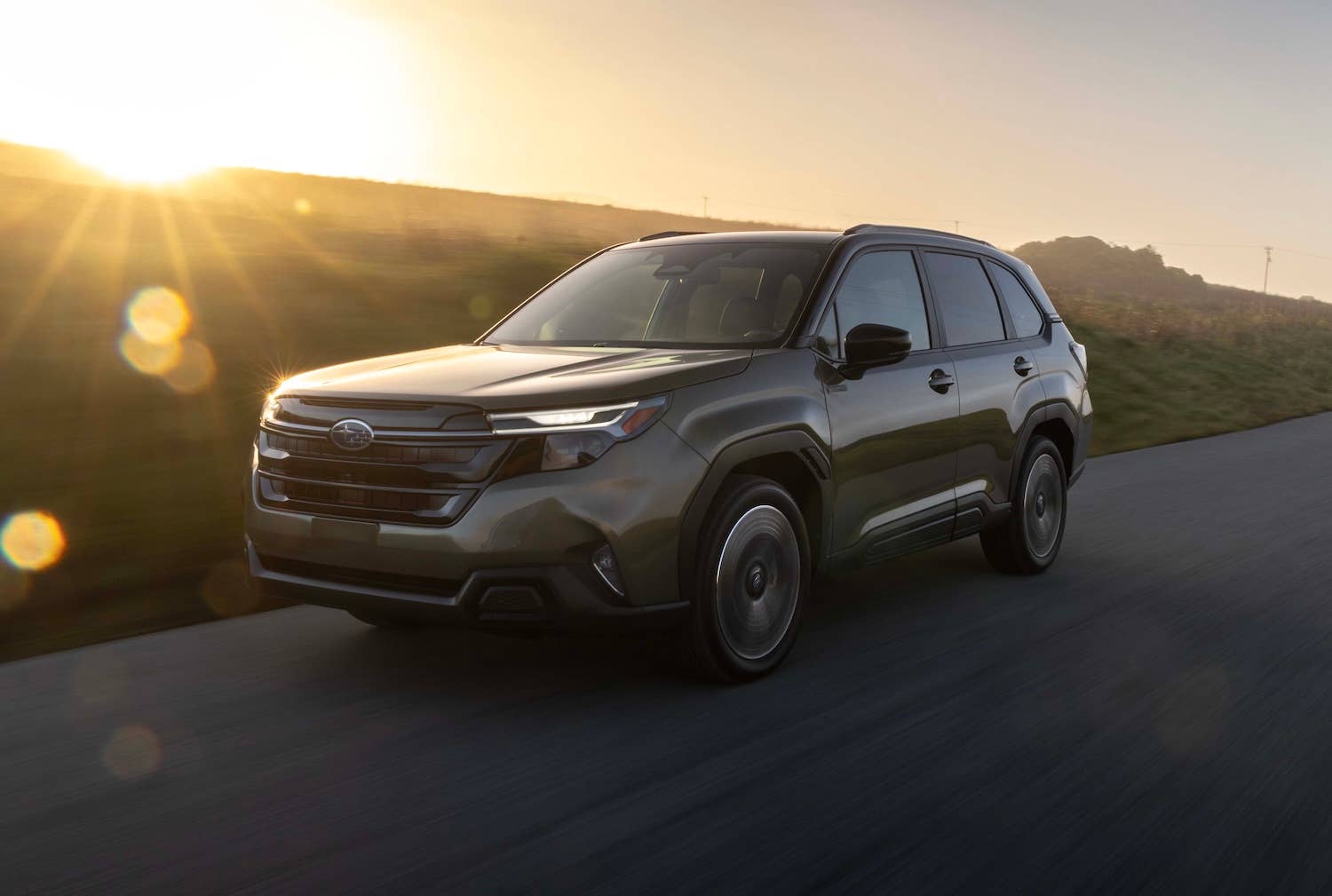
Subaru
IIHS award status
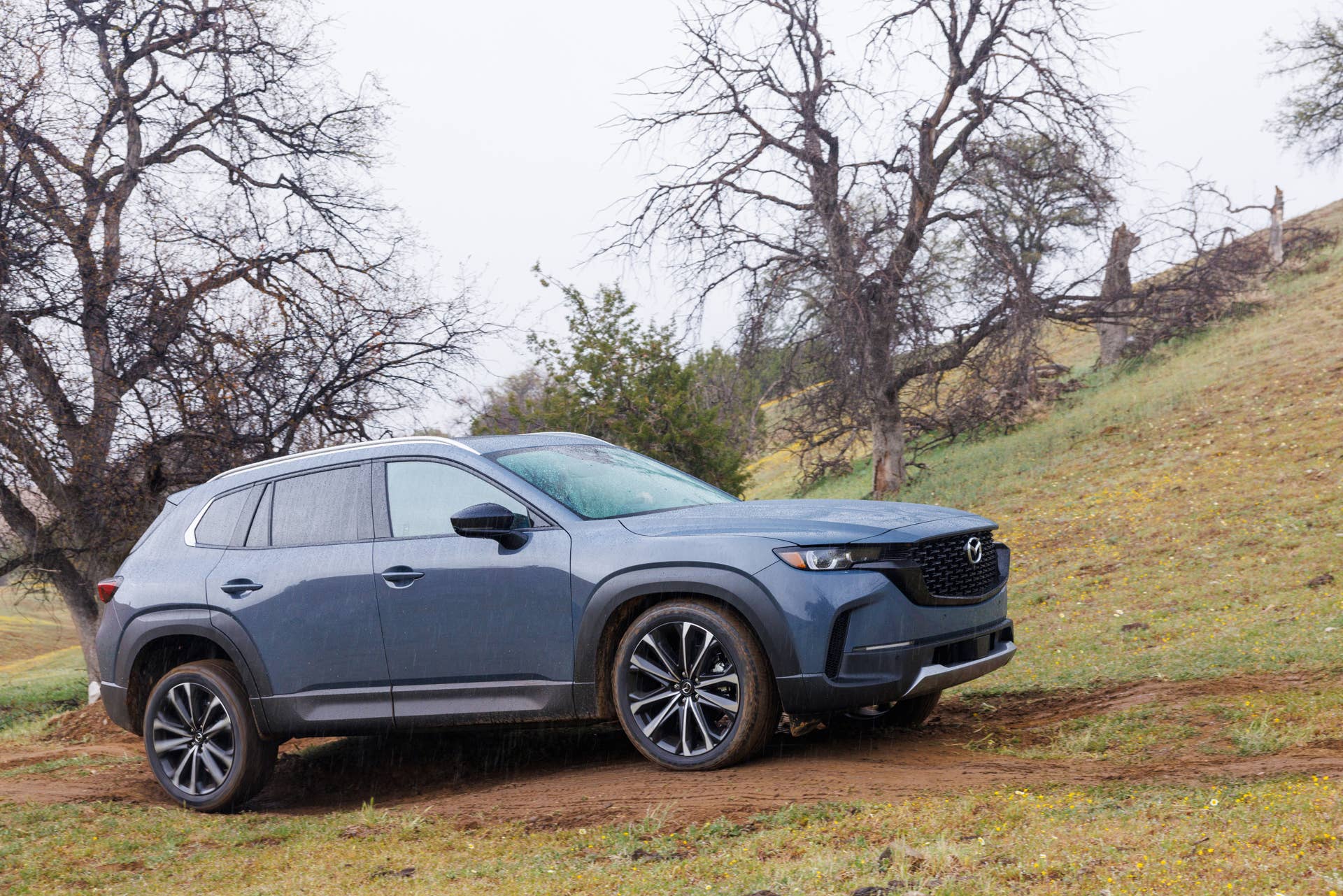
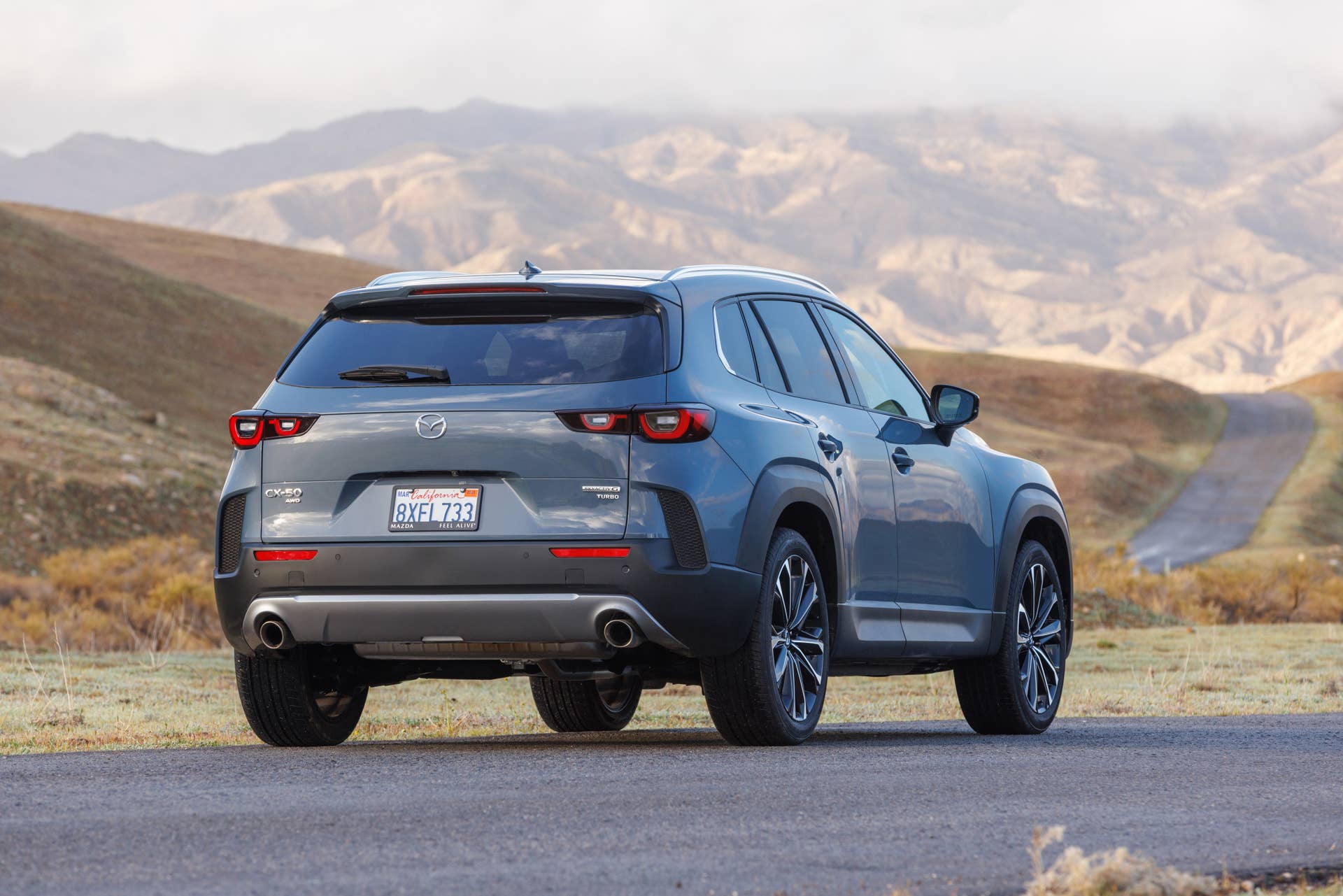
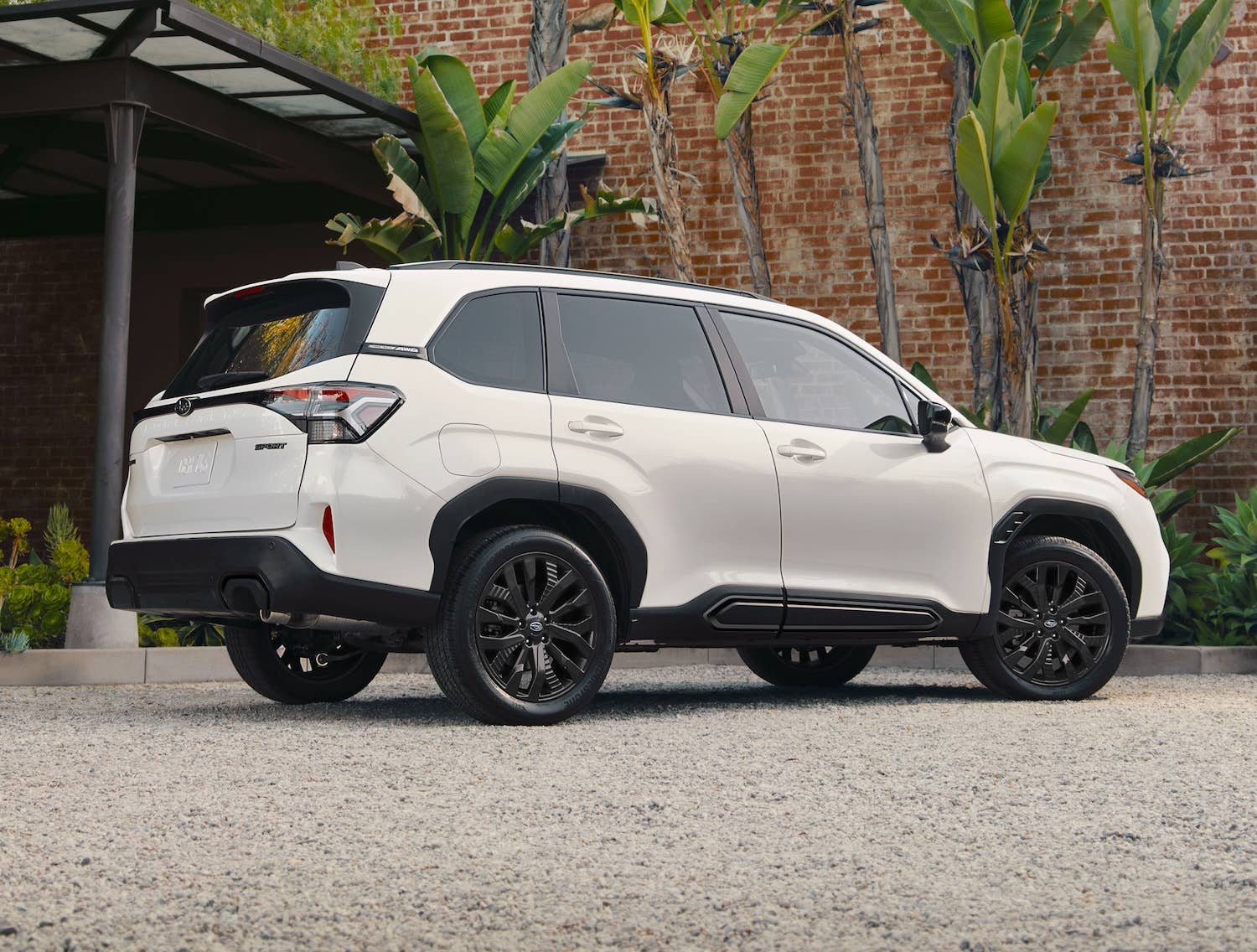
The IIHS awards do most of the sorting. The Forester earns the 2026 Top Safety Pick+, the Institute’s highest rating, after the current generation posted good results across the small overlap front, updated moderate overlap front, and side tests, along with good pedestrian crash prevention. The CX-50 also reaches the Top Safety Pick+ tier, matching the Subaru’s crash-protection credentials and reflecting Mazda’s recent run of strong safety showings.
Mazda
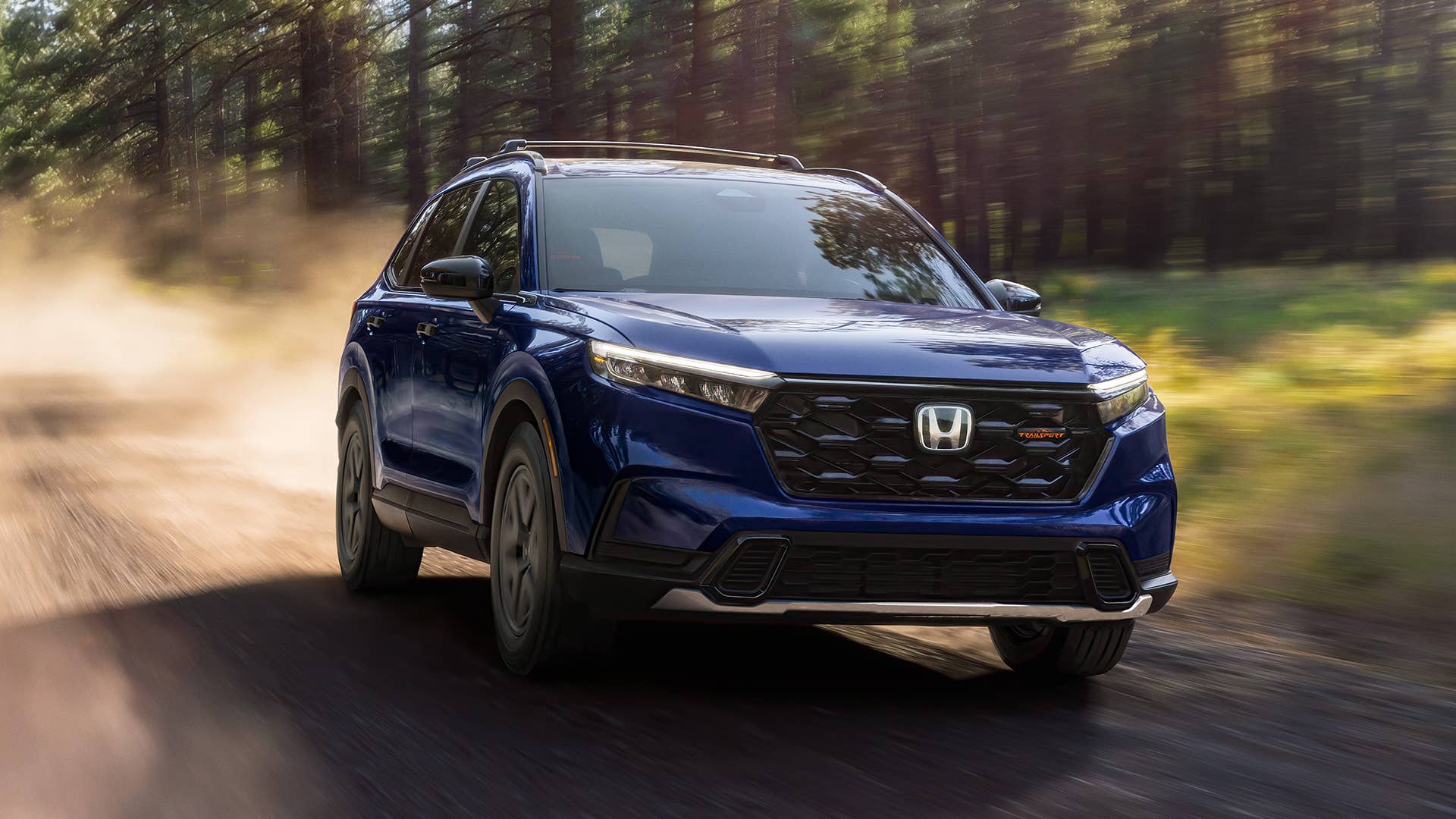
The Honda CR-V is where the gap opens. It remains a fundamentally safe and well-engineered SUV, but it does not appear on the current IIHS Top Safety Pick or Pick+ list, having not cleared every element of the toughened criteria across all trims. That does not make it dangerous, but it does place it a rung below two rivals that earned the plus tier outright.
Honda
Daily usability and standard driver aids
Beyond crash scores, the Forester and CX-50 share an advantage the CR-V does not: standard all-wheel drive. Every Forester includes Subaru’s symmetrical all-wheel-drive system and the EyeSight suite of driver aids, a pairing that delivers both crash-avoidance technology and the added traction that helps prevent slippery-weather incidents in the first place.

Honda
Mazda likewise makes all-wheel drive standard on the CX-50 and includes its i-Activsense safety features, so it offers the same all-weather security. The CR-V comes standard with the Honda Sensing suite and is a strong performer, but its all-wheel drive is optional on most trims, meaning a base front-wheel-drive example gives up some foul-weather capability. For buyers who see real winters, that standard traction on the other two is meaningful.
Mazda
How close is it really
The honest answer is that the Forester and CX-50 are very close. Both earn the top IIHS award, both include standard all-wheel drive, and both back their scores with capable driver-assistance suites. Mazda has even led some recent brand-level safety rankings, so the CX-50 has a legitimate claim of its own.
Subaru
The Forester gets the nod here because Subaru’s EyeSight system and symmetrical all-wheel drive form one of the most complete standard safety packages in the segment, backed by a brand identity built around occupant protection. But a buyer who prefers the Mazda’s sharper driving character is not giving up meaningful safety to have it.
So which one is the safest?
The Subaru Forester is the safest of the three by a narrow margin. It earns the 2026 IIHS Top Safety Pick+, comes standard with the EyeSight driver-assistance suite, and includes symmetrical all-wheel drive that adds real-world security in poor conditions. The Mazda CX-50 is effectively tied and the better choice for a buyer who wants that same top-tier safety with a more engaging drive, since it too is a Top Safety Pick+ with standard all-wheel drive. The Honda CR-V is a smart, safe family SUV in absolute terms, but without a current IIHS award, it lands third, so safety-first shoppers should start with the Forester or CX-50.
About the author

Kyle Edward
Editor-in-Chief, Autoblog