
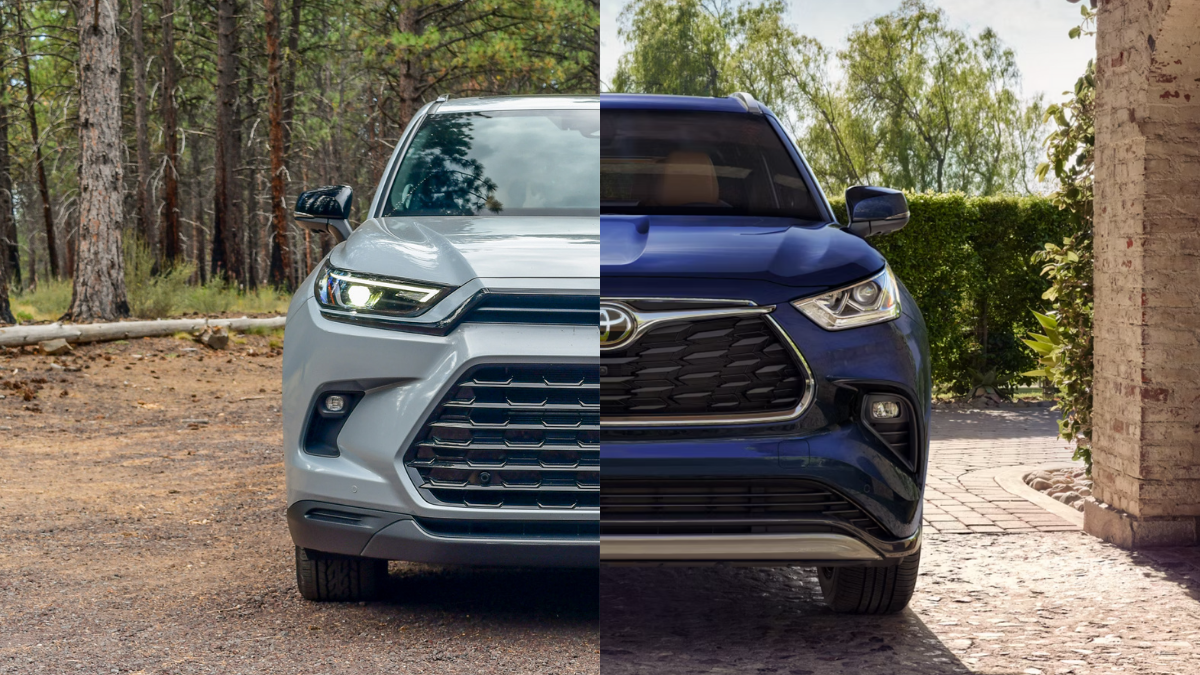
Choosing between the Toyota Highlander and the Toyota Grand Highlander isn’t as simple as picking the newer, bigger model. For 2026, Toyota even flipped the script by making the Highlander more expensive than its larger sibling, which has caught a lot of buyers off guard. Both three-row SUVs offer strong hybrid options, impressive safety tech, and plenty of premium features, but they serve different kinds of crowds. The Highlander leans into efficiency, everyday usability, and a friendlier footprint. The Grand Highlander, on the other hand, is built for maximum space, versatility, and power. If you are on the fence between the two, here is how they compare in the areas that matter most.
1. The Grand Highlander is Larger, Inside and Out
Toyota
Toyota
Toyota
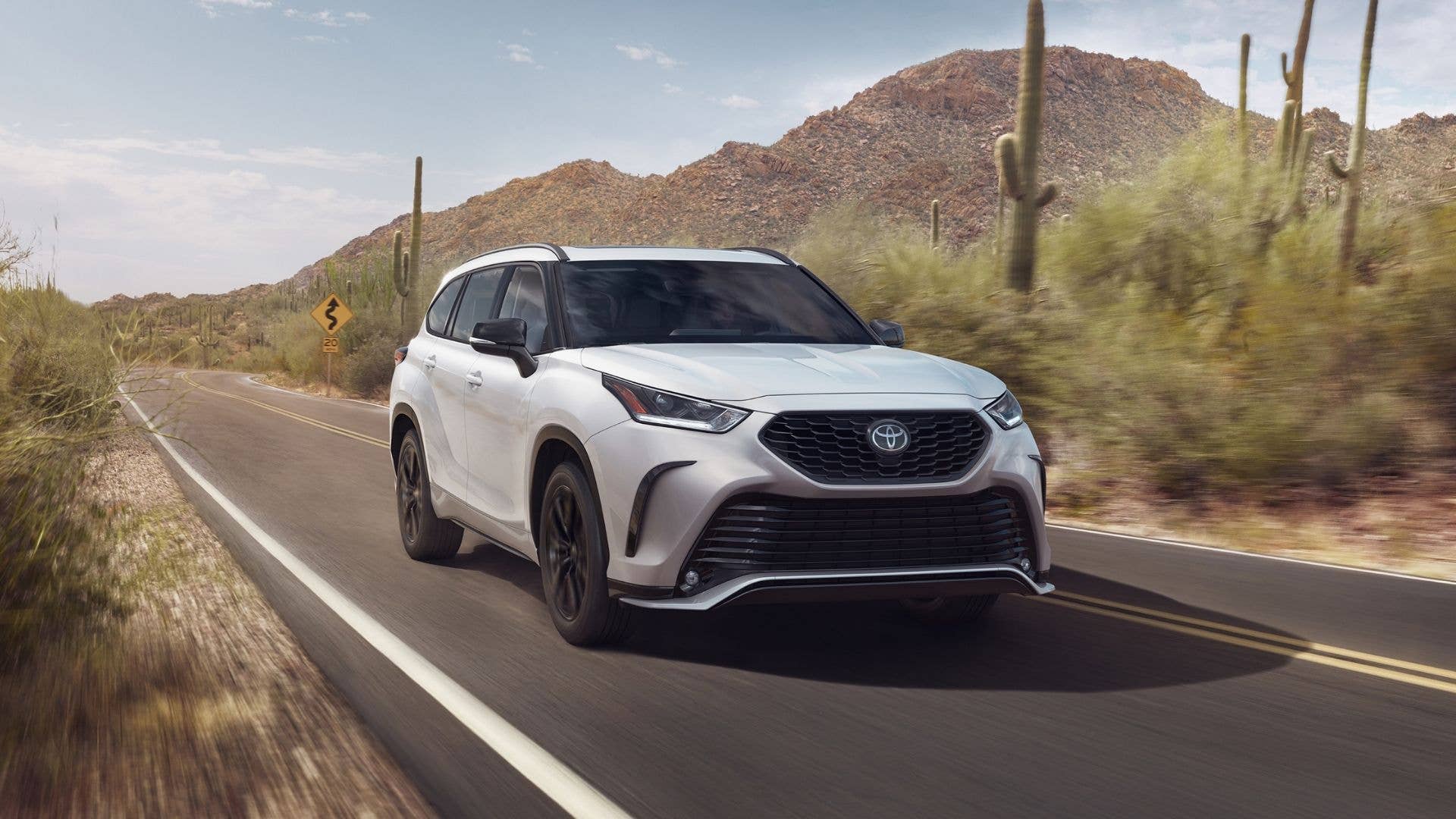
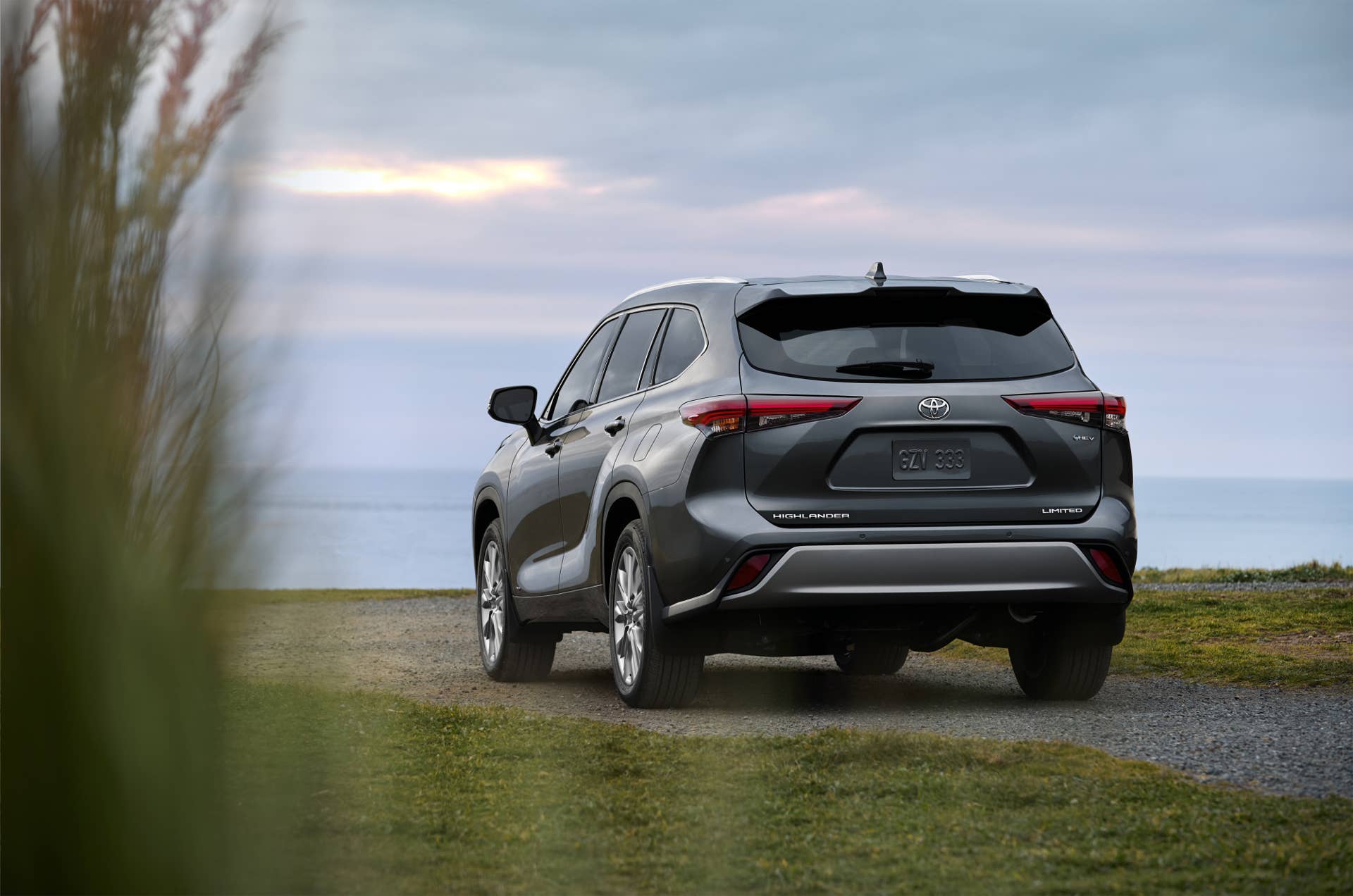
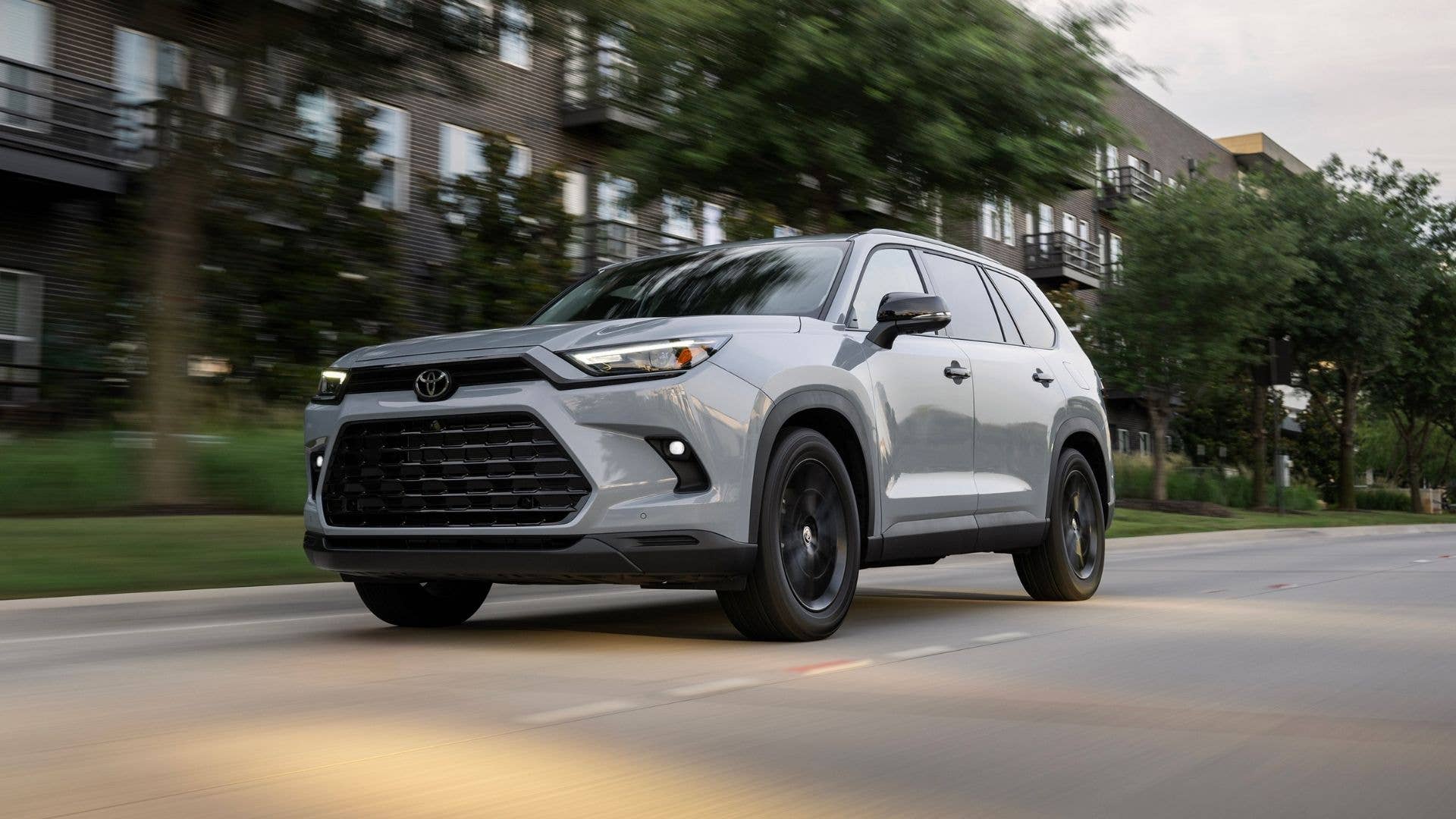
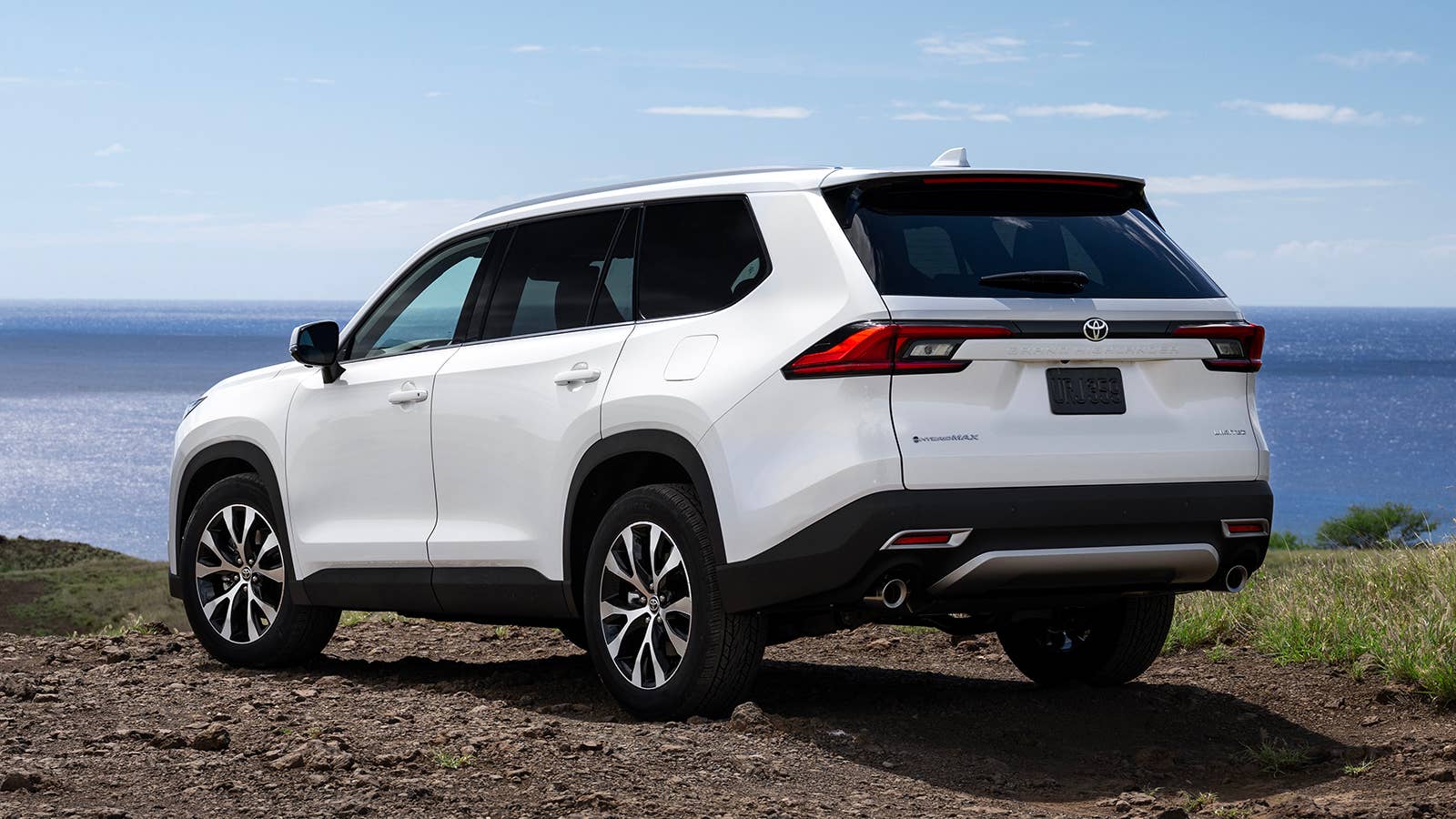
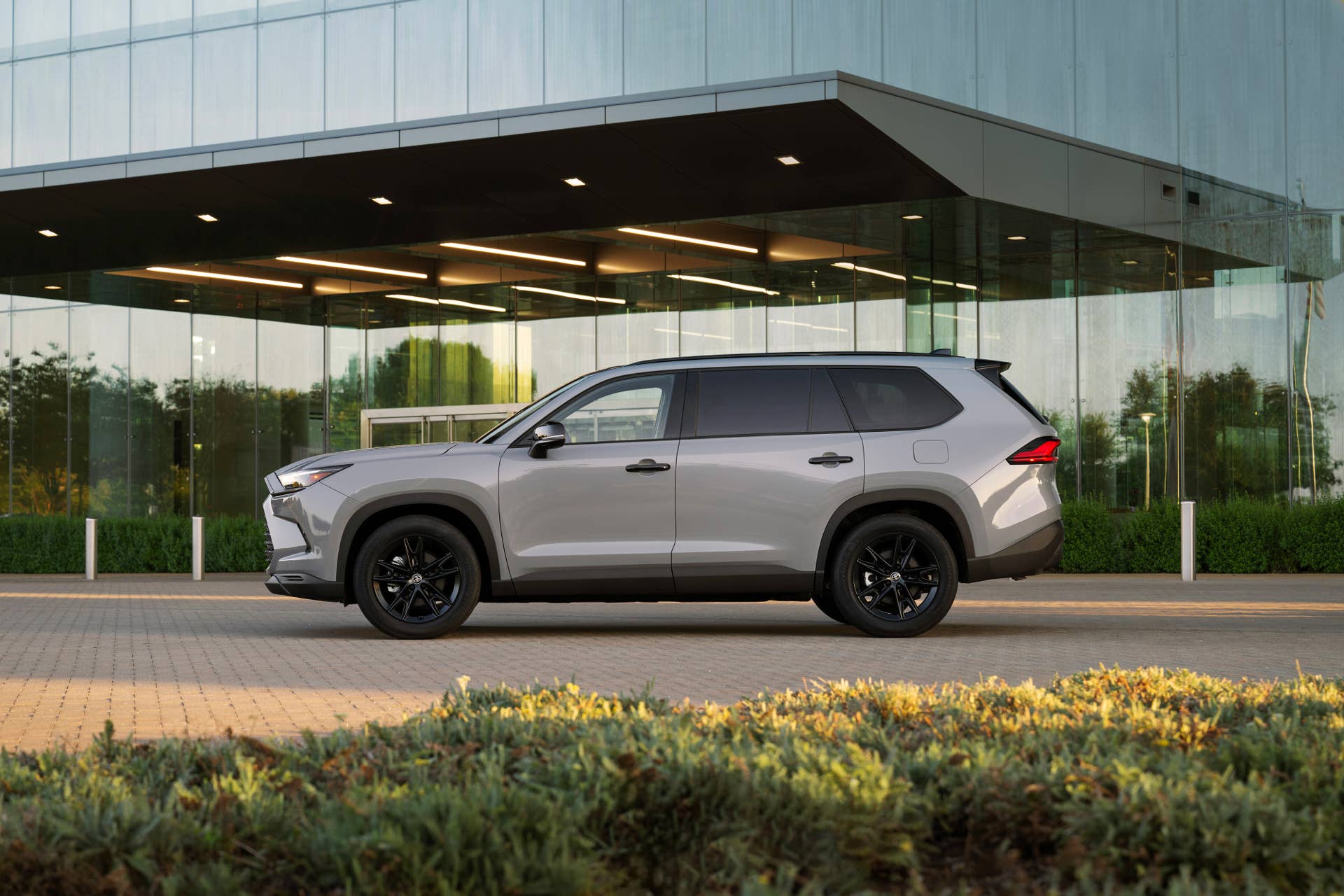
The biggest difference between these Toyota SUVs is, unsurprisingly, size. Both are classified as midsize, but the Grand Highlander pushes that definition closer to a full-size SUV. The Highlander measures between 194.9 and 197.4 inches long, 76 inches wide, and rides on a 112.2-inch wheelbase. The Grand Highlander stretches out to 201.4 inches long, 78.3 inches wide, and has a 116.1-inch wheelbase. Those extra inches translate directly into interior comfort and cargo space.
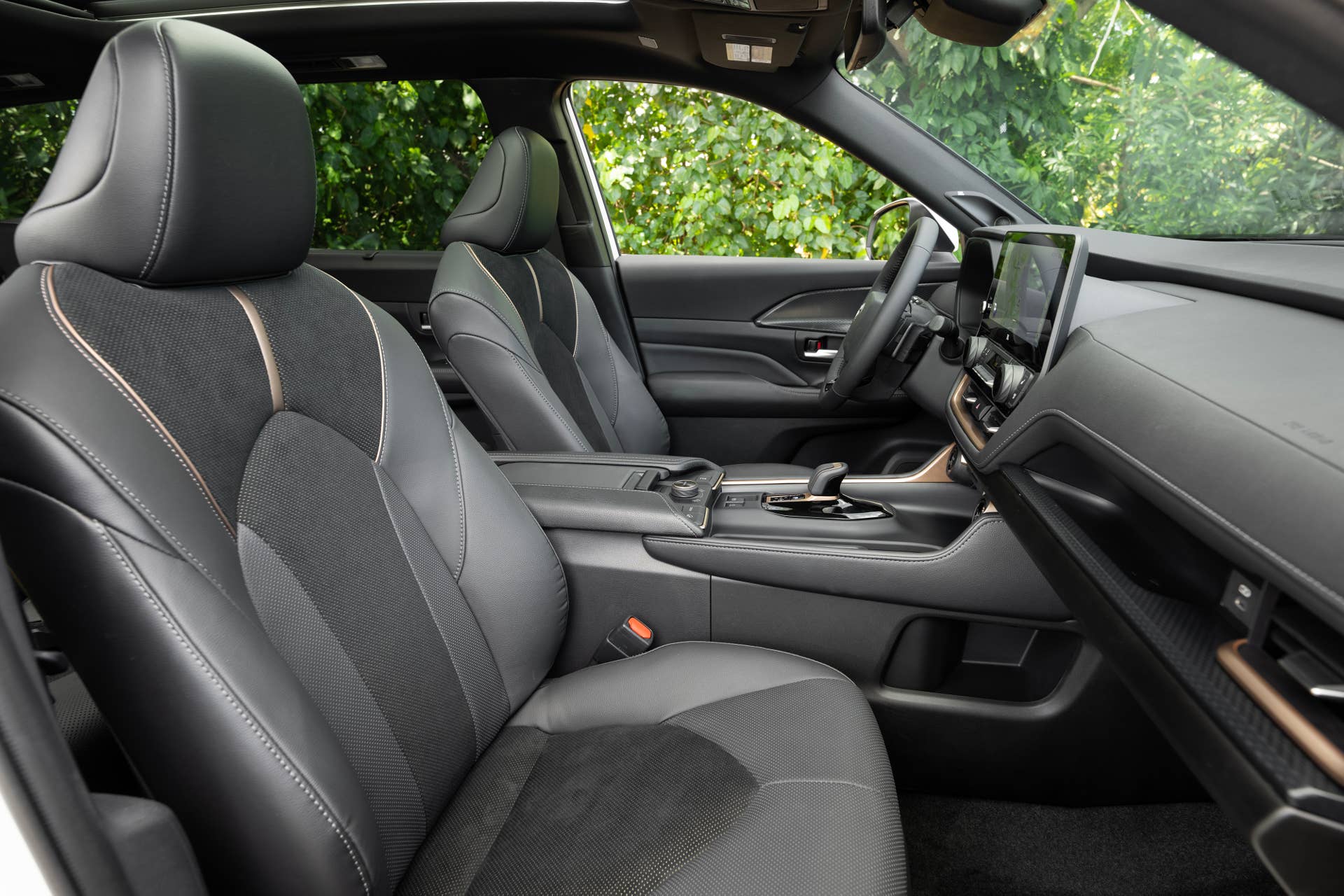
Both SUVs technically seat up to eight, but the experience is very different. The Highlander’s third row is really best suited for kids or shorter trips. With 28 inches of legroom and 36.1 inches of headroom, adults will feel cramped back there on longer drives. By contrast, the Grand Highlander offers 33.5 inches of third-row legroom and 37.2 inches of headroom, making it one of the few SUVs in its class where grown-ups can actually ride comfortably in the way back.
Cargo space tells a similar story. Fold all the seats down, and the Highlander offers a generous 84.3 cubic feet of storage. The Grand Highlander ups the ante with 97.5 cubic feet. Even with all rows in use, the difference is still significant. The Highlander leaves you with about 16 cubic feet, while the Grand Highlander’s 20.6 cubic feet is large enough for seven carry-on suitcases, according to Toyota. The Highlander offers more than enough space for the occasional road trip, while the Grand Highlander caters to those doing cross-country trips every other weekend with their extended family.
2. Similar Engine Choices, and a Hybrid MAX for the Grand Highlander
Toyota
Toyota

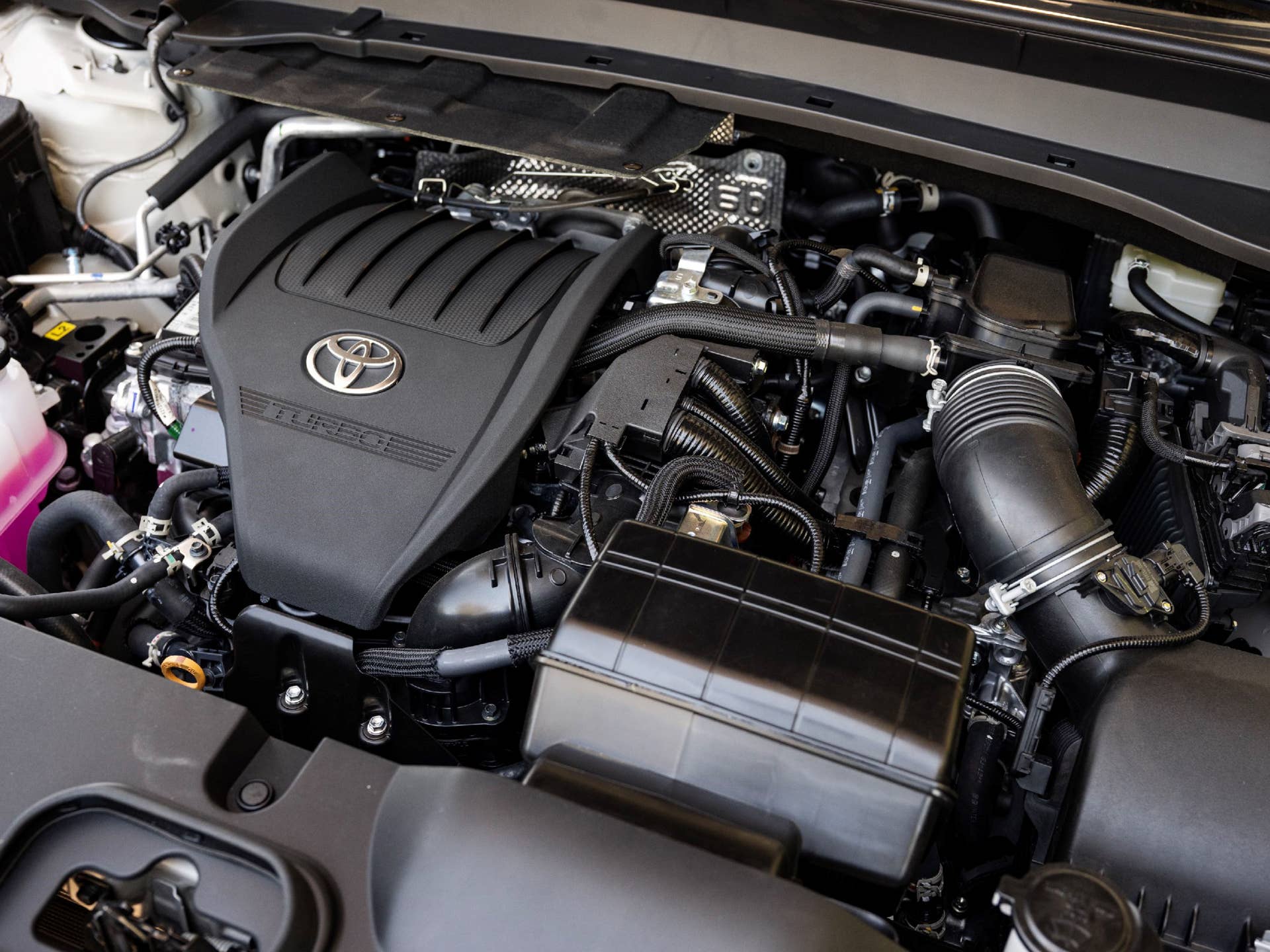
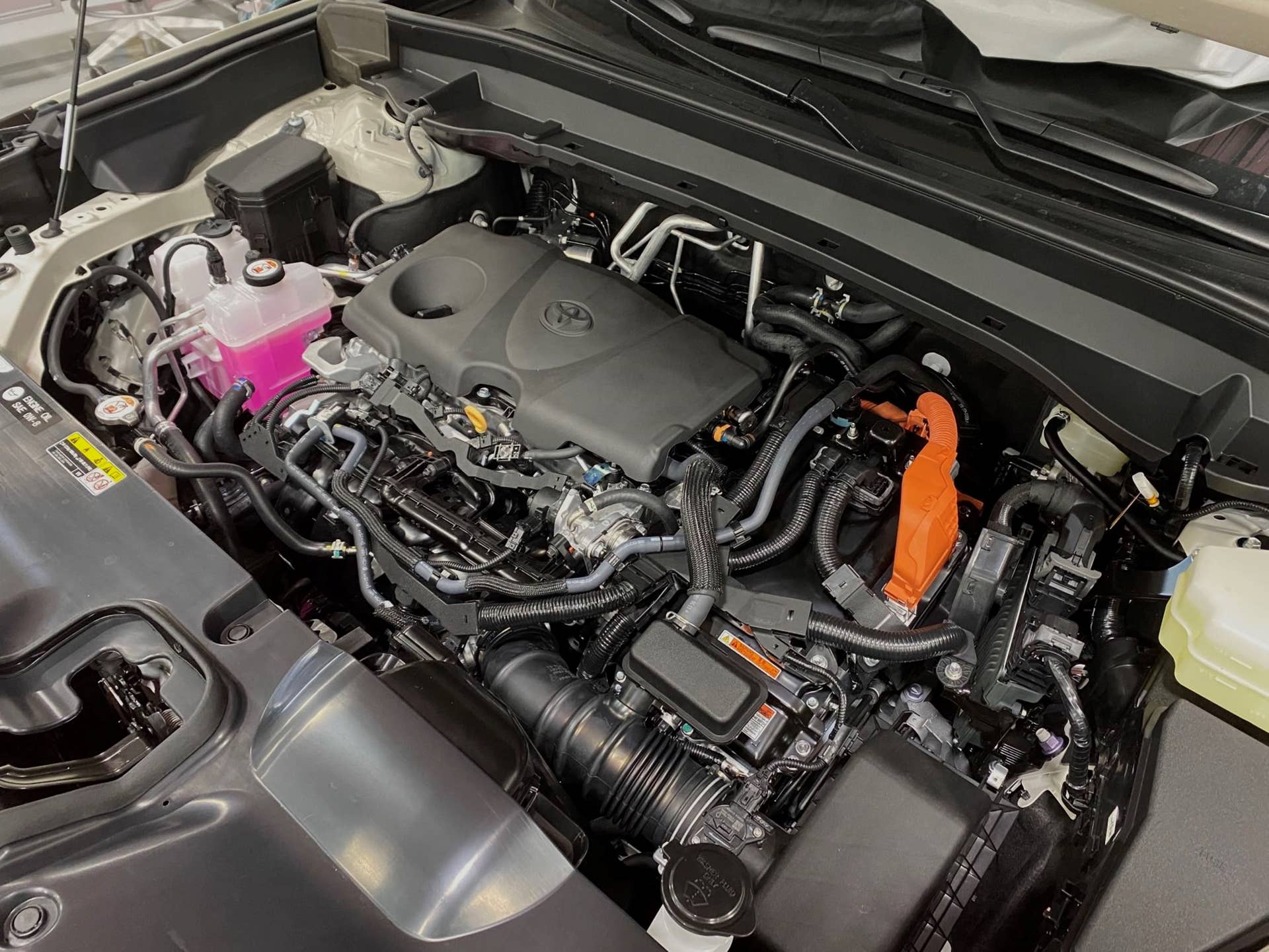
Both SUVs share two identical engines, with the Grand Highlander benefiting from a third, more powerful option.
The base engine is a 2.4-liter turbocharged four-cylinder that makes 265 hp and 310 lb-ft of torque. When fitted in the Grand Highlander, it’s powerful enough to catapult the mid-size SUV from 0 to 60 mph in 7 seconds flat. Furthermore, the gas-powered models are surprisingly frugal too, with the Highlander managing 24 MPG, and the Grand Highlander getting 28 MPG.
The efficiency-focused option is the 2.5-liter hybrid. It delivers a combined 245 hp and just 177 lb-ft of torque, pretty disappointing figures to say the least. While it takes the Grand Highlander Hybrid longer than 8 seconds to reach 60 mph, it makes up for it at the pump. The Highlander Hybrid achieves up to 35 MPG combined, and the Grand Highlander Hybrid edges slightly higher at 36 MPG combined
Where things get more exciting is with the Hybrid MAX, available only on the Grand Highlander. This powertrain pairs the 2.4-liter turbo with two electric motors for a total of 362 hp and 400 lb-ft of torque. In the real world, this translates to a sub-6-second 0 to 60 mph time. That said, by prioritizing performance, the Hybrid MAX model lacks efficiency by achieving just 27 MPG overall.
Towing capabilities for both models are identical. Gas-powered models and the Hybrid MAX are rated at 5,000 lbs, bbecasue the 2.5-liter hybrid models lack torque, they’re stuck at 3,500 lbs.
3. More Standard Tech On The Grand Highlander

Toyota
Toyota

Toyota
Toyota

Toyota
Toyota
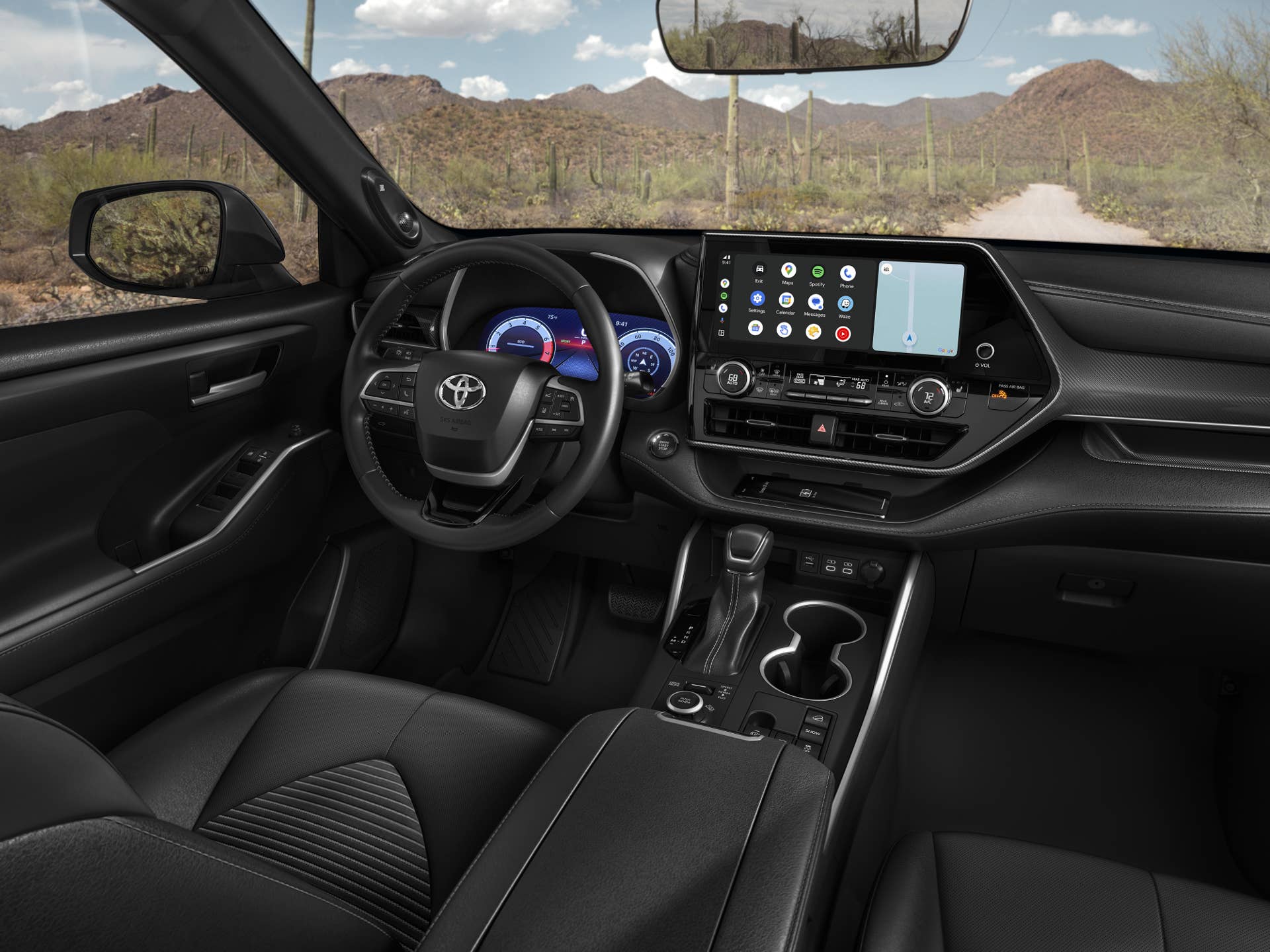
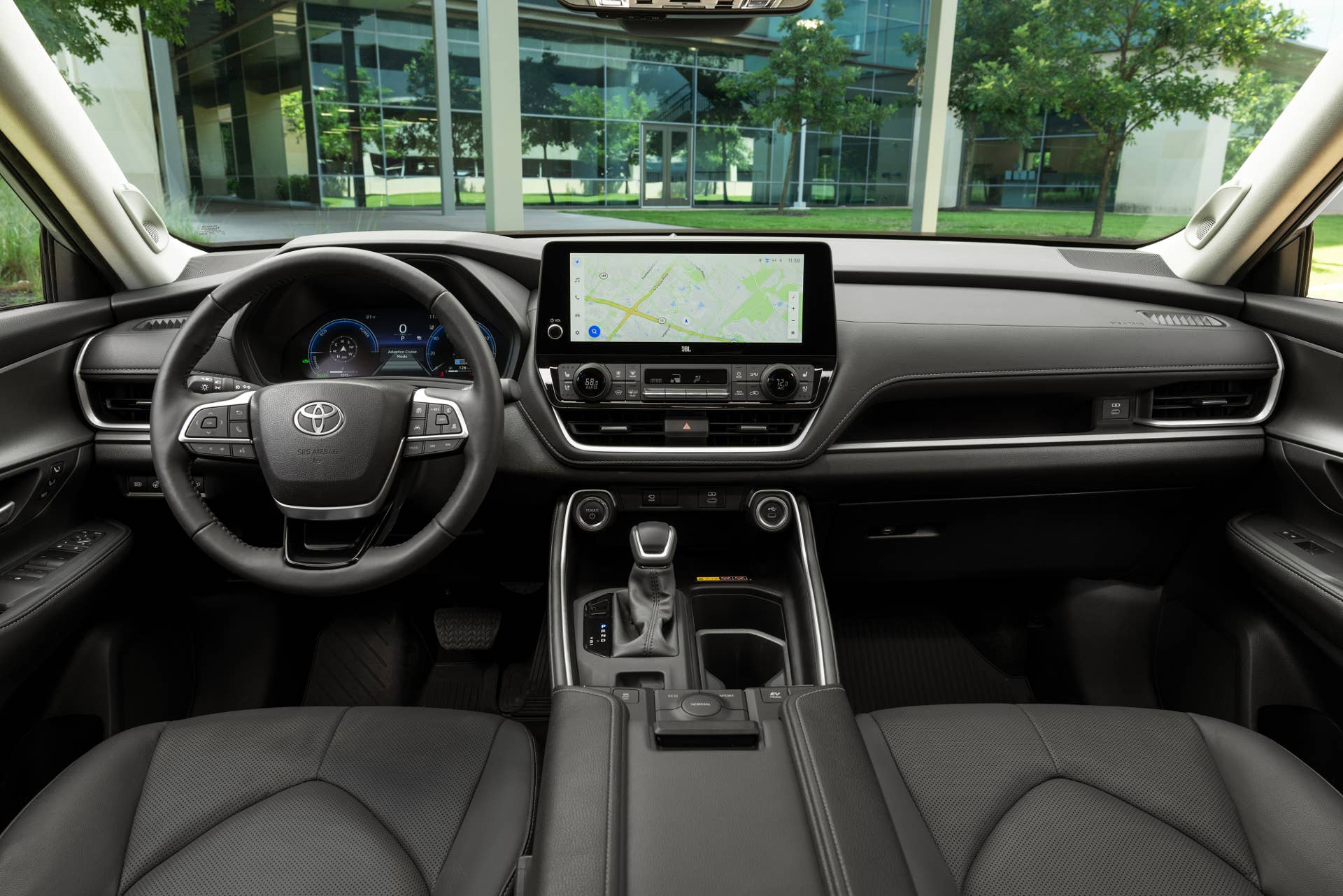
Both SUVs come with Toyota’s latest infotainment system, but the Grand Highlander makes the larger screen standard. Every trim gets a 12.3-inch touchscreen, while the Highlander starts with an 8-inch unit, reserving the 12.3-inch upgrade for higher trims. Both SUVs support wireless Apple CarPlay and Android Auto, offer a Wi-Fi hotspot, and can be optioned with an 11-speaker JBL sound system.
On the Highlander, the JBL system is only available on top trims, while the Grand Highlander includes it standard, earlier in the lineup. The Grand Highlander also comes with a few extra convenience touches, like more USB-C ports scattered across all three rows and a standard digital key on higher trims. Both vehicles have a lot in common here, but the Grand Highlander gives you more features upfront without having to climb too high up the trim ladder.
4. Toyota Safety Sense 3.0 Reserved For The Grand Highlander
Toyota
Toyota
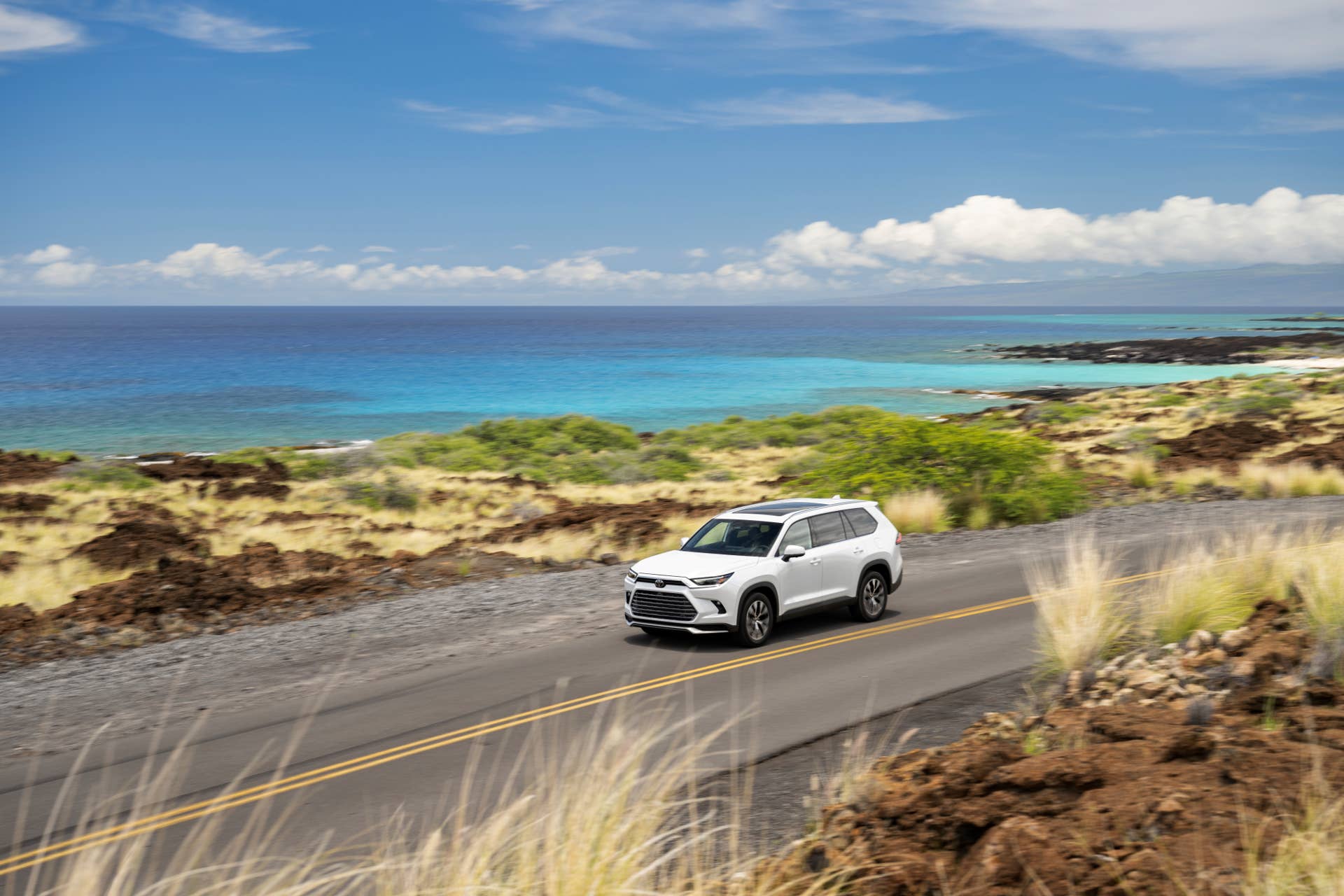
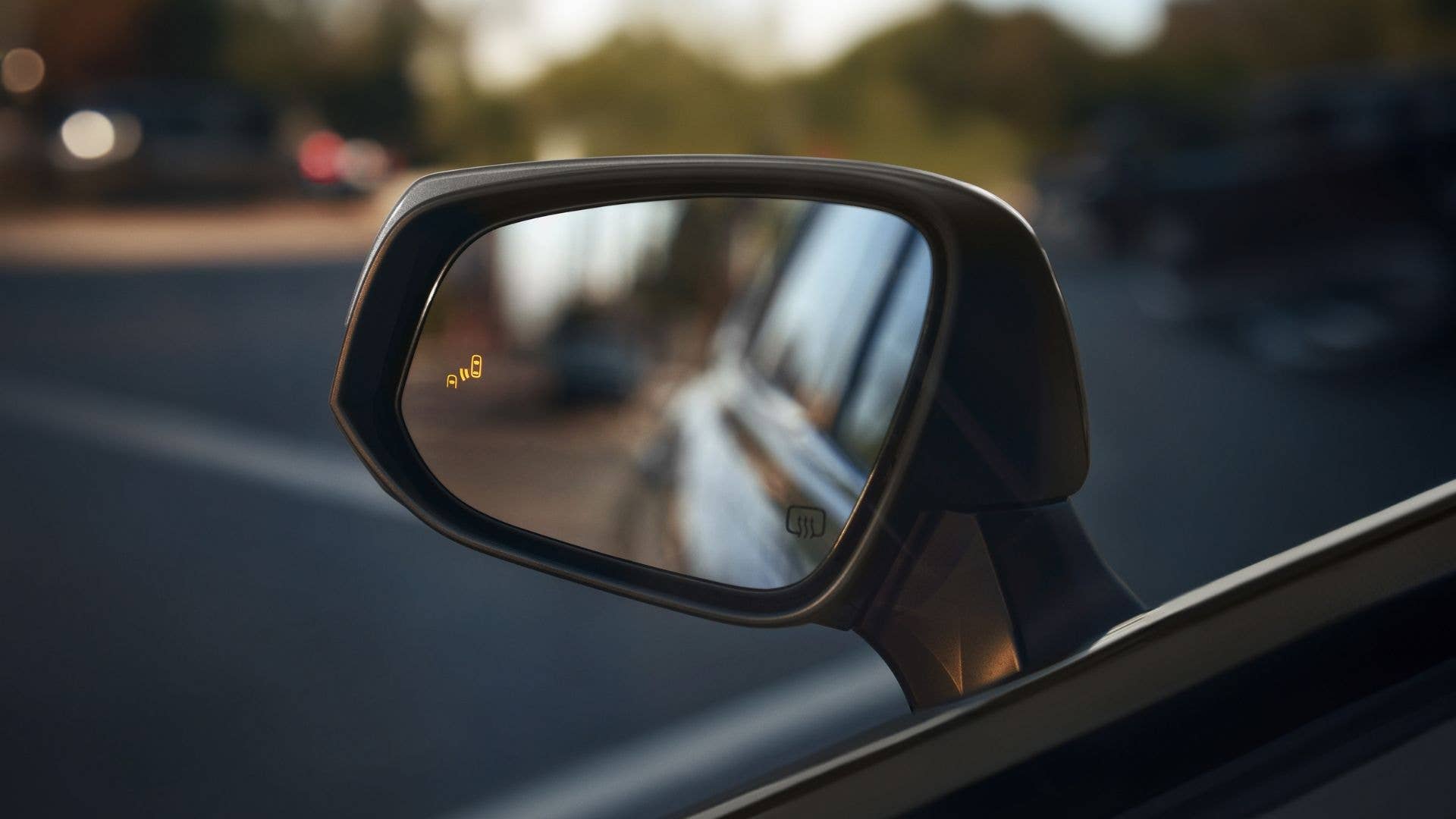
Both models come with advanced safety features as standard, but there is a generational difference between these two SUVs. The Highlander comes with Toyota Safety Sense 2.5+, which includes adaptive cruise control, lane departure alert with steering assist, automatic emergency braking, and road sign recognition. It is a strong package, but not Toyota’s newest. The Grand Highlander upgrades to Toyota Safety Sense 3.0. It improves lane recognition, intersection detection, and the smoothness of radar cruise control. It also adds Proactive Driving Assist and an Emergency Driving Stop System, which can safely bring the vehicle to a stop if the driver becomes unresponsive.
Higher trims of the Grand Highlander unlock more advanced driver aids such as Traffic Jam Assist, a Head-Up Display, and a digital rearview mirror. Both models are very safe, but buyers who want the latest and most refined driver-assistance technology will find it in the Grand Highlander.
5. Pricing and Value Proposition
Toyota
Toyota
Here’s where things get interesting.
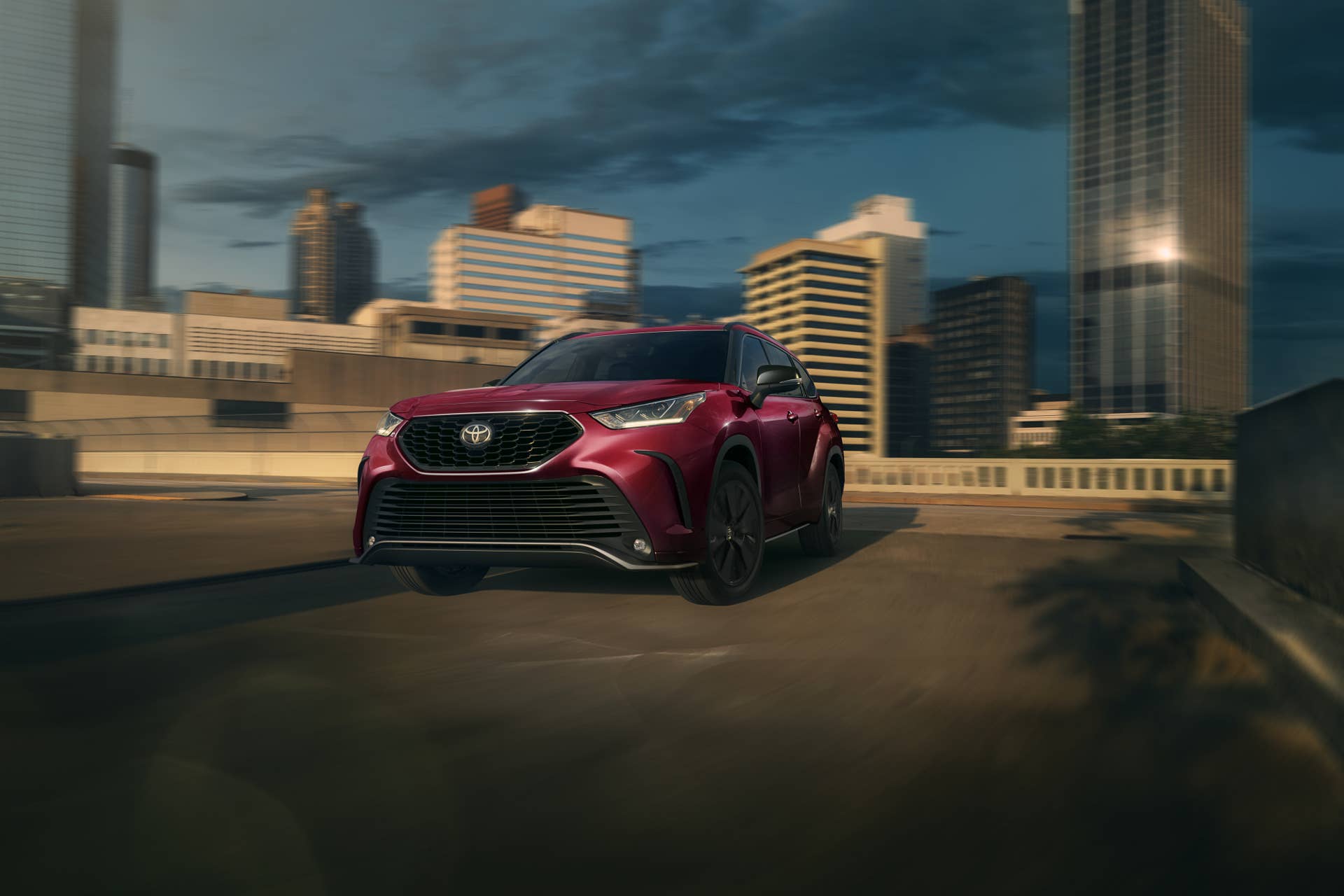
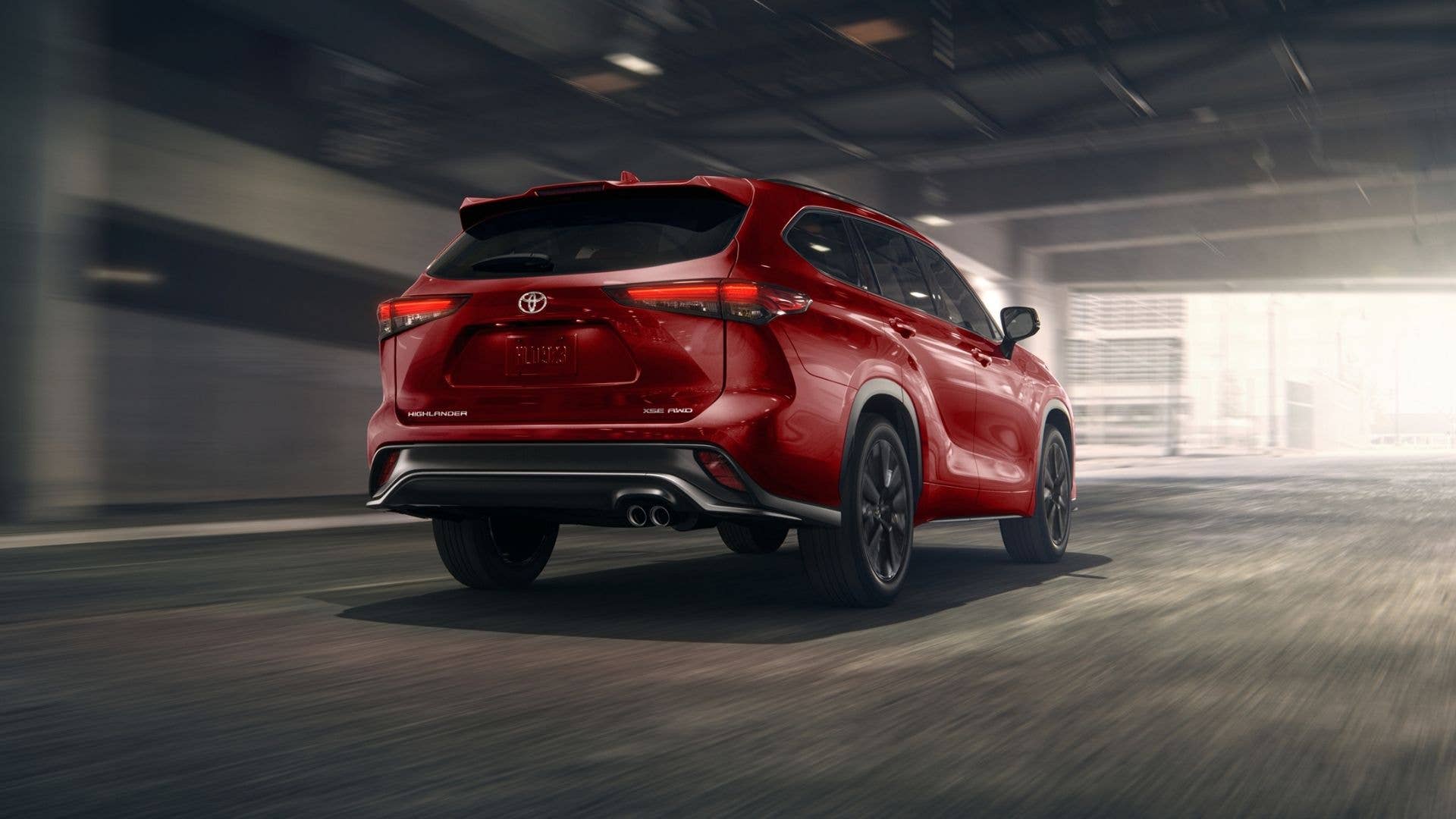
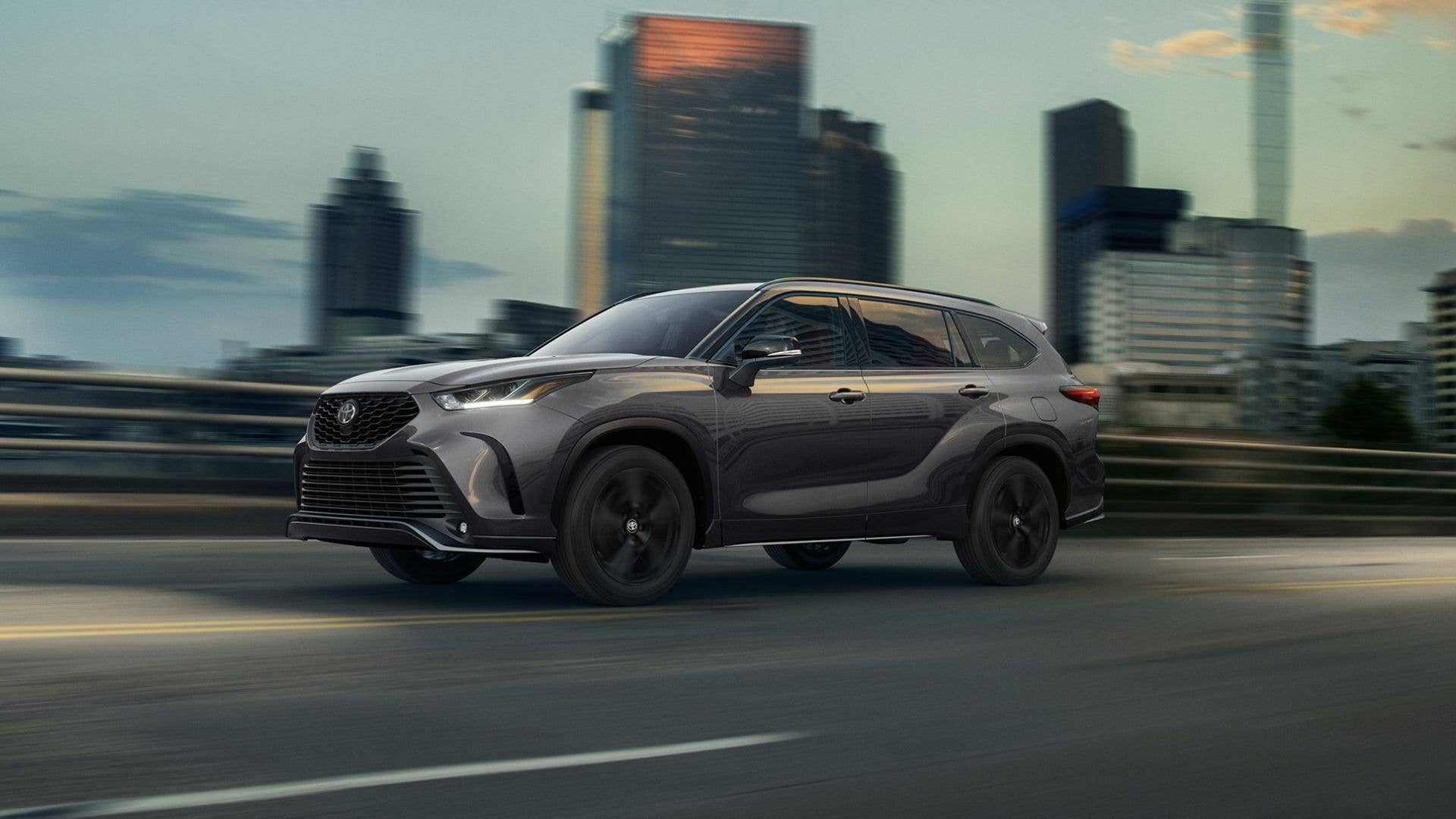
For the first time, the smaller model is more expensive. The Highlander starts at $45,270 for the gas-powered XLE and $47,020 for the Hybrid XLE. For 2026, the Highlander is actually more expensive than the larger Grand Highlander at the entry level. The Highlander starts at $45,270 for the gas-powered XLE and $47,020 for the Hybrid XLE. Toyota has essentially cut the cheaper trims, meaning every Highlander now comes with all-wheel drive and a wide array of standard equipment.
The Grand Highlander starts at $41,360 for the front-wheel-drive gas LE, $44,710 for the Hybrid LE with all-wheel drive, and $55,190 for the Hybrid MAX. That means the bigger, roomier SUV can actually be had for less money, although the Highlander does include more standard equipment in its base trims.
Which One Should You Buy?
Toyota
Toyota
At the end of the day, the right choice depends on your priorities.
The 2026 Toyota Highlander is the smarter pick if you want an efficient midsize SUV that is easier to live with in tight spaces. It is comfortable, well-equipped, and offers hybrid efficiency at under $50,000. For many families, that balance of practicality and maneuverability will be all they need.
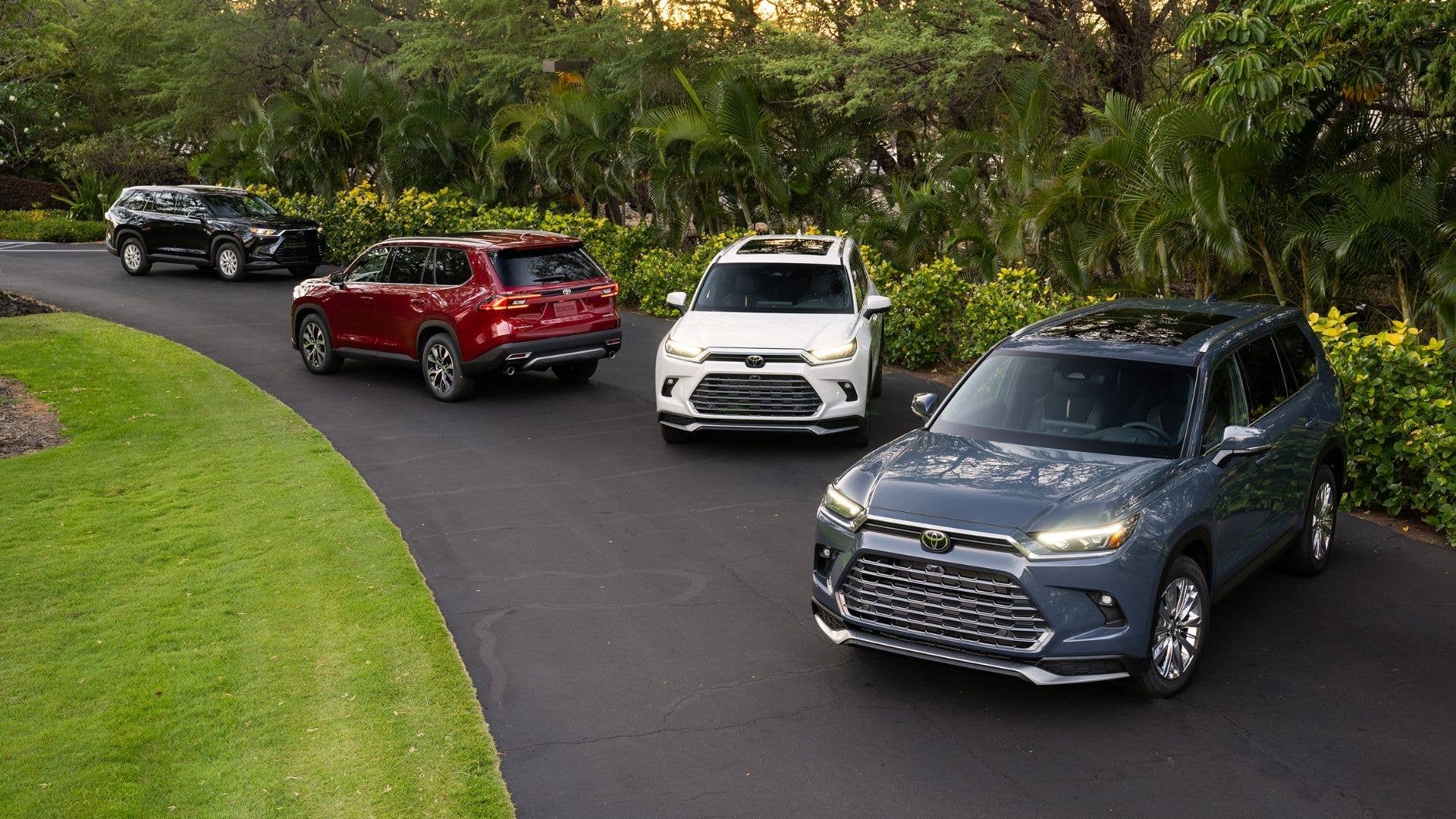
The 2026 Toyota Grand Highlander is the better choice if space is your top priority. It is one of the few three-row SUVs where adults can sit comfortably in every row, it comes with Toyota’s newest safety technology, and it packs more standard features across the board. If performance is also on your wish list, the Hybrid MAX turns it into a surprisingly quick SUV without giving up everyday usability.
Both models offer great value for money, especially considering the highly competitive market they live in. Think of the Highlander as the right fit for families who want three rows but rarely need to use all of them, while the Grand Highlander is the SUV for frequent road trips, and someone with more friends than they can count. That said, don’t write off the Toyota Sienna just yet, since it does everything the Grand Highlander does, but offers even more space.
About the author

Marnus Moolman
News Editor, Autoblog