
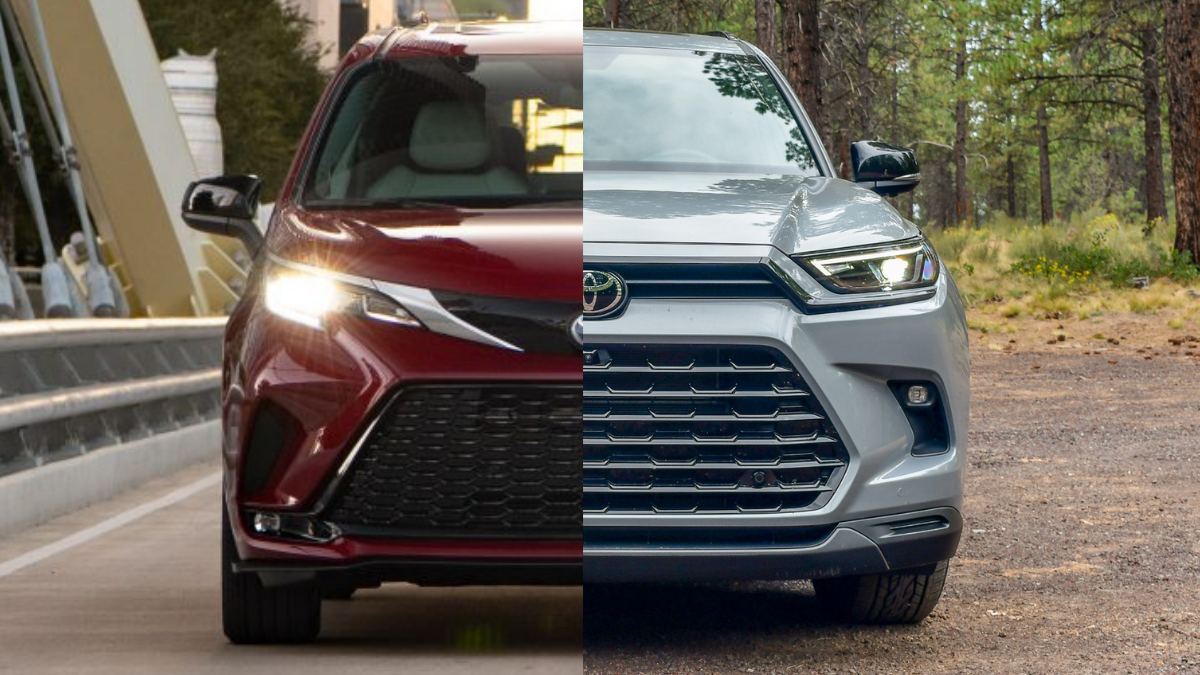
The minivan might be king after all
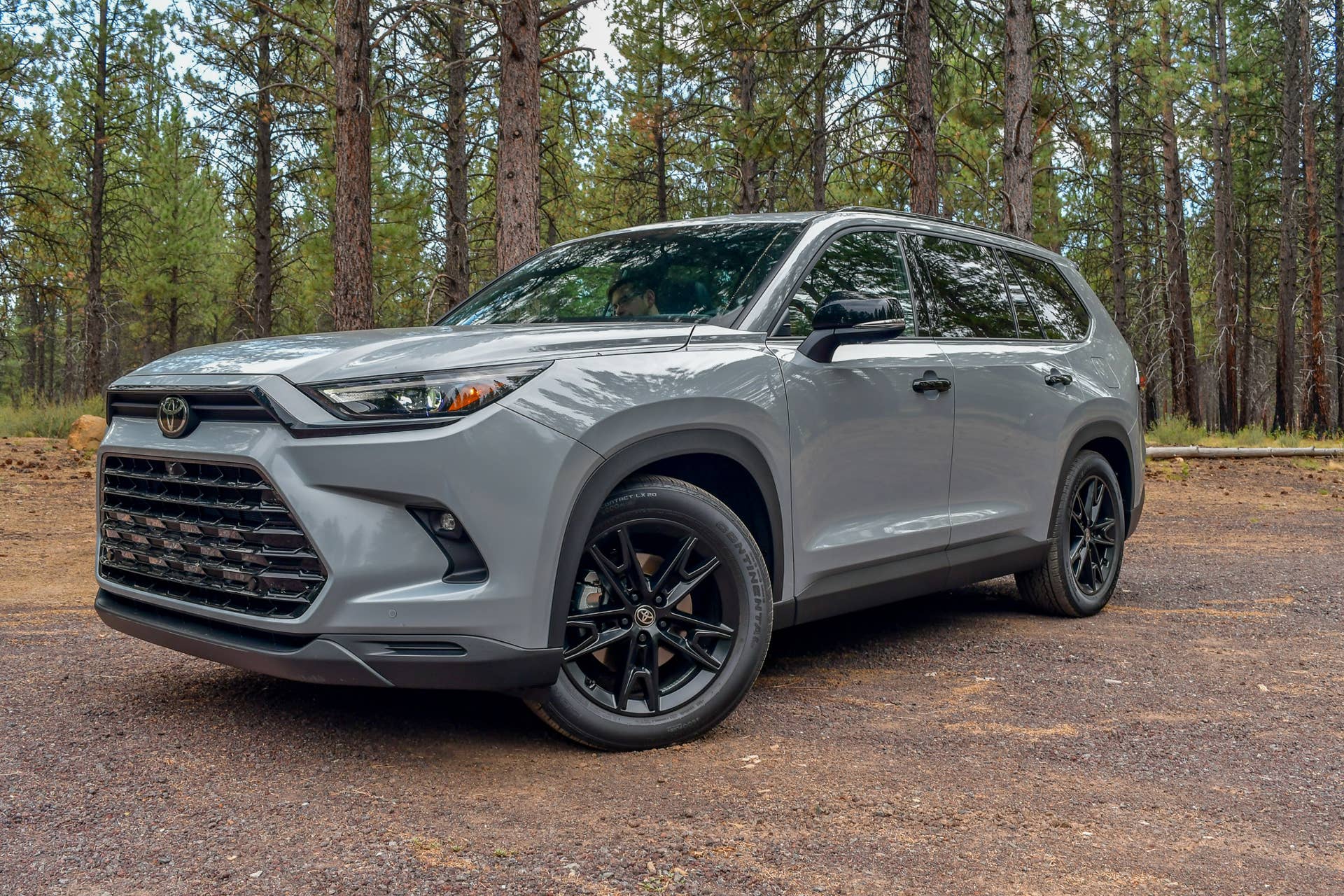
Don’t get it twisted–after spending a week behind the wheel of the 2025 Toyota Grand Highlander, I understood why they’re so popular for families, even though this is its second model year. For the price, you get ample passenger space, it’s not difficult to see out of, it was surprisingly easy to drive, and the hybrid powertrain helped move the heavy, AWD SUV efficiently and effectively. It’s also not all that expensive when you consider just how much you’re getting, especially if you get the Hybrid Max version (which is only a tad more expensive than the top-of-the-line Sienna).
Kristen Brown
Kristen Brown
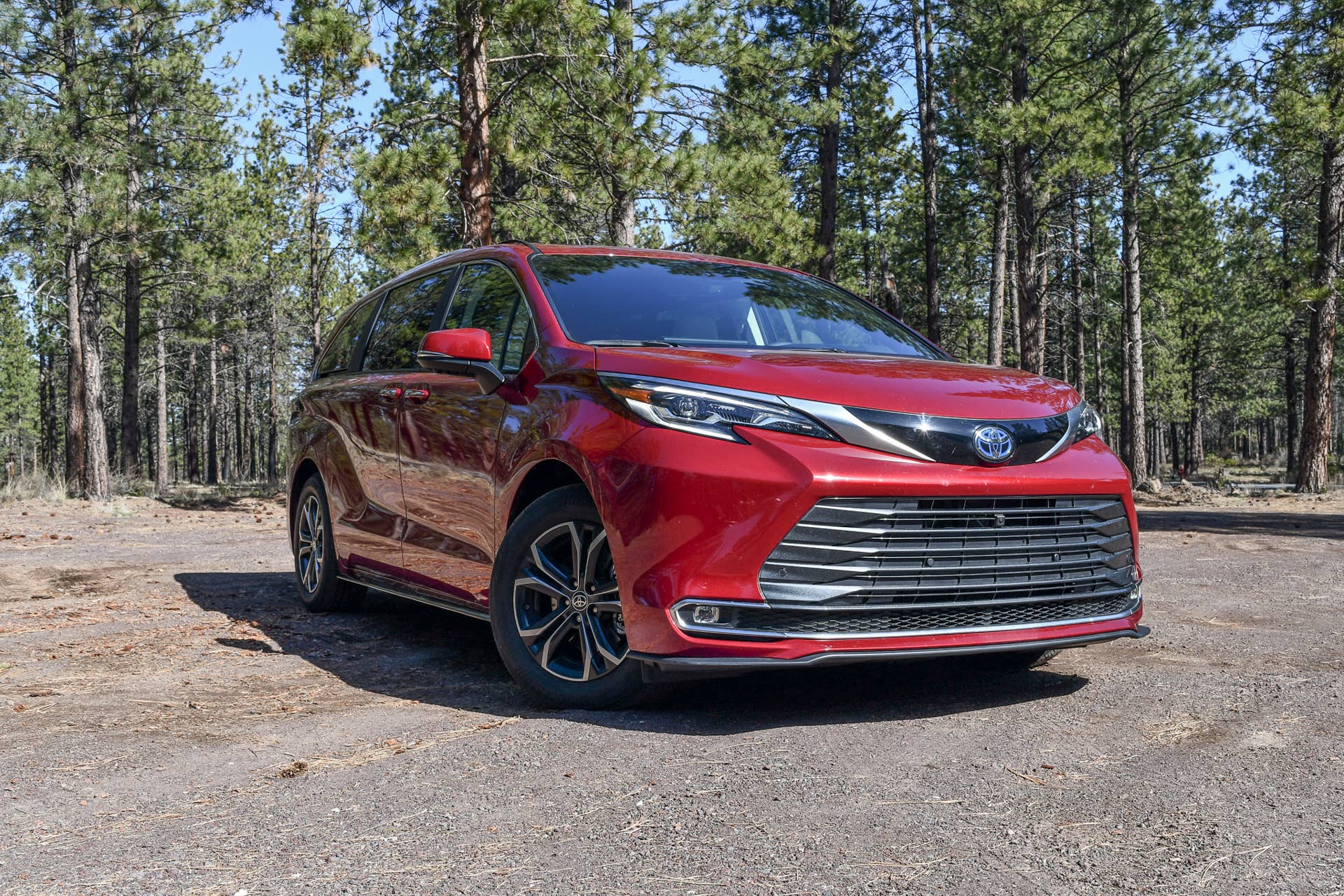
But it made me curious: if people are looking at the Grand Highlander for the passenger and cargo space, mileage, and a third row, why not just buy the tried and true Sienna minivan? It’s been proven time and time again that no three-row SUV, even the ones with a six-figure price tag like the Cadillac Escalade, Lincoln Navigator, or Jeep Grand Wagoneer, can match a minivan. I could rationalize it a few years ago when I was a minivan hater, but as a convert, I just don’t get it–even after reviewing both. Here are my thoughts.
Both are big, but the Sienna has more passenger and cargo space
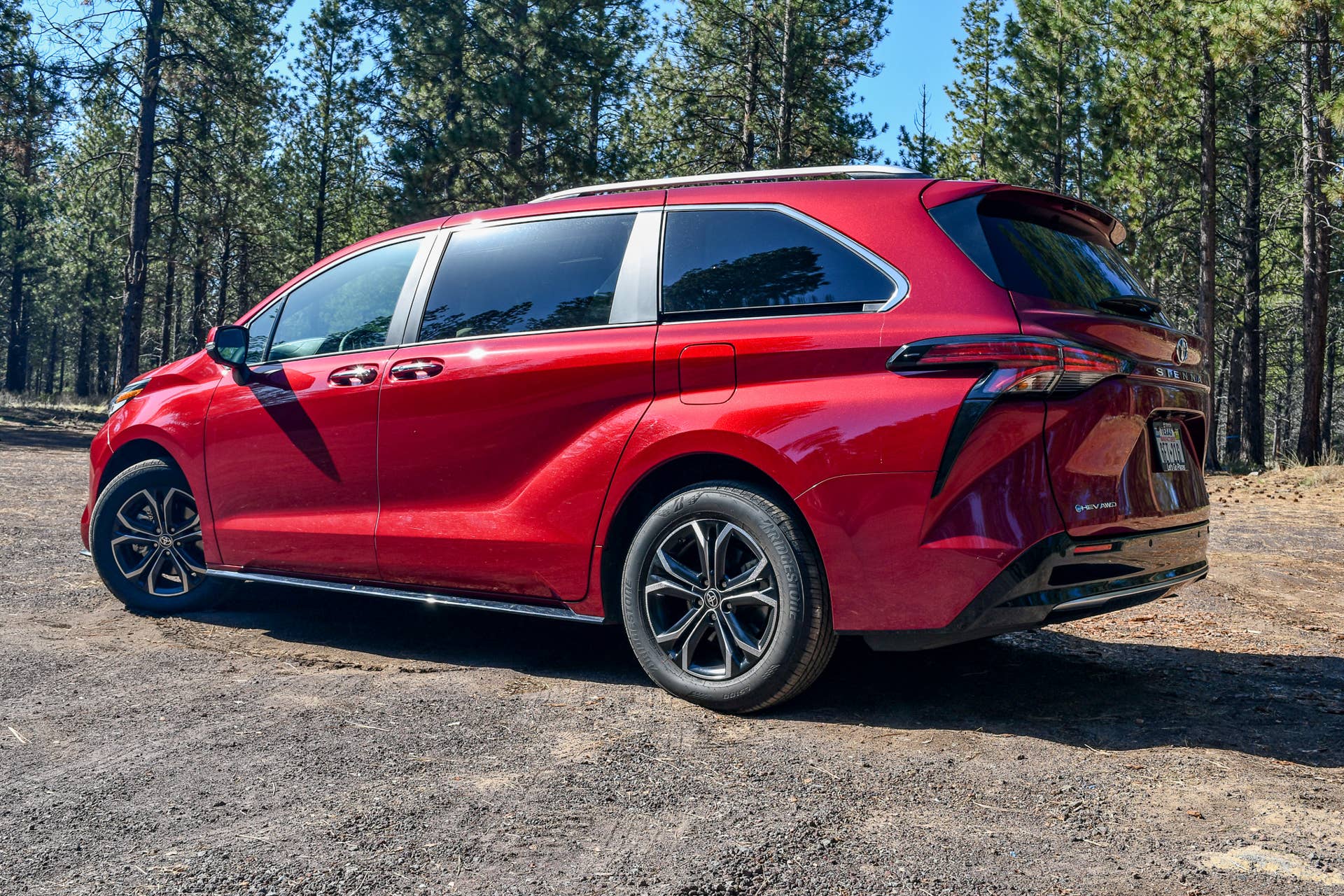
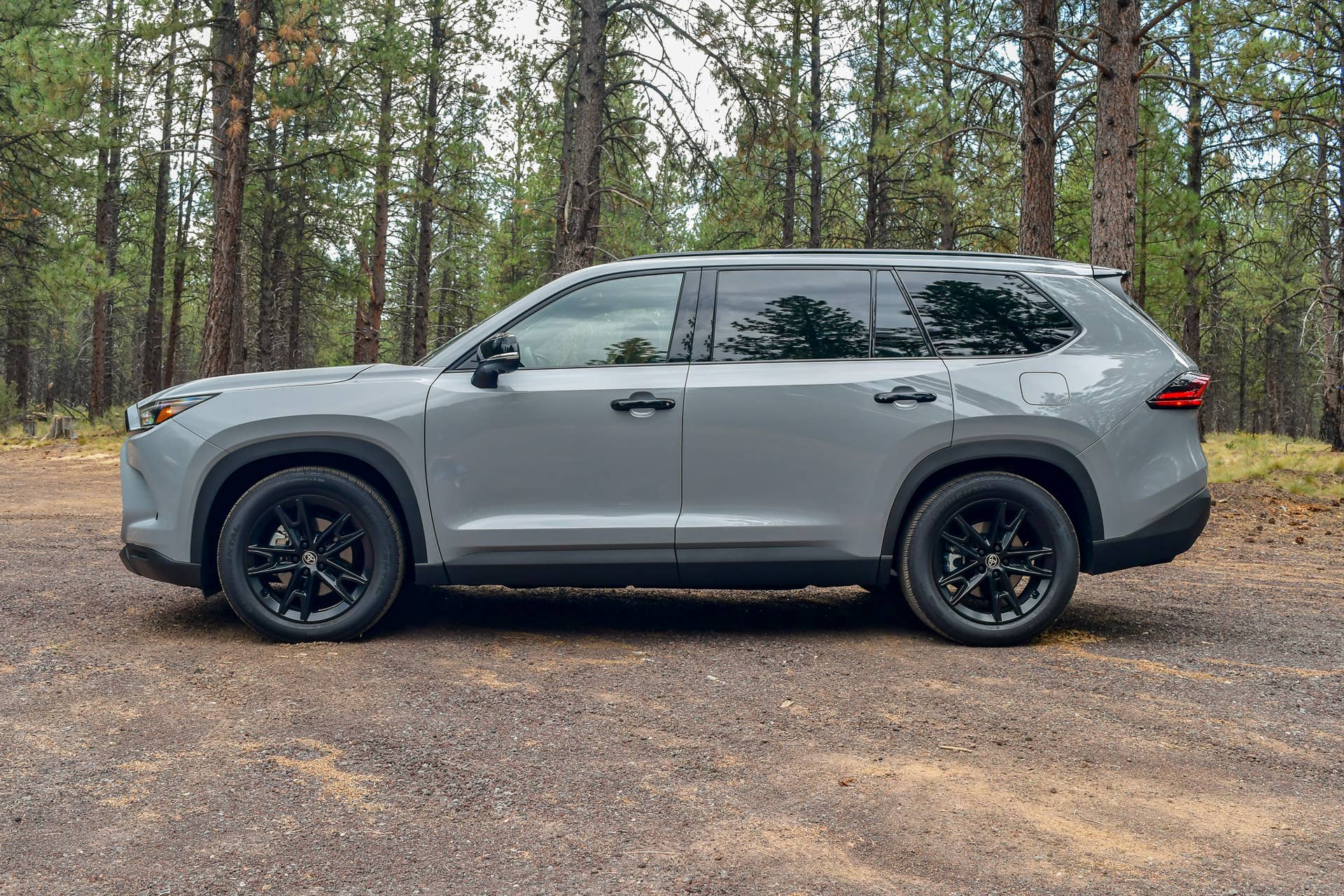
This is what I found most interesting about the Toyota Sienna compared to the Grand Highlander. If you’re a fan of numbers, the Grand Highlander is 201.4 inches long, 78.3 inches wide, and 72.1 inches tall, with a wheelbase of 116 inches. The Sienna, on the other hand, is 203.7 inches long, 78.5 inches wide, and 68.5 inches tall. The wheelbase is longer, too, at 120.5 inches. In layman’s terms, the Grand Highlander is marginally wider but noticeably taller than the Sienna, and only two inches shorter.
Kristen Brown
The passenger and cargo space, though, is where the differences are more apparent. Passenger volume, excluding the trunk, maxes out at 153.3 cubic feet in the Grand Highlander, while in the Sienna, you get 162.5 cubic feet at your disposal. You get more space behind the third row, too. In the Grand Highlander, you get 20.6 cubic feet behind the seats, while the Sienna offers 33.5 cubic feet. When you have the third row stowed away, the Sienna’s cargo space is hard to beat: 75.2 cubic feet versus the Grand Highlander’s 57.9 cubic feet.
Kristen Brown
It also should go without saying that the Sienna’s third row is a lot more comfortable and spacious, too, but the Grand Highlander’s third row was still surprisingly cozy. In the Sienna’s third row, you have over 38.7 inches of legroom compared to the Grand Highlander’s 33.5 inches. I’d much rather ride in the minivan for hours or fit a car seat in the back of the Sienna.
You have a lot more control and options in the Sienna, too
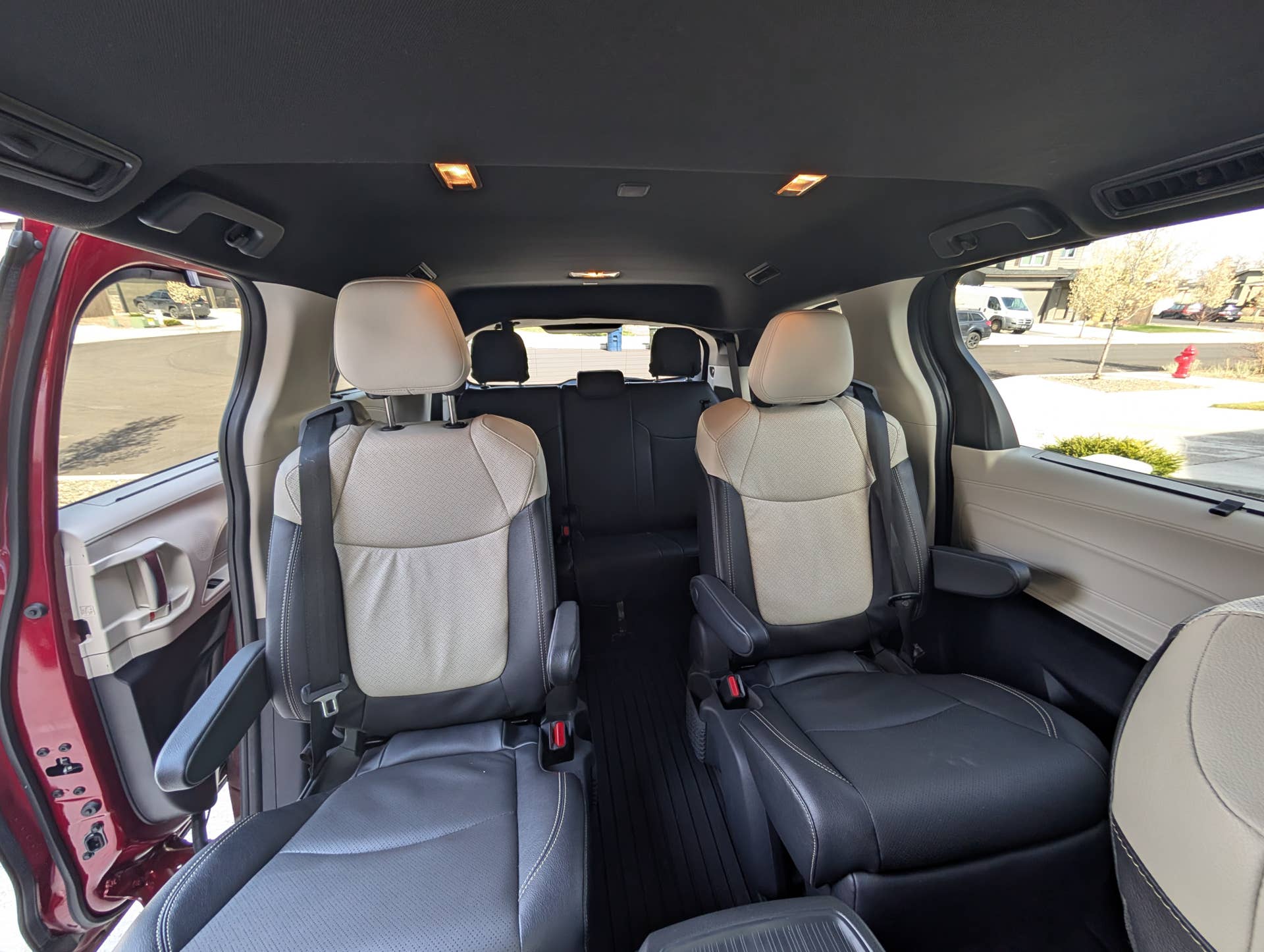
The Grand Highlander can be configured with captain’s chairs in the second row with an optional bench seat (depending on the trim, of course), while the Sienna usually comes with captain’s chairs in the second row, but can be fitted with a middle jumper seat that can be converted into an armrest with cupholders, or be removed completely if it’s not needed. This is obviously not an option in the Grand Highlander, and it’s the configuration I’d get if I were buying a Sienna, because you can switch back and forth between a 7-seater and an 8-seater, depending on your needs.
Kristen Brown
The Sienna, if you want, can also be built to have footrests in the second row captain’s chairs, as long as you get the Platinum or Limited trim. If there’s no one in the third row or in one of the seats, you could easily slide the seat back by up to 25 inches, recline it, and take a blissful nap, peering out of the optional sunroof. The Grand Highlander’s second row seats can recline, but they don’t offer integrated footrests.
Kristen Brown
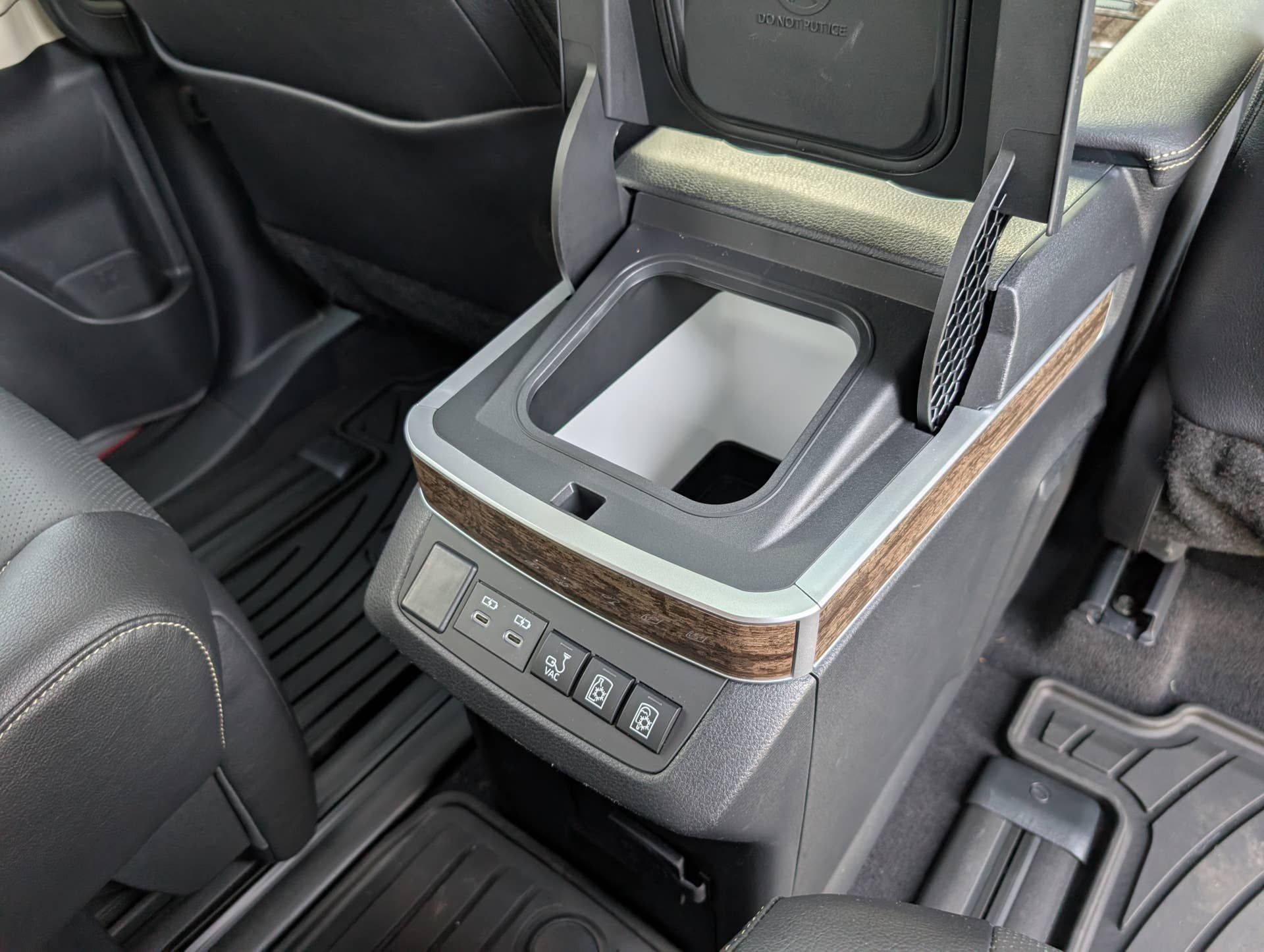
You can also have rear seat entertainment built into the Sienna, with high-resolution screens and headphones for long drives, sliding doors (say goodbye to denting people’s cars in tight parking spots), a wider and lower entry point, and the ability to open or close the doors on either side. You can’t do that in the Grand Highlander. In the Limited and Platinum trims, you even get a built-in vacuum and a beverage cooler. You won’t find those two family-friendly features on the Grand Highlander.
Depending on trim and options, both can be pretty pricey
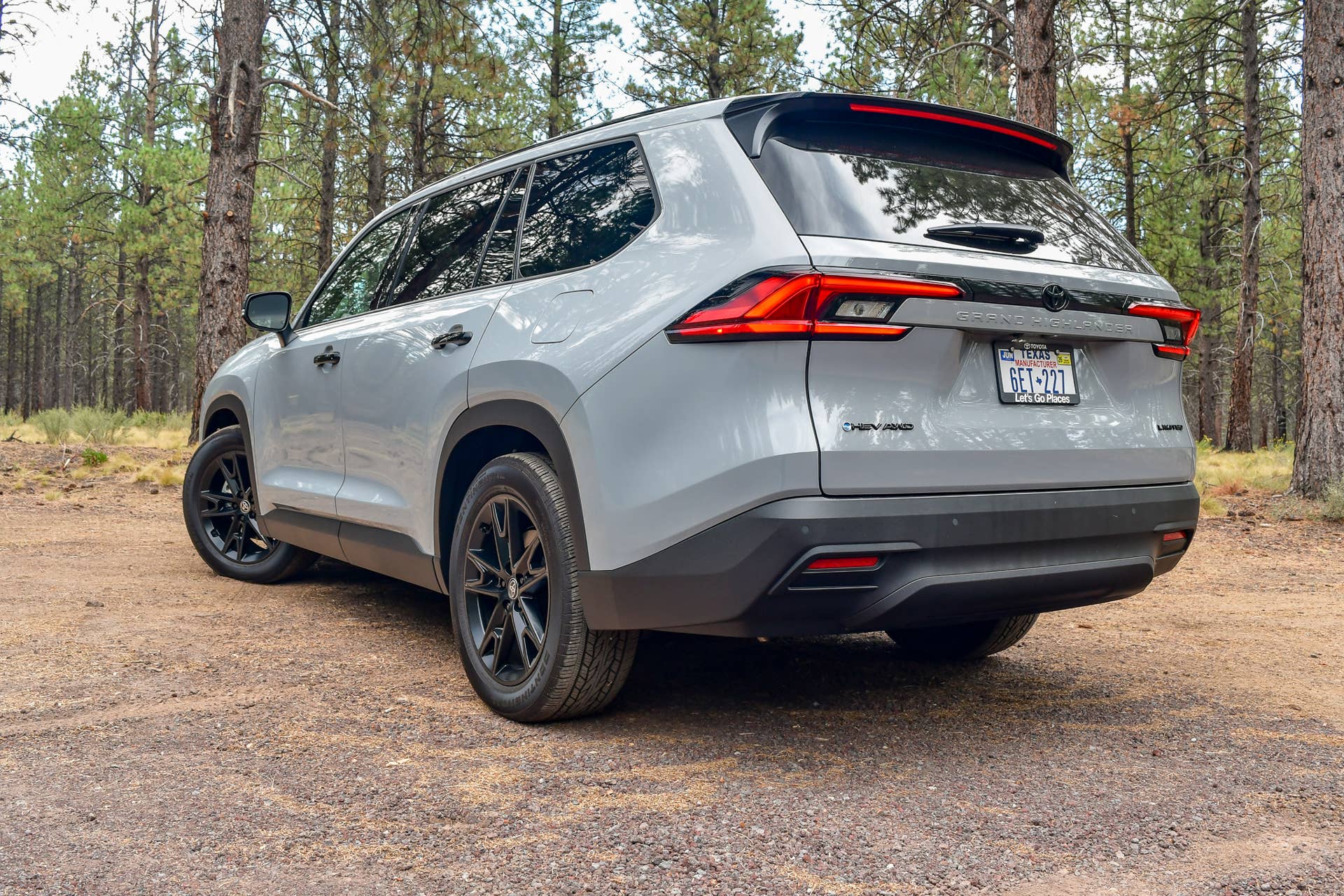
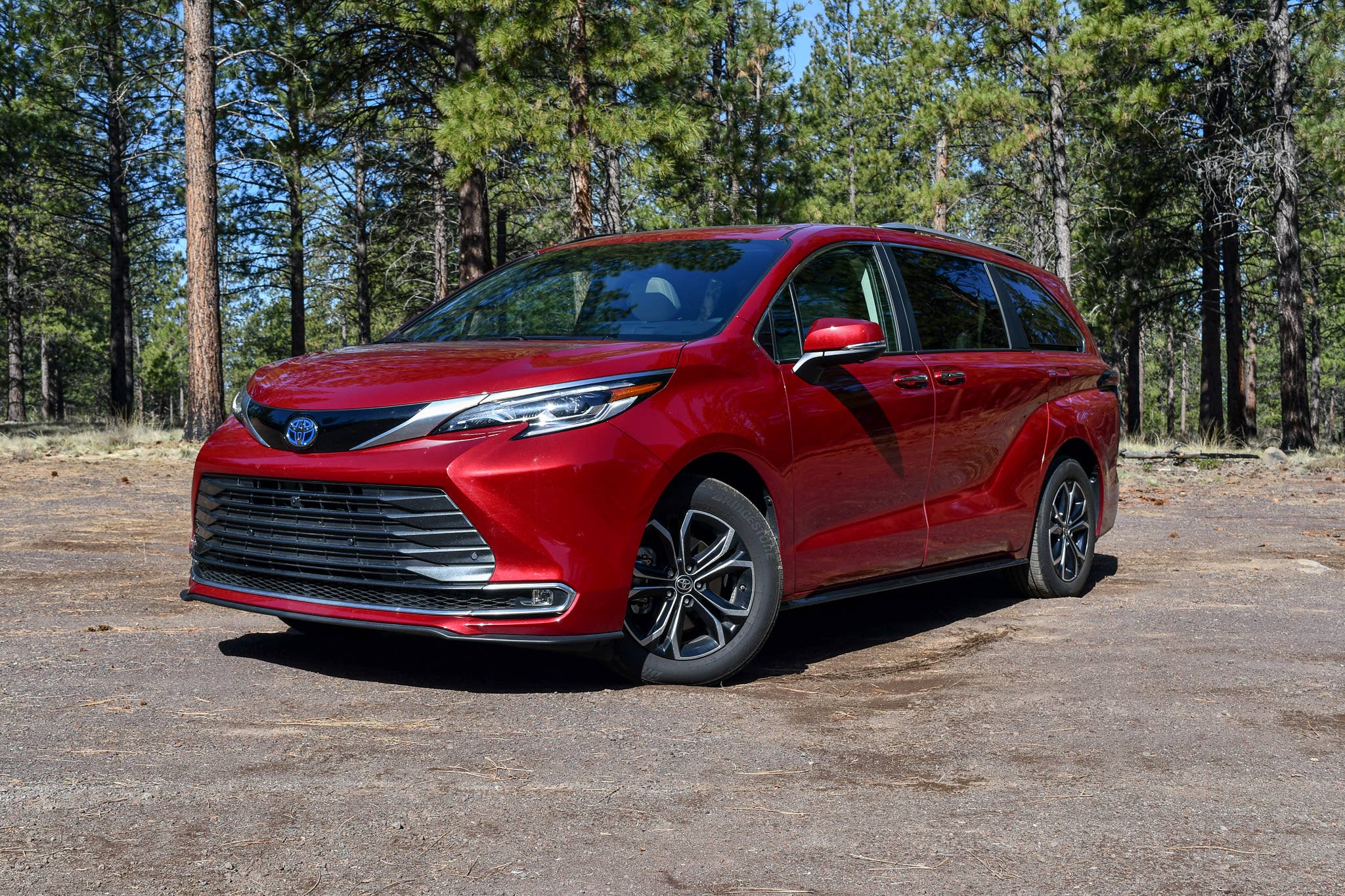
At the base model, the Sienna is much more affordable at $39,485–but it’s front-wheel drive. The most expensive Sienna is the Platinum AWD hybrid, and if you go with all the add-ons, you’re looking at $59,080 excluding destination fees and taxes. That’s a pretty extensive range, but the Grand Highlander’s is more vast, as it comes in 10 different flavors instead of just six.
Kristen Brown
Kristen Brown
The base model, which is gas-only and front-wheel drive, starts at $41,360 and goes all the way up to $59,275 for the Hybrid Max Platinum. So, technically, the Grand Highlander is more expensive, depending on how you configure it, just like the Sienna. But if you paid close to $60,000 for the Grand Highlander, you can at least take solace in the extra power from the Hybrid Max system.
If power and towing are important, the Grand Highlander is a solid choice
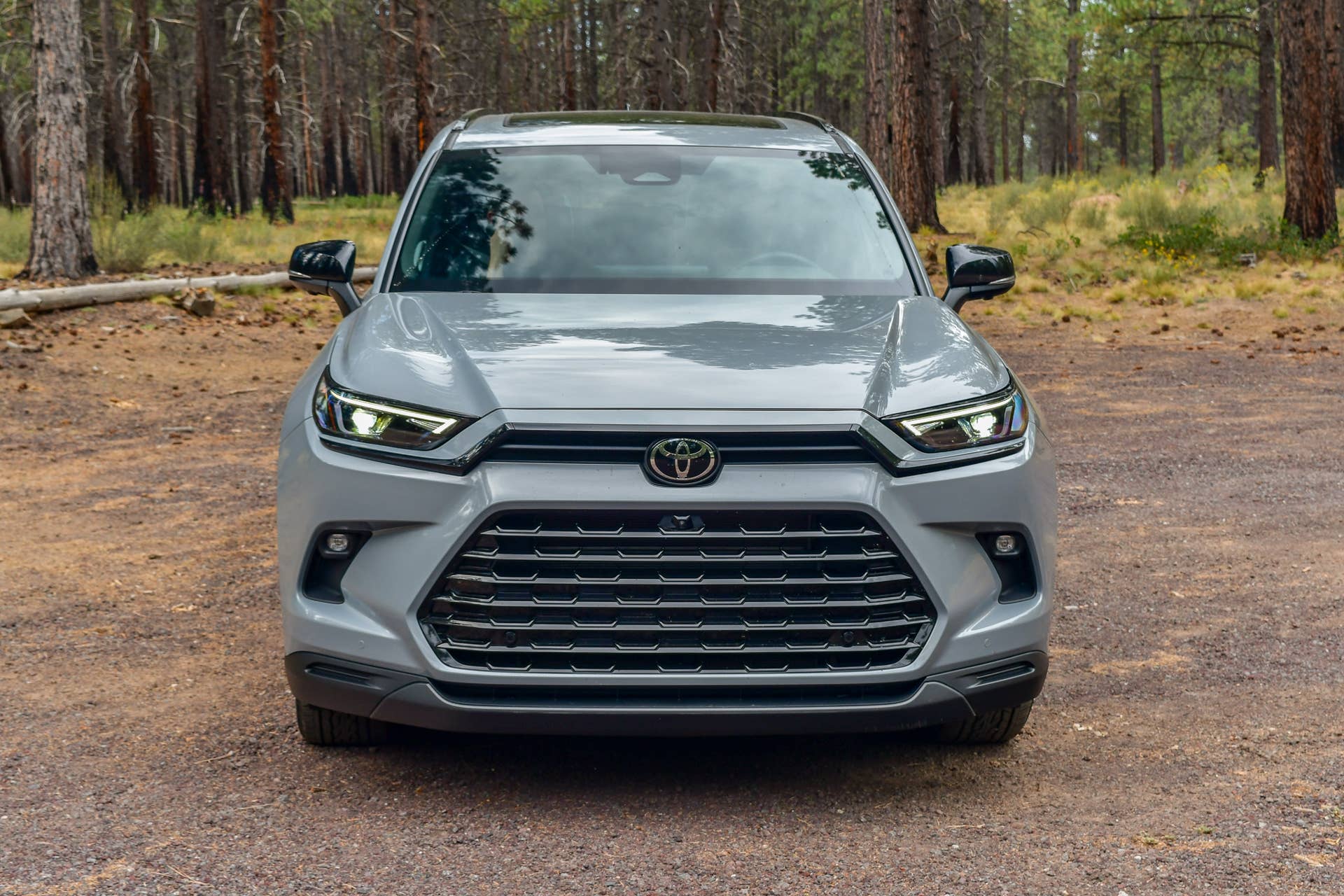
In true Toyota fashion, both family vehicles can be configured multiple ways. The Sienna and the Grand Highlander can both be two-wheel drive or all-wheel drive. For 2025, the Sienna is hybrid only, while the Grand Highlander can be gas-only, a hybrid, or a Hybrid Max. The gas-only model comes with a 2.4-liter turbocharged four-cylinder engine that makes 265 horsepower, while the standard hybrid setup (that the Sienna has) utilizes a 2.5-liter naturally aspirated engine with an electric motor making 245 horsepower. The Hybrid Max engine uses the 2.4-liter turbo engine with a single electric motor to make 362 horsepower.
Kristen Brown
A higher horsepower and torque rating for the Grand Highlander brings its towing rating from 3,500 lbs to 5,000 lbs. If you need to regularly tow a camper or trailer, that’s a much better option than the Sienna, which has a max towing rating of 3,500 lbs. If you needed to tow more than 5,000 lbs, I’d look at a Ram 1500 with the Super Cab, or a Ford F-350 diesel with the extended cab.
Final thoughts
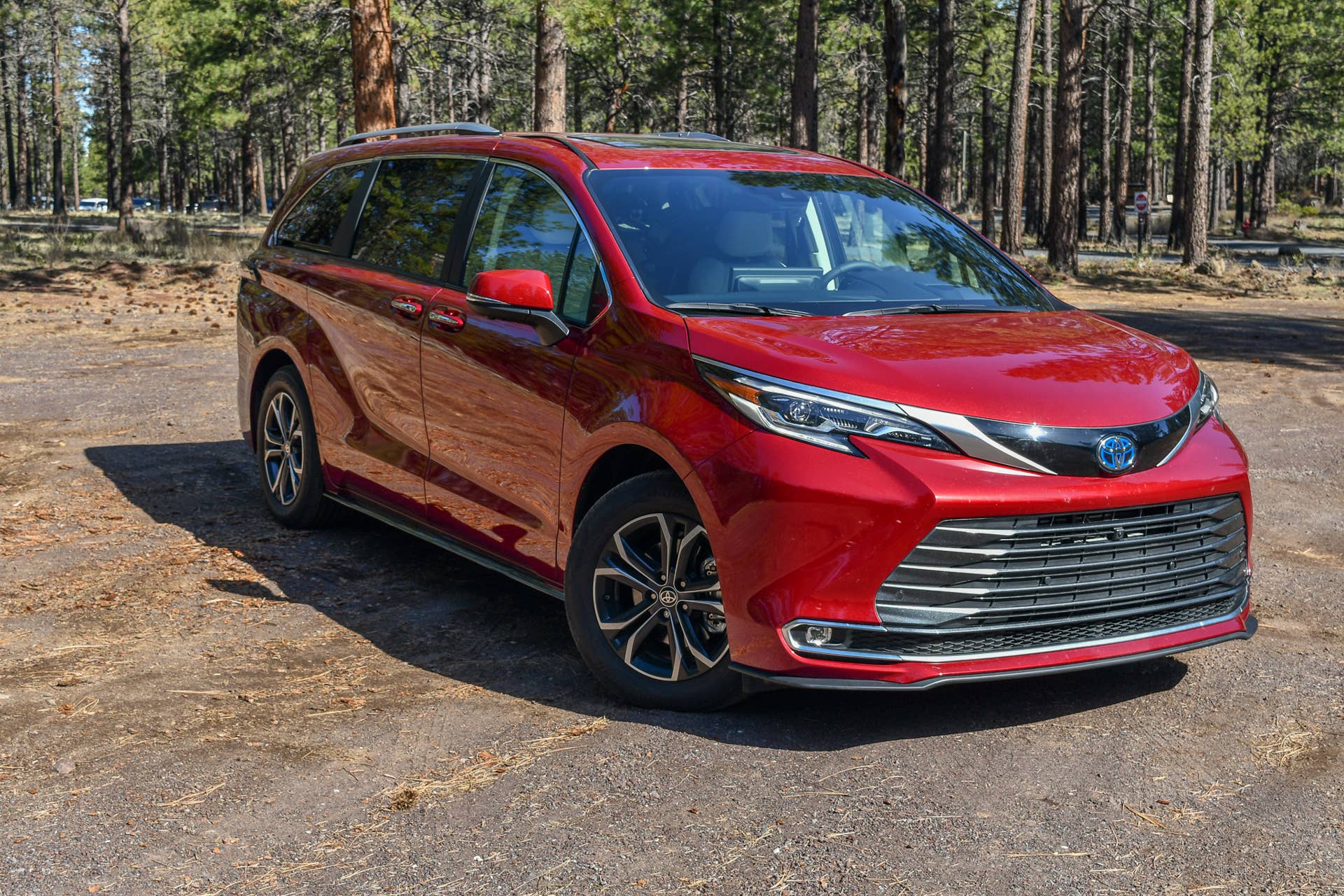
Having driven both, I loved both of them as family cars. But, if I had to choose between the two, I’d pick the Sienna, mainly because the features, versatility, and ease of entry and exit mean it grows with my family’s needs and can comfortably fit the whole family. The Grand Highlander was a great SUV if you refuse to buy a minivan, but as far as passenger and cargo space goes, it doesn’t hold a light to the Sienna at all.
Kristen Brown
To put it simply, the Sienna is great for families with 2-4 small kids because it’s easier to load car seats in, the sliding doors make it even easier to haul kids around, and the cargo space is unbeatable. I’d recommend the Grand Highlander to families with older kids, like middle or high school-aged kids, because you won’t need to hassle with car seats, but you’ll still have extra space for Timmy to come over after soccer practice. Grandparents with multiple grandchildren would likely prefer the Grand Highlander over the Sienna, because when the grandkids aren’t visiting, the Grand Highlander is nicer to drive every day over the minivan.
About the author

Kristen Brown
Contributing Writer, Autoblog