
Nearly identical starting prices with different approaches
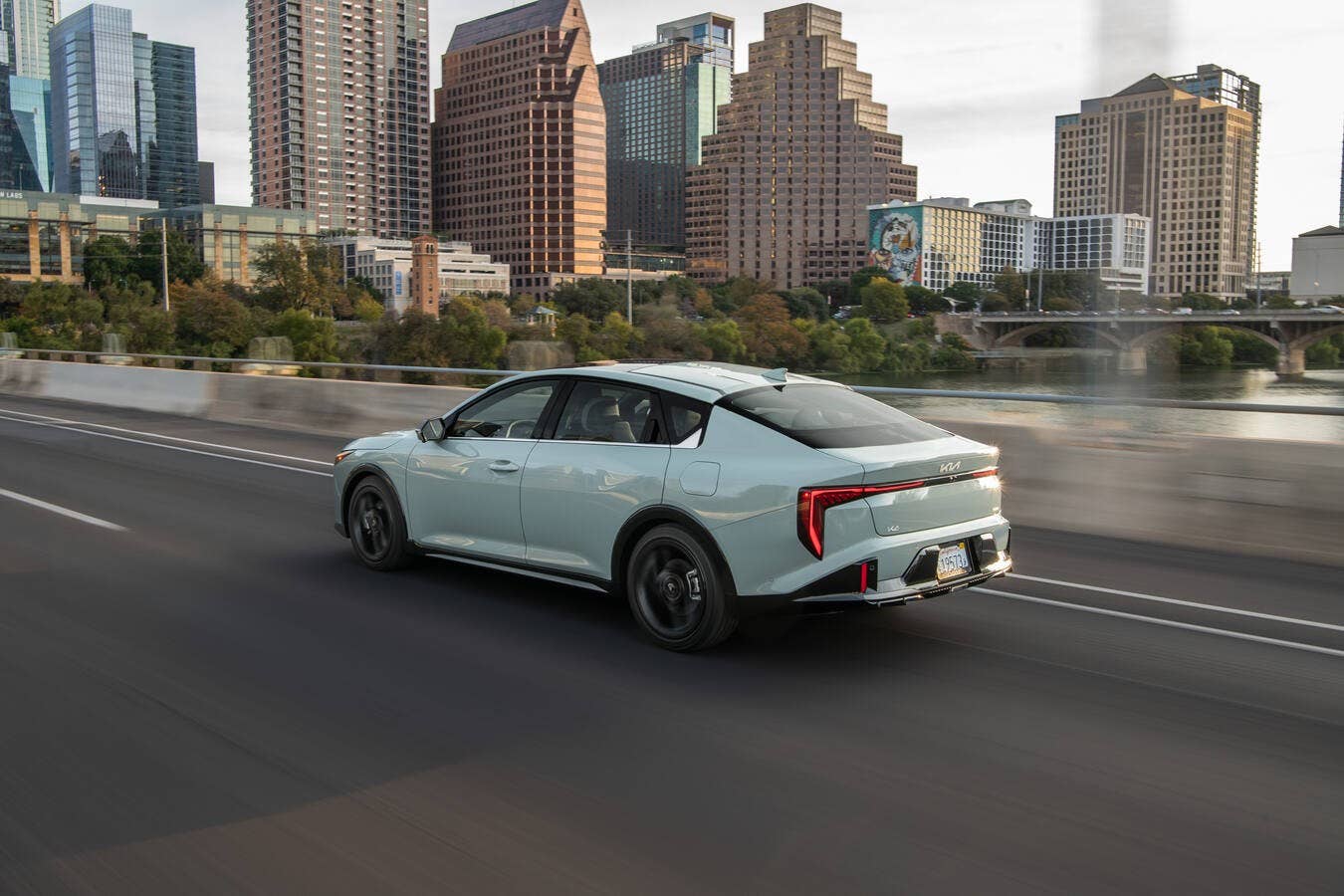
While Kia’s K4 is introducing a hatchback for the 2026 model year, we’ll be comparing its 5 sedan trims to the Elantra’s 5 sedan grades, exploring performance, interior amenities, connectivity, and safety. Both compact sedans, the 2026 K4 starts at $22,190, while the 2025 Elantra is priced from $22,125. Besides the K4 hatchback’s debut, the K4 remains unchanged a year after its premiere, whereas Hyundai slightly tweaked the Elantra’s lineup by replacing the SEL trim with the SEL Sport and turning the Convenience package into the SEL Convenience trim. Learn more about what the 2026 Kia K4 and the competing 2025 Hyundai Elantra offer with the rest of our guide below.
Exterior design spotlight
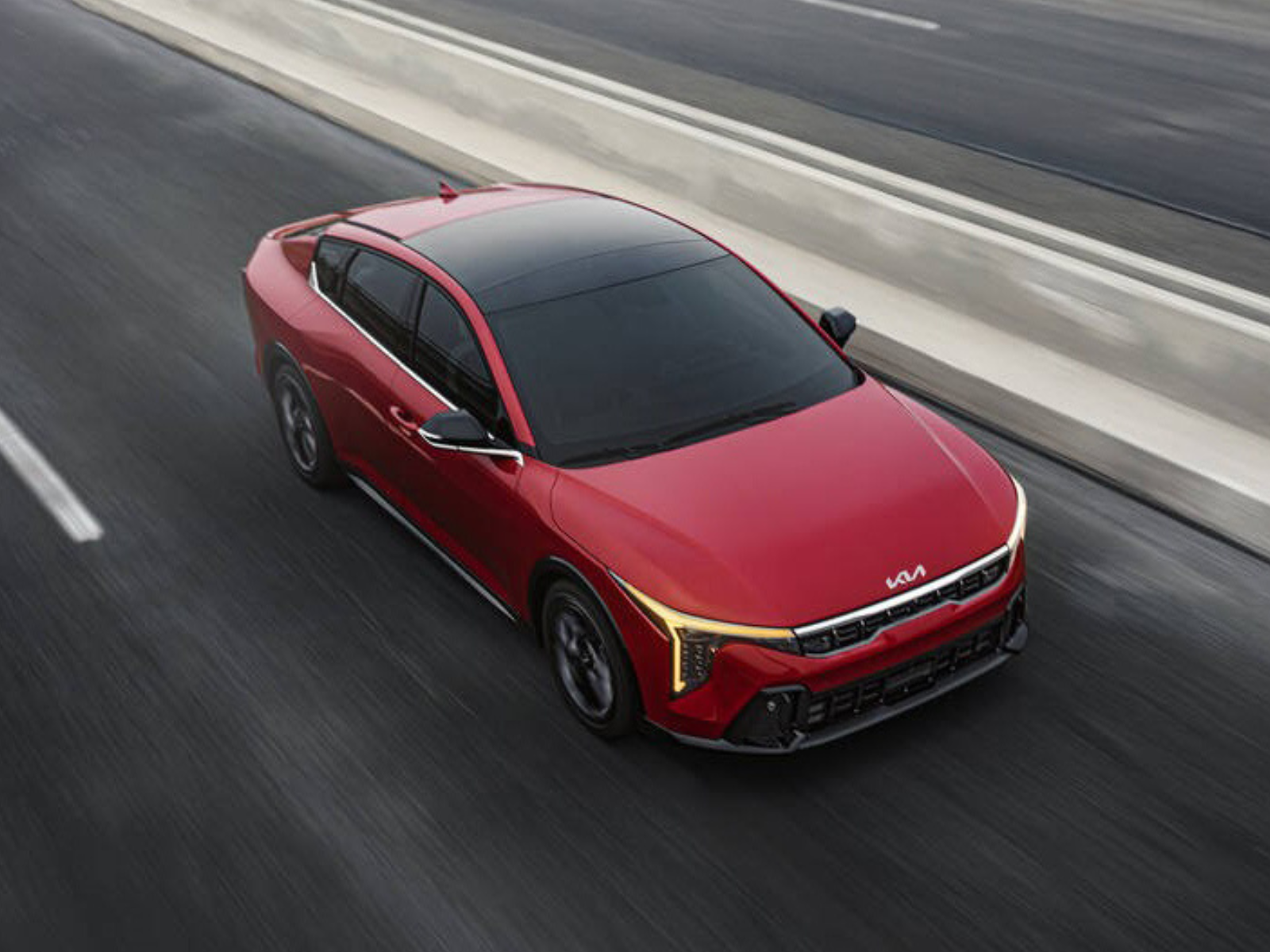
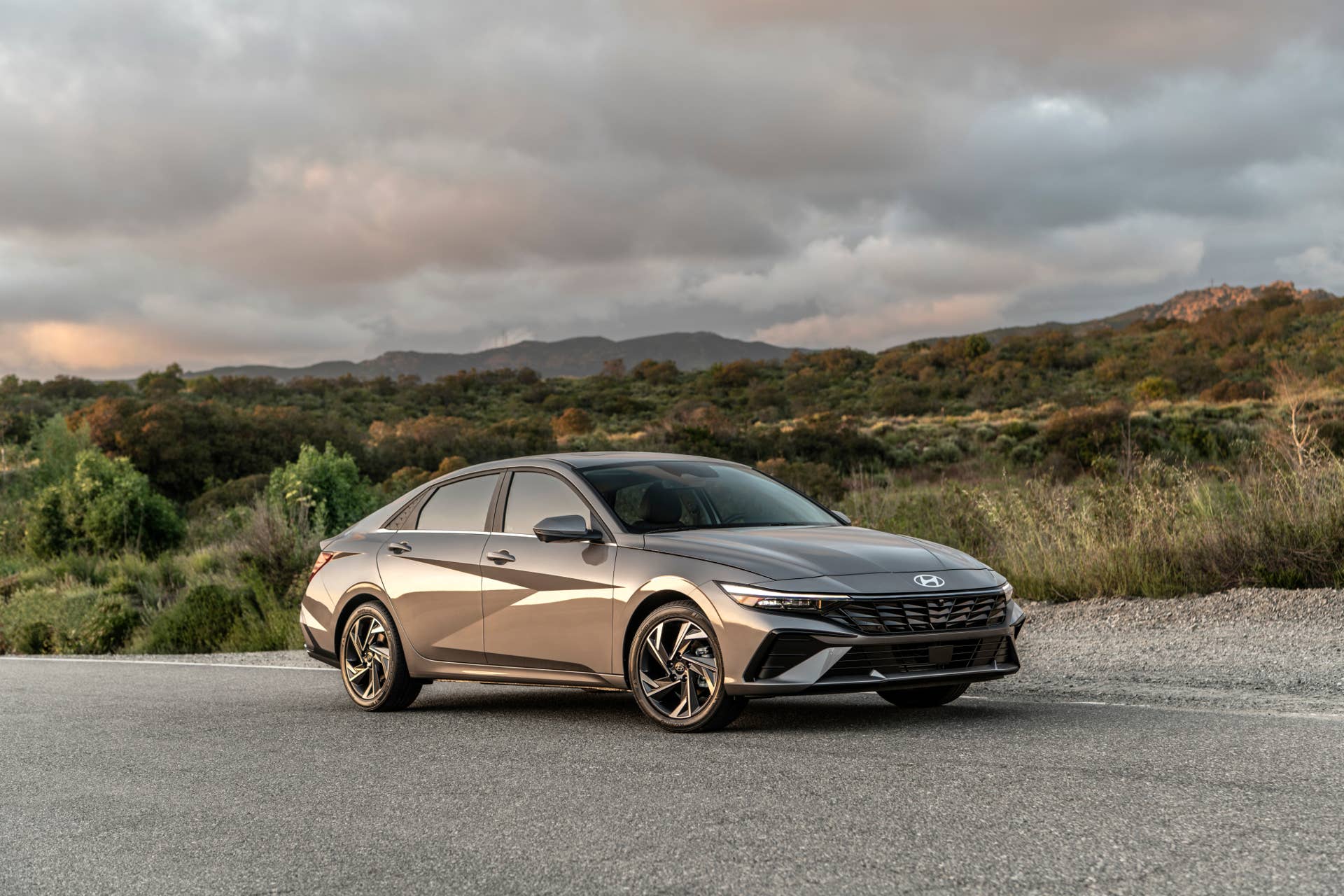
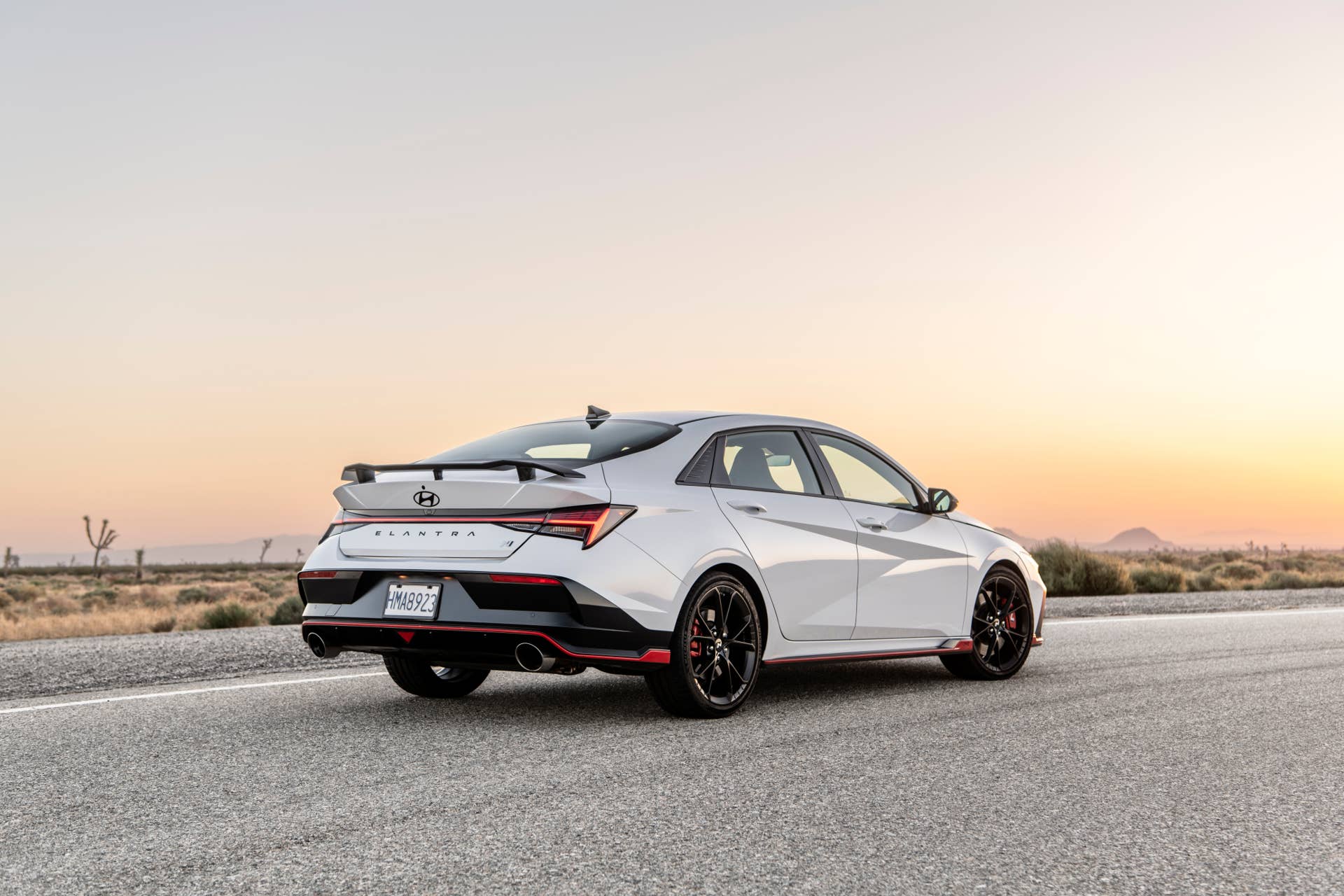
Kia’s K4 leans into a futuristic fastback design characterized by sharp angles and a coupe-like profile. In contrast, the Elantra features a more muscular look with sculpted lines, blending conventional modern appeal with sporty looks. Both sedans offer seven exterior color choices, but unlike the Elantra, the K4’s entry-level trim features heated side mirrors. Additional advantages the K4’s exterior has over the Elantra’s are its standard smart trunk (available only on higher Elantra trims), available headlights as an upgrade, and standard LED taillights (optional on the K4). Both models have available sunroofs, but the K4’s is wider, creating a more airy feel inside.
The K4’s smart trunk opens automatically when you stand behind the vehicle with your smart key, which isn’t included with the Elantra, and its available LED fog lights also aren’t present on any Elantras. Kia’s K4 additionally offers alloy wheels starting at 16 inches, which some might prefer over the Elantra SE’s 15-inch wheels. However, the K4 LX trim’s 16-inch wheels use covers, so the appearance of the Elantra SE’s 15-inch alloys prevails. Drivers interested in helping the Elantra’s exterior stand out over the K4 can opt for an N Line trim with elements like an aggressive diffuser. While design preferences vary, the K4’s exterior is objectively better equipped in standard and available equipment.
Why the Elantra’s performance is worth noting
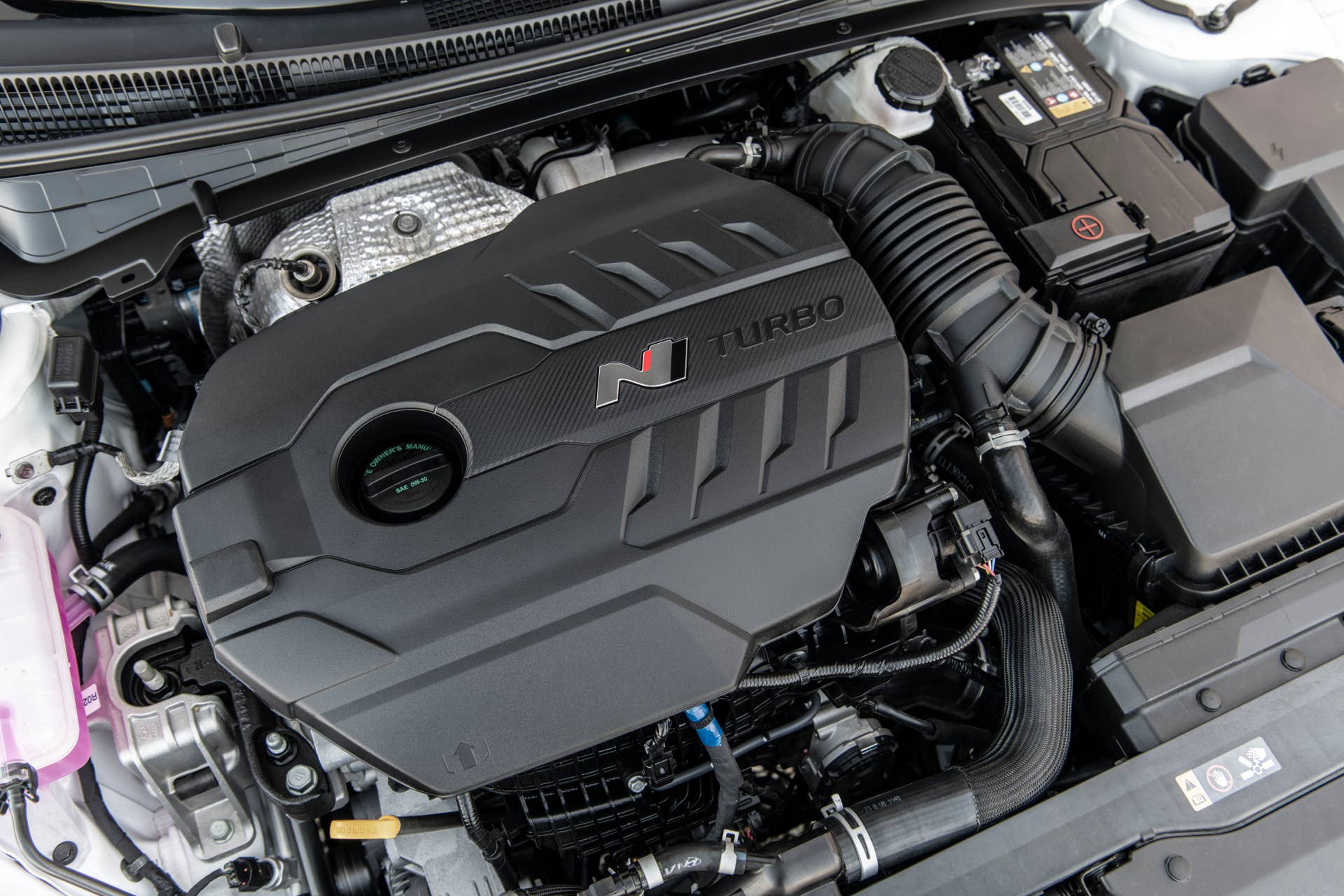
These compact sedans share platforms, so the base suspension and handling feel similar, emphasizing practicality through choices like an intelligent variable transmission on most trims for smooth, efficient power delivery. The peak 2026 K4 trim, GT-Line Turbo, contains a more relaxed 8-speed automatic transmission, while the top-tier 2025 Elantra N Line features a 7-speed Dual Clutch Transmission with higher engagement. Overall, you’ll get slightly better mileage in an Elantra, with its lineup’s fuel economy ranging from 28-32/35-41 city/highway mpg. The K4’s mileage is rated at 26-29/33-39 city/highway mpg. Elantra drivers also receive Normal, Sport, and Smart drive modes on all trims, whereas the K4’s integrated modes, limited to Normal and Sport, aren’t standard in the base grade.
Hyundai
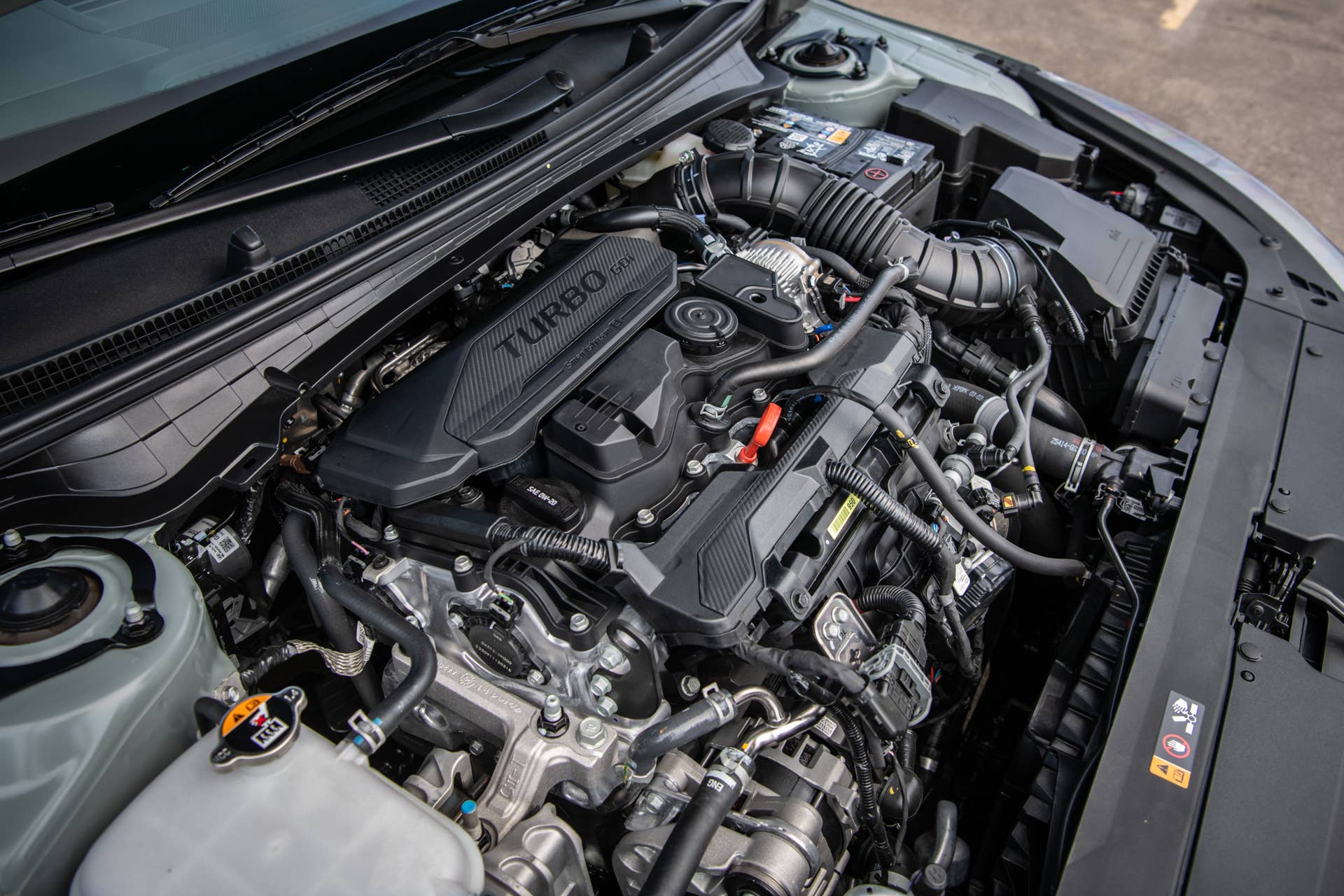
Both models are purely front-wheel drive (FWD) and feature a 2.0-liter inline-4 as their base engine, producing 147 horsepower and 132 lb-ft of torque. The K4 GT-Line Turbo and the Elantra N Line contain a 1.6-liter inline-4, but their horsepower differs slightly, with the K4 GT-Line Turbo delivering 190 horsepower and the Elantra N Line producing 201 horsepower. Higher fuel economy and standard integrated drive modes give the Elantra an edge in this neck-and-neck performance comparison.
Similar dimensions, different comfort levels
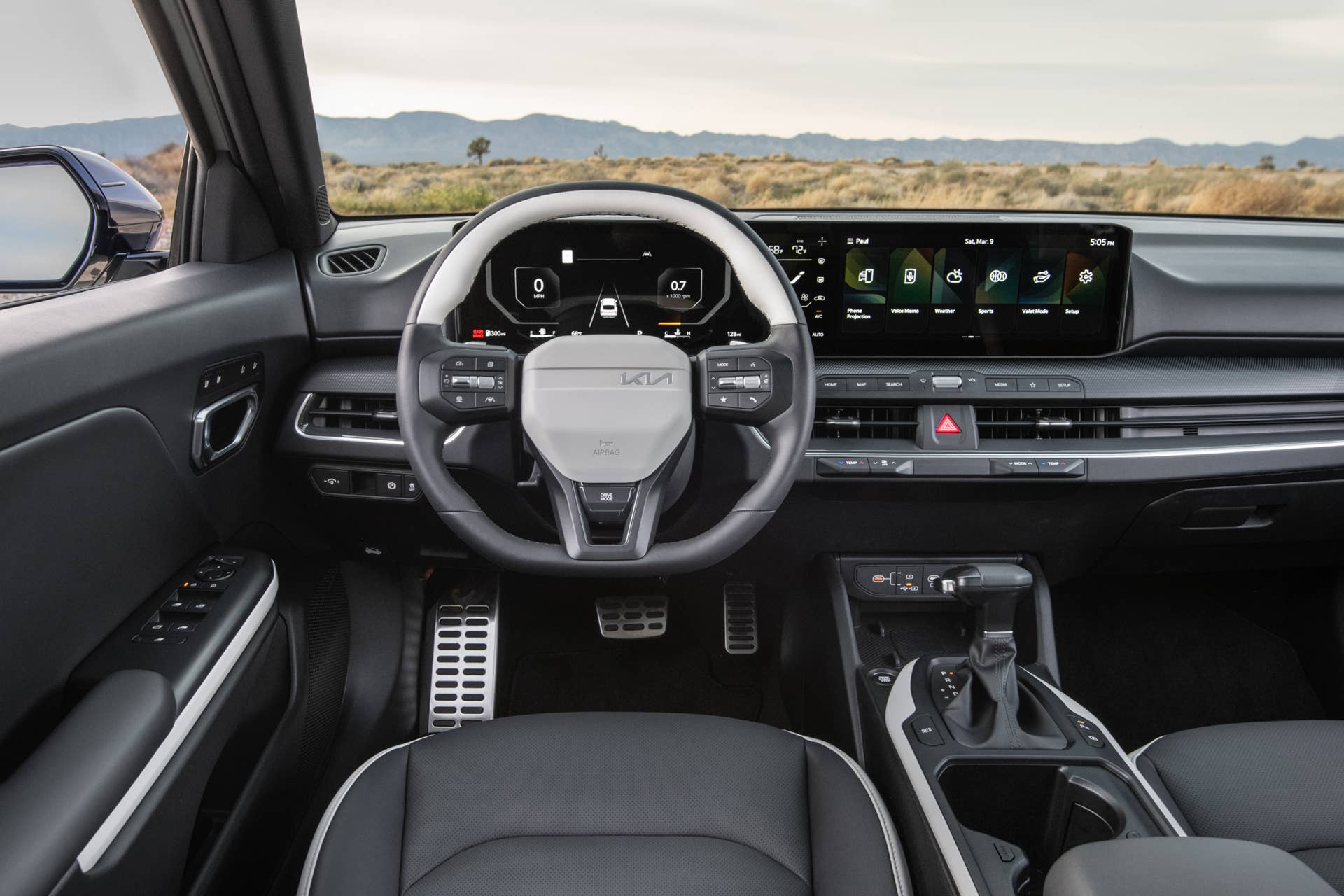
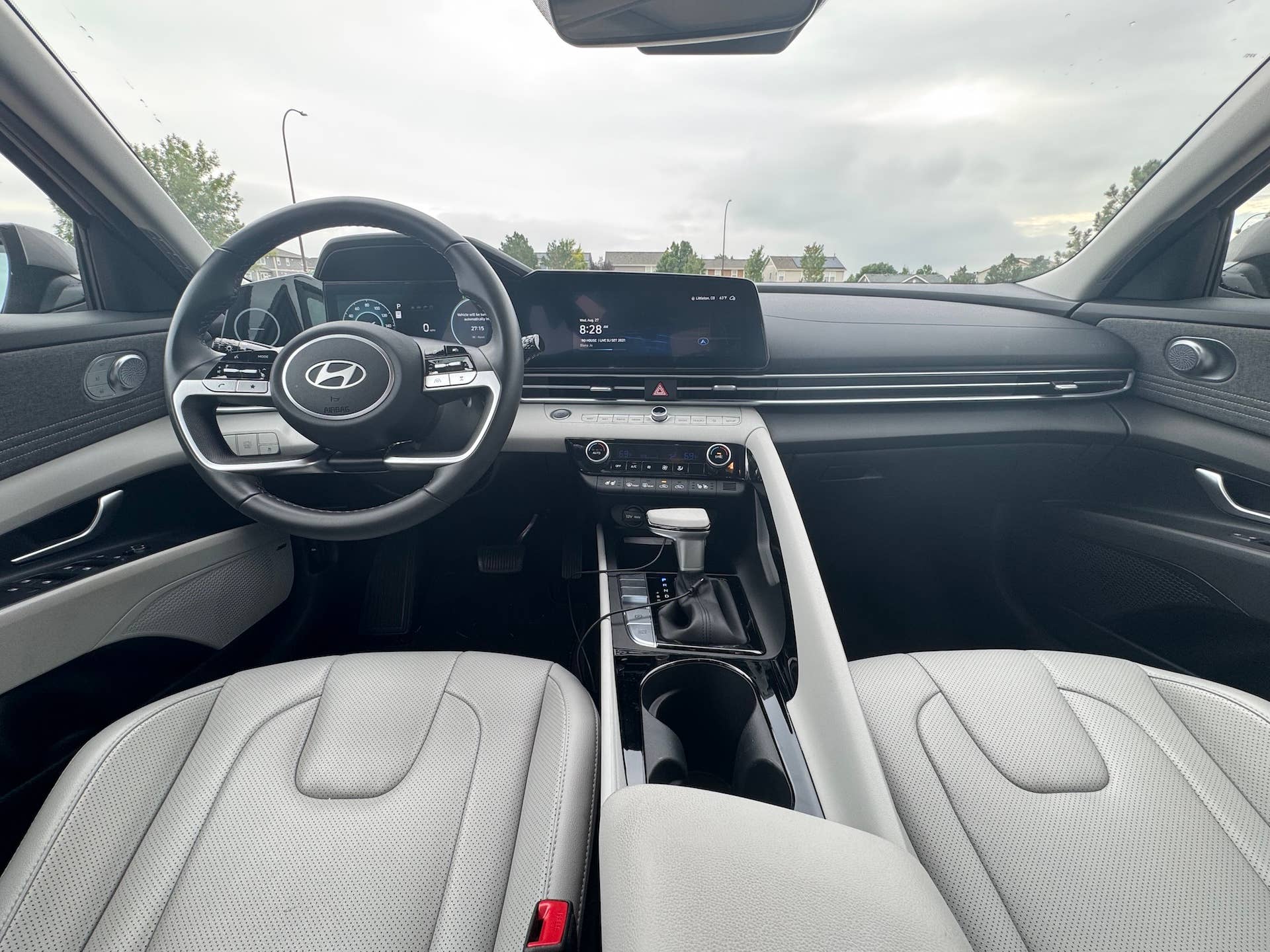
These vehicles’ dimensions are nearly identical across categories such as headroom, shoulder room, hip room, legroom, and trunk volume. However, there are additional differences in other aspects of interior comfort and convenience. The K4 has cloth seats in its initial two trims before transitioning to synthetic leather, and while the Elantra uses cloth seat material in its first three grades, its Limited trim has genuine leather, and the N Line features leather/cloth combination sport seats. Hyundai’s Elantra also contains a leather-wrapped steering wheel and shift knob in most trims, whereas the K4 again opts for a synthetic leather wrap. Still, the see-saw continues, with only the K4 offering an available heated steering wheel, an optional 10-way power driver’s seat, and a 6-way front passenger seat. In comparison, the Elantra underwhelms with a 6-way driver’s seat and a 4-way front passenger seat. Despite standard dual-zone automatic climate control being in all Elantra trims except the base, it doesn’t have the K4’s available ventilated front seats. Kia’s K4 seals its victory in comfort and convenience with a quieter cabin.
A rundown of the K4’s superior connectivity and safety
Many drivers emphasize display sizes, and the K4 wins with a standard 12.3-inch infotainment touchscreen and an available 12.3-inch digital instrument display. In contrast, the Elantra features a 10.25-inch infotainment touchscreen and an available 10.25 digital instrument cluster. The K4 also has standard wireless Apple CarPlay/Android Auto, while the Elantra lacks this feature across 3 of its 5 trims. However, the K4’s speakers range from 4 to 8, depending on trim selection, whereas the Elantra’s audio configurations feature 6 or 8 speakers, and this Hyundai also offers digital key functionality on 2 of its trims, unlike its Kia counterpart, which has it for a single grade.
Joe Santos
These compact sedans mirror each other’s core standard safety systems in many ways, but the K4 establishes an advantage in more ways than one. Advanced safety features available on the K4 that you won’t find in the Elantra include blind-spot collision intervention, a surround-view monitor, and front/rear park sensors. Additionally, unlike the Elantra, the K4 has standard rear cross-traffic collision-avoidance assist and a more comprehensive forward collision-avoidance assist system that adds cyclist and junction turning detection. Still, you should be aware that the K4’s base trim doesn’t have a blind-spot warning, and it didn’t win any Insurance Institute for Highway Safety (IIHS) awards. Hyundai’s Elantra won the IIHS’ highest safety award of Top Safety Pick+.
Final thoughts
The Hyundai Elantra holds an edge in performance and crash protection, along with a more compelling high-performance variant, but the K4 is the smarter buy overall, with more interior amenities, greater tech versatility, and an exterior that distinguishes itself with an available wide sunroof, standard heated side mirrors, and a standard smart trunk. Though Kia’s K4 is the smartest buy with its ability to offer more standard and available features at similar pricing, you should test drive both the K4 and the Elantra before making a purchase.
About the author

Cody Carlson
Contributing Writer, Autoblog