
Key Points
- The 2027 Honda Prelude combines 200 horsepower, hybrid efficiency, and performance hardware in a unique coupe.
- Its $42,400 starting price includes premium equipment, but exceeds most enthusiast competitors significantly.
- Lacking a manual transmission and trailing rivals in power, the Prelude may struggle attracting performance-focused buyers.
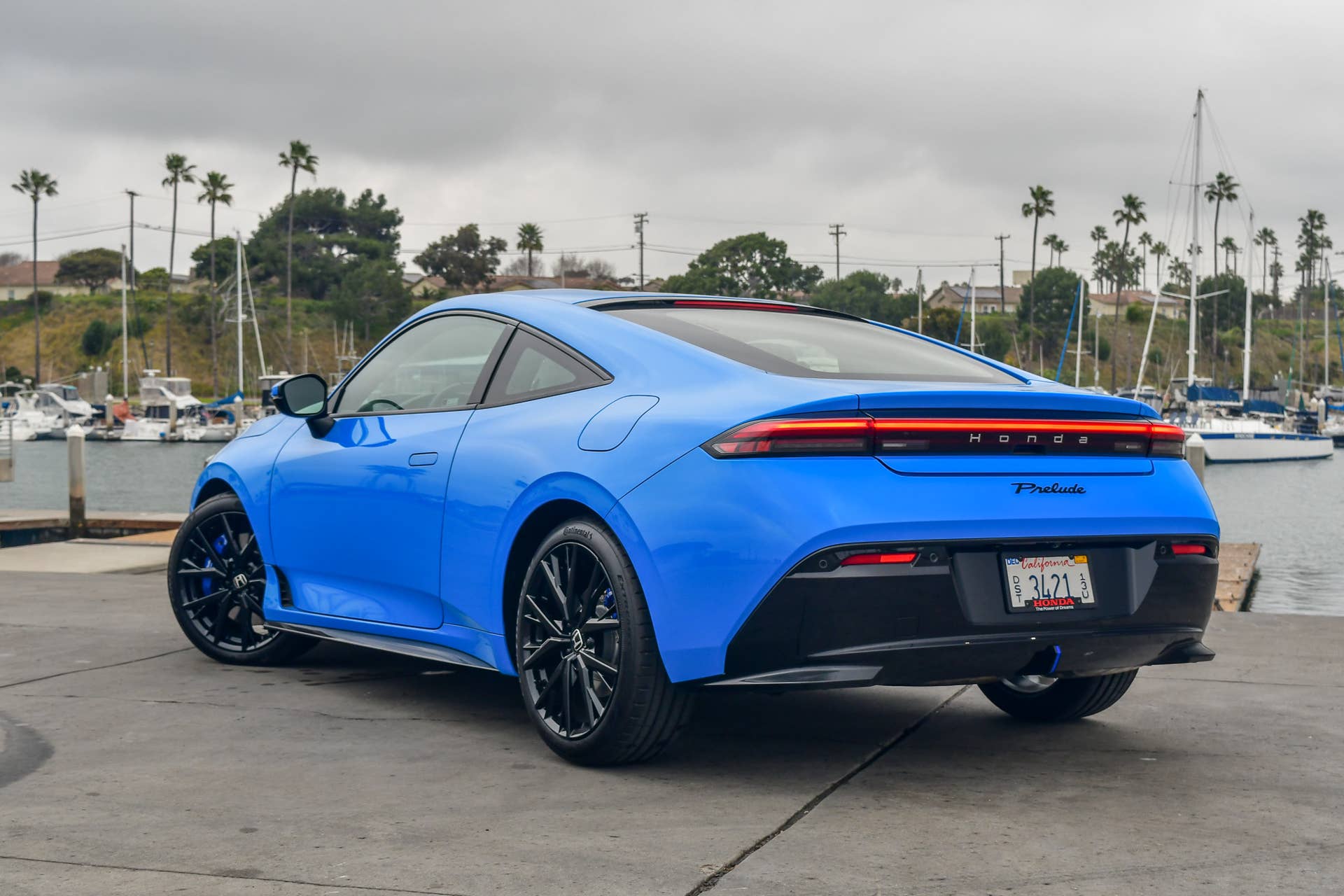
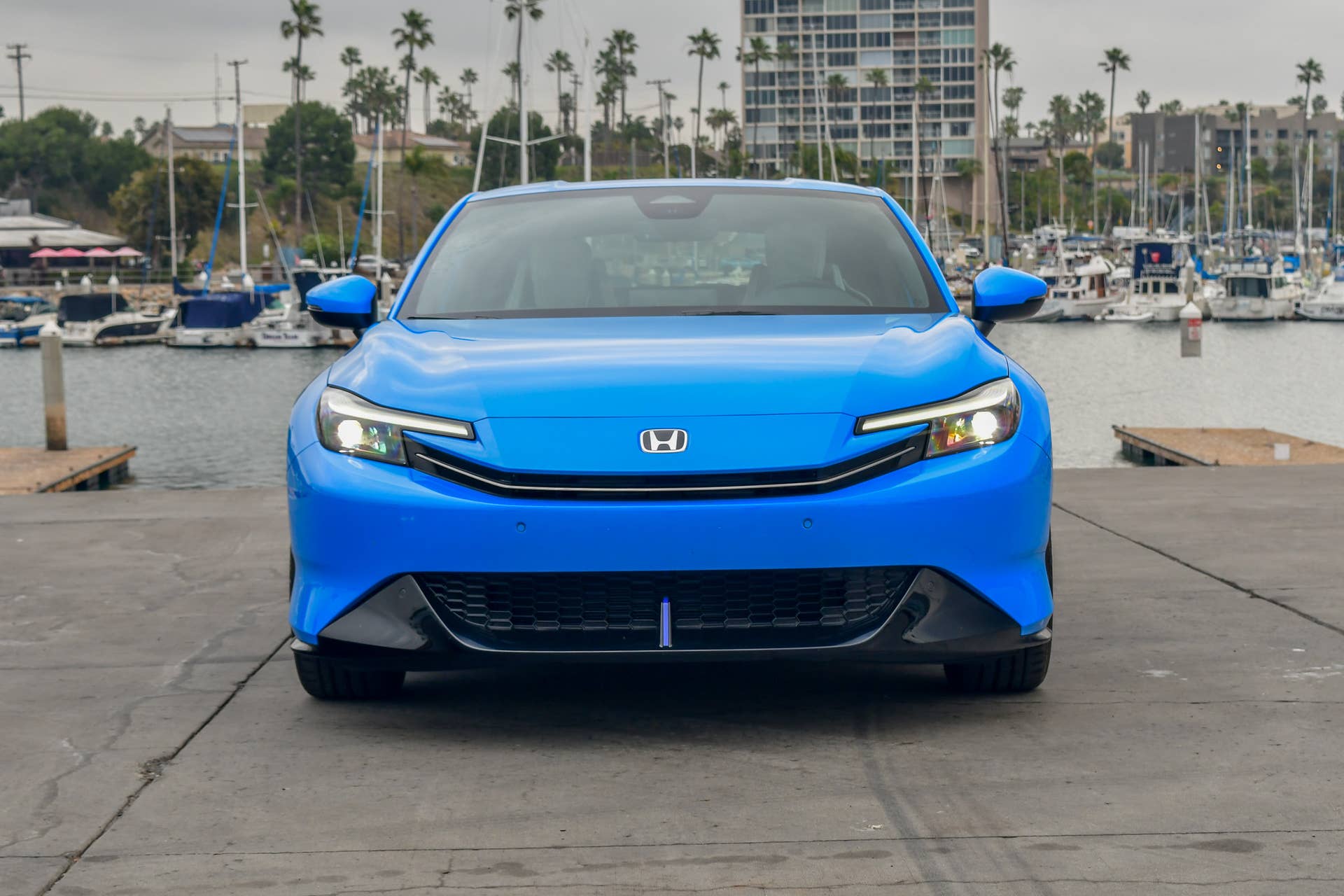
In the automotive industry, being unique can sometimes spell your downfall. If your audience is niche, it can feel impossible to appeal to the masses. It’s why we don’t see many cars like the 2027 Honda Prelude anymore. There are some cars in the enthusiast’s dream category, like the Mazda Miata, Subaru BRZ/Toyota GR86, or VW Golf GTI. But there’s one thing neither of them has that the Prelude does: 40+ MPG, thanks to the Civic’s two-motor hybrid system. In this economy, having 200 horsepower, electronically adjustable dampers, and simultaneously earning that many miles per gallon makes the Prelude a true unicorn.
Kristen Brown
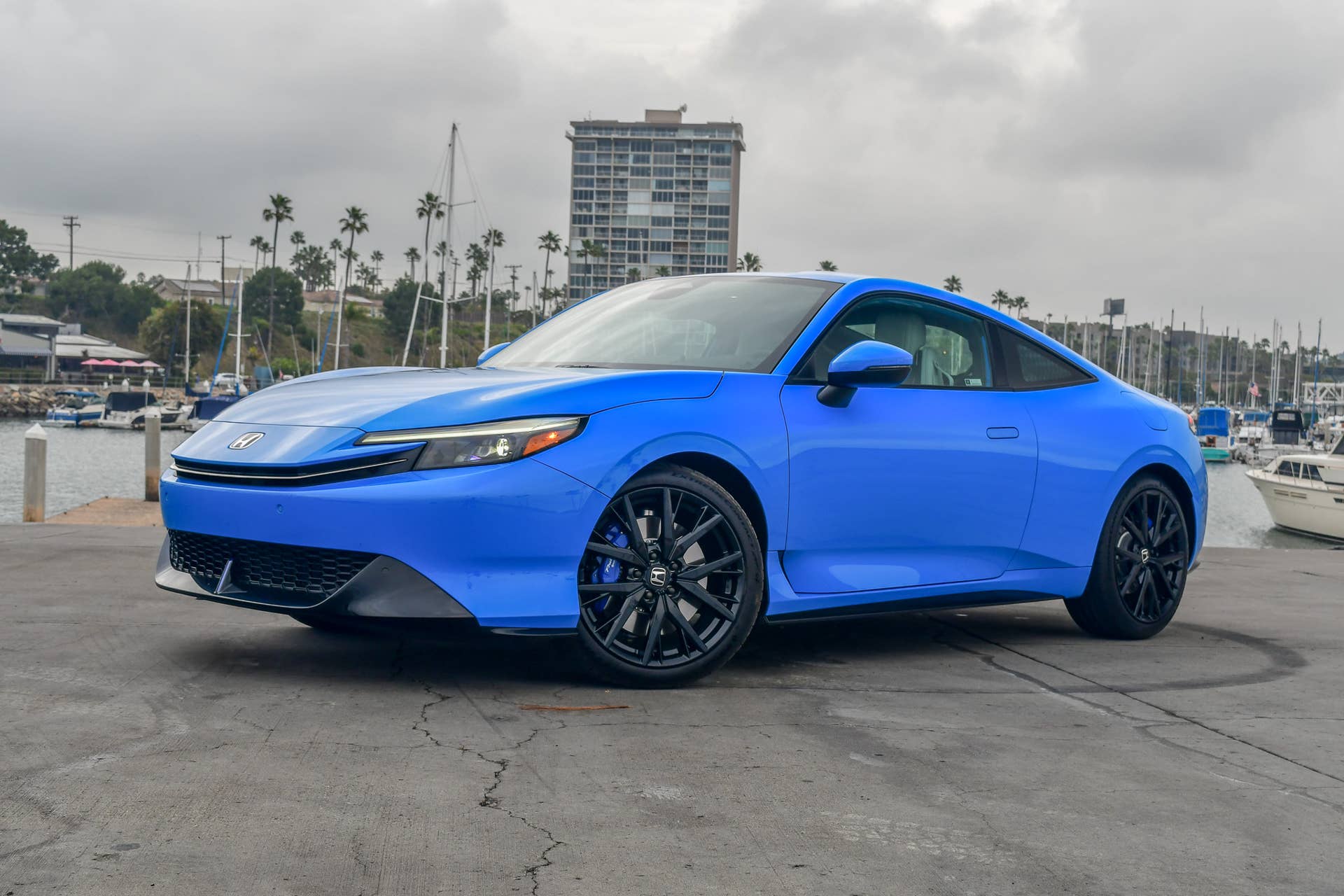
However, there’s one thing all of its competitors have in common in their fight against the Prelude: they’re substantially less expensive. The 2027 Honda Prelude starts at $42,400 and goes up to $42,900, making it the priciest of the litter. The Mazda MX-5 ranges from $30,430 to $35,730; the Subaru BRZ and Toyota GR86 both range from $31,500 to $38,360; and the VW Golf GTI’s base MSRP is $34,590, maxing out at $42,480, bringing it just above the starting price, but still below the maximum price of the Prelude. So, with all that laid out, is nostalgia and novelty enough to justify the premium over everything else on the table? Let’s take a look.
What makes it worth the price (the pros)?
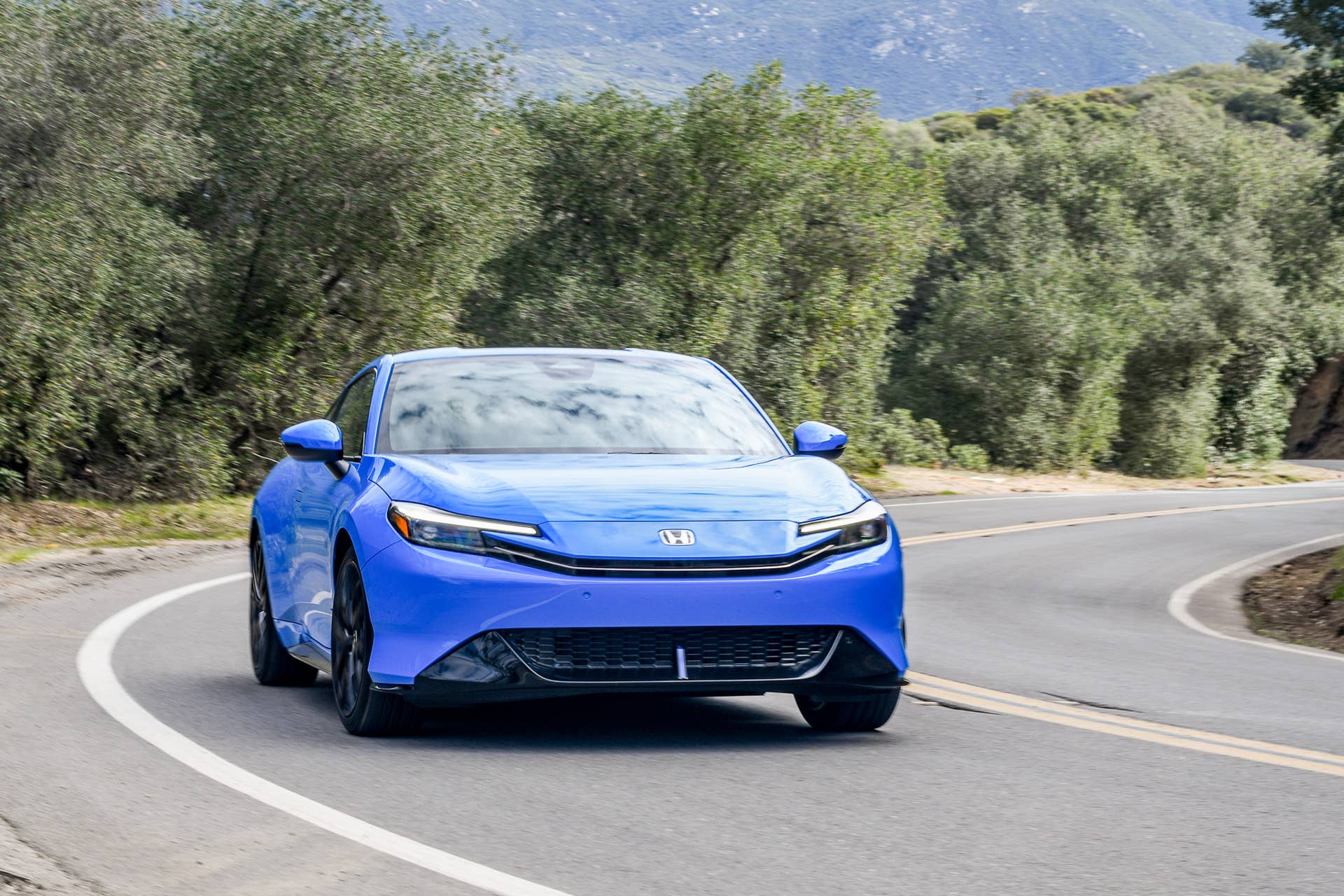
I know it sounds like I’m bashing the poor Prelude, but I’m not. There’s a lot that goes into the price equation that helps that figure make a little more sense. Arguably the strongest argument is the hybrid motor. It’s borrowed from the Civic hybrid (yes, the Civic that regularly averaged 50 MPG during my time with it), so even when I was throwing it around the hills of San Diego, I saw an average of 35 MPG. In town, when I’d have it in Comfort or GT (Normal) mode, I scored 40 MPG or more (it’s rated for 46 MPG in the city). Since it’s a smaller car, 200 HP is more than enough to get your heart pumping when the RPMs are high.
Kristen Brown
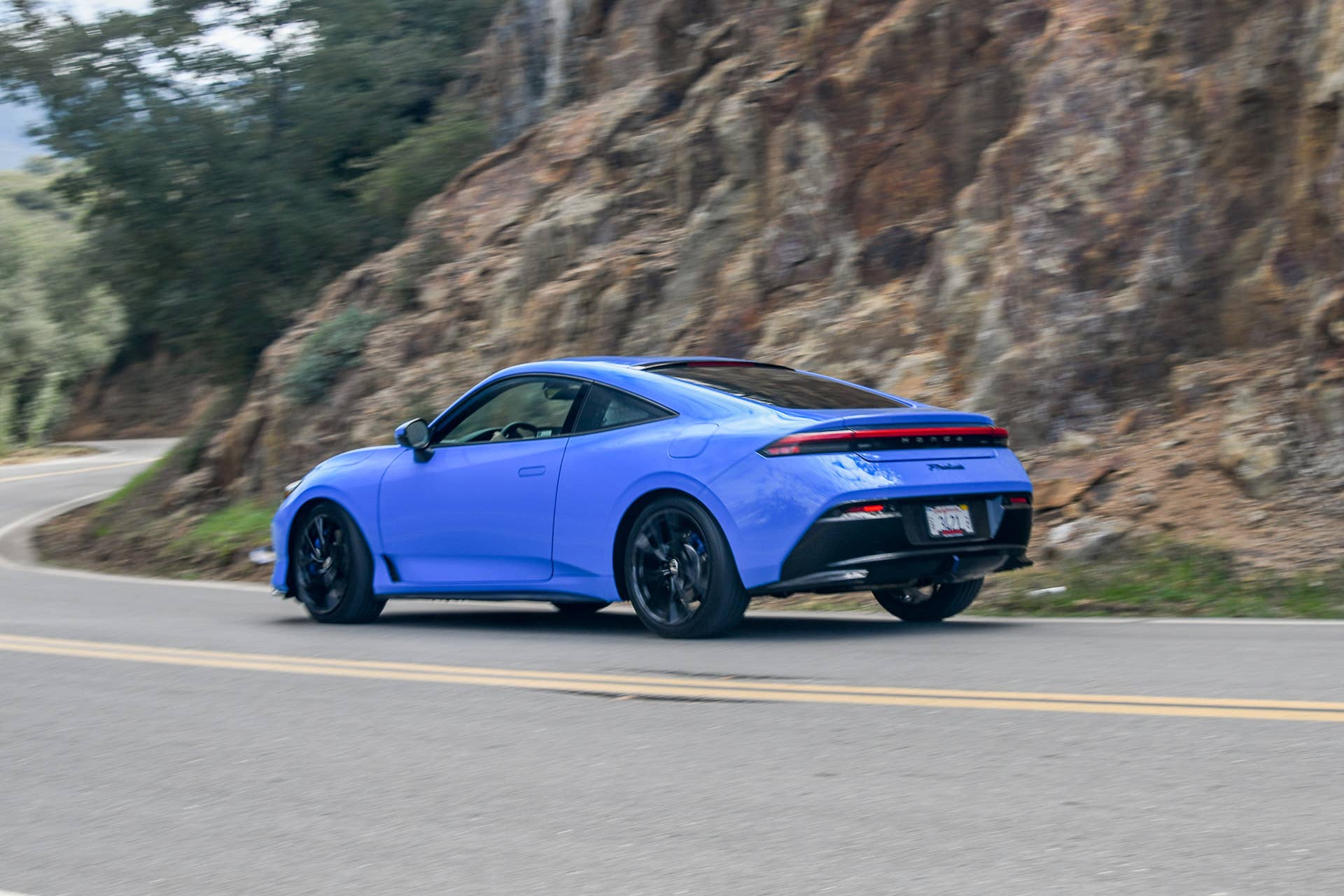
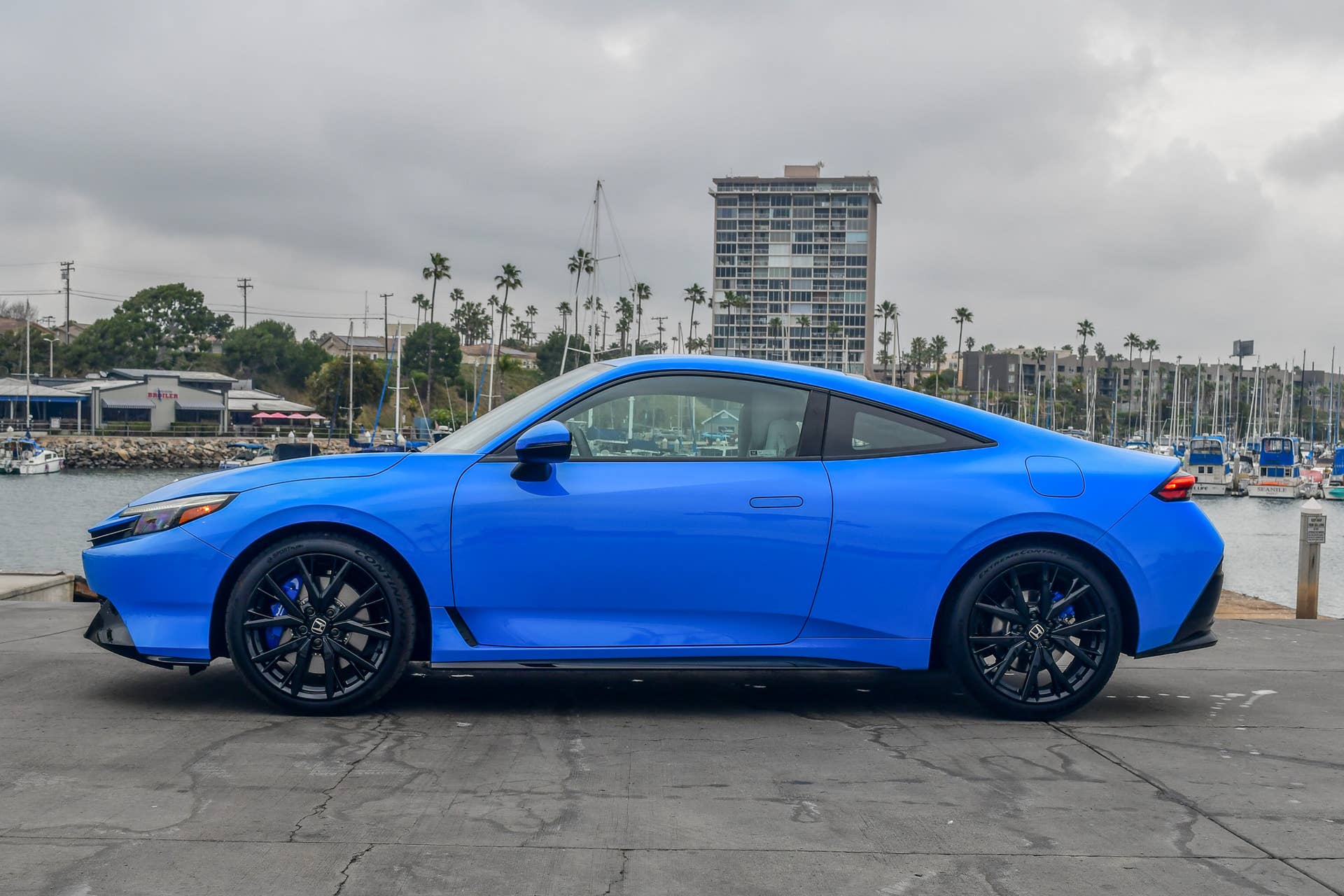
Speaking of higher RPMs, yes, it comes with an e-CVT, which gives many enthusiast drivers goosebumps in horror. But Honda’s engineers struck gold with the Prelude’s Sport mode and S+ Shift System, which is programmed to emulate a six-speed, dual-clutch automatic transmission, complete with paddle shifters. And it works quite well. When it was my turn to test it, it was responsive, quick, and incredibly effective. So effective, I didn’t even miss manually shifting the gears (though it would have been fun, like the Miata or Subaru BRZ, or GR86 Yuzu Edition was). Suspension and steering tightened with the drive mode, the throttle opened up, and it sounded so, so good. But then when you put it in Comfort, it’s a compliant daily driver. You can have both with the Prelude with the flip of a switch: an engaging, eager greyhound tugging at the leash and eager to run, or a lazy, efficient lab. It’s completely up to you.
And that’s largely thanks to what we know about the Civic Type R. Honda took the dual-axis MacPherson front suspension setup, as well as the electronically adjustable dampers, 4-piston Brembo brakes up front, and the multi-link rear suspension blueprints and adapted them for the Prelude. Torque steer is essentially non-existent, and it gives it some serious grit in the corners without the stiffness typically associated with the segment.
Kristen Brown
Concerning price, the base model isn’t basic, unlike the GR86, BRZ, or Golf GTI. The base MSRP is lower than the Hondas’, but it also means you get a lot less. The Prelude’s base price of $42,400 is a tall ask for a smaller car, but it’s essentially fully-loaded. You get the fancy suspension setup, the stellar mileage, Brembos, heated leather seats, a premium sound system from Bose, and Honda’s full safety suite. No extra packages, no add-ons—it’s all included. It’s also a conversation piece. Everywhere I went, I got people complimenting and asking questions. Everyone wants to know what you’re driving, and I didn’t find that to be the case with any of the competing models.
What makes the price hard to justify (the cons)?
This one’s always tough to write, because overall, there’s very little to dislike about Honda’s darling performance hybrid. But there are a few cons that are worth mentioning. First would be the power output—200 HP is reasonable, but when it comes to the Golf GTI, BRZ, and GR86, it’s not as powerful. The BRZ and GR86 twins both make 228 HP, and the Golf, thanks to its turbocharger (which none of the others have), makes the most with 241 HP. The Mazda is sitting this one out with just 181 HP. As the most expensive choice, it’s the third in line for output. I thought it was balanced, but enthusiasts might find that hard to gloss over.
Kristen Brown/Autoblog
Second would be the omission of a manual transmission. A majority of people who approached me about the Prelude were very disappointed that you couldn’t get the Prelude with a manual, and all I could say to them was that you couldn’t get the hybrid system with it, and therefore, you wouldn’t be getting 40+ MPG. Every response that followed was akin to, “I’d happily trade mileage for a fun drive.” That’s where the GR86, BRZ, Miata, and the VW Golf GTI step into the spotlight. All of them offer a manual transmission, and they’re all fantastic manuals at that. Since Honda’s manual transmissions are great, I feel like that scared away a pretty large percentage of potential buyers.
Final thoughts
You know what they say: a little competition is the best driver of progress. If there’s no pressure to improve, you simply don’t improve. Right now, there’s not much true competition for the Prelude. So, in a way, it’s setting a tone. Will other automakers make their own performance hybrids for an equal or even lower price to compete against the Prelude for market space? Hopefully. But if it doesn’t do well, it might convince the industry that compact hybrid coupes aren’t worth the R&D investment. And that would, truly, be a shame.
Kristen Brown
That puts the Prelude in a tricky spot. It’s perky, responsive, well-balanced, and unique. With the best equipment from both the Honda Civic Hybrid and the Civic Type R, it deserves to succeed on mechanical merit. But until the price aligns with the kind of enthusiasts it wants to attract, it risks becoming an expensive curiosity rather than a legitimate competitor to something known for being a driver’s car like the BRZ, GR86, Miata, or the Golf GTI.
About the author

Kristen Brown
Contributing Writer, Autoblog