
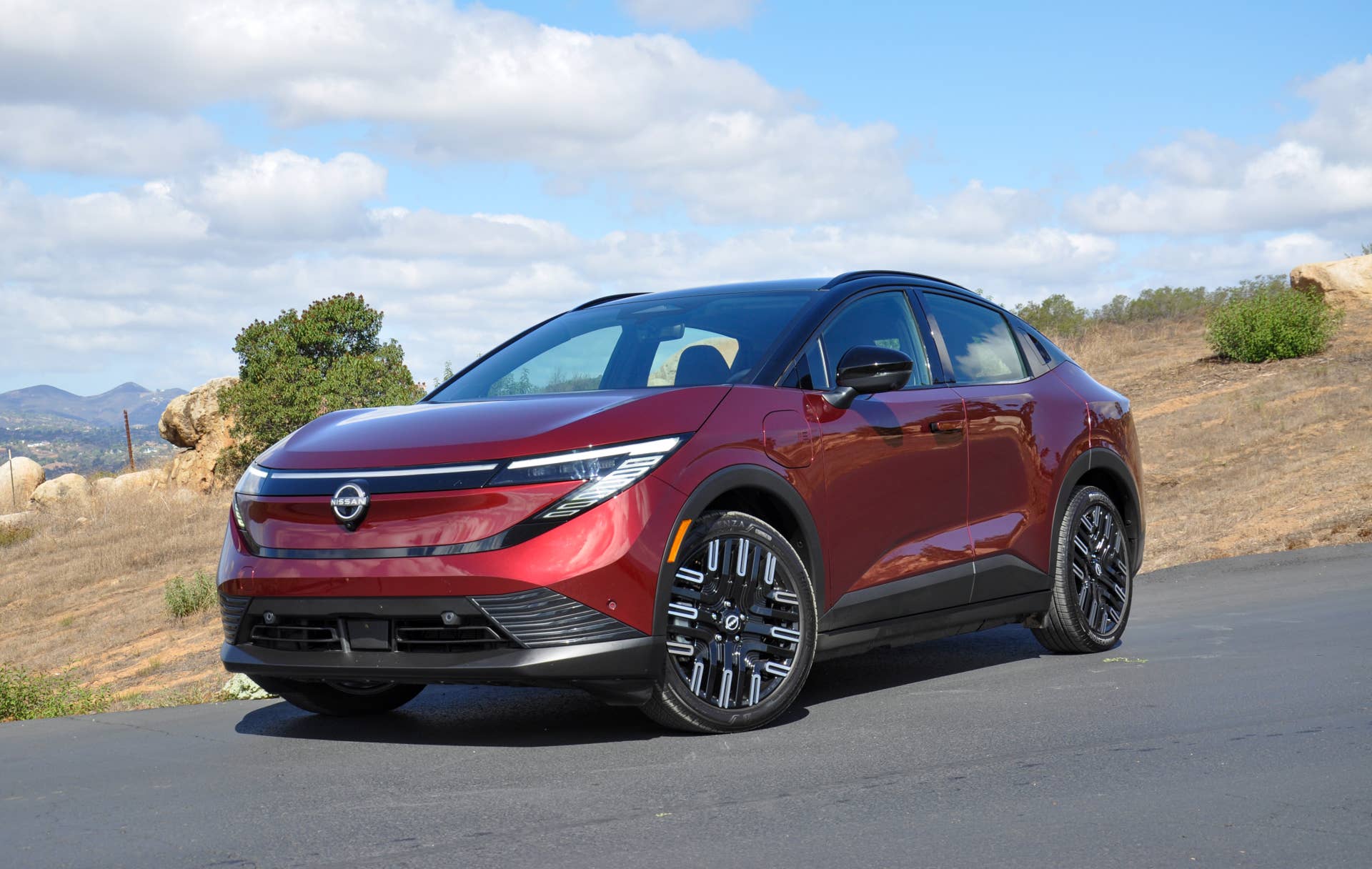
Nissan’s battery-powered pioneer is back with a vengeance for 2026, and it’s finally ready to take on its newfound rivals
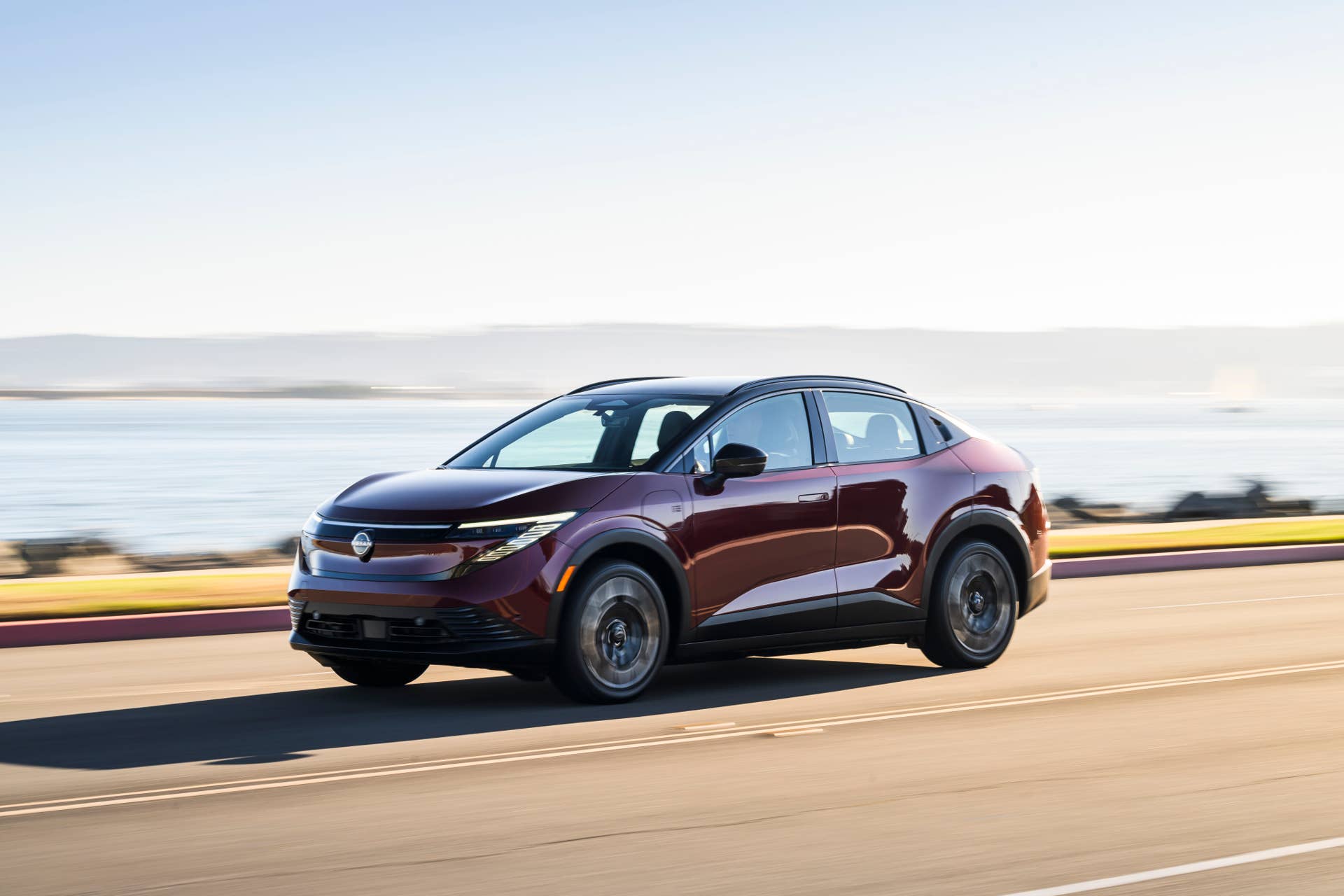
The Nissan LEAF is back and better than ever for its 2026 model year, now sharing its platform and many other components with the impressive Nissan ARIYA, but at an even more affordable price point. With a starting MSRP of just under $30k and an even more affordable trim level on its way, the 2026 Nissan LEAF is not only one of the most inexpensive new EVs on the market, but it’s also a significant leap forward for the iconic electric hatchback, offering a package that feels far more expensive than it is, and visually striking styling that effectively emanates its new-found modernity. I spent a day behind the wheel, traversing twisty valley roads and lengthy interstate stretches outside of San Diego, California, and got to know the 2026 Nissan LEAF pretty well. Here’s what to expect from the revamped EV, what to watch out for, and what to get excited about.
Cole Attisha
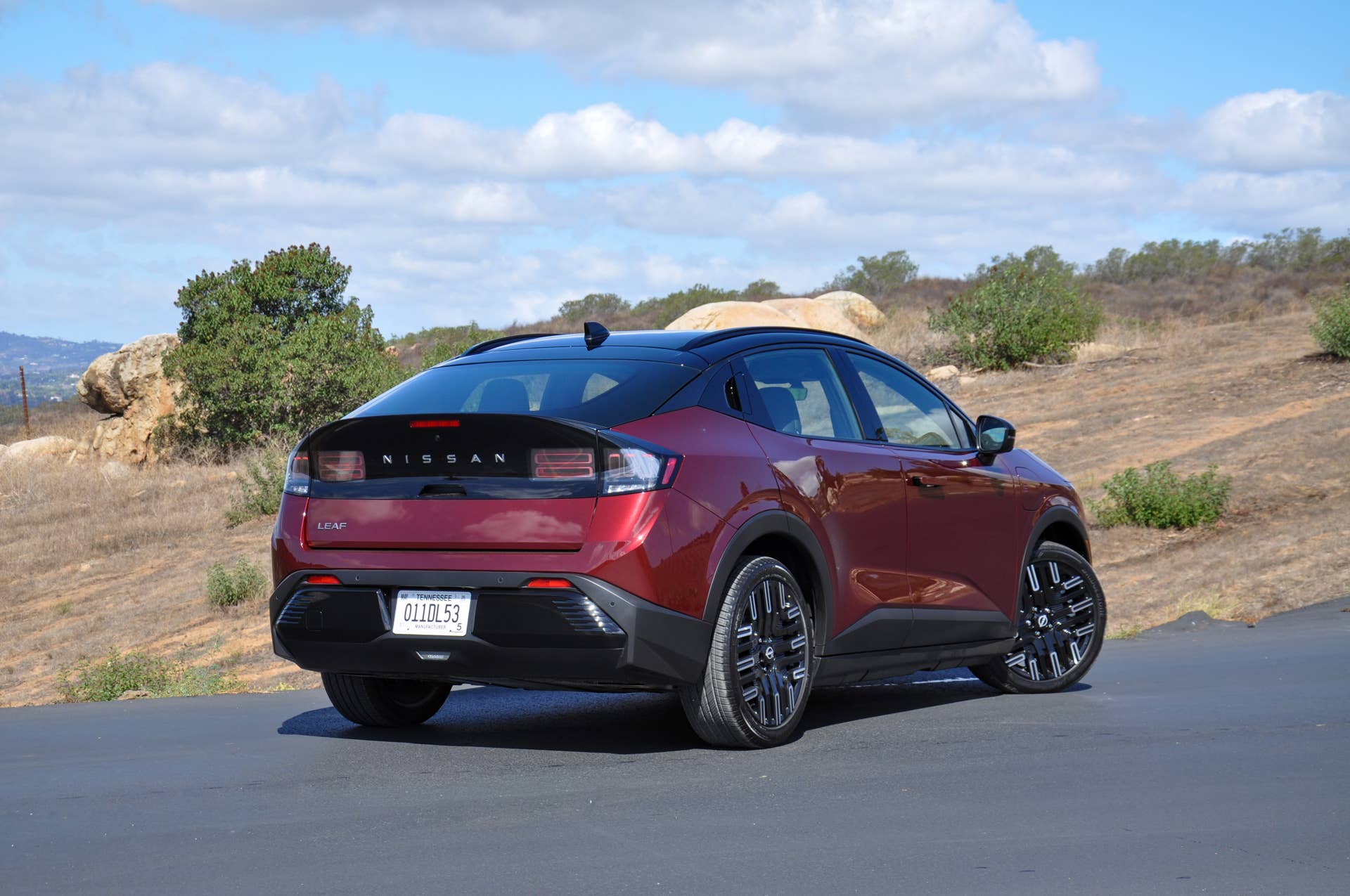
Despite its extensive update, the 2026 Nissan LEAF S+ costs just $1,850 more than last year’s LEAF S
For its 2026 model year, the all-new Nissan LEAF receives an extensive list of much-needed updates, and it truly feels two generations newer than the outgoing 2025 model. Even though it’s been fully redesigned inside and out, newly branded as a “crossover,” and endowed with enhanced range, power, comfort, and material quality, Nissan will sell you the 2026 LEAF, in S+ guise—which offers 300 miles of range, 214 horsepower, 262 lb-ft of torque, and front-wheel drive—for just $29,990. For its 2025 model year, the even-more-basic Nissan LEAF S was priced at just $1,850 less than the all-new S+, and Nissan claims that a new affordable LEAF S trim level is on its way as well, which will offer up to 174 horsepower, 254 lb-ft of torque, and a 196-mile range at an even lower price than the S+. Do keep in mind that these prices are exclusive of an additional $1,495 delivery and destination charge applicable to all LEAF models. Regardless, the 2026 Nissan LEAF can be had for less money than its most direct current rivals, such as the $32,975 2025 Hyundai Kona EV and the $39,600 Kia Niro EV, although we have yet to receive 2026 model year figures for these models.
Cole Attisha
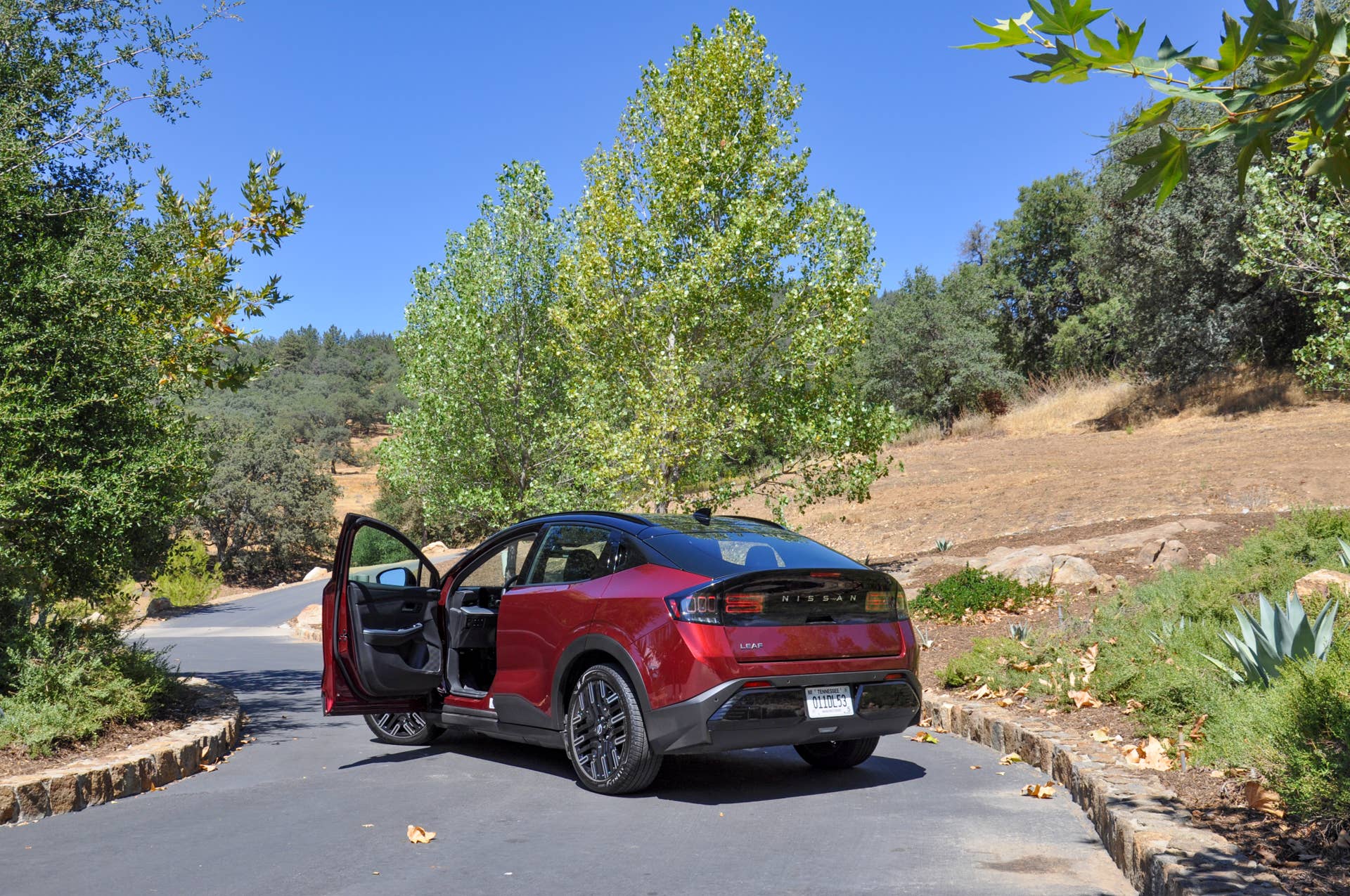
Opt for the more generously-equipped trim levels, namely the $34,230 SV+ and the $38,990 Platinum+, and you’ll still find a package that feels far more pricey than it is. Although every currently available trim level (S+, SV+, and Platinum+) is equipped with a 75kWh battery pack and 214 horsepower, higher trims offer plenty of desirable amenities for the added cost. I tested the top-of-the-line Platinum+ package, which offers 44 fewer miles of range than the 303-mile S+ in favor of enlarged, 19-inch wheels, and various other worthwhile features such as a liquid crystal dimming panoramic moonroof, a Bose Personal Plus 10-speaker sound system, a head-up display, 12-way power Zero Gravity driver seating, roof rails, and ambient lighting with Multicolor illumination.
There’s something for everyone with the 2026 Nissan LEAF. Whether you’re shopping for an affordable, budget-friendly EV or a well-equipped commuter that looks and feels truly premium, there’s a trim package available that will likely fulfill your needs and more. Most importantly, the 2026 Nissan LEAF is just as significantly enhanced over its predecessor on paper as it is in practice, and could mark a satisfying turning point for the struggling brand.
Cole Attisha
A skillful EV execution that proves its worth on the pavement
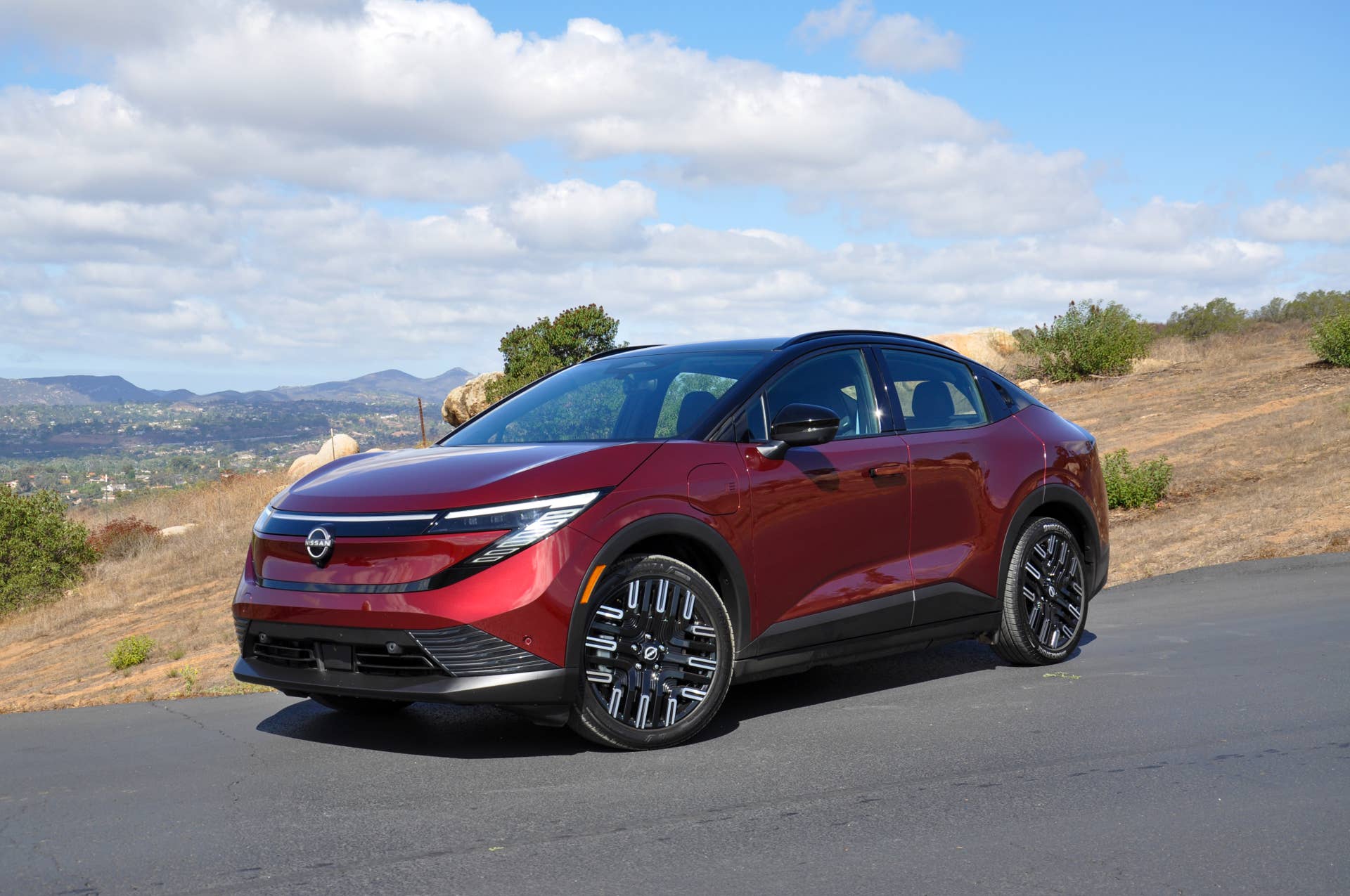
Behind the wheel, the 2026 Nissan LEAF feels as competent and composed as its fiercest rivals, even those that command much higher price tags. With 214 horsepower and 262 lb-ft of torque, it doesn’t exactly threaten whiplash, even at full throttle, despite its instantly available torque. Still, it has more than enough power to accomplish basic road tasks such as overtaking and barreling down highway on-ramps. Its throttle is responsive but still inspires smooth inputs, its handling is calculated with a slight but intentional tendency towards understeer, and the LEAF offers satisfactory driver feedback for a vehicle so heavily dependent on electronic operations. The LEAF’s regenerative braking system, which can be adjusted via paddle shifters on upgraded trim packages, is effective but not overly aggressive or jerky, and has four available standard settings. Enable ePedal mode using the dedicated button on the dashboard, and you’ll find an even more aggressive fifth setting. However, this mode can be pretty jarring at first as it physically moves the brake pedal on your behalf, and thus, this feature remained unused for most of my test drive.
Whether I was in the driver’s seat or riding as a passenger in the ’26 LEAF, I was always surprised by its comfort. Not only do its Zero Gravity seats offer cushy bolstering and a spine-friendly seating position, but its ride is supple and road noise is kept to a minimum. My drive partner and I, however, were admittedly concerned with the amount of wind noise that seemed to originate from the LEAF’s side mirrors at highway speeds. Without music playing, wind noise is pretty much all you’ll hear if you’re cruising along an interstate, but it’s not so overpowering that you can’t have a conversation. Regardless, the 2026 Nissan LEAF rides and drives competently, not just for an EV at its price point, but even for one well above it.
Cole Attisha
The new dog’s got new tricks
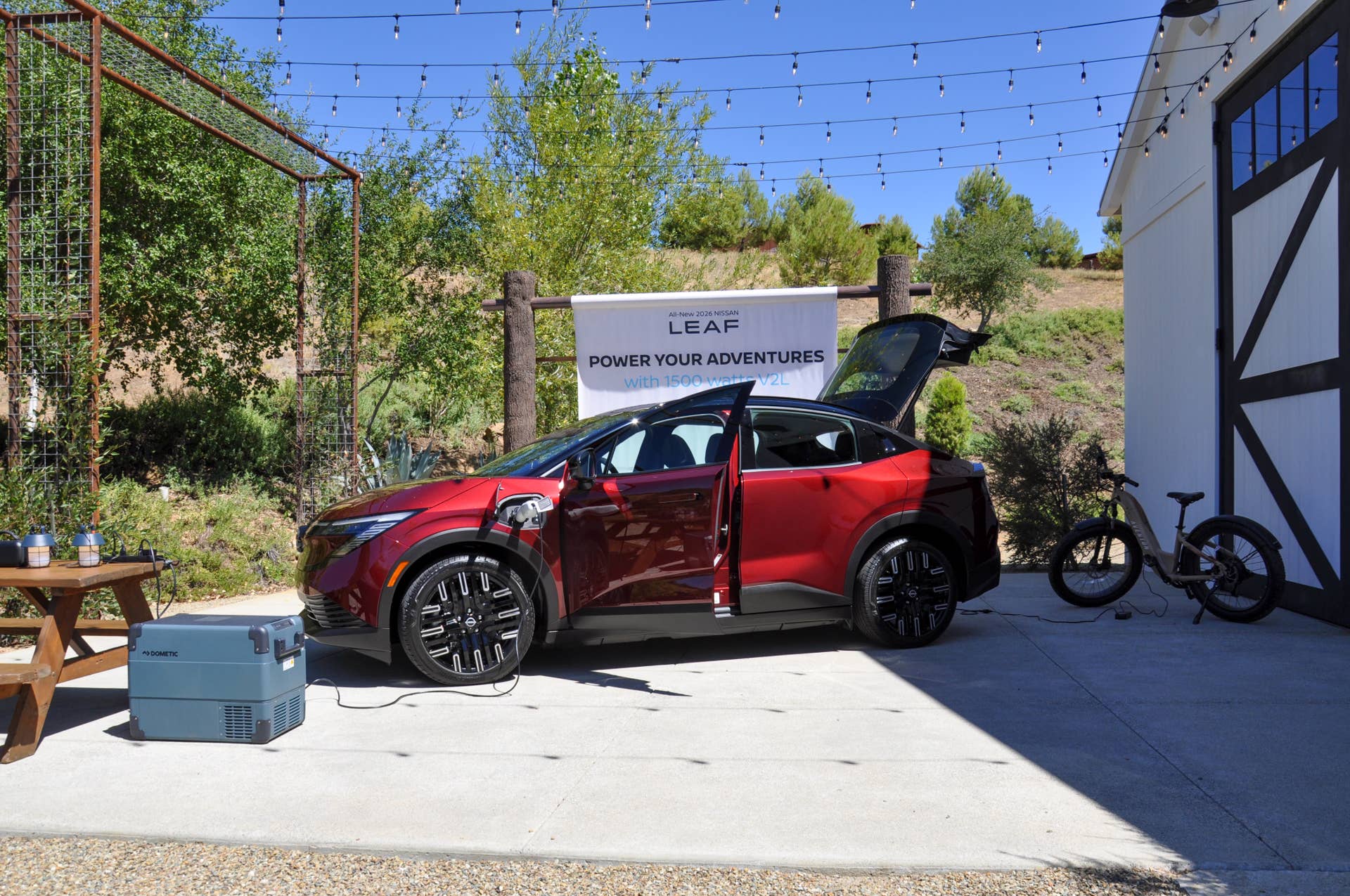
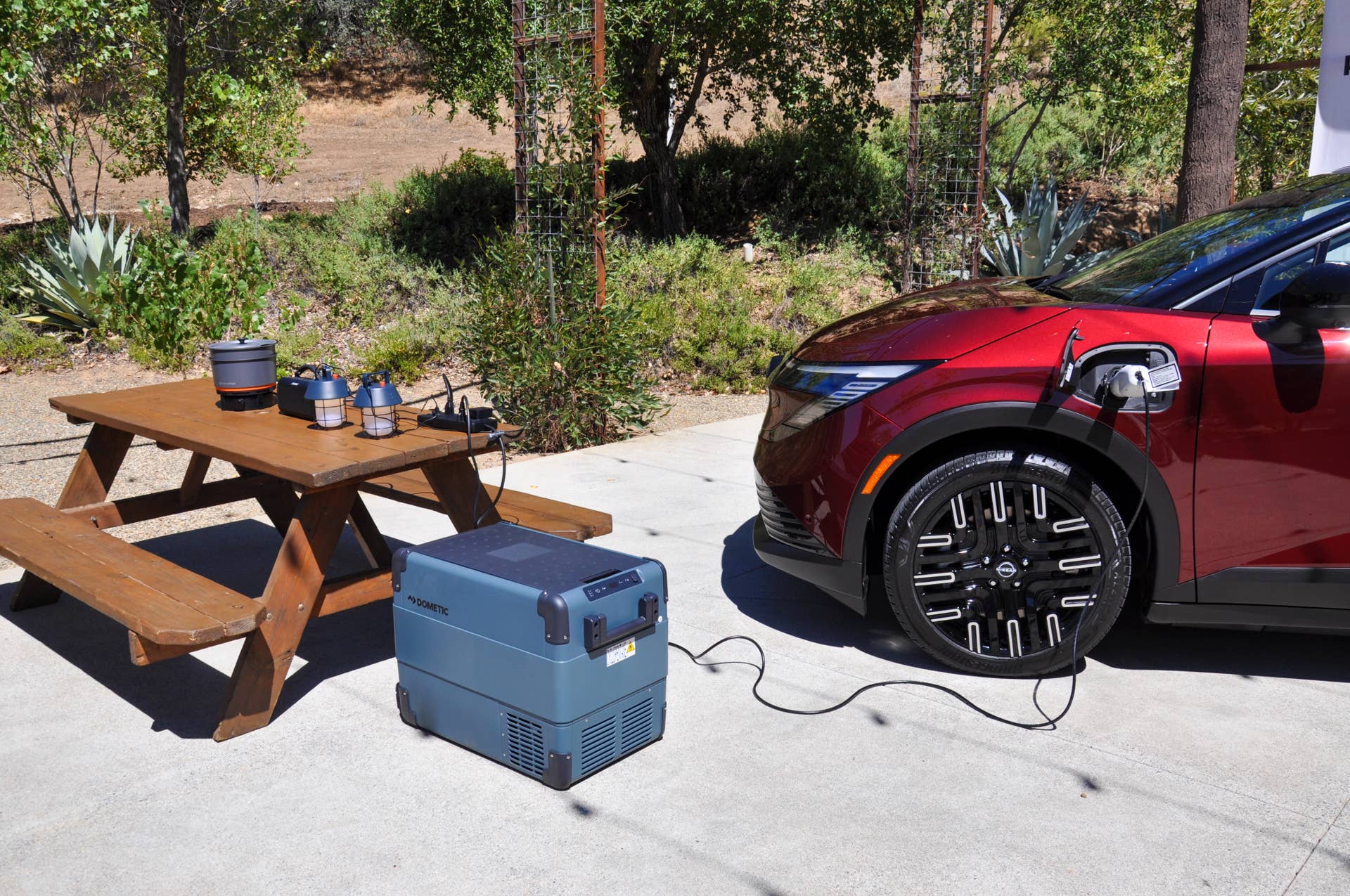
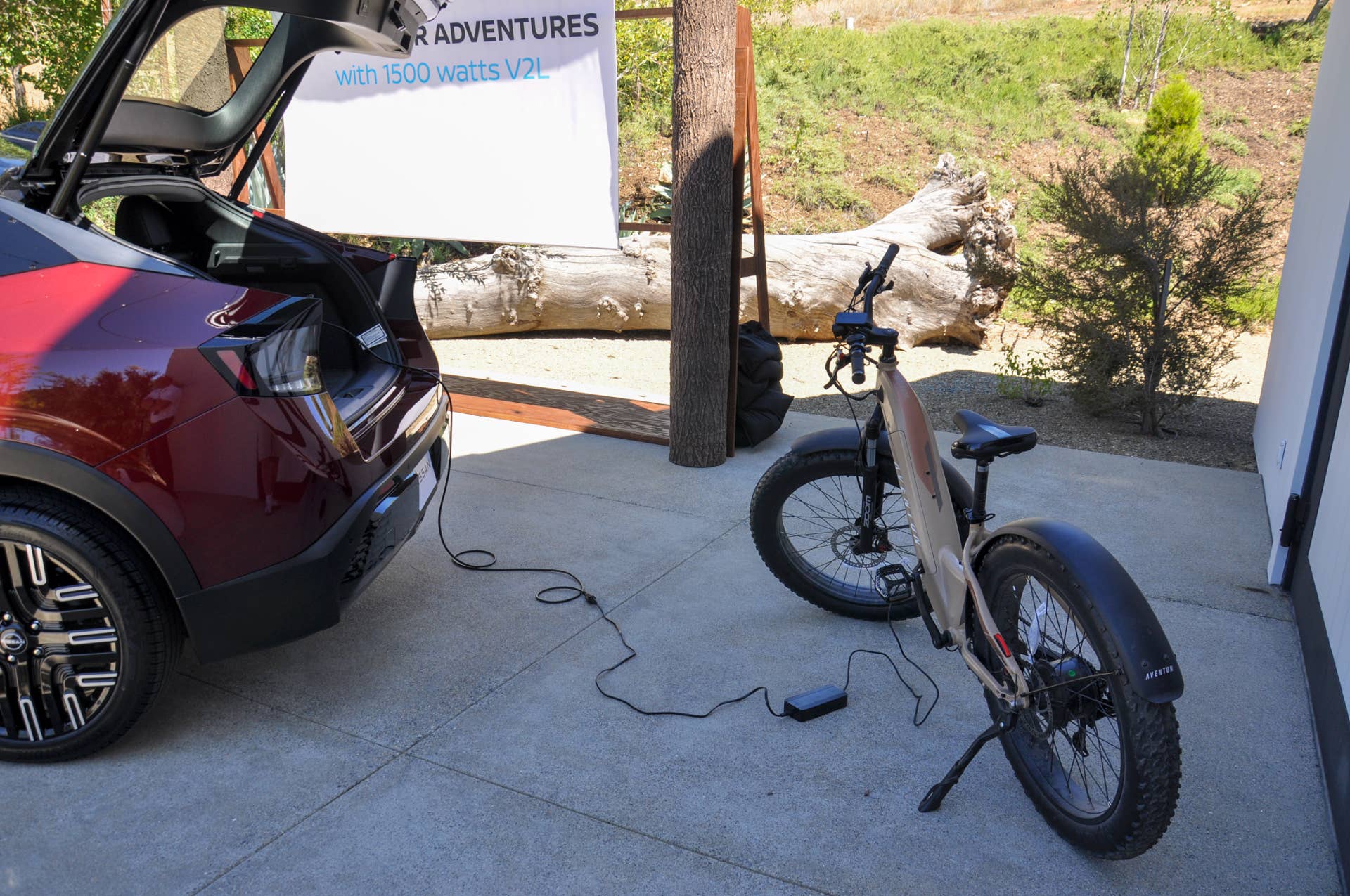
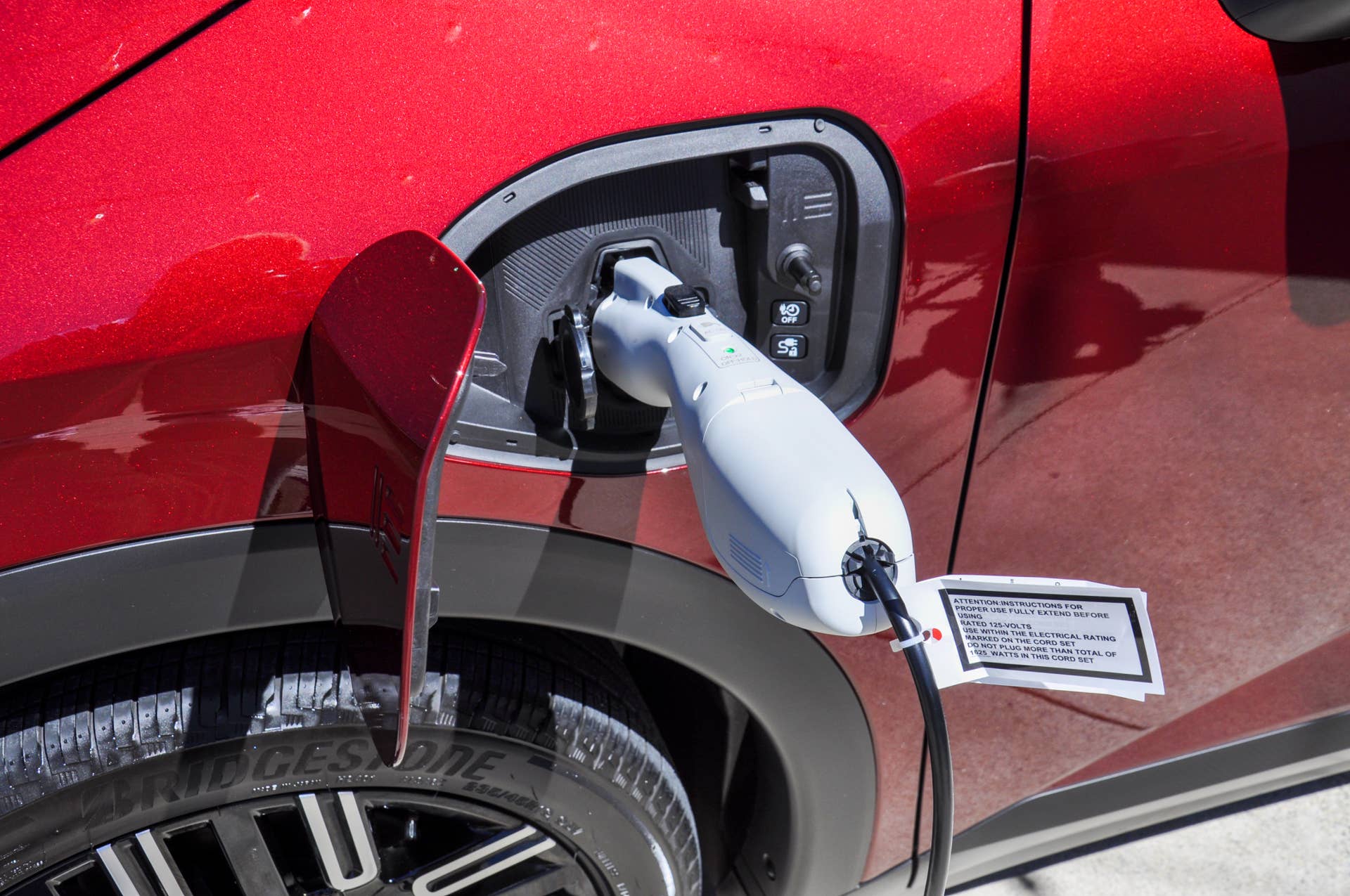
Nissan understands that the LEAF, despite primarily being a city-friendly electric commuter vehicle, serves a vast array of active lifestyles. For 2026, the LEAF aims to make buyers’ lives easier through added range, ample power, and respectable convenience, as well as going above and beyond with additional thoughtful touches, such as its newfound ability to charge devices, toys, and possibly even your home, as demonstrated in photos below. The LEAF’s output capacity tops out at 3.4kW through all three Vehicle-to-Load (V2L) ports, including the Platinum+’s 120V cabin and trunk sockets as well as its AS J1772 charge port using an adapter. Nissan’s own adapter, which allows you to use its driver’s side charge port as an additional electrical socket, does come as an optional $280 accessory, but Platinum+ models also come equipped with an electrical socket in their tailgates, which can be used simultaneously to charge equipment such as e-bikes, coolers, flashlights, and more.
Cole Attisha
Cole Attisha
Cole Attisha
The LEAF also makes life easier by way of its two separate charging ports, which allow you the choice of using either more modern NACS DC charging stations or traditional AC chargers, depending on what’s available. This means that, if you’re perhaps someone looking to replace their aging LEAF with the new model, you won’t need to replace the charging station in your home, but you also won’t be limited to AC chargers when out and about. This might seem like an unorthodox approach to EV charging at first, but I see it as a thoughtful solution to bridge the gap as the majority of EVs transition to NACS-only charging for 2026.
Cole Attisha
The cabin finally looks and feels contemporary
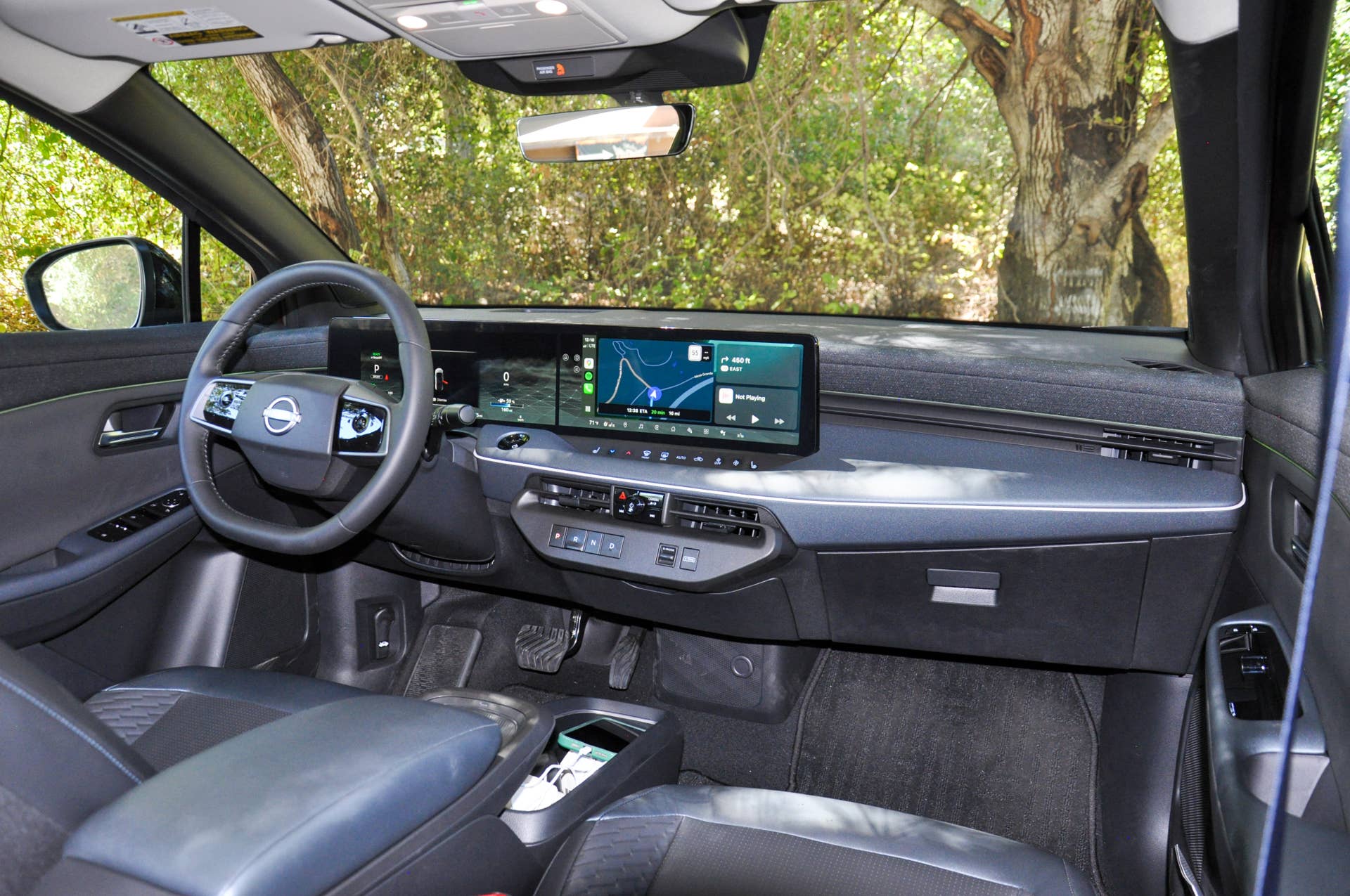
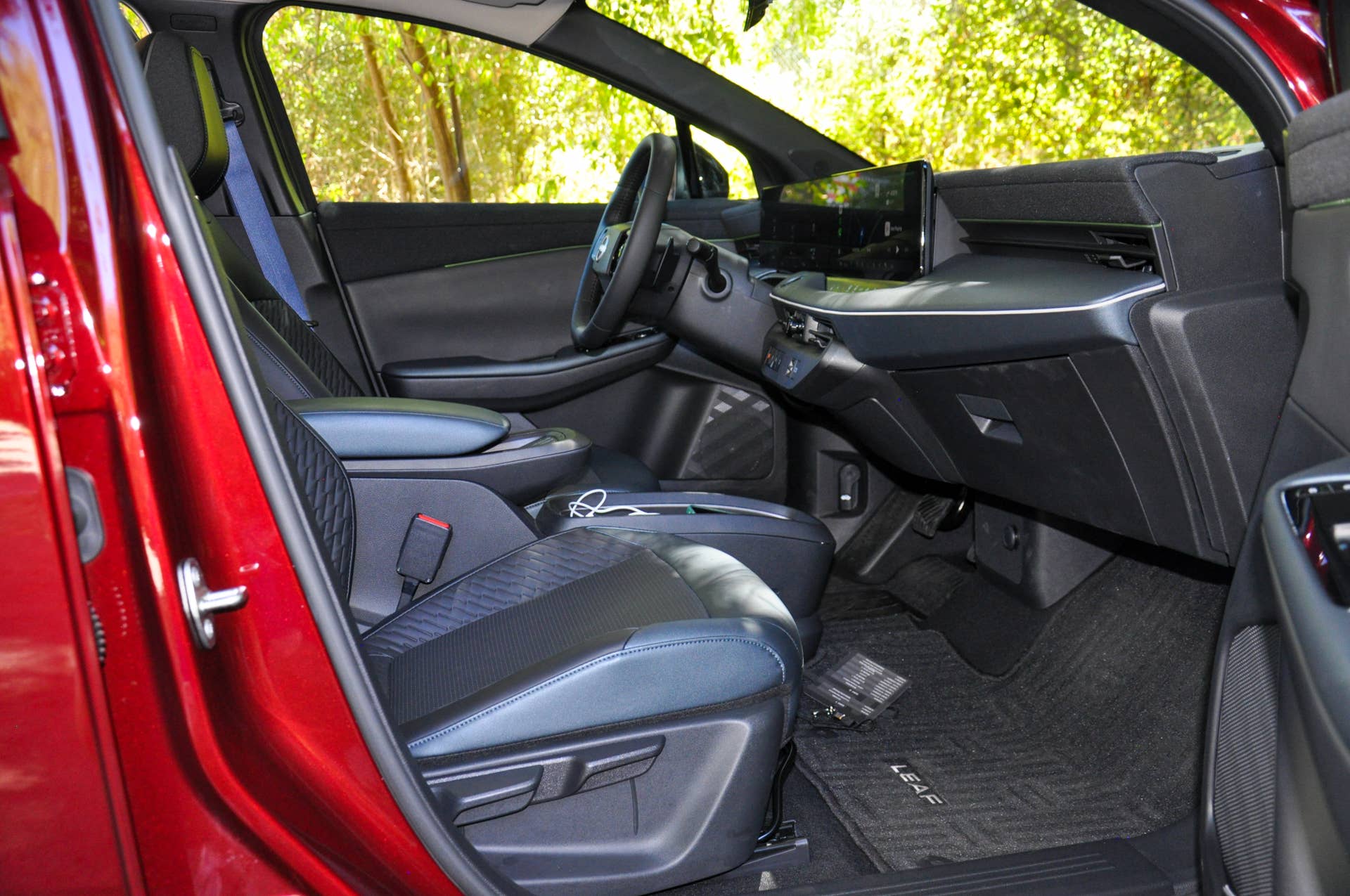
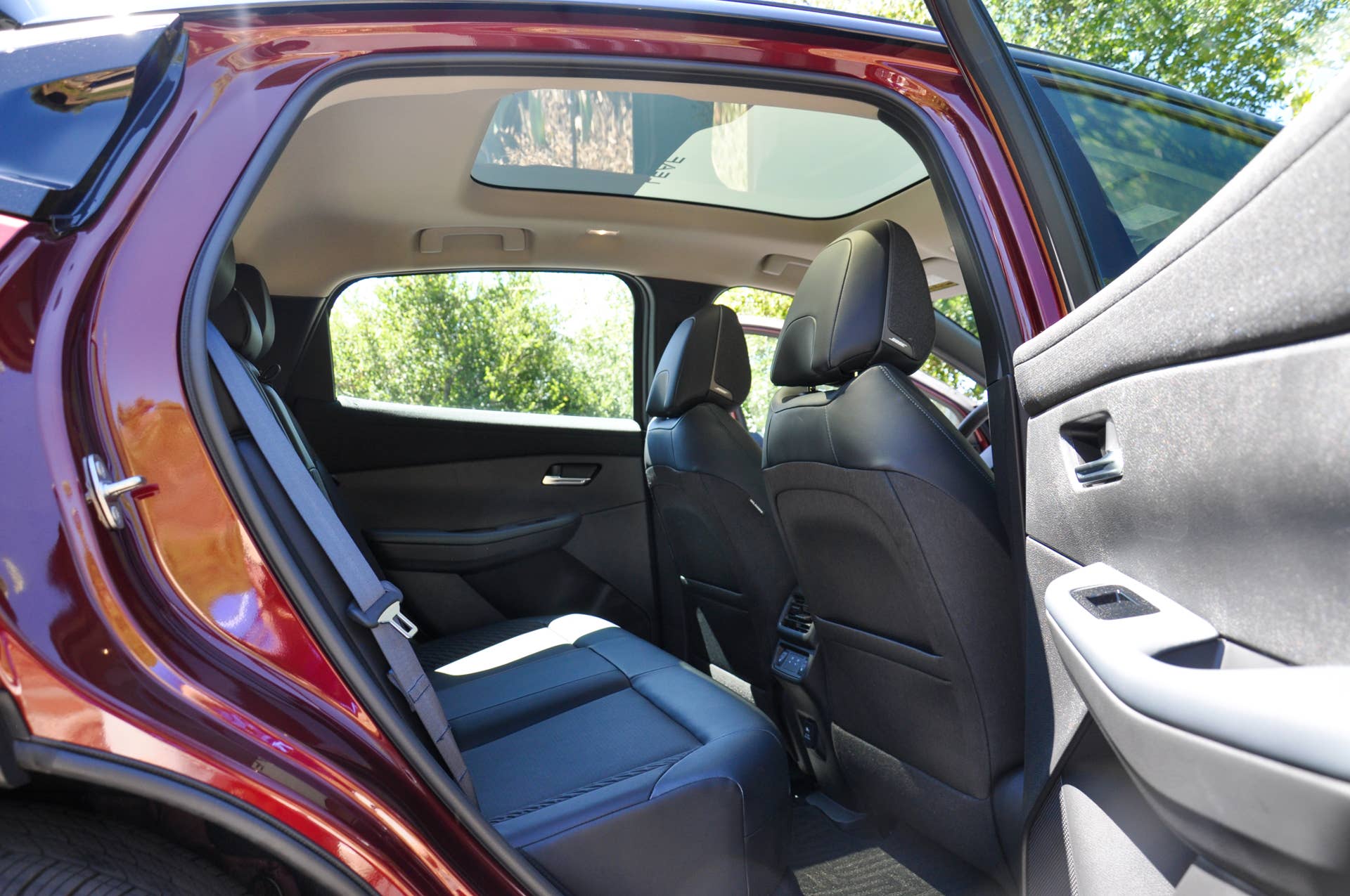
For 2026, the Nissan LEAF finally gets the cabin it deserves, with modernized styling and satisfyingly straightforward ergonomics. Its top two trims come equipped with dual 14.3-inch digital displays, while basic trims come with smaller, 12.3-inch displays. Its dashboard offers an acceptable combination of physical buttons and screen-integrated controls, and its drive selector is as simple as they come. Despite its synthetic upholstery, the LEAF’s interior looks and feels far more premium than ever before, but not in a way that takes things too far into “luxury” territory, representing a delicate balance between attention to detail and cost-conscious restraint.
Cole Attisha
Cole Attisha
Cole Attisha
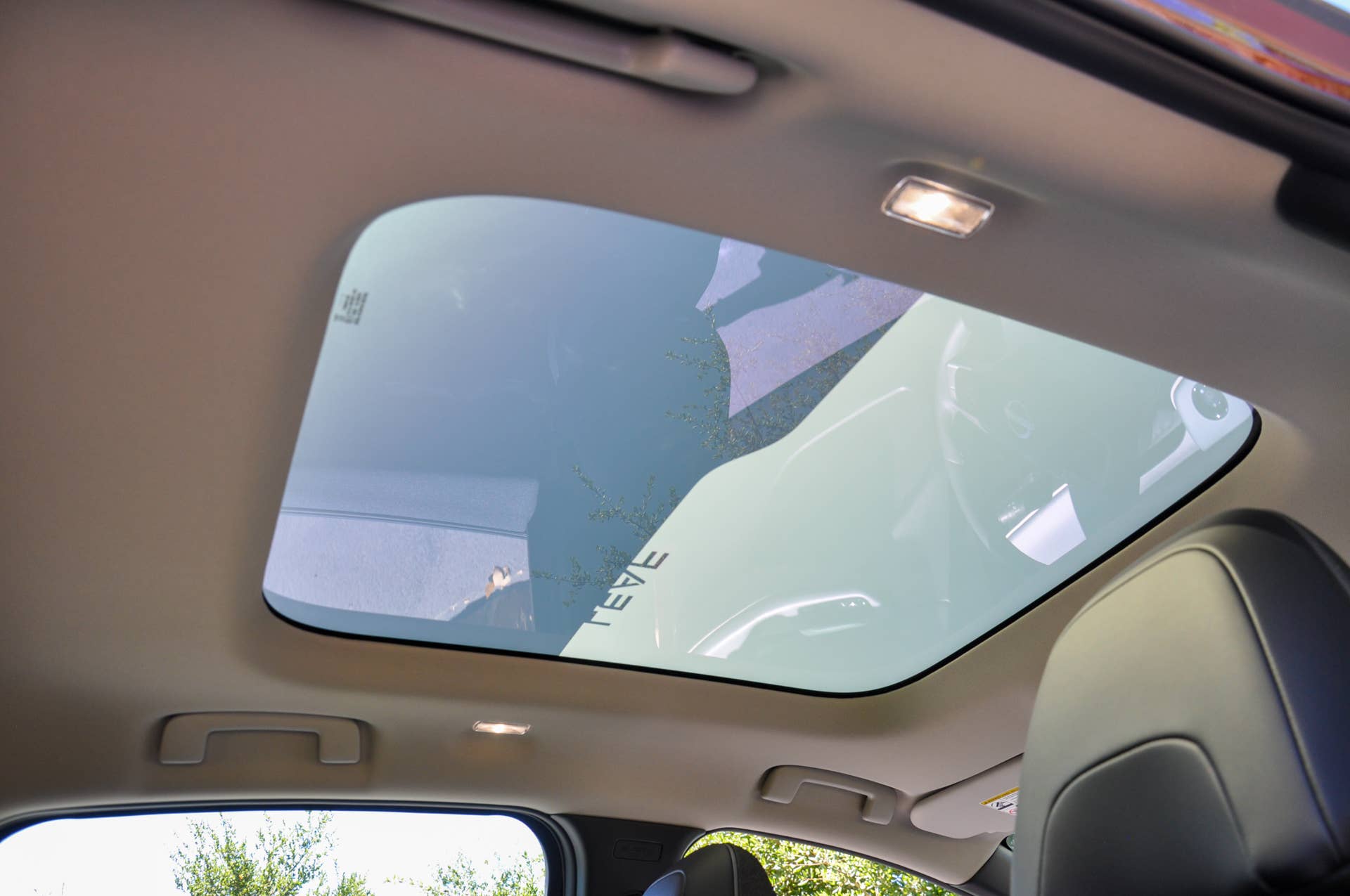
I vividly remember a day, many years ago, when Audi debuted the electrochromatic moonroof in the full-size A8 luxury sedan, when it seemed like a thrilling technological advancement for such an unnecessary feature as a sunroof—an accurate statement of luxury and uncompromising innovation. Fast forward to the 2026 model year, and you can now find such a feature in a sub-$40,000 Nissan LEAF. Although the LEAF’s moonroof is non-openable, which is admittedly disappointing to see, this has become a popular trend amongst modern vehicles, as manufacturer data collection suggests most buyers rarely ever actually open their sunroofs. It’s also impressive when compared to rivals such as the Hyundai Kona EV and Kia Niro EV, which don’t come standard with 360-degree cameras, as the Nissan LEAF does, and don’t offer Google built-in or dimmable moonroofs. The LEAF also benefits from a 35-minute 10-to-80% charge time, whereas the Kona and Niro take 43 minutes to achieve the same charge.
Nissan
The real verdict
What I loved about the 2026 Nissan LEAF: Its aggressive pricing is a standout selling point, its fresh styling is striking, and I believe it will effectively appeal to its intended target audience. Its cabin feels exceptionally refreshed and user-friendly, and it is easy and intuitive to drive, whether on long stretches of highway or spirited backroad twisties. This LEAF marks a significant improvement over its previous generation and genuinely feels like a multigenerational leap.
What I didn’t love so much: Its acceleration is somewhat sluggish despite instantaneous torque delivery, but it’s perfectly respectable for its price point. Unfortunately, all-wheel drive is unavailable, which could be a turn-off for buyers who live where the weather isn’t always friendly, but in all fairness, none of its direct rivals offer it either. It also doesn’t have a frunk, but Nissan insists it decided to locate its HVAC systems where the frunk would have been to maximize cabin space, and that its tailgate is significantly larger than that of its predecessor anyway. Keep an ear out for wind noise on the highway. Tire and road noise is almost entirely non-existent, but that can be negated quickly by the sound of an angry breeze during highway driving. It also tends towards understeer during hard cornering, but it remains communicative and is to be expected from any heavy front-wheel drive car. I know it might sound like I’m making excuses for each of its faults, but that’s because I believe that, considering its aggressive price point and its overall satisfying packaging, its cons don’t outweigh the many admirable pros.
All things said and done, the 2026 Nissan LEAF could mark a significant turning point for Nissan, which has been wading through the waters of financial struggle in recent years. The all-new LEAF demonstrates a genuine effort to improve quality and packaging without much of the added cost being passed down to customers. If Nissan can maintain this sound effort across the remainder of its lineup, it could go a long way towards restoring the market’s faith in the brand’s ability to produce desirable offerings.
About the author

Cole Attisha
Staff Writer, Autoblog