
Buyer beware.
When shopping for a used car, customers may think used-car dealers have checked to make sure the cars they’re selling have no outstanding safety recalls. But an investigation reveals the opposite. Some used-car dealers have cars with open recalls on their sales lots, and they say it’s standard procedure to sell these potentially unsafe cars to unsuspecting customers.
Fox6 in Wisconsin investigated three different car dealerships and found vehicles with safety recalls being sold. According to CarFax there are 52,000 vehicles for sale in Wisconsin with open recalls.
The dealers in this report actually seemed baffled that recall notifications on used cars might be important or even their responsibility. When Fox6 contacted GS Auto about a 2004 Honda CRV with three open recalls, the dealership said the car had already been sold.
“I know there was something on it, on the Carfax report. I don’t know if it was taken care of or if we did it or if the customer who bought it is going to get a letter in the mail,” the salesman told FOX6.
Bargain Town Motors had two vehicles for sale with open recalls, a 2004 Acura MDX and a 2007 Toyota Prius.
“It’s not a big deal because, I mean, you take it to the dealer and they fix it for free. If there’s recalls on there and we got time to do it, we’ll do it. If not, we sell them, you know,” the salesman told FOX6 News.
Automakers issue recalls through the National Highway Traffic Safety Administration to fix serious safety issues with a vehicle. But once notified, it’s up to the customer to schedule an appointment to have necessary fixes made.
How does this impact used car shoppers? Based on the Wisconsin investigation, car shoppers should be diligent in researching a potential purchase. They can:
– Search for recalls by year, make and model on NHTSA’s website.
– Ask a used-car dealer for paperwork that proves a car has undergone maintenance for all related recalls.
– When buying any used car, whether through private party or a used-car dealer, it’s a good idea to have a third-party mechanic examine the vehicle. This person should be able to tell a potential buyer whether recall-related maintenance has been performed.
– If not, schedule the car for an appointment at a local dealership. There are no charges for recall-related maintenance.
Featured Gallery
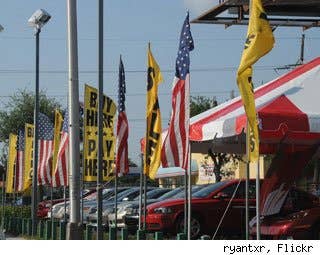
Most car dealers are surely honest. But even honest ones have a great advantage on the buyer. They negotiate deals every day, and know all the tricks of the trade to maximize their profit.
Here are five things to know and avoid in your next new-car negotiations to save you big bucks and headaches.

Make sure you know your credit score before walking into a dealership because the deal you get on financing may depend on it. Let’s say a dealer has a special advertised deal, but in the small print the ad reads that it is only offered to”qualified buyers.” That means buyers with a high enough credit score.
Your credit score may, and probably will be, different depending on the service used. If your dealer is using one service has a lower credit score than another, they may use it to deny you the best deal, forcing you to pay more per month.
That is what happened to actor Dennis Singletary last year when a Valencia, Ca. Honda dealer denied him an advertised deal because they took the lower of two credit scores they checked.
The deal was for 0% down, low finance rates and monthly payments of $190. But the dealer, after disqualifying Singletary for the deal, offered him instead a deal that required $2,000 down and a $272 monthly payment. That’s a big difference.
What do you do? Singeltary went to a Hyundai dealer instead and bought his new wheels there.
Every sales person asks this question. And most customers answer it. Don’t.
By telling the sales-person what your monthly pain-point is for a car payment, you have given them a great advantage in the negotiation.
Instead, you want to know from a a site like AOL Autos what the dealer invoice price is, and negotiate the final cost of the vehicle. When you get the dealer to the lowest final transaction price he or she seems willing to take, then decide if the three, four, or five year loan will bring you to your monthly payment comfort point.
You should also know how much the manufacturer is offering in terms of national or regional rebates, which you can find by looking up the make and model vehicle you want on theAOL Autos research tool.
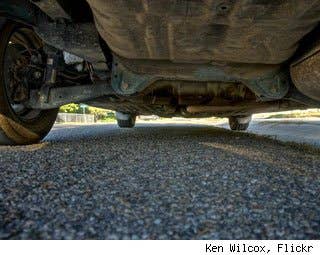
If you live in a salt-belt state (a state where salt and other road clearing chemicals are used to keep roads clean during the winter months) and intend to keep your vehicle for a long time, do consider having a professional rust protection done to the vehicle to keep rust and corrosion down.
But this is best done at detail shop, not buying the quickie rust-proofing sold by the dealer when you buy the car. A detailing, specialty shop does a much more thorough job. Visit one and have them explain the process.
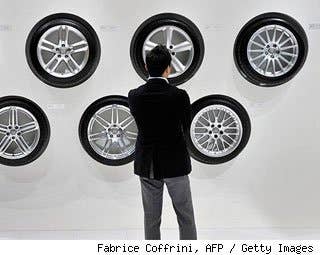
Some dealerships will tell customers that they have to buy additional options or accessories for them to qualify for financing, a special interest rate or a reduced price. This is not an accepted business practice and may be illegal.
If there are dealer-sold accessories that you want–such as wheel covers, spoilers, body kits, luggage racks, light kits–you will probably do much better on price at a local accessories shop.
The thing you have to check first, though, is whether buying certain accessories outside the dealer will void the manufacturer warranty.
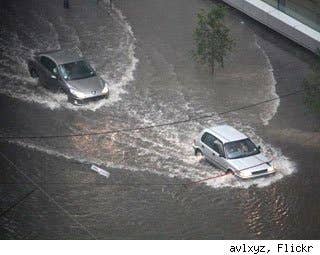
When there is flooding and damage to new cars on dealer lots as we have seen in Michigan and parts of the Southeast this year, water-damaged, new, cars can make their way back onto dealer lots.
There are unscrupulous vultures vying to buy as many (formerly) premium vehicles (Lexus, BMW, Cadillac) as they can at the lowest possible price. They will rebuild them as cheaply as possible and sell them back into the auction circuit. The auction buyer is their prey.
When these vehicles are sold back into the auction circuit, they are generally moved across the country, far from the location of the scoundrels that sold them. Purchased by some dealers and brokers, they are then taken to lots and sold as new or “almost new.”
It would be unusual to find these at a reputable big-time dealership in your area. But there are car brokers and lesser dealerships who sell both used and new cars who will advertise these cars as new..
So, what is going to happen to a flood damaged car? The vehicle may perform admirably for a few months, and then it slowly evolves into a money pit.
This worry obviously also applies to all used cars.
What to do? Check the Vehicle ID Number and cross-check for any discrepancies between the title, ID tag at the base of the windshield, and the tag on the driver’s door. Any differences could be an indication that the vehicle was given a new VIN after a flood total.
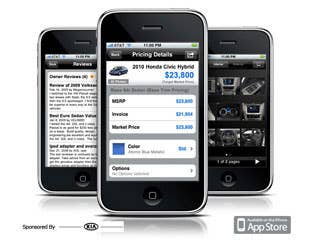
Take AOL Autos along with you to the dealer with our iPhone App! Click here to download it for FREE.