
Featured Gallery

Mercedes-Benz

Mercedes-Benz

Mercedes-Benz

Mercedes-Benz

Mercedes-Benz

Mercedes-Benz

Mercedes-Benz

Mercedes-Benz

Mercedes-Benz

Mercedes-Benz

Mercedes-Benz

Mercedes-Benz

Mercedes-Benz

Mercedes-Benz

Mercedes-Benz

Mercedes-Benz

Mercedes-Benz

Mercedes-Benz

Mercedes-Benz

Mercedes-Benz

Mercedes-Benz

Mercedes-Benz

Mercedes-Benz

Mercedes-Benz

Mercedes-Benz

Mercedes-Benz

Mercedes-Benz

Mercedes-Benz

Mercedes-Benz

Mercedes-Benz

Mercedes-Benz

Mercedes-Benz

Mercedes-Benz

Mercedes-Benz

Mercedes-Benz

Mercedes-Benz

Mercedes-Benz

Mercedes-Benz

Mercedes-Benz

Mercedes-Benz

Mercedes-Benz

Mercedes-Benz

Mercedes-Benz

Mercedes-Benz

Mercedes-Benz
Mercedes-Benz

Mercedes-Benz

Mercedes-Benz

Mercedes-Benz

Mercedes-Benz

Mercedes-Benz

Mercedes-Benz

Mercedes-Benz

Mercedes-Benz

Mercedes-Benz

Mercedes-Benz

Mercedes-Benz

Mercedes-Benz

Mercedes-Benz

Mercedes-Benz

Mercedes-Benz

Mercedes-Benz

Mercedes-Benz

Mercedes-Benz

Mercedes-Benz

Mercedes-Benz

Mercedes-Benz

Mercedes-Benz
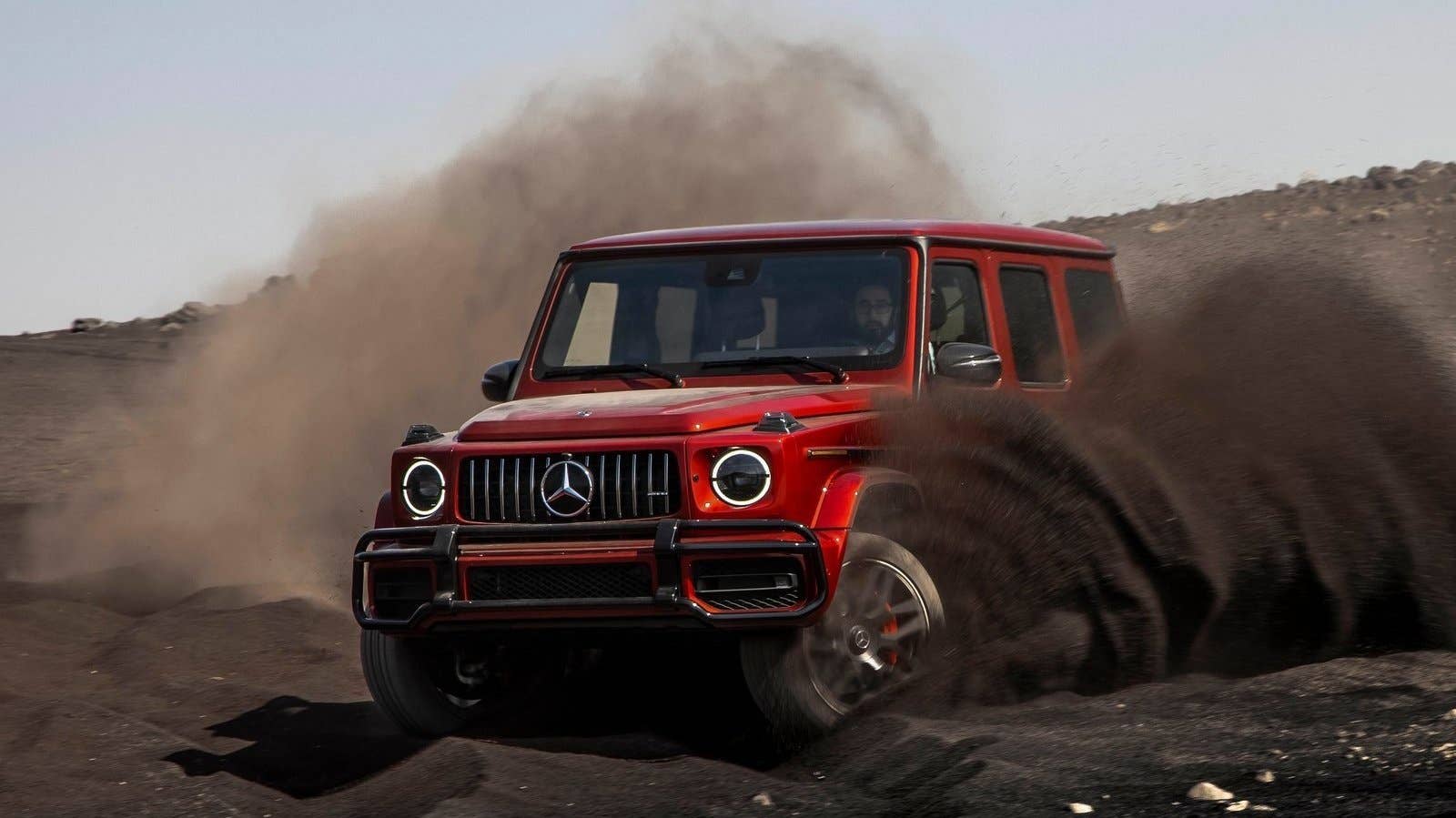
Mercedes-Benz pledged to add over 10 electric cars to its global lineup by 2022. We’ve already seen some of them, and we know the identity of others, but the company surprised everyone by confirming it could bolster its electric car offensive with a battery-powered variant of the G-Class.
Sascha Pallenberg, the head of digital transformation for Mercedes-Benz parent company Daimler, quoted new company boss Ola Källenius as saying “there will be a zero-emission EV version of the Mercedes-Benz G-Class” during a speech made at the Automobilwoche Kongress.
Mercedes could use its hydrogen technology to build a zero-emissions G-Class, but Källenius clearly stated the upcoming model will be electric. EQG it is, then, at least if it follows the naming system used by other electric Mercedes models like the EQC, the upcoming EQA, and the EQS we discovered as a concept. He didn’t reveal when the model will make its debut, precisely what will power it, or which markets it will be sold in. Odds are the battery-powered G will be sold alongside the gasoline-burning (and, in Europe, diesel-powered) variants rather than instead of them, however.
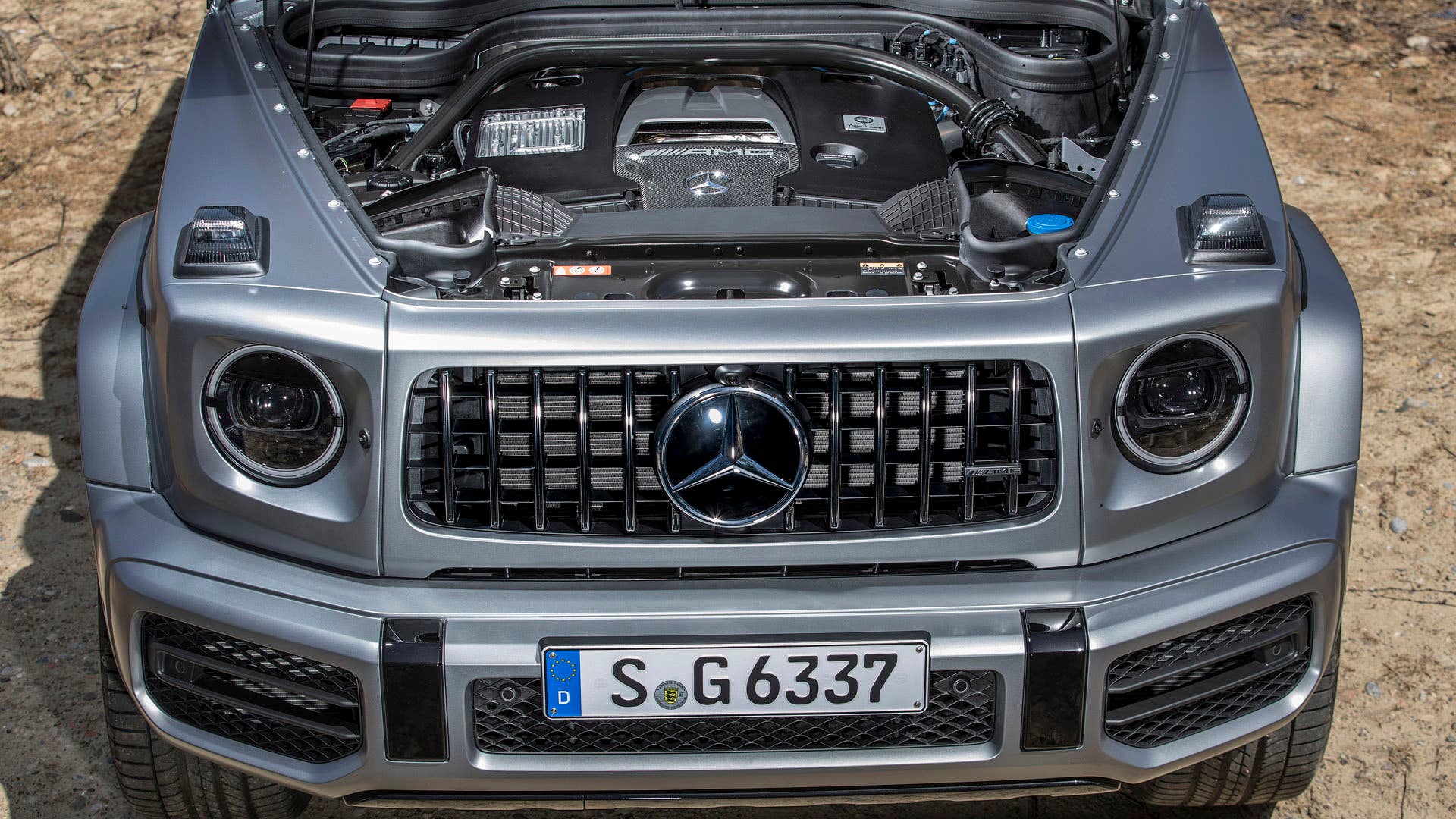
Electrifying the G will be easier said than done. At nearly 5,500 pounds, the current truck is one of the heaviest cars available new, and powering it with electricity will bump that figure closer to 6,000 pounds. Moving such a heavy vehicle quickly while giving it an acceptable driving range will require using a huge battery, which will in turn add weight; it’s a catch-22. Escaping it will entail putting the G on a diet, and using lighter battery technology. In other words, don’t expect to see it in early 2020.
If this sounds familiar, it’s likely because we’ve been here before. In 2017, actor and former California governor Arnold Schwarzenegger asked Austrian firm Kreisel Electric to help him build a late-model, first-generation G that runs on electricity. He drove the SUV — which Kreisel described as a one-off prototype — around California, but there’s little indication that production started as planned.
It’s a small wonder that we’re even talking about the G’s future. Ten years ago, the truck looked like a bad hangover from a different era, and most assumed it was living on borrowed time. Fast forward to 2019, and its star has finally risen thanks in part to the Hollywood dwellers, the Russian oligarchs, and the Middle Eastern oil barons who are addicted to it. SUVs and crossovers outsell sedans, and the second-generation G-Class represents that branch of the Mercedes-Benz family so well that the brand considers it one of its most important icons. Sorry, R-Class fans.
“In the past, there were discussions whether we should eliminate the model. The way I see things now, I’d say the last Mercedes to be built will be a G-Class,” summed up Källenius.