
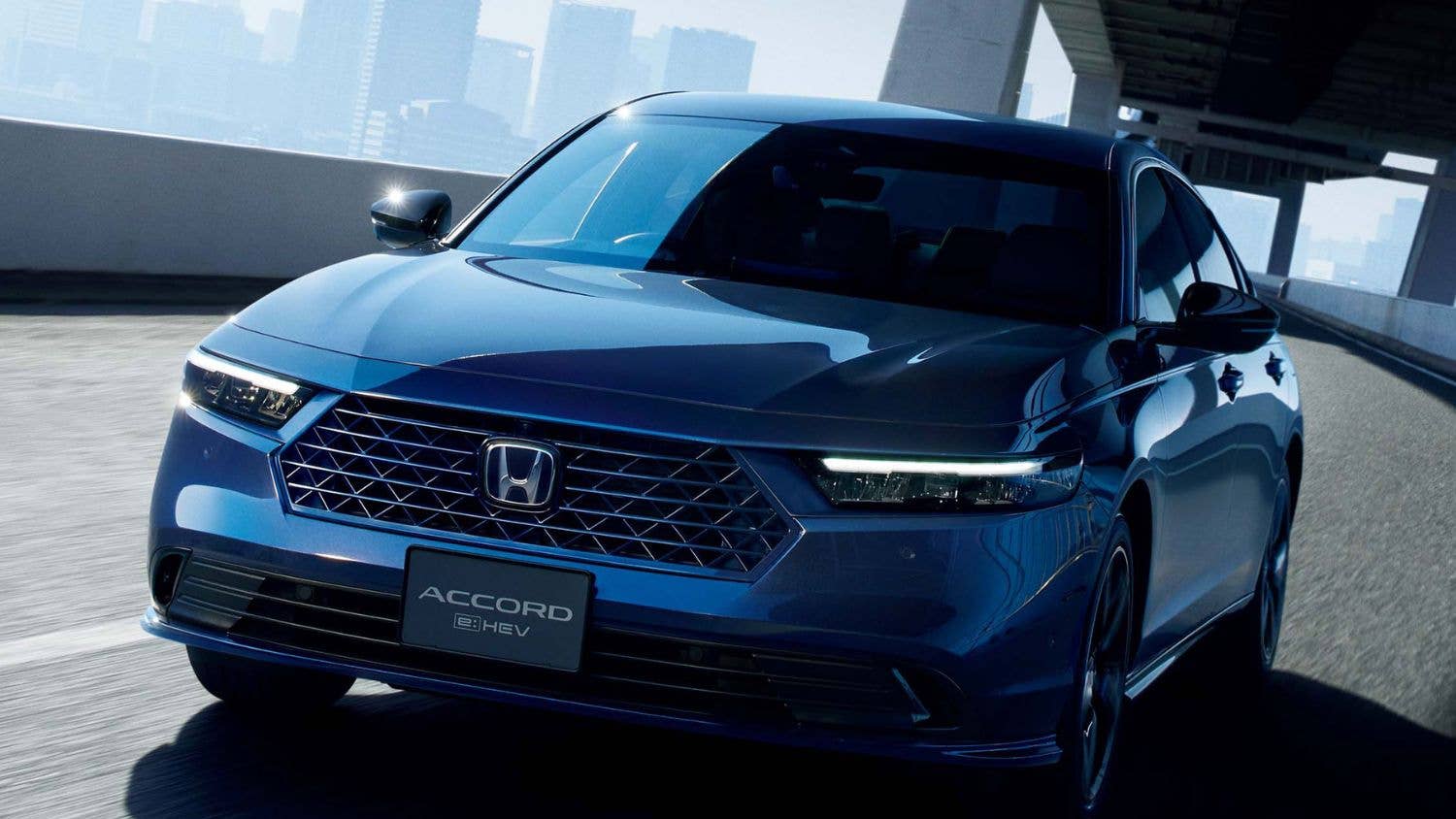
Honda has historically protected its brand prestige and residual values by strictly prioritizing retail customers and steering clear of the bulk fleet market. However, a rapidly changing economic landscape is forcing the Japanese automaker to adjust its playbook. According to recent data, Honda and Acura fleet sales surged an impressive 54 percent in the first nine months of the year, reaching a total of 124,485 units. While this raises the automaker’s overall fleet penetration to 11 percent, it still remains well below the current industry average of roughly 18 percent.
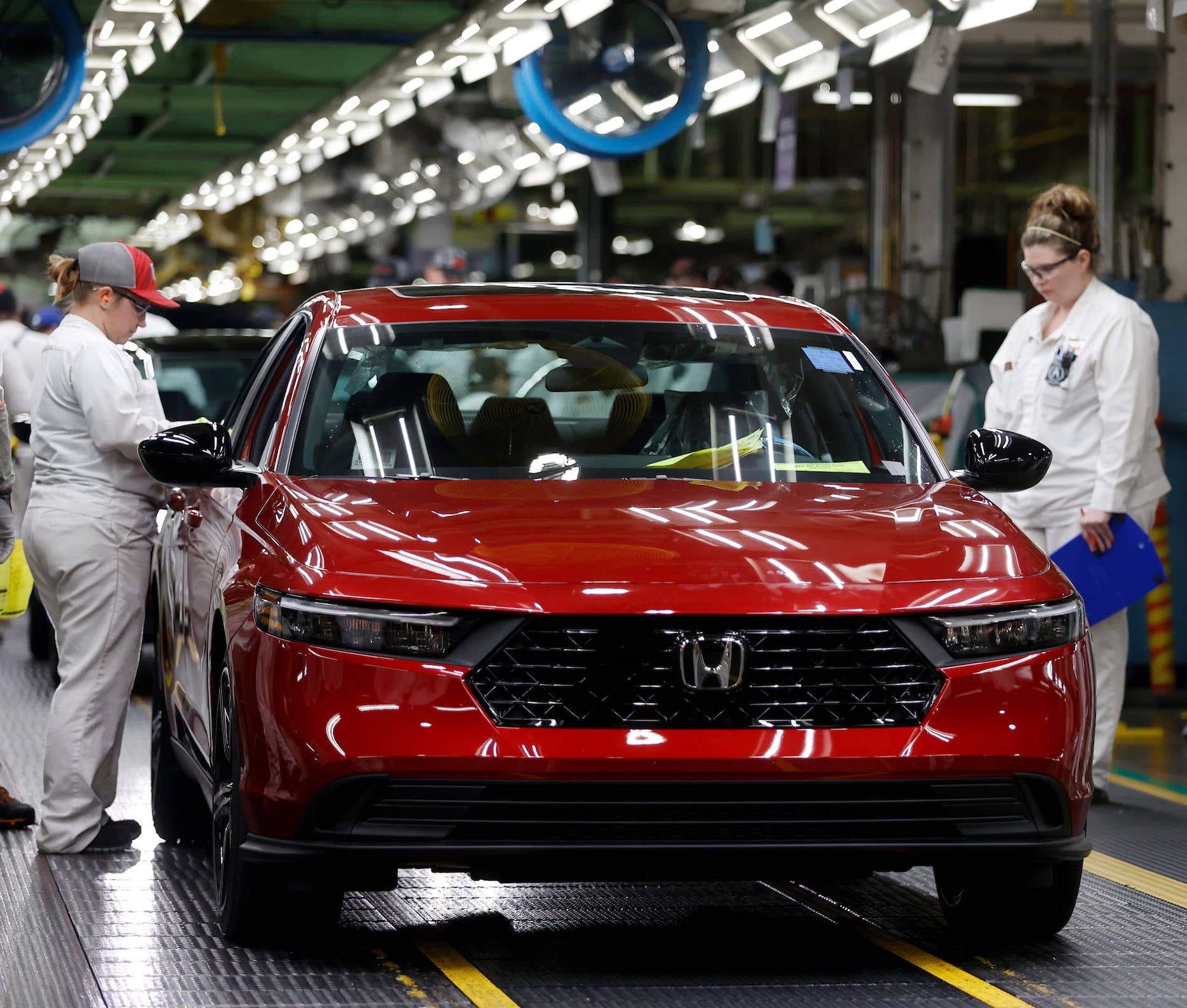
Rather than simply dumping excess inventory on massive daily-rental companies, the automaker is heavily prioritizing the expansion of loaner vehicles for its own dealership service departments. Honda has funneled nearly five times as many Accords into fleets this year, with about 20 percent of the midsize sedan’s sales directed to fleet buyers through September alone.
Honda
Feeding the Used Lot
As American Honda sales chief Lance Woelfer told Automotive News that this fleet expansion is a deliberate tactic to provide more affordable options. With new vehicle prices nearing $50,000 and pricing out budget-conscious buyers, the move is strictly focused on stocking the used-car lot. By rapidly expanding its dealership service loaner program, Honda is actively manufacturing its own pipeline of high-quality, low-mileage used cars.
After just 9 to 12 months of service, these gently driven loaners, which often accumulate just 600 to 800 miles, are retired and funneled directly into the brand’s highly lucrative Certified Pre-Owned (CPO) program. Because buying a used car is often a smarter financial move in today’s economy, these CPO units provide a critical entry point for buyers who want Honda reliability without the massive upfront cost. To encourage participation, Honda is heavily subsidizing the program, providing retailers with a monthly credit worth 0.5 percent of the sticker price for up to six months.
A Calculated Compromise
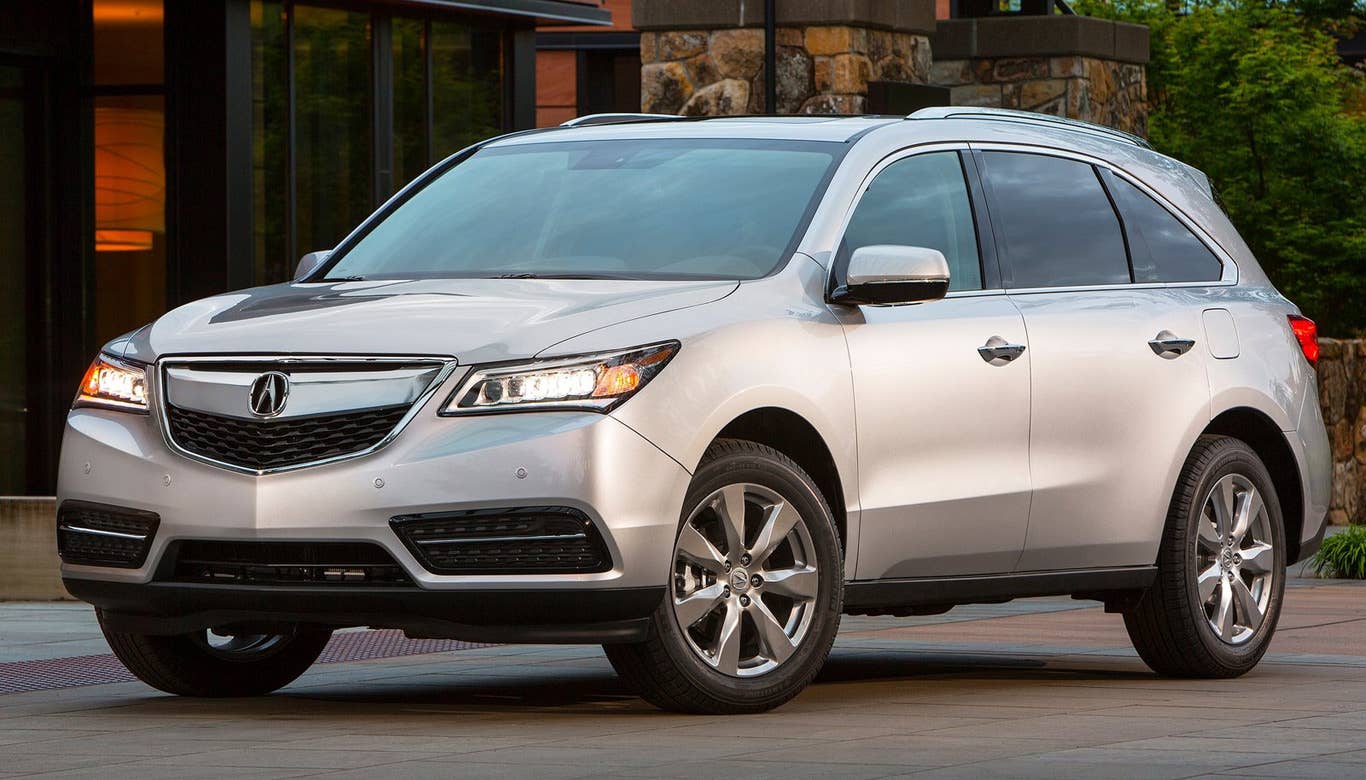
Honda’s cautious embrace of fleet sales is a brilliant, highly calculated compromise. When automakers rely heavily on traditional corporate rental fleets to move metal, those vehicles eventually end up at public auction, heavily dragging down brand residuals and angering loyal owners.
Because high prices are actively scaring buyers away from showrooms, Honda needed a creative solution to stock affordable inventory without cannibalizing its long-term brand value. By keeping these fleet vehicles in-house as service loaners, dealerships can offer extended product test drives to service customers before ultimately selling those exact same cars on the used lot with a lucrative 100,000-mile CPO warranty. It is a closed-loop system that builds brand loyalty while satisfying the intense market demand for affordable transportation.
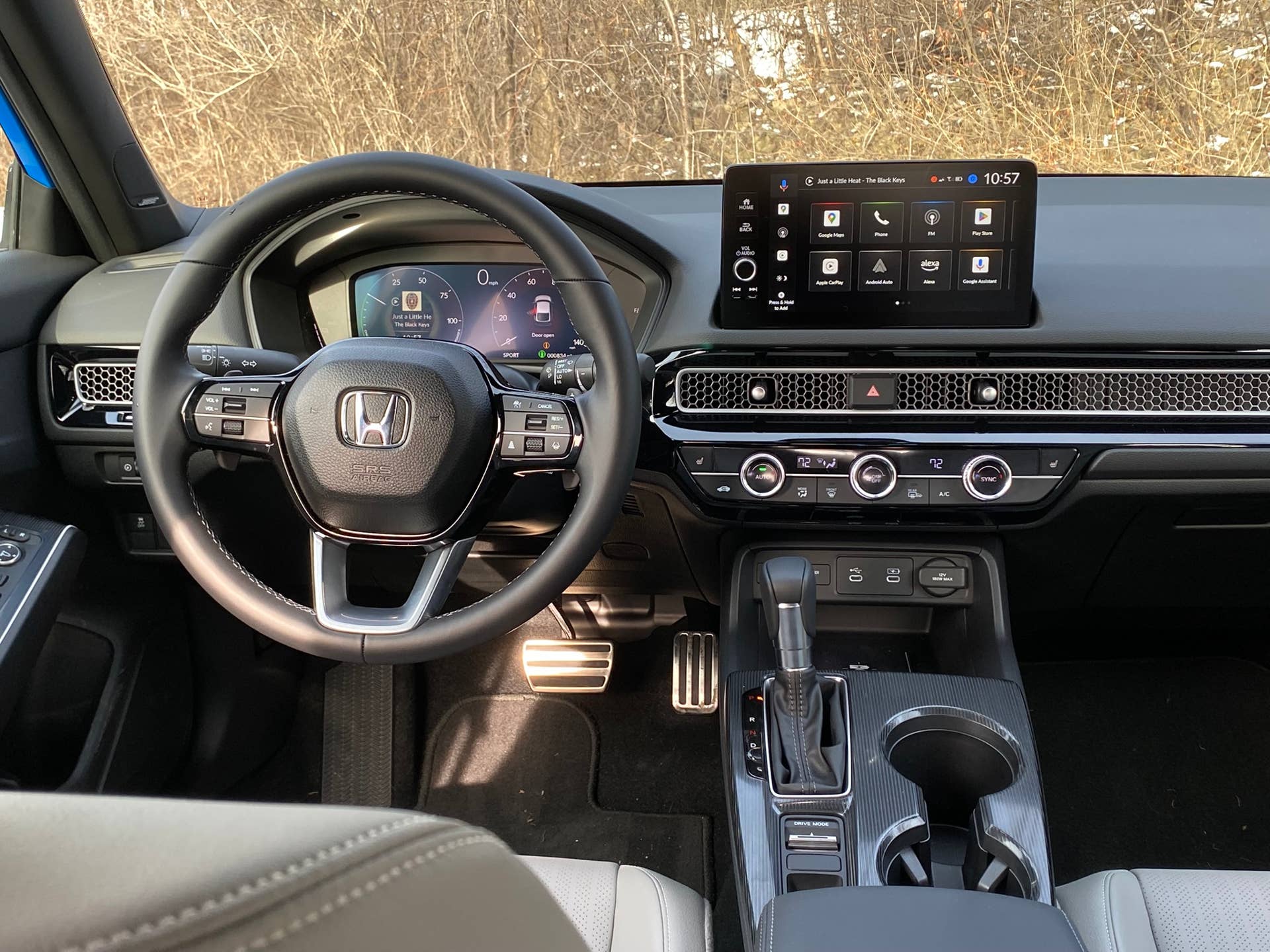
Honda’s tech integration continues to improve, and in the 2026 Civic Sport Touring Hybrid, it finally feels cohesive. The dash-mounted 9-inch touchscreen isn't big or fancy, but its no-nonsense functionality doesn't detract from driving focus. Reponses click with satisfaction, and the accompanying physical controls are easy to use while driving. The system runs a straightforward interface that avoids the clutter of overly animated menus. Wireless Apple CarPlay and Android Auto are standard, as are wireless phone charging, a premium 12-speaker Bose audio system, and a fully digital 10.2-inch gauge cluster.
About the author

Roy Robles
News Editor