
Featured Gallery
McLaren
McLaren

McLaren
McLaren

McLaren
McLaren
McLaren
McLaren
McLaren
McLaren
McLaren
McLaren
McLaren

McLaren
McLaren

McLaren

McLaren
McLaren
McLaren
McLaren
It emerged last December that
McLaren had
built an all-electric testbed for a future EV supercar, to go along with the English automaker’s $1.4 billion investment in electrified powertrains. But as we told you a few weeks ago, McLaren CEO Mike Flewitt said that such a car was, as a practical matter,
years away from production. Now COO Jens Ludmann has put some numbers to the carmaker’s quest, saying, “[The]
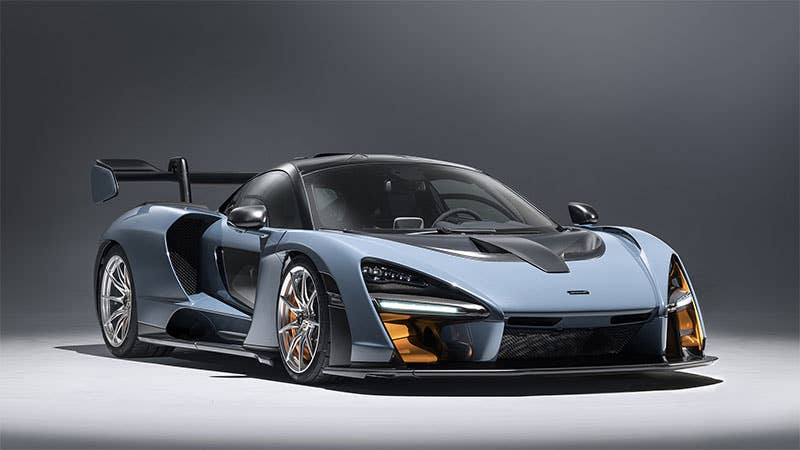
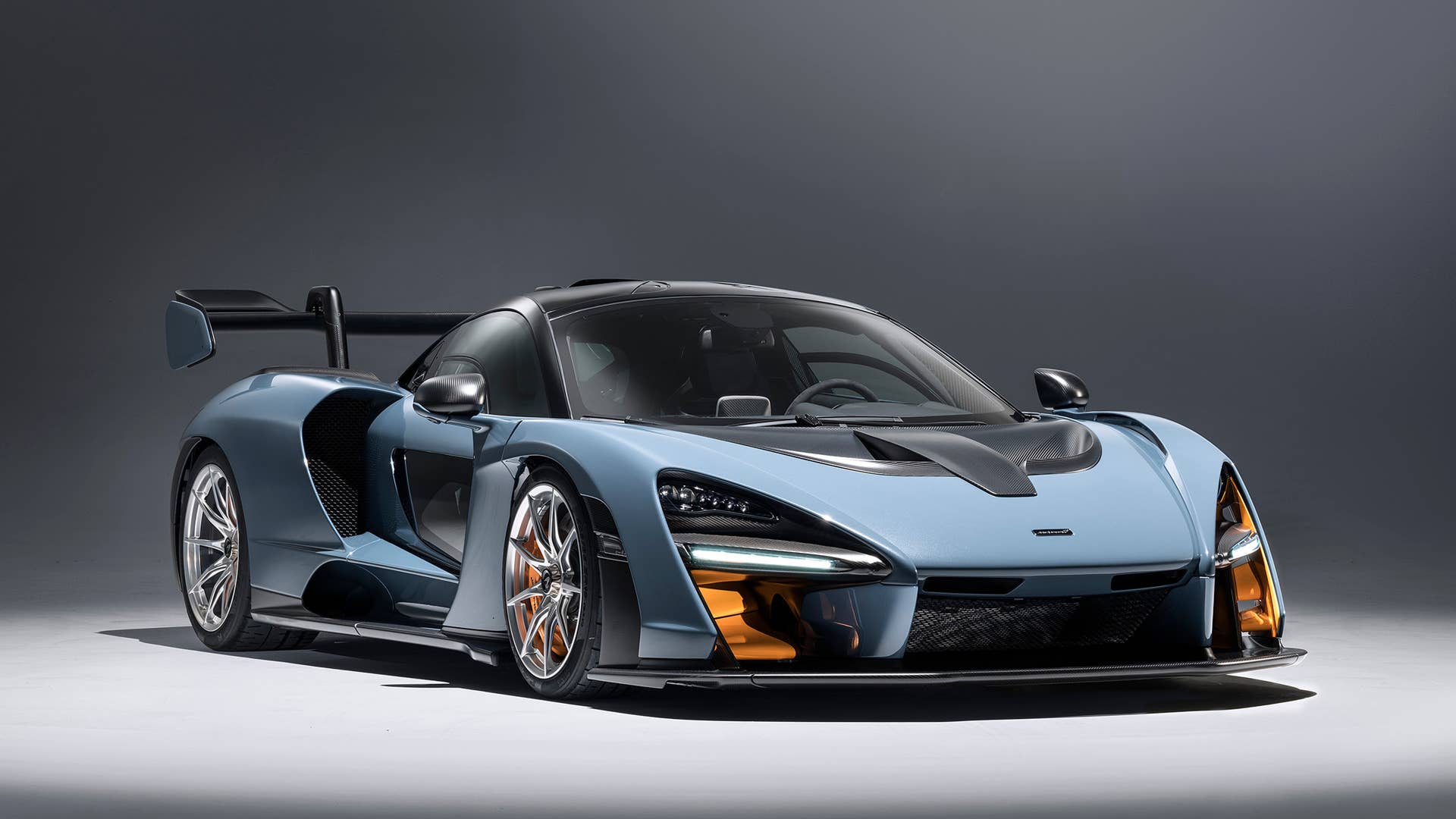
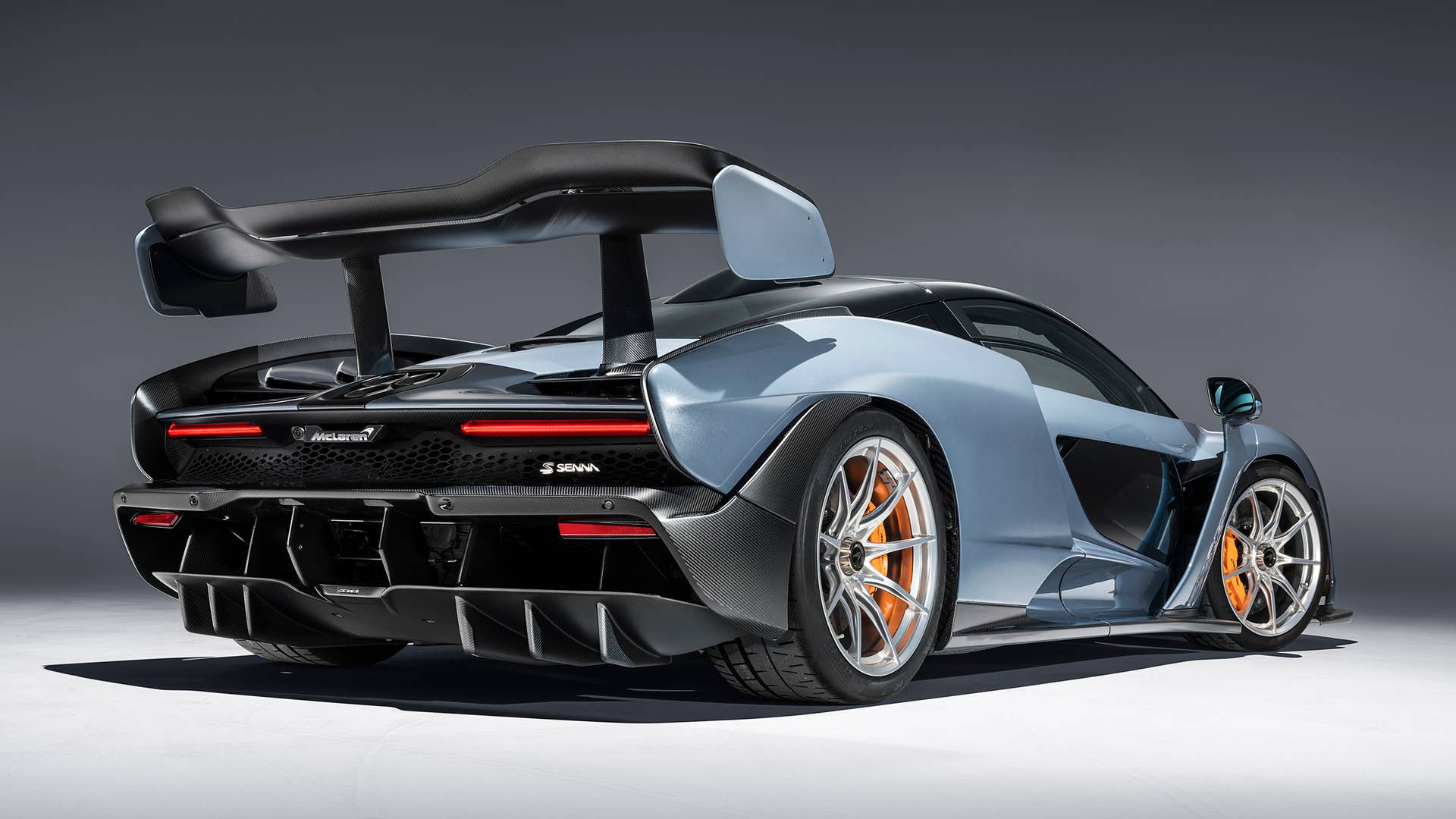
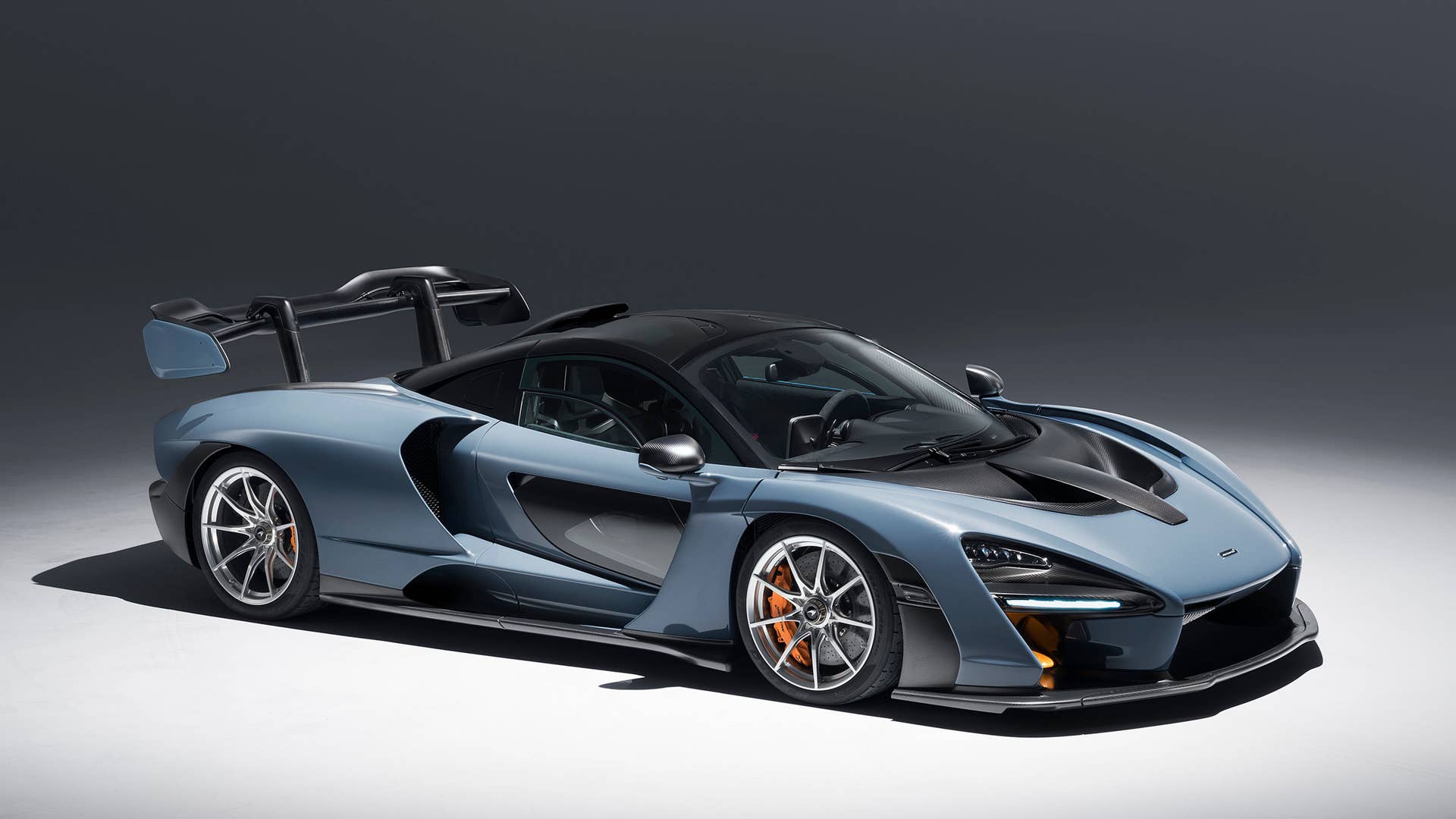
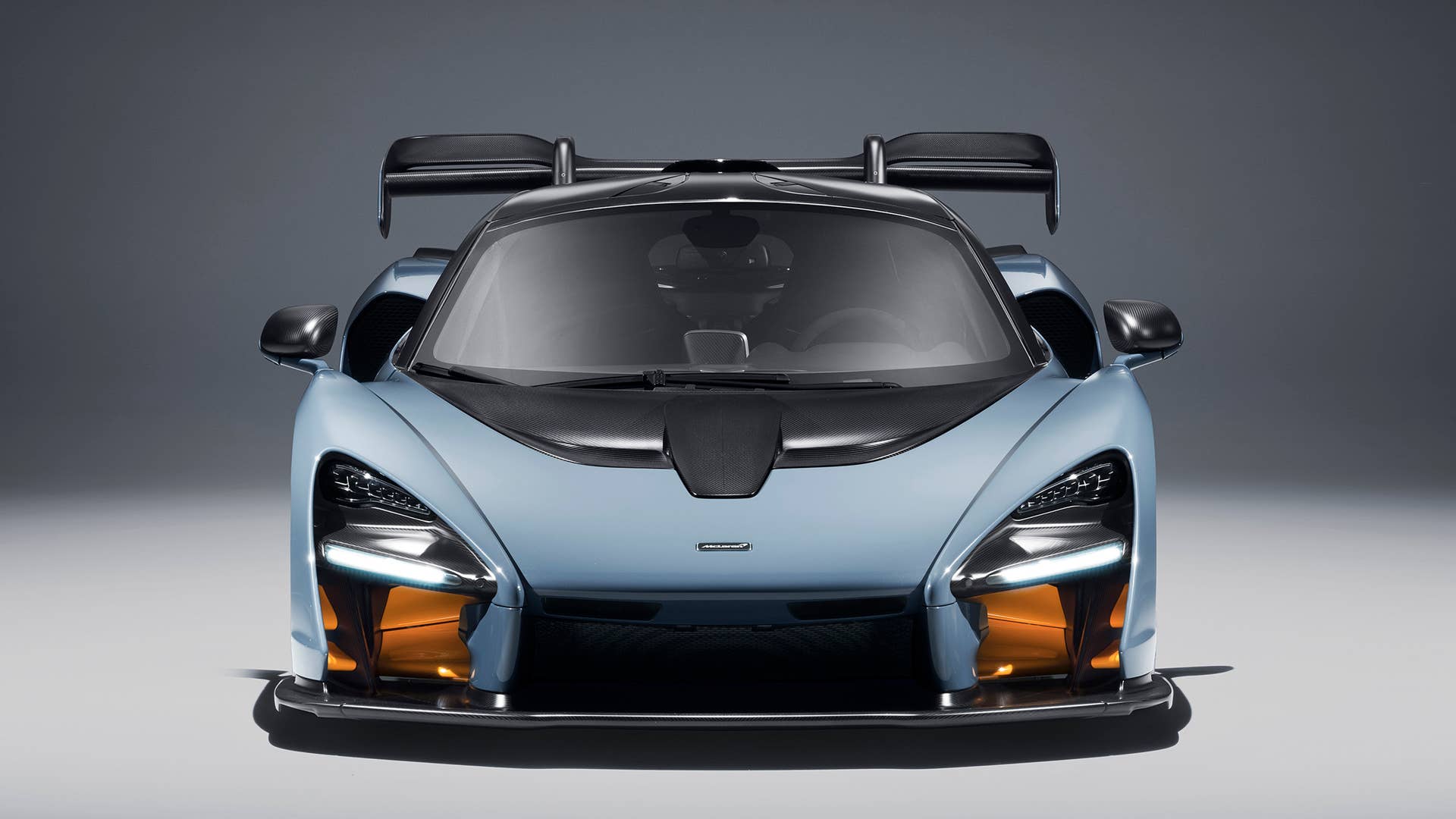
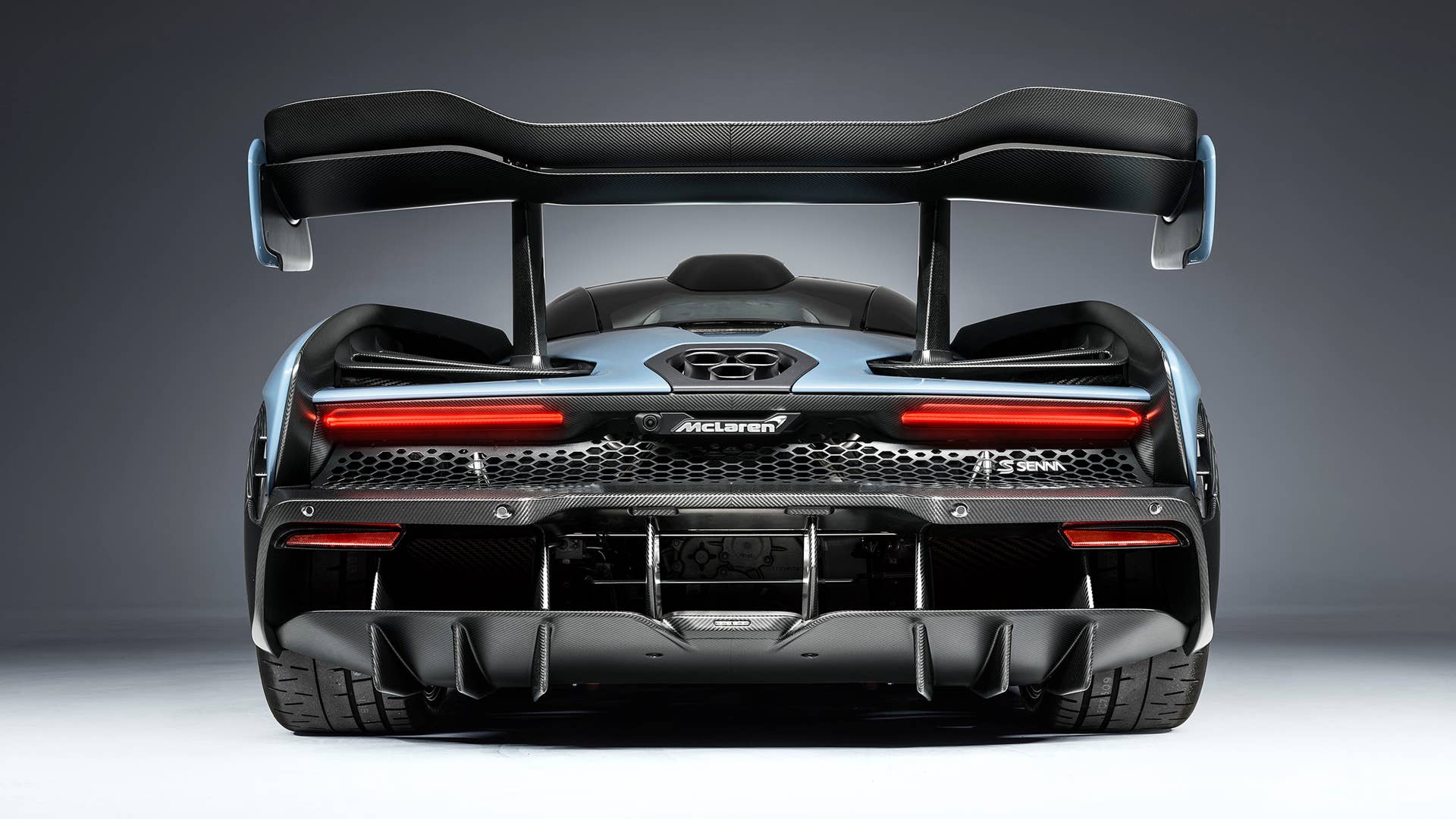
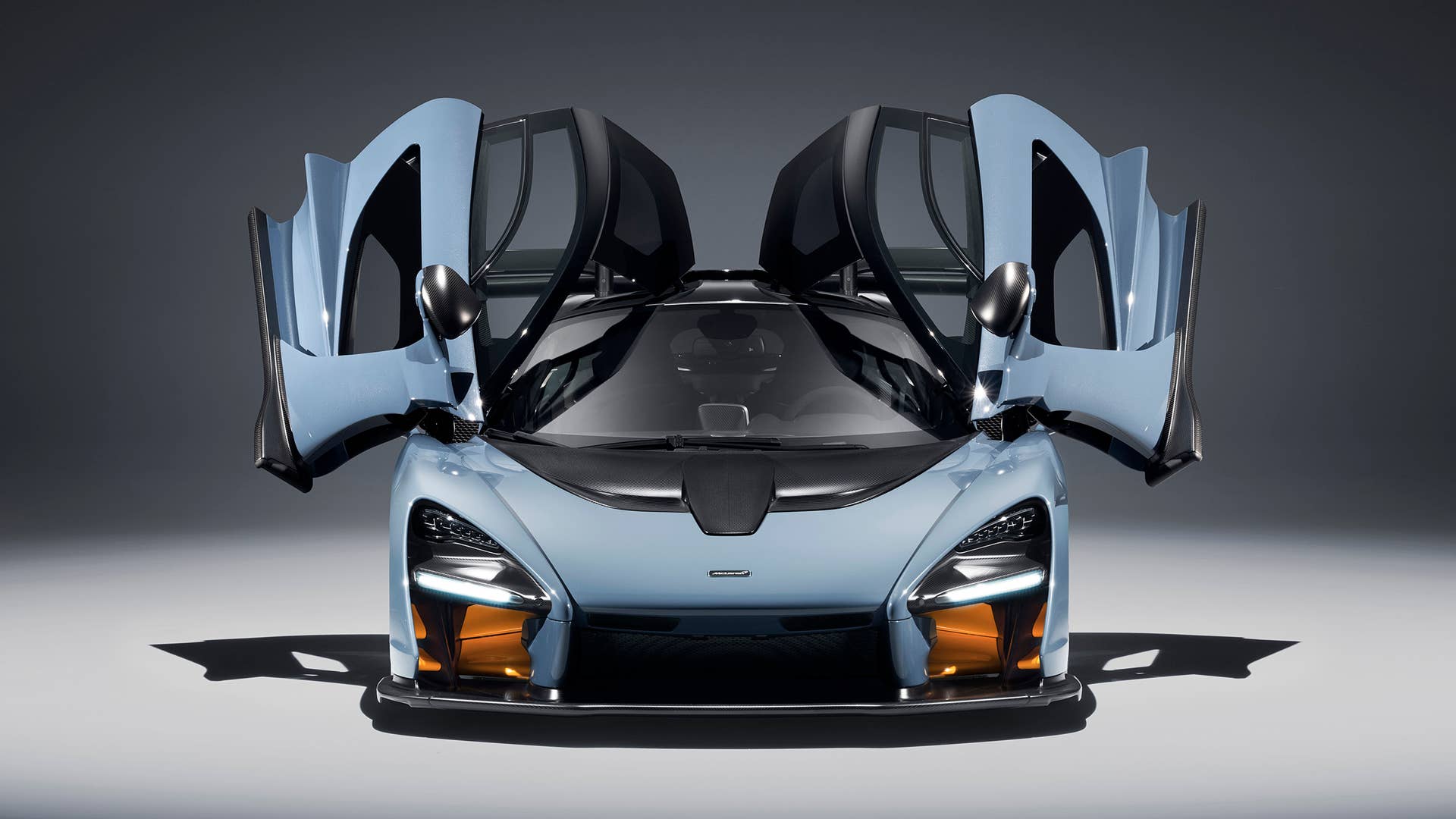
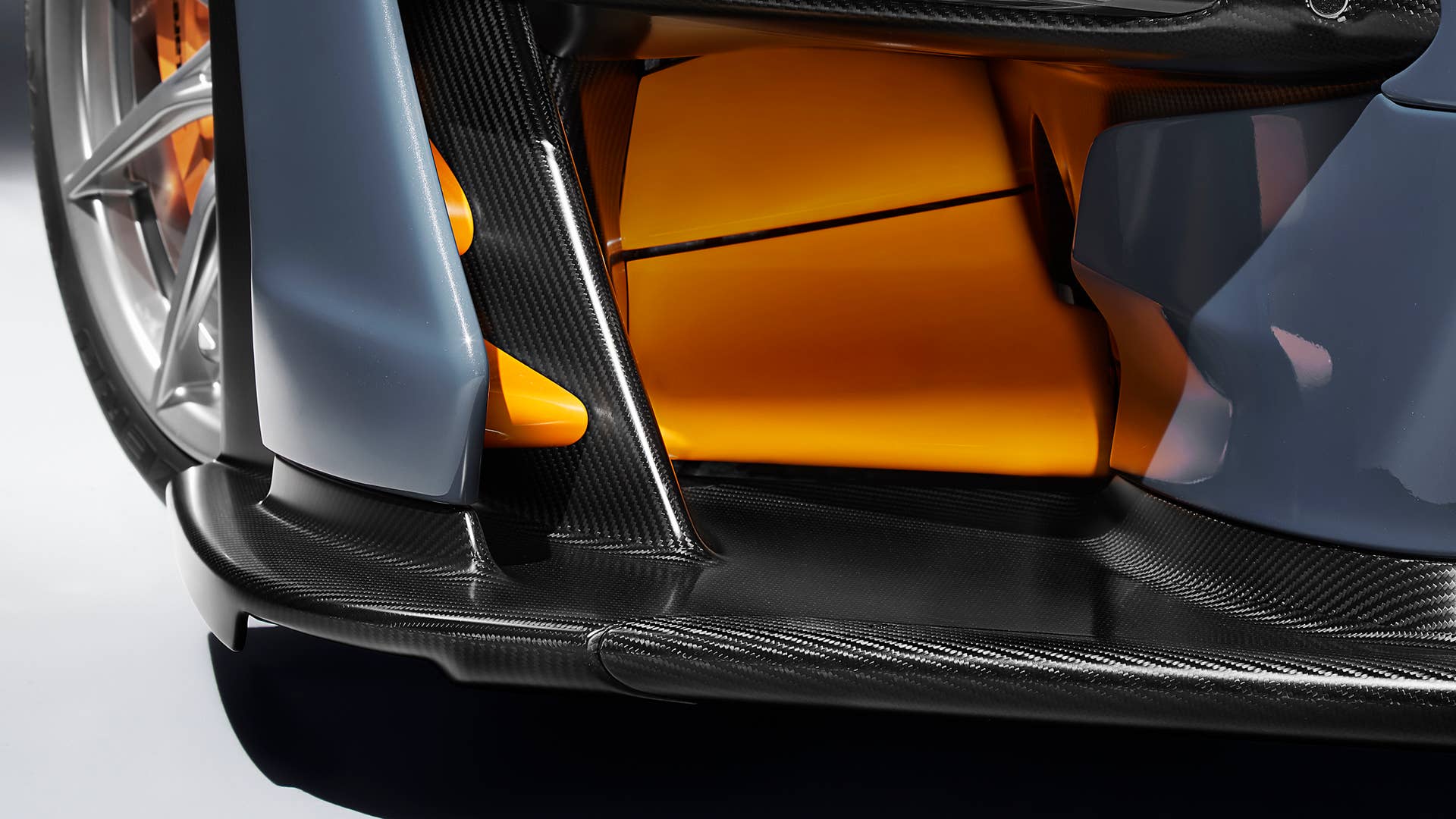
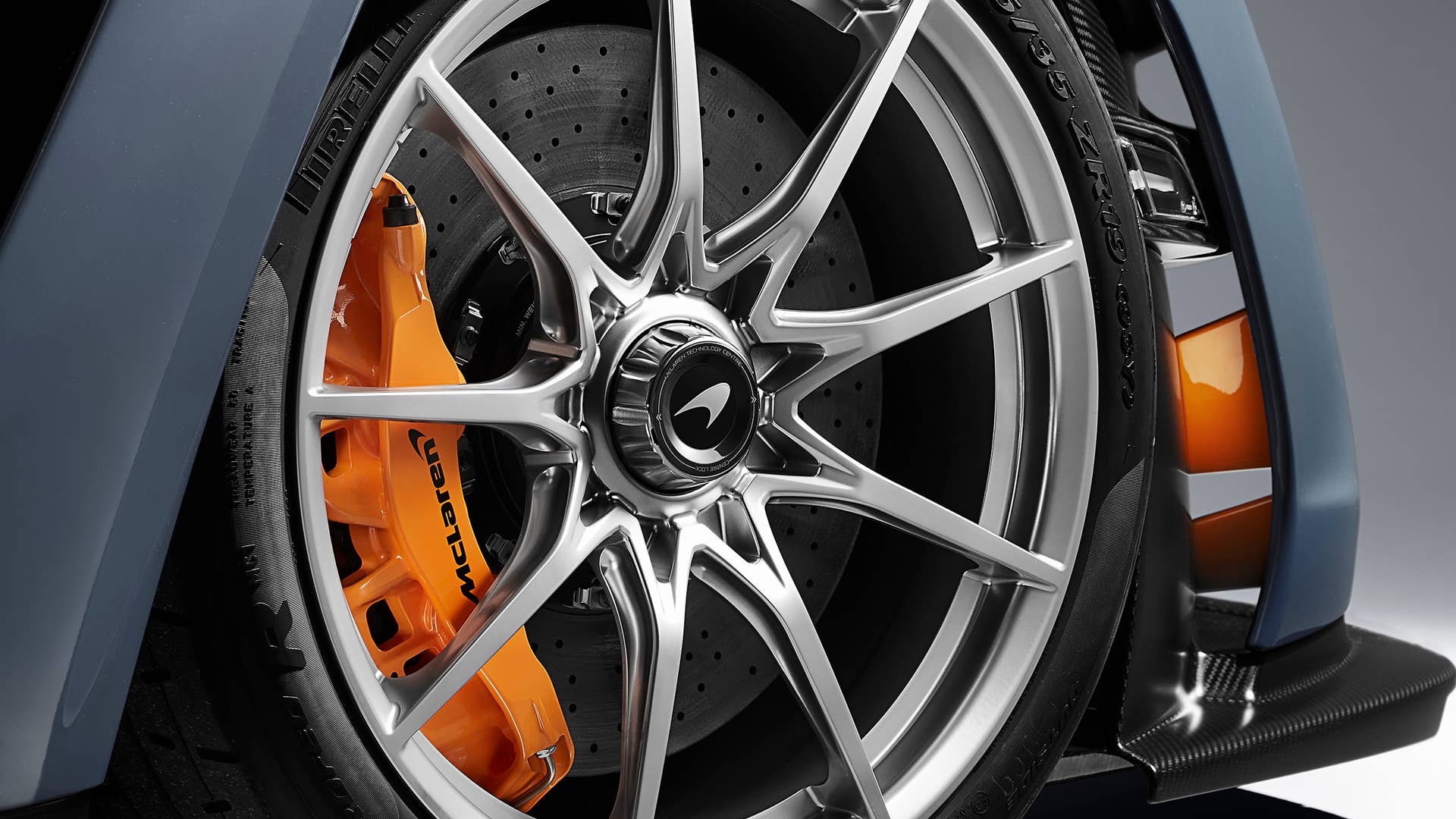
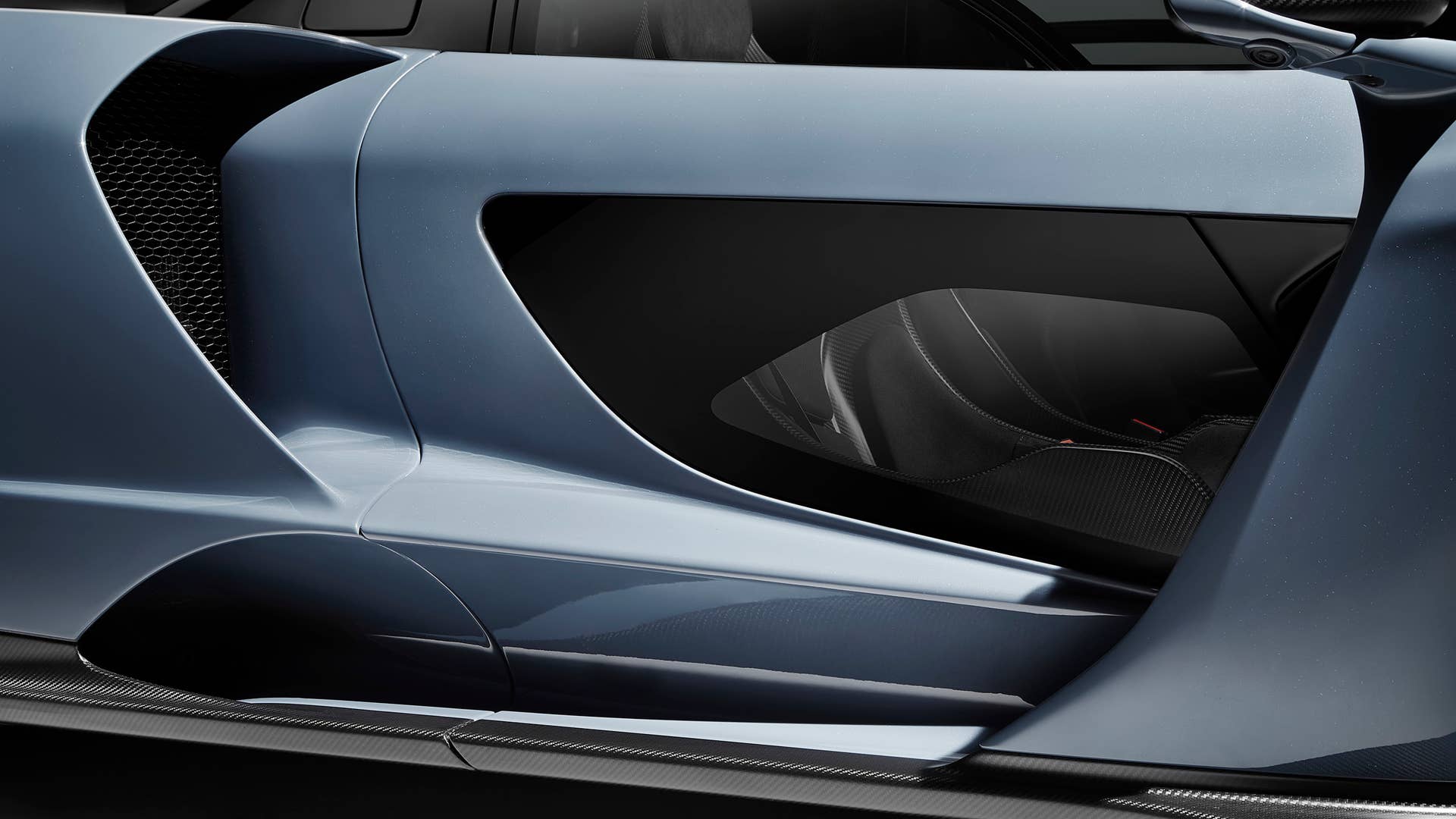
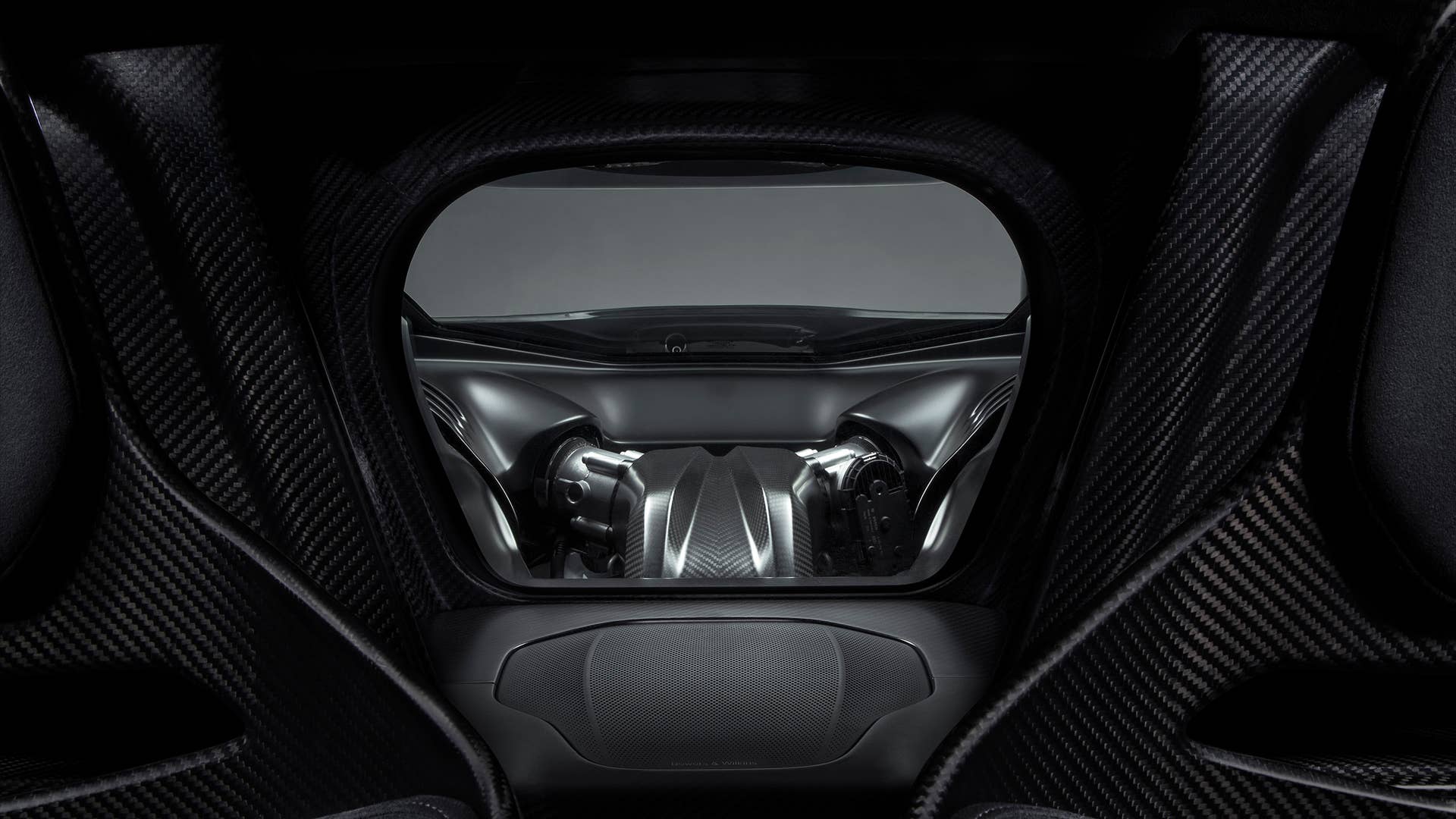
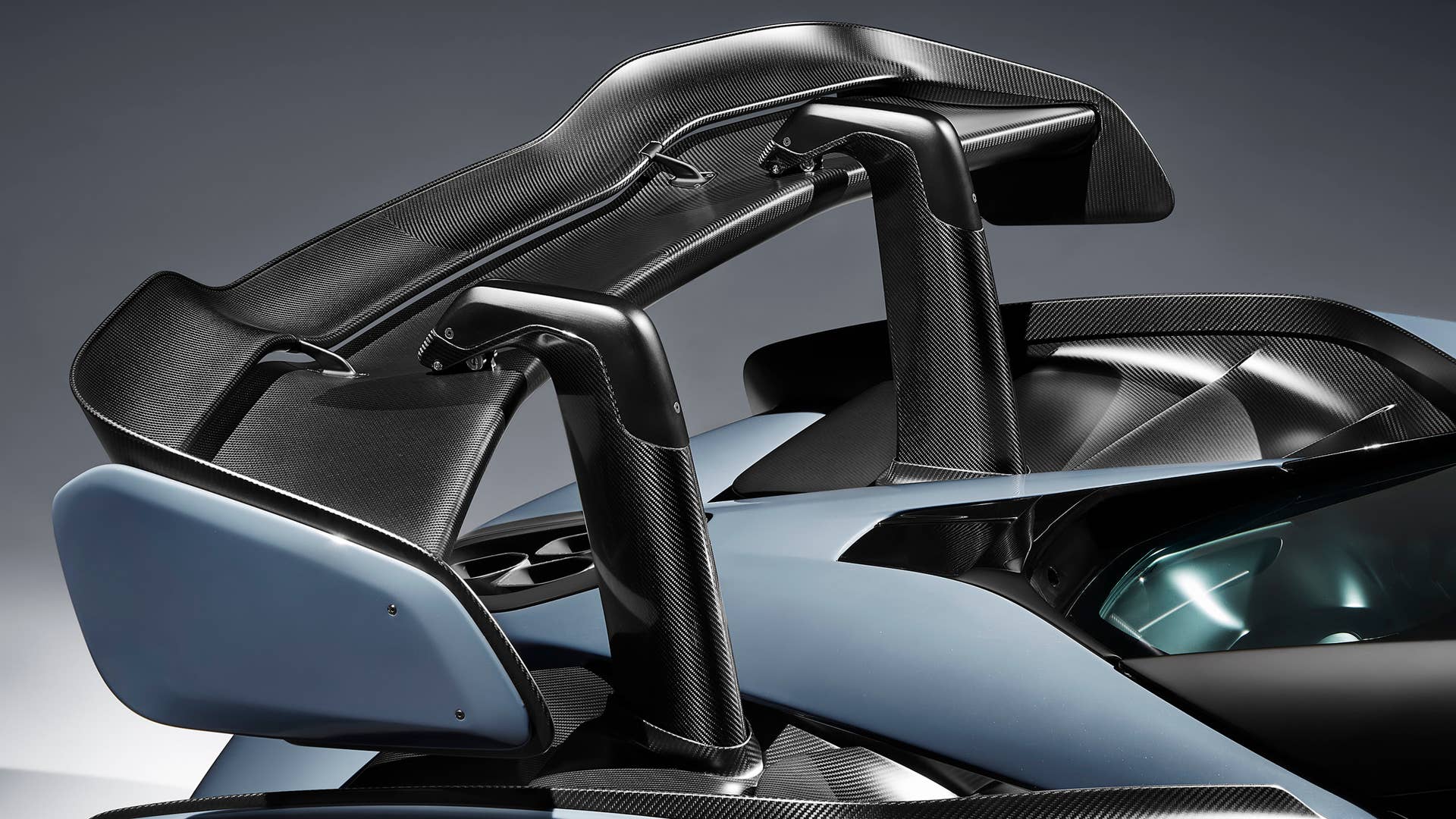
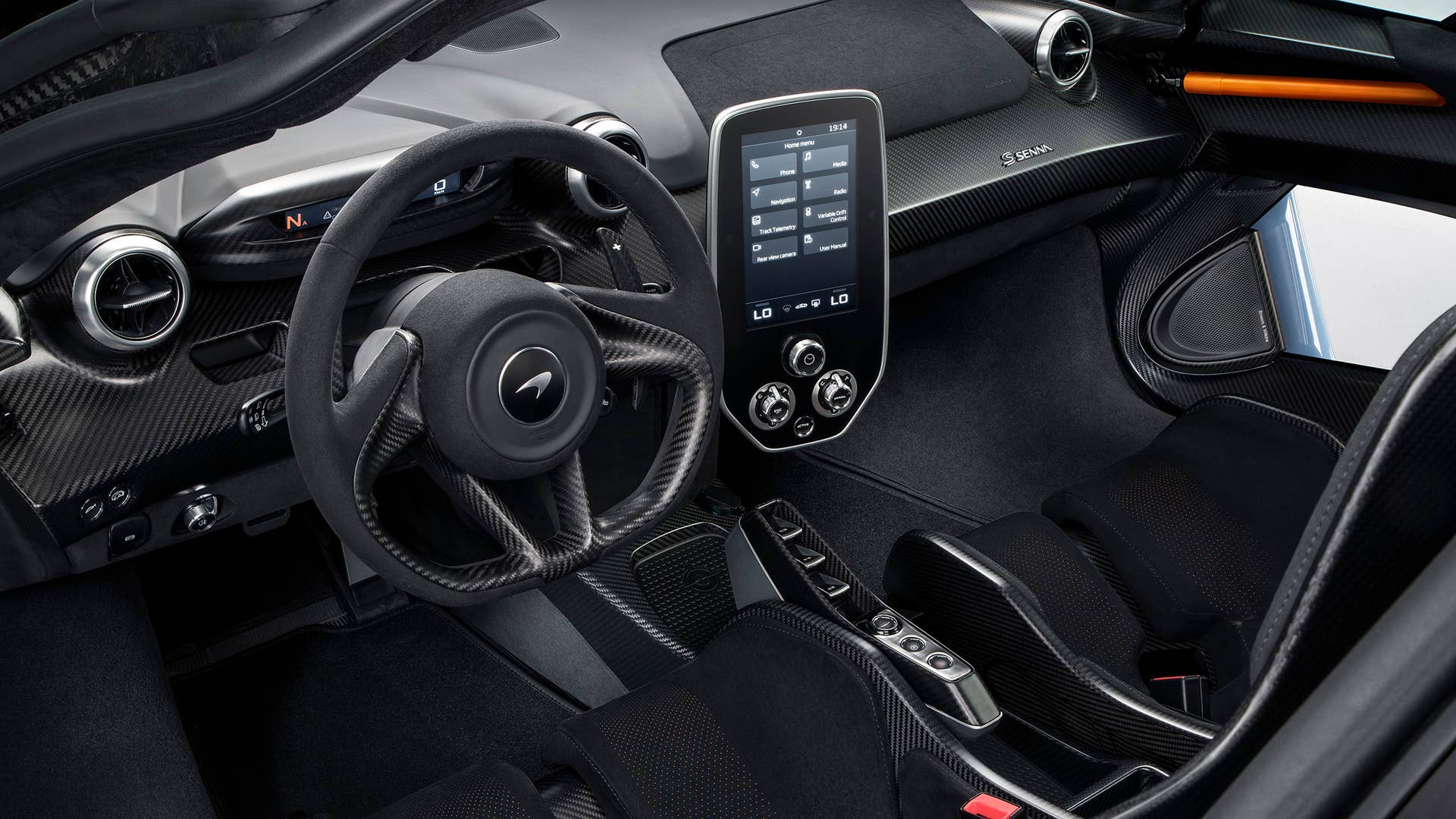
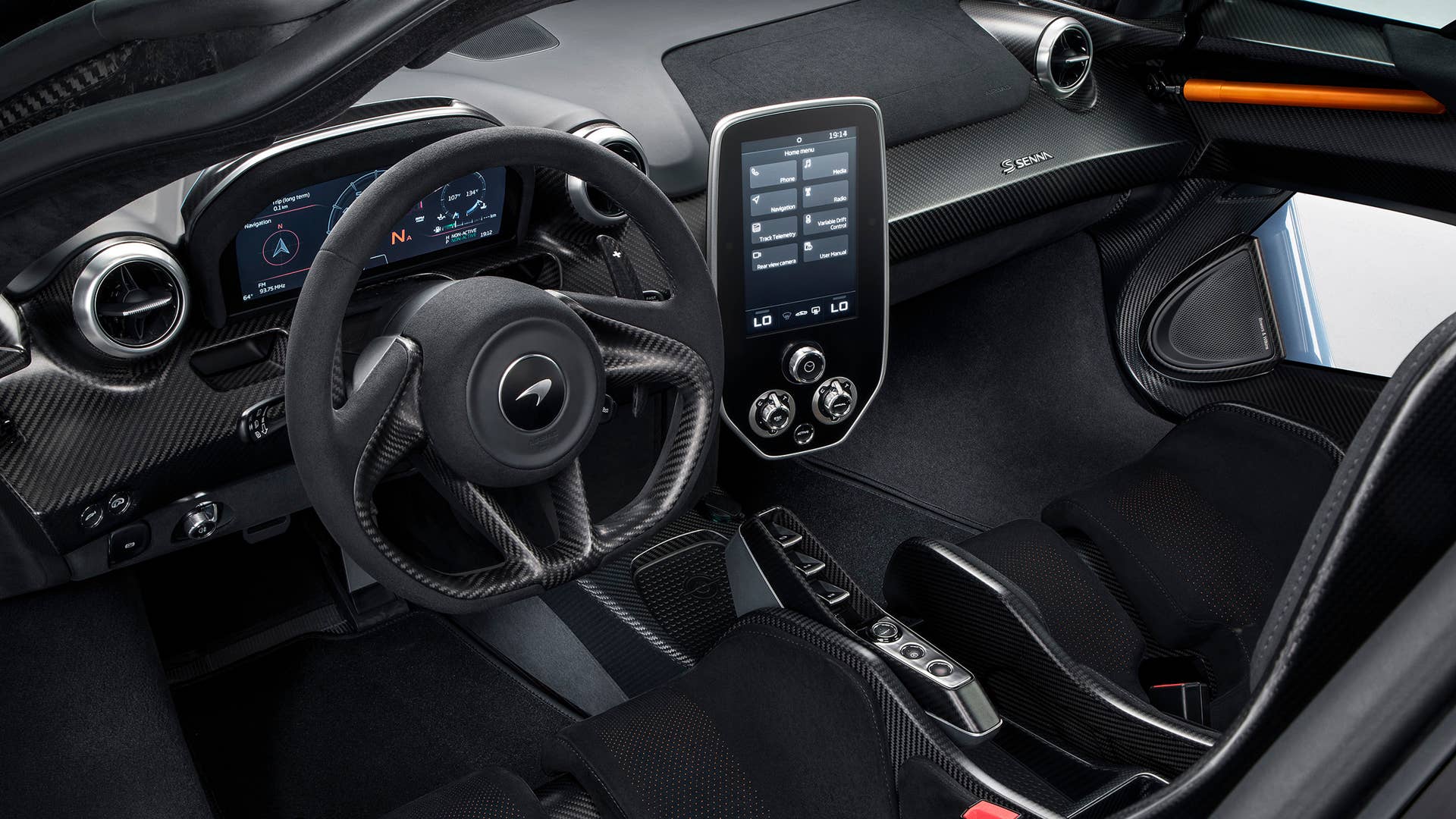
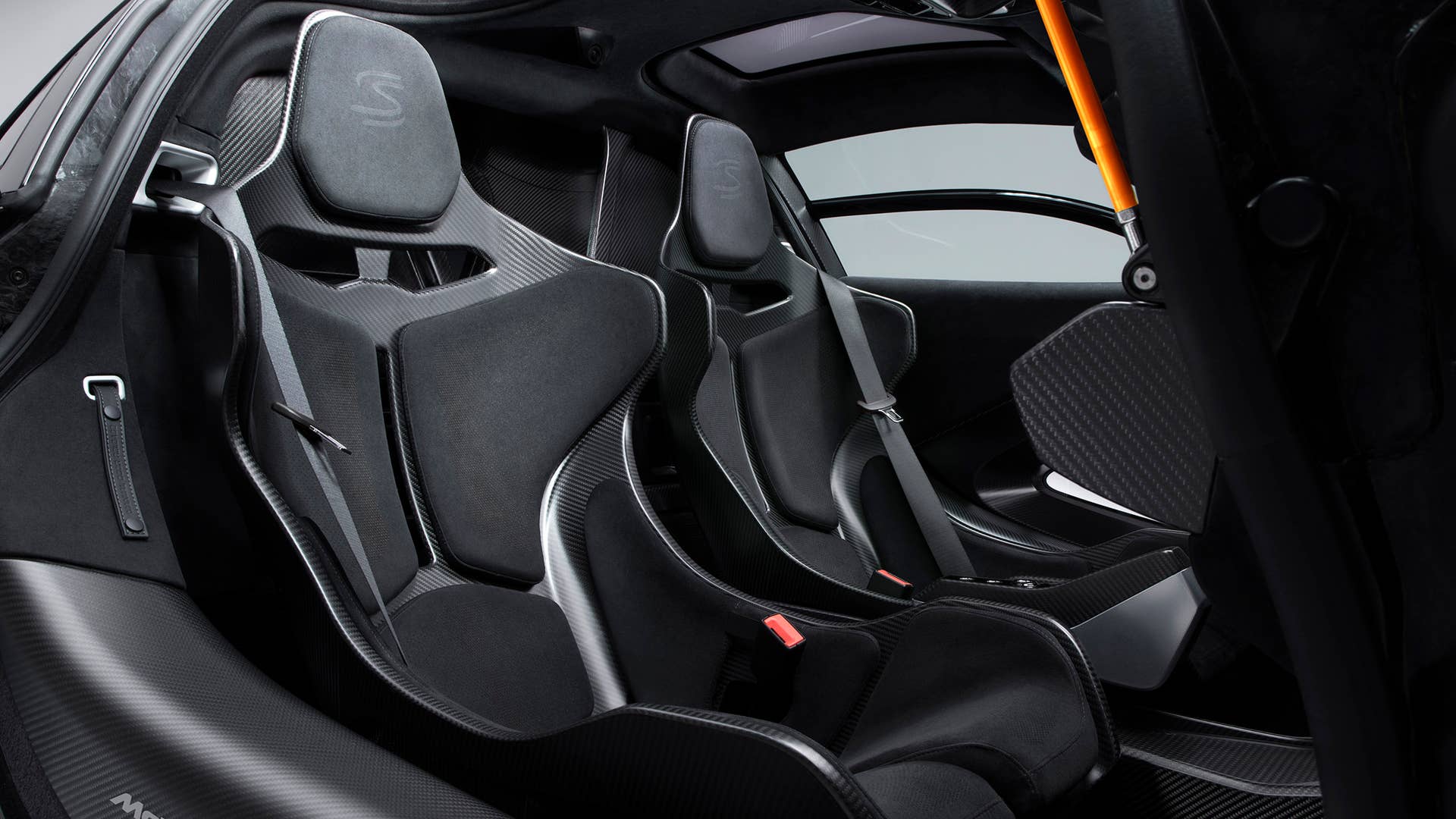
Senna has 800 PS [Pferdestärke] on 1,200 kg, that’s about the power to weight that we’re looking for.” He’s talking about 789 horsepower in a package lighter than a base
Honda Civic Coupe.
The issue isn’t energy capacity, it’s energy density. Said Ludmann, “[The] battery technology should achieve 500 watt-hours per kilogram. That is a level where it really makes sense. Today we are around 180 watt-hours per kilogram.” McLaren Engineering provides batteries for Formula E rated at 216 Wh/kg, but those packs aren’t suitable for a consumer road car. According to what the company’s learned from the battery industry, we’re 5 to 10 years away from 500 watt-hours per kilogram for a roadworthy vehicle.
In 2015
Rimac
unveiled a battery it made for the
Koenigsegg Regera. Said to be the most energy-dense car battery at the time, it boasted a power-to-weigh ratio of 60 Wh/kg. Figure that the battery industry’s adding 40 Wh/kg per year — which gets us from 2015 to Ludmann’s 180 Wh/kg current state of affairs. Using that measure, we’re 8-10 years away from 500 Wh.
McLaren wants its theoretical EV owner to be able to do 30 minutes or 10 hard laps at the track, be “as exciting as a
675LT,” and recharge in 30 minutes for another half-hour track session. That battery would need exceptionally high energy density, and the cells and electronics would need to stand up to constant high power output and extreme discharge cycles. To enable that with today’s battery tech, you’d end up with a vehicle that could do 500 miles in everyday road use, be far too heavy for McLaren’s aims, and take far too long to charge.
Ludmann told
Wheels magazine everything else about the EV supercar is “all resolved — easy.” While we dig in for what could be a lengthy wait, we’ll have to be satisfied with the McLaren hybrids that should start showing up in a couple of years.
Related Video:
Video ID:
979fb1cf-5fc3-3907-8120-2515d164dfc0
Playlist ID:
Autoplay:
false
Mute:
false
Continuous:
false
Ad Key:
Ad Value: