
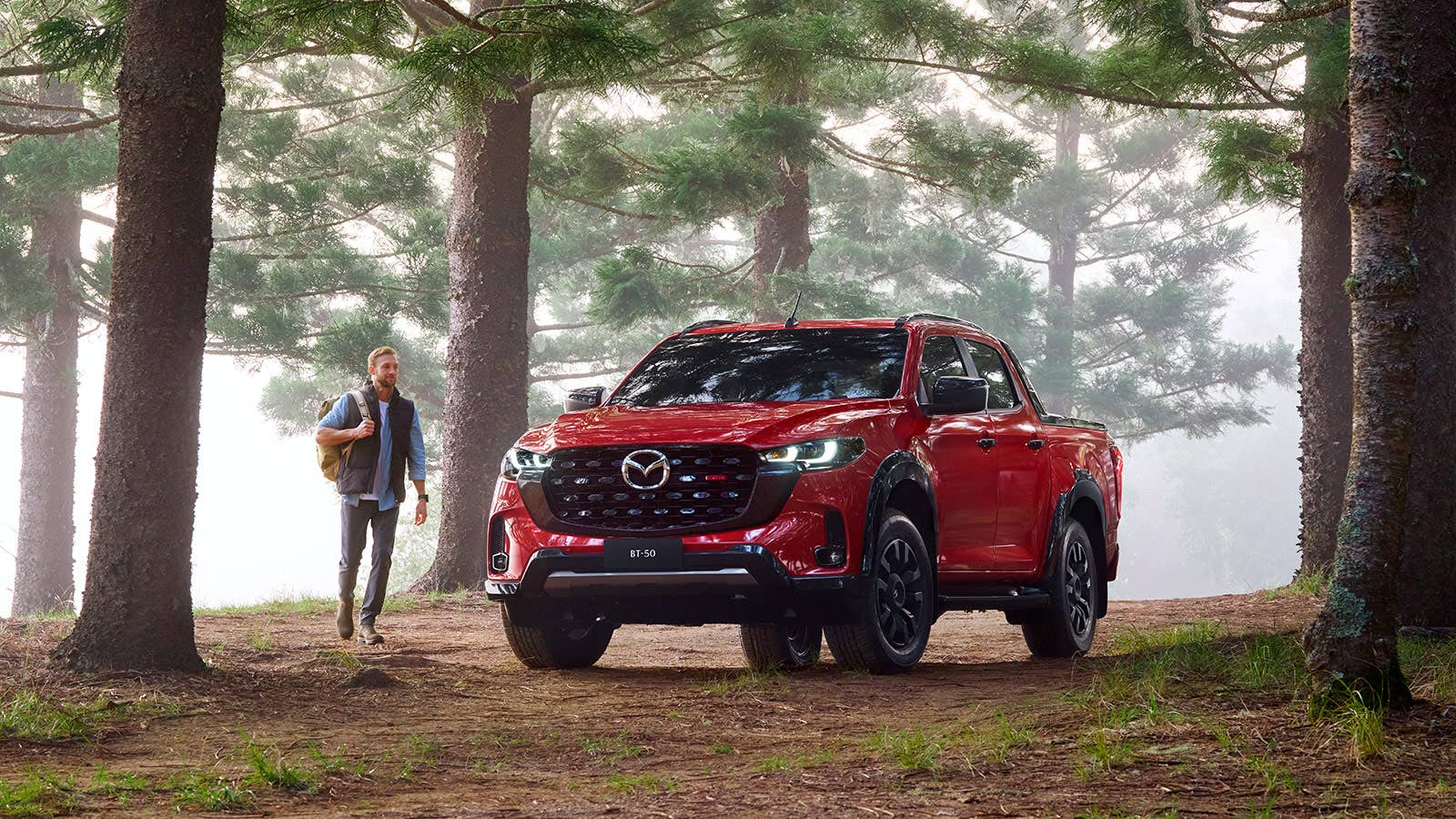
Americans love their trucks, and, historically, so does Mazda. With a long history dating back to three-wheel pickups in the 1930s to a modern day midsize truck, Mazda’s storied love affair with pickup trucks continues to this day. While the automaker may have cut its trucks from United States shores, Mazda continues to develop and innovate in the truck segment throughout the rest of the world.
Mazda
Mazda’s love for trucks began near a century ago
Mazda began its venture into the automotive industry in 1931 with the three-wheel Mazda-Go pickup. The introduction of the Mazda-Go was a defining year for Japan’s truck segment. It came equipped with a single-cylinder engine, transmission with a reverse gear, and rear differential.
Just 66 models were built, and each one bore the Mitsubishi insignia. At the time, Mazda marketed through Mitsubishi’s sales network, beginning a trend of partnerships that continues to this day.
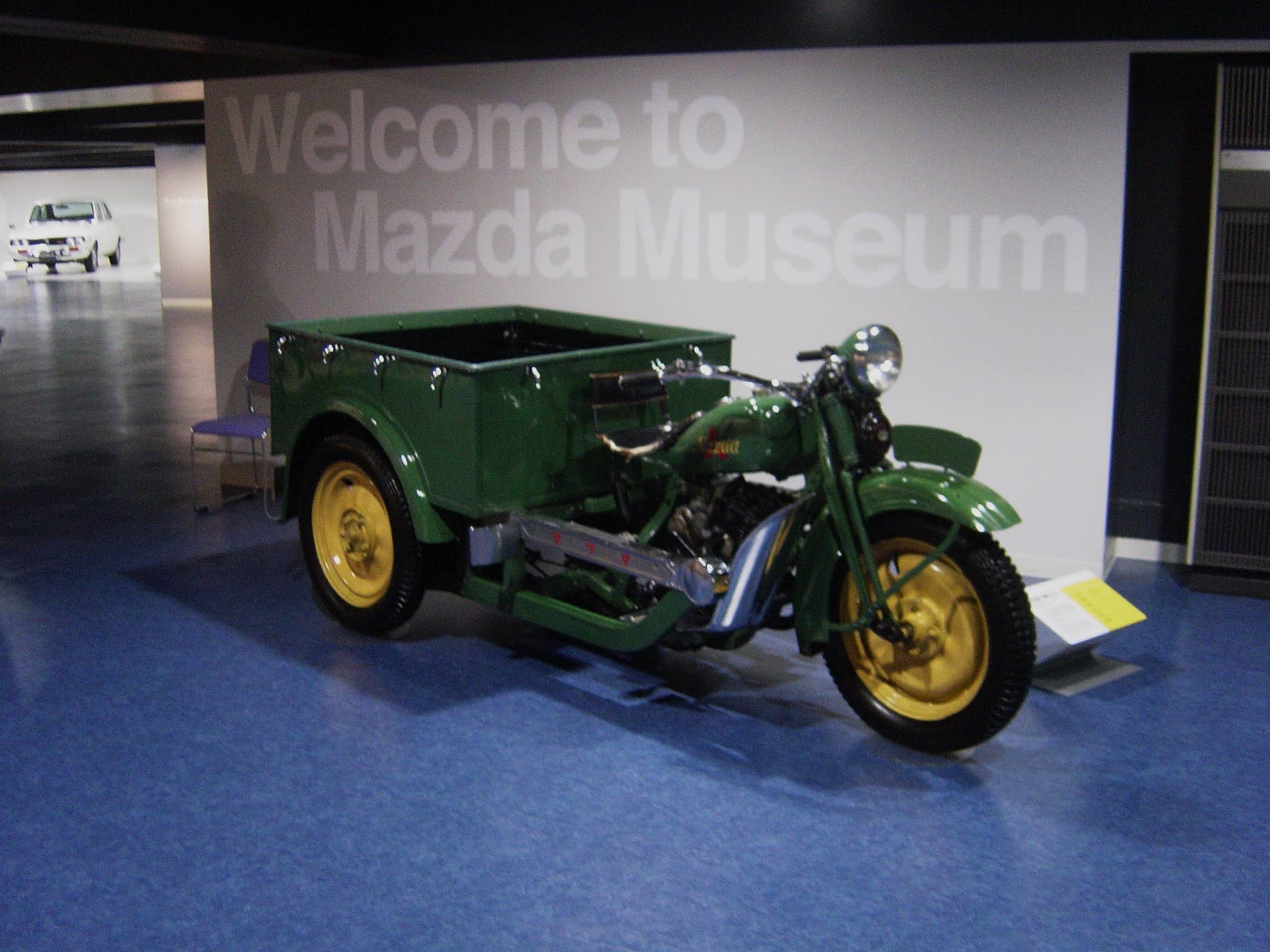
Over the next decade, Mazda continued to produce and market three-wheel trucks. Their most successful marketing campaign came in the form of a 25-day, 1,677-mile long road trip. As a result, sales of the Japanese automaker’s three-wheel trucks soared. For nearly 20 years, three-wheel trucks became Mazda’s bread and butter. It wasn’t until 1950 that the brand unveiled its first four-wheel truck.
In 1958, Mazda finally began marketing and producing four-wheel trucks with the Mazda Romper. The DC1100 and DC1500 pickups arrived the following year and featured a water-cooled two-cylinder engine. Notably, however, Mazda continued producing three-wheel trucks. Finally, in 1961, Mazda unveiled a truck line that would persist for the next forty years.
Mazda’s B Series leads to a Ford partnership
1961 marked the official introduction of the B360 and B1500 trucks, effectively marking the beginning of the Mazda B Series line. Just a few short years later, Mazda launched the Familia, also known as the Mazda 800 and 1000 pickup. In 1965, the B1500 was renamed the Mazda Proceed.
In 1970, Mazda began exporting vehicles to the United States for the first time. Shortly after, a Mazda-Ford partnership was born. At the time, Ford needed a small and efficient truck, and Mazda just so happened to have one in the form of the Proceed.
The Proceed was rebadged as the Courier and sold under the Ford brand for the 1972 model year. To the surprise of no one, the Ford Courier sold much better than the Mazda-badged pickup. The Ford Courier was available with an electric powertrain between 1979 and 1982.

In 1983, Ford introduced the Ranger pickup and nixed the Courier in lieu of its arrival. The fourth-generation Proceed arrived for the 1985 model year and would stick around until 1993. The Chicken Tax, a tariff on light trucks, forced Mazda to flip the script. Instead of Ford rebadging the Proceed, Mazda rebadged the Ranger instead, and the two trucks were built alongside one another at Ford’s production facility in Minnesota. As a result, Mazda managed to work around the chicken tax, but at the cost of its own platform.
In 2002, Mazda renamed the B-Series to simply Mazda Truck. With a name so generic, it was clear Mazda was backing off of the United States pickup segment. In December 2009, the final Mazda Truck rolled off the production line, marking the Mazda’s withdrawal from the American truck industry.
Mazda’s Rotary Engine Pick-up enters and exits
An exclusive to the United States market, Mazda’s Rotary Engine Pick-up (REPU) entered the segment in 1974. To this day, it remains the world’s first and only Wankel-engined pickup. The model saw strong sales in its initial entrance, with more than 14,000 units sold. In 1975, the energy crisis was in full force and tanked sales to just over 600 units for the 1976 model year. The REPU failed to recover, and, following a redesign for the 1977 model year in which just 1,161 units were sold, the one-of-a-kind truck left the lineup for good.
The story continues with the Mazda BT-50
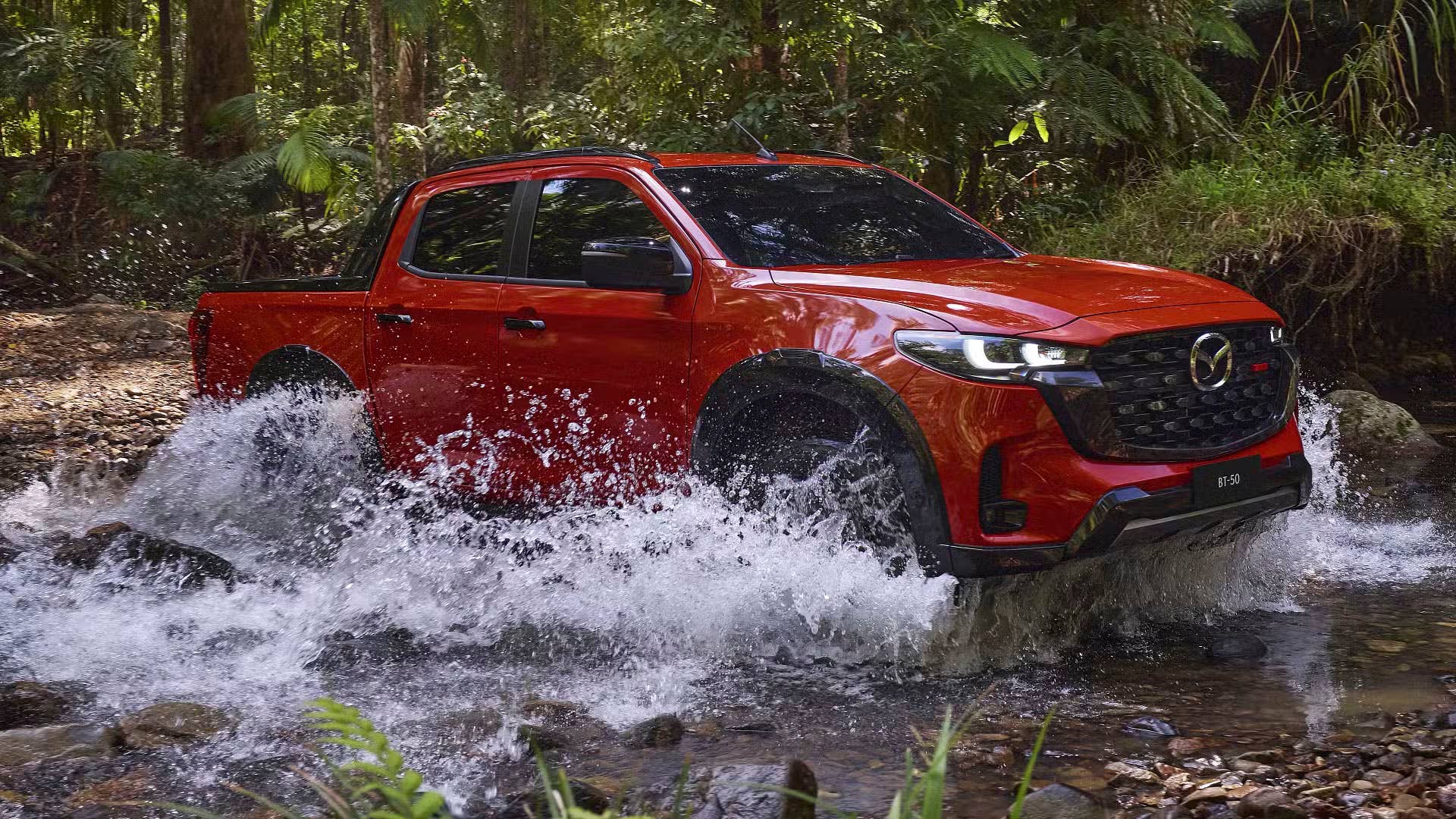
As Mazda was preparing for its final years in the United States, it introduced an all-new truck to the rest of the world. The Mazda BT-50 hit the market for the 2006 model year. The midsize pickup is a larger version of the B-Series and continued the Ford-Mazda partnership. The Mazda BT-50 began as a rebadged second-gen Ford Ranger.
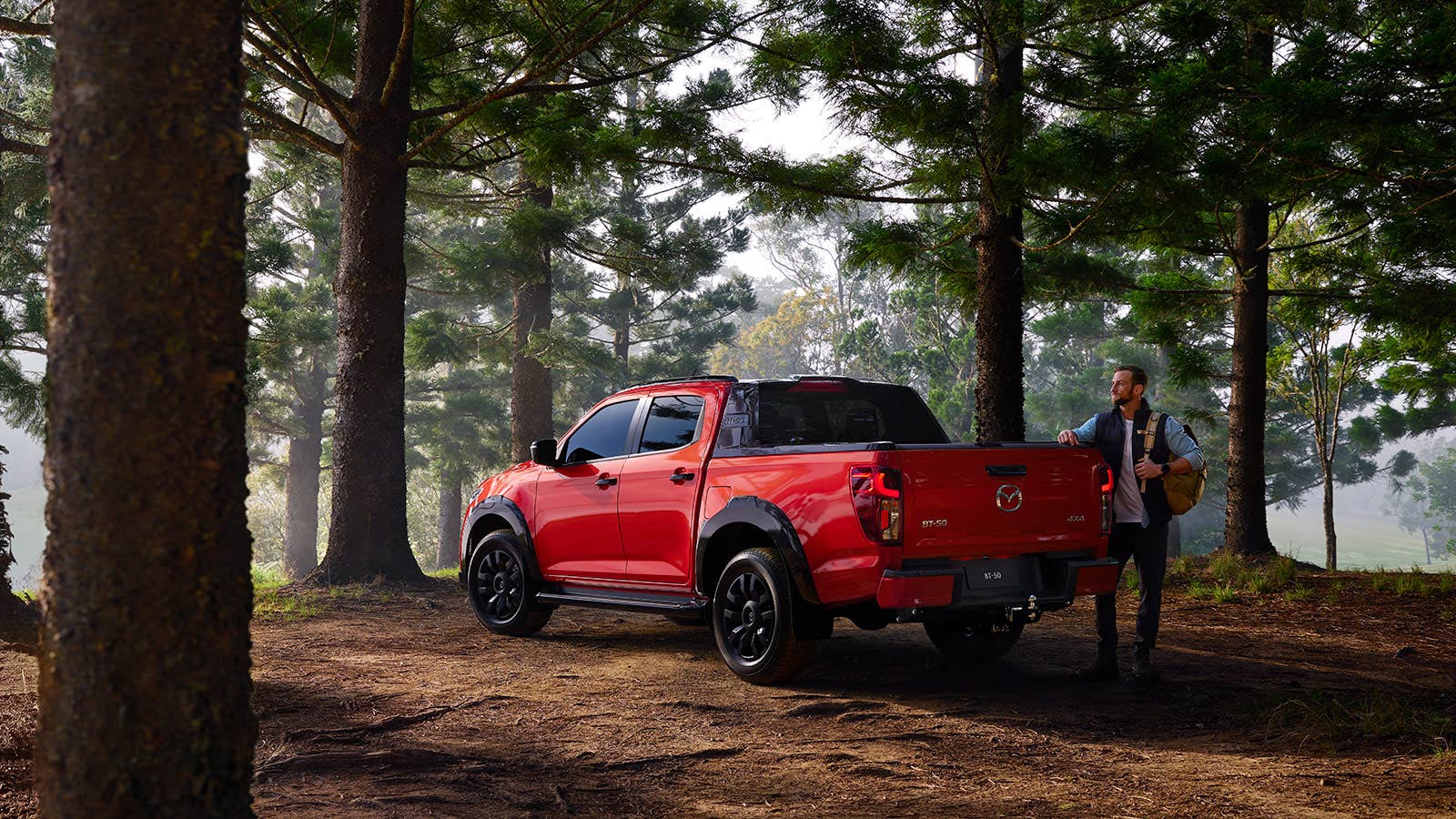
In 2020, the third-generation Mazda BT-50 shed its American ties for good, at least in truck form. The Japanese automaker based their midsize pickup on the Isuzu D-Max instead. The latest model received refreshed styling and updated tech, including wireless Android Auto and a new nine-inch touchscreen display, for the 2025 model year.
Final thoughts
While we won’t see the Mazda BT-50 on our shores anytime soon, largely thanks to the chicken tax, the midsize truck carries on Mazda’s love affair with pickups. Interestingly, the United States isn’t the only market that doesn’t get the BT-50. Mazda doesn’t offer the midsize model in its home market of Japan either. For the past several decades, Mazda has built its truck on the base of another model. It’d be interesting to see what Mazda could do if they designed their own truck from the ground up.
About the author

Joseph Pudlewski
Contributing Writer, Autoblog