
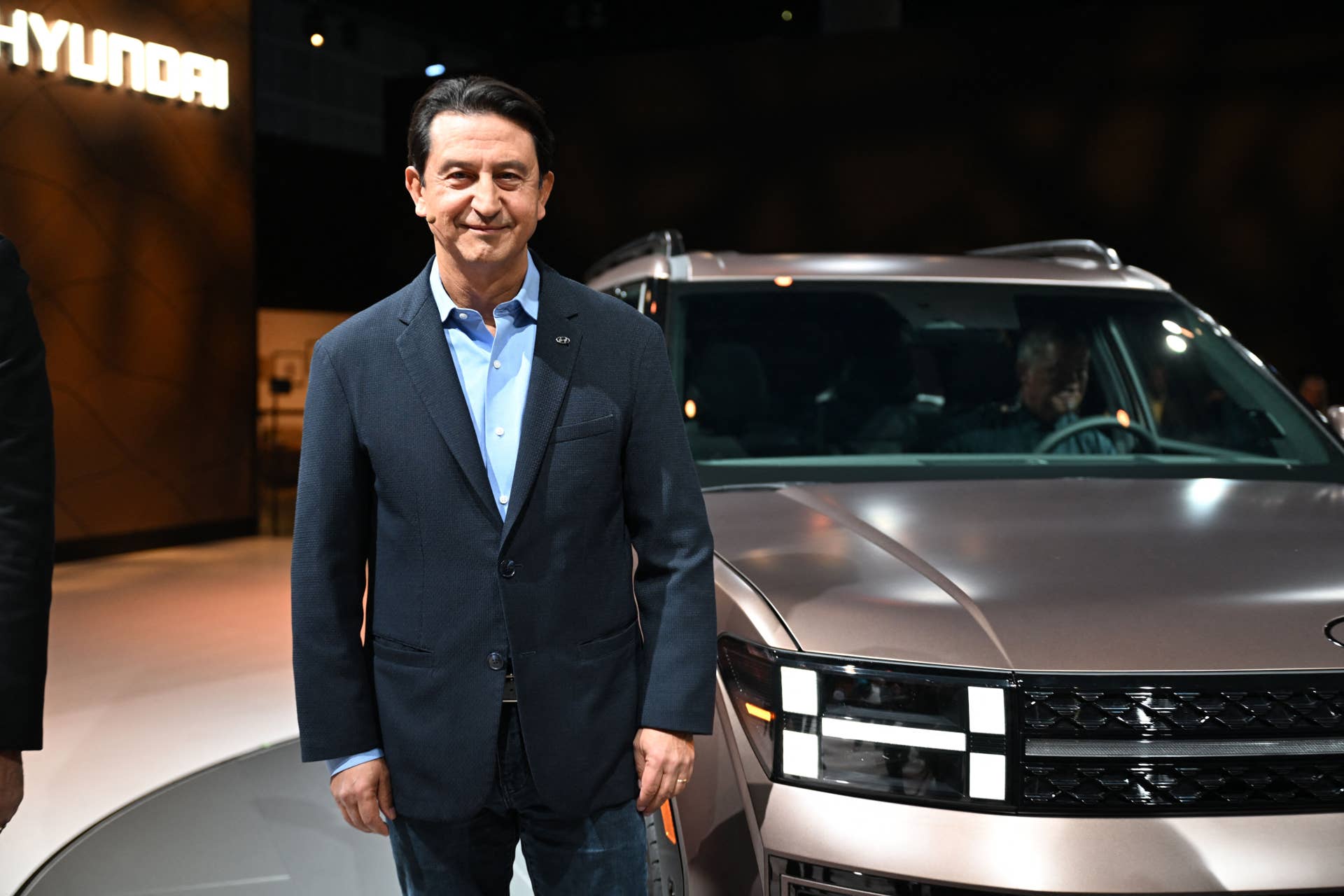
José Muñoz, Hyundai Motor’s U.S. chief and global COO, became the first foreign national co-CEO at a South Korean conglomerate on Friday. The announcement comes with a host of other switch-ups in Hyundai’s ranks as it prepares for expected tariff hikes and EV subsidy cuts under the incoming Trump administration.
A historic appointment at Hyundai
Hyundai Motor has made waves by promoting José Muñoz, its North American chief and global chief operating officer, to co-CEO. This marks the first time a foreign executive has reached such a high rank in a South Korean conglomerate, signaling Hyundai’s evolving leadership strategy.
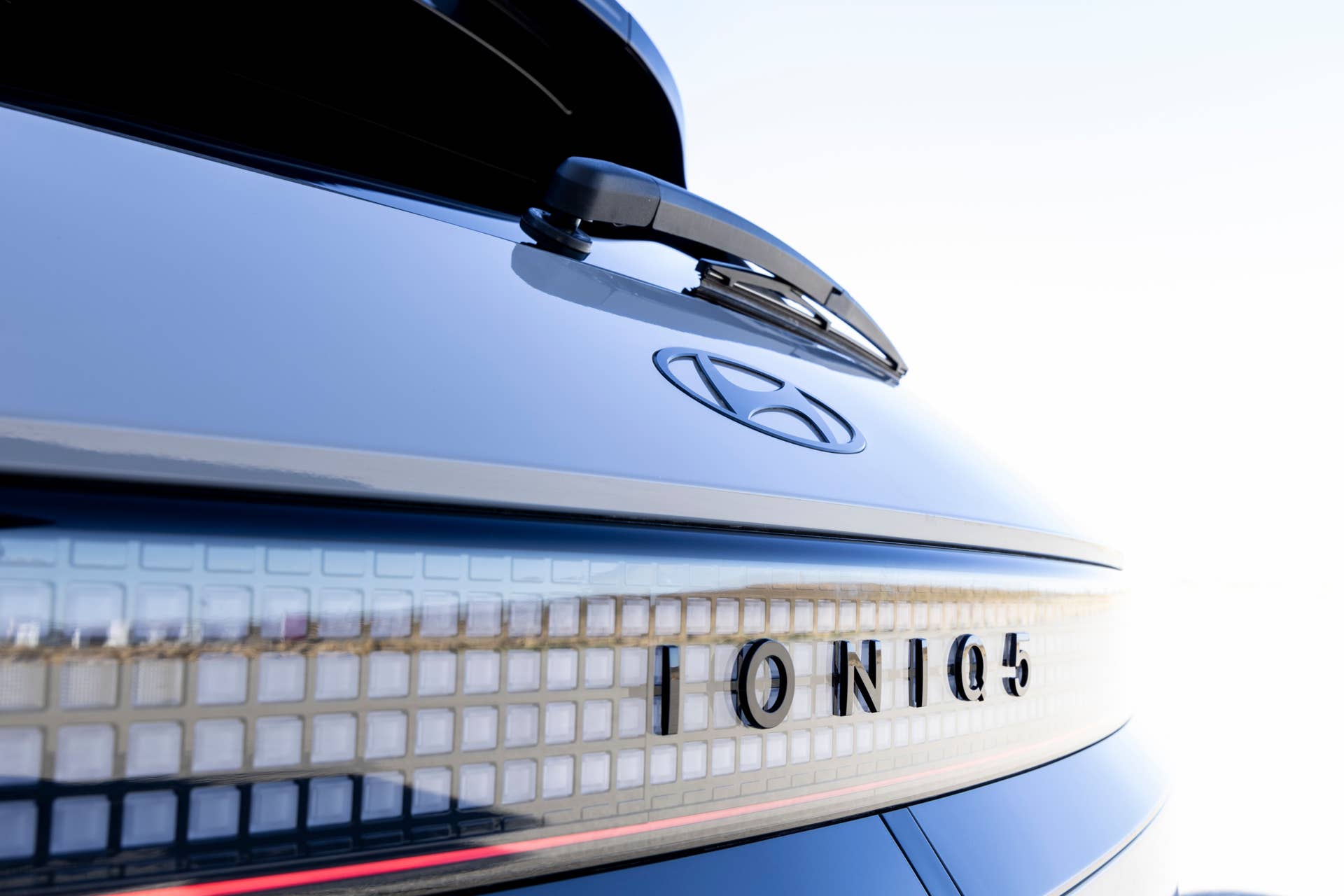
Hyundai
Muñoz’s promotion underscores his pivotal role in Hyundai’s record-breaking sales across the U.S., where the brand has flourished despite challenges, including the exclusion of its electric vehicles from U.S. federal tax credits.
While Muñoz joins the leadership trio, co-CEO Euisun Chung remains Hyundai’s top decision-maker, with Muñoz reporting directly to him.
Preparing for a new U.S. administration
Hyundai’s leadership shift comes as the automaker braces for potential trade and policy shifts under a Trump presidency. President-elect Trump has proposed a 200% tariff on vehicles imported from Mexico, where Hyundai affiliate Kia operates a major production site.
Adding to the uncertainty, Trump’s team has signaled plans to end the $7,500 federal EV tax credit, a blow to Hyundai’s ambitions in the burgeoning electric vehicle market. Hyundai recently began producing EVs in Georgia and is building battery factories to meet demand, but the policy change could undercut those investments.
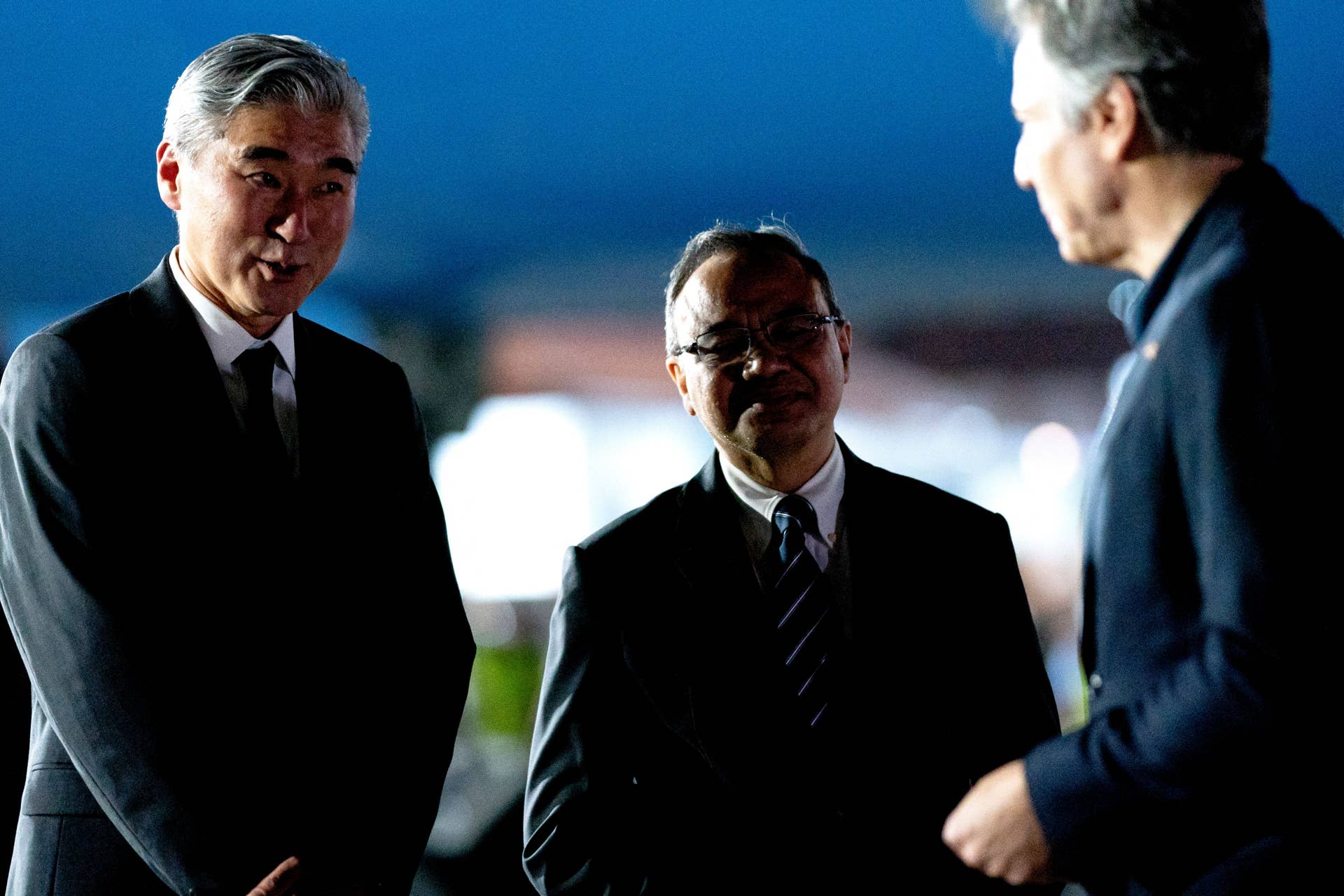
To navigate these challenges, Hyundai has also tapped Sung Kim, a former U.S. diplomat, to oversee global external affairs.
Muñoz’s success in the United States
Since joining Hyundai in 2019, Muñoz has been instrumental in driving the company’s U.S. success. Under his leadership, Hyundai and its luxury brand, Genesis, have seen record sales and significant market share growth.
Previously, Muñoz spent 15 years at Nissan, where he rose to prominence before joining Hyundai. His technical expertise—he holds a PhD in nuclear engineering—and deep industry experience make him uniquely suited to guide Hyundai through turbulent times.
Final thoughts
Muñoz’s appointment takes effect in January, and Hyundai has yet to announce replacements for his current roles. As the automaker adapts to the evolving U.S. policy landscape, all eyes will be on Muñoz and his ability to steer Hyundai through potential challenges while sustaining its momentum in the shifting automotive market.
About the author

Elijah Nicholson-Messmer
Contributing Writer, Autoblog