
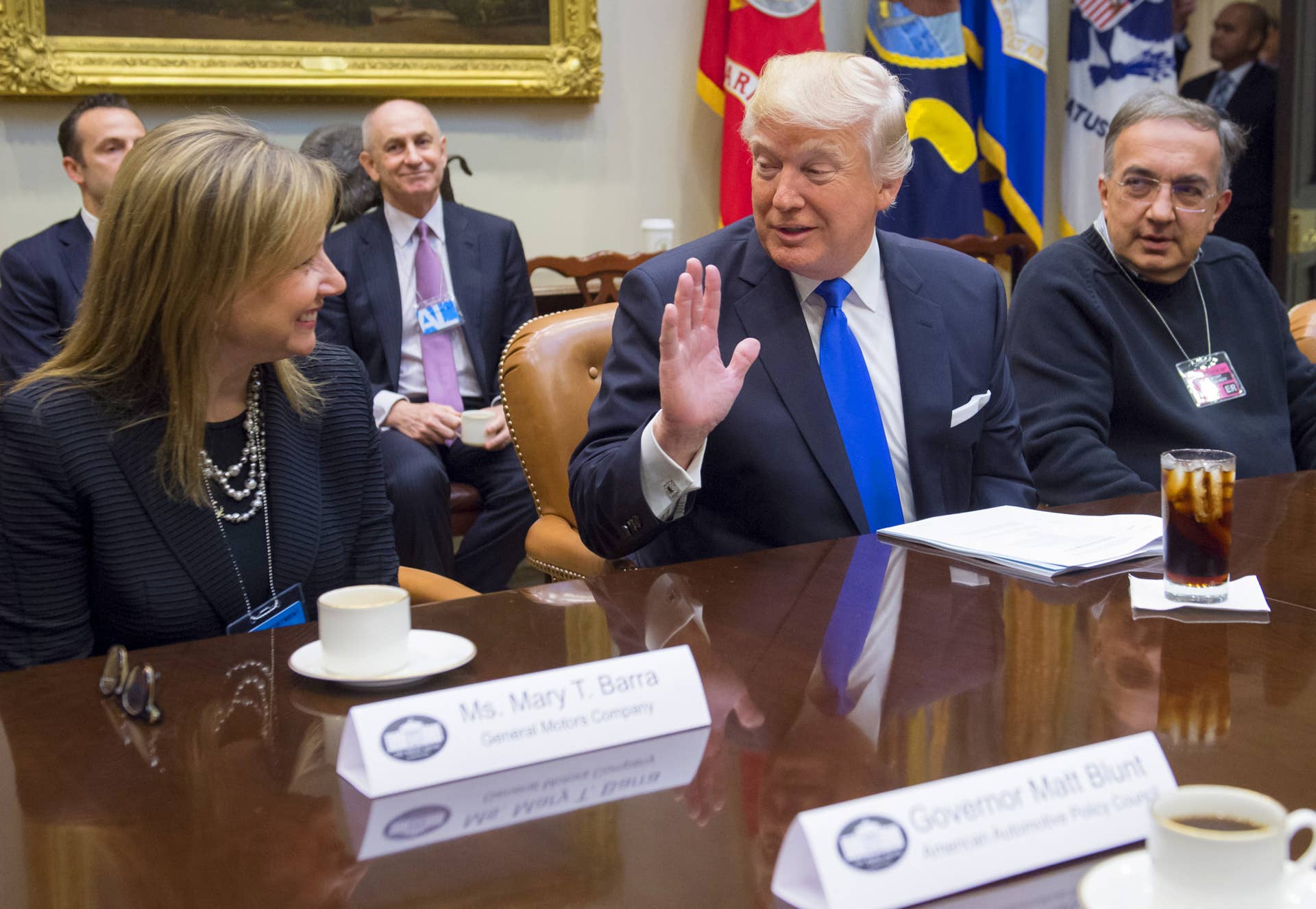
President-elect Donald Trump’s transition team is planning to cut the federal consumer tax credit for electric vehicle (EV) purchases, two sources with direct knowledge of the matter told Reuters.
Trump’s team aims to eliminate the $7,500 EV tax credit—a benefit central to Biden’s Inflation Reduction Act (IRA)—as part of broader tax reform efforts. The move could stall growth in the U.S. EV sector, particularly for automakers relying on the credit to compete against established players like Tesla.

Who a repeal of the EV tax credit helps and hurts
The EV tax credit repeal is reportedly championed by billionaire oil mogul Harold Hamm, who leads Trump’s energy-policy transition team, along with North Dakota Governor Doug Burgum.
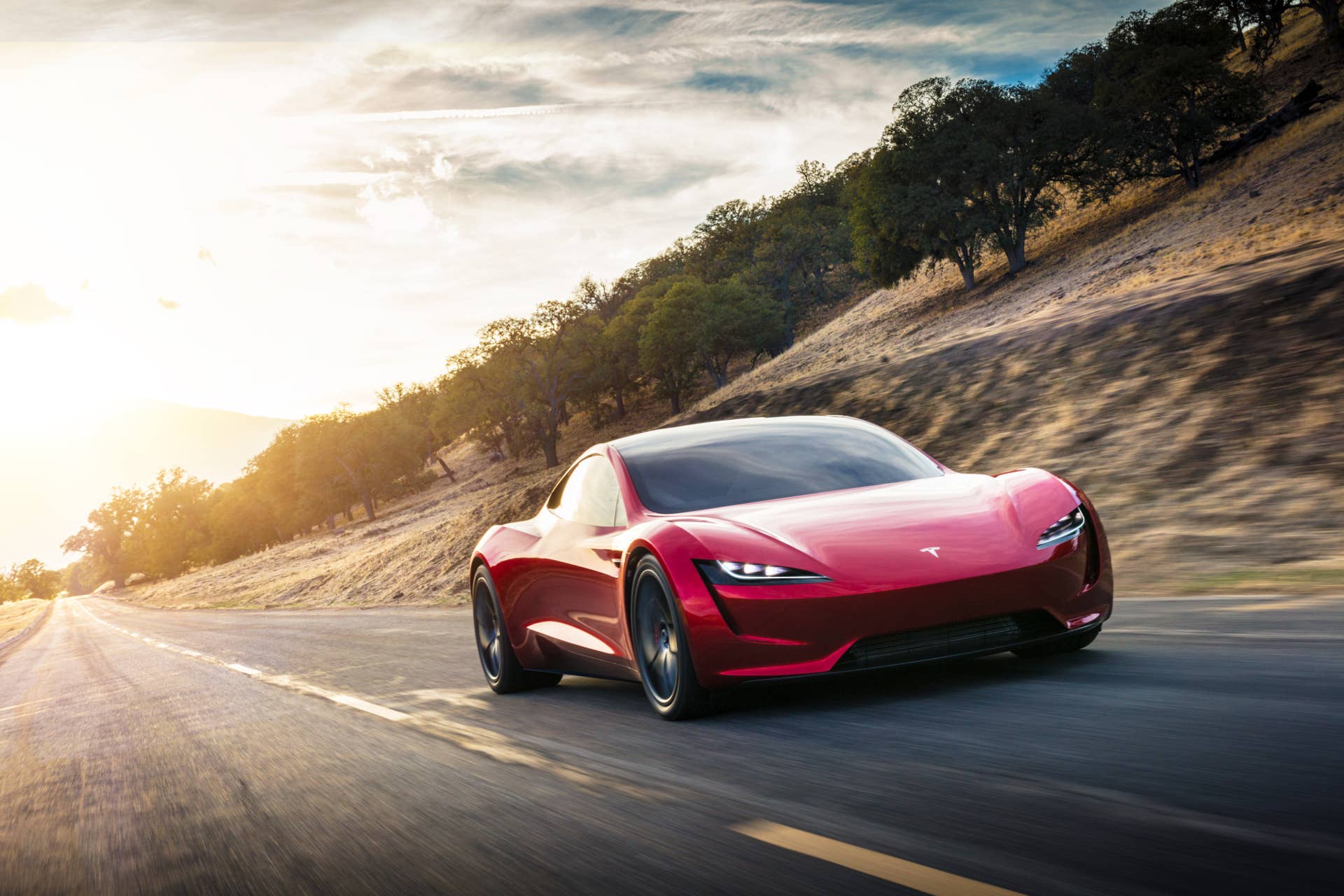
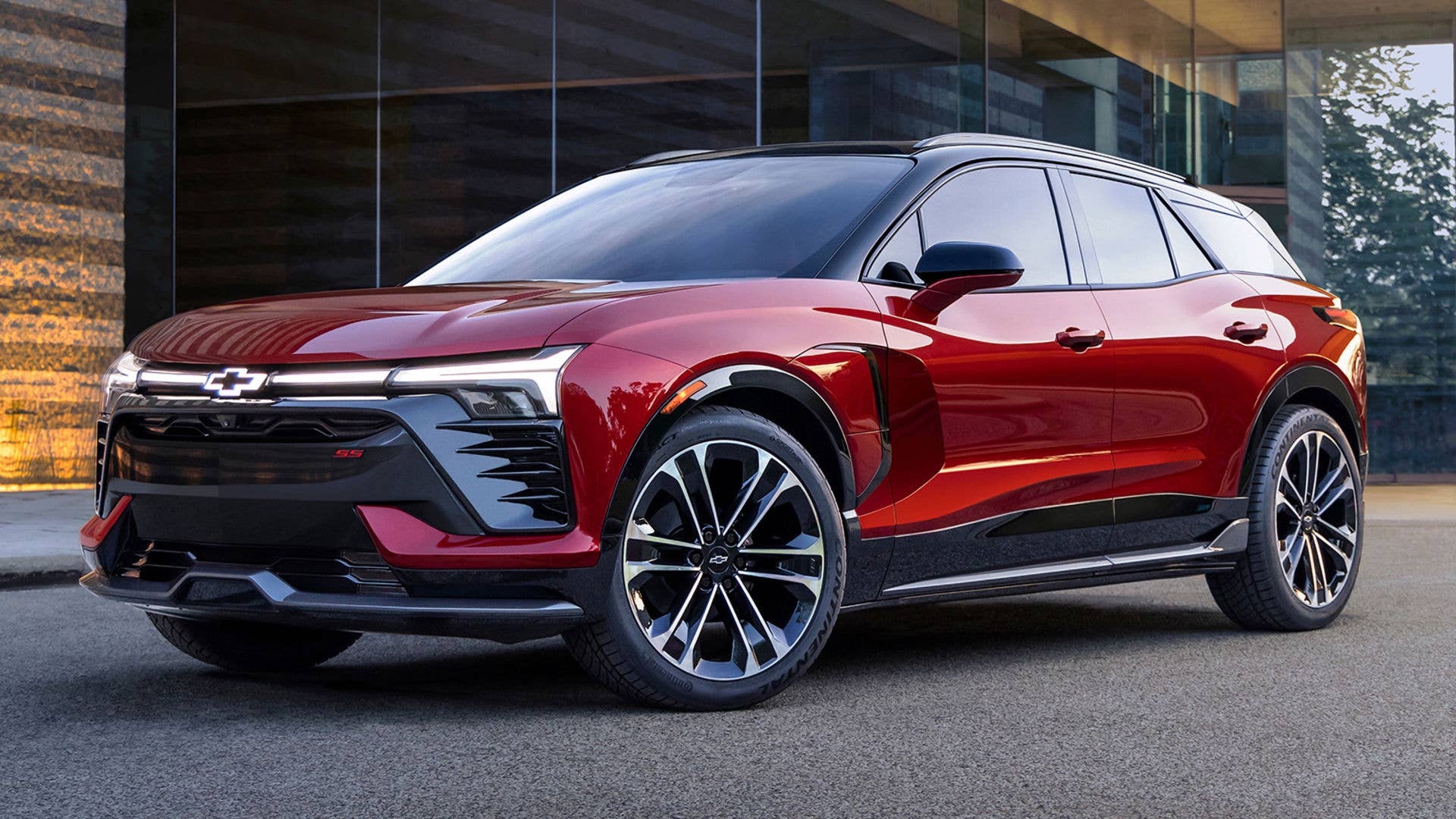
While this aligns with Trump’s promise to roll back Biden’s clean energy initiatives, it has raised eyebrows due to Tesla’s stance on the issue. When asked in a July earnings call about the possibility of the EV credit being cut, Tesla CEO Elon Musk suggested that while Tesla may see a slight dip in U.S. sales if the credit is eliminated, its impact would be far more damaging to legacy automakers like GM and Ford, which are making big bets on EVs.
The Alliance for Automotive Innovation—a major auto trade group excluding Tesla—recently urged Congress to retain the tax credit, arguing that it is essential for cementing U.S. leadership in automotive technology.
Tesla
Getting the repeal passed
The Trump team’s tax reform strategy may use a legislative tool known as reconciliation, which would allow Republicans to pass the measure without Democratic support. This approach mirrors the tactic used by President Biden to push the IRA through Congress.
Trump’s team views the EV tax credit repeal as a key component in offsetting the cost of extending Trump’s original tax cuts, which are set to expire early in his term.
Potential implications for the U.S. EV market
If the tax credit is repealed, automakers heavily invested in EVs could face significant headwinds, particularly as they compete with Tesla, which holds nearly 50% of the U.S. EV market share, according to Cox Automotive.
While Tesla’s market share has gradually decreased from 80% in 2020, it still leads by a considerable margin. Legacy automakers, who have been gaining ground on Tesla, could find it harder to compete in a post-subsidy market.
Chevrolet
Final thoughts
Trump’s campaign promises included not only a push for increased oil production in the U.S.—which already produces more crude oil than any other country in history—but also a rollback of clean-energy programs like EV tax credits and subsidies for renewable energy.
His transition team has acknowledged that some IRA programs may be difficult to dismantle, particularly those already popular in majority-Republican states. However, targeting the EV credit appears to be an achievable and likely first step in the broader tax reform agenda. Combined with potential revisions to federal emissions standards, actions by the incoming administration could drastically impact automakers’ strategies over the coming years.
About the author

Elijah Nicholson-Messmer
Contributing Writer, Autoblog