
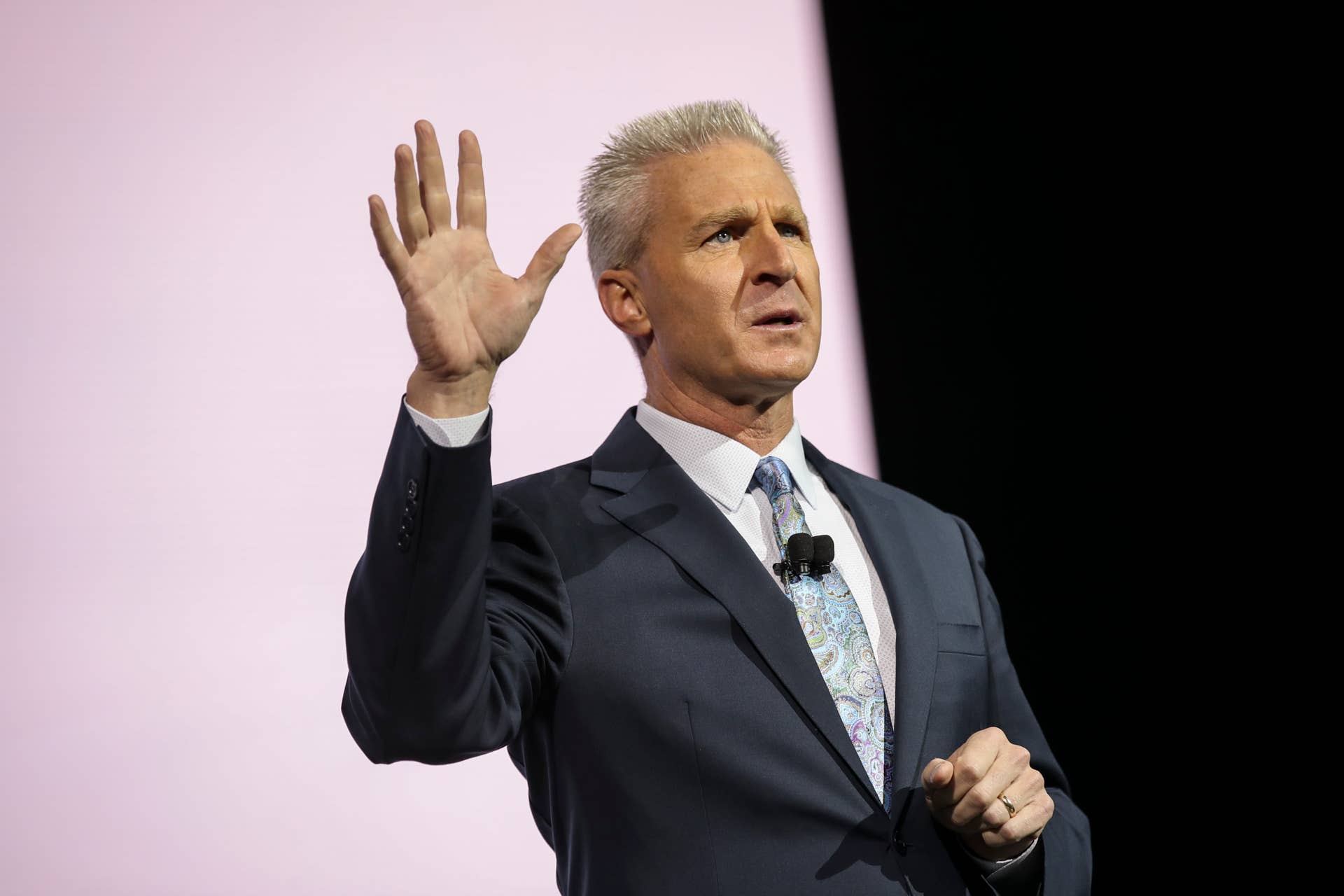
Toyota’s North American COO, Jack Hollis, criticized U.S. policies promoting a shift to electric vehicles (EVs), calling them “de facto mandates” misaligned with current consumer preferences.
Speaking to reporters, Hollis pointed to EPA emissions standards and California’s stringent vehicle regulations as creating a gap between government goals and what consumers actually want. Hollis declined to say if Toyota would join the incoming Trump administration’s efforts to roll back or eliminate federal and state regulations concerning EV production.
EPA and California regulations draw scrutiny
In March, the Environmental Protection Agency (EPA) introduced new emissions limits requiring automakers to significantly increase their sales of battery-electric and plug-in hybrid models by 2032, capping CO₂ emissions at 85 grams per mile. California has gone further, pushing for a phase-out of all new gasoline cars by 2035. These policies, adopted by over a dozen other states, mean consumers face fewer gas-powered options in the coming years.
“The whole EV ecosystem is ahead of the consumer,” Hollis said, arguing that EV adoption should grow organically rather than through regulations that penalize traditional gas-powered vehicles. “It’s not in alignment with consumers. It’s just not.” The push for EV adoption is also contributing to the current affordability crisis in the car market, Hollis said, since EVs are generally more expensive than their gas-powered counterparts.
Despite the potential for political shifts, Hollis avoided speculation on whether Toyota would align with the incoming administration on efforts to block California’s zero-emission rules. “I hope it doesn’t come to that. That’s not an area I’m willing to go into at this point,” he commented.
Shifting gears to hybrids and plug-ins
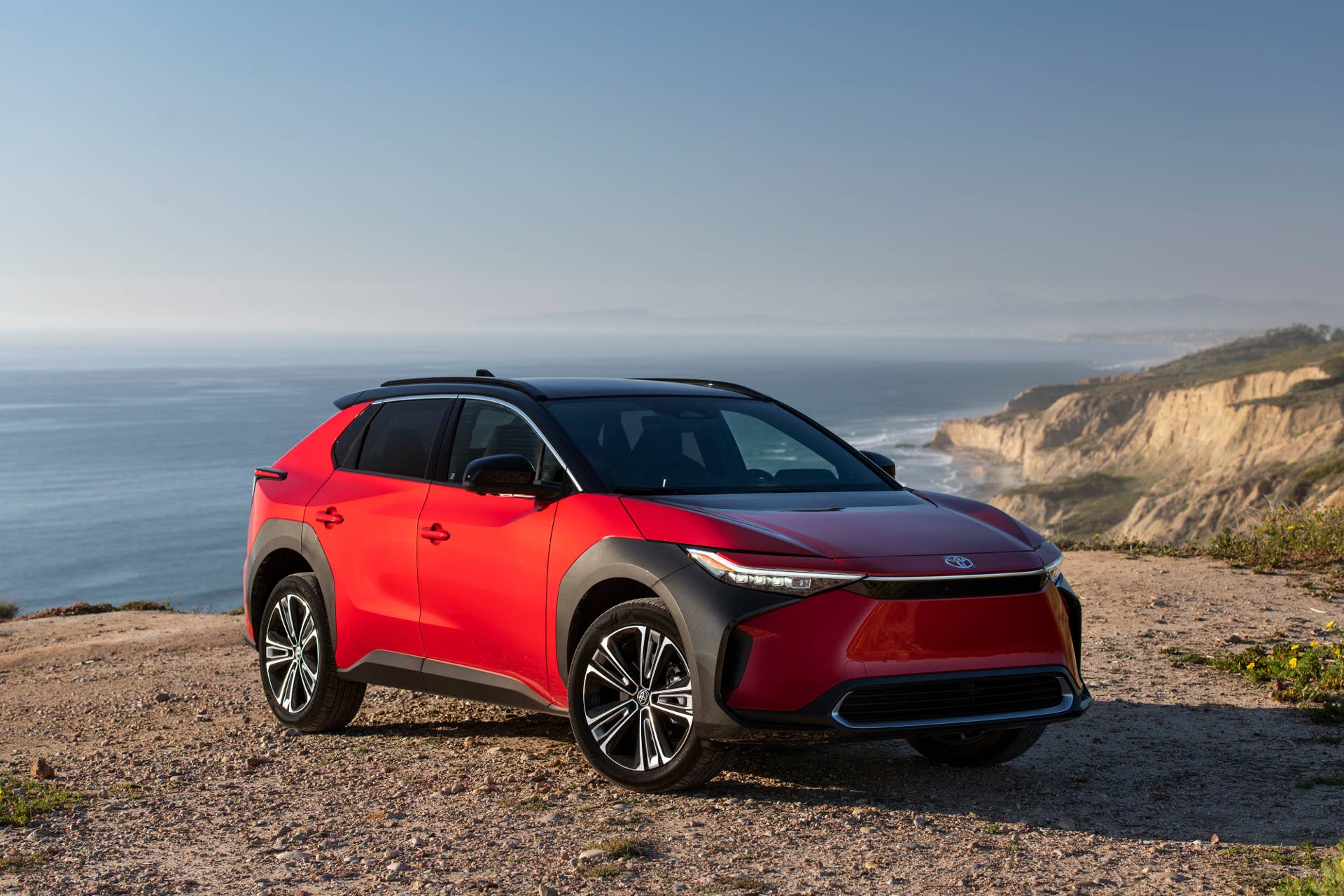
Toyota has taken a slower path toward full electrification, emphasizing hybrids and PHEVs while expanding its EV lineup incrementally. The company currently sells two EVs in the U.S. and plans to add two more in 2026.
To support these plans, Toyota is building a new battery plant in North Carolina, which is set to open next year. Most of the new plant’s production is geared towards making batteries for EVs and PHEVs, with a smaller fraction meant to produce hybrid batteries, but Hollis said the automaker may be adjusting that ratio in the future.
Final thoughts
Hollis’s comments come at a somewhat surprising time for the company, which saw its electrified vehicle sales grow 58% so far this year, compared to the same period last year. The company’s ICE vehicles saw a fraction of that growth.
Still, recent sales data suggest that many U.S. consumers are more interested in mixed-drivetrain vehicles like PHEVs and hybrids than in fully electric vehicles. With government regulations and subsidies that support the EV market under threat, it will be interesting to see how Toyota’s approach plays out.
About the author

Elijah Nicholson-Messmer
Contributing Writer, Autoblog