
Featured Gallery
Honda Introduces Initiatives in New Areas, Taking on Challenges in New Areas while Leveraging Its Core Technologies

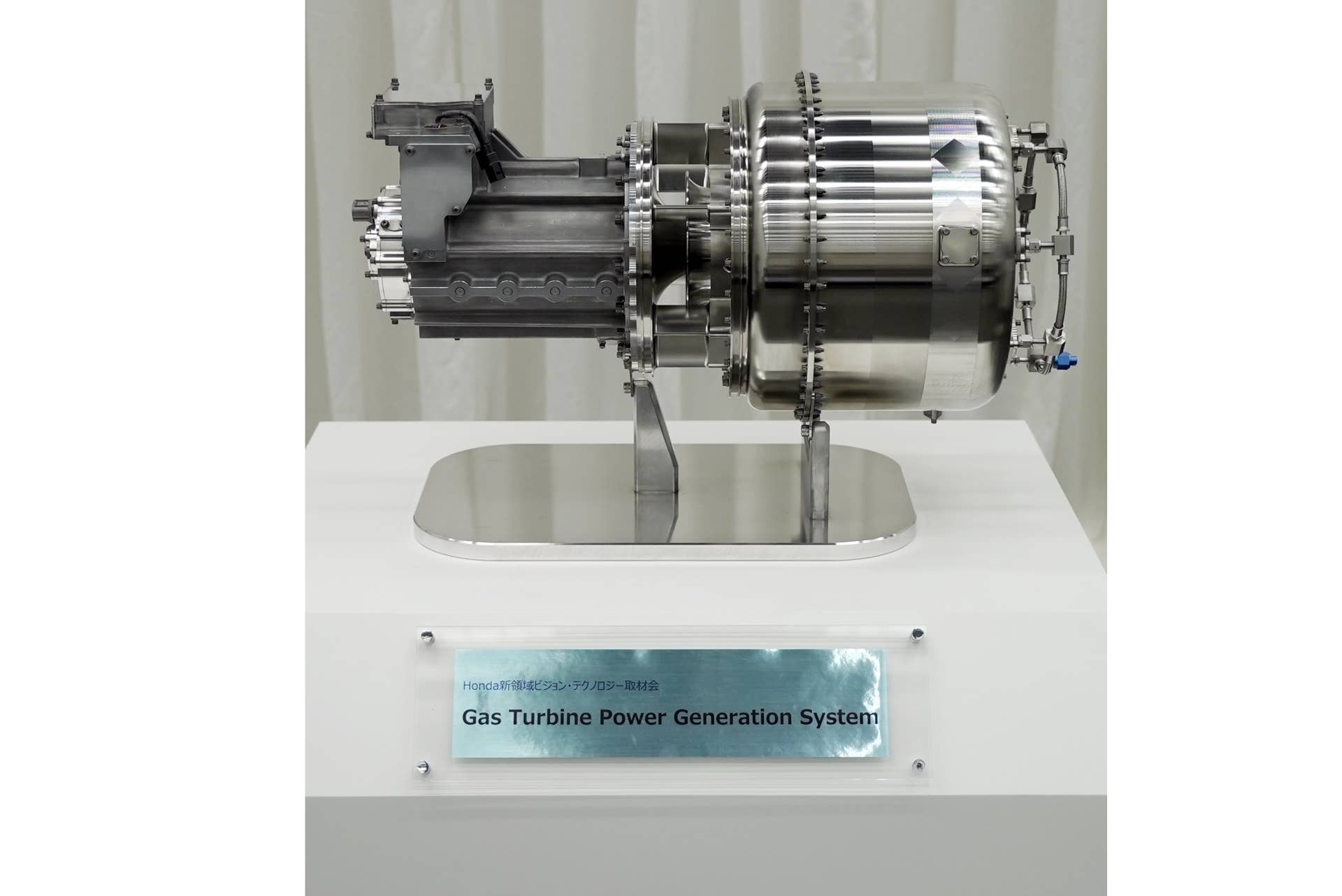
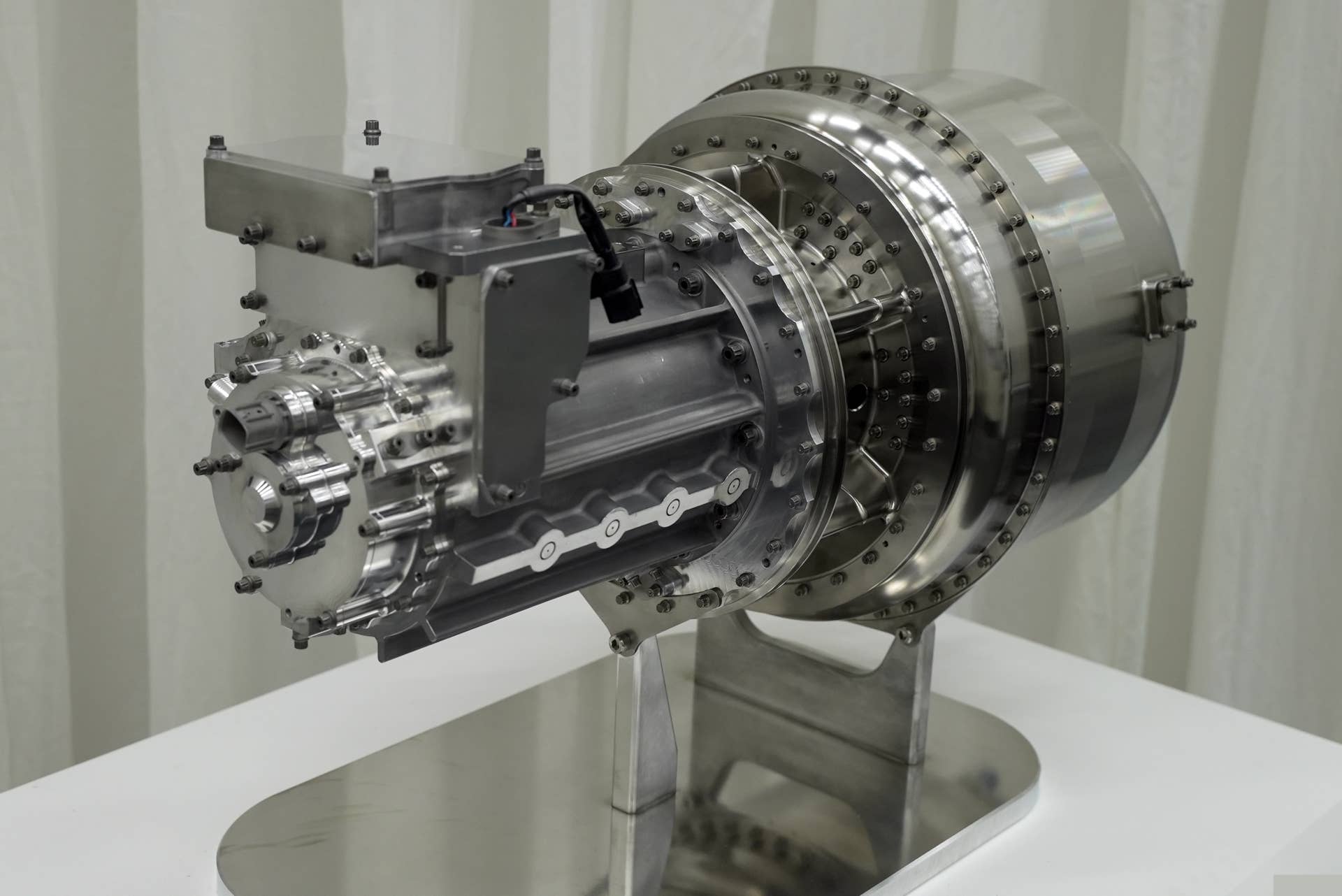
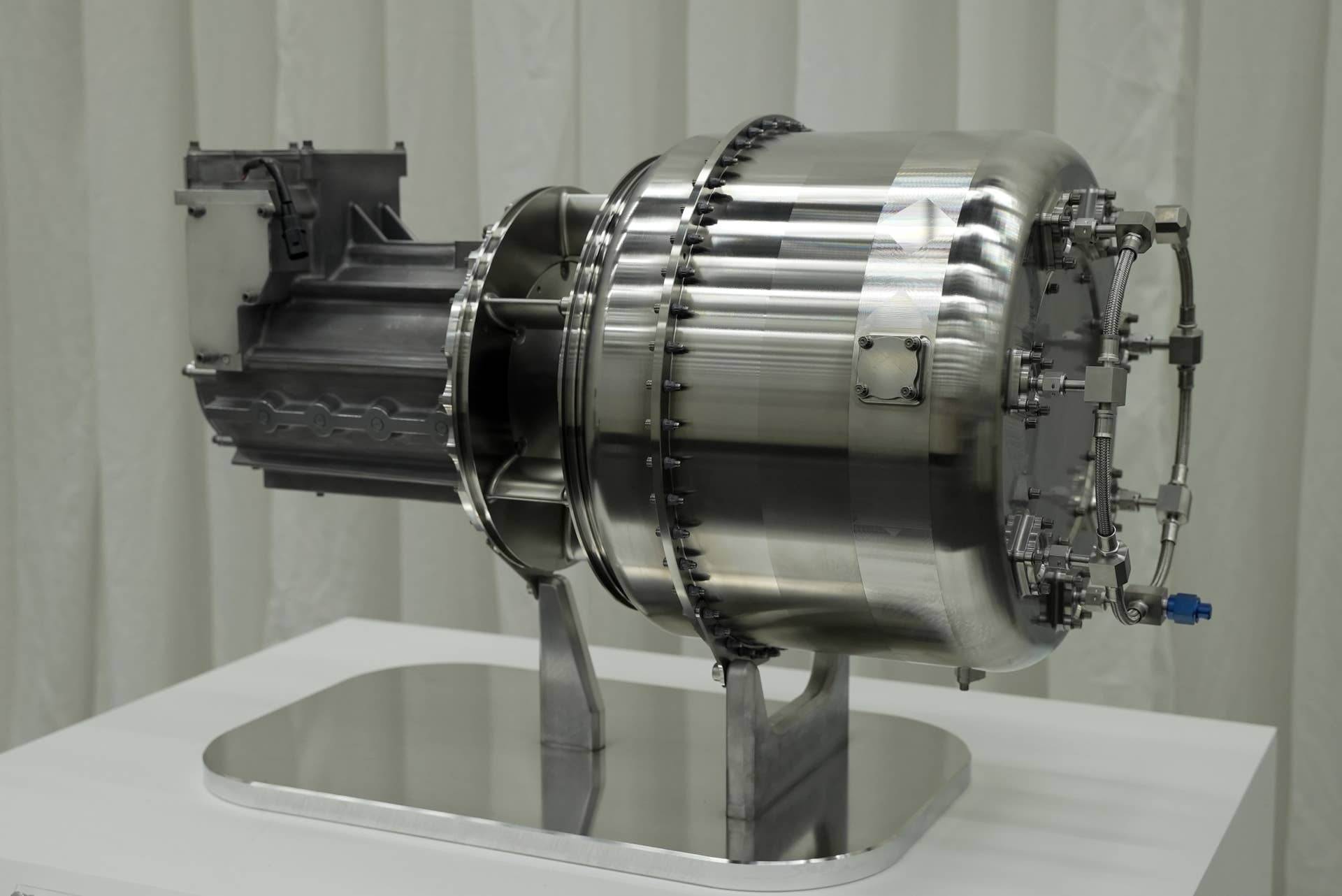


Honda builds a surprisingly diverse selection of products that includes cars, motorcycles, generators, lawn mowers and planes. It will branch out into even more sectors over the coming years by adding robots, small rockets, and a second plane.
The expansion is part of Honda’s 2030 Vision of serving people worldwide with what it calls “the joy of expanding their life’s potential” — even if that means putting down the snowblower (built by Honda, of course) and taking a quick jaunt to outer space. The firm explained that it wants to expand the potential of mobility in the third dimension before turning its attention to the fourth dimension, which we’re told defies the constraints of time and space, and ultimately head into space.
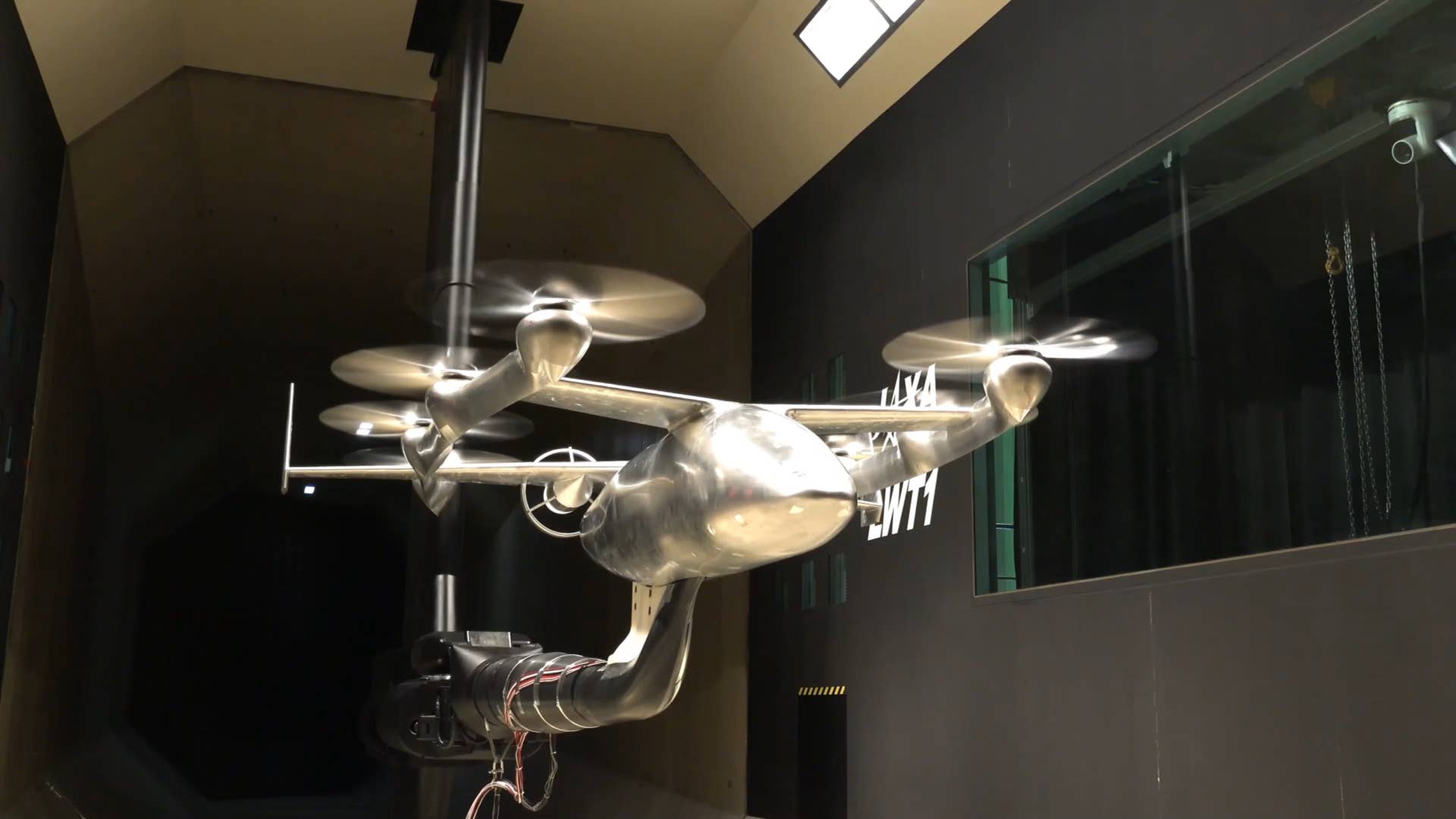
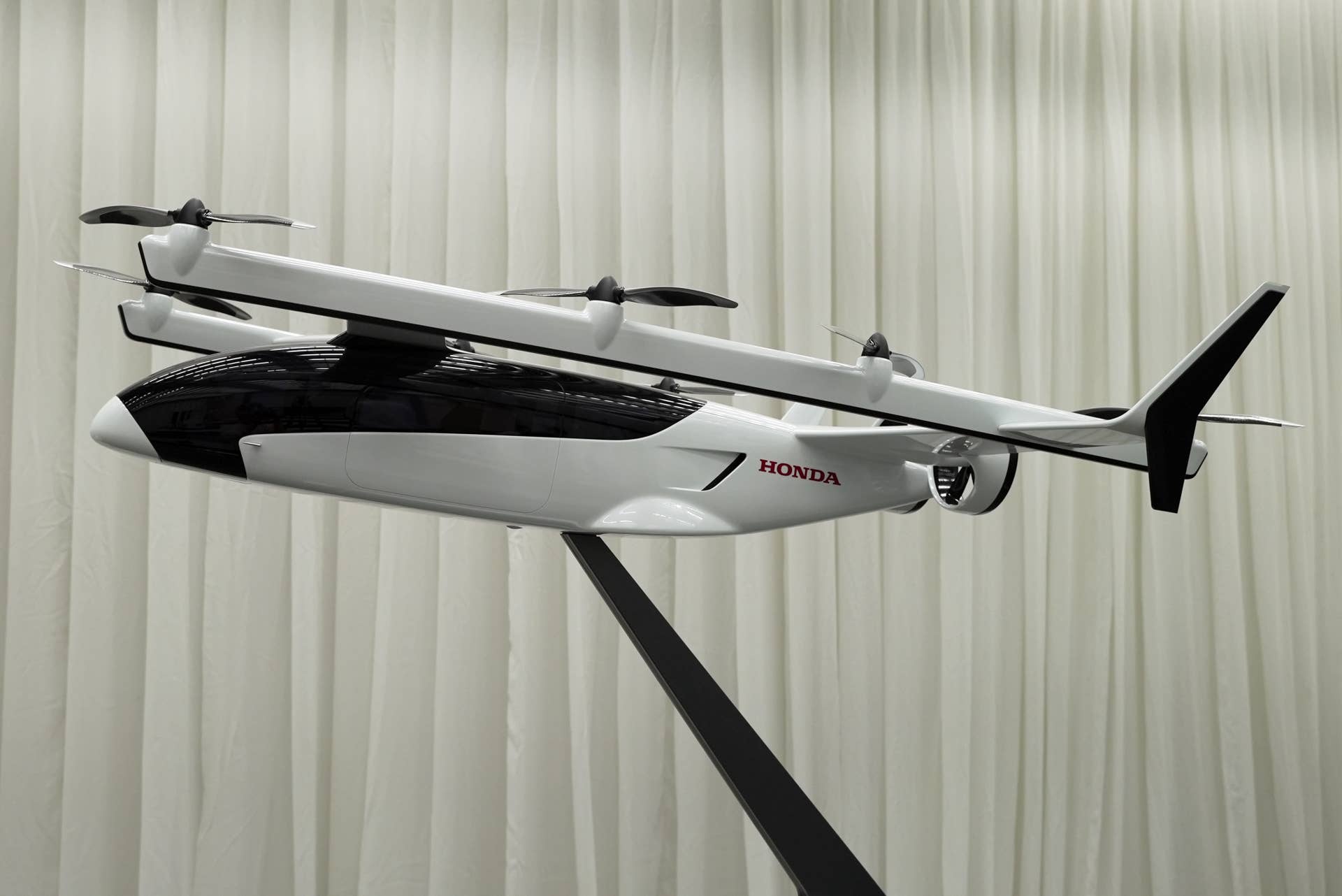
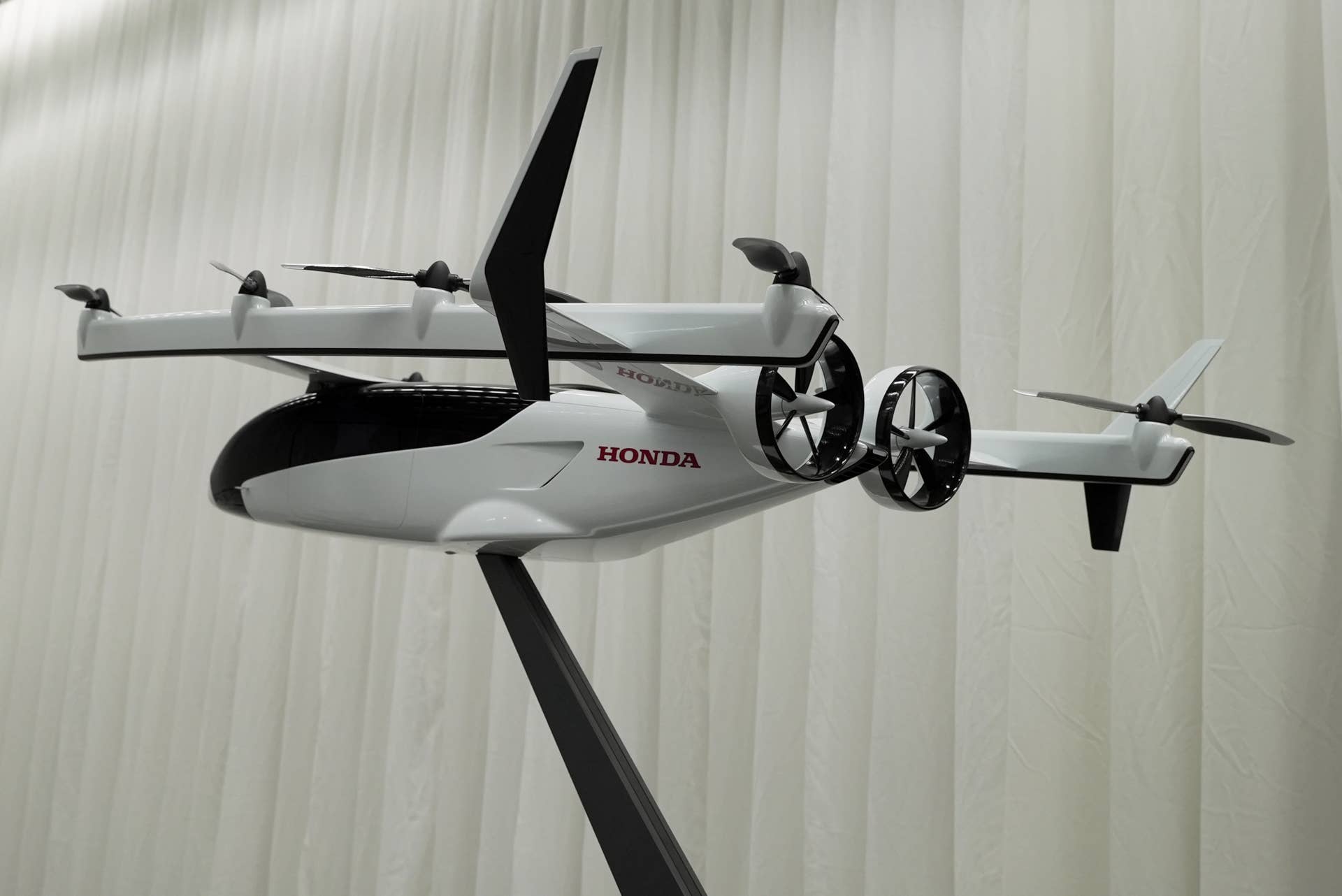
Honda, which has made the HondaJet for years, will initially develop an electric vertical take-off and landing (eVTOL) aircraft that won’t be as electric as its name suggests. Shown in the gallery above, it will be propelled by a hybrid powertrain built around a gas turbine, and it will have enough range to carry passengers from one city to the next. On paper, it sounds a lot like the flying taxis that several other carmakers are hoping to pelt into the sky at some point in the future. Like many of its rivals, Honda plans to create an ecosystem in which its aircraft can operate while connecting it to some of its land-bound products.
Profitably building and operating an eVTOL makes autonomous driving look easy; the technology isn’t ready, the regulations are murky, and the infrastructure is nearly non-existent beyond helipads and airports. And yet, Honda’s entry into this much-hyped segment is more credible than most. It operates a successful plane-building division that makes the HondaJet, which was recently updated with more range.
Featured Gallery
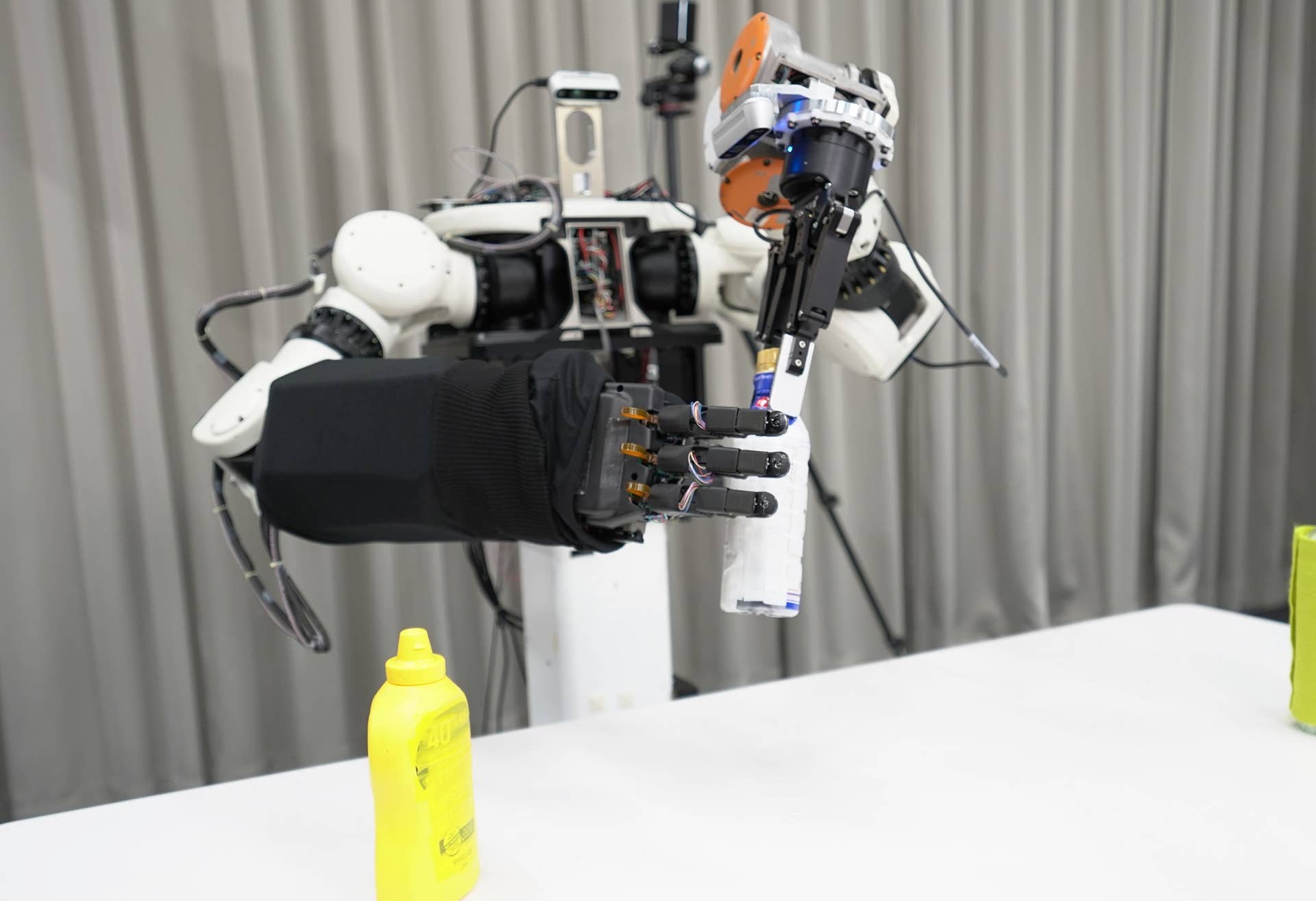
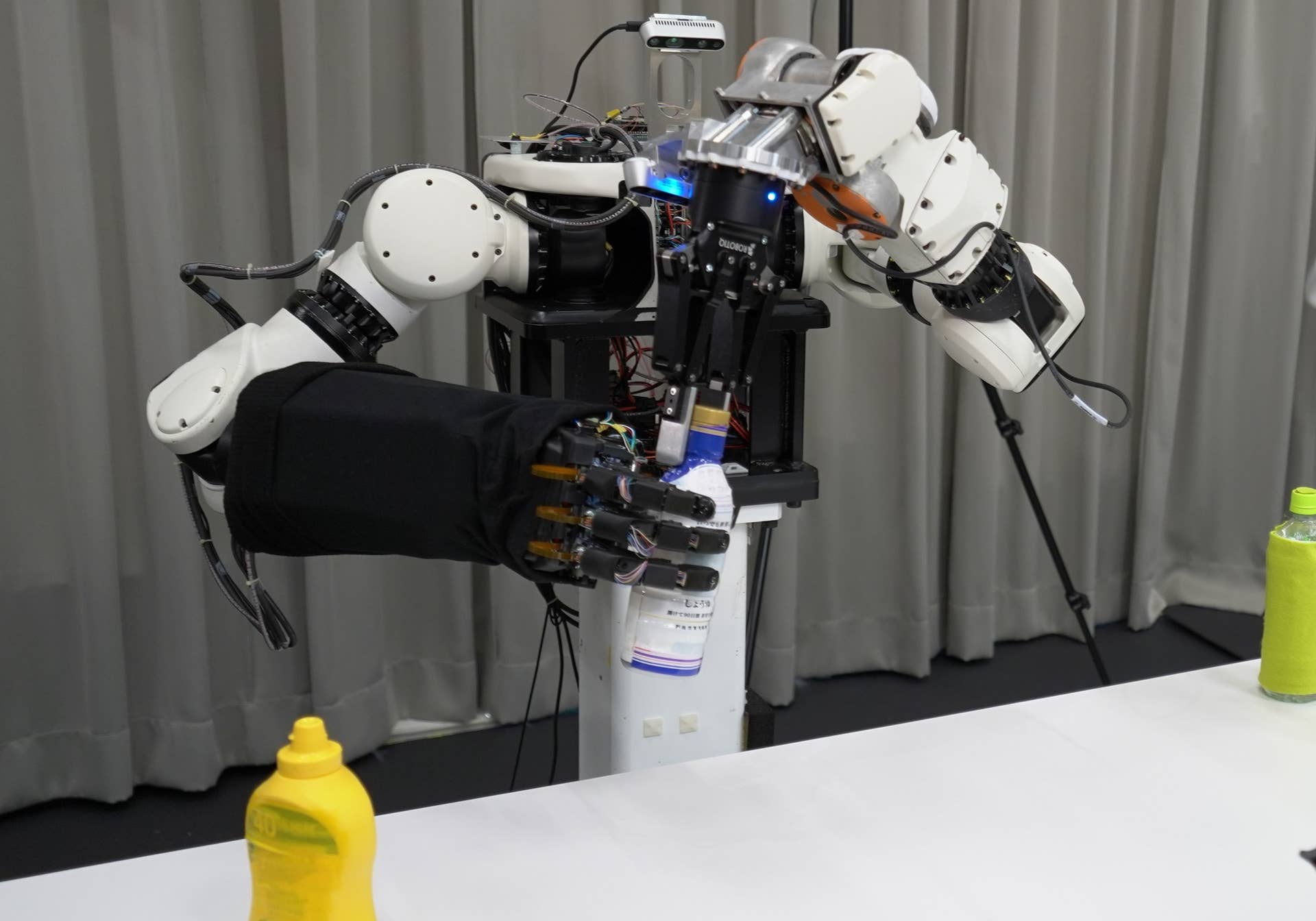
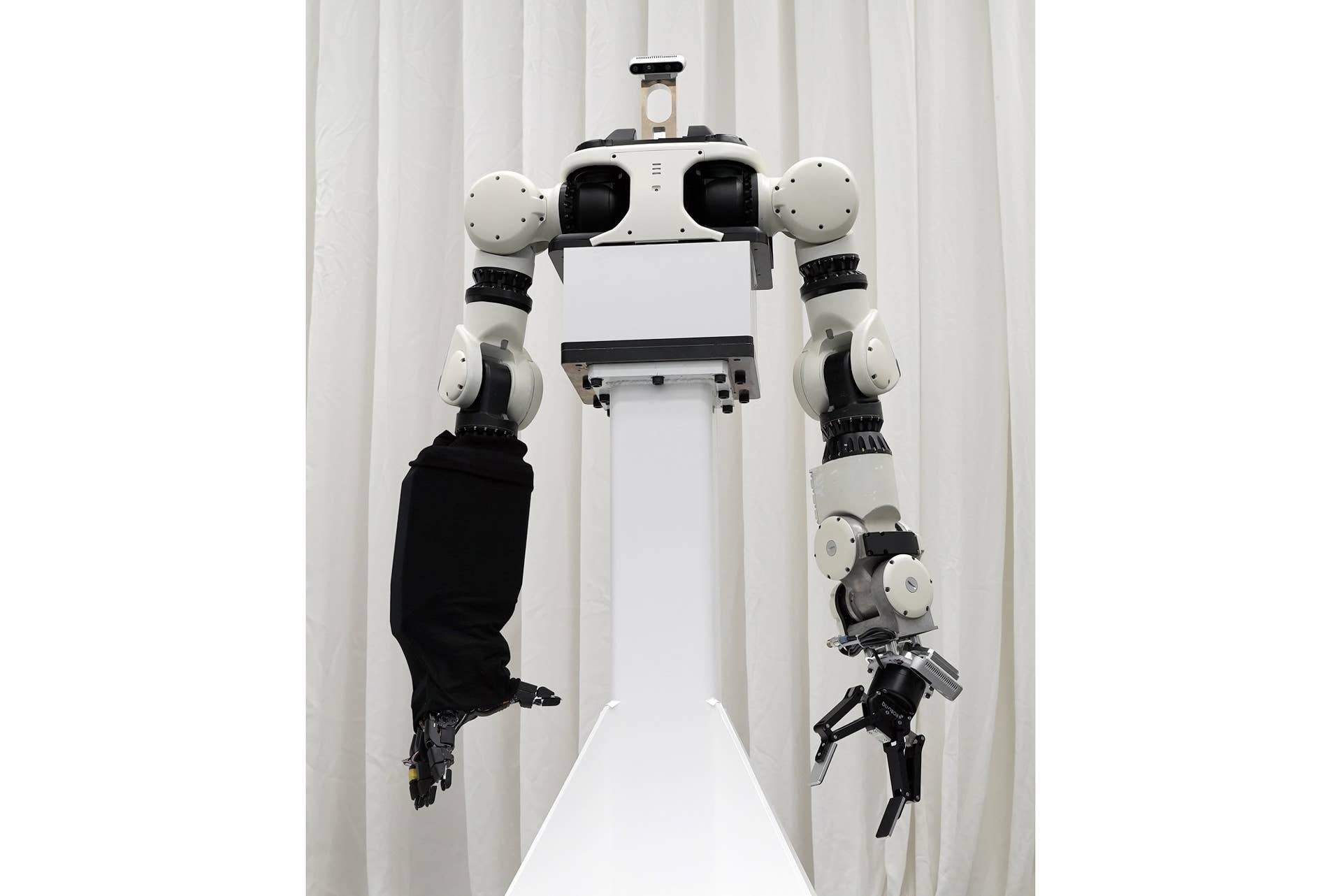
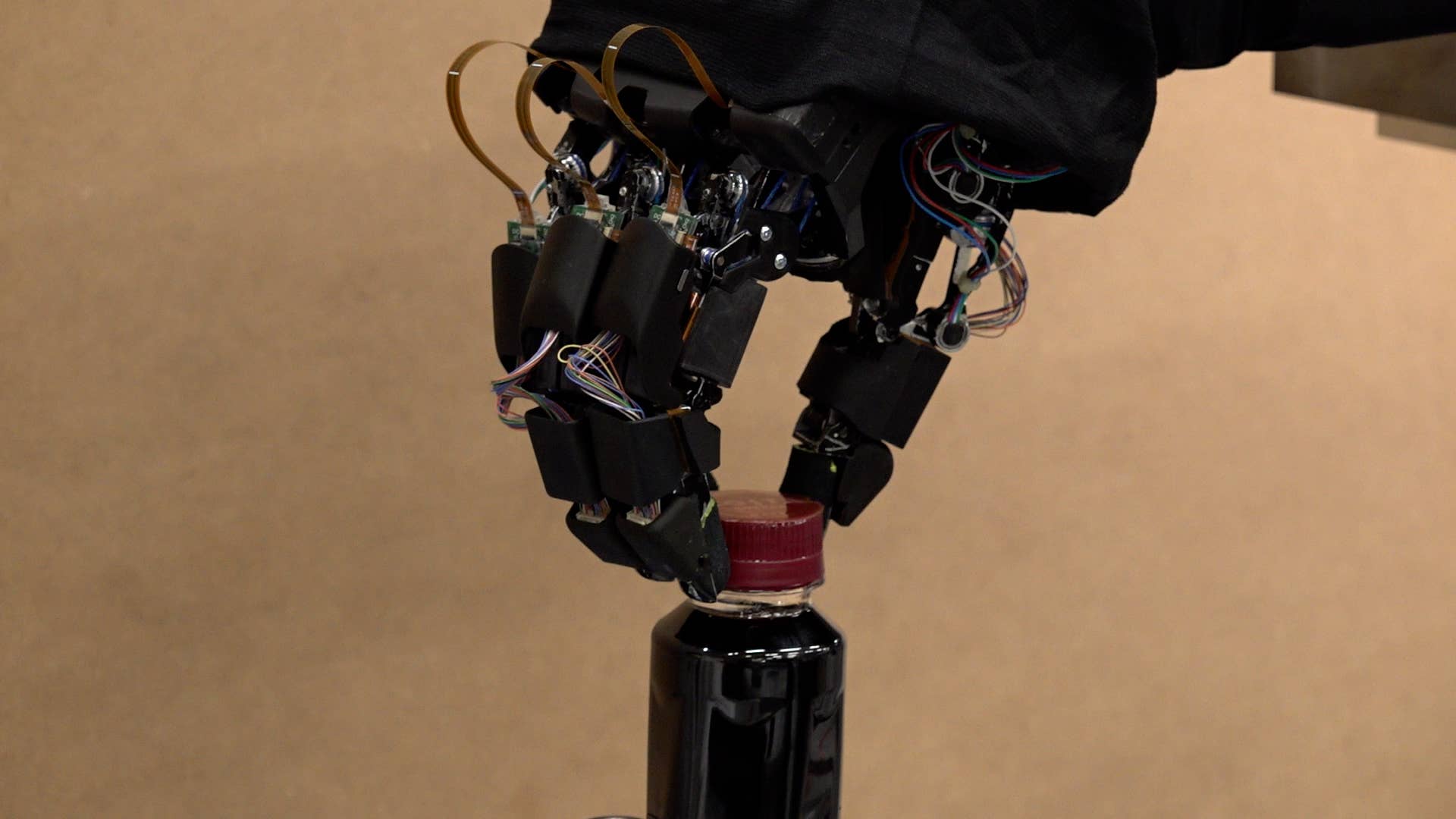
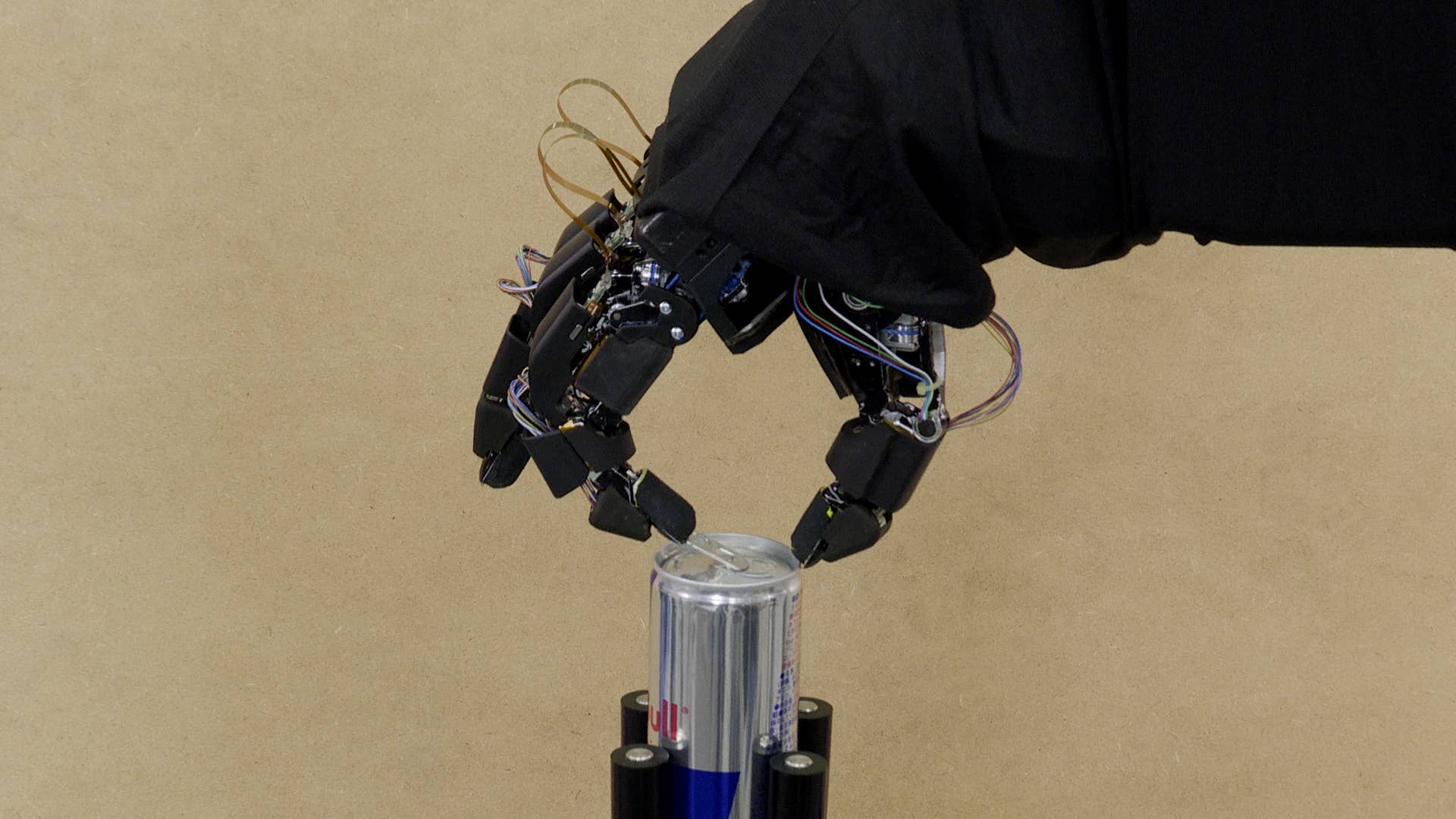
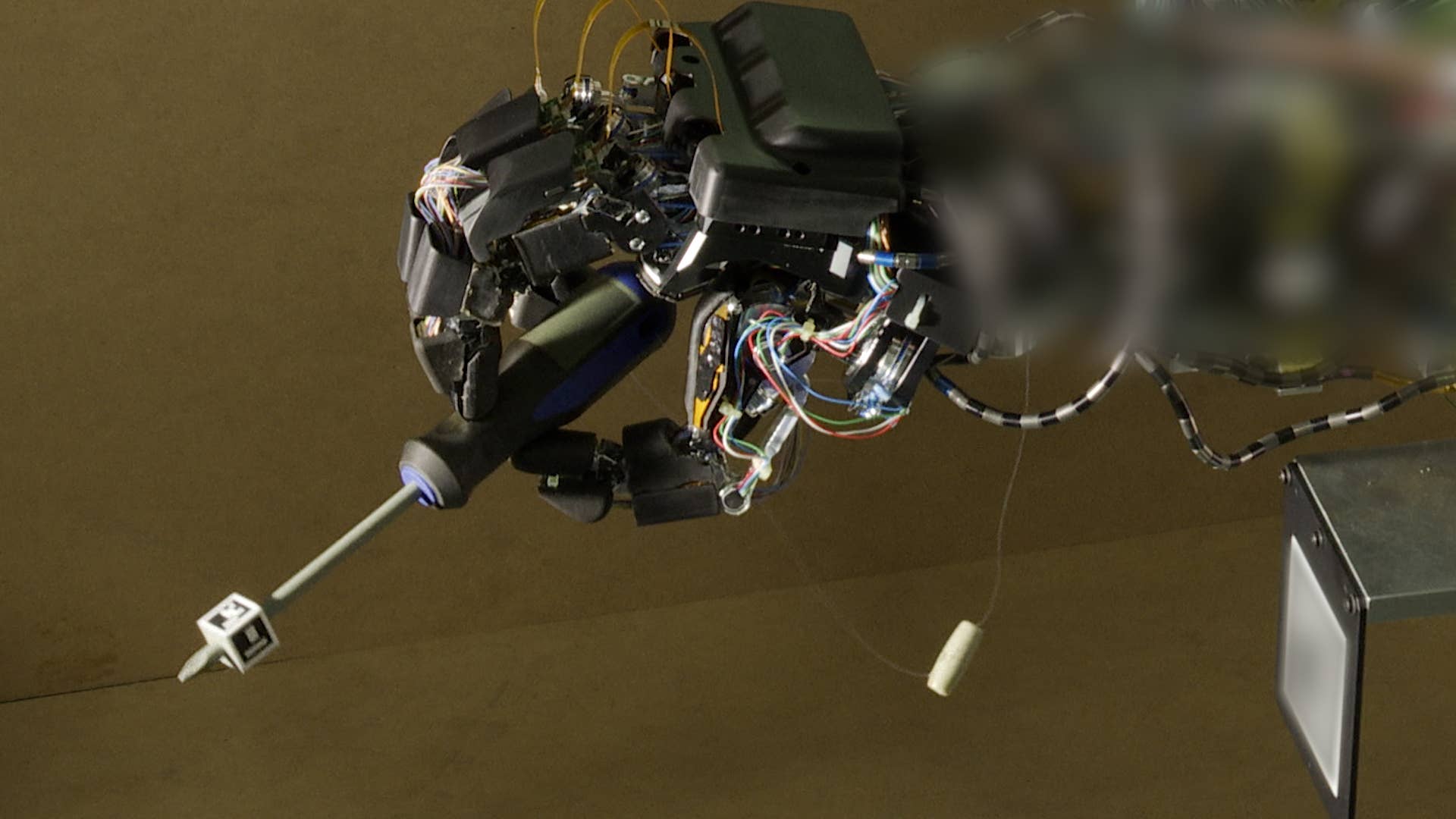
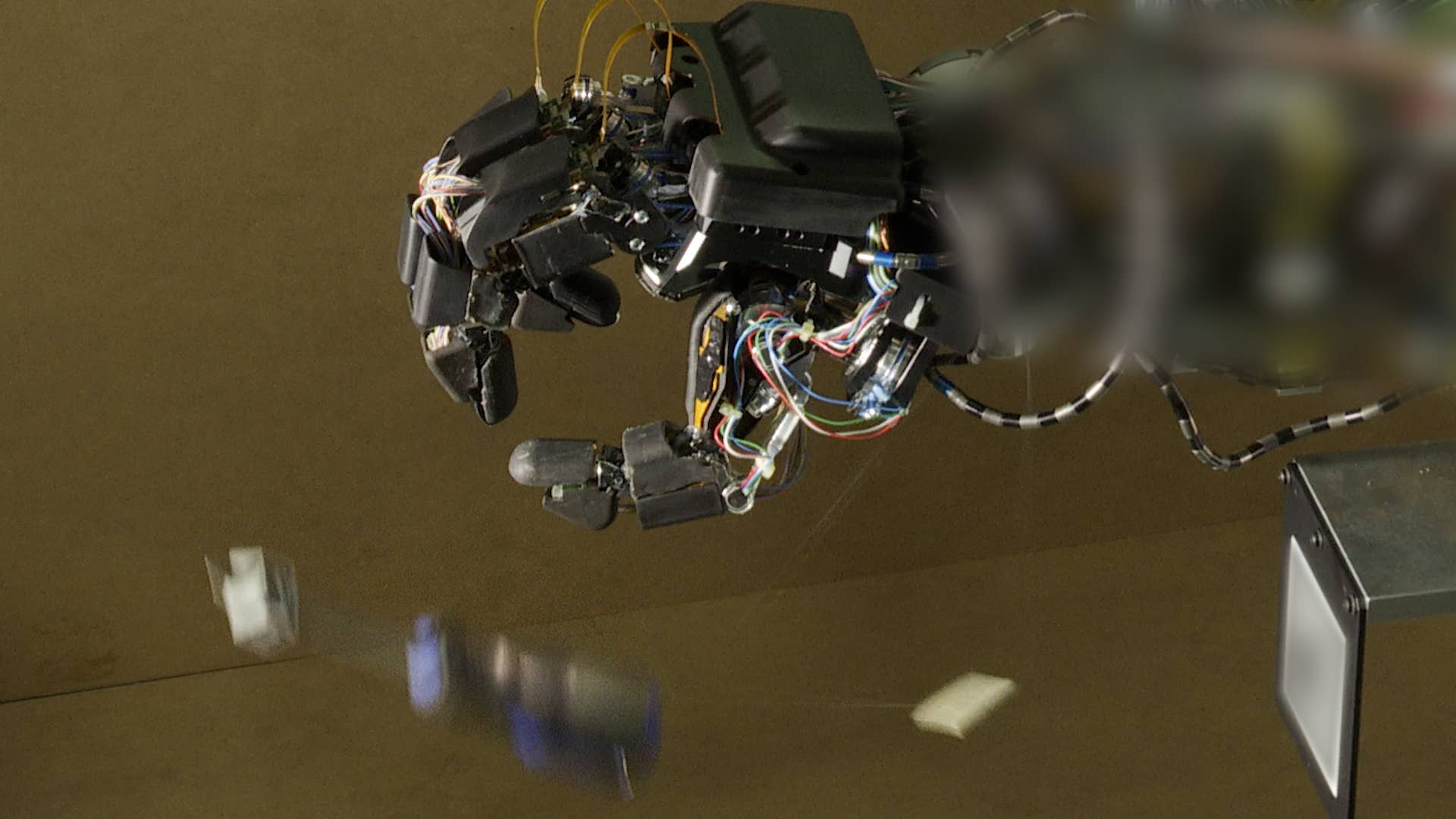
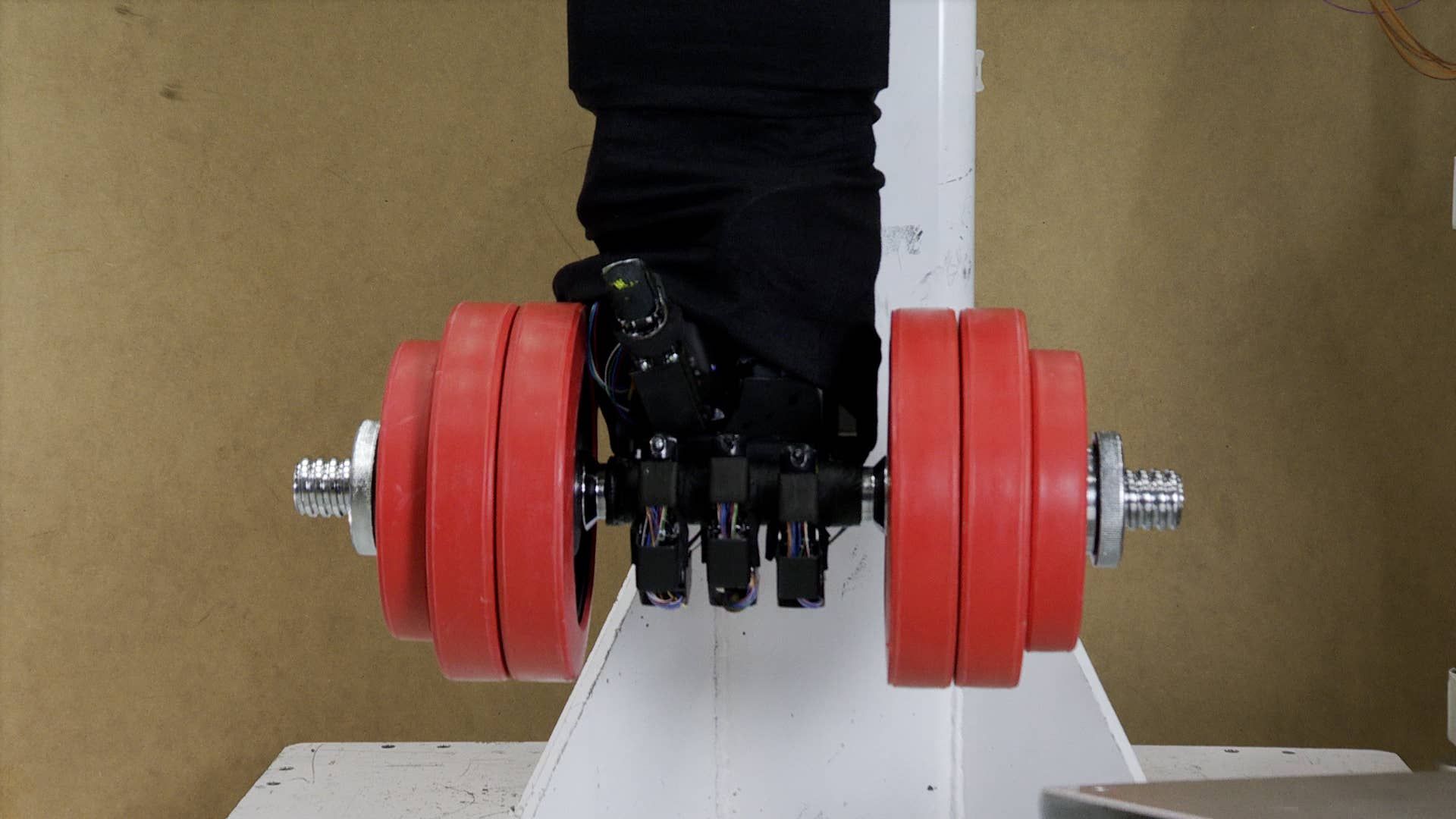
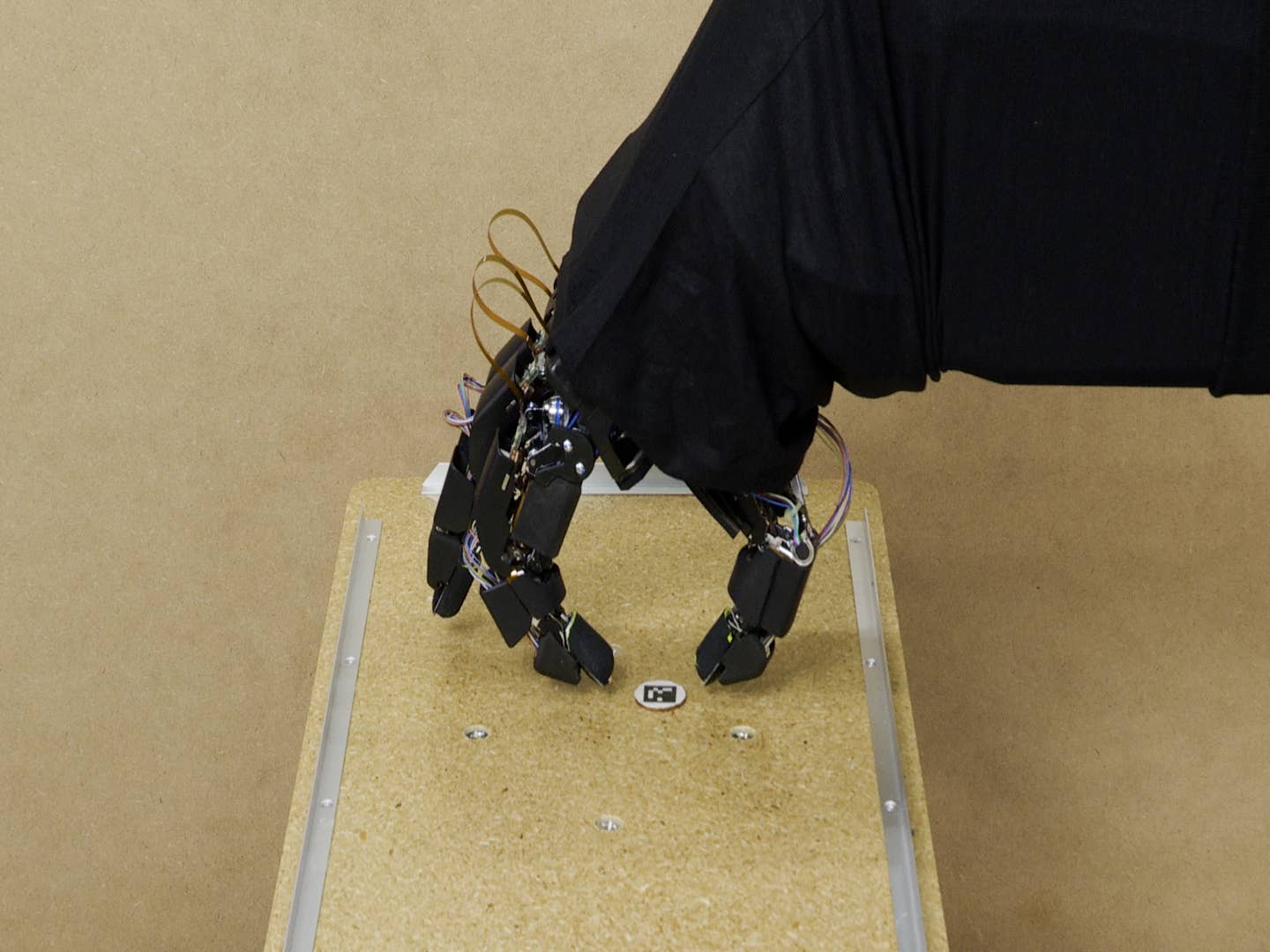
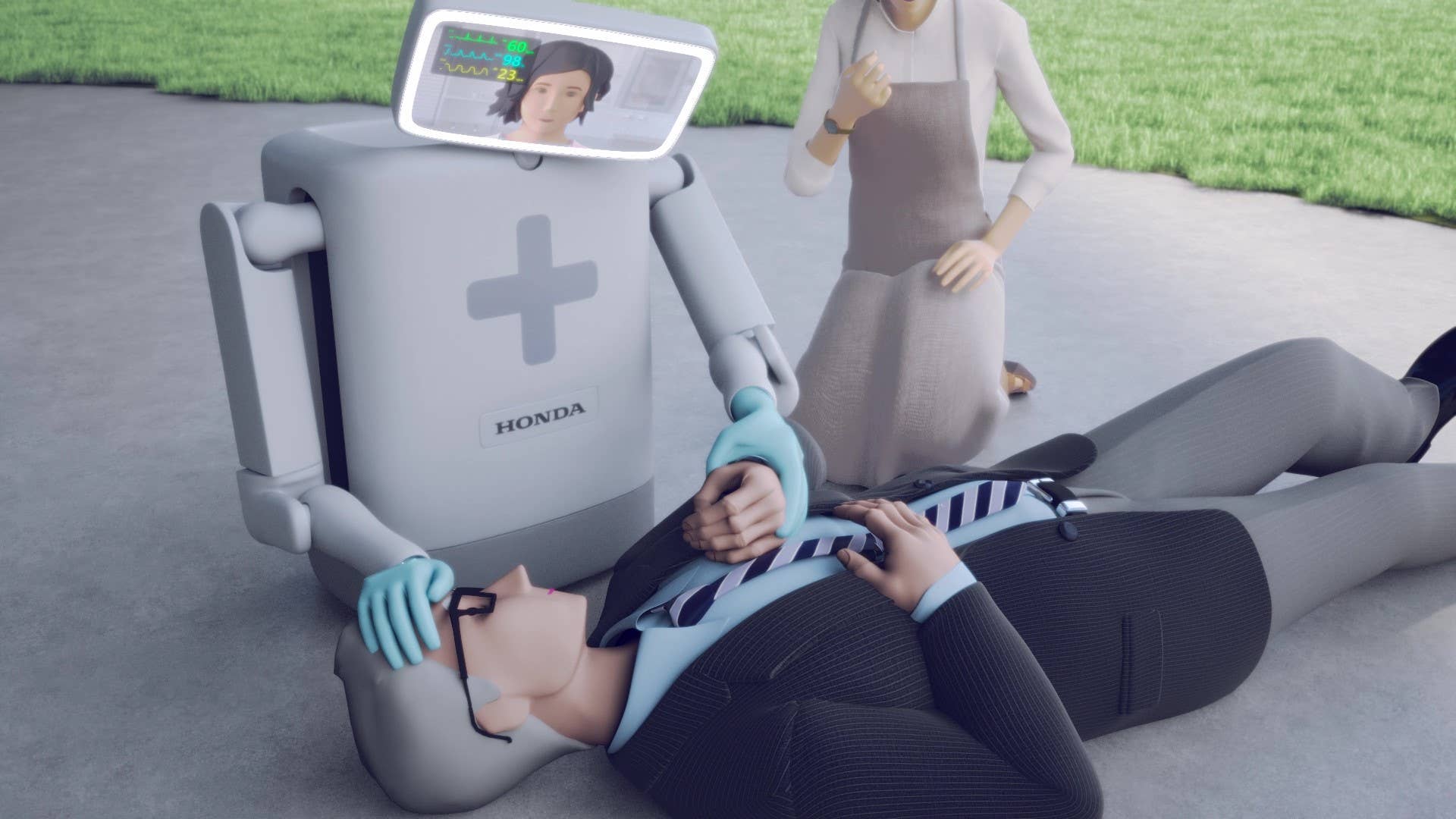
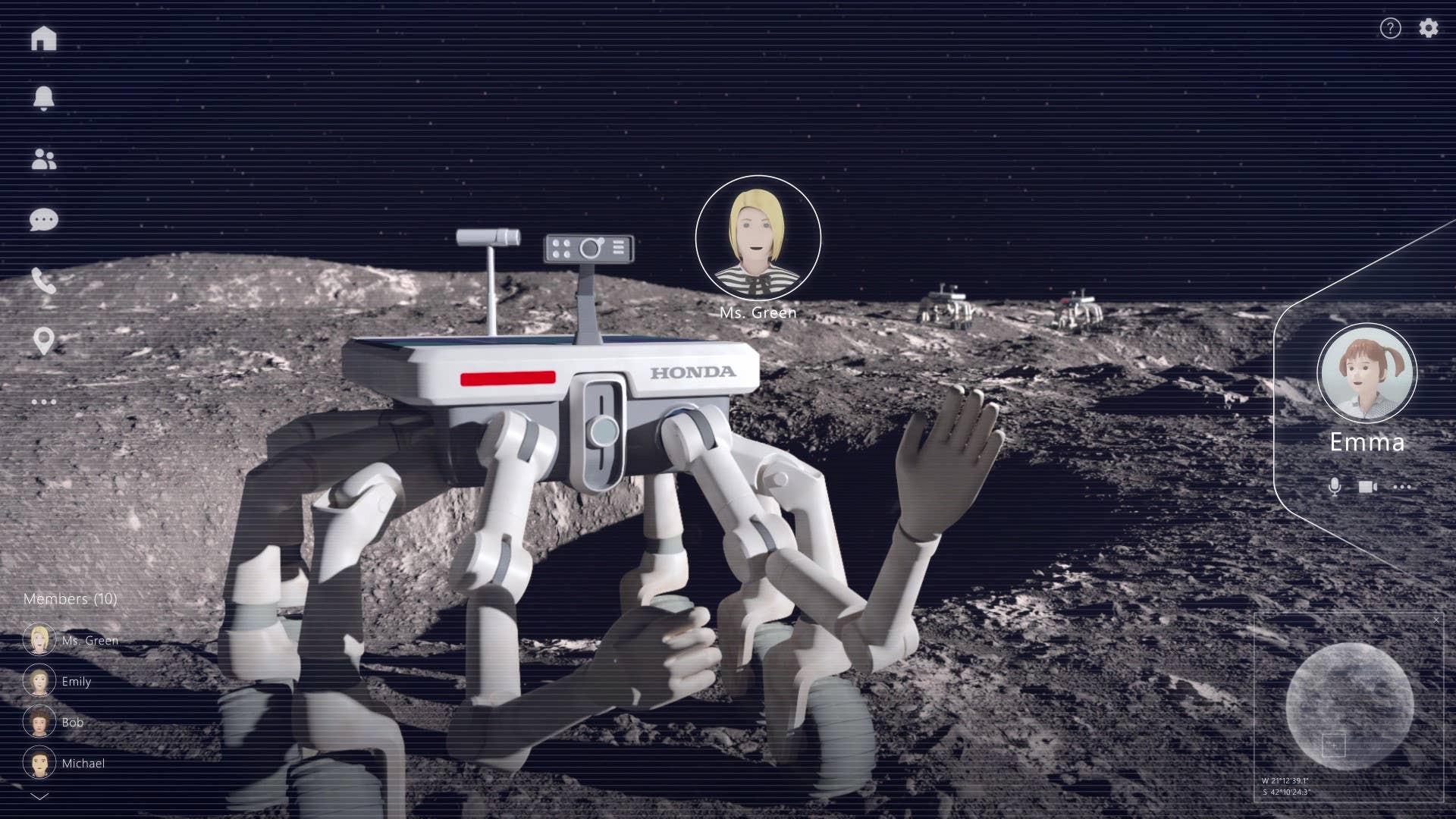
With its second plane in the air, Honda will resume its robot-building program. Here, the stated goal is to “expand the range of human ability virtually without the constraints of time, place, and space.” Described as an avatar robot, the machine will be equipped with a multi-fingered hand capable of using tools designed for humans and a remote control function powered by artificial intelligence. Executives predict the robot will begin making itself useful in the 2030s, but they’re hoping to begin testing it before the end of March 2024. Again, Honda isn’t starting from scratch: It experimented with the Asimo robot for well over a decade — engineers even taught it to pour a drink and kick a soccer ball to former President Barack Obama. Development work ended in 2018, though some of Asimo’s technology lived on.
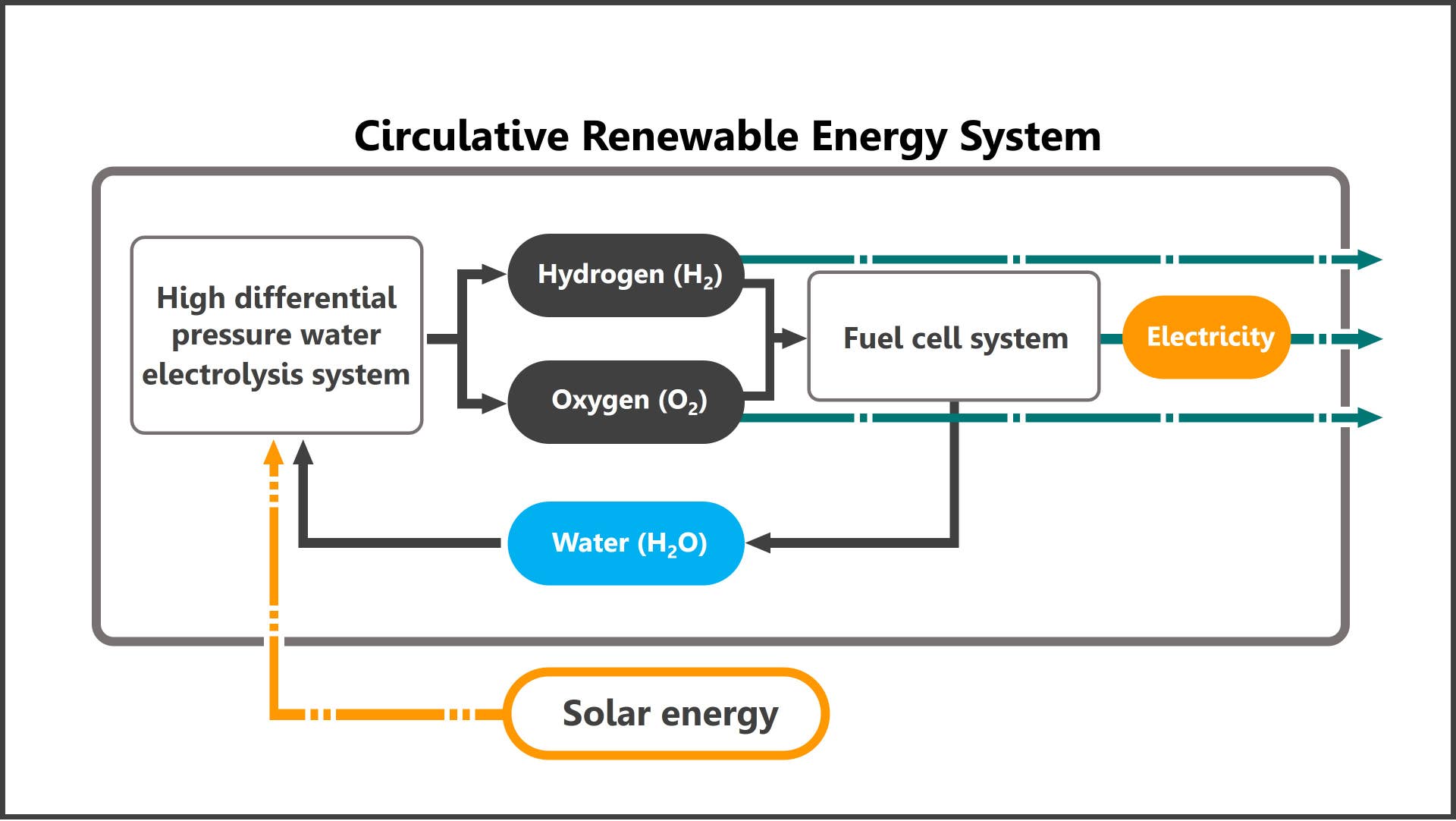
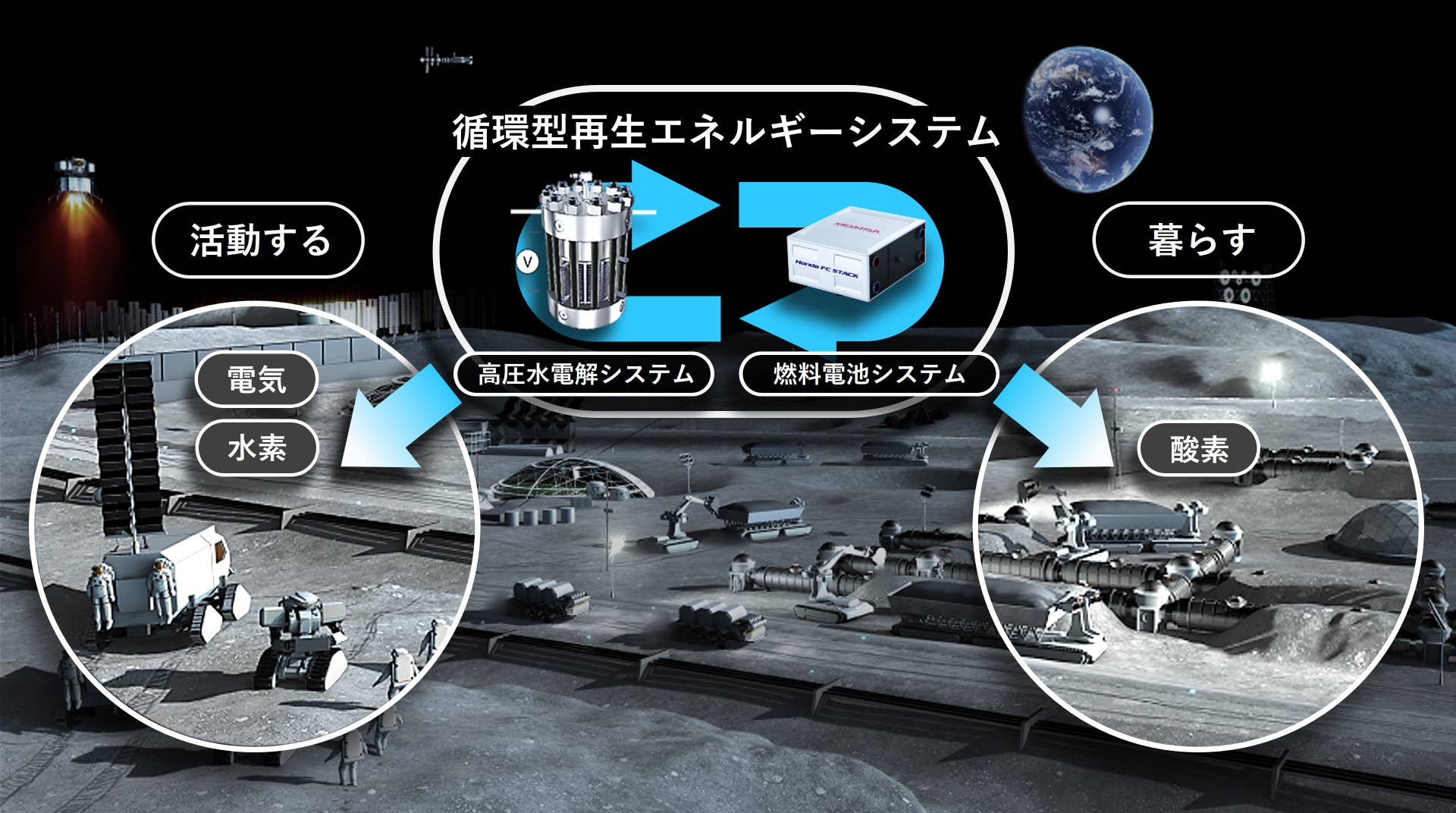
Finally, Honda will turn its attention to space, notably by building a circulative renewable energy system on the lunar surface that will leverage the firm’s fuel cell and high differential pressure water electrolysis technologies. This is also where the robots come in: While this sounds straight out of a 1950s comic book, Honda envisions that remote-controlled robots will perform various tasks on the lunar surface.
Featured Gallery
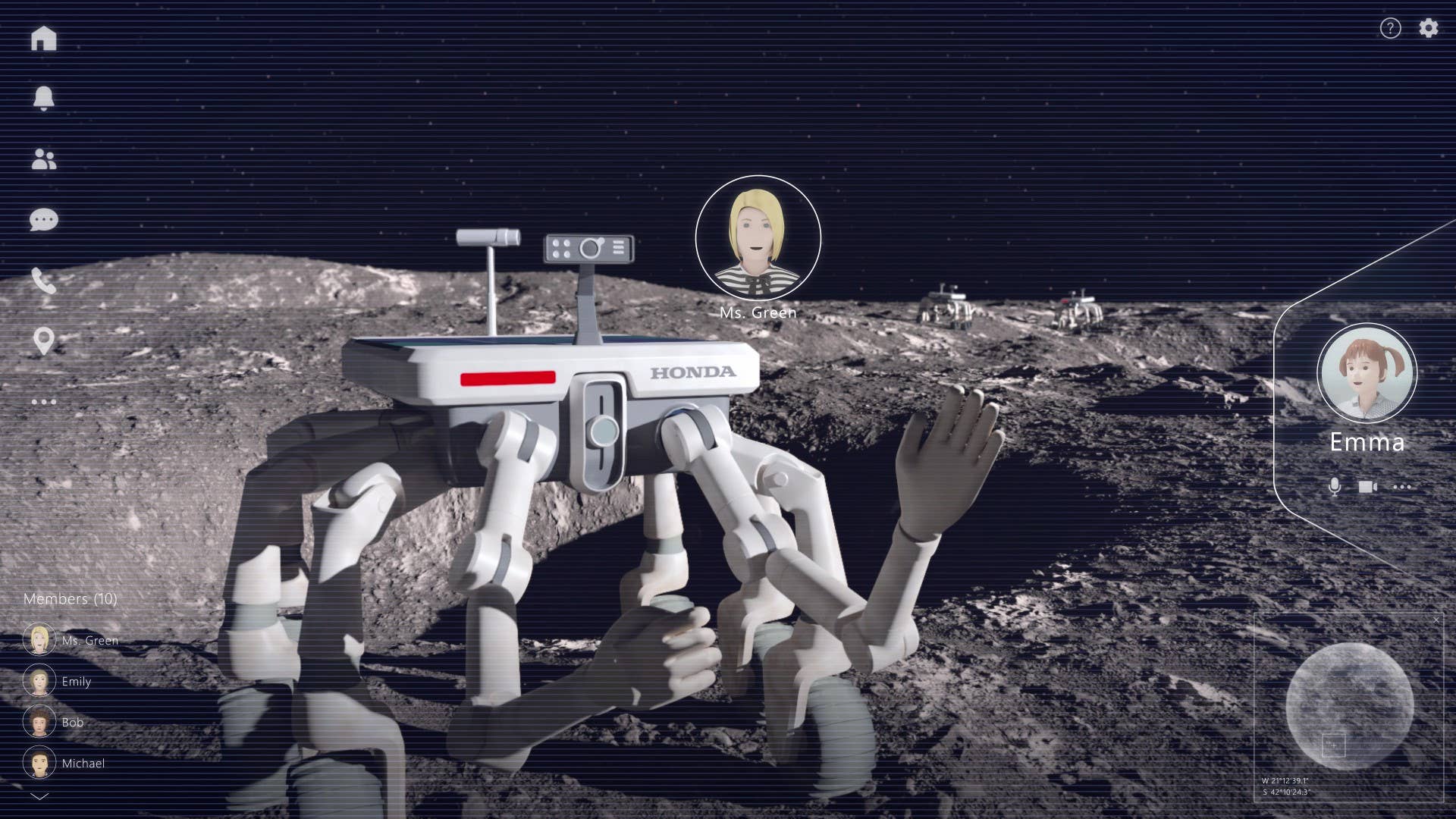
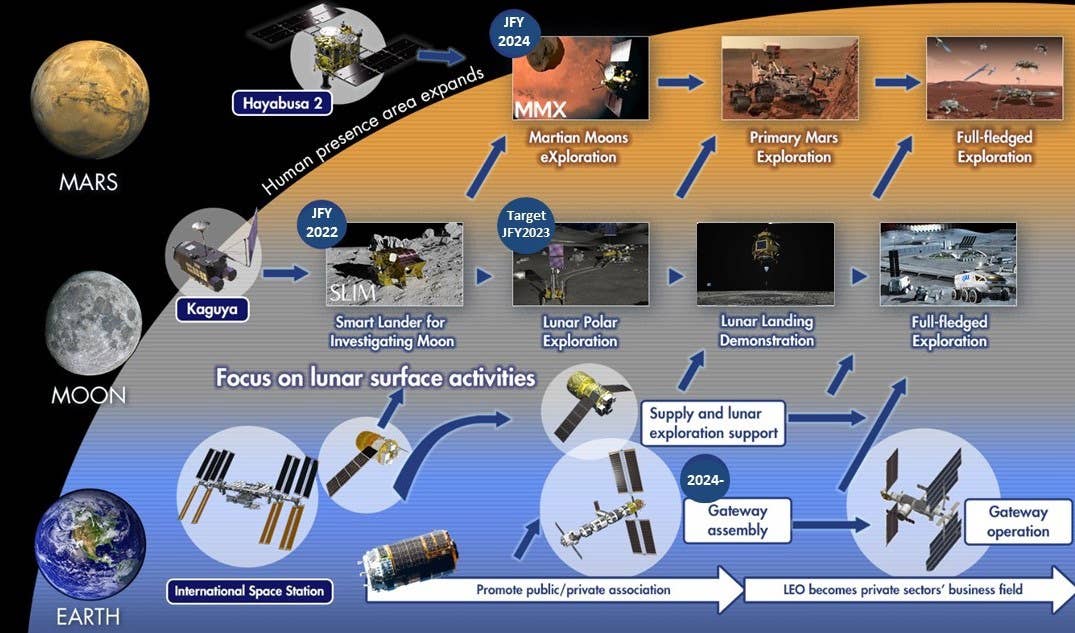
The last bullet point in Honda’s manifest calls for building small, reusable rockets to use as a launch vehicle for small low-Earth-orbit satellites. Development work started in 2019, this is seemingly a serious project, but there’s no word yet on when they’ll first fly. However, if everything goes according to plan, Honda will shoot pocket rockets, direct a squadron of robotic astronauts, and rule your city’s skies in the 2030s. It stressed that its core businesses (including manufacturing cars and motorcycles) will remain at the center of its attention.
As for the S2000’s long-awaited successor … well, maybe the robots will help build it.