
The Patent Lives On
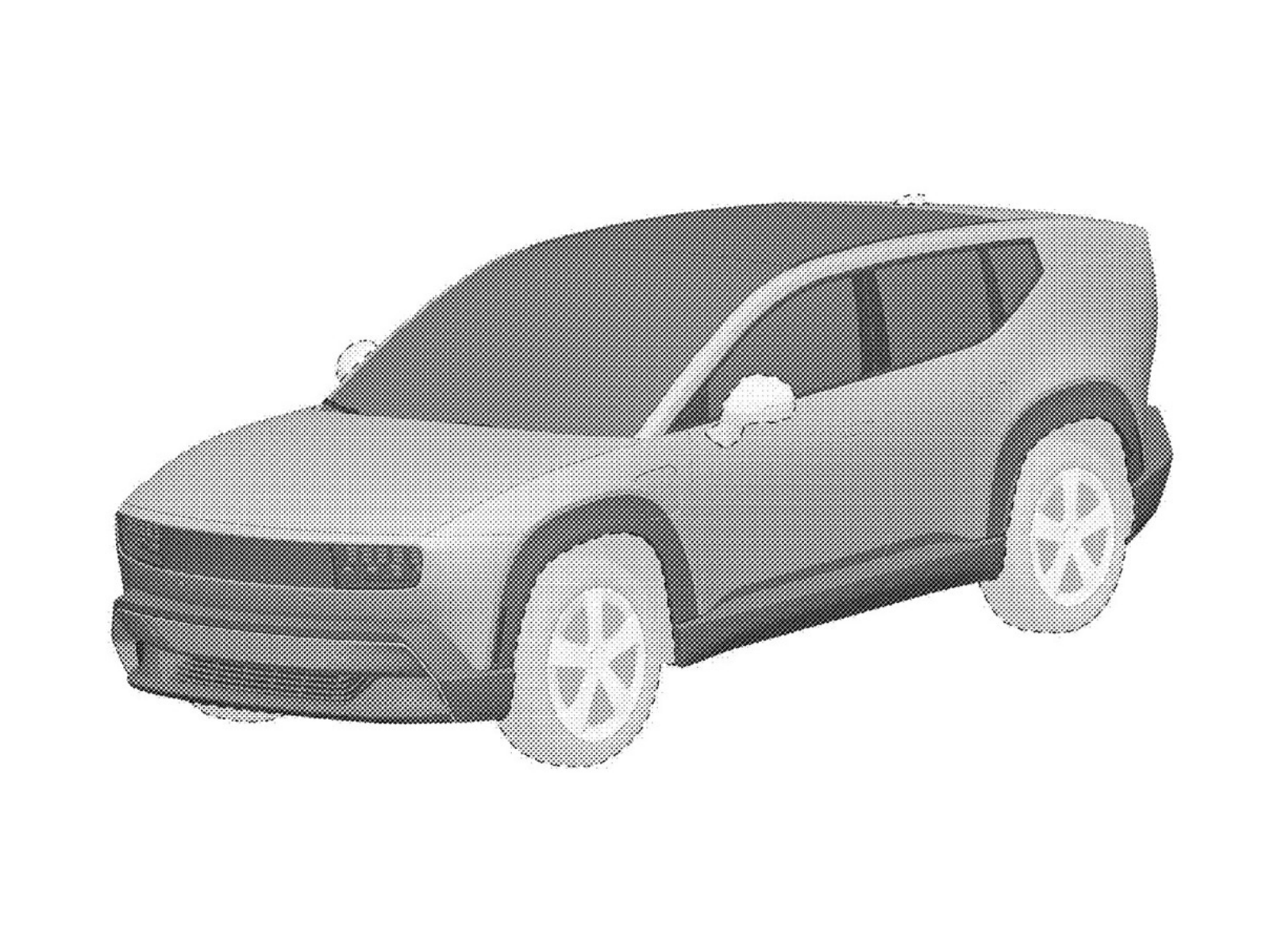
Given the slowing demand for electric vehicles in the U.S., it comes as no surprise that Honda canceled three EVs planned for North America. The brand’s first mass-market EV in the region, the Prologue, is also being discontinued after just over two years on the market. Among the canceled models was the 0 SUV, which was intended to rival the Tesla Model Y. However, a newly granted U.S. design patent appears to bring the canceled SUV back to life, at least on paper.
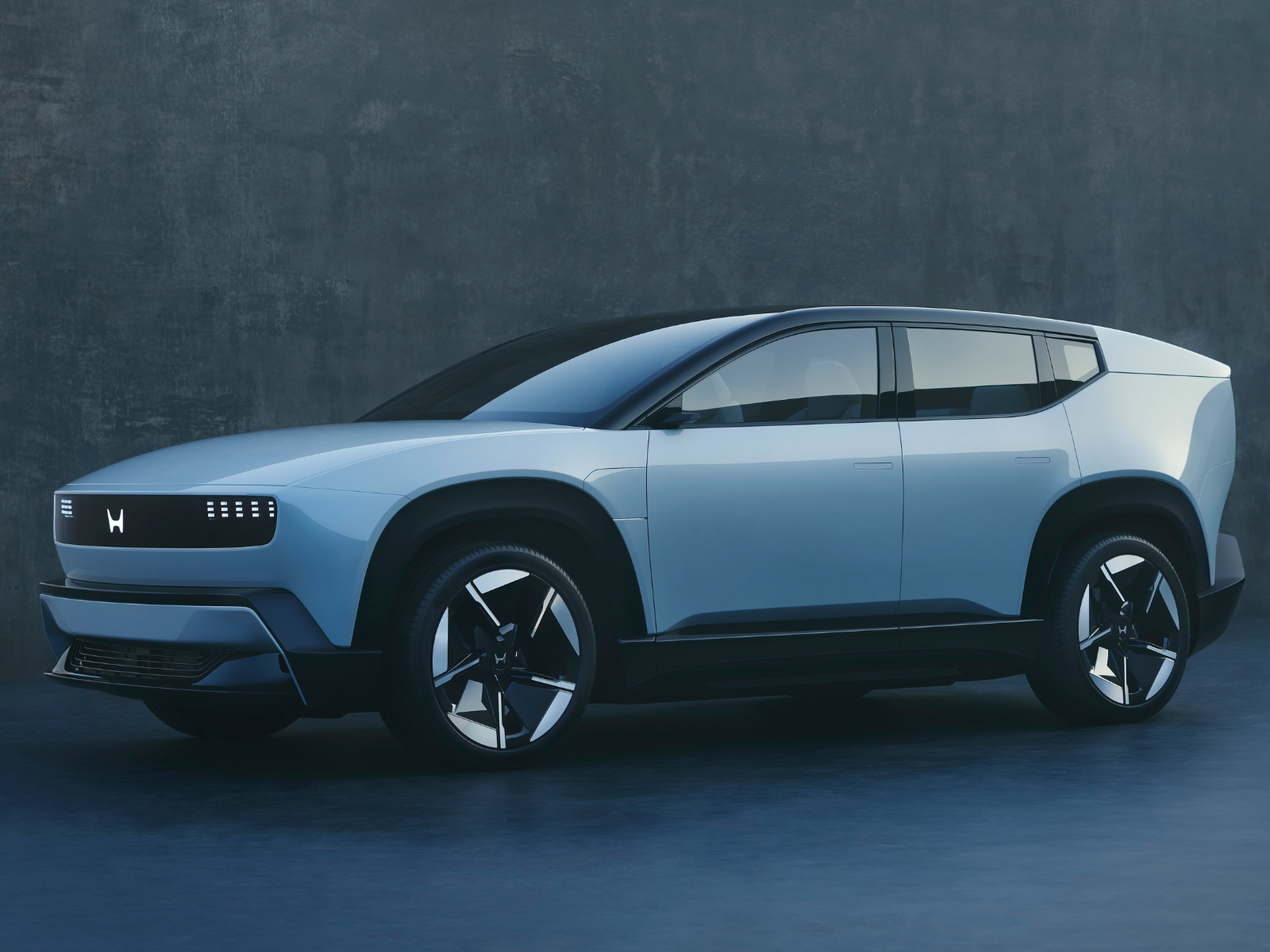
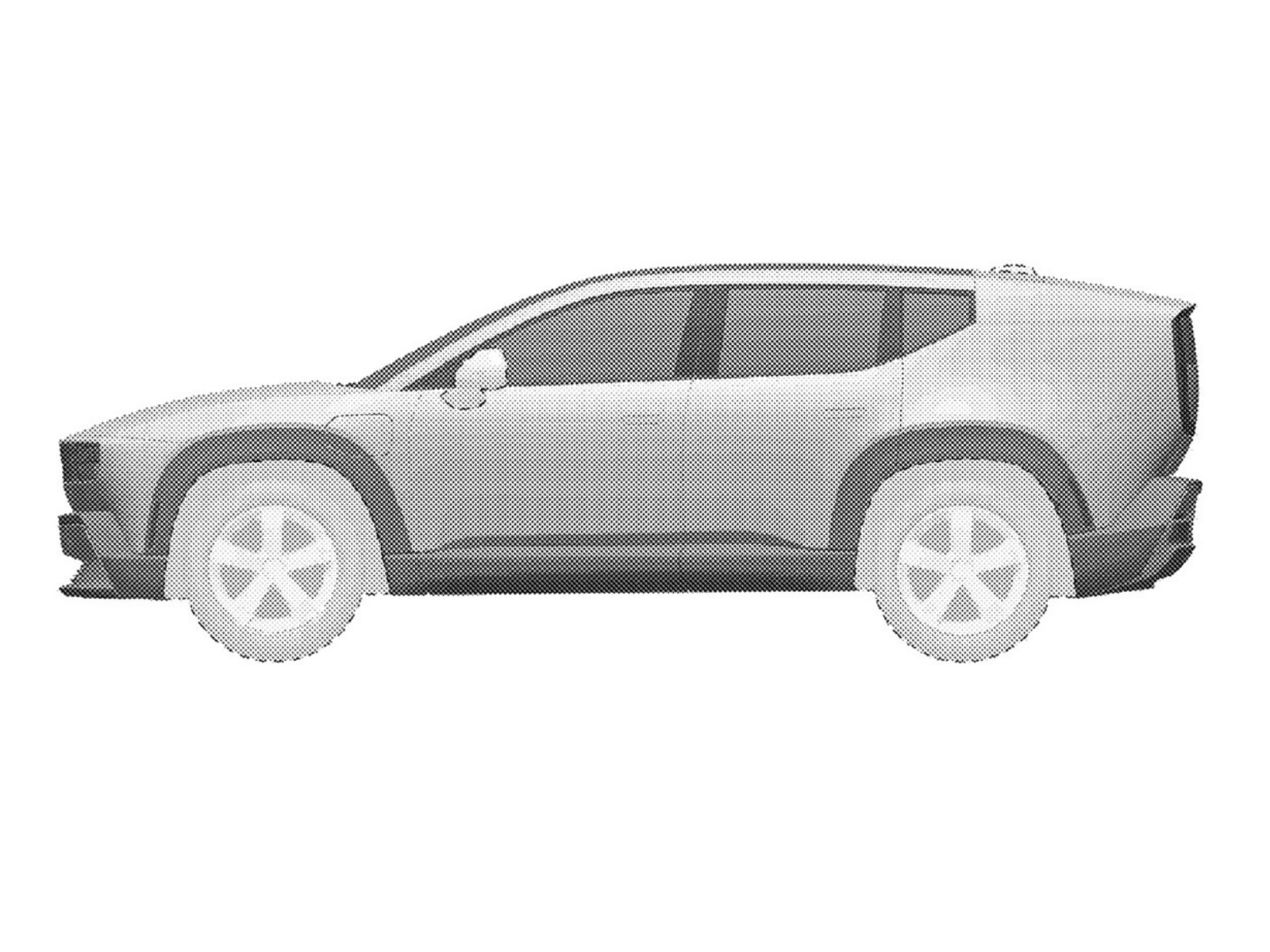
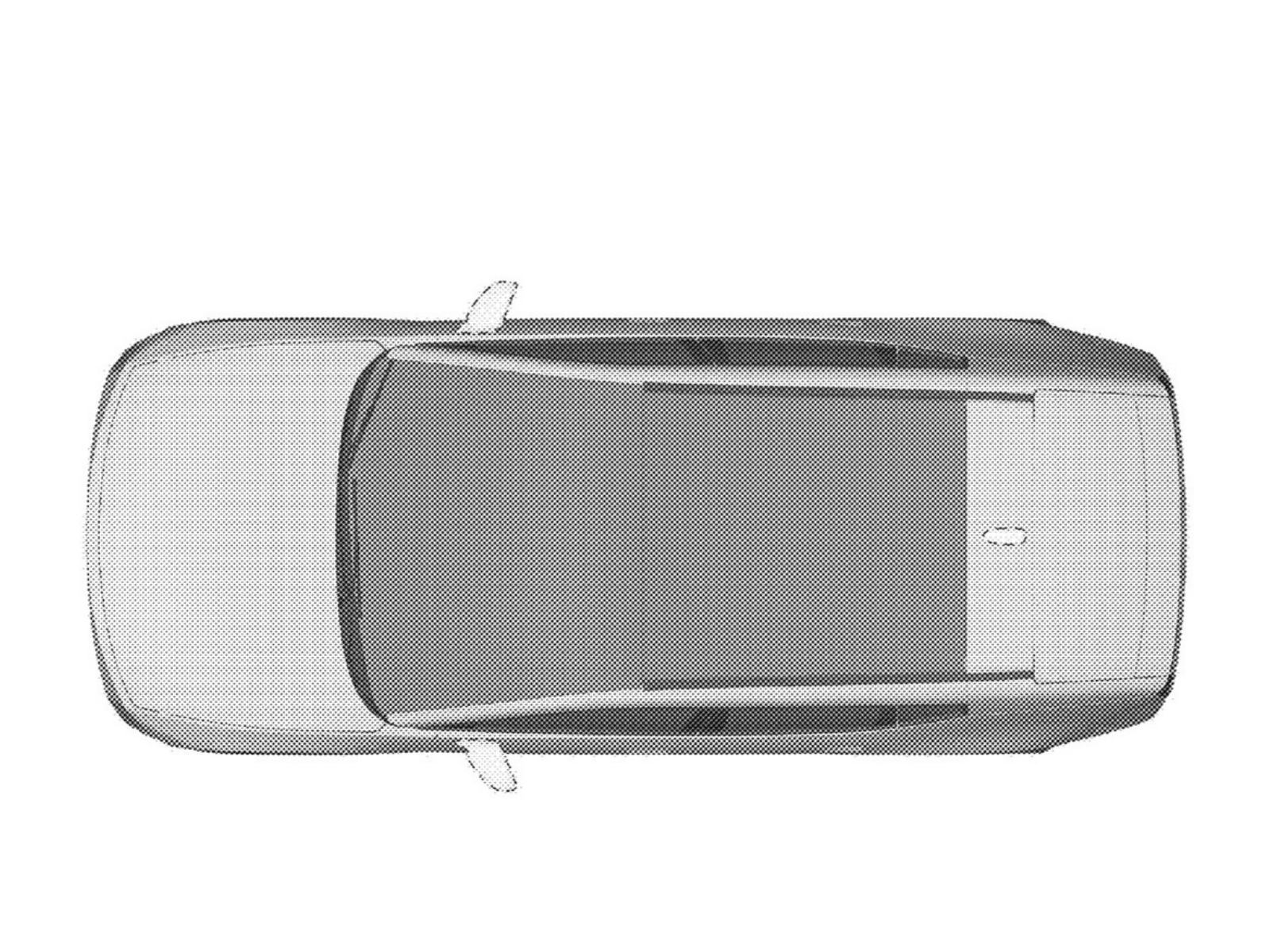
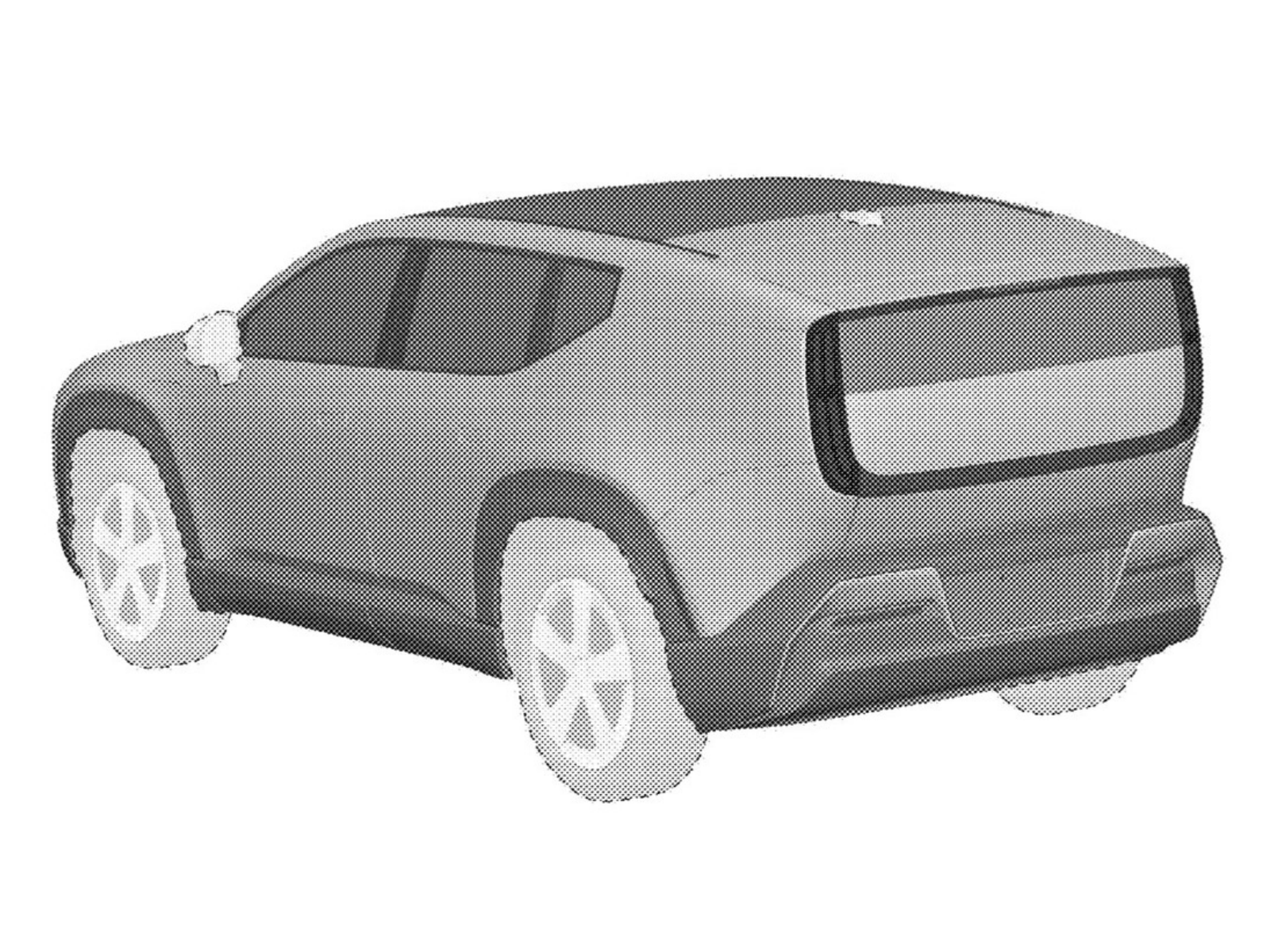
The patent, first spotted by CarMoses, includes several drawings depicting what appears to be the 0 SUV prototype from different angles. The prototype was unveiled at CES 2025 in Las Vegas, Nevada, alongside the 0 Saloon prototype. Both were later canceled, along with the Acura RSX, completing the trio of EVs that never made it to production.
Honda
Spot the Difference
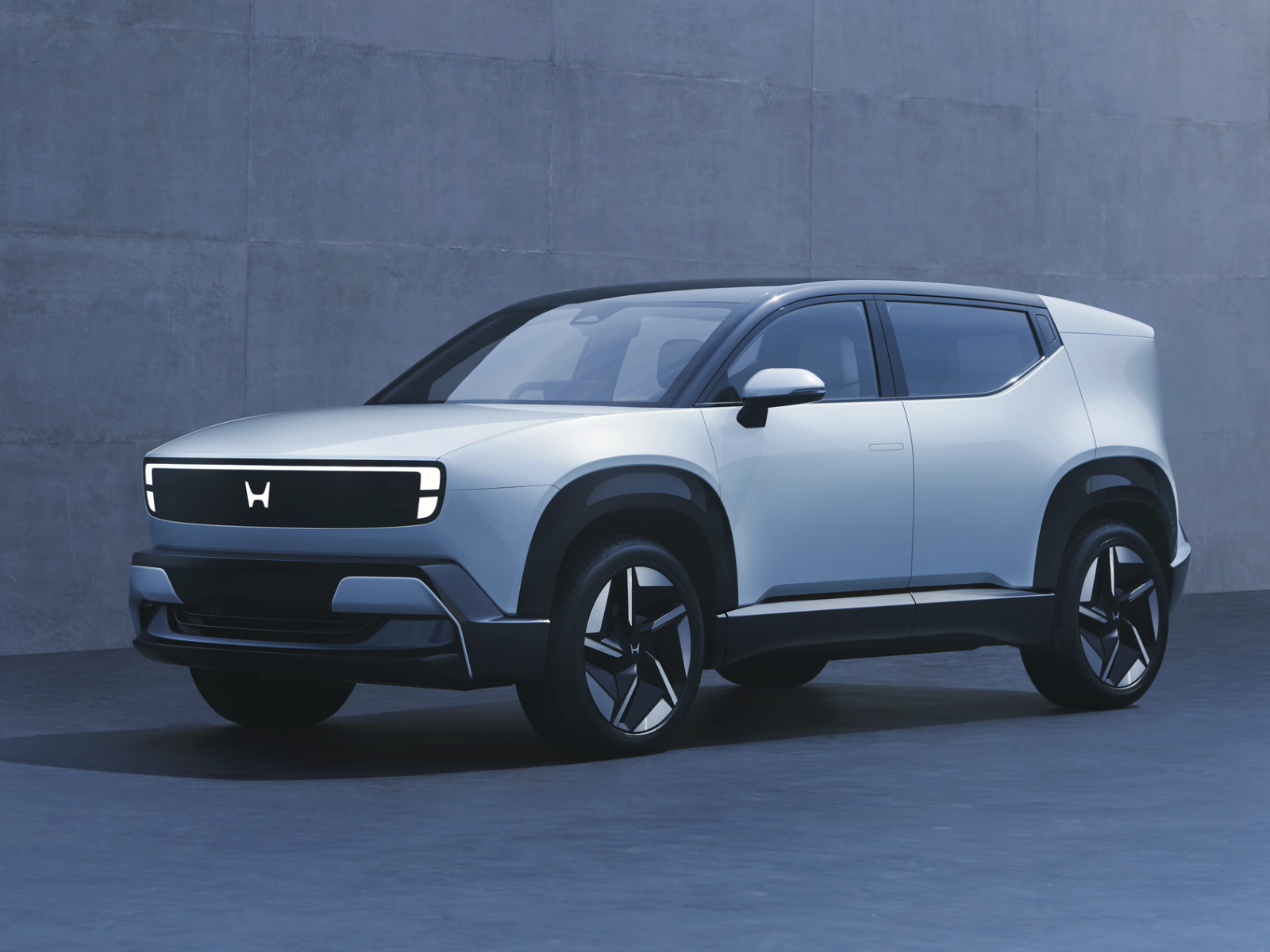
Looking at the patent drawings, the side profile closely matches that of the 0 SUV prototype, particularly the rear quarter window between the C- and D-pillars. This design element is absent from the 0 Alpha, the smallest model unveiled in the 0 Series lineup. The 0 Alpha also features rear door handles integrated into the C-pillars, similar to the Honda HR-V and Toyota C-HR, helping create a coupe-like appearance. In contrast, the patent drawings show conventionally positioned door handles, matching those of the 0 SUV prototype.
The pixel-like headlights of the 0 SUV prototype also appear to be reflected in the patent drawings. Another matching design element is the front bumper, which features a prominent horizontal black trim piece and a sportier appearance than the one on the 0 Alpha.
Apart from those details, the patent could resemble either the 0 SUV or 0 Alpha prototype. Both share a similar boxy shape with a sloping roofline and pronounced wheel arches. Mentioning the 0 Alpha here is relevant, given that Honda hasn’t canceled it. However, it is primarily intended for Japan and India.
Honda
Not Every Patent Hits the Road
But again, these comparisons are based on visual cues only, so nothing is confirmed. Automakers often patent vehicle designs to protect their styling from competitors or preserve them for future use. After all, quirky, boxy shapes seem to be the go-to these days, as seen with the latest generations of the Hyundai Santa Fe and Lexus GX.
Honda’s focus in North America is now shifting toward hybrids, including the next-generation CR-V Hybrid, whose production was reportedly delayed by about three months to April 2027. The automaker plans to introduce 15 next-gen hybrid models globally by 2030, primarily targeting North America.
USPTO
USPTO
USPTO
About the author

Rex Sanchez
News Editor