
Elon Musk, newly relieved of his duties as
Tesla chairman but perhaps sleeping better in the wake of badly needed positive quarterly earnings, has hinted that the electric vehicle maker may be interested in once again working with Daimler, this time on an electric
Mercedes-Benz Sprinter cargo van.
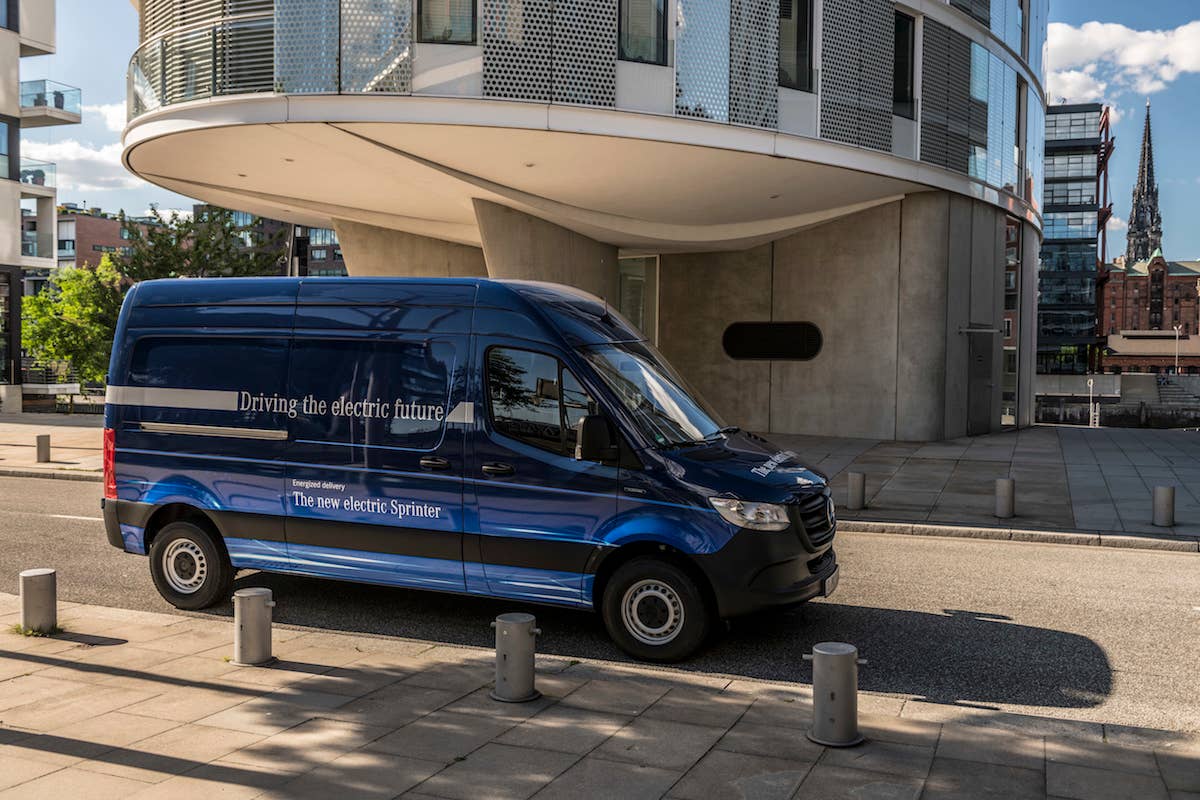
Mercedes, of course, is already planning to launch a
battery-electric version of its commercial cargo van
called the eSprinter next year. But Musk, in a Twitter thread, explains that Tesla has a “Lot on our plate” and could source “glider” versions of the eSprinter from
Mercedes with the battery, powertrain and computer system stripped out in order to get a Tesla-fied cargo van on the road more quickly. “Priority list is
Model Y, solar roof tiles, pickup, semi, Roadster,” he adds, helpfully.
As with many things that Musk says on Twitter, it’s unclear how seriously we should take this;
Autoblog sought comment from Tesla’s PR unit.
But it’s worth noting that
Daimler and Tesla have tangoed together before. Back in 2009, in the depths of the Great Recession, Daimler spent $50 million to
acquire a 10-percent stake in Tesla, a move that Musk
credited with “saving Tesla” in a 2012 interview with
Autoblog. Tesla previously supplied battery packs and drivetrains for the
Mercedes-Benz B Class Electric Drive, but Daimler, seeing the two companies increasingly as EV competitors, sold all its remaining shares by 2014 to begin separating technologies.
It’s also unclear how such a deal would benefit either company. Mercedes’ eSprinter will come in two versions: one with a 41 kWh battery providing 71.5 miles of range, and a more powerful 55 kWh variant with 93.2 miles of driving range. Daimler also plans to launch the eVito passenger van and a smaller eCitan. And while Tesla doesn’t currently have anything for the cargo van segment, it is working on its
electric Semi, which promises to have a 500-mile driving range and is supposed to go into production in 2019.
Related Video: