
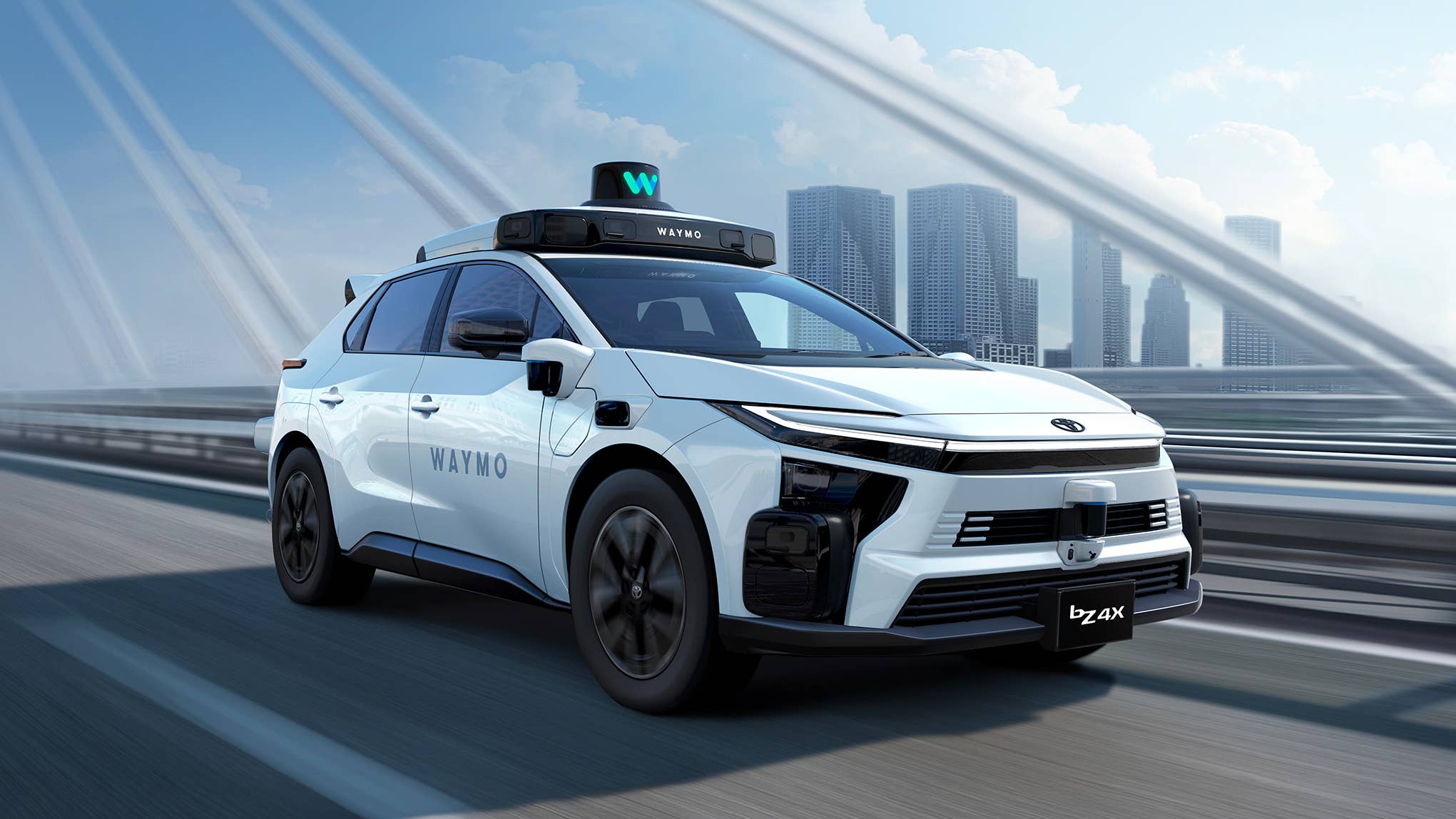
Toyota and Waymo announced a strategic collaboration 18 months ago, and the two companies have now outlined the next phase of their plan to work together on autonomous robotaxis. The new robotaxis are set to be validated and tested in Japan next year, using the Toyota bZ4X electric crossover (currently known as the Toyota bZ in the United States). The collaboration will mark the first domestically manufactured fully autonomous ride-hailing service in Japan, before the robotaxis are deployed in other major markets.
Initial Testing and Validation Begin in 2027
Toyota
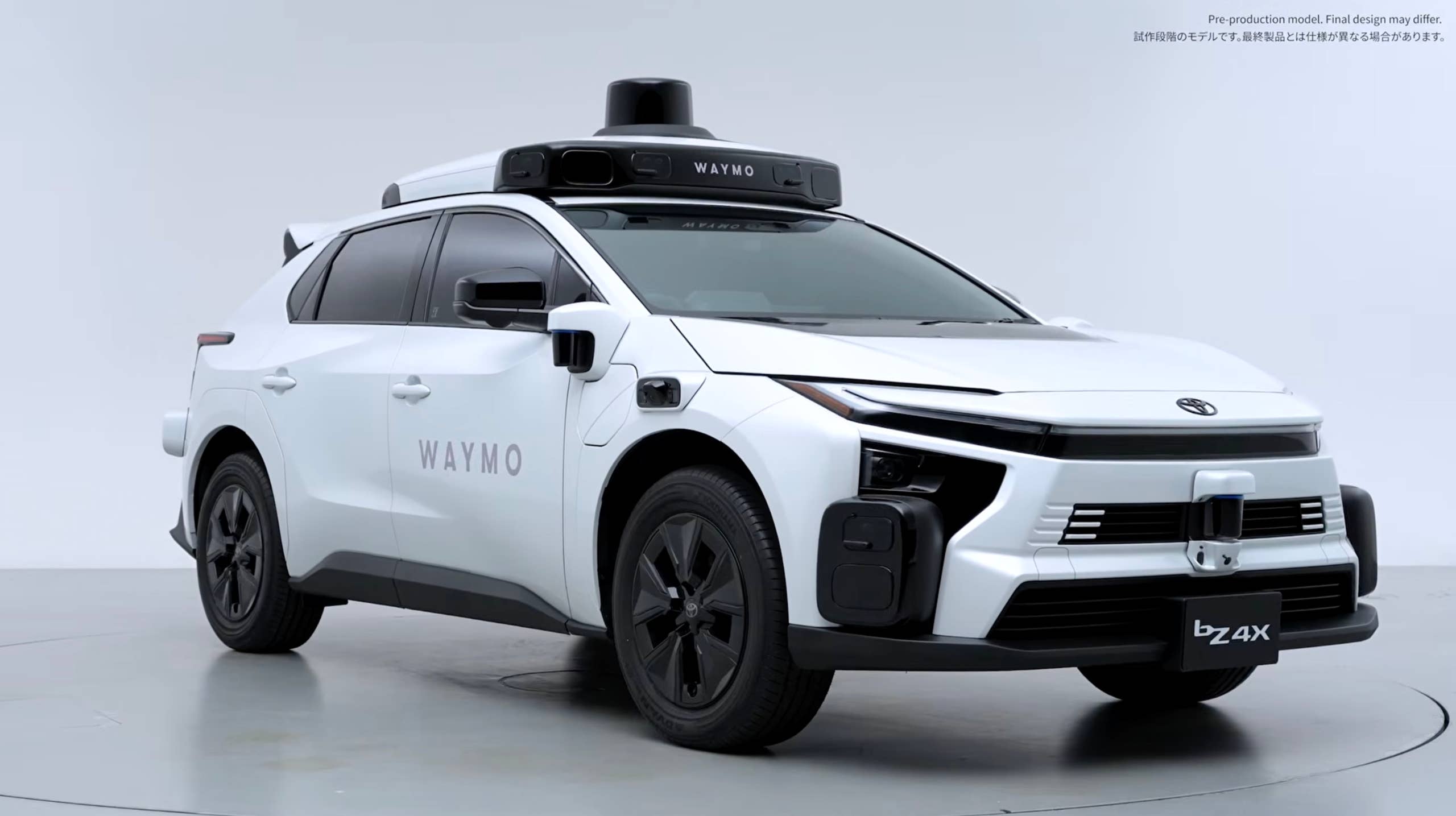
Next year, Toyota and Waymo will conduct testing and validation of the autonomous Toyota bZ4X in Japan. Toyota is a global manufacturing powerhouse, and combining this with Waymo’s expertise in autonomous vehicles could prove to be a formidable combination. The specialized Toyota SUVs will be built at the automaker’s Takaoka plant in Toyota City, Japan. Rather than build the vehicle base and have Waymo install its hardware at another location, everything will take place under one roof.
Toyota’s goal is not only to provide a more convenient means of transportation, especially for those with mobility difficulties, but also to reduce accidents that involve human error. The companies will still work towards enabling autonomous technology for personally-owned Toyota vehicles.
“In areas where Waymo operates, we’ve demonstrated that we are up to 20x safer than human drivers when it comes to serious crash injuries, and our partnership with Toyota will help us bring the safety and convenience of autonomous driving to more people around the world, including key international markets like Japan,” said Dmitri Dolgov, co-CEO of Waymo.
Toyota bZ4X Prepares For New Role
Toyota
The Toyota bZ4X never got off to the greatest start in the U.S., but the renamed bZ has flourished this year after a series of updates were introduced for the 2026 model year; sales are up by 103.4% in the U.S. this year so far.
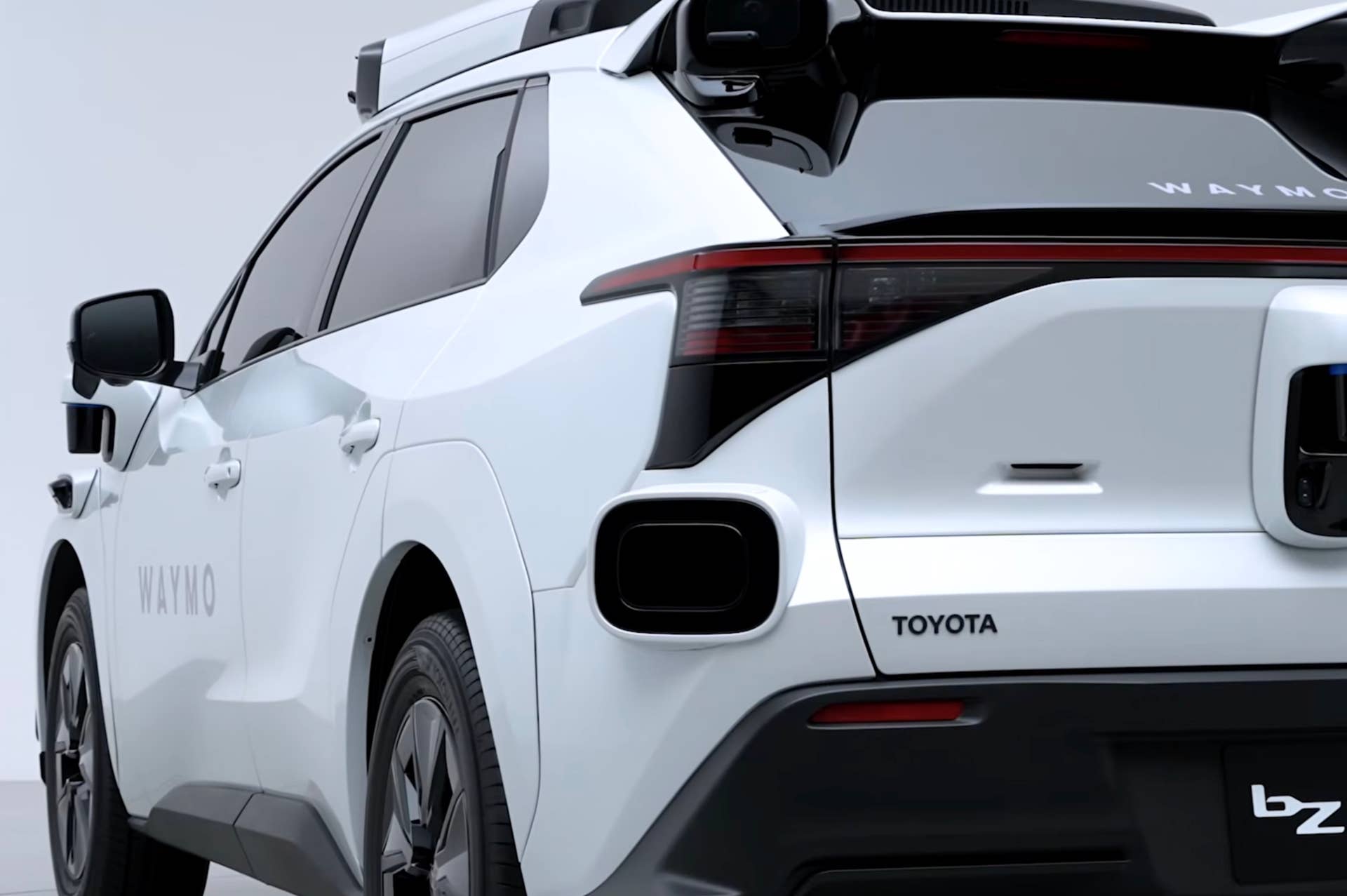
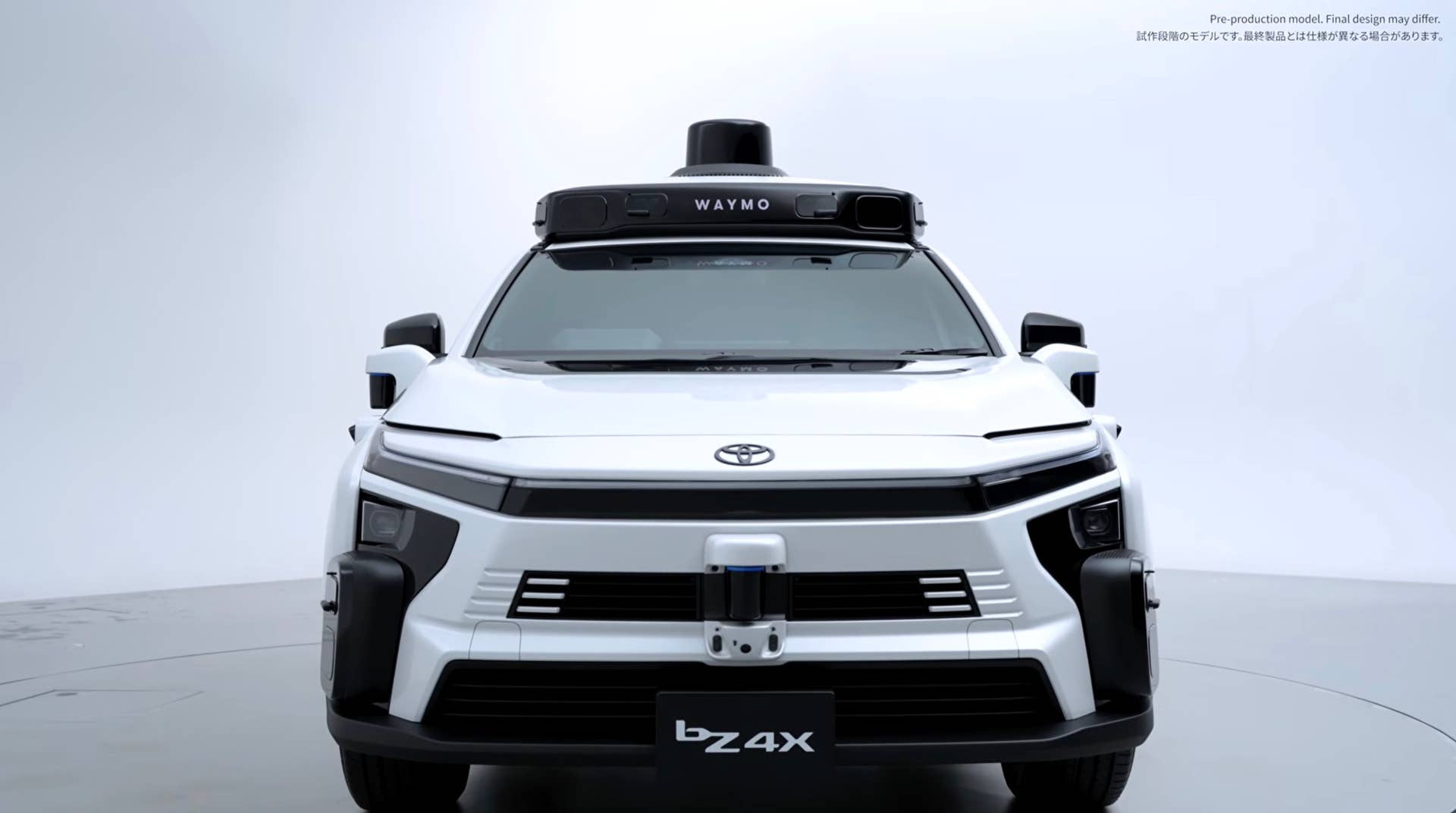
The autonomous bZ4X will receive a number of enhancements as it transitions into its role as a robotaxi. According to Toyota, it has been designed for greater comfort and accessibility, with a focus on rear legroom. It will also come with features not found on the regular bZ, such as automatic doors. A power liftgate and special ambient lighting will make ingress/egress more convenient for passengers. Above all, it will adopt Waymo’s leading self-driving tech, which the autonomous company claims has a 93% satisfaction rate.
“Safety technology makes the biggest difference when it reaches as many people as possible,” said Hiroki Nakajima, member of the board of directors and executive vice president of Toyota. “This collaboration will help scale that technology and bring it to customers in Japan and beyond through Waymo’s ride-hailing service, and in parallel, Toyota will continue to explore how integrating vehicles with traffic infrastructure can make those roads safer still.”
Planned Market Rollout
Toyota
Once testing and validation have been completed in Japan, the autonomous Toyota bZ4X fleet is expected to roll out there, before expanding to the United Kingdom, so right-hand-drive markets are being prioritized initially. Other Waymo-serviced markets are expected to come on board in the coming years, but Toyota did not specifically mention when customers in the United States can expect to make use of these self-driving Toyotas.
For most commuters, the most exciting aspect of the Waymo and Toyota partnership will be the planned introduction of autonomous tech into personally-owned vehicles. The idea of a reliable Toyota with a possible Tesla-rivaling self-driving system will be of great interest to many buyers. Lessons learned from the bZ4X robotaxi project are likely to accelerate this possibility in the years ahead.
About the author

Karl Furlong
Senior Editor, Autoblog