
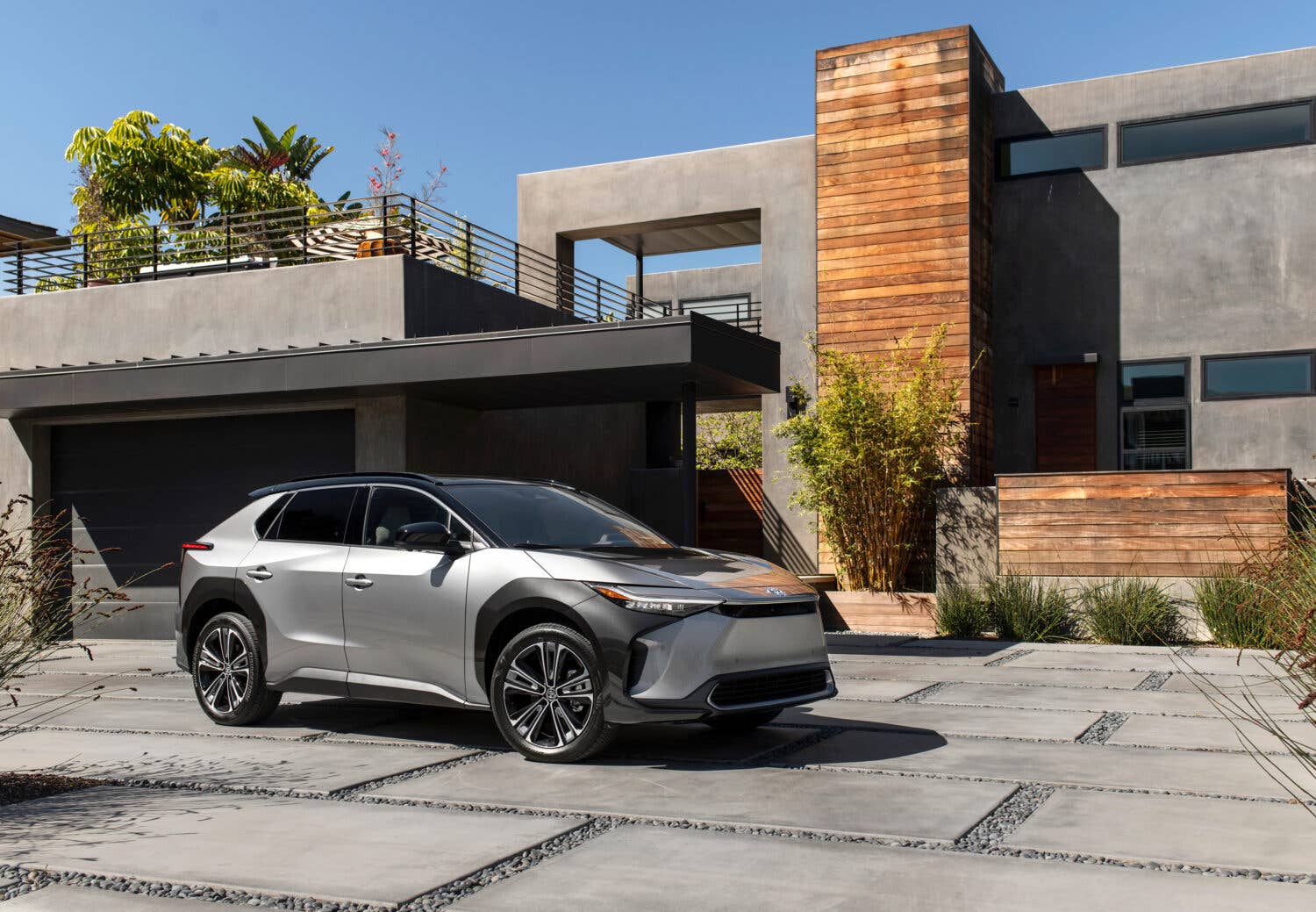
BYD is widely considered the new kid on the block, but they’re making a big splash in foreign markets where domestic automakers typically dominate. Per Electrek, BYD moved in on Toyota’s turf and sold more EVs in Japan than the Japanese automaker, albeit by a slim margin. Regardless of the numbers, beating Toyota in a market where they usually dominate is a massive milestone that should not be ignored.
BYD passed Toyota in EV sales in its first year
BYD has been making a name for itself on a global scale and is now present in over 70 countries. The Chinese automaker’s low-cost EVs have put pressure on legacy automakers in their home countries, and as a result, many legacy automakers are closing production facilities and looking for more ways to cut costs.
BYD
The story continues in Japan, where BYD outsold Toyota in the EV segment in its first year. According to the Japan Automobile Dealer Association via CarNewsChina, BYD sold 2,223 EVs to Toyota’s 2,038. That’s neither a massive number nor a difference, but it does indicate that BYD is gaining traction in Japan.
BYD is building its Japan lineup to challenge market leaders
Toyota’s EV sales dropped 30% compared to the previous year, which doesn’t bode well for the world’s largest automaker by sales. BYD’s EV sales, on the other hand, jumped more than 50% year over year.
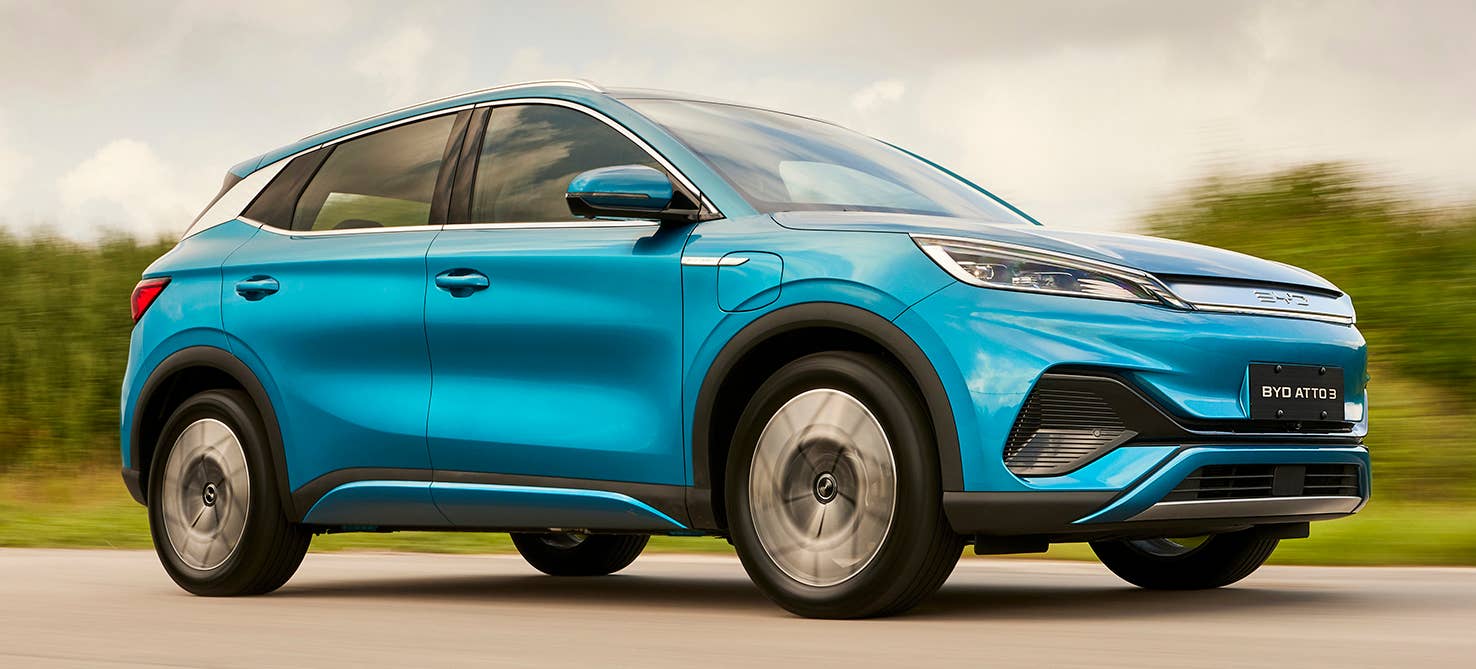
The Chinese automaker kicked things off in Japan in 2023 with the Atto 3. Starting at around $30,000, the Atto 3 provided some foreign competition to the Nissan Ariya and Toyota bZ4X.


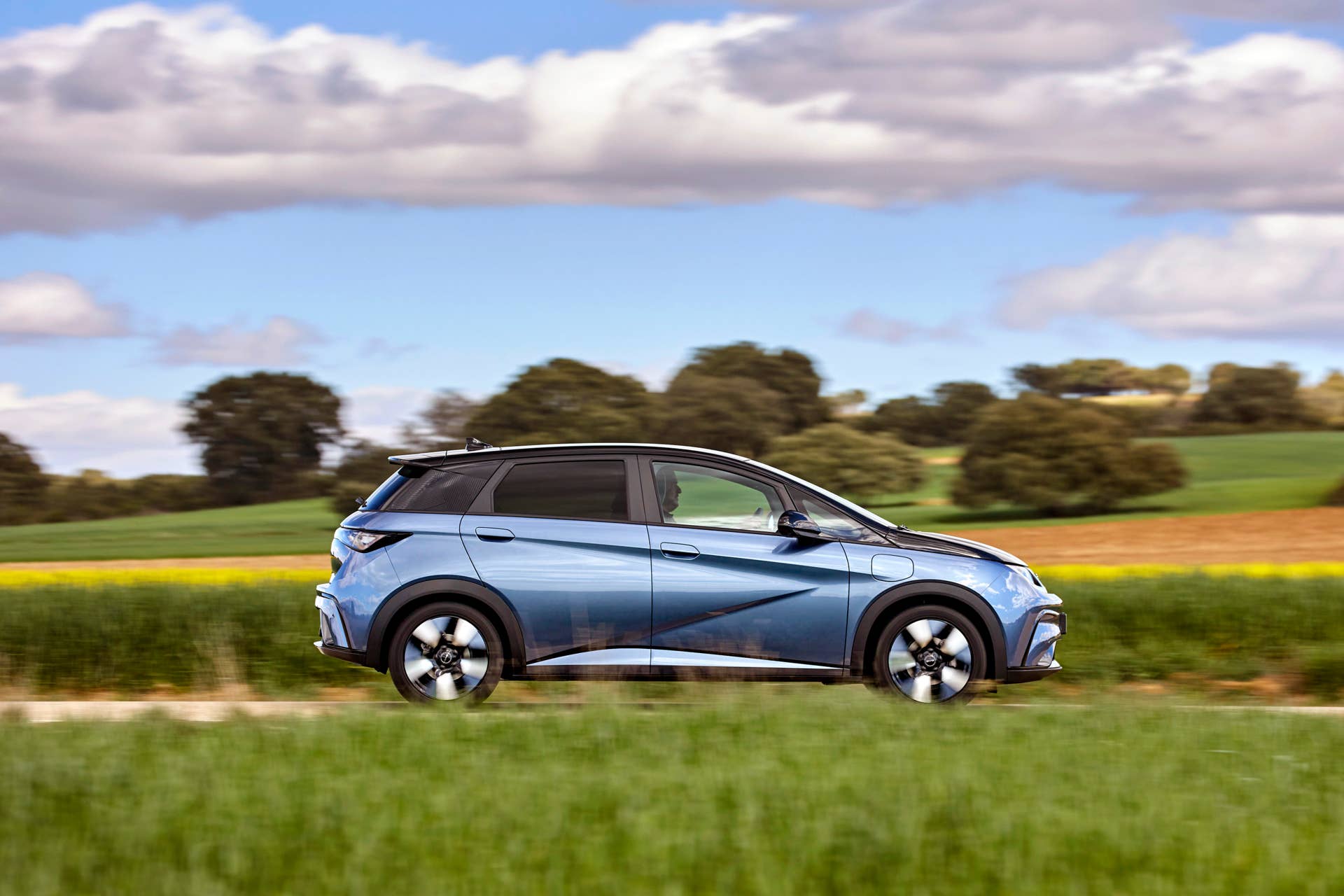
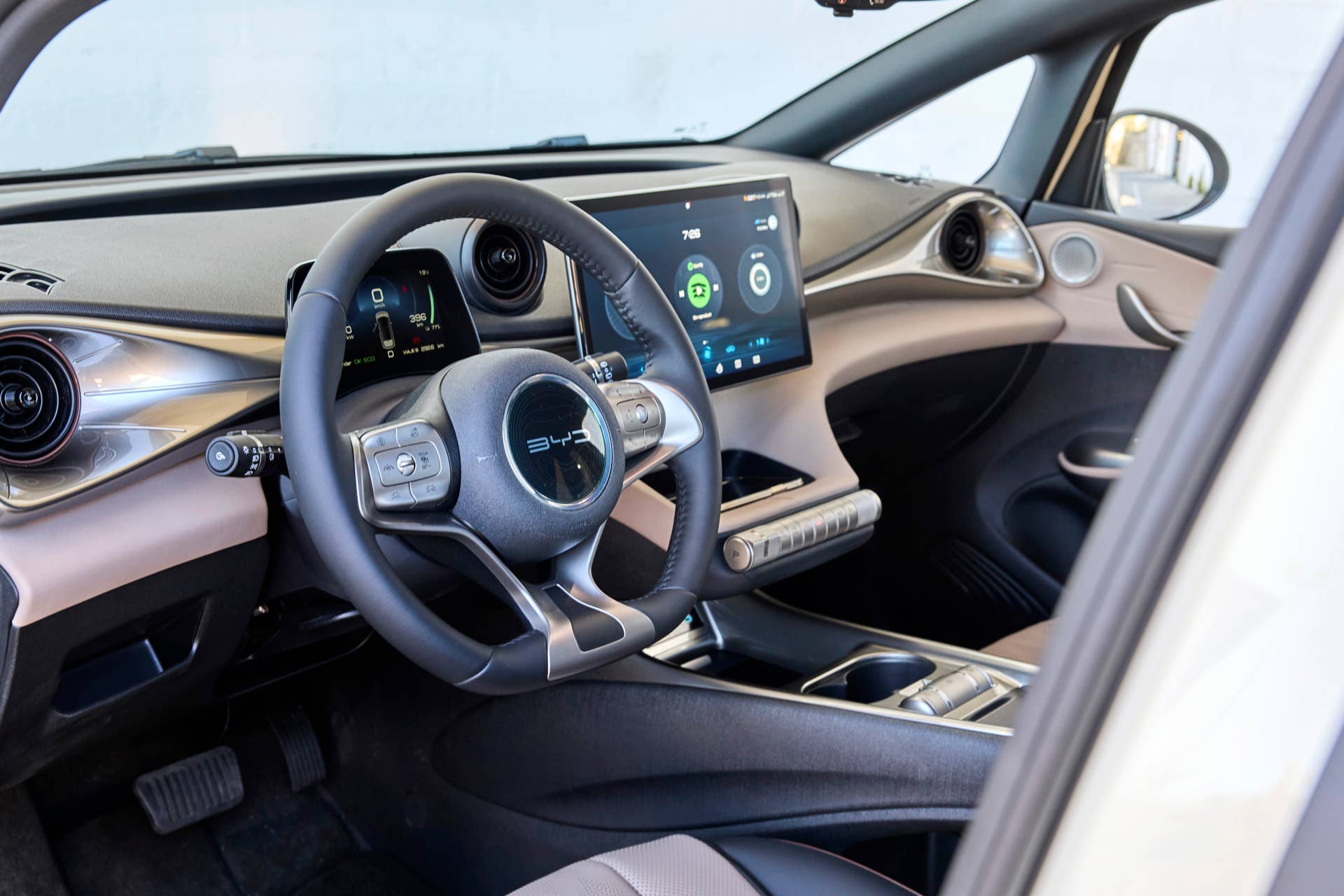
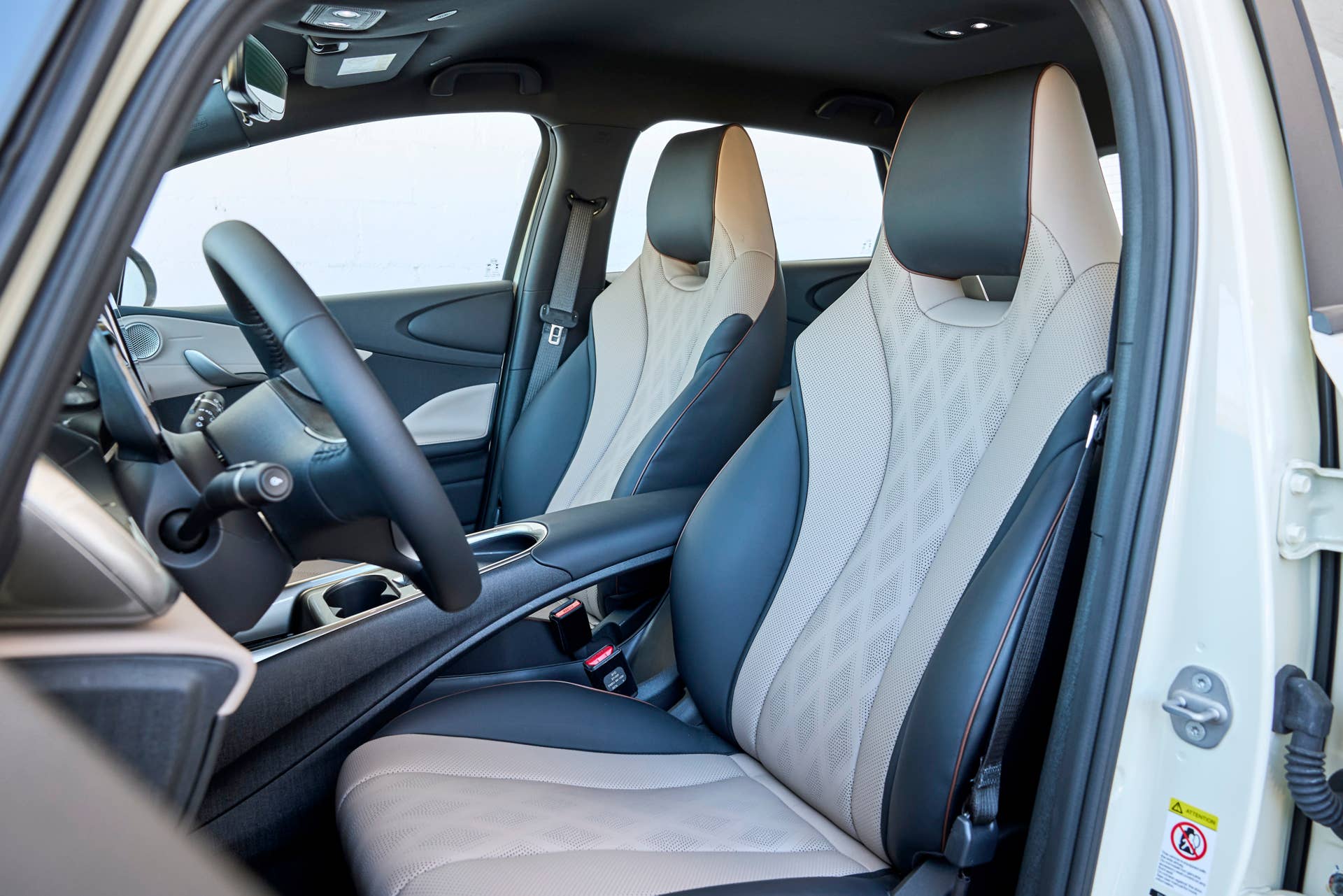


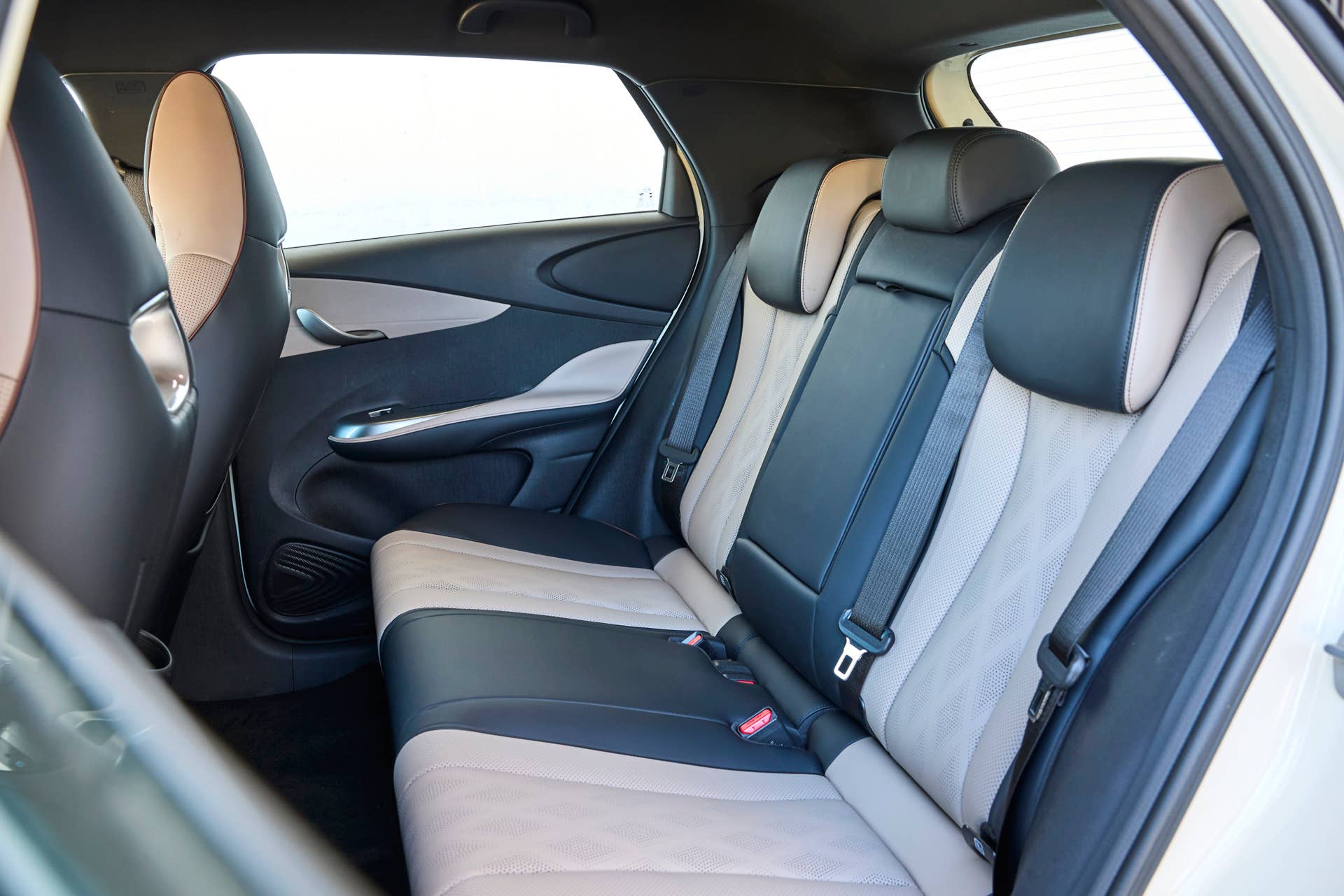

BYD added more EVs to its offerings in Japan, including the Dolphin and Seal, the following year. The Dolphin is an electric hatchback that is meant to take on the Toyota Prius, which blazed the trail for hybrids to become what they are today. The Dolphin also competes with the Nissan LEAF, one of the industry’s first electric cars.
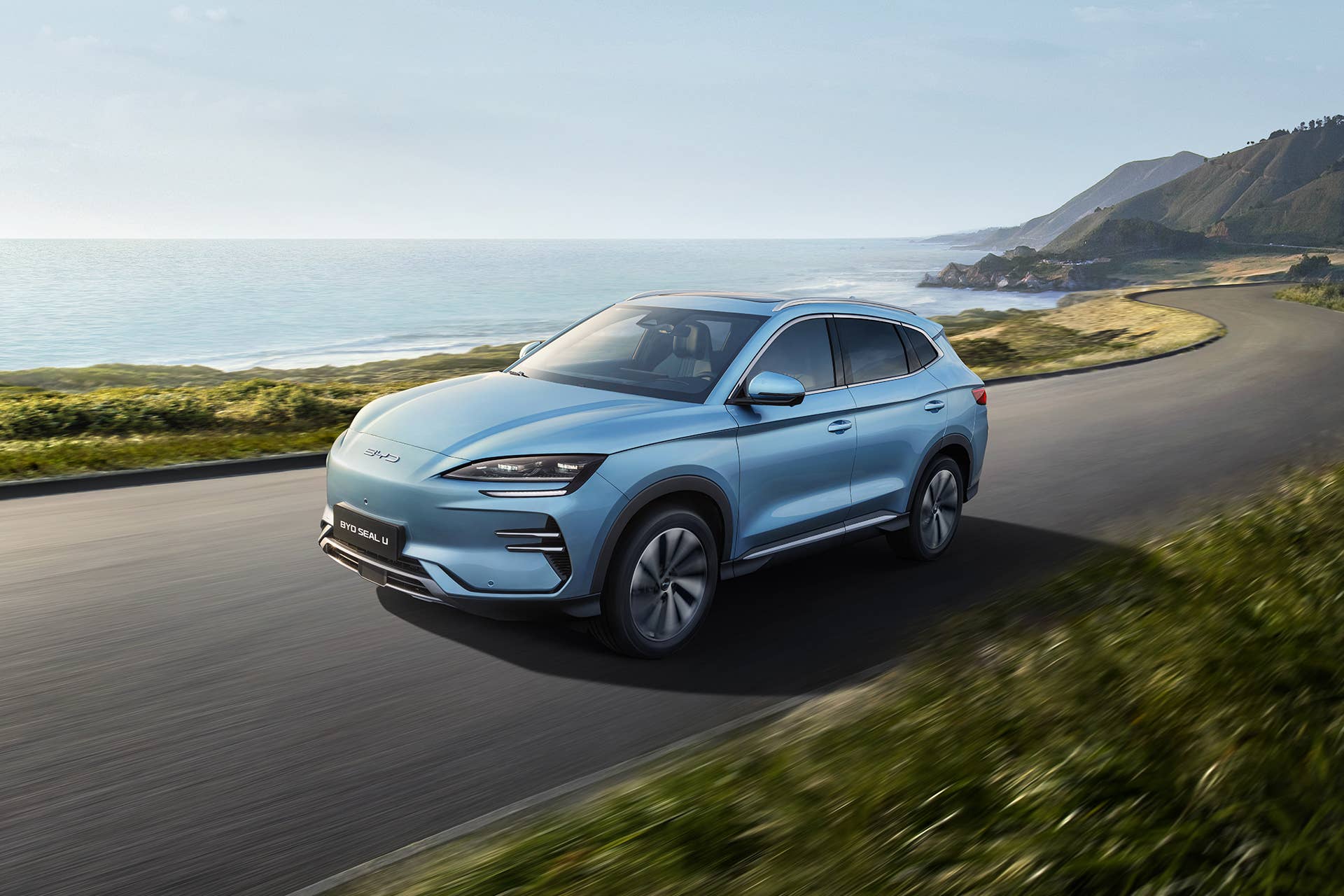
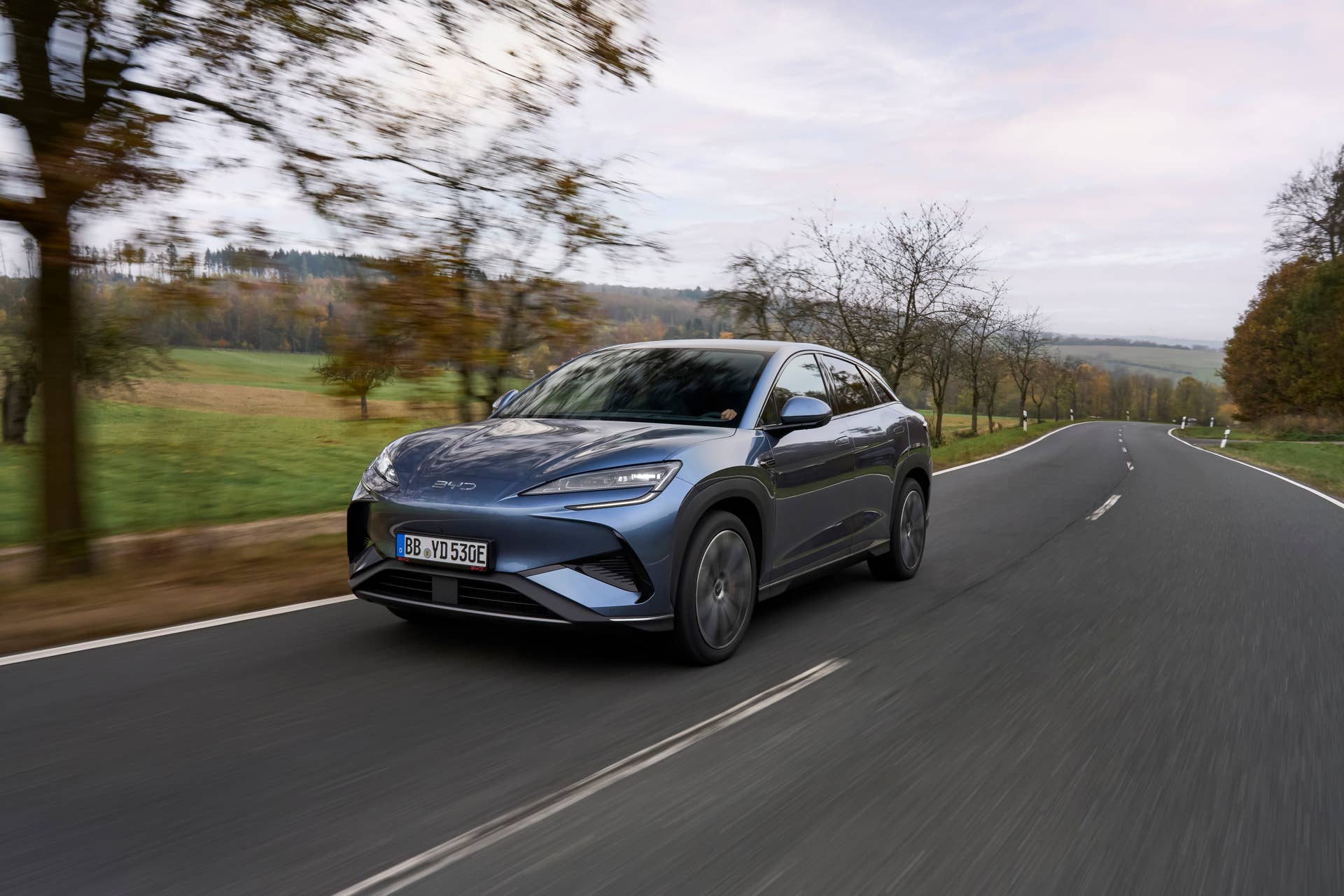
The BYD Seal, an electric mid-size fastback sedan, officially debuted in June 2024 and was already the top-selling imported EV in Japan just two months later. This year, BYD plans to launch the Sealion 7, a midsize electric SUV.
Toyota might be changing its tune on hydrogen
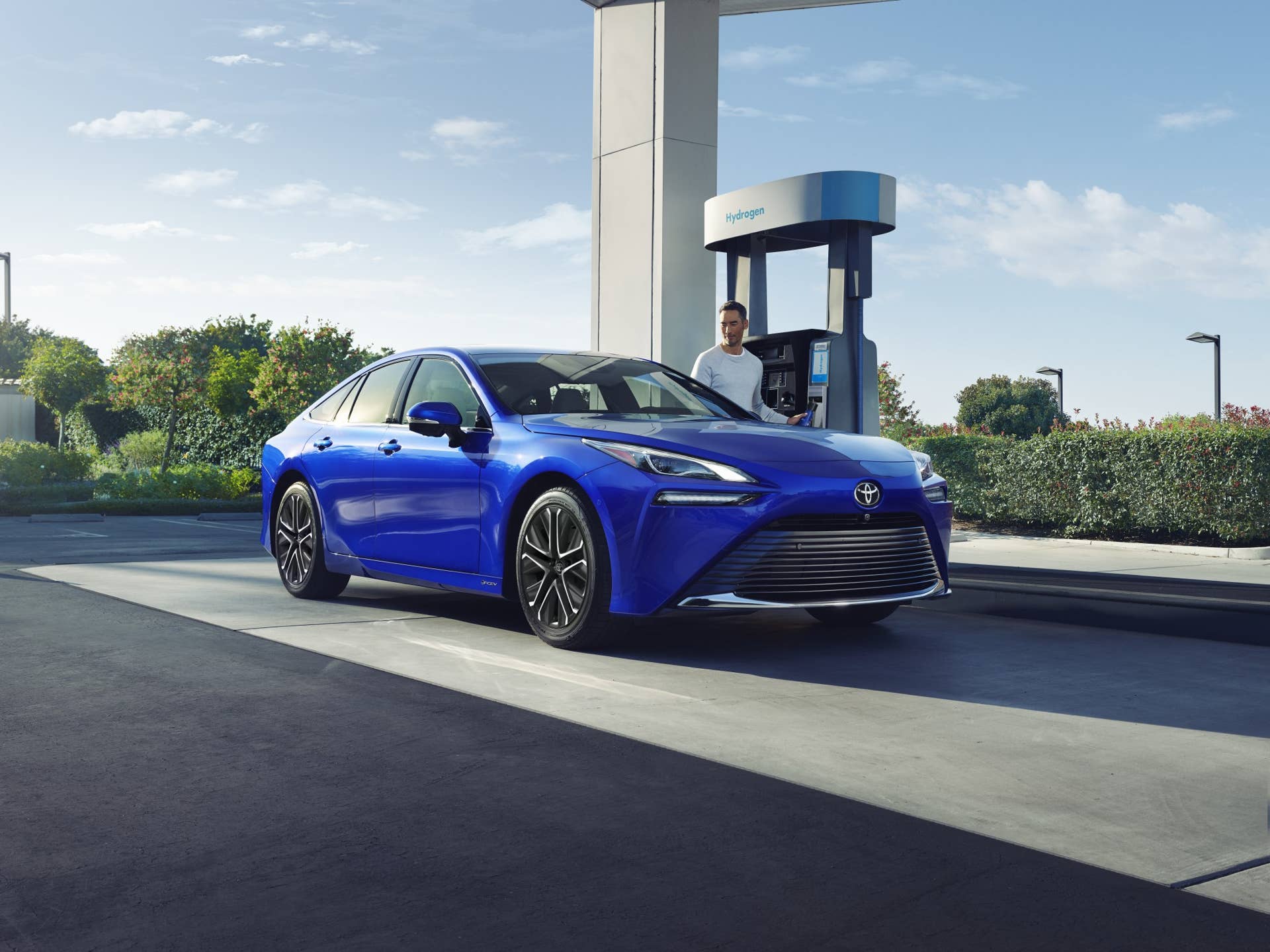
While most other automakers have moved to electrification, Toyota has been hyping up hydrogen. Fortunately, the Japanese automaker might – might – be changing its tune, at least a little. At the very least, it seems Toyota might be hedging its bet on hydrogen.
The Mirai was released in 2014, and in the decade since then, only around 27,500 units have been sold. With that data in hand, Toyota seems willing to admit defeat, at least when it comes to passenger cars. Commercial vehicles, however, might still be on the table.
“On all levels, hydrogen has been a failure for passenger cars,” James Hong, head of Asia energy transition and commodities at Macquarie Capita, told Financial Times. “Where we still haven’t got an answer yet is on commercial vehicle or stationary energy storage demand.”
Toyota
Instead of developing more hydrogen-powered passenger cars, Toyota is turning to its truck manufacturing subsidiary, Hino Motors, which is teaming up with other rivals to help offset costs. Potential allies include Hyundai, BMW, and Mitsubishi Fuso Truck and Bus Corporation, all of which have invested in hydrogen-powered vehicles.
Interestingly, some higher-ups at Toyota may not be giving up on hydrogen passenger cars entirely. Insiders suggest that the Japanese automaker was discussing a partnership with Hyundai to develop more advanced hydrogen fuel cell vehicles just a few months ago.
Final thoughts
It’s becoming a story we’re hearing far too often: Toyota is yet another legacy automaker slow on the uptake when it comes to electrification. Chinese automakers put significant pressure on legacy automakers in China, and now their influence is spreading to new regions.
Considering Toyota normally dominates its homeland, BYD beating them out in the EV segment could be a sign of what’s yet to come. Toyota made a bad bet on hydrogen, but with the hard data now undeniable, perhaps we’ll see more EVs from the Japanese automaker.
About the author

Joseph Pudlewski
Contributing Writer, Autoblog