
Ford Motor Company successfully navigated a challenging third quarter, shrugging off rising costs to post $2 billion in net income. While the company’s $49.5 billion in revenue represented a slight 2% decline from the previous year, adjusted earnings before interest and taxes (EBIT) actually rose 3% to a healthy $2.7 billion. This positive momentum gave management enough confidence to officially raise the floor of their full-year adjusted EBIT guidance to $10.5 billion.
This profitability is particularly impressive given the broader macroeconomic environment. Ford is currently battling an estimated $2.5 billion in increased year-over-year commodity and logistics costs, driven higher by geopolitical tensions and supply chain volatility. Additionally, overall sales volume was negatively impacted by the planned phase-out of the Escape and Corsair crossovers to prepare the Louisville Assembly Plant for a new electric vehicle platform. The fact that Ford beat Wall Street expectations under these conditions suggests their core business remains highly resilient.

The EV Balancing Act
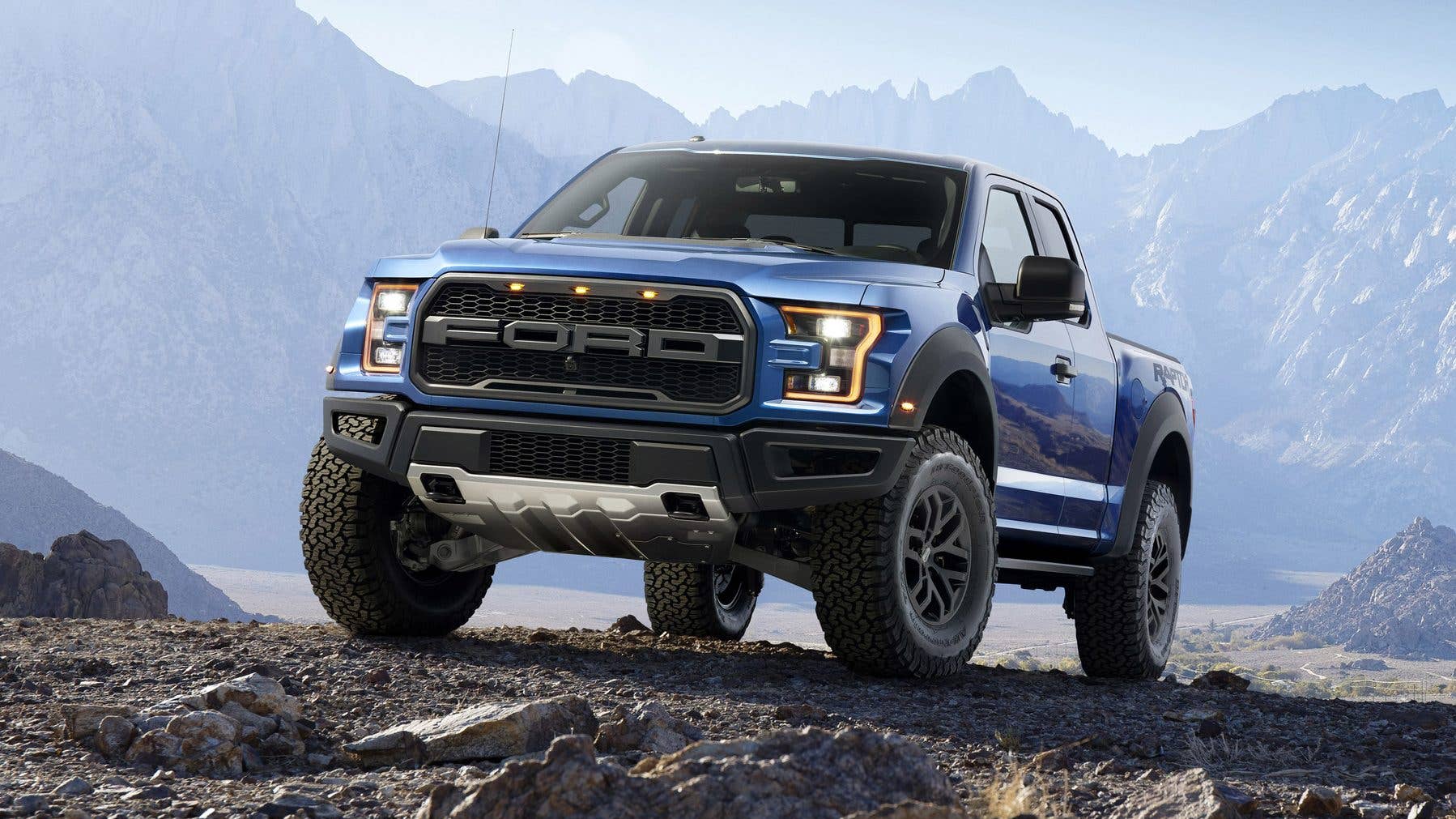
The absolute bedrock of Ford’s financial stability continues to be its legendary truck business. As detailed in a release, the automaker is strictly focused on maintaining a unified, diverse portfolio of gas, hybrid, and electric options rather than fracturing its lineup. Despite higher gas prices, consumer demand for the F-Series remains incredibly strong. While late September saw a minor supplier issue temporarily slow F-150 production, Ford quickly contained the disruption, ensuring the financial impact wouldn’t derail their annual targets.

The success of the F-Series was heavily bolstered by the commercial-focused Ford Pro division, which generated an impressive $1.7 billion in EBIT during the quarter. This profitability is crucial because it effectively subsidizes the massive ongoing investments required to build out the company’s future EV architecture. As the automaker prepares to launch an all-new F-150 in 2028, the continued dominance of its truck lineup ensures it has the necessary capital to compete globally.
Ford
The EV Balancing Act
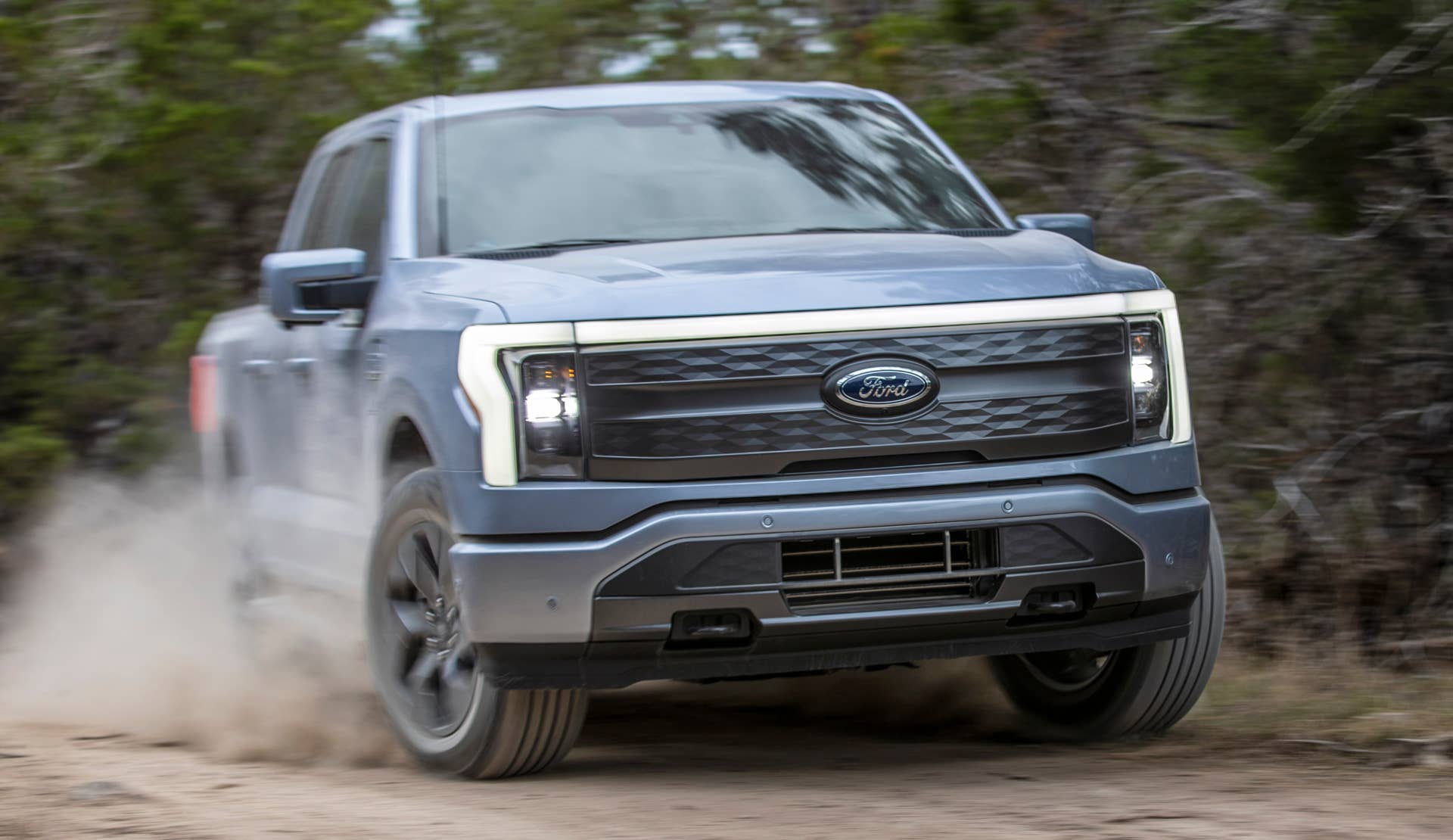
While the traditional internal combustion business is thriving, According to a report from Automotive News, Ford’s electric vehicle division continues to act as a significant financial drag. The unit posted a $1.1 billion loss for the quarter. However, this actually represents a 25% improvement compared to the previous year, showing that Ford is actively moving the needle in the right direction.
The pressure to achieve EV profitability is immense, especially since China’s BYD overtakes Ford in global sales purely on the strength of affordable electrification. To combat this, Ford is actively developing a new, highly efficient Universal EV platform centered around the upcoming $28,350 Fathom pickup. By incorporating advanced manufacturing techniques to drastically reduce costs, Ford hopes this new platform will finally allow the Model e division to break even by 2029. Given that Ford once posted an $8.2 billion loss, their current ability to absorb massive EV investments while still returning billions in net income is a testament to the underlying strength of the Blue Oval.

Ford
About the author

Roy Robles
News Editor