
Odd One Out
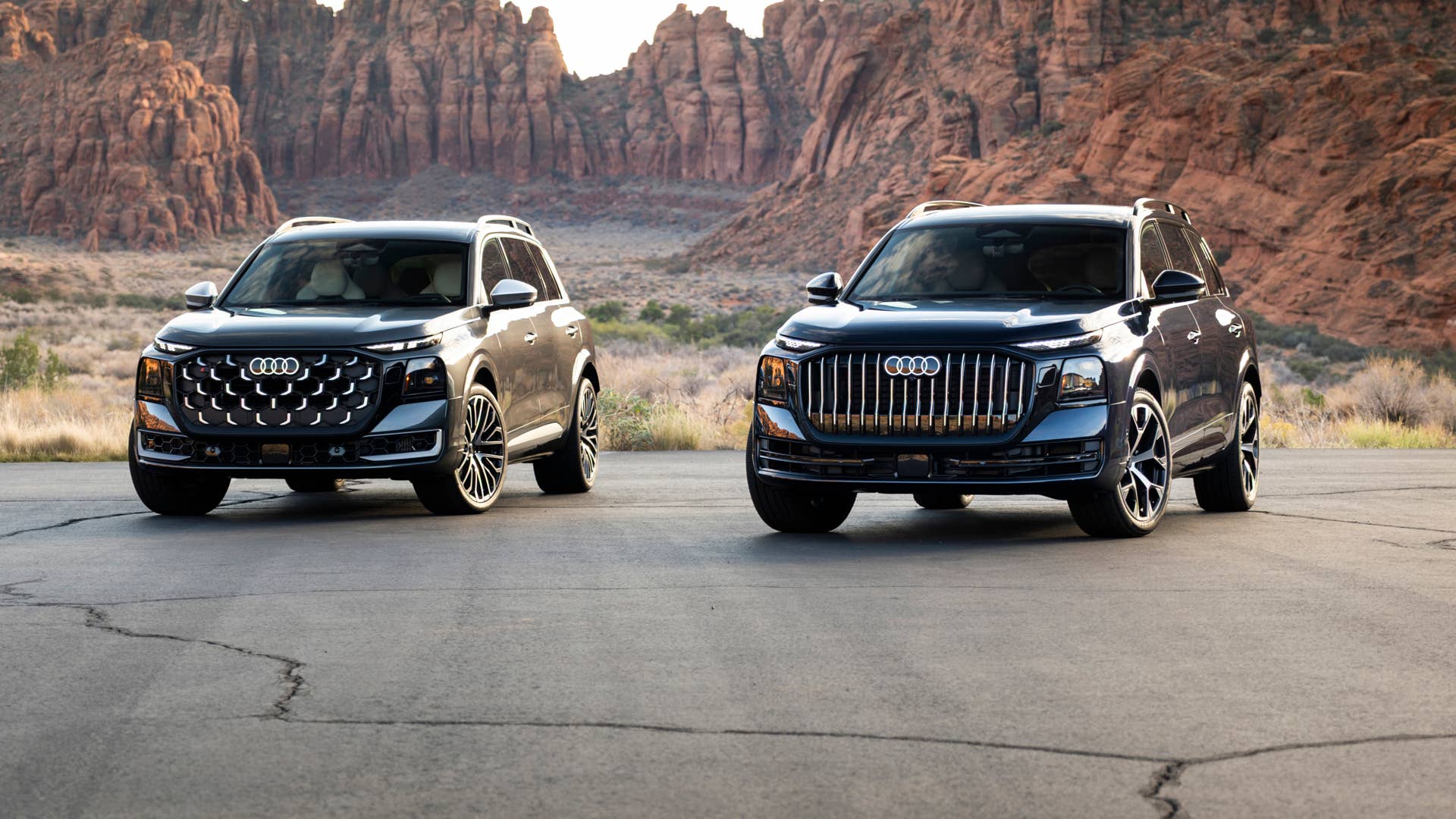
Audi has been in America for over 50 years, officially entering the market in 1970. Compared to BMW and Mercedes-Benz, it’s a relative youngster, and one thing it still hasn’t done is build a plant in the U.S. BMW opened its plant in Spartanburg, South Carolina in 1994, while Mercedes followed suit in 1997, building in Vance, Alabama.
That’s ironic given that its parent company, Volkswagen, opened its first U.S plant in 1978. It closed in 1988, but resumed domestic manufacturing in 2011, moving from Westmoreland, Pennsylvania to Chattanooga, Tennessee. Now, Audi is rectifying that by setting its plans in motion to build in the U.S.
Jared Levenson/Autoblog
Decades in the Making
That said, this wasn’t a decision out of the blue, nor were tariffs the only reason for building it, although it did play a part in it. The thing is, this was decades in the making, and that’s according to retired Volkswagen of America CEO and Audi of America president, Johan de Nysschen.
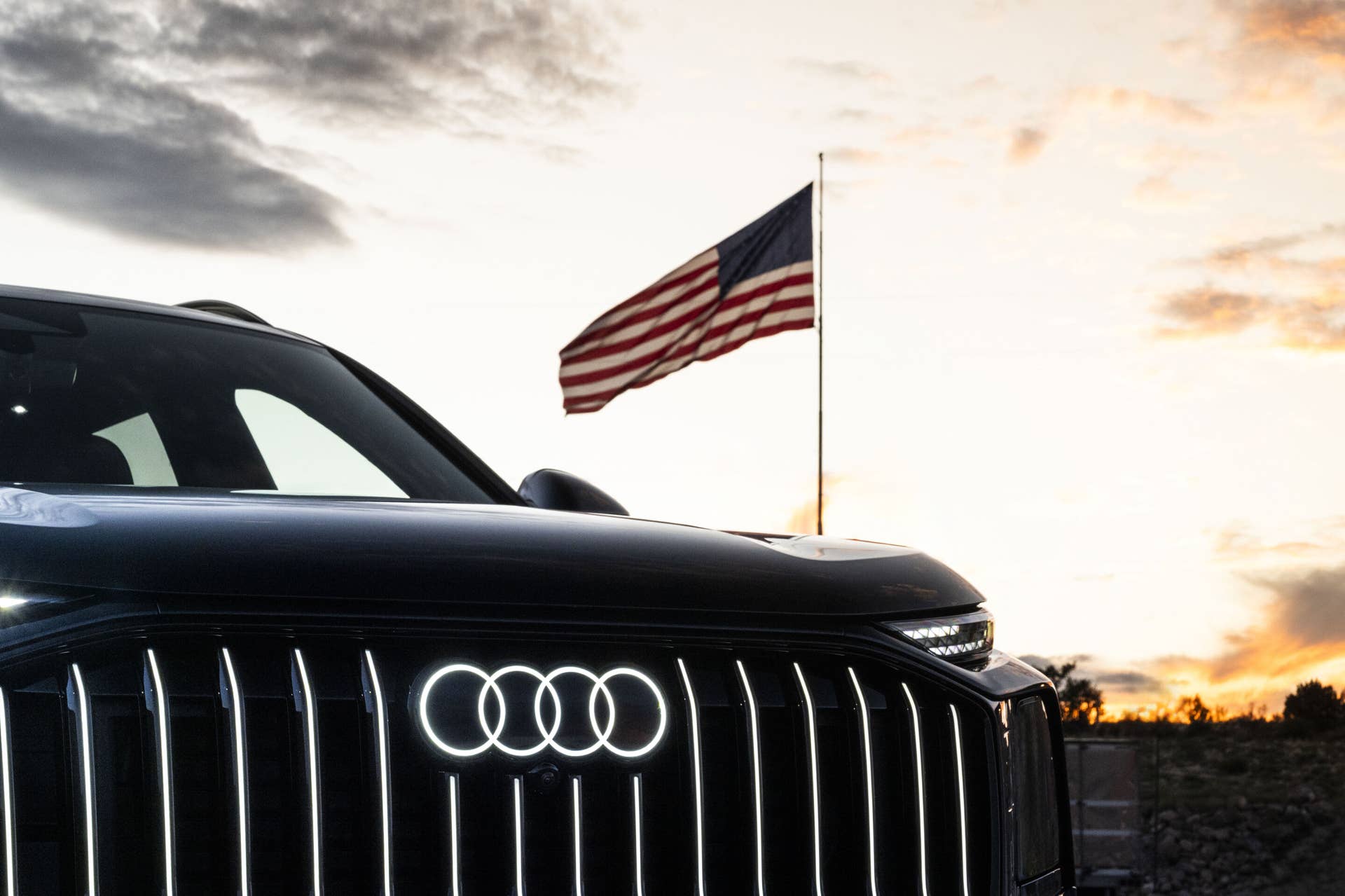
He made that revelation during a sit-down with Automotive News, and plans for Audi’s American assembly plant go as far back as the 2000s. He was there when it all began, and shared some of the several reasons why it kept being pushed back, and why the company is rushing to get the factory completed.
Audi
Where it All Began
As early as 2008, there were already plans to start American assembly. Regional executives were heavily advocating for it at the time. De Nysschen was also on board with the plan, as it should help with the brand’s bottom line. However, executives in Germany ultimately decided on Mexico, mainly to capitalize on the lower labor and manufacturing costs, on top of avoiding import duties.
“We were, in my opinion, pretty well down the road to landing it, when somehow at five minutes to midnight there was a pivot, and they decided to go to Mexico,” said de Nysschen. He also cited that Germany wanted a return on its investment quicker, stating that the decision to choose Mexico over the U.S was “transactionally driven.” He called that approach short-term focused, and the result now is Audi losing ground to its compatriots in North America in terms of revenue as it’s now forced to pay billions in tariffs.
Jared Levenson/Autoblog
Had the Ship Sailed Long Ago?
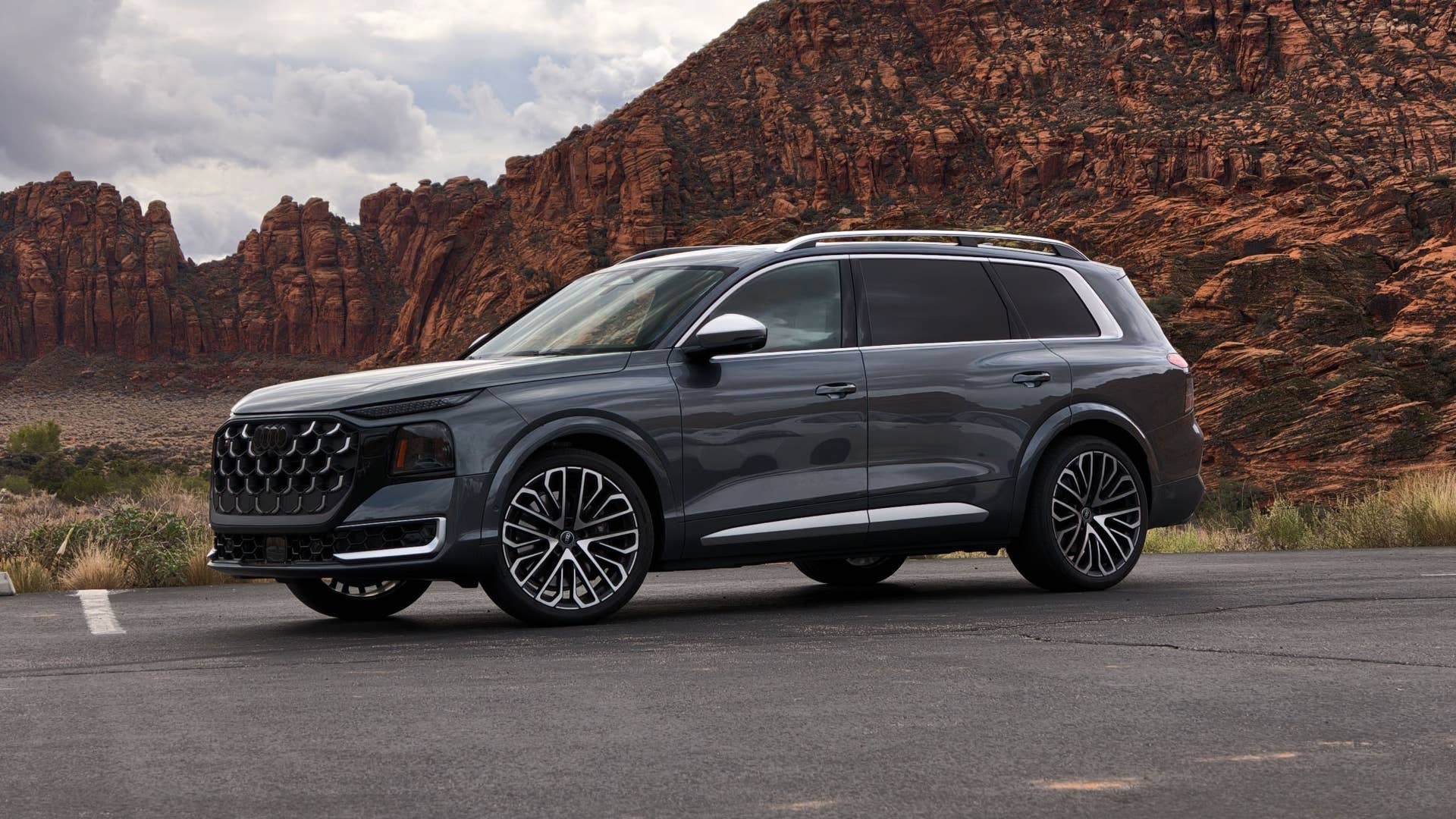
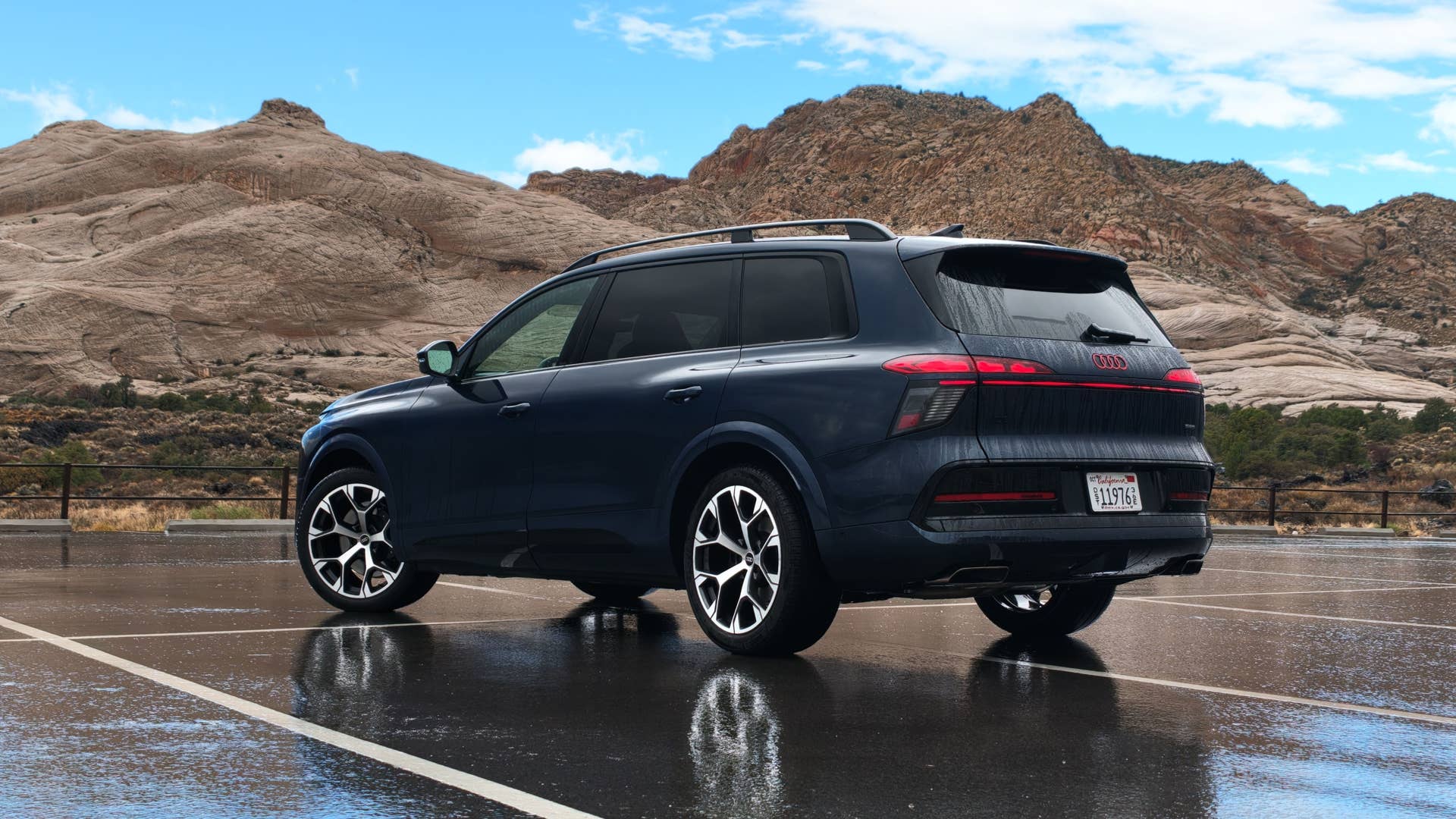
De Nysschen pointed out the consequences of Audi not being able to build stronger roots in America, noting that it had missed out creating a two-way trade ecosystem. It could’ve followed the same playbook as BMW and Mercedes wherein both made the U.S their major hub for SUV assembly. Just take a look at the X3 and X5, as well as the ML/GLE and GLS, with these SUVs not only being made in America, but also being exported to most markets.
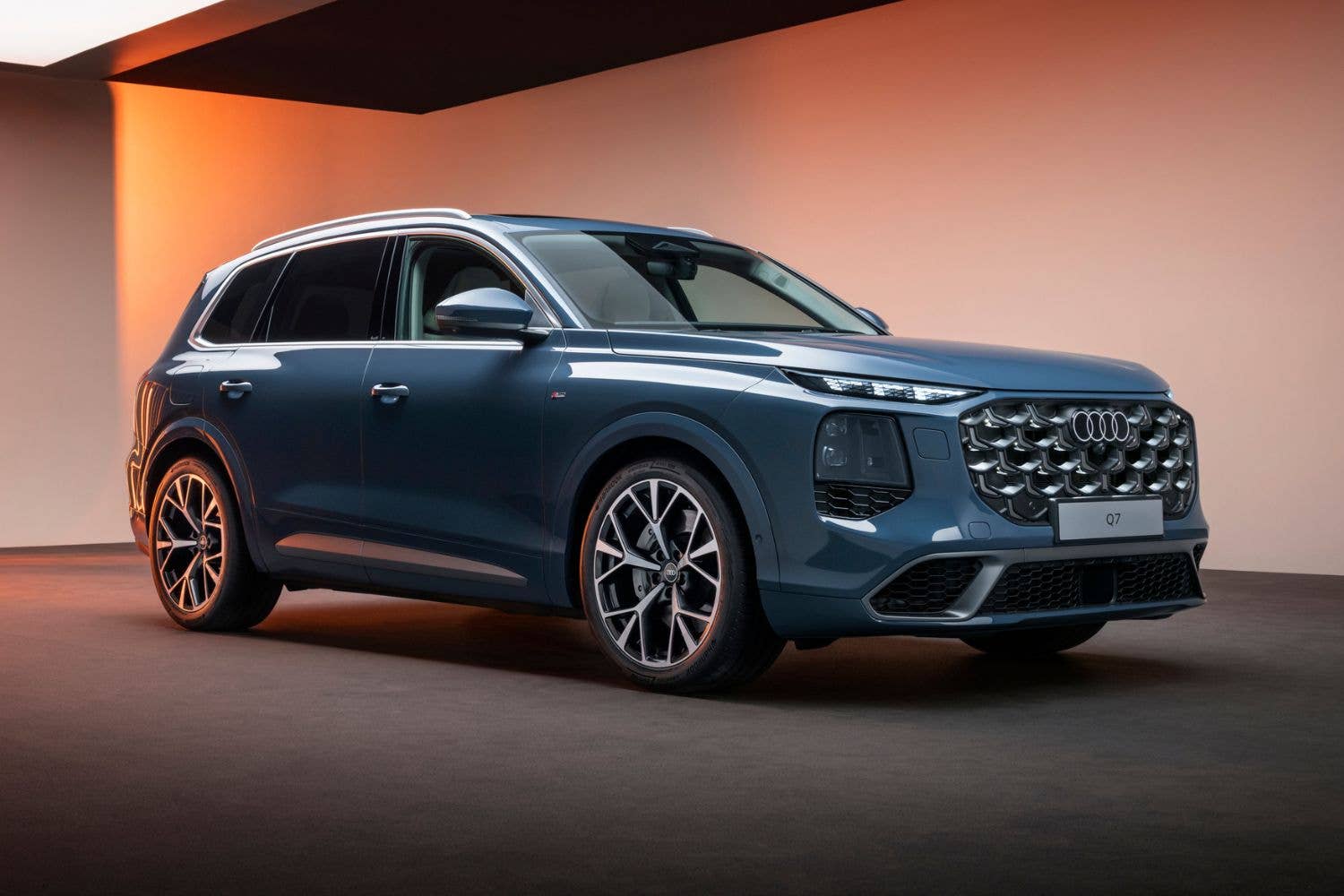
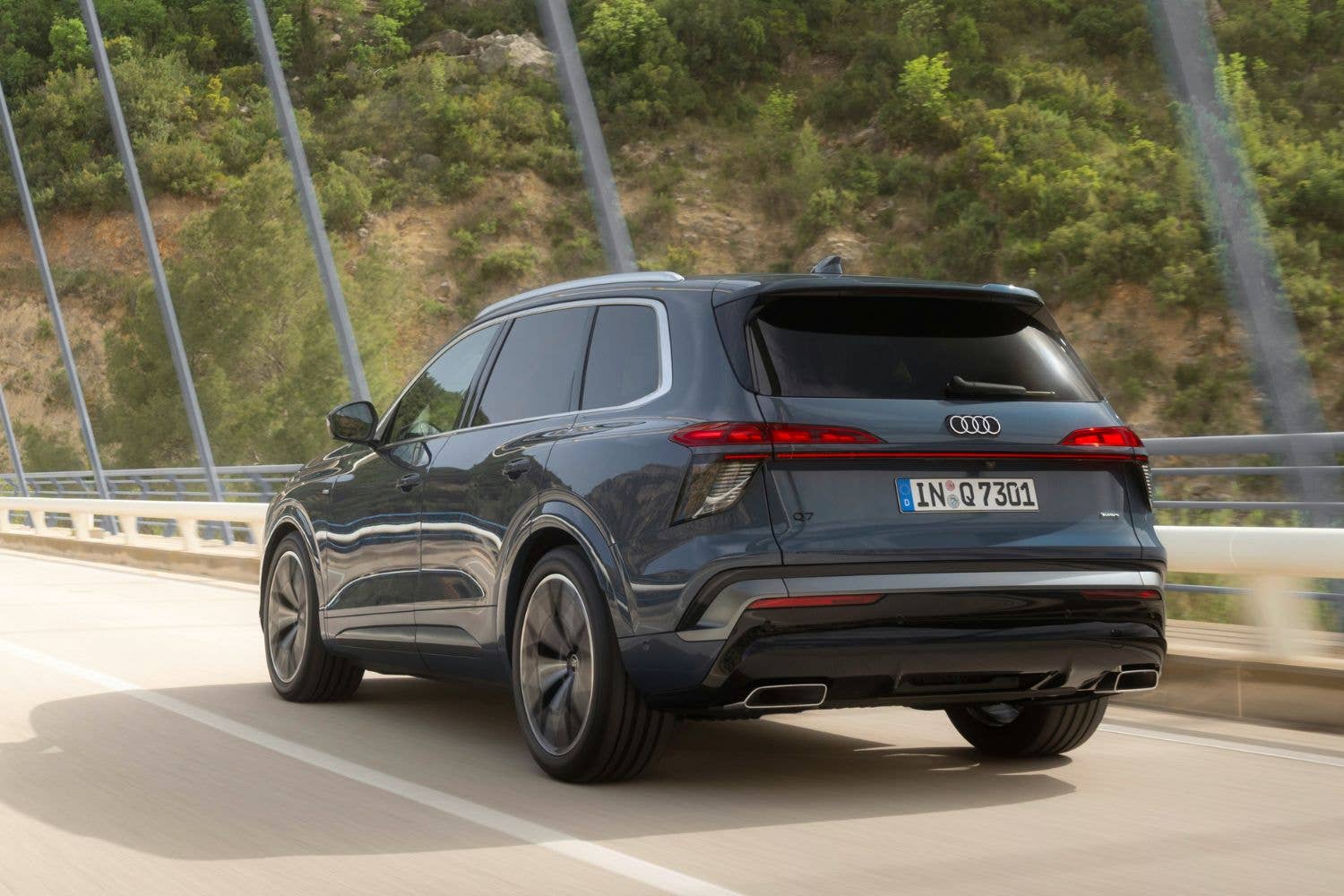
“You cannot only produce in the market for the market, and what happens to be able to be exported is [the] cherry on top. Exports have to be strategically planned as part of the whole equation, so that you have capital tooling only once. You produce for the world in the U.S., and you produce for the world in Germany,” said de Nysschen. Given how successful the Q7 and Q5 had become, Audi could’ve avoided all its current hardships had it planted its flag in America far earlier.
Audi
“Masters of their Own Destiny”
Audi could’ve utilized the available VW Group facilities that were already present in America at the time to get things started. That said, the company has chosen to build a plant away from both VW and Scout Motors, choosing Peach County, Georgia as the site of its first-ever U.S assembly facility.
There’s no doubt that sharing lines with VW and Scout would’ve been the more cost-effective solution, but de Nysschen sees the reason behind the decision to go solo. “Ingolstadt does not like to be dictated to by Wolfsburg, and they want to be masters of their own destiny. So many people who are ignorant say, ‘Oh, Audi is just a luxury Volkswagen.’ It’s not true, but if they are built in the same plants, that reinforces that perception.” Pride is a factor, yes, but so is image and perception.
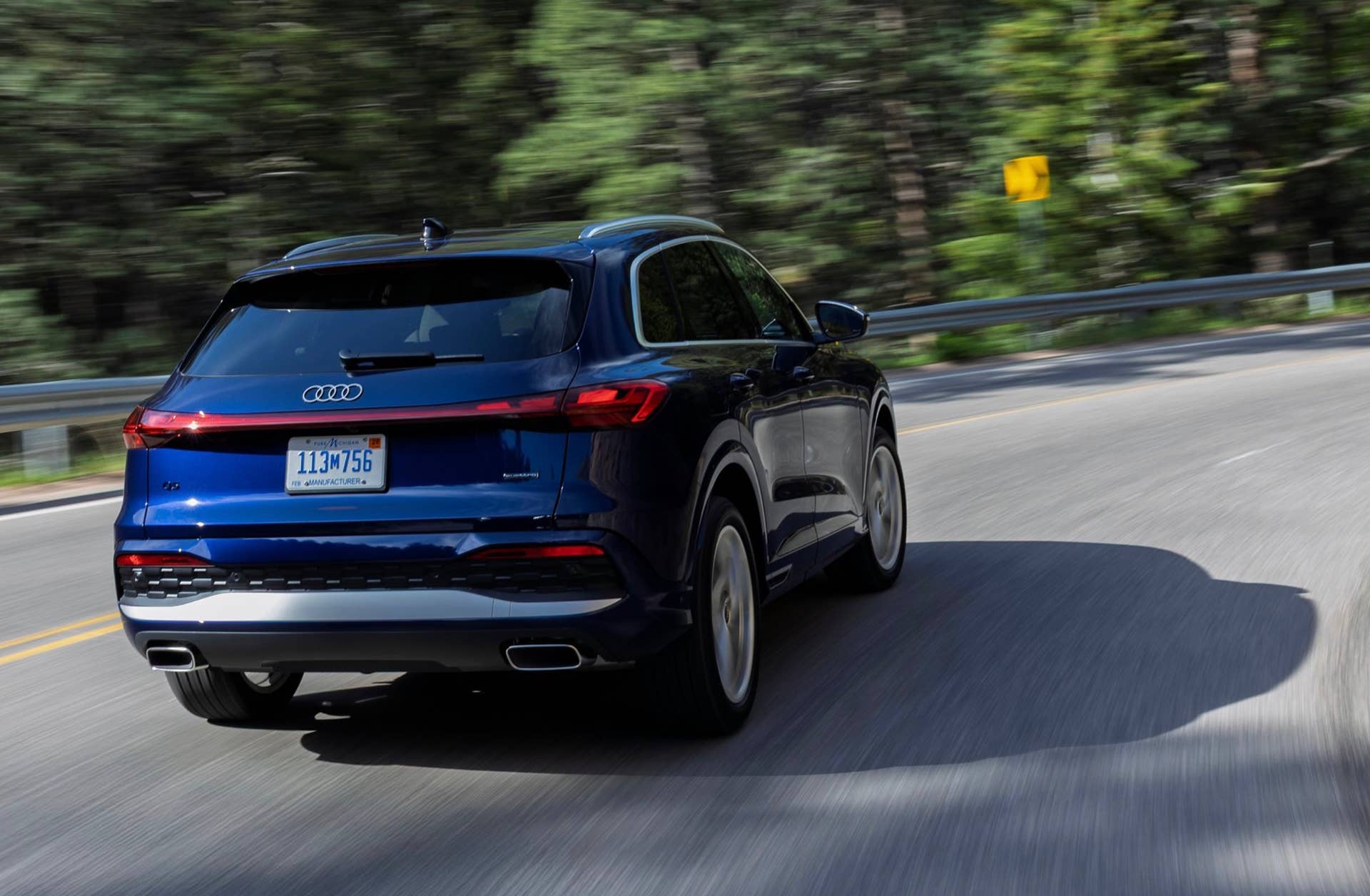
There is a risk in doing all of this, though, as explained by de Nysschen. “You are trapped in this sort of vicious cycle. You can’t build volume because you’re too expensive, and because you don’t have volume, you are too expensive.”
Audi
A Cruicial Move, Nonetheless
External pressure, rather than investment, is possibly the biggest reason why Audi had finally decided to build in America, at least in de Nysschen’s opinion. “How should this company survive? Its domestic market has now been eaten up by the Chinese. Fact. The biggest Chinese market has been destroyed by the Chinese. What’s left? United States. They had better make it here. And by making it here also means manufacturing here. It’s fact. It’s given. It’s a requirement. You cannot win without building here.”
The Japanese automakers latched on to that way before China joined the automotive powerhouse club, and it’s served the likes of Honda and Toyota very well over the decades. BMW and Mercedes also realized that, and both are not suffering as much as Audi in terms of tariffs and penalties.
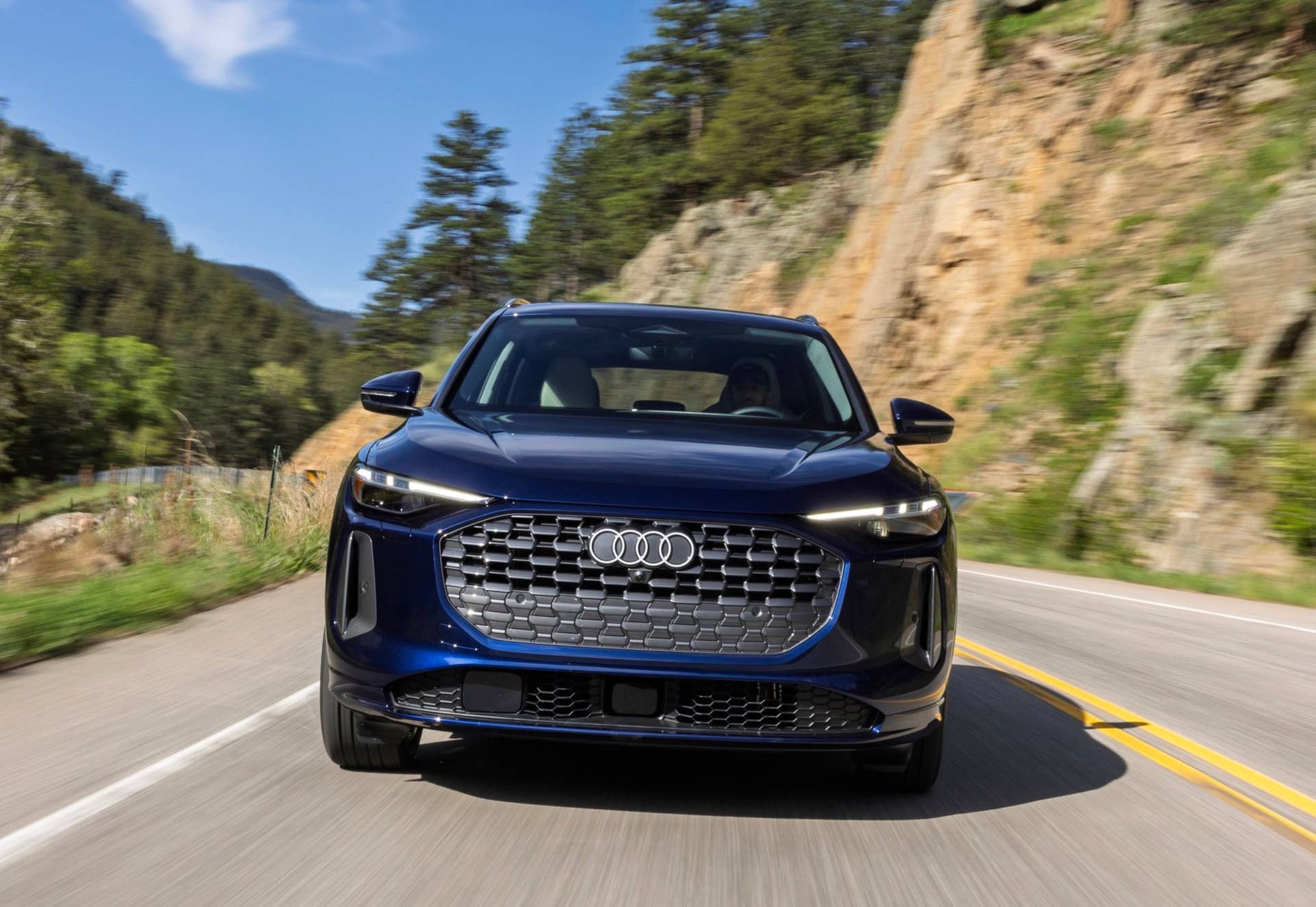
Right now, Audi CEO Gernot Döllner is facing a lot of backlash for appearing in a recent Trump rally. That’s one more thing on his stacked plate right now, and it could turn prospective customers away, especially during these politically-charged times. Still, the plant needs to be done, not just for the sake of circumventing tariffs, but rather, build up long-term investment in the U.S, something its rivals did decades prior.
Audi
About the author

Anton Andres
News Editor