
Back in a New York groove.
If there are two words to describe the nature of the enthusiasm of the local car scene in New York City over the past few months, it would be impatient and resilient. To onlookers and observers both in real life and on social media, it seemed that spring couldn’t wait or come faster for the most devoted gearheads in and around the city. As the calendar turned to 2026, owners of cool cars couldn’t wait another second to bring out and show off their cool rides; in fact, they have.
Since the beginning of the year, there have been many high-profile cars and coffee events, as well as other automotive gatherings throughout the five boroughs that took place on a regular frequency nearly every weekend. The most devoted and eager have been ignoring the city’s notoriously bitter pre-spring weather, braving the worst to kickstart the season. One cars and coffee event hosted by Porsche Stimmung in Tribeca took place on the morning of February 7 amidst frigid conditions and wind chills that made the temperature dip as low as -20. In addition, enthusiasts have also taken advantage of the small pockets of warmer weather known locally as “fool’s spring,” using such days to not just soak up the sun, but to also come together and take in the sights and sounds of horsepower.
James Ochoa
James Ochoa
James Ochoa
James Ochoa
James Ochoa
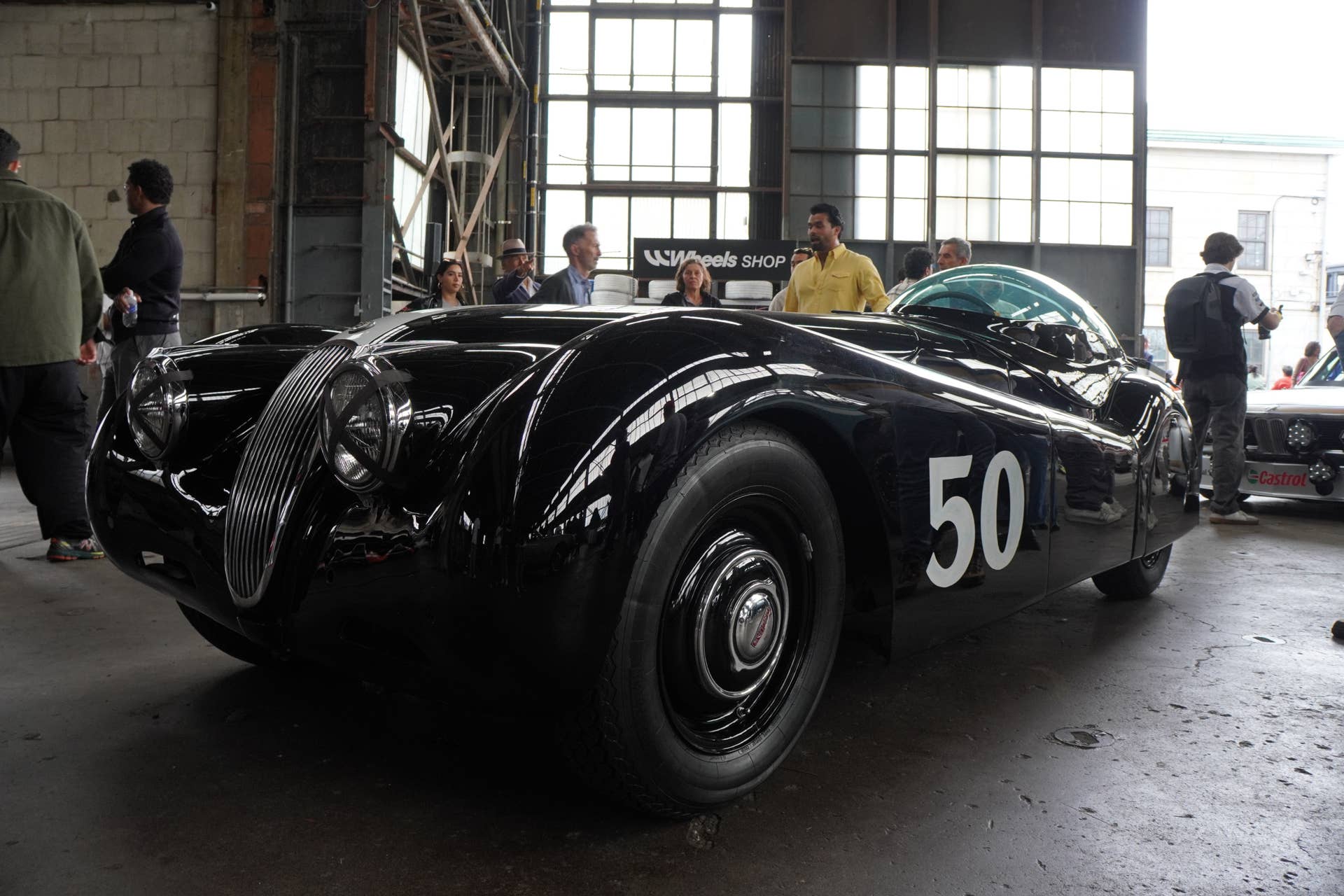
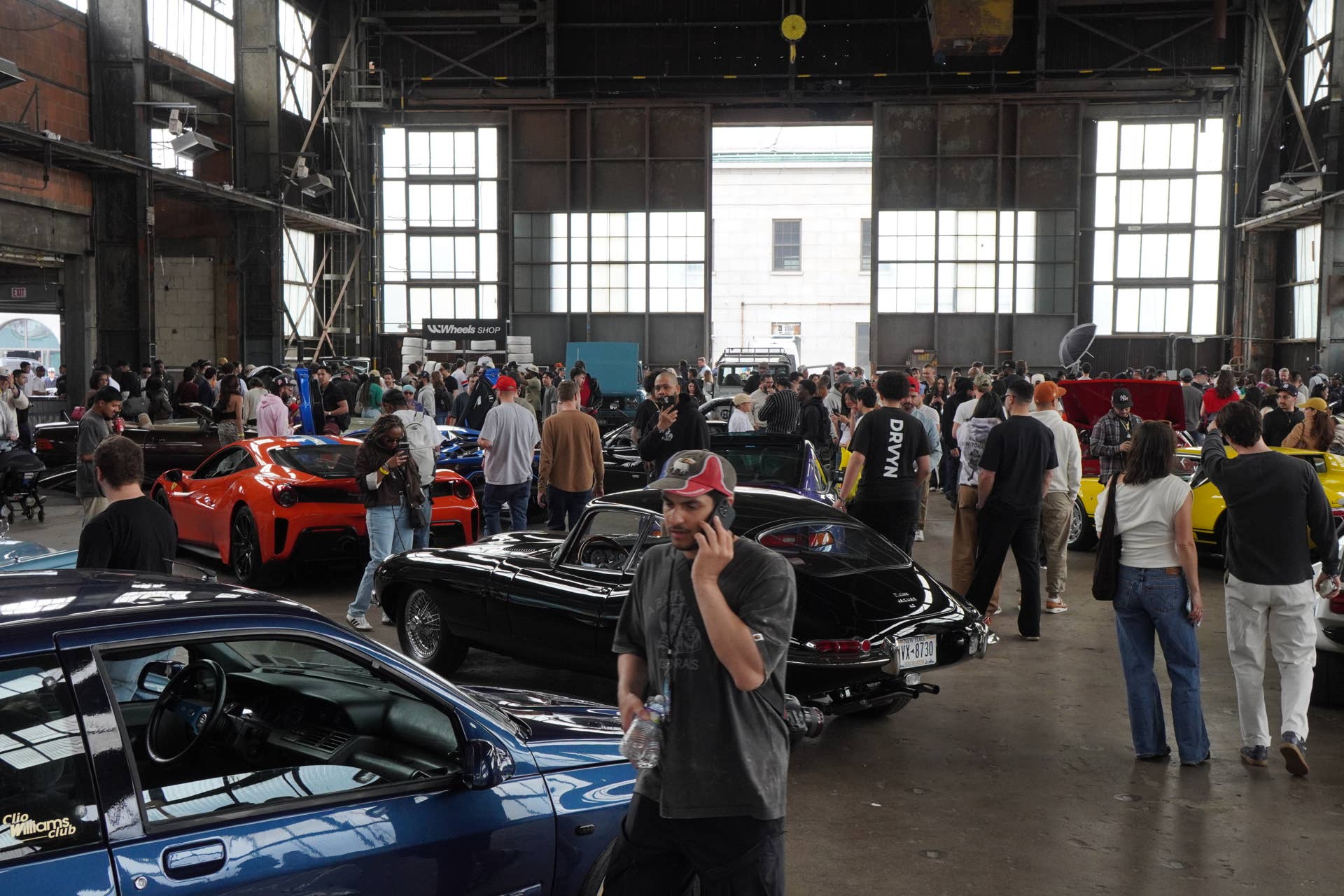
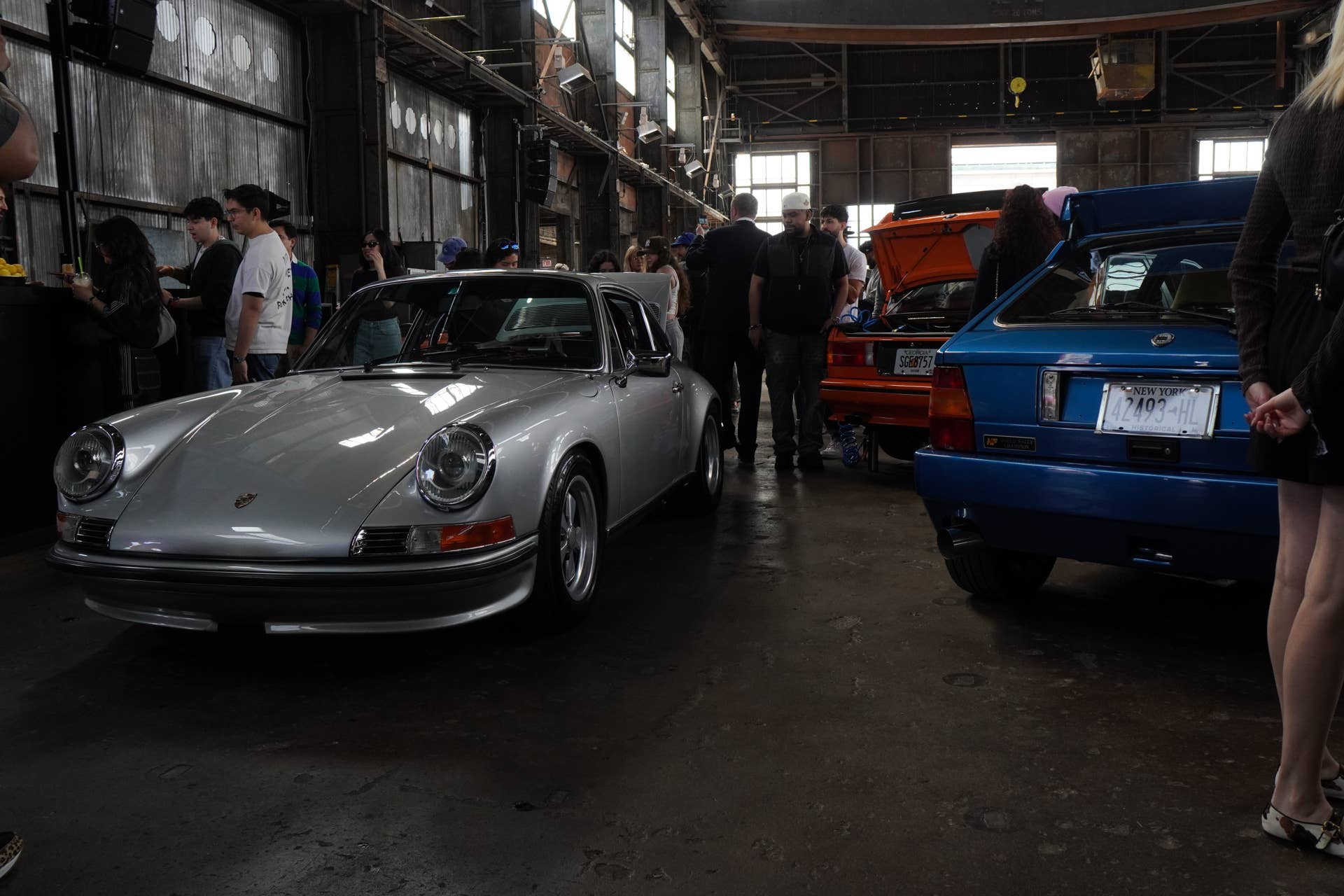
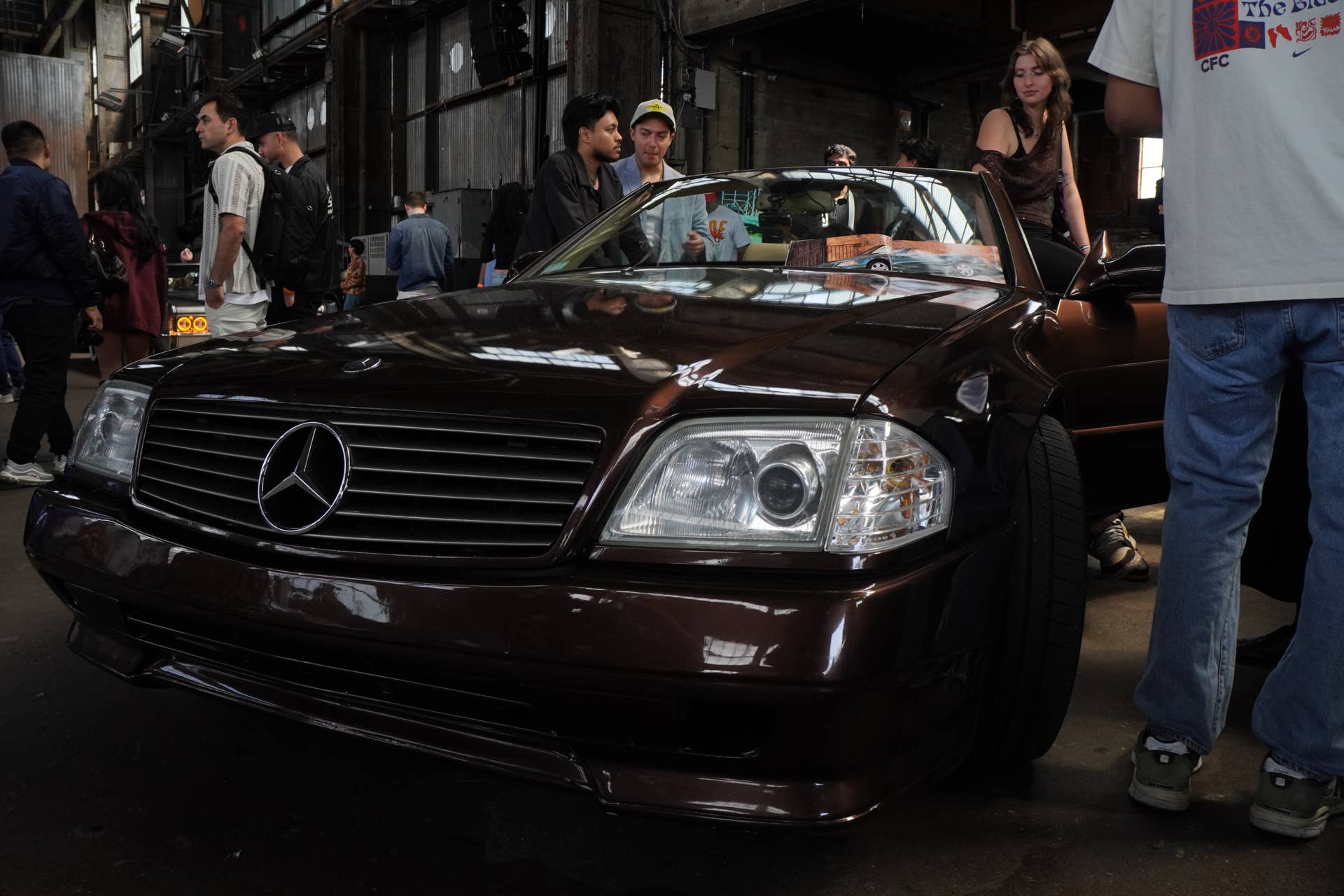
All in all, this level of enthusiasm proves that an event like Wheels of NYC’s 2026 Season Opener cannot be any more hotly anticipated. On Saturday, April 4, the Agger Fish Warehouse at the Brooklyn Navy Yard played host to Wheels of NYC’s flagship event, a true celebration of New York City’s unique car culture and the people who make it. Though the show’s setting showcases a more gritty side of the city, it only adds to its unique character, which is far from the country club environment of a concours d’elegance.
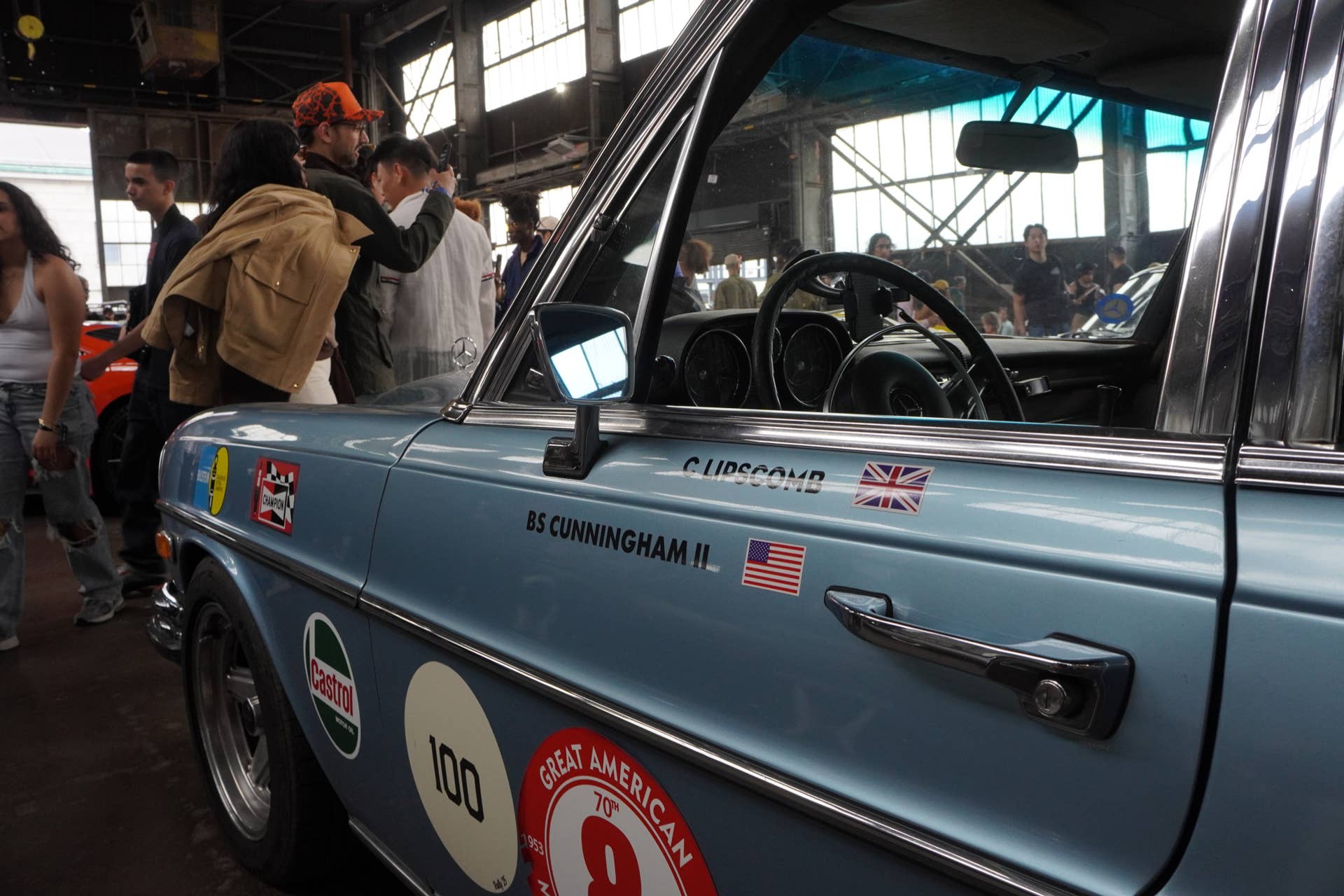
While this event showcased a diverse variety of unique vehicles in a way that can only be described as quintessentially New York, it was hard to choose just a few favorites among an intensely diverse selection of cars that included high-dollar exotics, custom builds, and rare, vintage models spanning multiple decades. However, these four vehicles really showed that New York’s car enthusiasts are into it all.
James Ochoa
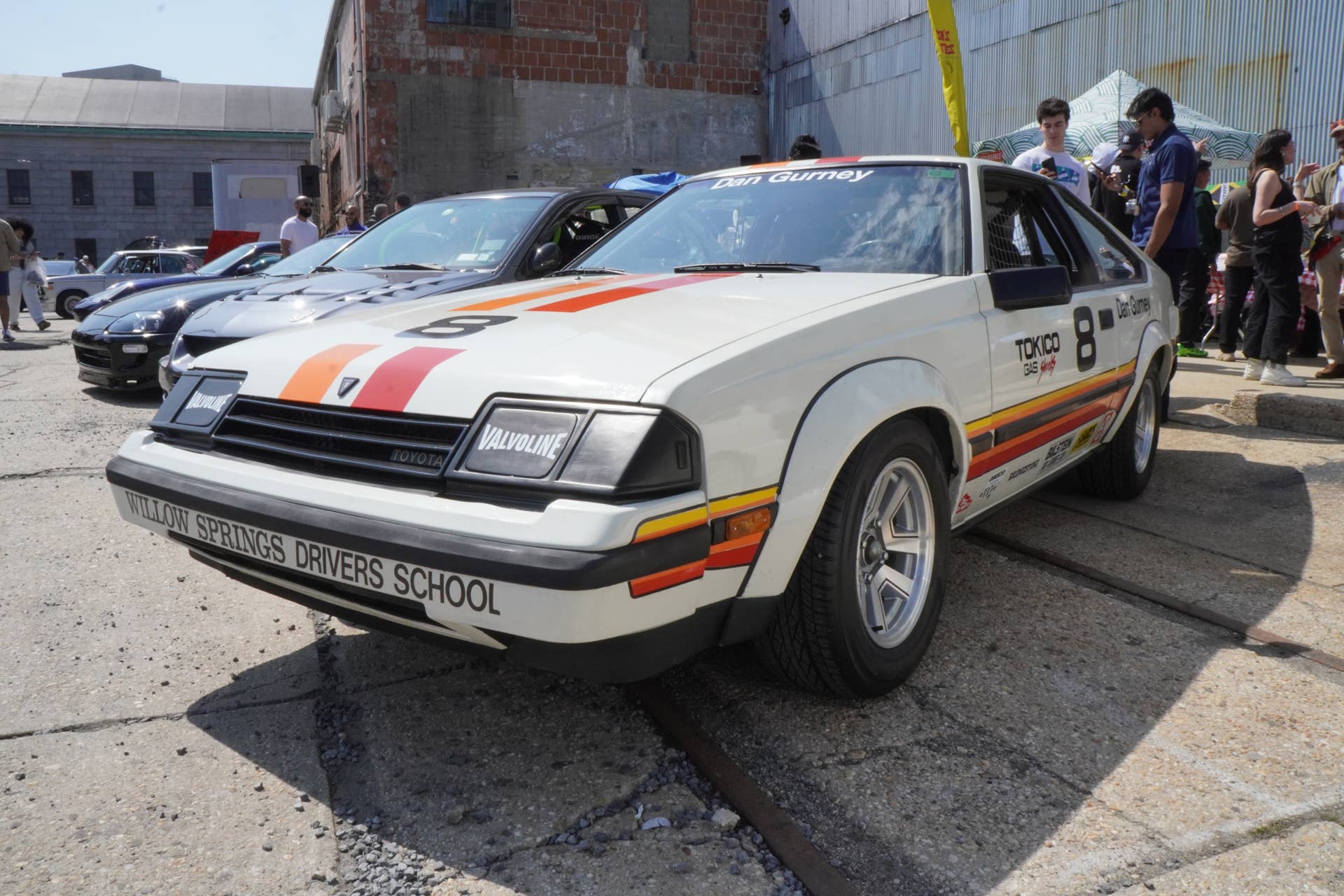
1982 Toyota Celica Long Beach Pro/Celeb Car
Every April, the streets of Long Beach play host to one of the most packed motorsports weekends, which culminates in an IndyCar race; specifically, the Acura Grand Prix of Long Beach. But between all the practice and qualifying sessions that take place prior to the big race on Sunday, fans at the street circuit enjoy a wide array of racing fun, including IMSA, Stadium Super Trucks, the Porsche Carrera Cup and Formula Drift. But between 1977 to 2016, when Toyota held the title sponsorship of the race, one televised support race became a unique spectacle of its own for not just its high-octane action, but the star power behind the wheel.
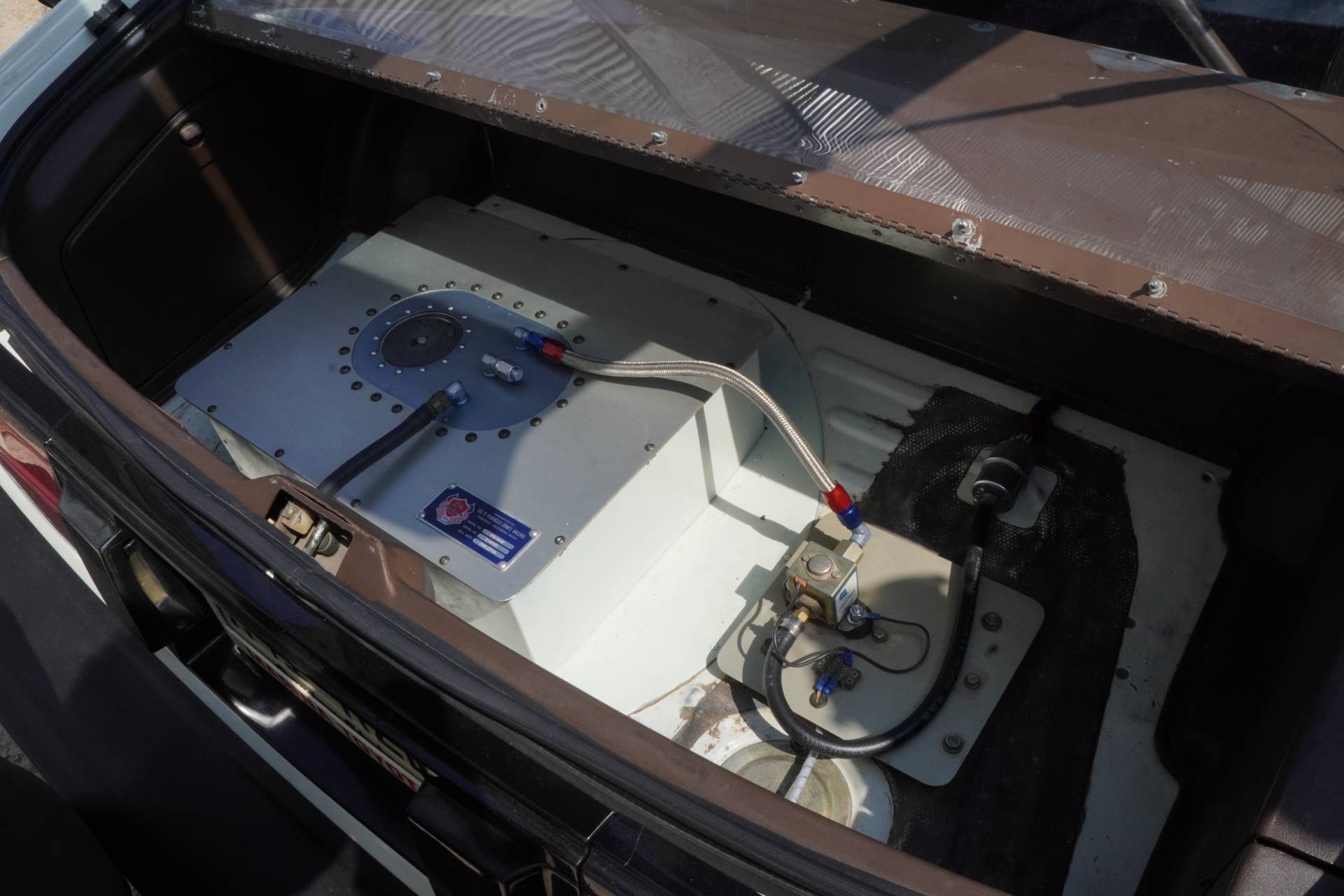
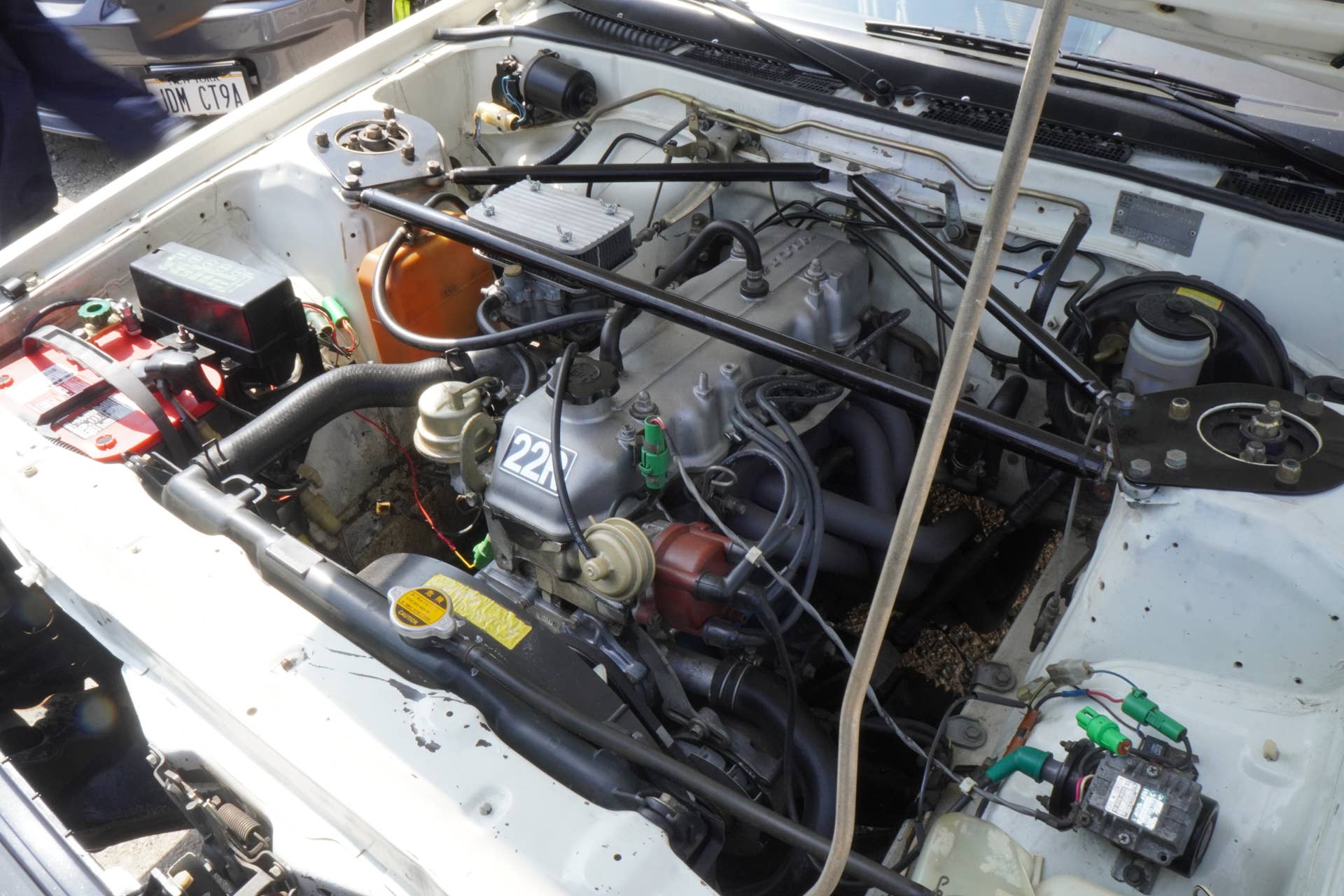
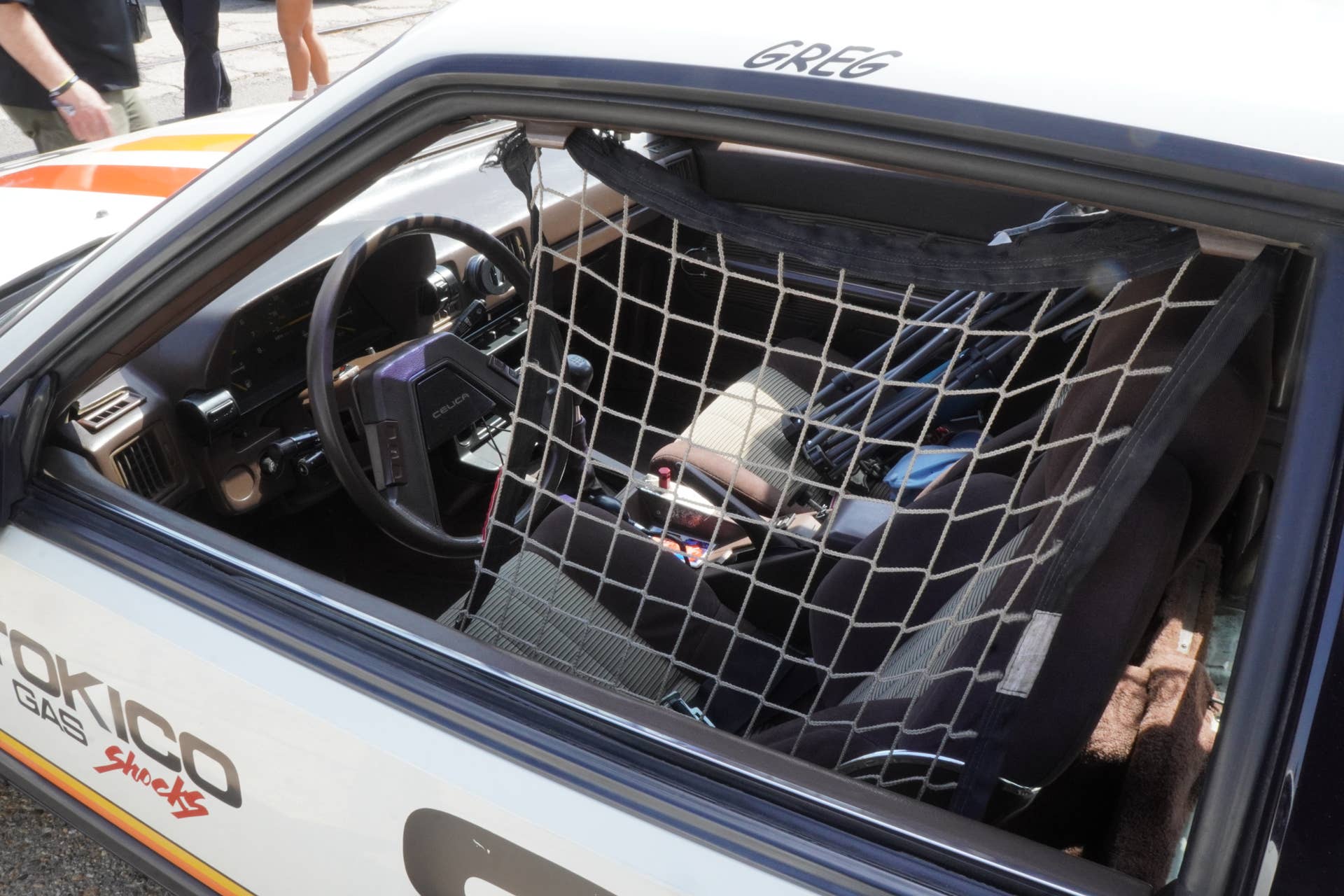
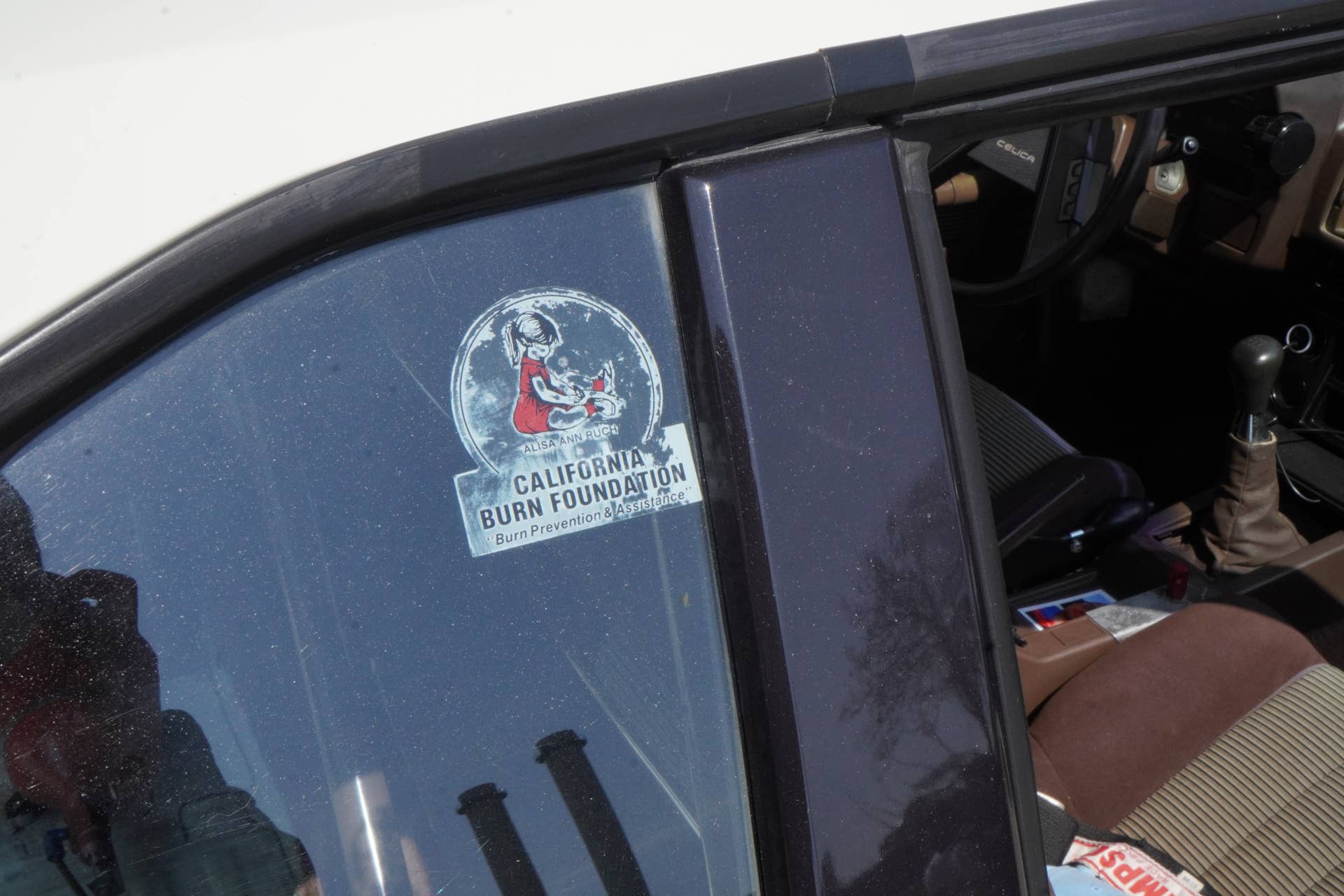
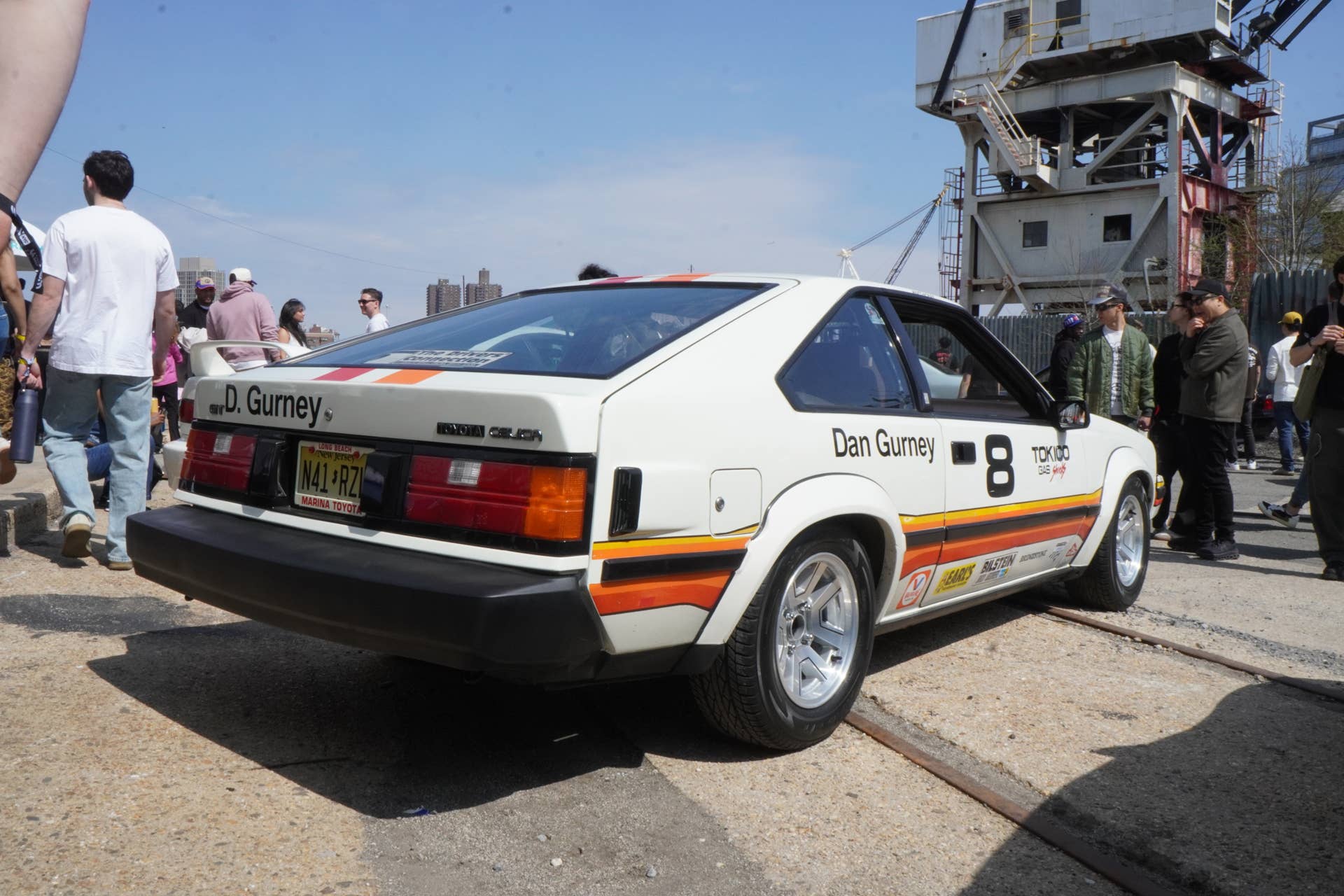
This 1982 Toyota Celica was a vehicle that ran in the Toyota Pro/Celebrity race that formerlytook place during the Long Beach Grand Prix weekend; a one-make race that pitted seasoned professional race car drivers from various disciplines up against actors, musicians and other buzzworthy figures. According to the car’s owner, Greg Giacchi, this specific number 8 car ran in the 1982 to 1985 editions of the race and that the graphics reflect its last appearance, when it was piloted by none other than American racing legend Dan Gurney. These vehicles were prepared for racing by Parnelli Jones, where they were kept as showroom-stock as possible, though minor modifications were installed for speed and to protect the drivers. Its pop-up headlights were replaced by plastic covers (the race took place in the daytime), while it also got custom 4-to-1 headers and a side-exit exhaust system. In addition, it also got lowering springs, a full roll cage, a racing fuel cell and a fire suppression system.
James Ochoa
James Ochoa
James Ochoa
James Ochoa
James Ochoa
Giacchi told Autoblog that after its last race, the cars were donated to Willow Springs Raceway, where they were used as student cars at its high-performance driving school. After its effective life at Willow, its prior owner obtained the car before it could be scrapped; though Giacchi acquired the car between 2022-2023 after a friend showed him a picture of it sitting untouched and unrestored. Since the Celica has been in his possession, he has restored it to the condition when it raced in the 1985 Pro/Celeb race.
At the WheelsNYC event, Giacchi noted that one thing that makes owning a Celica of this vintage difficult is the lack of “OEM-quality” parts for old Japanese cars; particularly Celicas of this era, adding that it’s easier to find more parts for Supras of the same vintage. Nonetheless, he said that he was happy to see that vintage Asian cars were getting “the recognition that they deserve,” adding that he had “never used to be able to bring in a Japanese car” to big car events, including concours shows. “I think it’s a generational thing, and my Gen-X is finally saying, ‘hey, they’re as good as anybody else.’”
James Ochoa
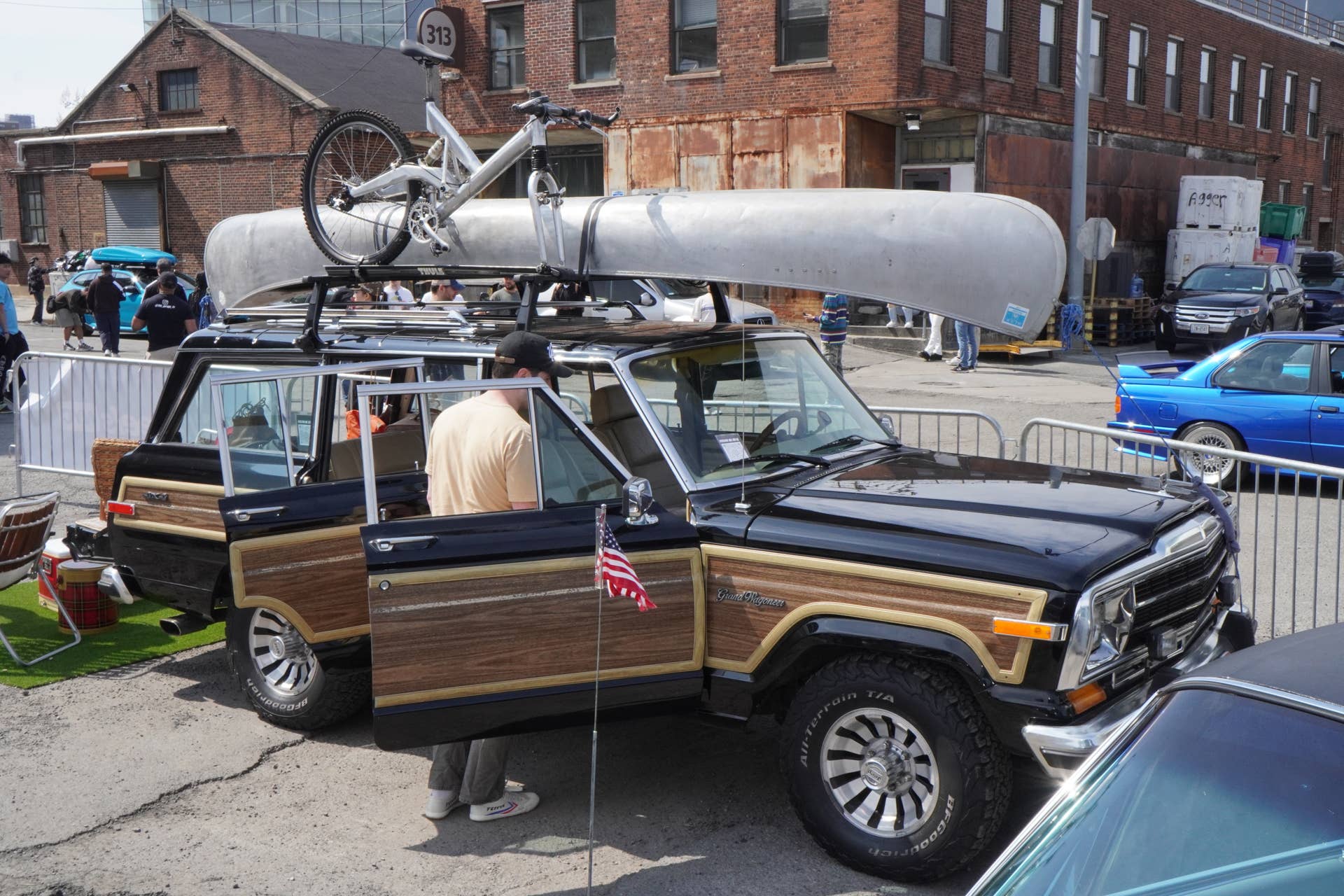
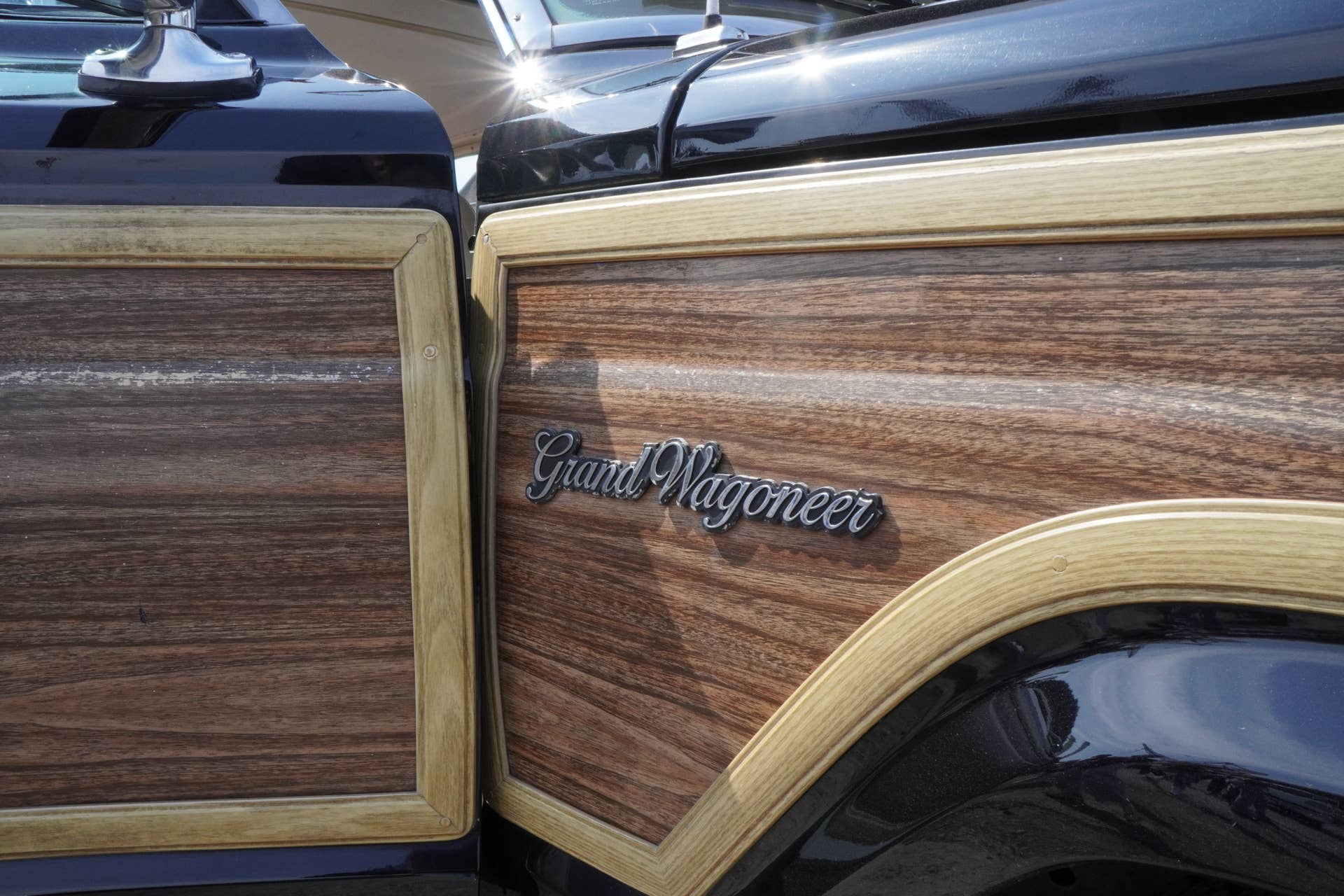
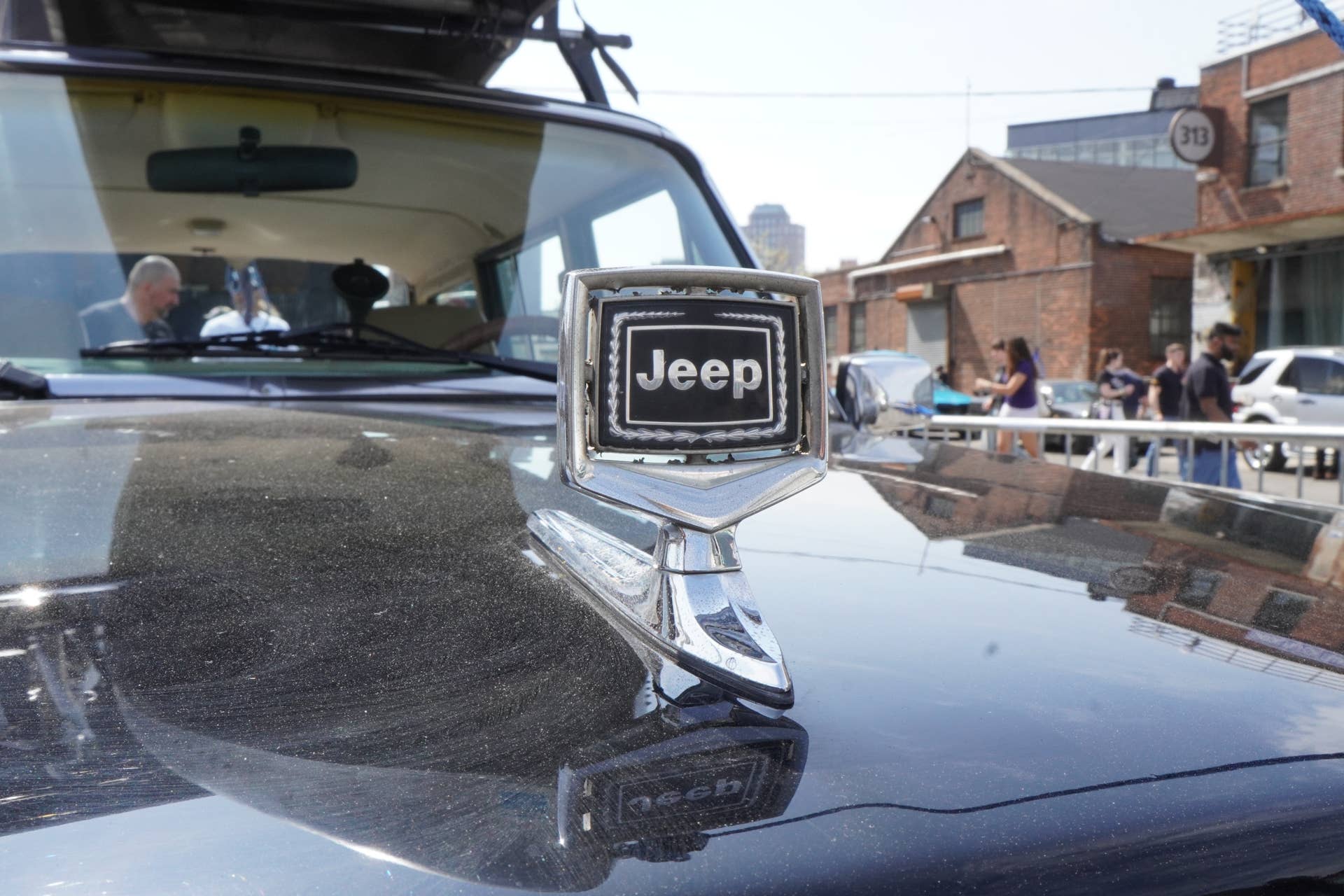
1990 Jeep Grand Wagoneer
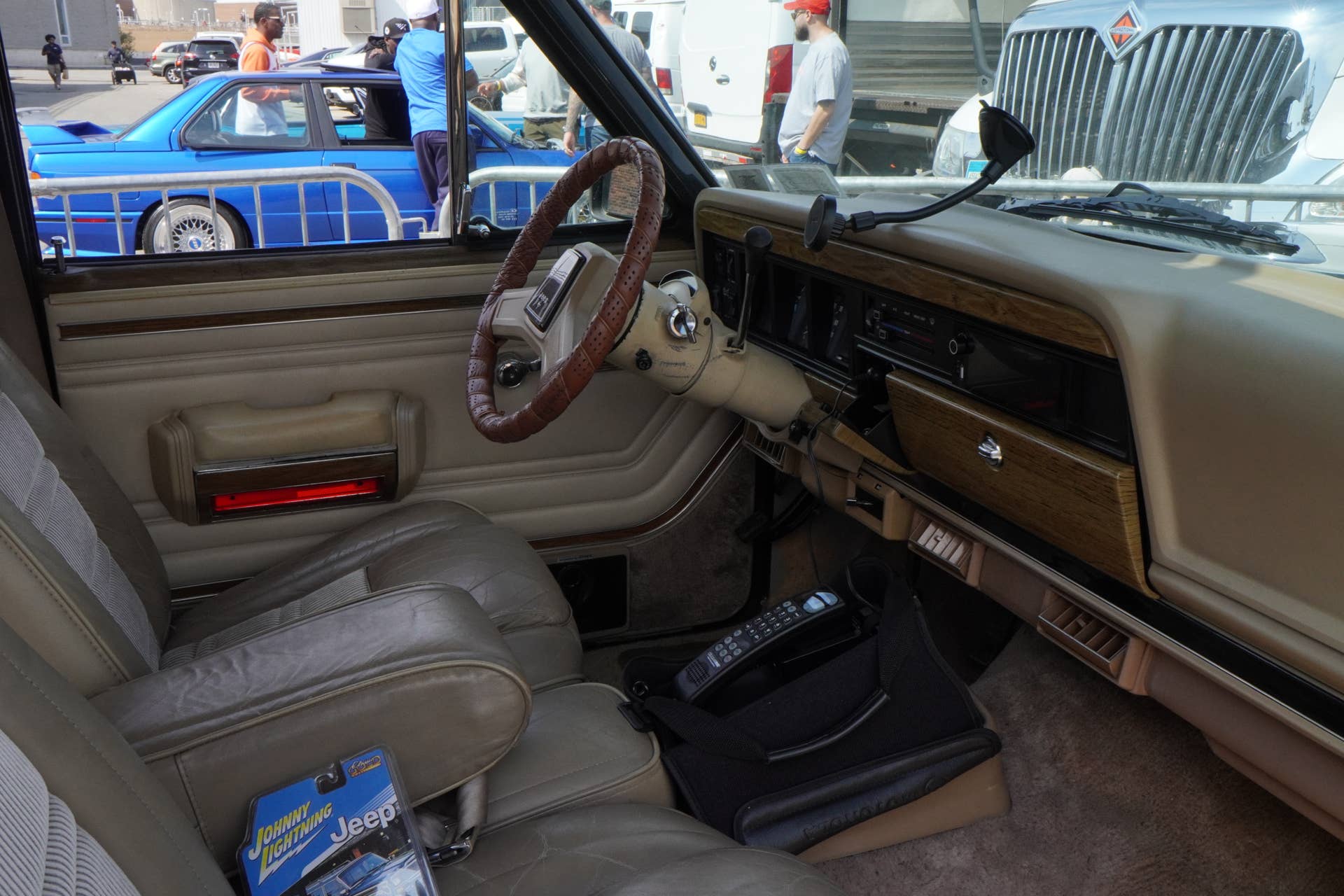
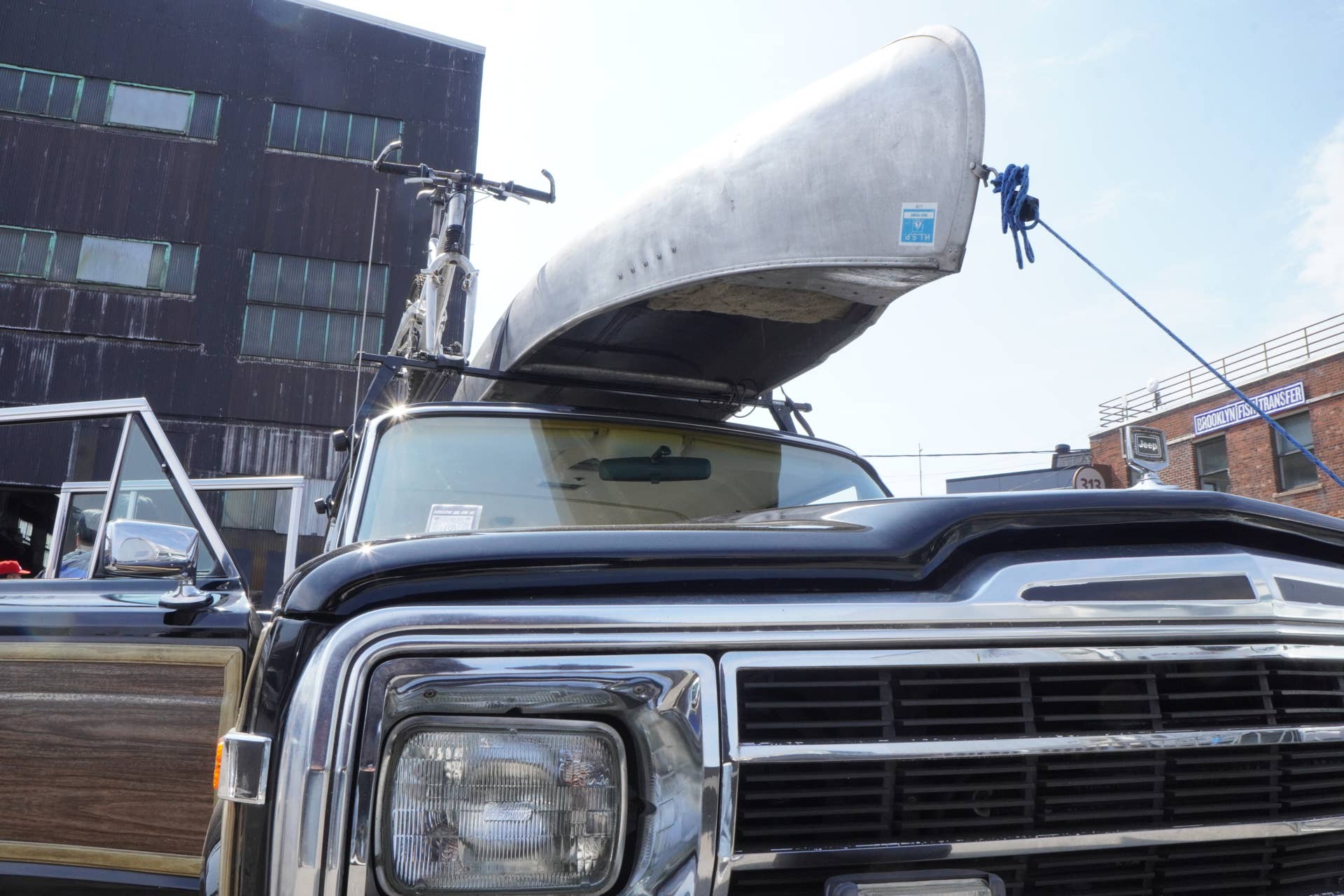
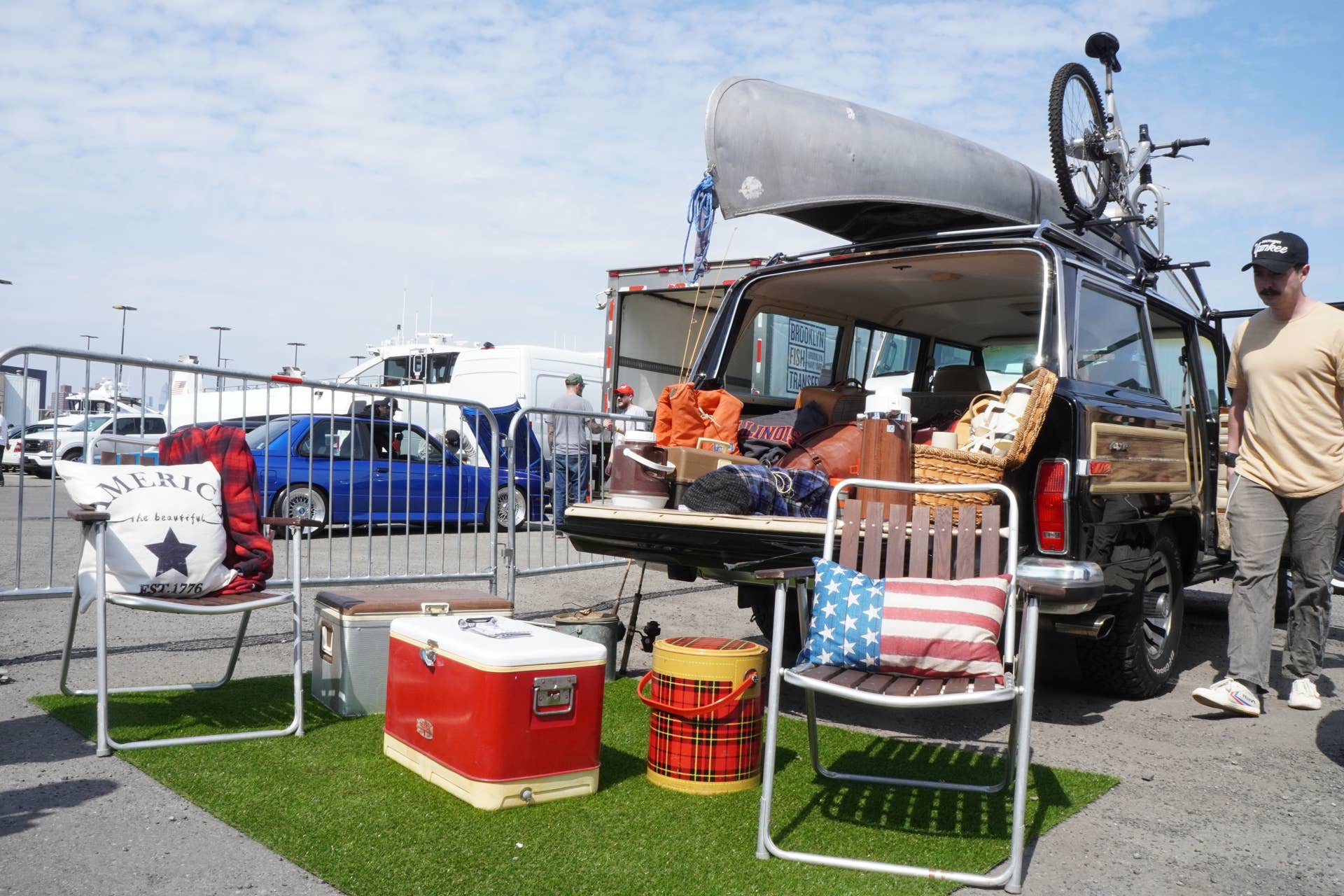
On first sight, this 1990 Jeep Grand Wagoneer stands out amongst all the different cars navigating the density and pace of the New York City; this boxy, black, faux-wood paneled SUV with a tan interior is a clean, nostalgic time capsule that feels lifted from a bygone era of American cars. Based out of Jericho on Long Island, Jim said that he was drawn to the Wagoneer through a love for boxy SUVs that started from when he was very young. Since he was growing up, he had an affinity for more rugged vehicles like the Jeep Wrangler, the Mercedes G-Wagon and the Land Rover Defender 90.
The Wagoneer’s appeal, though, runs deeper than just boxy looks, faux-wood trim and a place in the Original Preppy Handbook; it has a solid place in automotive history. First introduced in the early 1960s, the Wagoneer is considered to be the original luxury SUV, long before every luxury brand from BMW to Bentley had a 4×4 in their lineup. The 1966 Super Wagoneer combined four-wheel-drive capability with luxury features that were unusually refined for the time, redefining the idea that capability and comfort didn’t have to be mutually exclusive.
James Ochoa
James Ochoa
James Ochoa
James Ochoa
James Ochoa
By the time Jim’s 1990 Grand Wagoneer model rolled off the line, it had made its mark as the luxury SUV: plush interiors, woodgrain styling, and a sense of understated prestige that set it apart from more utilitarian off-roaders. Today, the spirit of the Grand Wagoneer lives on in a direct spiritual descendant of the original, which competes directly with the upper echelon of the luxury SUV market; including Cadillac Escalade, Lincoln Navigator and the Range Rover.
What truly sets this Grand Wagoneer apart, though, is the role it plays beyond it being one of his personal cars. Jim’s Wagoneer has become a working vehicle as a part of the City’s creative industry, appearing in photo shoots, brand campaigns, and even film and TV productions. Most recently, it appeared in a campaign for Steve Madden, though he noted that the car is widely adaptable. “It really just depends what they’re looking for,” he said, adding that the SUV can be transformed to fit a range of aesthetics; whether as part of a winter scene with skis and snow gear, or used to evoke a preppy, upscale lifestyle.
James Ochoa
1987 BMW 325is (E30)
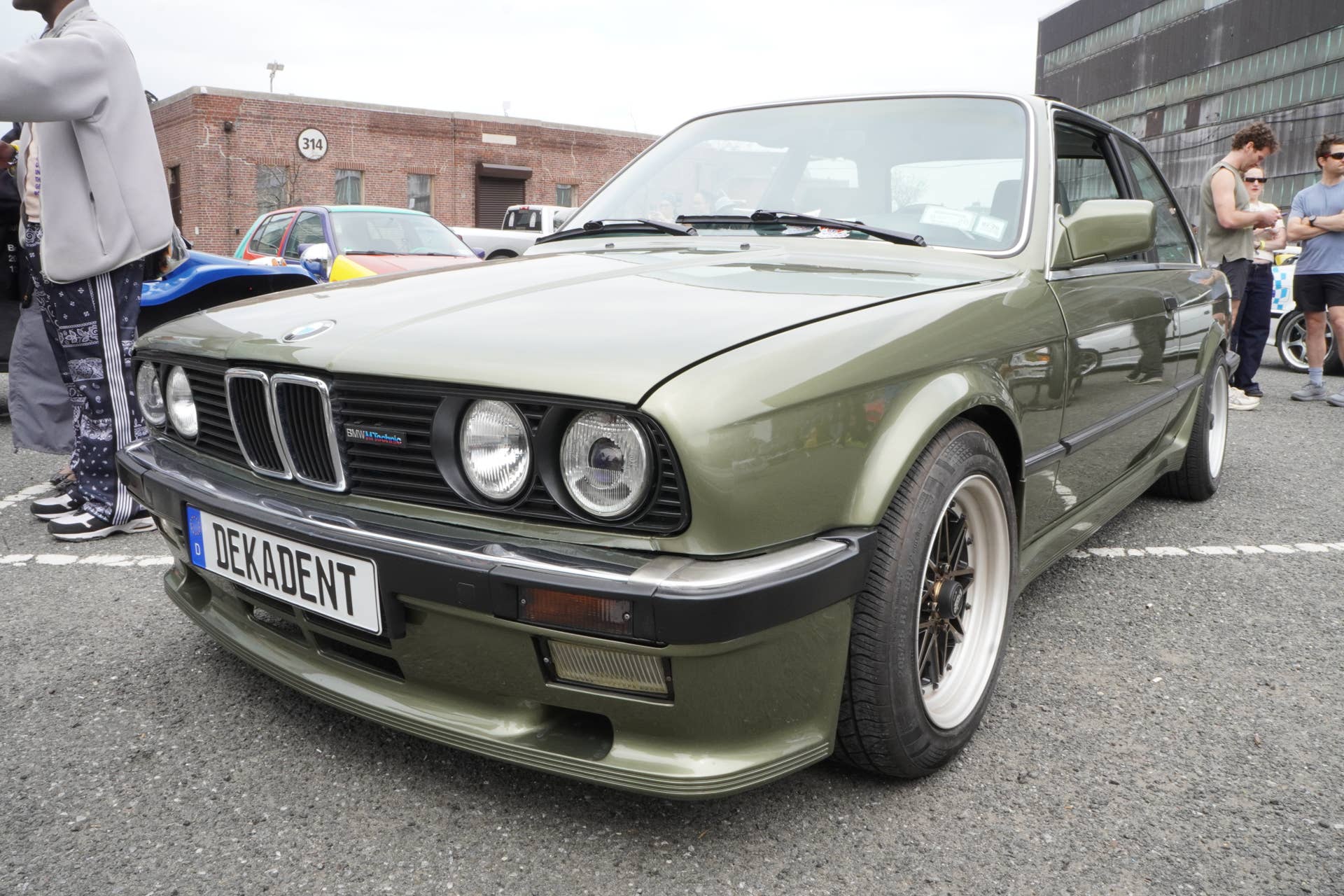
The word “sacrilege,” as defined by the Merriam-Webster dictionary, apart from its use as in religious terms to describe something as an affront to God, is also defined as something that is “gross irreverence toward a hallowed person, place, or thing.” In the latter manner, it can be used to describe something seen as a violation or deviation to what’s traditional; think things like pineapple on pizza, dipping fries in ice cream or ketchup on Kraft mac and cheese. However, in the automotive realm, things considered sacrilege have much more to do with violating more unwritten rules that can hinder creativity; especially modifications that can be interpreted as being incompatible with a particular vehicles’ heritage. While these “rules” are fiercely debated among different camps of devoted fans and enthusiasts about “preservation” and “personalization,” some decide to just do it anyway; with this unique BMW 325is E30 2-door being a prime example.
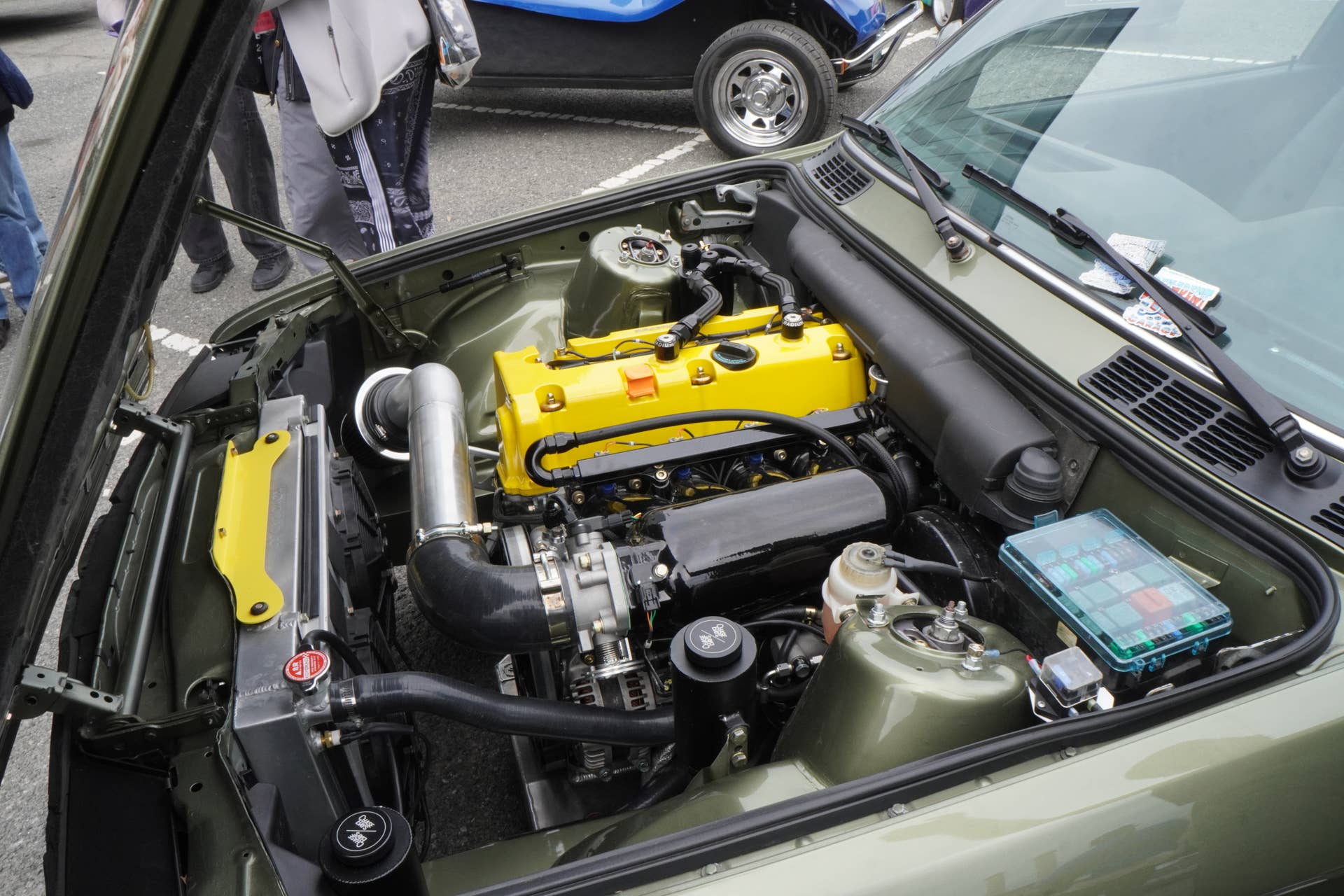
Ironically, what attracted me to this car like a moth to the flame, was the bright yellow valve cover of the non-original motor that lives under the hood of this classic Beamer. In lieu of the original 2.5-liter M20B25 naturally aspirated inline-six that came from the factory, its owner, Thomas (also known as Dekadent Garage on YouTube), swapped in a more modern Honda K-Series four-cylinder; a high-revving engine that not only makes more power, but proven to be more reliable than the original motor.
James Ochoa
James Ochoa
James Ochoa
James Ochoa
Thomas told Autoblog that he bought his 325is from a family friend and was initially drawn to it because it came with a rare M-Technic body kit. Thomas mentioned that the car was “super rusty” when he first got it, and despite his previous experience owning BMW E30 3-Series models, he described the project as a “real undertaking.” Determined to build the car to his vision, he turned to YouTube and online forums for guidance while replacing a vast array of parts and even rebuilding trouble areas with significant corrosion.
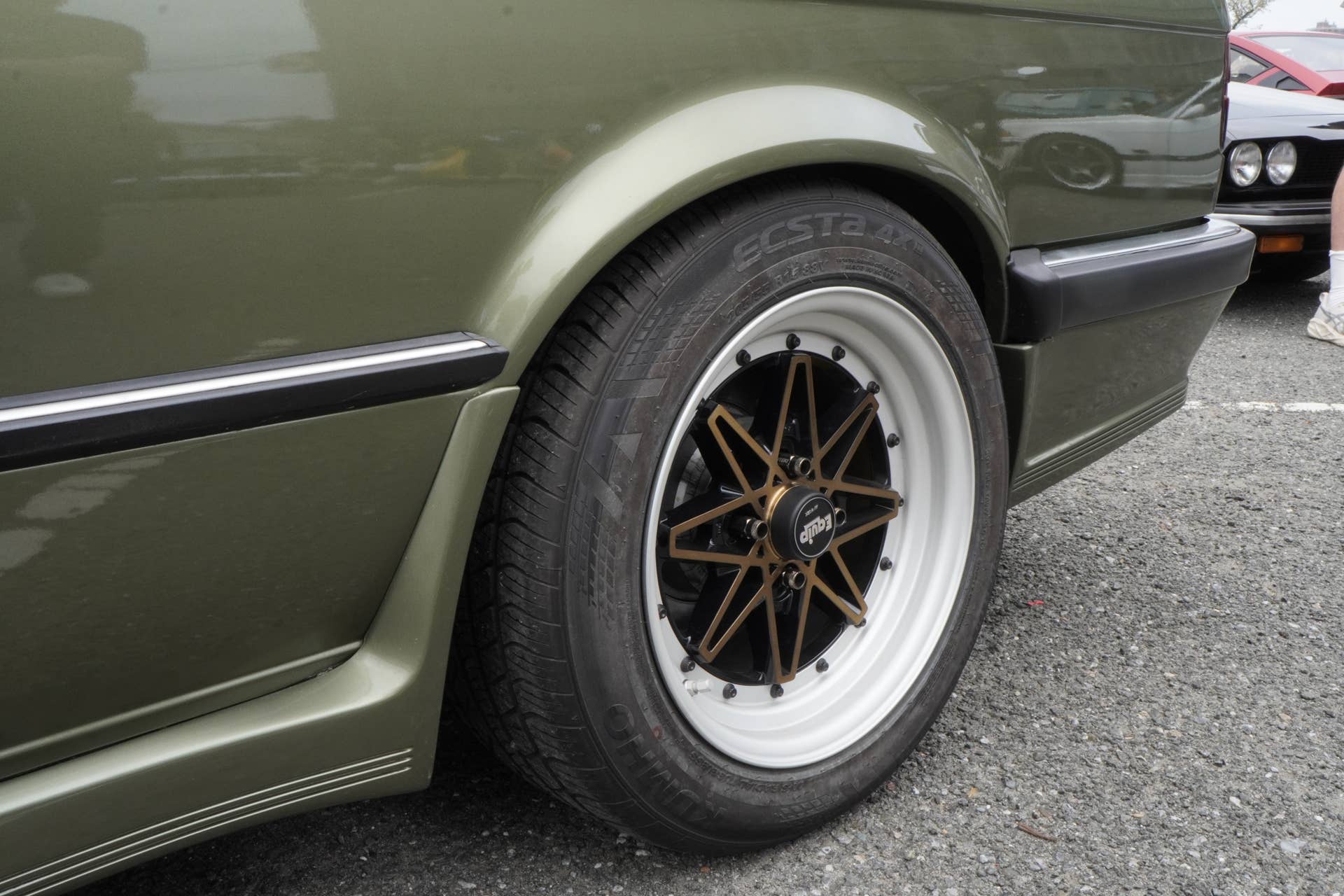
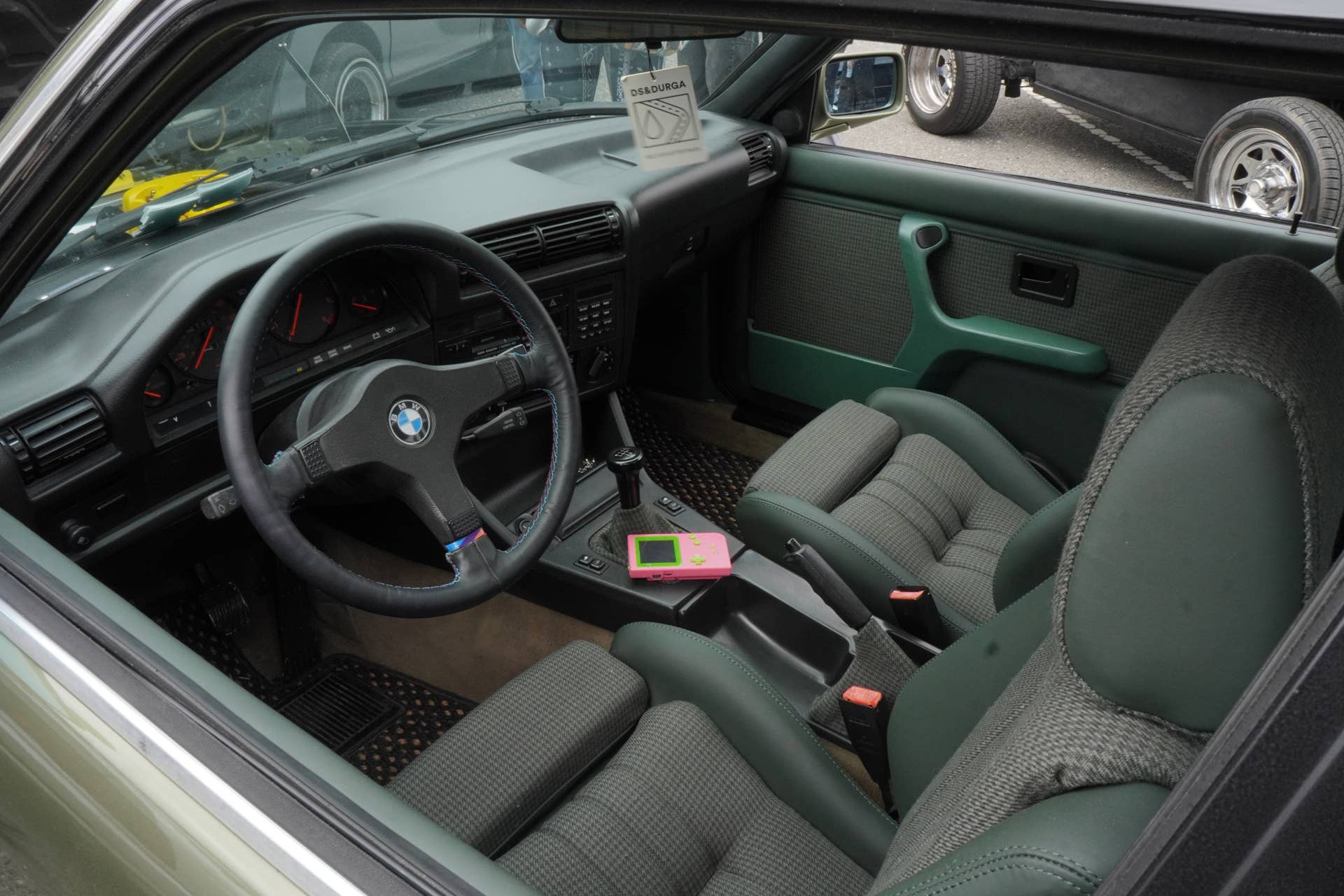
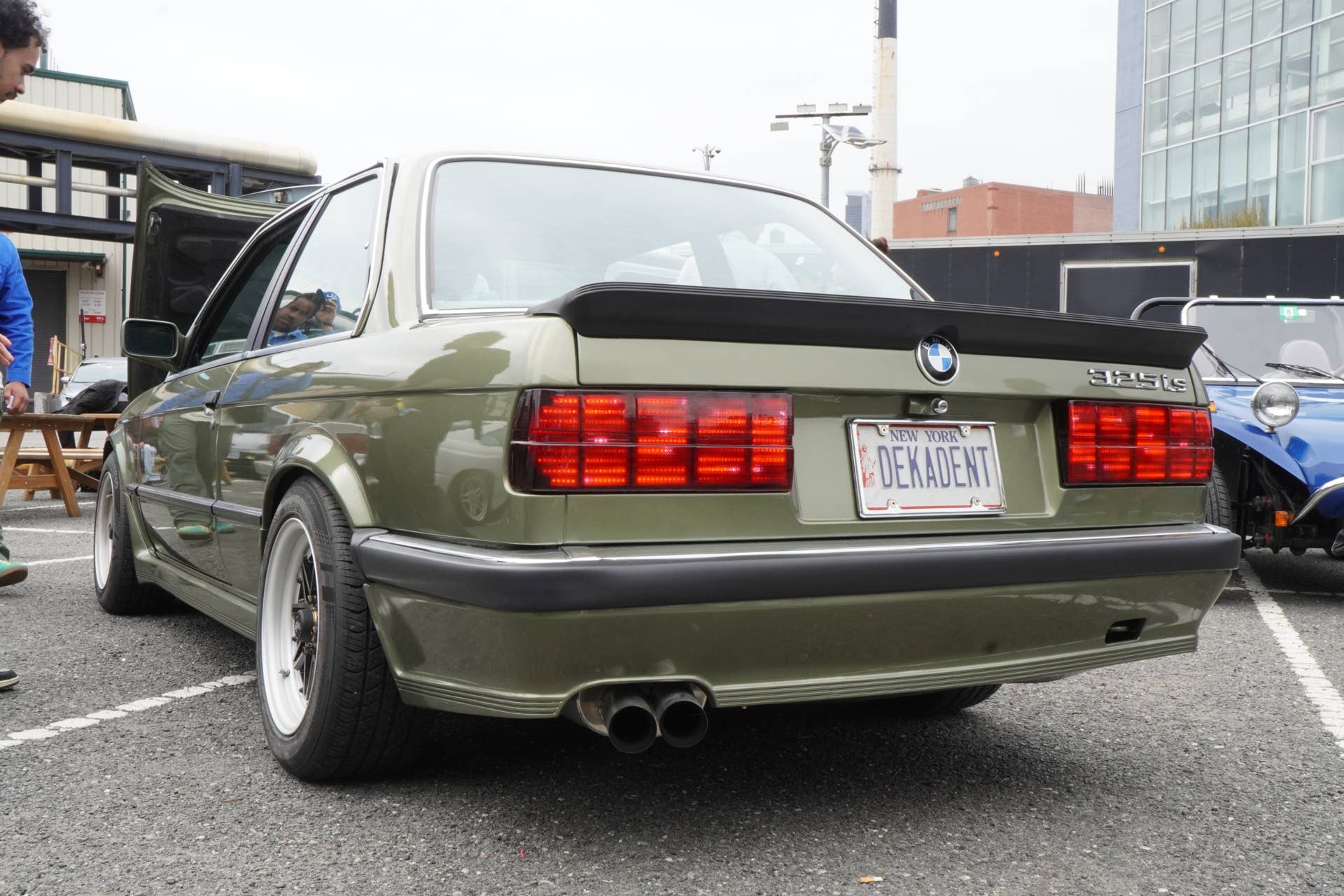
Apart from the engine swap, Thomas’s 325is has a selection of custom parts that emphasize the level of individual personalization he sought from this build. These include a set of Work Equip wheels, a custom set of LED taillights that he wired up and programmed himself and a fully reupholstered interior sewn up by ninestich featuring BMW original piniengrun houndstooth and green leather (which he installed himself). Despite the challenges faced building his E30, Thomas maintains that the experience is still “super fun,” noting that the best part of his ownership experience is seeing the positive reactions to his car; a notable reward for the hard, extensive work he put into his dream machine.
James Ochoa
Custom Rat Rod
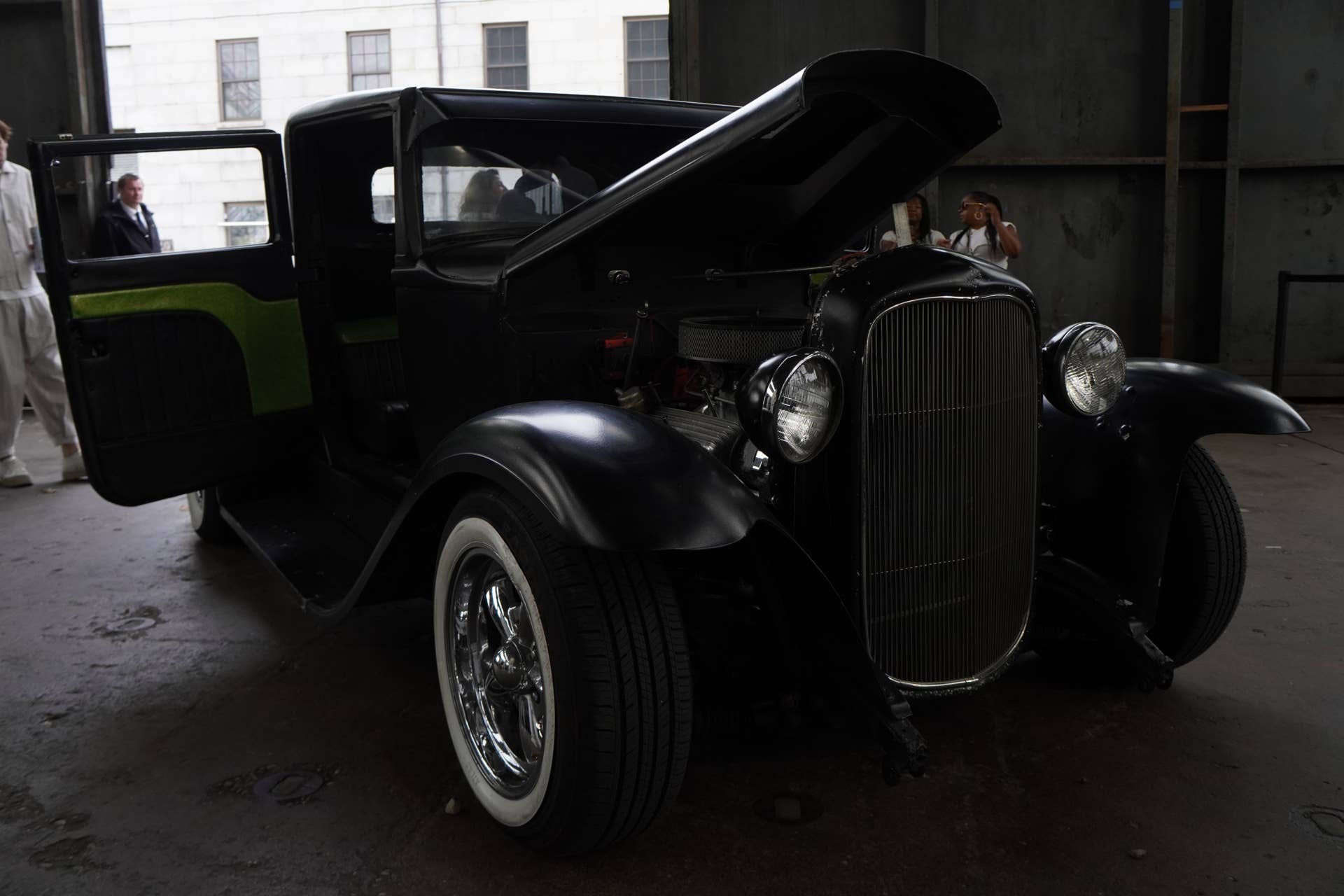
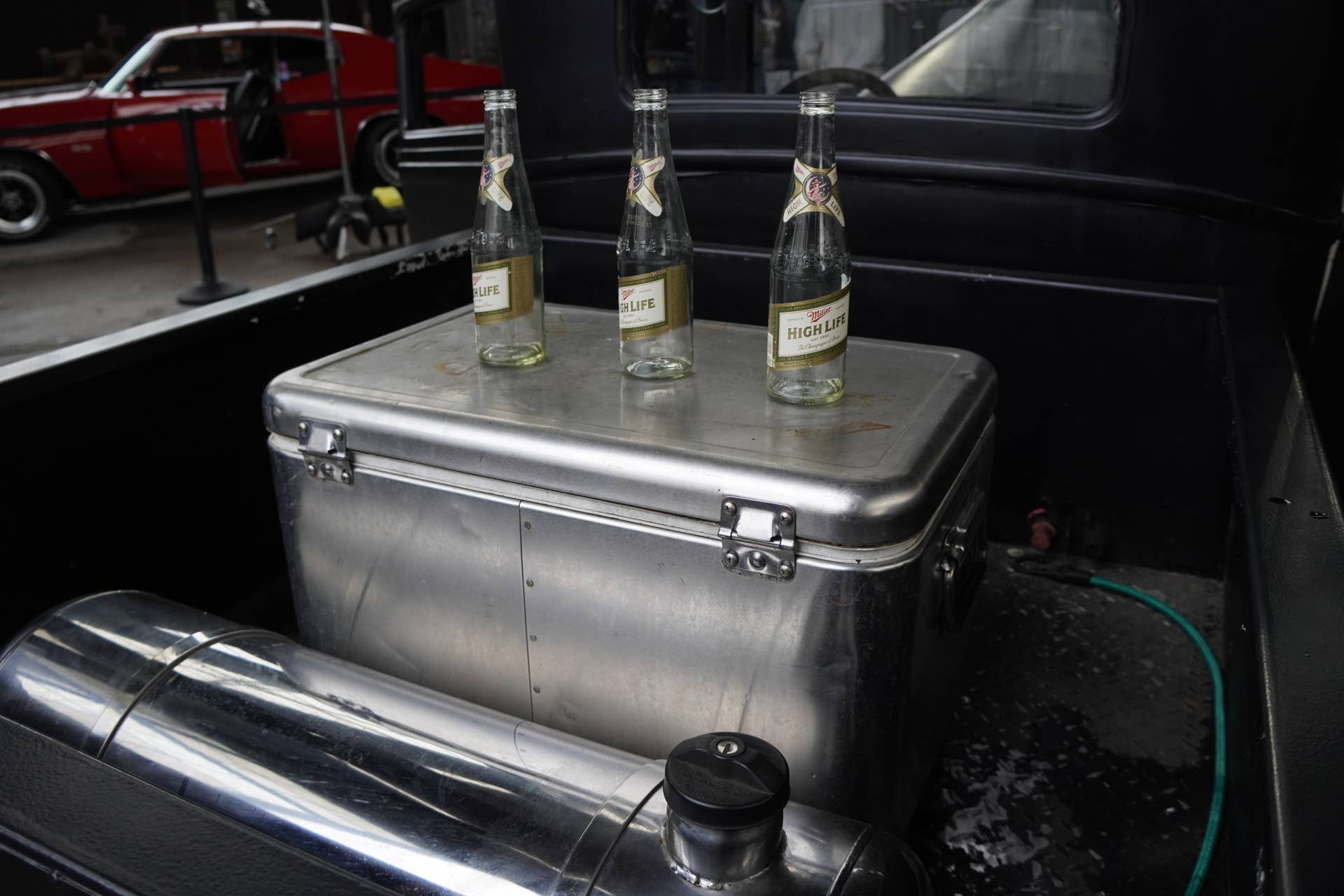
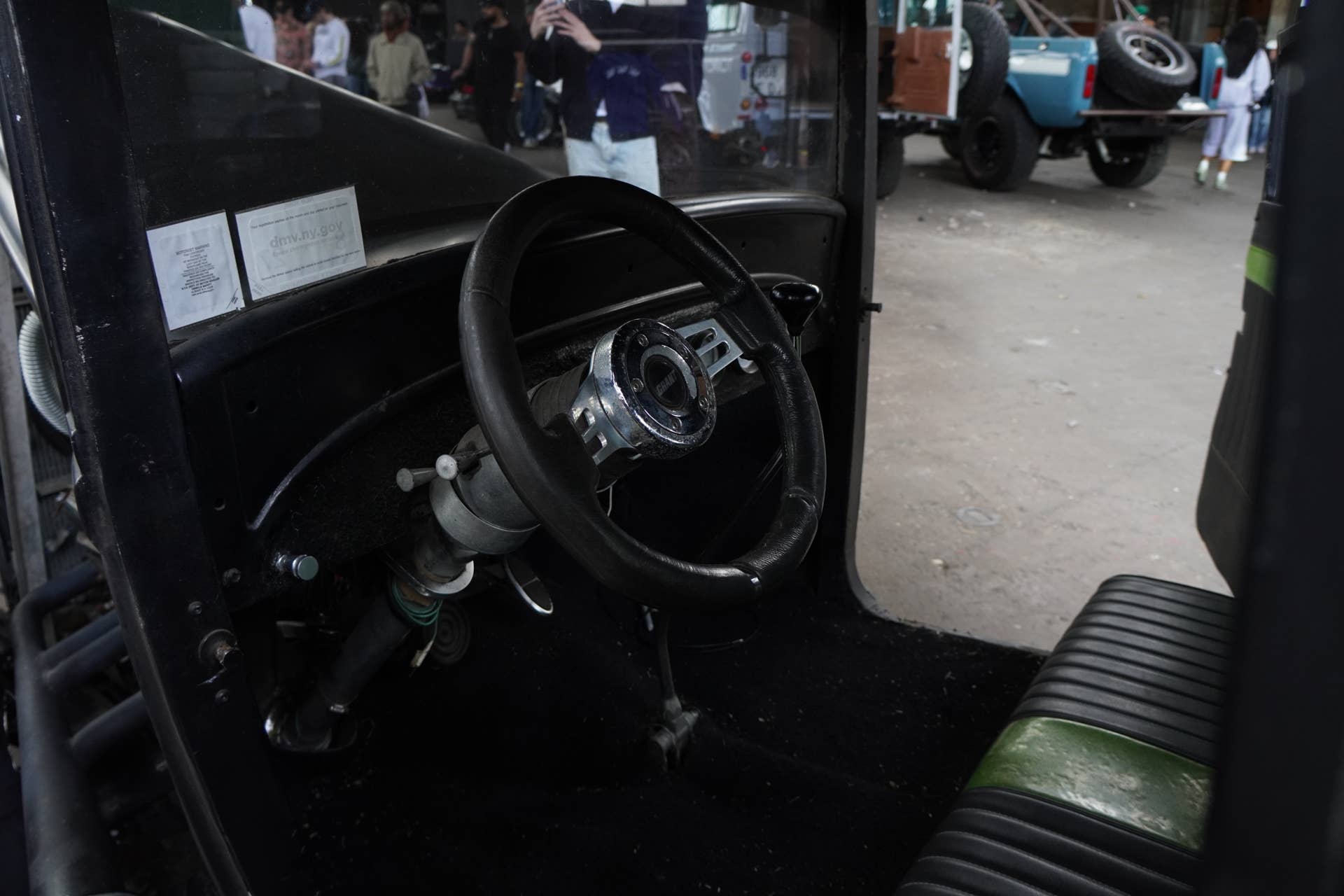
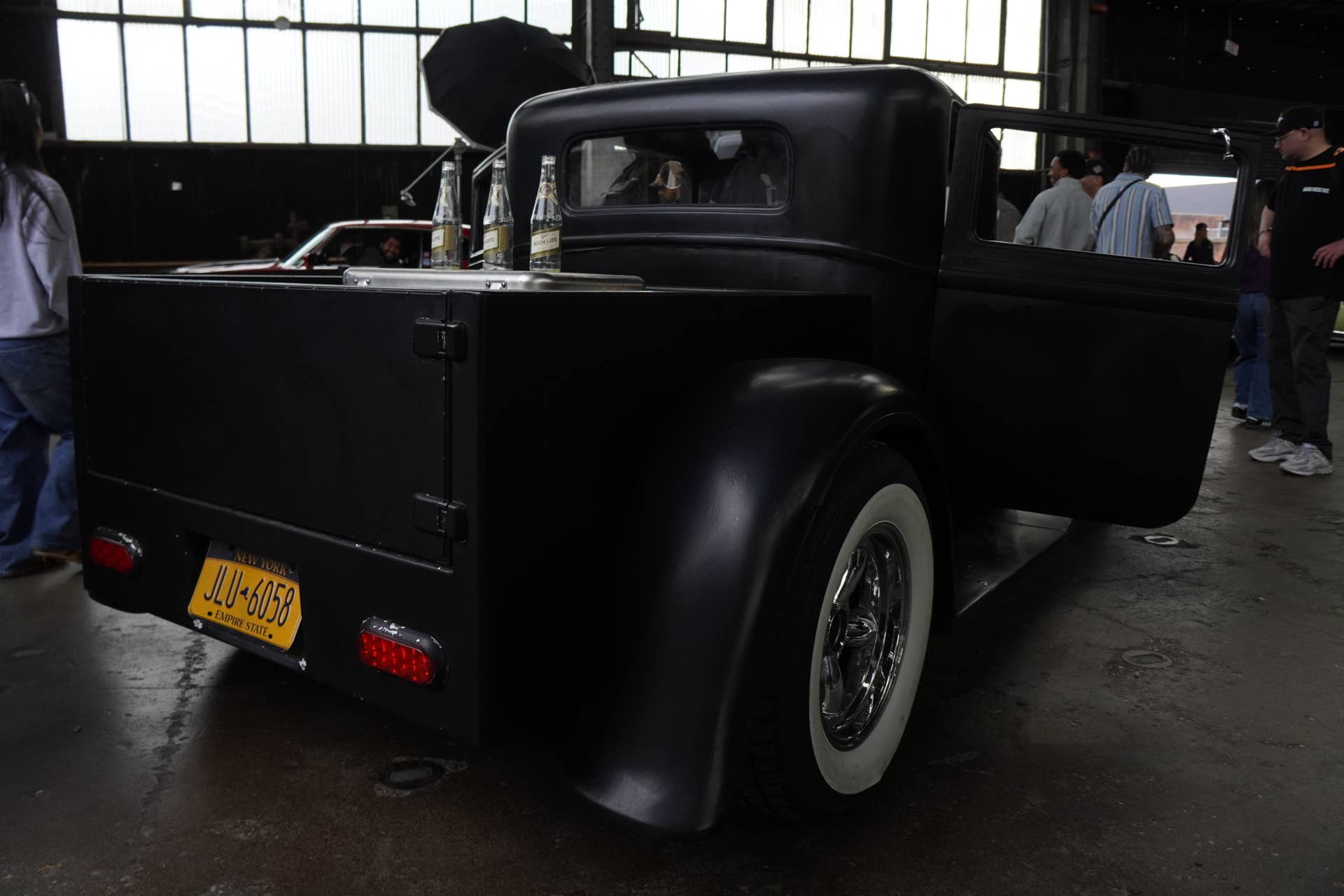
If there is anything about Tony Weldon’s rat rod that makes it demonstrably different from any other car on display at the Agger Fish Warehouse during Wheels of NYC’s show, it is that it’s an unapologetically raw, rough-around-the-edges machine that isn’t trying to hide its patina or rebel character. Originally from Dublin and now based on Long Island, Weldon makes it clear this isn’t a re-creation of a classic but something far more personal. At the show, he told autoblog that his rat rod was built from “Originally nothing,” and “built from scratch from the chassis,” adding, that while it loosely echoes styling from a 30s Chevrolet, the car is really a composite vision, with a tutor-style body, a custom-fit bed, and a chopped roofline that emphasizes attitude.
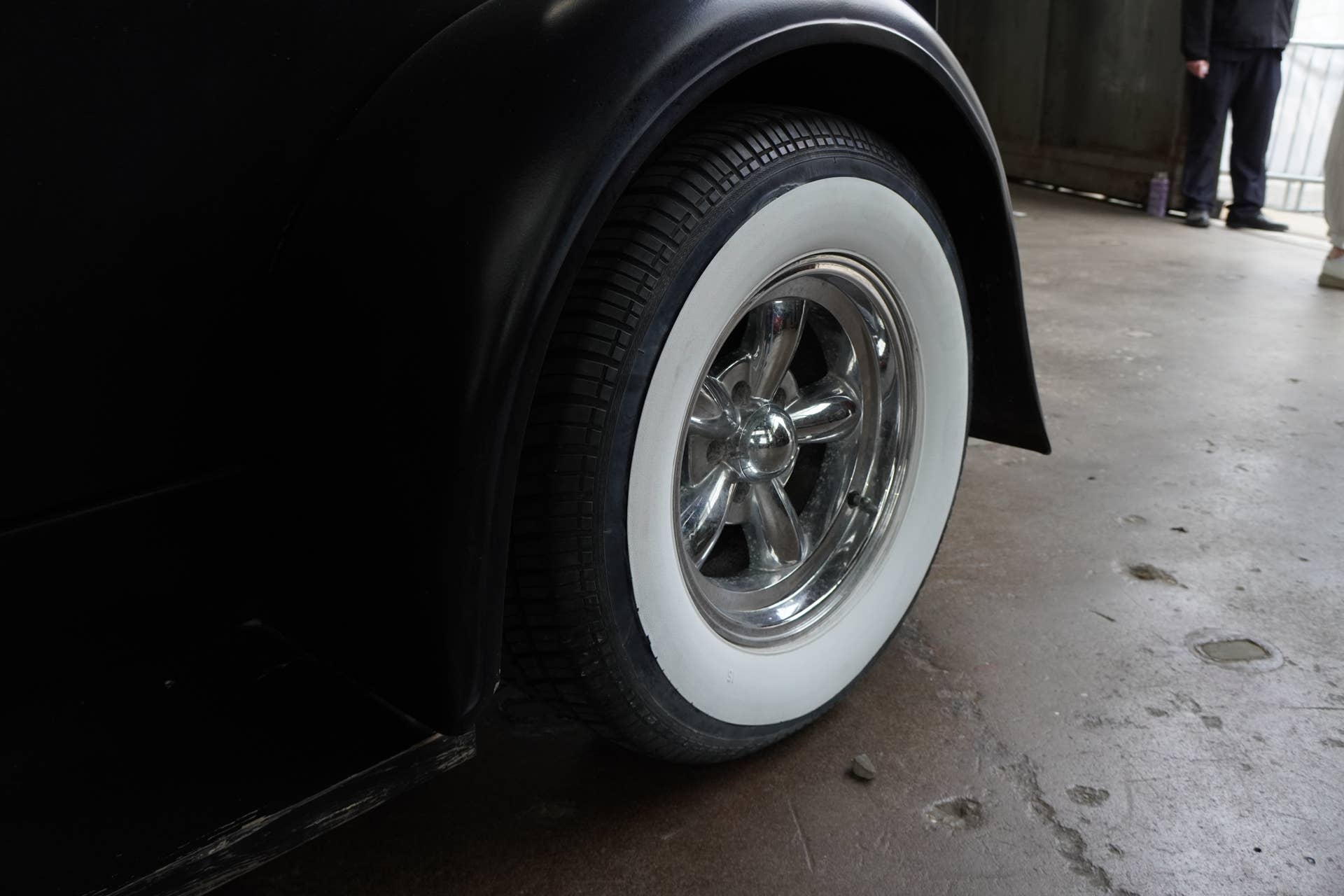
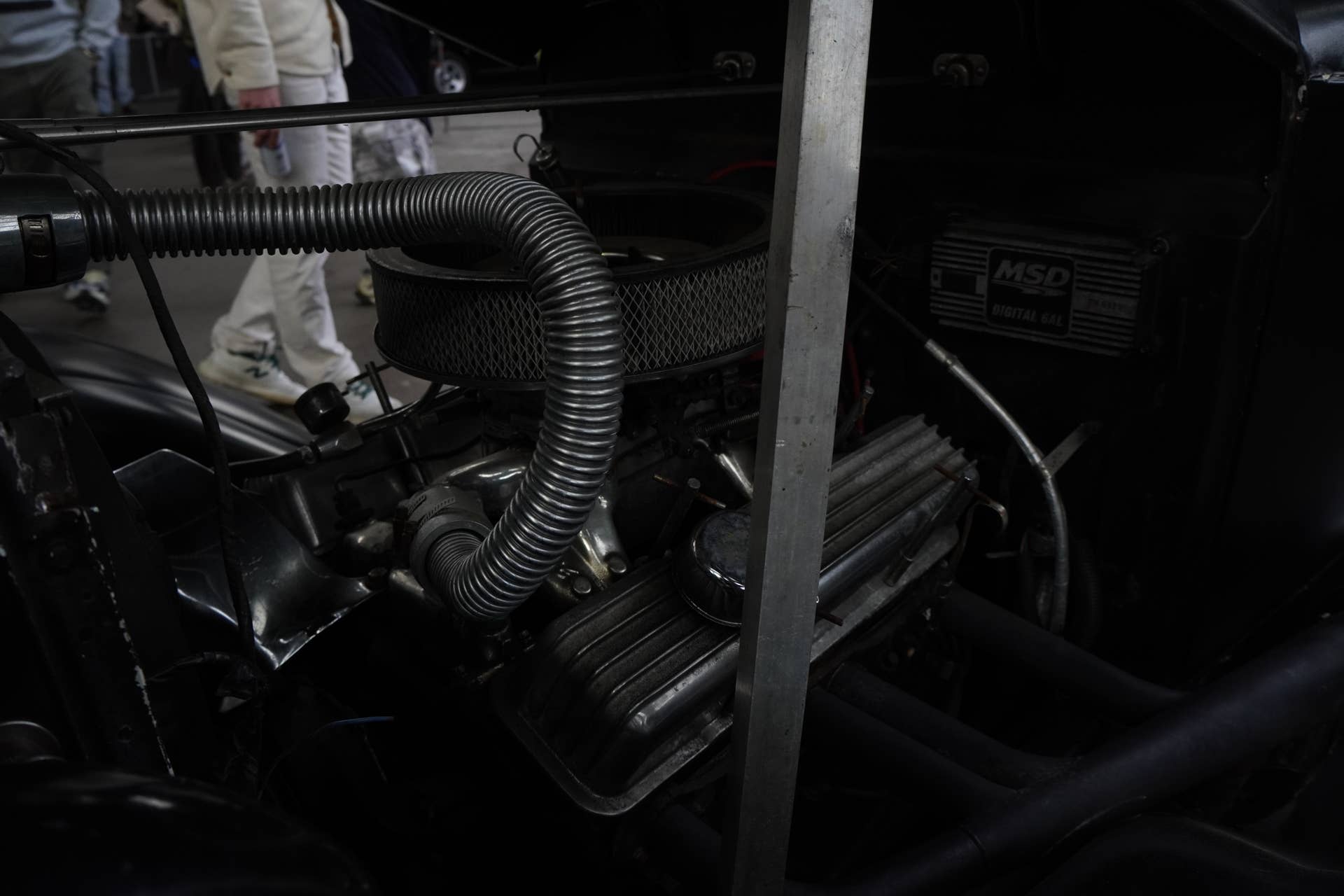
Beneath its rough skin finished in raw black primer, is a 350 V8 engine mated to a 350 Hydramatic gearbox and a 9-inch rear end, supplemented by Wilwood disc brakes and American Racing wheels wrapped in whitewall tires. Weldon’s build mixes grit with intention; featuring custom touches like suicide doors, a “barn-style,” swing-out rear tailgate, and predominantly metal construction that emphasizes its handcrafted identity. Weldon is proud to declare that nearly everything on his rig is steel, noting that the only fiberglass parts on it are the front fenders. As a result, nothing about this car feels hidden; its sheer “rawness” every weld and imperfection is part of the story.
James Ochoa
James Ochoa
James Ochoa
James Ochoa
James Ochoa
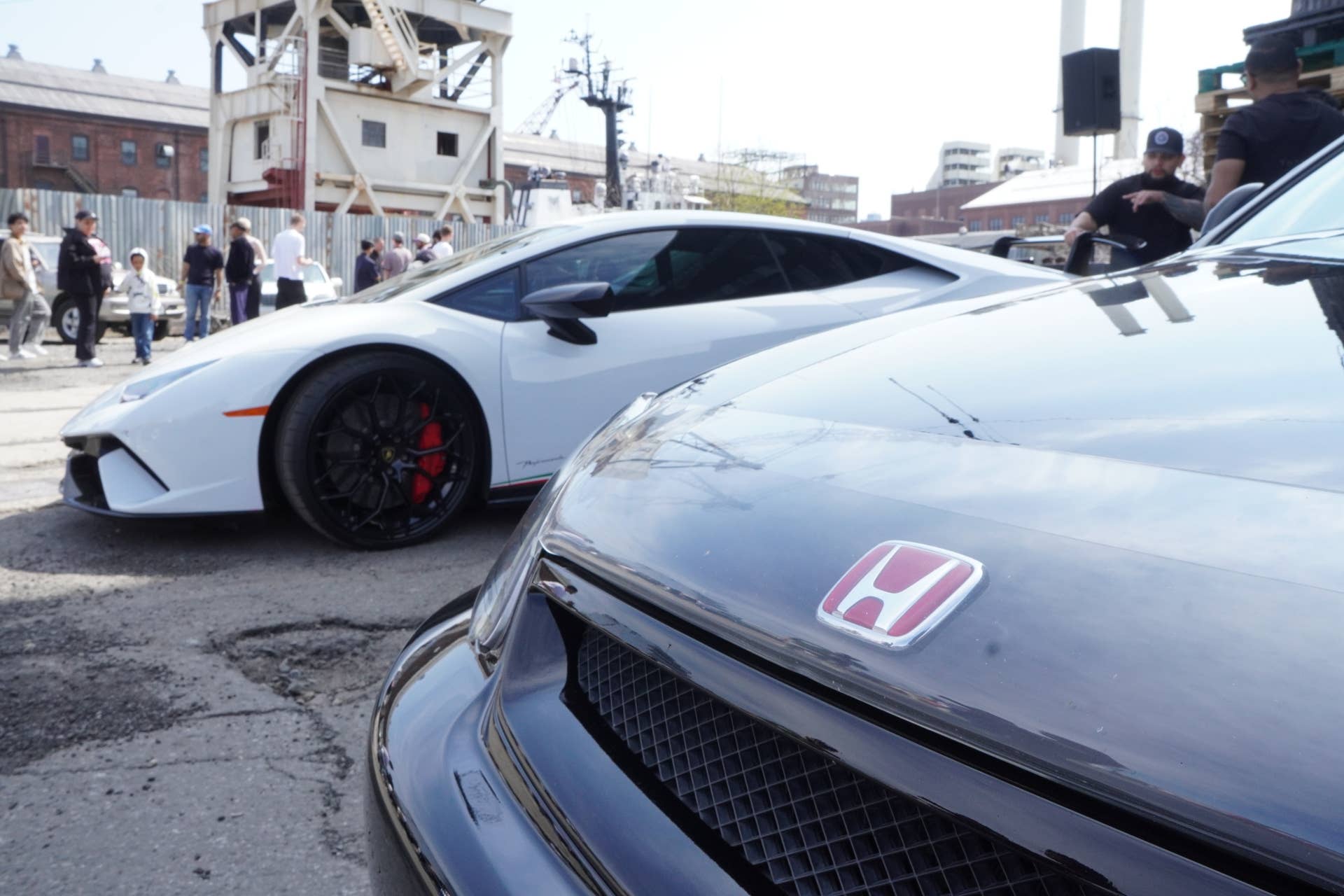
But what truly defines the rat rod, though, is its place in car culture, and it is evident at a show like Wheels of NYC. At the Agger Fish Warehouse, Weldon’s rat rod was displayed next to a Shelby Daytona Coupe and less than 25 feet away, were a modern Lamborghini Aventador SVJ and a Ferrari 488 Pista. Despite sharing the room with more expensive and rare supercars, Weldon embraced the contrast, adding the sliver of uniqueness is what draws people in.
“As you see, all these cars are worth way more money than mine, [but] mine is the only rat rod here [at this show],” he said. “You put a rat rod beside a Lamborghini, a Ferrari; a rat rod’s gonna get more looks all day long. It’s a poor man’s f–king Ferrari.”
While Weldon emphasized that his build demanded patience, problem-solving, and resilience through countless setbacks, he noted that what is important at the end of the day, cars like his represent the importance of individuality and character. “I believe if everybody showed up with a rat rod, this would be no fun here,” he said. “[…] variety is the spice of life, and if we were all driving these cars, it’d be boring.”
James Ochoa
James Ochoa
James Ochoa
James Ochoa
James Ochoa
Final Thoughts
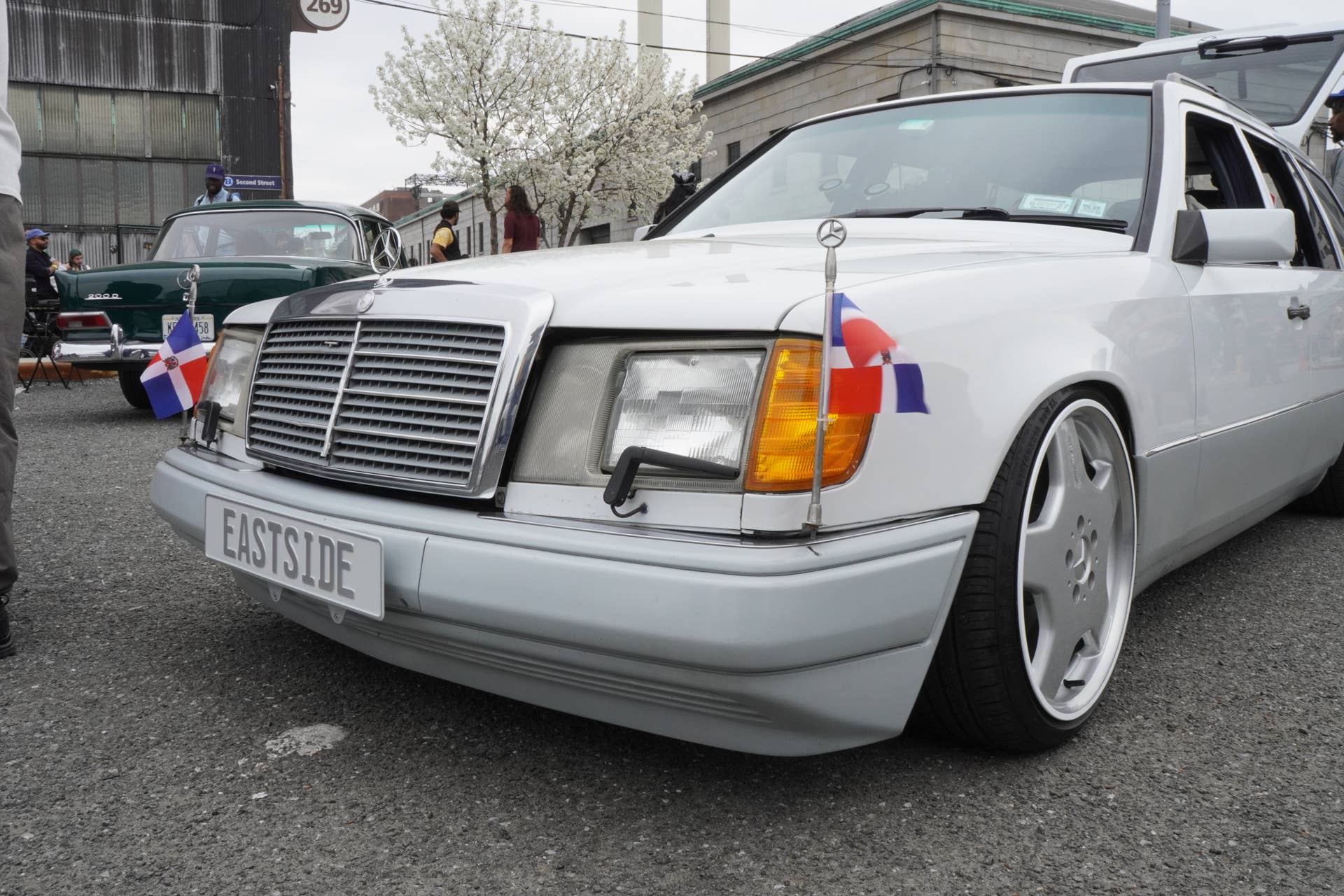
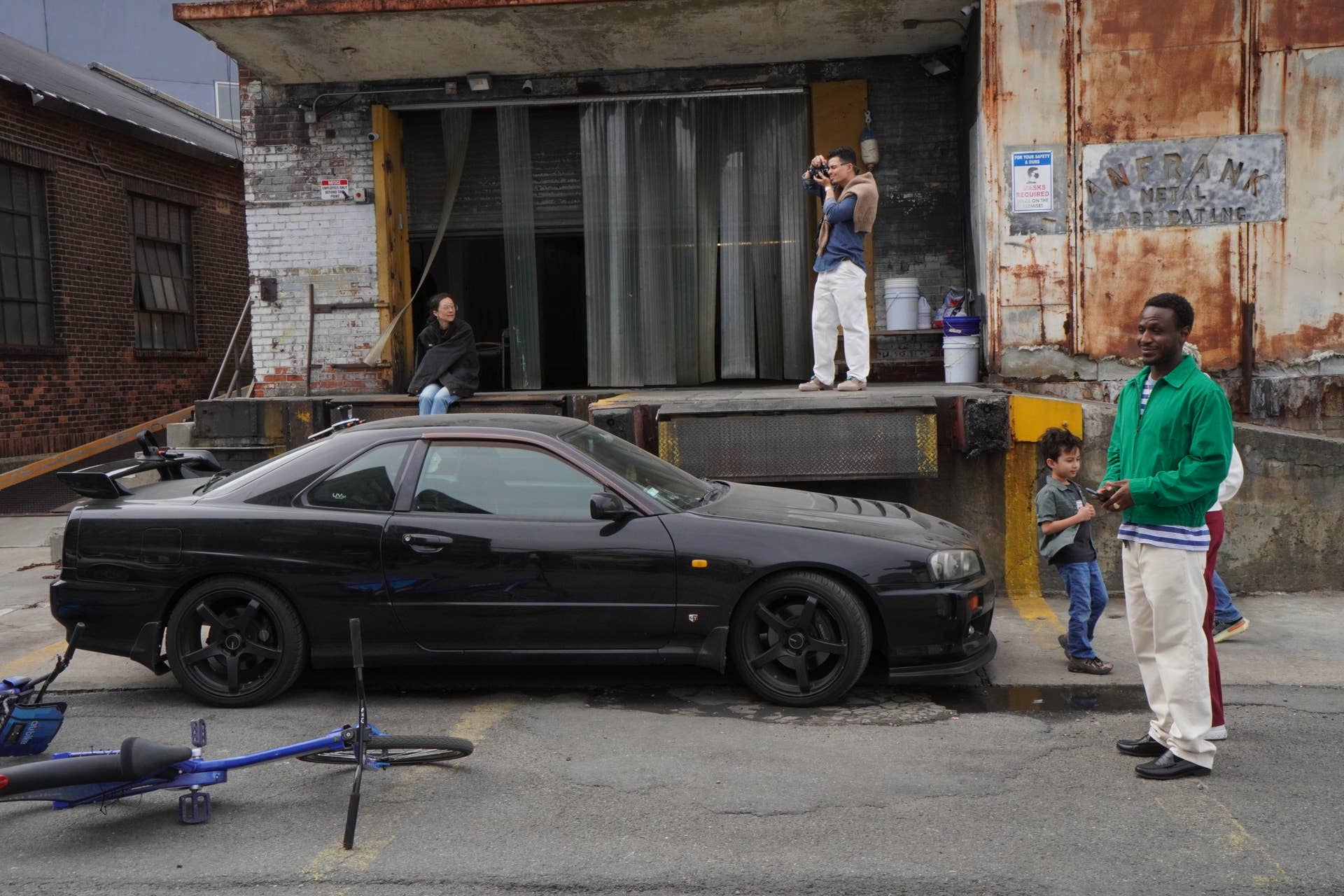
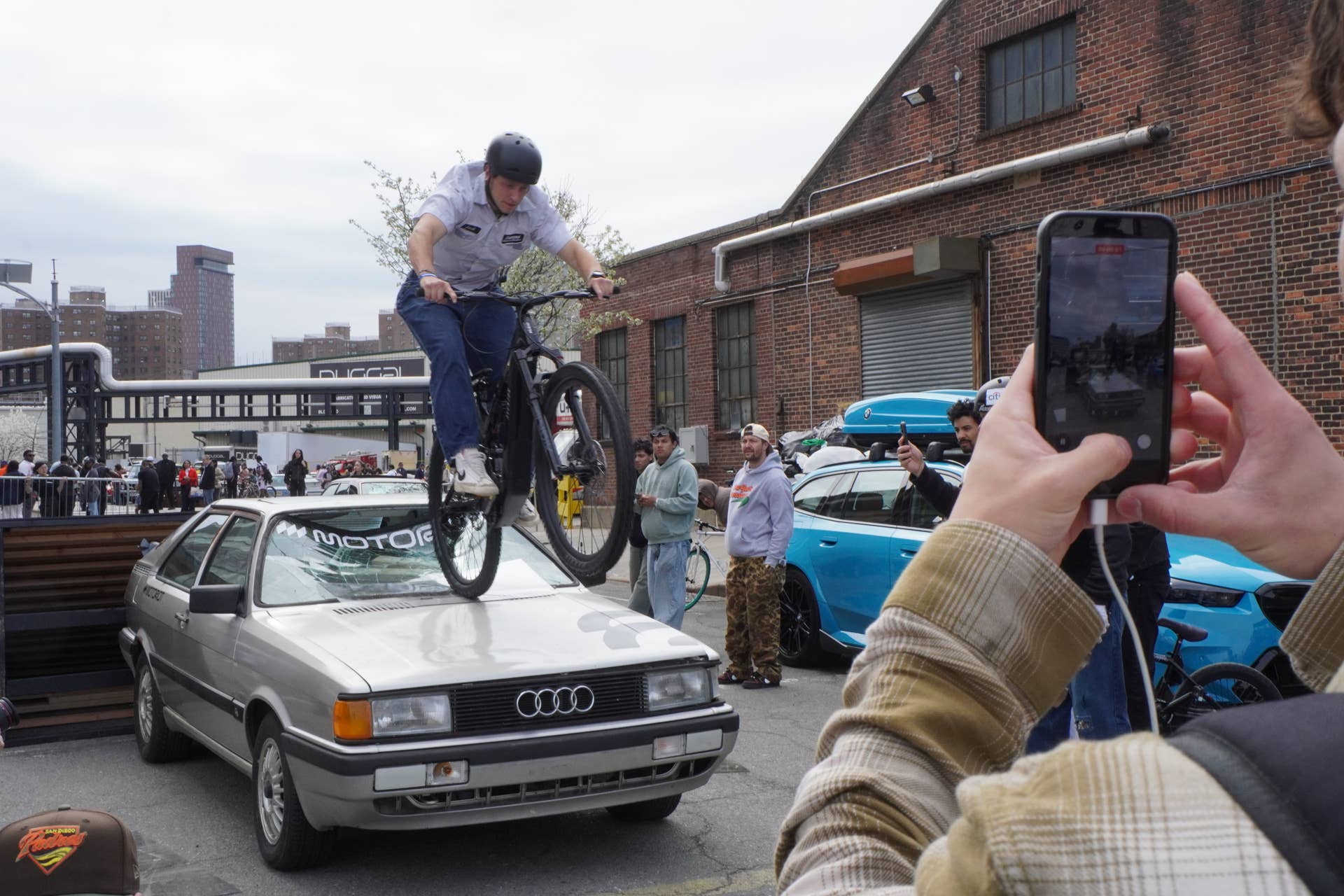
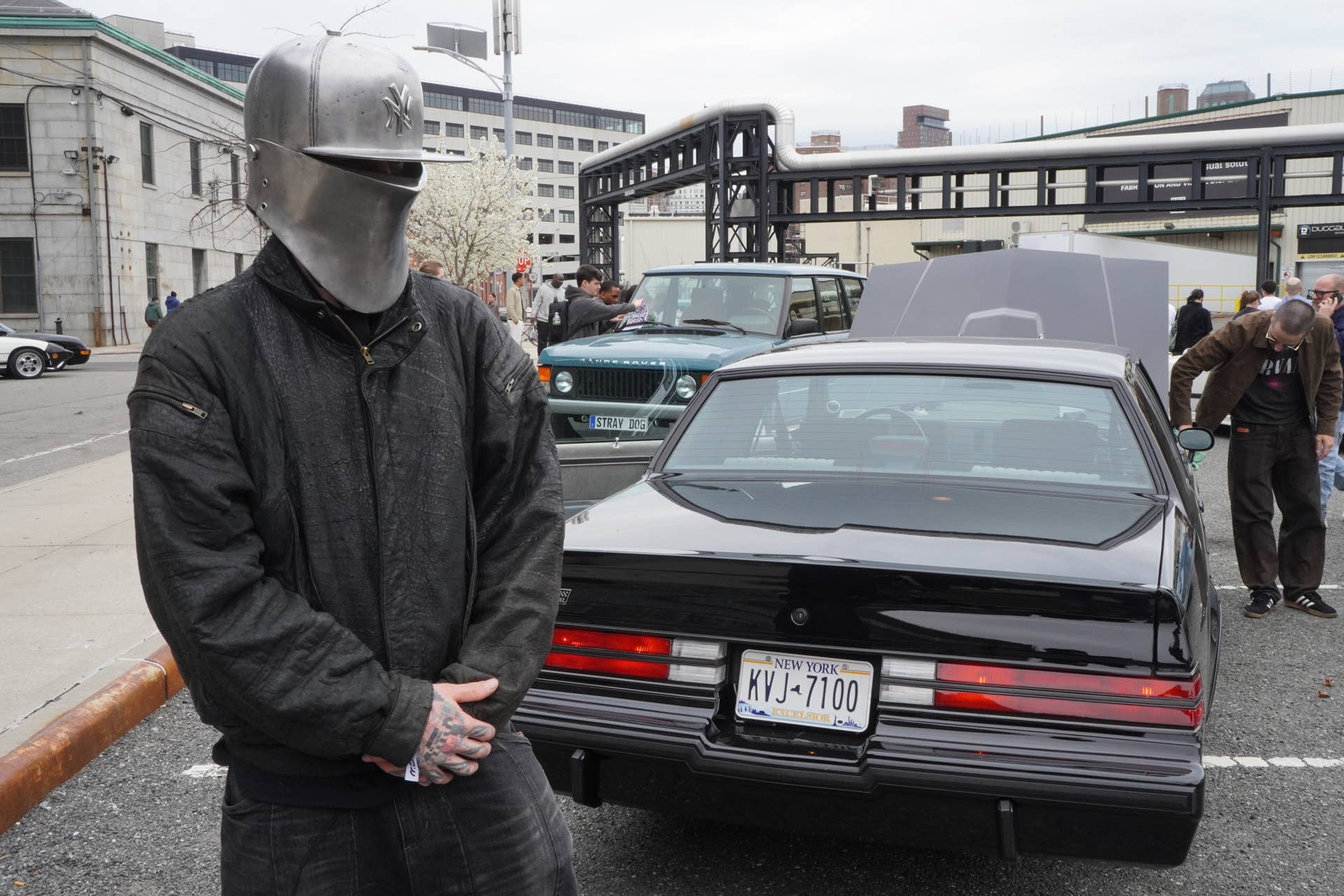
I previously attended the Fall edition of this show back in September last year, and compared to the already strong showing at the previous edition, I was very enthralled to see that Wheels of NYC has expanded its footprint around the Agger FIsh Warehouse at the Brooklyn Navy Yard. With cars covering both the surfaces both inside and outside the venue, it truly felt less like a “proper” car show and more like a block party in the boroughs that happens to have cars in it.
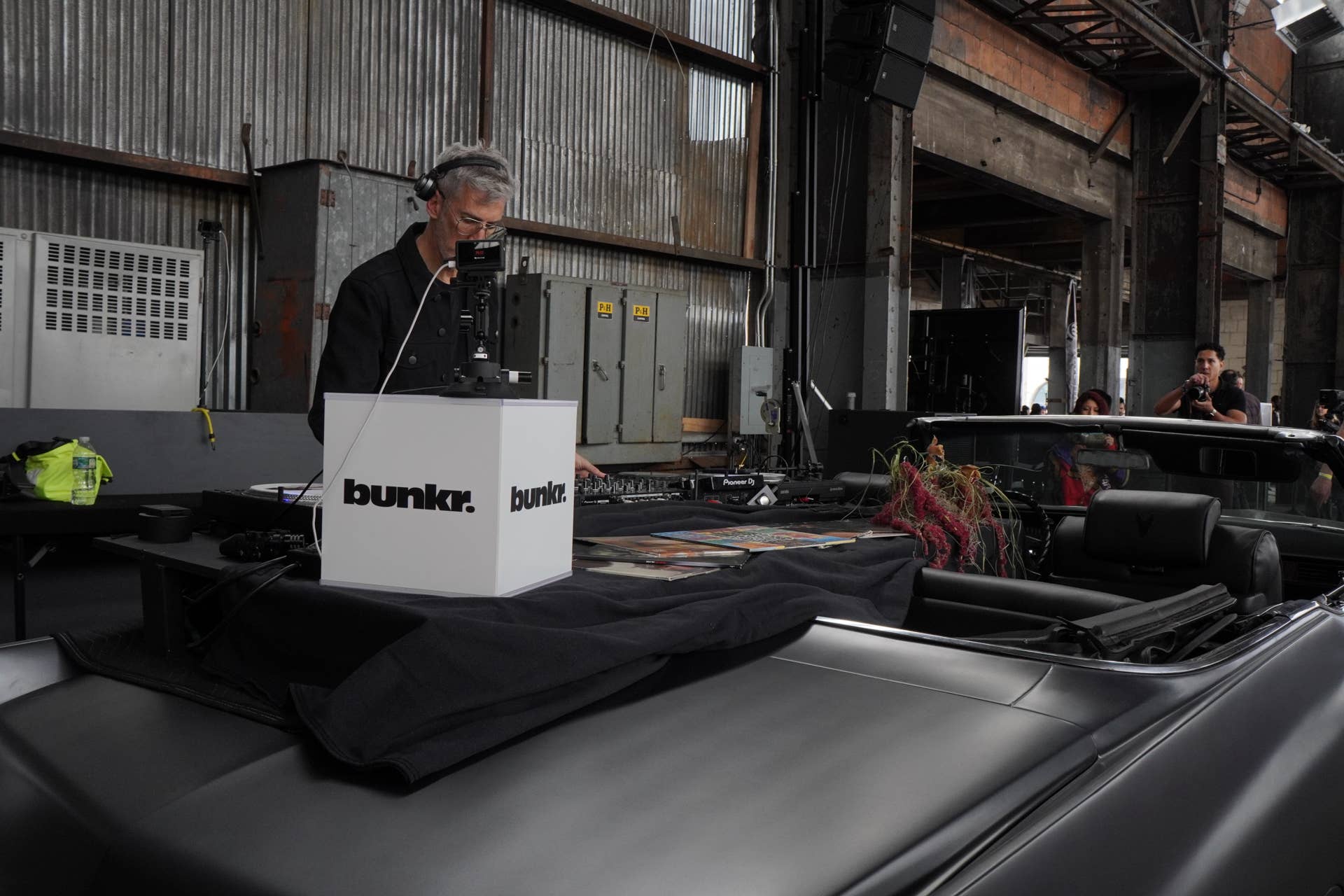
The DJs are playing their music loud, the vibes are positive, the vendors are there with food and drink, and Alfargo’s Marketplace was on-hand to curate a small vintage clothing and timepiece market. While my camera could only capture small moments of people and cars, what it failed to capture was the feeling that car enthusiasm brings to people; joy, amazement and bliss. This event is a must-attend, and I look forward to the next edition.
About the author

James Ochoa
Senior Editor, Autoblog