
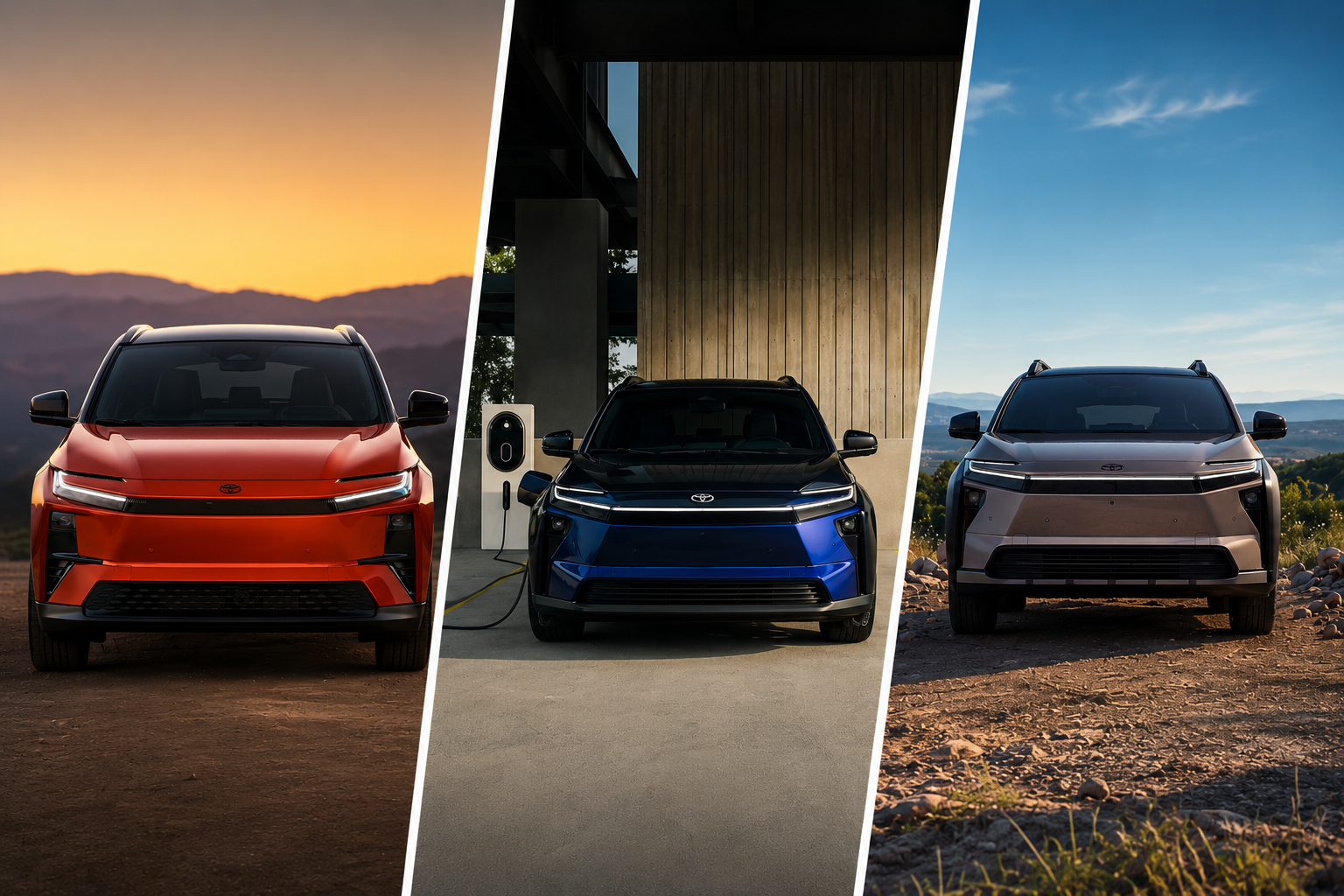
Having been extremely late to the game, Toyota has not only caught up, but it has also stormed the market with a range of new EVs. Toyota loyalists may argue that no matter which Toyota you choose, given Toyota’s platform and parts sharing and reputation for reliability, you will have a relatively peaceful ownership experience. While we agree, we compare the three Toyotas to pick one that stands out as Toyota’s best overall EV package so far.
Toyota’s EV Lineup
Toyota’s electric vehicle lineup has finally matured. From solely offering the clunky bZ4X, to bringing in the newer and immensely improved Toyota bZ and bZ Woodland. Now in 2026, Toyota has also introduced the compact C-HR. While all three ride on the same foundational architecture and offer Toyota’s updated NACS (North American Charging Standard) compatibility, shoppers are now faced with the pressing question of which electric Toyota to actually bring home.
Cole Attisha
Toyota
Toyota
Performance & Range: bZ Woodland Goes Quickest, bZ Goes Farthest
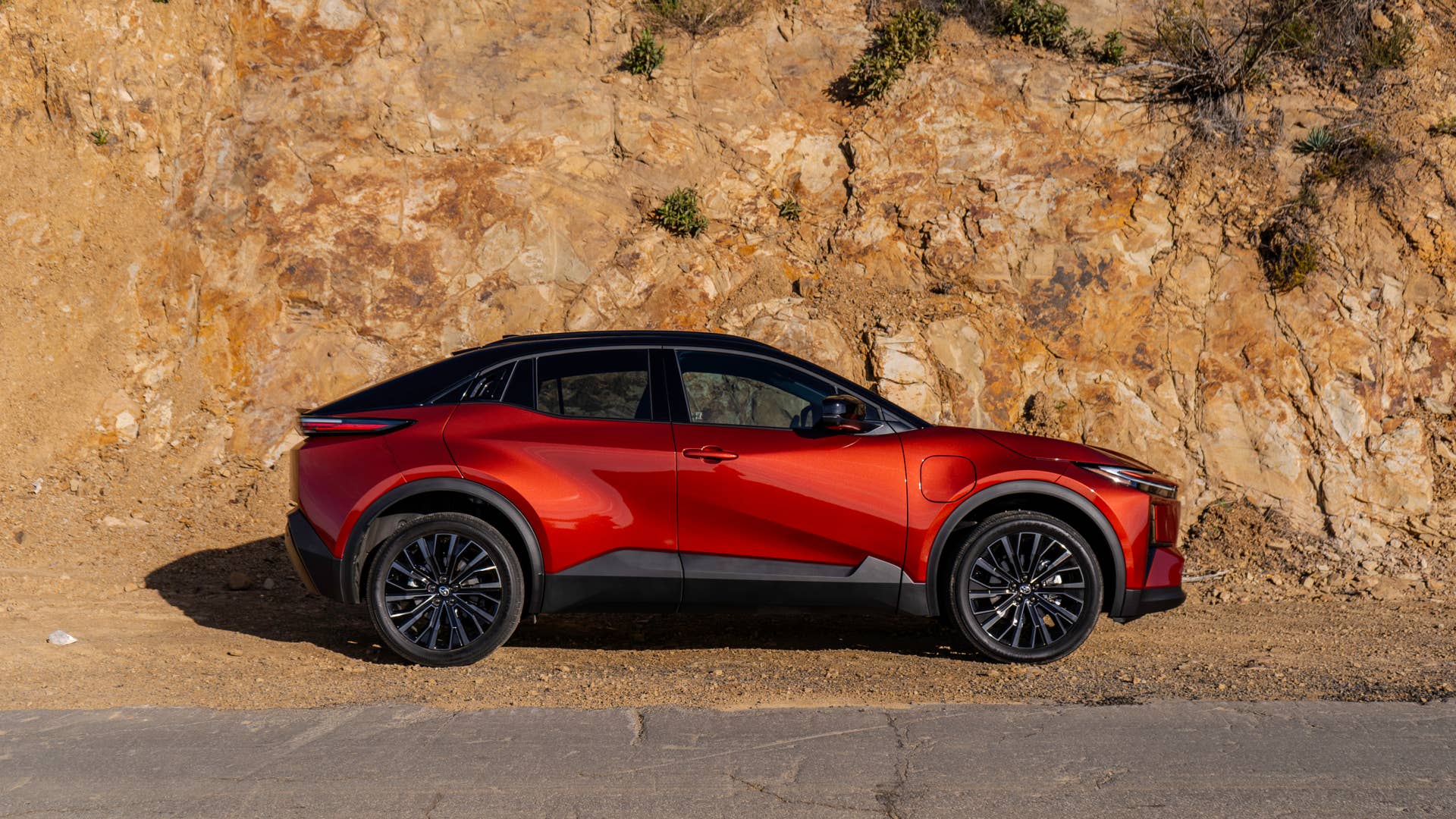
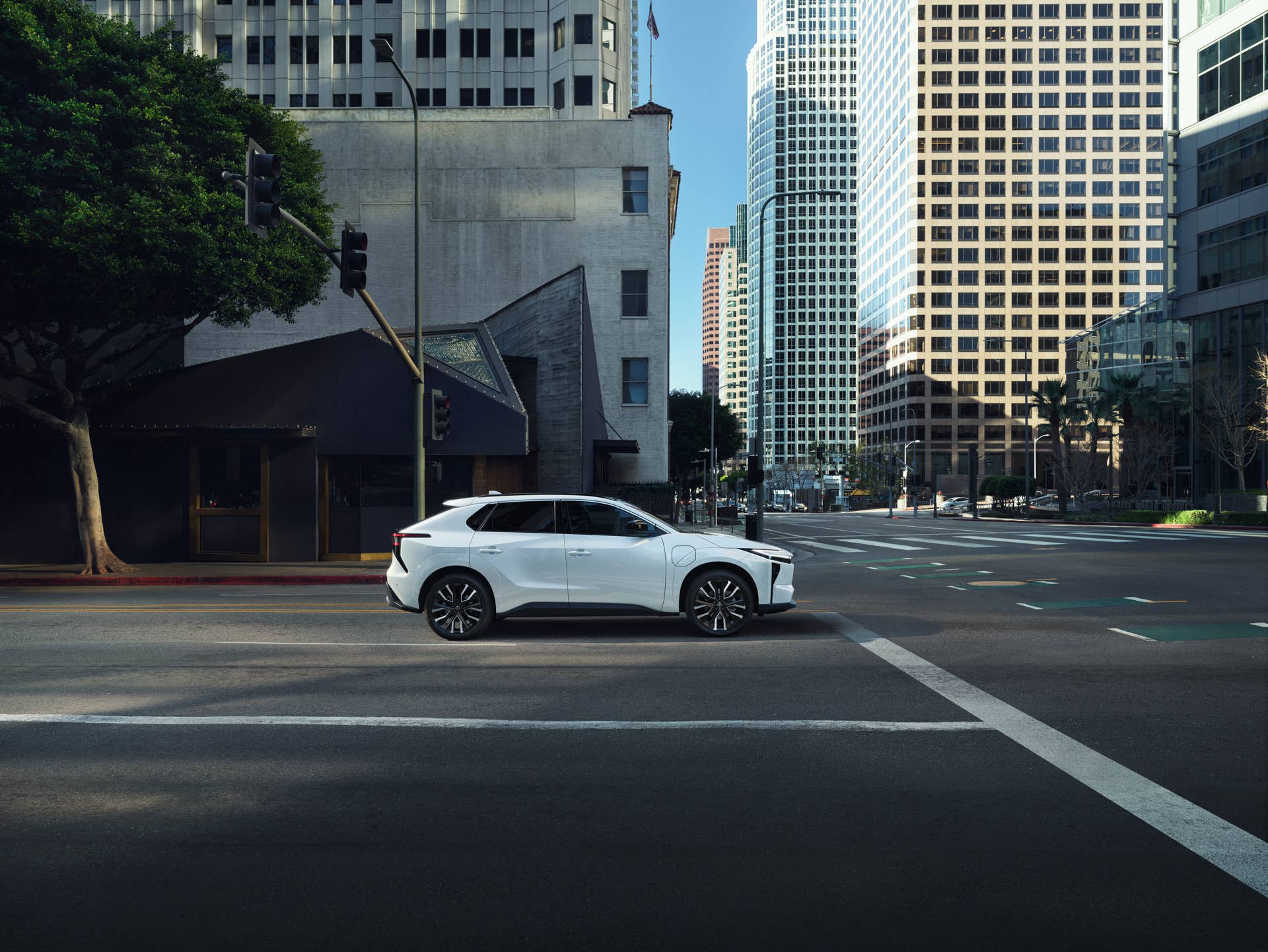
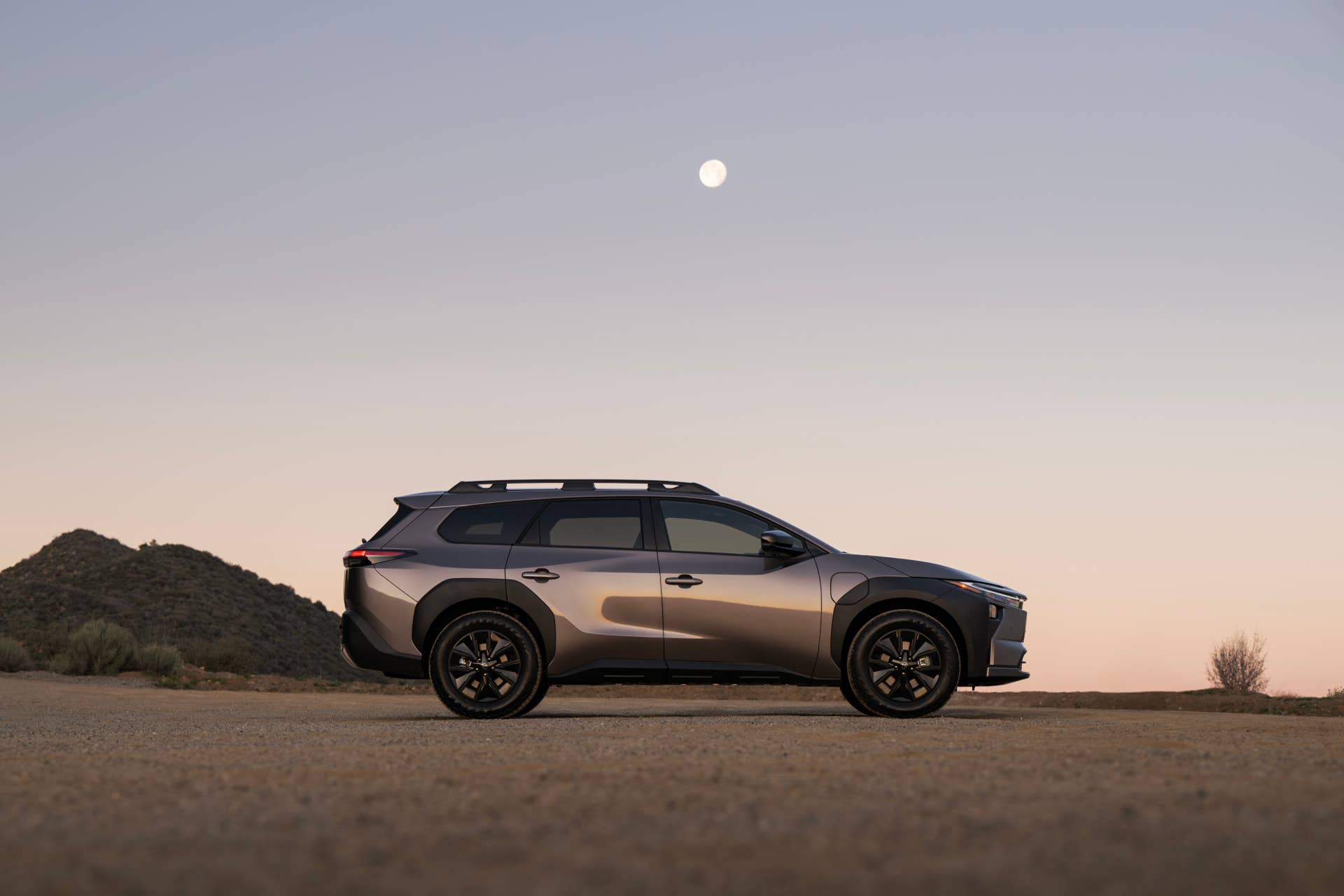
To begin, each of these vehicles is offered with equally potent powertrains. The C-HR, though, is only offered with one drivetrain setup, producing 338 horsepower with its 74.7kWh battery and dual motor AWD setup – making it a rapid pocket rocket. With the Toyota bZ, buyers can choose between a single motor FWD setup producing up to 221 horsepower when optioned with the larger 74.7 kWh battery, or a dual motor AWD configuration delivering 338 horsepower with the same battery. The off-road capable bZ Woodland, however, pushes output up to 375 horsepower, making it the most powerful of the three. The bZ Woodland, like the C-HR, is only offered with the 74.7 kWh dual-motor AWD setup, and is the only vehicle of the three that is officially rated for towing – capable of hauling up to 3,500 lbs.

Toyota
When it comes to range, the heaviest bZ Woodland offers a claimed range of 281 miles on a full charge; meanwhile, the FWD single-motor bZ manages 314 miles of claimed range with its 74.7 kWh optional battery on a full charge. This figure, however, drops to 236 miles with the smaller 57.7 kWh single-motor setup, and 278 miles with the 74.7kWh dual-motor AWD setup. The C-HR sits in the middle, offering 287 miles of claimed range. The C-HR holds a distinct advantage as it offers the larger battery pack as standard equipment, making its base price of $37,000 seem like better value.
| Vehicle & Variant | Powertrain | Battery Size | HP | Claimed Range | Base MSRP |
| Toyota C-HR | Dual-Motor AWD | 74.7 kWh | 338 HP | 287 miles | $37,000 |
| Toyota bZ (XLE FWD) | Single-Motor FWD | 57.7 kWh | 168 HP | 236 miles | $34,900 |
| Toyota bZ (XLE FWD Plus) | Single-Motor FWD | 74.7 kWh | 221 HP | 314 miles | $37,900 |
| Toyota bZ (Limited AWD) | Dual-Motor AWD | 74.7 kWh | 338 HP | 278 miles | $43,400 |
| Toyota bZ Woodland | Dual-Motor AWD | 74.7 kWh | 375 HP | 281 miles | $45,300 |
On the Inside: bZ Woodland The Roomiest
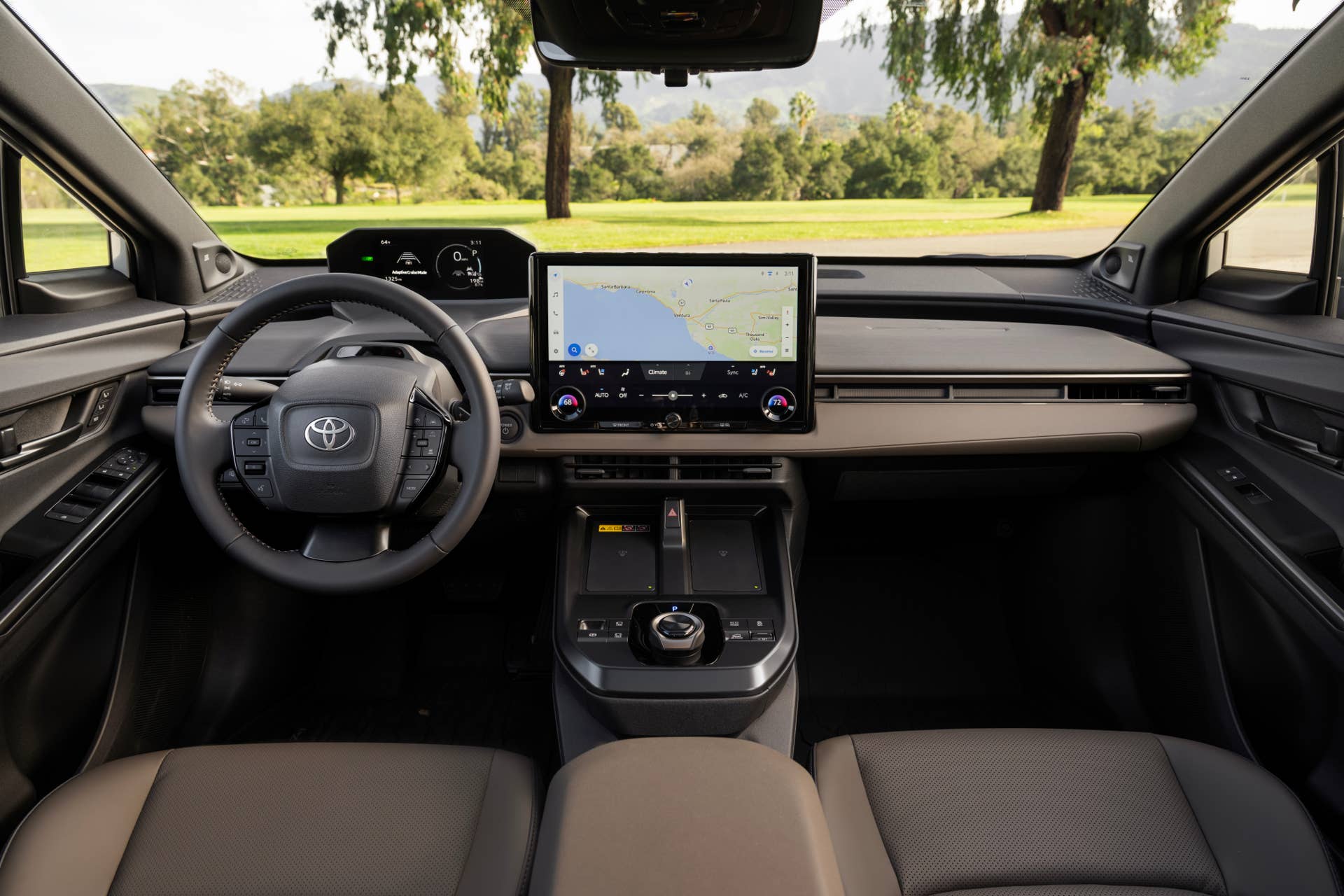
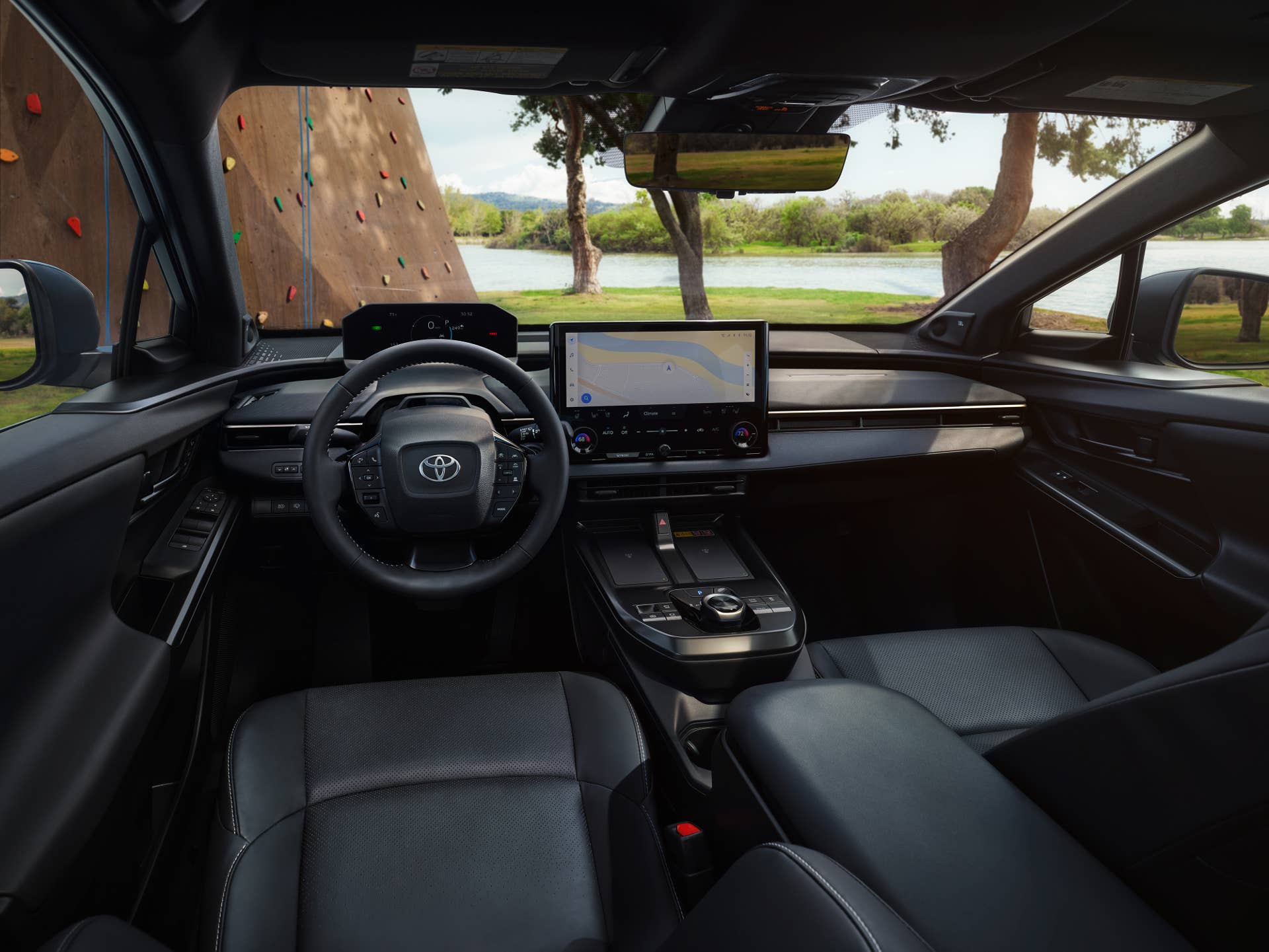
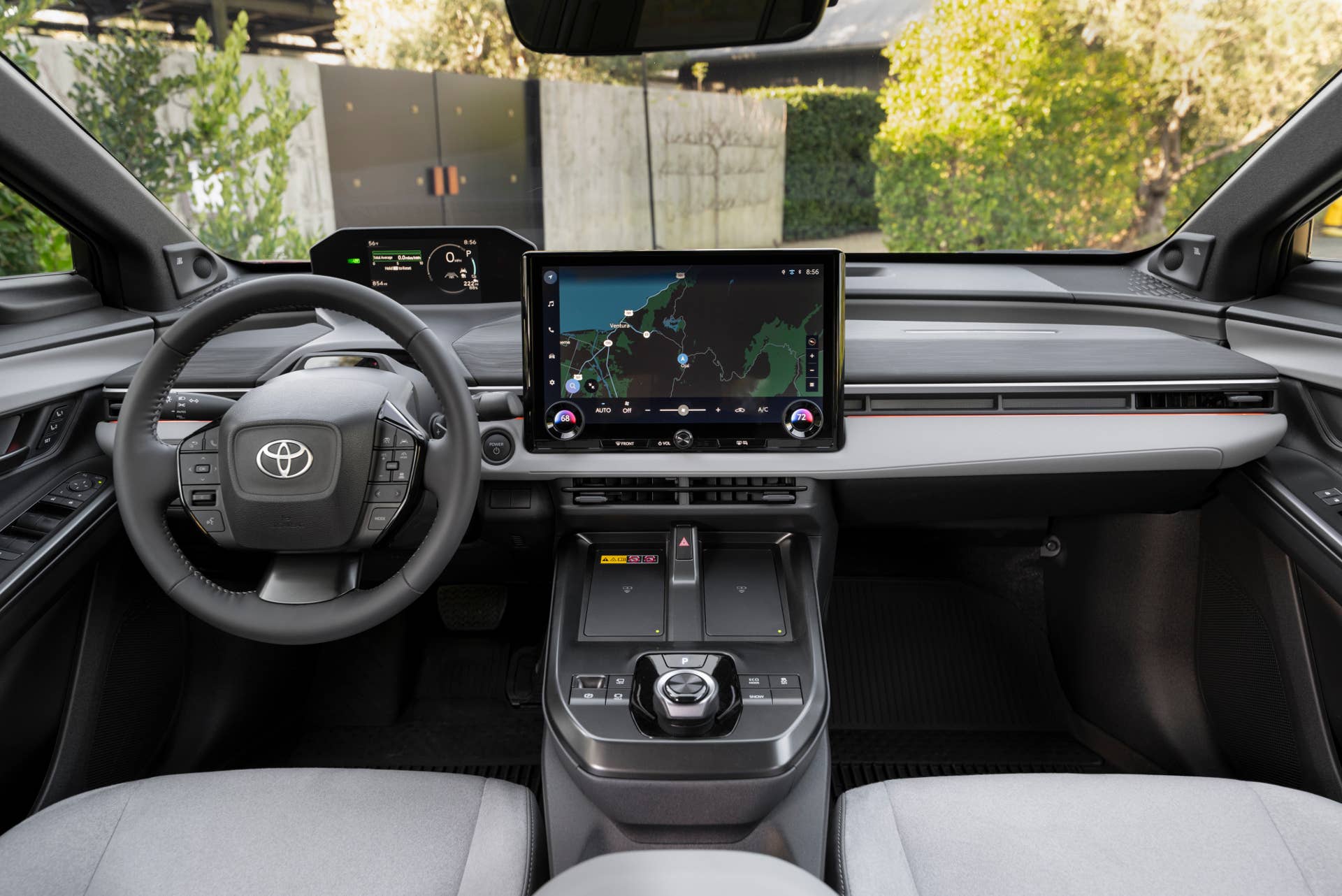
Inside the cabin, Toyota’s DNA is evident, using high-quality, soft-touch materials and anchoring the dashboard with a 14-inch touchscreen infotainment unit. The infotainment unit offers wireless Apple CarPlay and Android Auto, and provides a similar user experience across each of these vehicles. The three Toyotas vary primarily when it comes to cabin space, with the compact C-HR standing out as the obvious compromise on space, while the bZ Woodland definitely has space on its side.
| Vehicle | Cargo volume | Passenger volume (estimated) |
| Toyota C-HR | 25.3 – 59.5 cu. ft. | 93.6 cu. ft. |
| Toyota bZ | 25.8 – 27.7 cu. ft. | 94.4 cu. ft. |
| Toyota bZ Woodland | 33.3 – 74.3 cu. ft. | 95 cu. ft. |
Toyota
Toyota
Toyota
Best of the Lot: C-HR Is The Sweet Spot
Identifying the best purchase from these three requires us to first define the buyer. Toyota’s bZ woodland is for the niche audience looking for higher ground clearance and the ability to tow; it is also the priciest, starting at $45,300. For most Americans, the choice is between the dual-motor AWD C-HR and single-motor FWD Toyota bZ due to their similar starting price and similar range , both of which are cheaper and offer more range than the Woodland.
Comparing value, the C-HR with its 74.7 kWh battery, 338 horsepower dual-motor AWD setup, and 287-mile range comes in with a base MSRP of $37,000. The larger Toyota bZ, when specced with the single-motor FWD setup and larger 74.7 kWh battery, begins at an MSRP of $37,900. The bZ offers a claimed range of 314 miles, and puts out 221 horsepower.
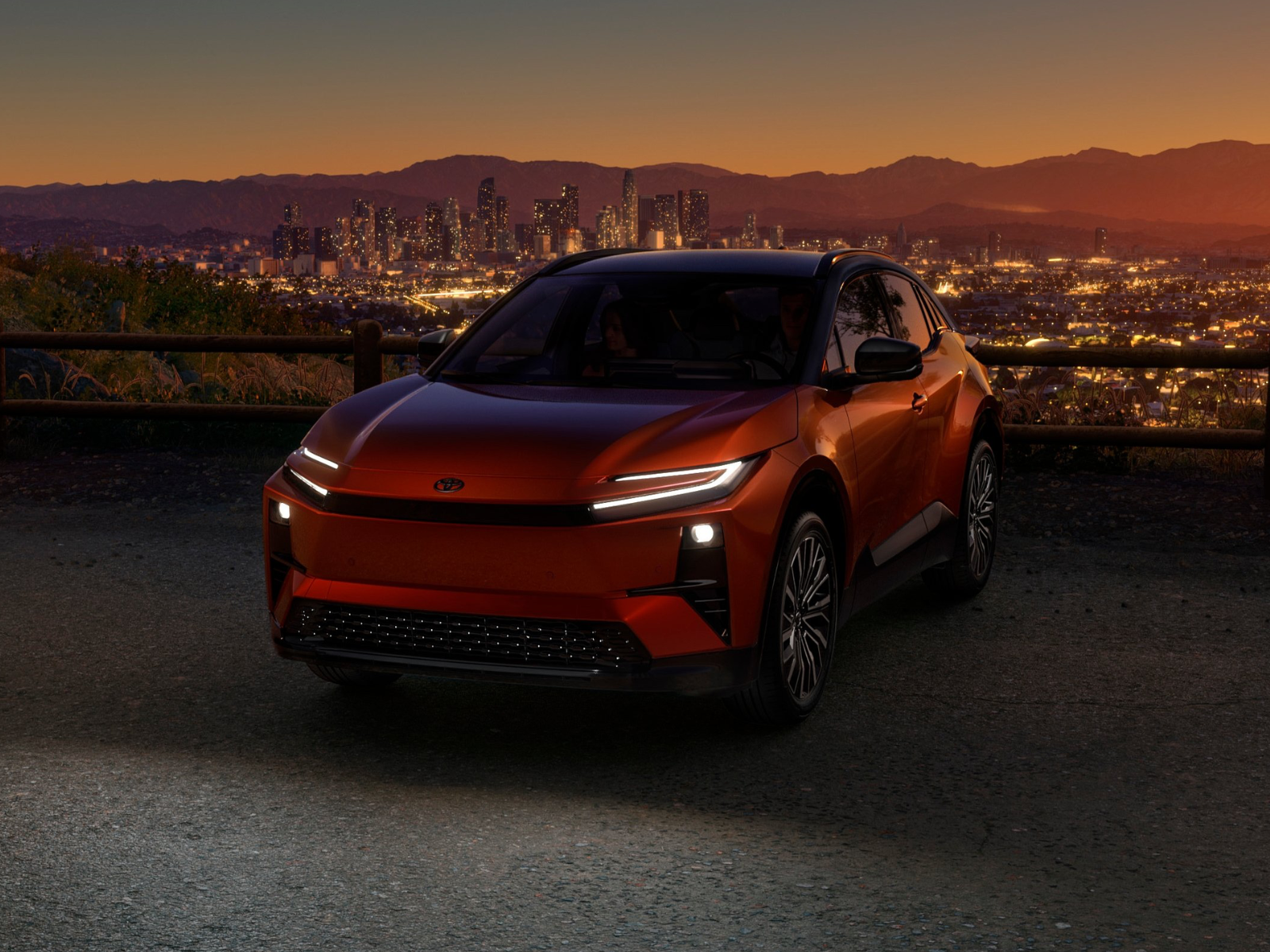
For buyers who don’t need the cargo space of the Woodland, the C-HR stands out as the overall best package. The similarly priced bZ is offered with the same 74.7 kWh battery as the C-HR, but only a single motor setup at that price. The bZ XLE FWD Plus is capable of 314 miles of range, while putting out 221 horsepower. The C-HR puts out a significantly greater 338 horsepower, offers all-wheel drive, and 287 miles of range. All for a lower starting price than its siblings when specced with the same AWD 74.7 kWh setup.
About the author

Yash Bajaj
News Editor