
More than just cars
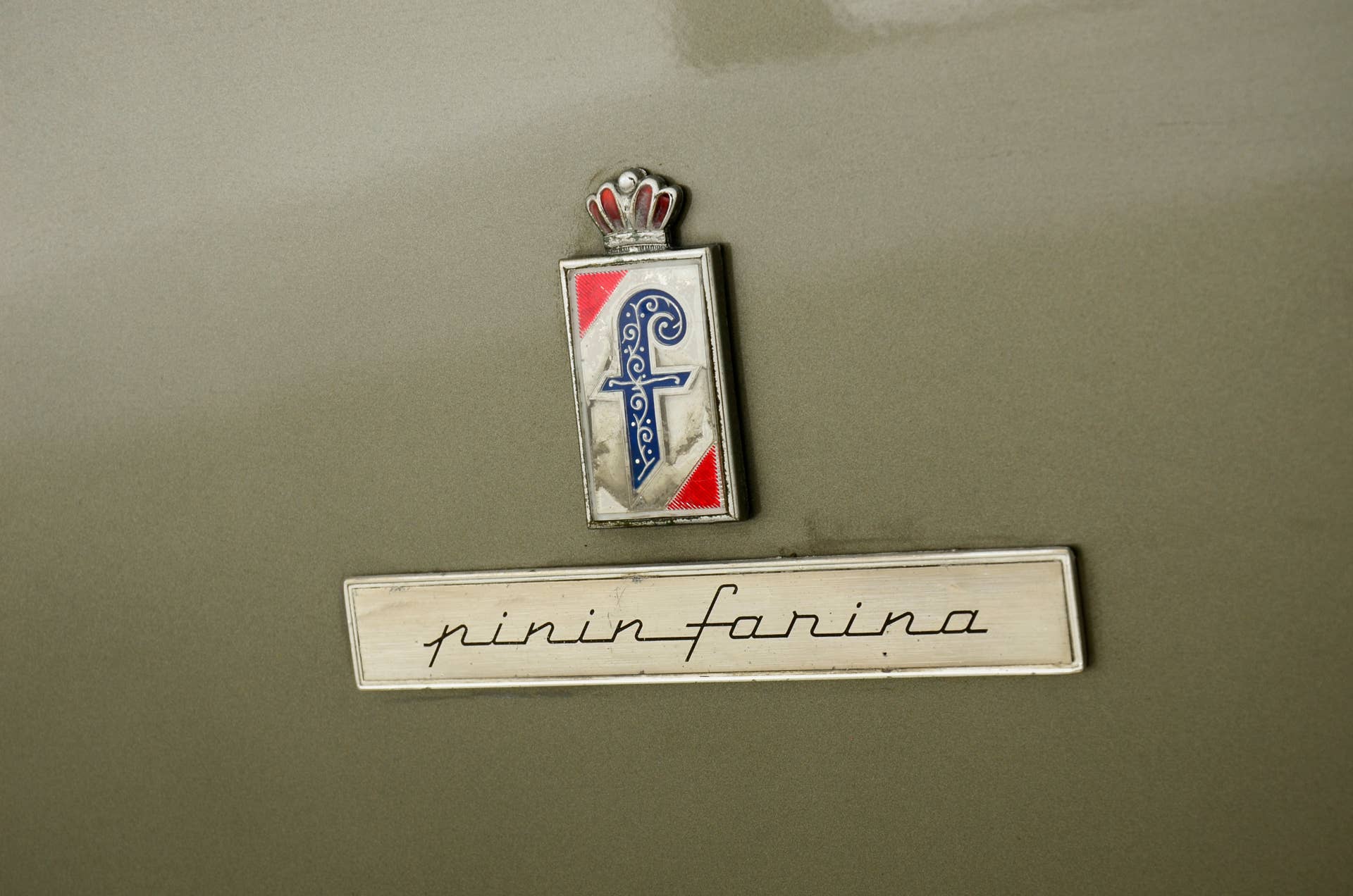
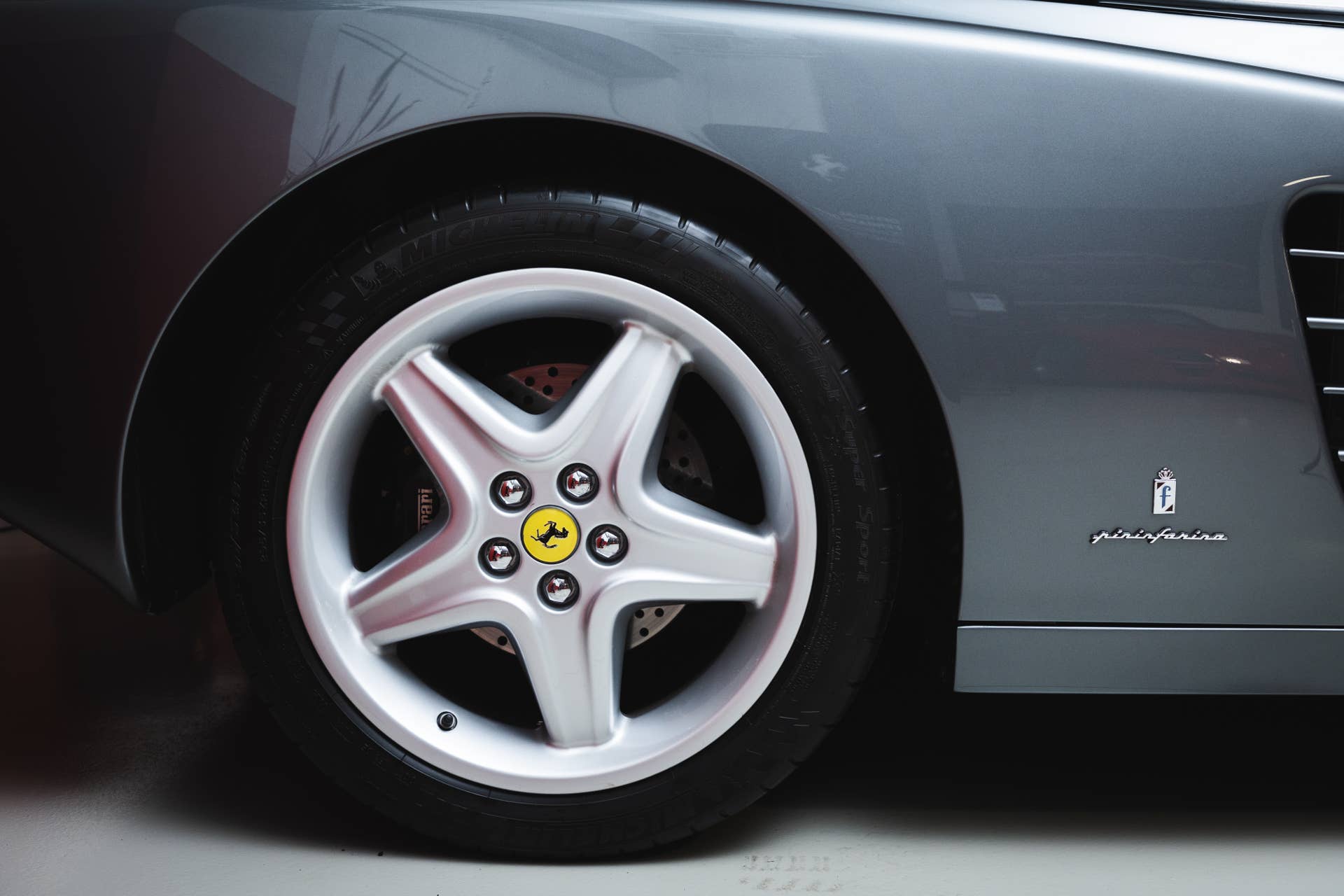
Over the past ninety years, the Italian design studio Pininfarina has been responsible for designing some of the world’s most desirable cars. Founded in Turin by Battista “Pinin” Farina in 1930, the shop is most known for its long-time partnerships with some of Italy’s most prolific automotive brands including Fiat, Maserati, Alfa Romeo, and most famously, Ferrari. From the 1950s until the 2010s, when Ferrari moved design operations internally, Pininfarina acted as the brand’s design house on speed dial, as it penned many of its legendary vehicles including the Daytona, Testarossa, the F40, Enzo and F355.
In addition to its work with Ferrari and other well-known Italian automakers, Pininfarina has worked with a diverse array of brands, including the likes of Rolls-Royce with the Camargue, Peugeot on the 406 Coupe, Honda with its Beat and NSX and even newcomers like Vietnamese EV hotshots VinFast with their VF8 and VF9 SUVs. With such an expansive and diverse back catalog, it’s inevitable that some of its best designs eventually get forgotten about.
But in addition to designing cars, Pininfarina also has a long history of designing a wide variety of other products that are not cars. Some of these include other modes of transportations, including public transport vehicles like trains and buses, while others are everyday objects that we interact with everyday. Here are five of some of the coolest non-car items that were penned by the same design firm behind your favorite Ferrari.
Nicolaus Czarnecki/MediaNews Group/Boston Herald via Getty Images
Sergi Reboredo/VW Pics/Universal Images Group via Getty Images
NICOLAUS CZARNECKI/MediaNews Group/Boston Herald via Getty Images
Boston MBTA Green Line “Type 8” trains
Although personal cars are among the most common means of transportation for commuters and travelers in the United States and in much of the world, some of the world’s largest car companies have been instrumental in the trains and rolling stock industries. From 1930 to 2005, General Motors owned Electro-Motive Diesel (EMD). Meanwhile, Fiat Ferrovaria helped pioneer ’tilting train’ technology for high-speed rail before selling to Alstom in 2000. In addition, part of the Hyundai Motor Group is the Hyundai Rotem Company, which makes high-speed and commuter trainsets not only for the Seoul subway and the high-speed KTX service, but also trainsets for Philadephia’s SEPTA system and Denver’s RTD commuter rail.
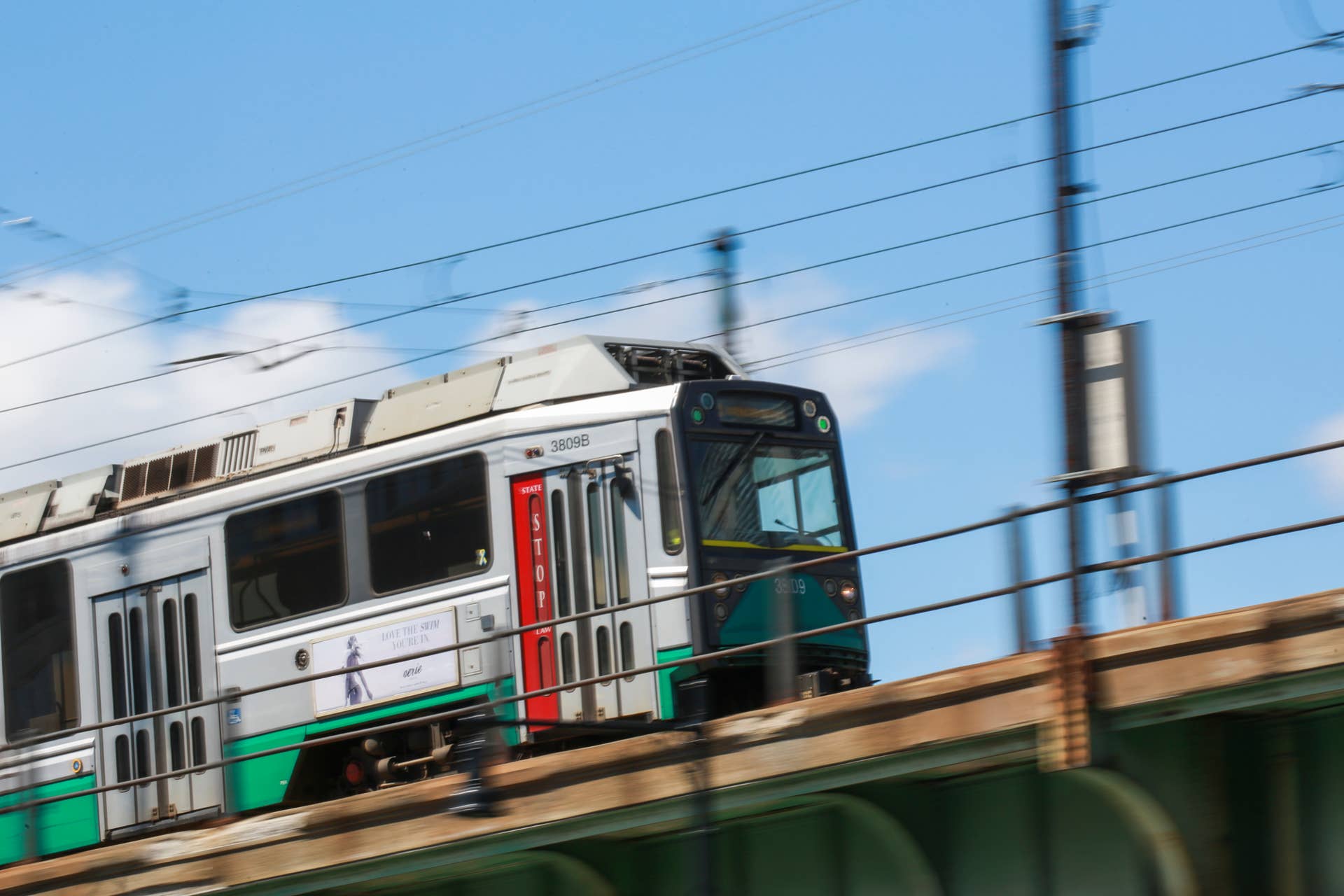
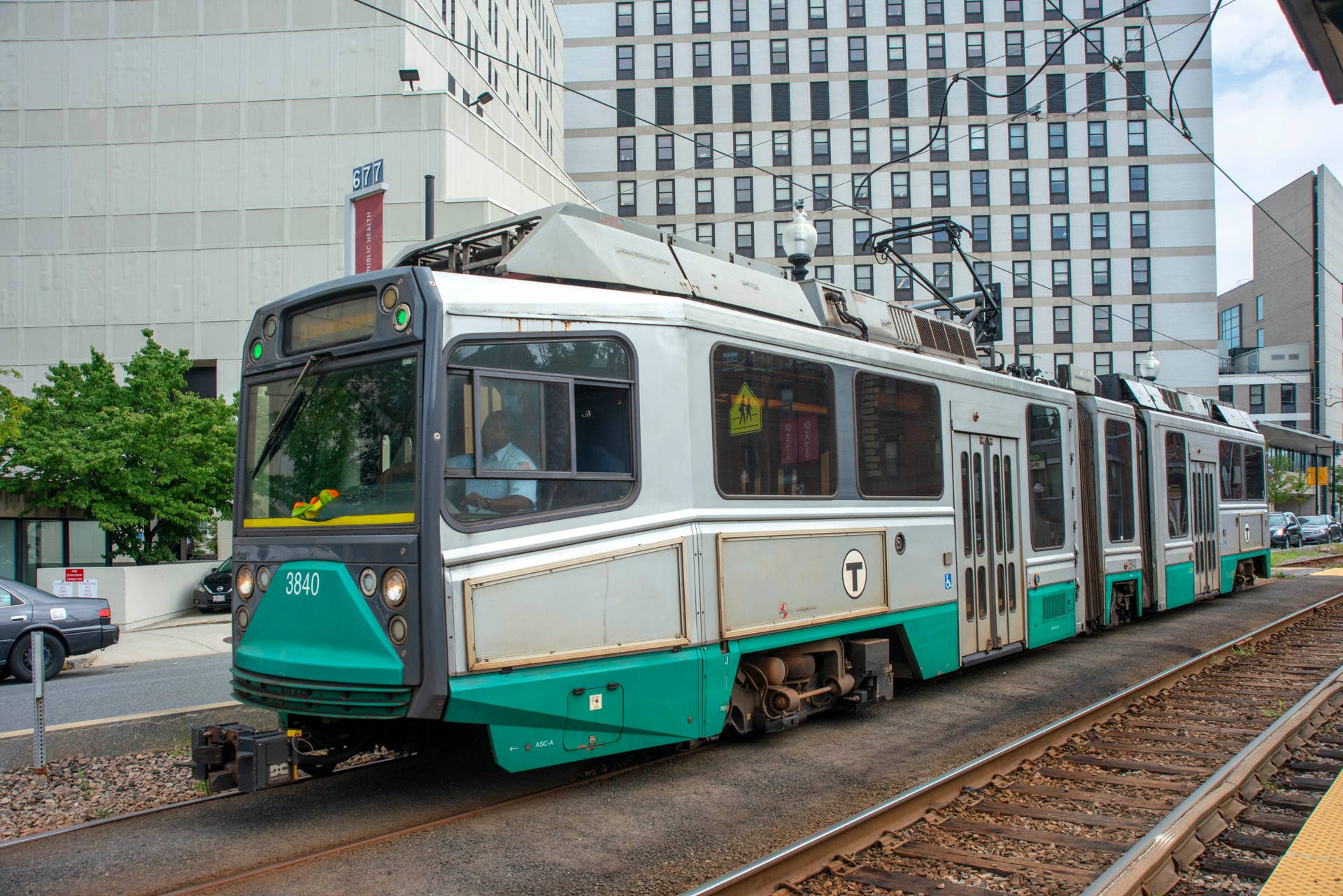
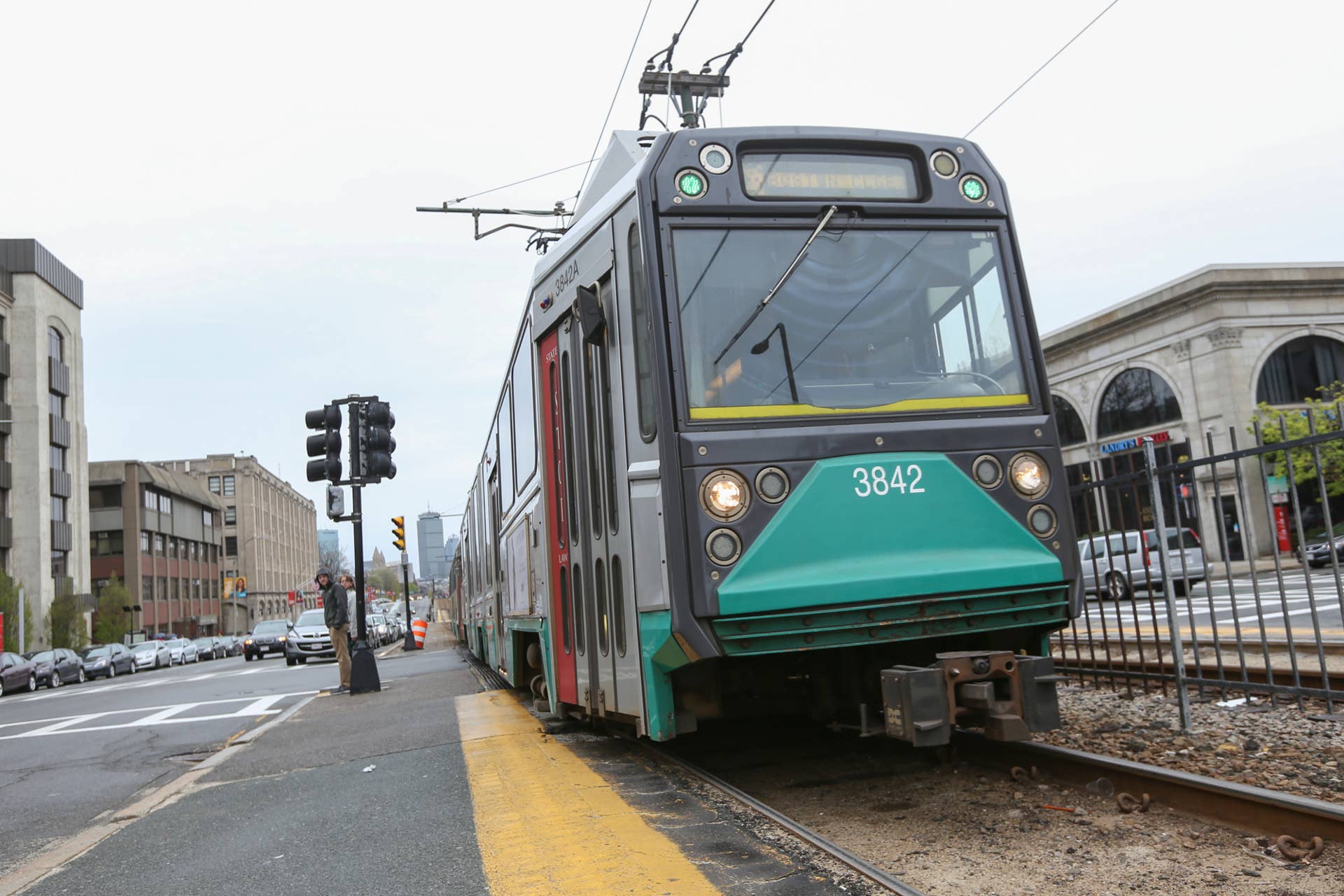
With this in mind, Pininfarina has also lent its design expertise to pen trains; one well-used example being the Type 8 light rail trains used on the Massachusetts Bay Transportation Authority (MBTA) Green Line that runs through the Greater Boston area. Notably, this system serves over 100,000 passengers a day and uses tracks from the old Boston streetcar system; with sections using tracks that were originally laid in 1897. Introduced in 1999 by Breda (later AnsaldoBreda) to modernize the Green Line, the Type 8 featured a three-section design that enabled up to 75% low-floor accessibility for passengers with disabilities, as well as other features including automated announcements and next stop signs.
Despite its innovative accessibility features, the Type 8 cars have faced severe operational and engineering challenges throughout their service history. The fleet has been plagued by chronic mechanical flaws, including center truck instability, high interior noise levels, and excessive wheel and rail wear that led to a high rate of derailments. In response, the MBTA implemented major infrastructure modifications, and has introduced the newer Type 9 trains into service in 2018. The MBTA plans to entirely replace the Type 8 and its predecessor completely with the new Type 10 trains, which are due for service in 2031.
Roberto Machado Noa/LightRocket via Getty Images
Ben Hasty/MediaNews Group/Reading Eagle via Getty Images
Andrew Harrer/Bloomberg via Getty Images
Coca-Cola Freestyle
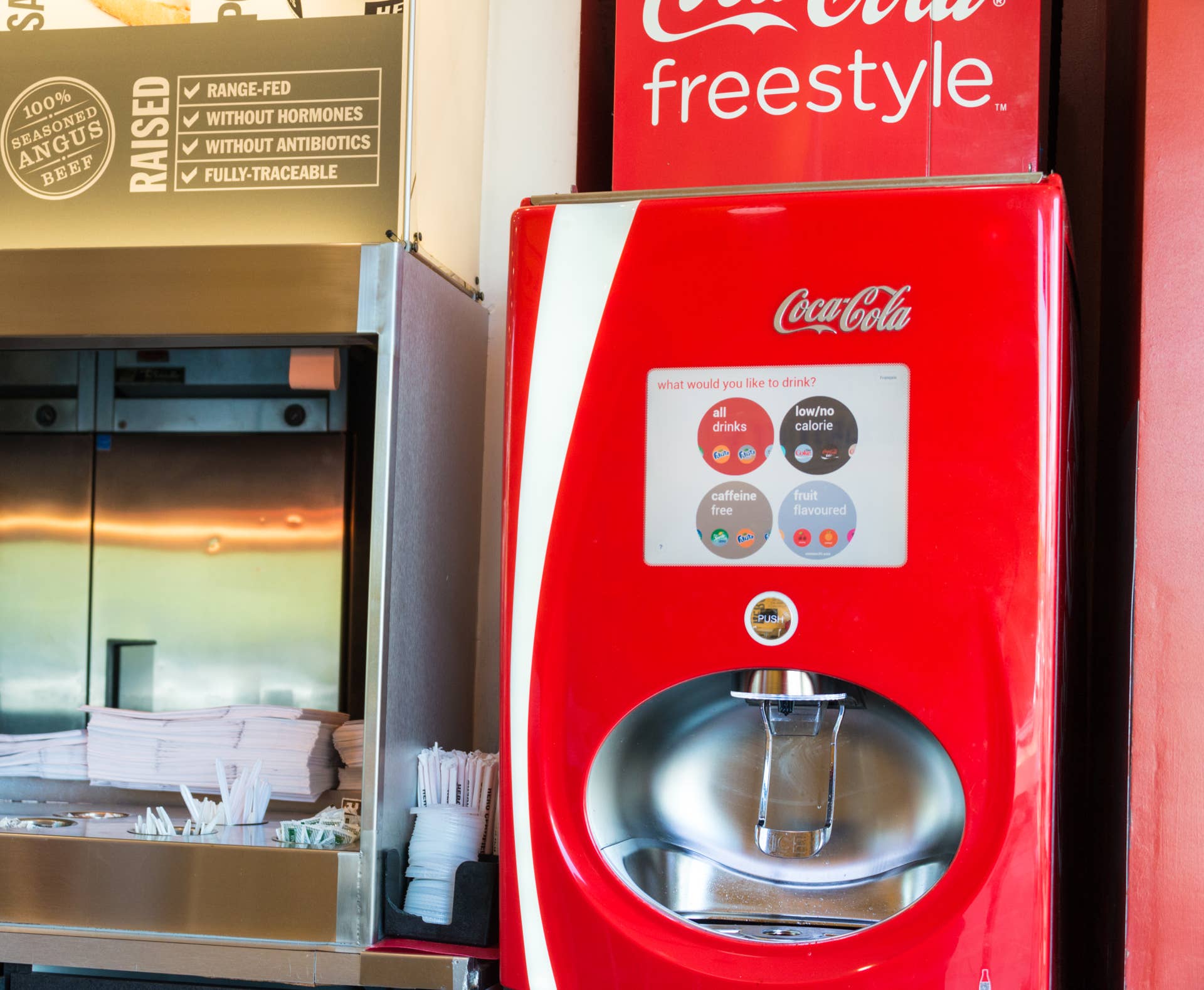
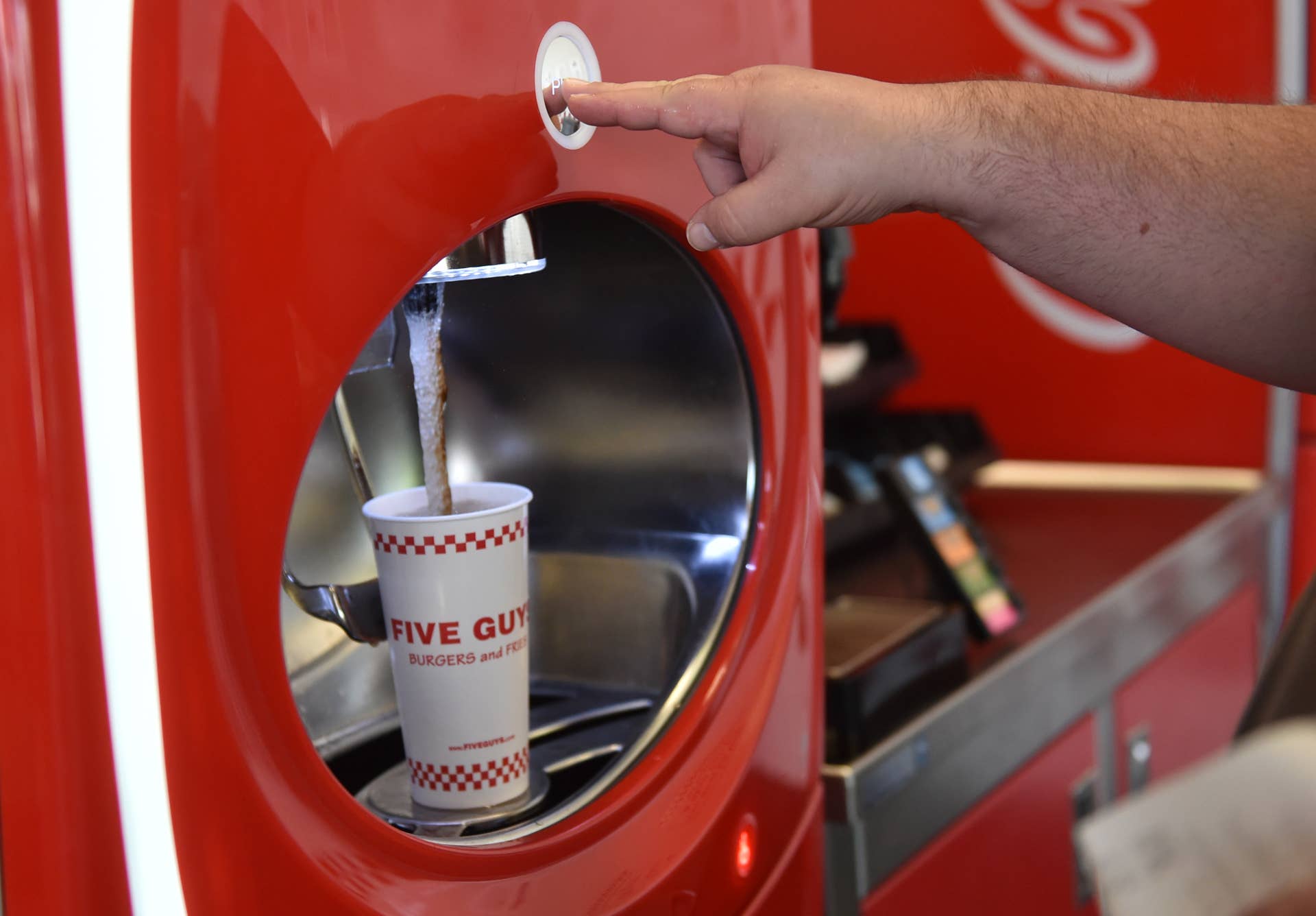
If you have ever been to a fast-food restaurant, movie theatre, convenience store or anywhere with a Coca-Cola soda fountain within the past 5 to ten years, there’s a good chance that you may have encountered something called the Freestyle. This futuristic, Coca-Cola red soda machine serves much, much more than the classic drink in its diet, zero and cherry varieties. In fact, its futuristic technology allows customers to mix and match, as well as create unique custom beverages with new flavors.
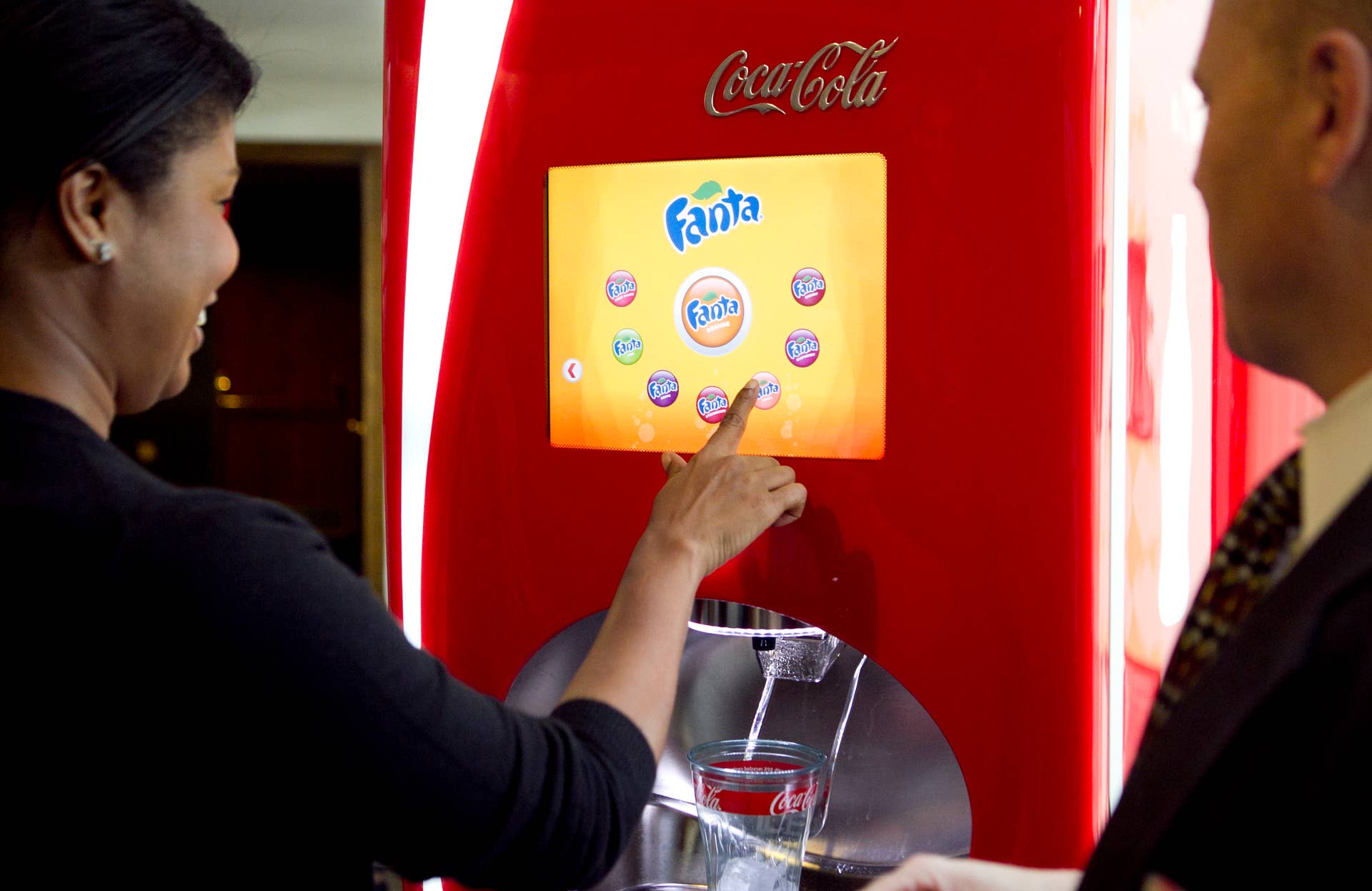
In contrast to run-of-the-mill fountains, the freestyle was designed to provide thirsty patrons with choices without making soda fountains take up as much space as a trendy beer taproom. The design of the first-generation machine was a collaborative effort between Coke and Pininfarina, who set out to create a device that felt as modern and sophisticated as the technology inside. The touchscreen interface helps guide users to access more than 126 different carbonated and non-carbonated beverages, which is provided by a micro-dosing cartridge technology similar to that of an inkjet printer. This design not only differentiates the Freestyle machine from every other soda fountain on the market, but makes the act of pouring a soda an interactive experience.
For Coca-Cola, the Freestyle platform has been wildly successful in many ways. The machines have proved to be a major engagement driver in restaurants and retail spaces, but in return, the machines have become a vital tool for data collection. By pouring a Coke of any variety; whether it be diet, zero, or full sugar in classic, cherry, cherry vanilla or even orange or lime flavors, customers provide the company with real-time insights into consumer preferences, popular flavor trends and regional tastes, which is valuable for product development and marketing strategies.
FRANCK FIFE/AFP via Getty Images
FRANCK FIFE/AFP via Getty Images
NICO CASAMASSIMA/AFP via Getty Images
Torino 2006 Olympic Torch
If there is a symbol that has lasted throughout the 120-year history of the Olympics apart from gold medals and world records, nothing comes close than the Olympic flame itself. During the two weeks when the world’s most prestigious sporting event takes place, the flame is kept lit in a symbolic cauldron as a tradition that not only bridges the event’s ancient origins and the modern day, but also symbolizes peace and unity. Before every single Summer and Winter Olympics, a new Olympic flame is lit up in Olympia, Greece, near the games’ origin city of Athens, where it gets transferred onto a torch and taken on a torch relay spanning multiple countries and sometimes traversing the globe.
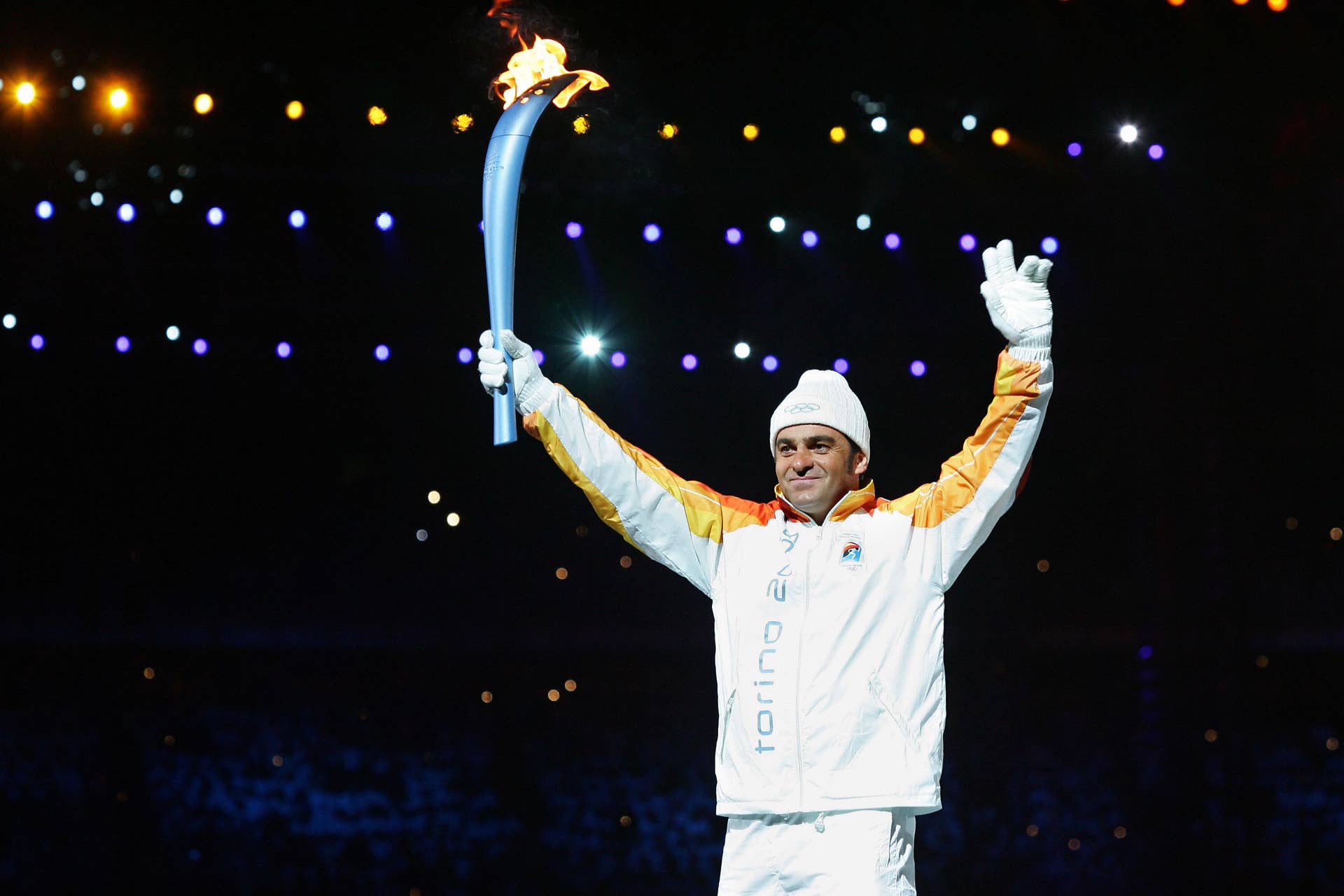
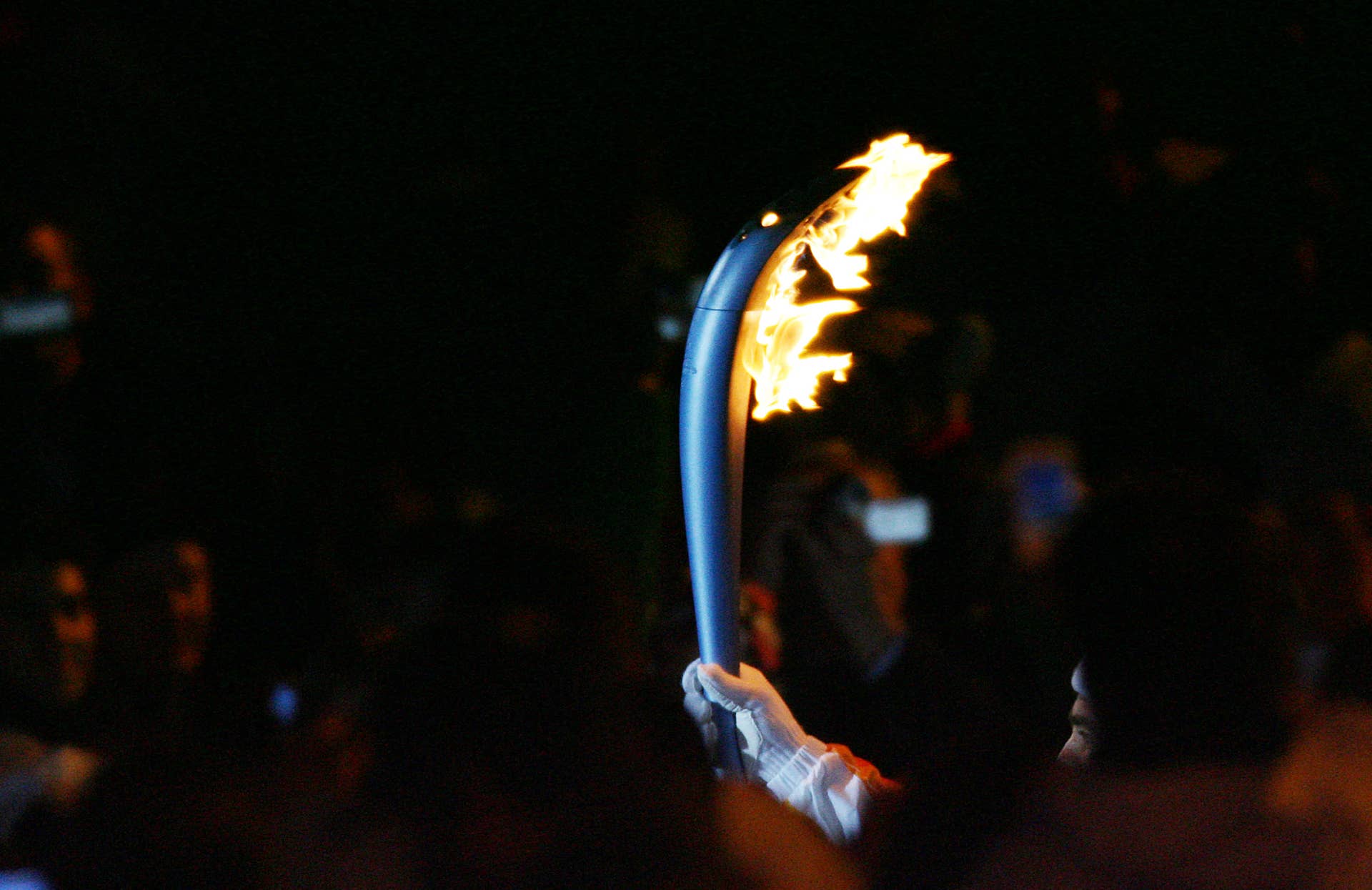
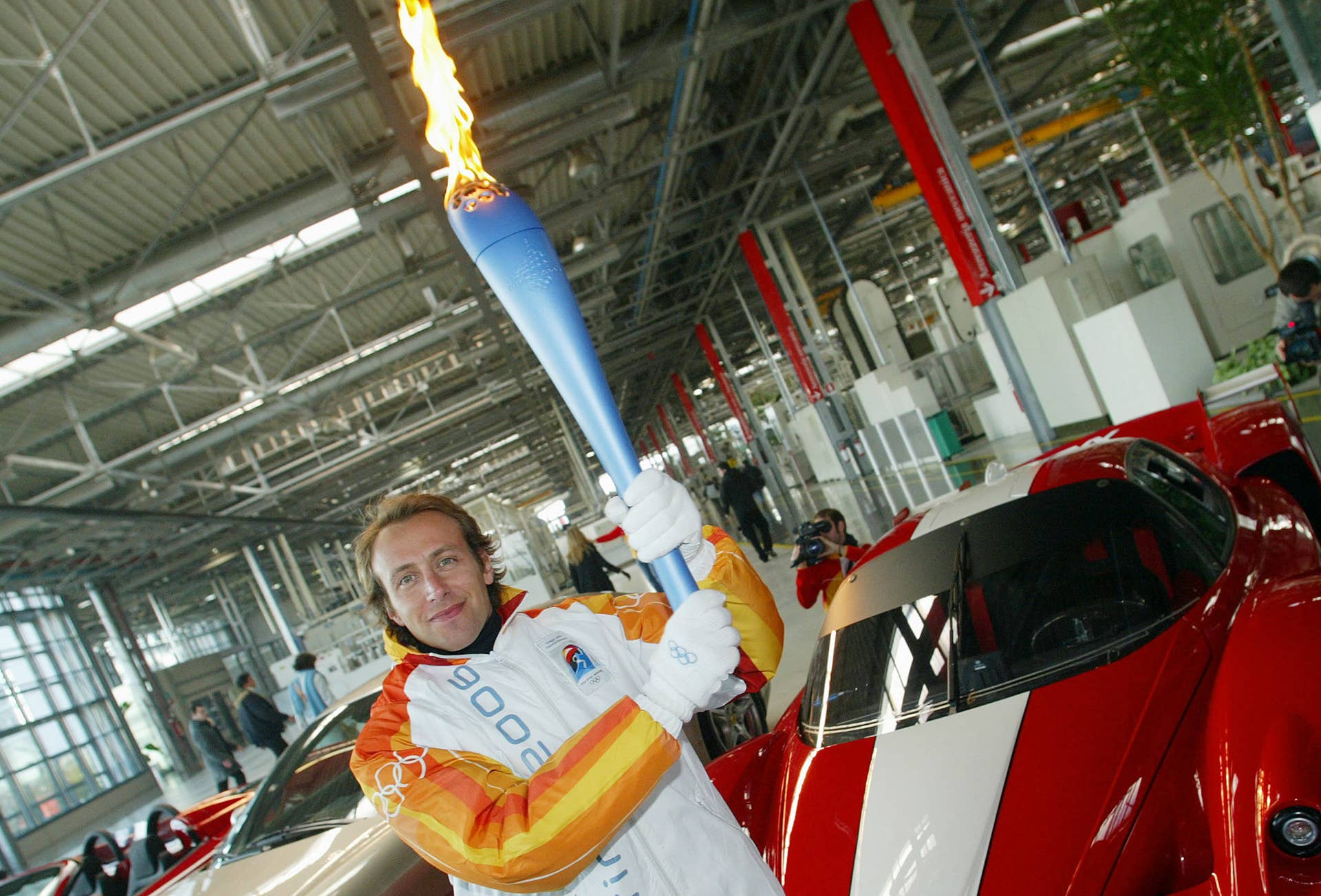
In February 2004, the organizing committee for the Torino 2006 Winter Games signed a partnership agreement with Pininfarina for the design, production and supply of the torches used in the torch relay for the games. Before the games, the flame went on a two-months journey that began in Greece on December 8, 2005 and ended at the Games’ opening ceremonies on February 10, 2006. The torch itself was made out of aluminum and was designed to resemble the tip of a ski.
The torch was also designed with weatherproofing to shield the flame from wind gusts of up to 70 km/h (~43.5 mph), which proved a challenge for the torch relay participants. Runners who were tasked with carrying the 4.4lb torch across Italy noted that it was particularly heavy and quite difficult to hold without risking the flame coming too near to the body. “The torch is a bit too heavy and you can’t run as you would like,” Italian former boxing champion Nino Benvenuti told The Observer at the time. “I had to keep changing it from arm to arm in order to hold it up.”
Lancome “Les Exceptionnels” Collection
First impressions matter, and like cars, the purpose of product design is to serve as the first impression that a customer has about a particular product. This phenomenon is especially important with frequently purchased consumables, including premium personal care and beauty products. A well designed bottle with information in an easy to read, but visually striking font instantly captures consumer attention on crowded retail shelves, while its aesthetic choices transmit both product information and a brand identity in the blink of an eye. These decisions trigger emotional connections and can influence purchasing decisions, as well as create brand loyalty.
In December 2025, French beauty and fragrance giant Lancôme collaborated with Pininfarina to create a limited-edition collection titled “Les Exceptionnels” for its 90th anniversary. Three of the beauty brand’s most celebrated products: its Absolue Longevity Soft Cream, Absolu Rouge Lipstick, and La Vie est Belle Eau de Parfum, were redesigned with packaging made of precious materials from three renowned French artisan houses. The Absolue Soft Cream comes in a refillable white vessel with porcelain by Bernardaud, encased in a brushed gold outer layer with a lid that doubles as a golden gua sha tool. The Absolu Rouge Lipstick is hand-crafted in a sculptural ceramic case accented with 23.5-carat gold from the gilders of the Palace of Versailles, Ateliers Godard. Finally, the La Vie est Belle fragrance bottle is reinterpreted with a dynamic crystal curve sculpted by Lalique, resting elegantly on a gold-adorned ceramic base.
Fila
FILA AERO Series
The automotive lifestyle has been a massive source of inspiration for the world of fashion, but there are instances where particular pieces have been directly inspired by some notable cars. For example, the Air Jordan 14, released in 1998 was modeled after one of Michael Jordan’s cars; a Ferrari 550 Maranello. The six-time NBA championship Chicago Bull’s love of high-performance sports cars made a significant impact on Tinker Hatfield’s shoe design; the 14’s swooping lines, sleek profile and a Jordan logo encased in a yellow triangle a la Prancing Horse made the shoe resemble a Ferrari for the feet.
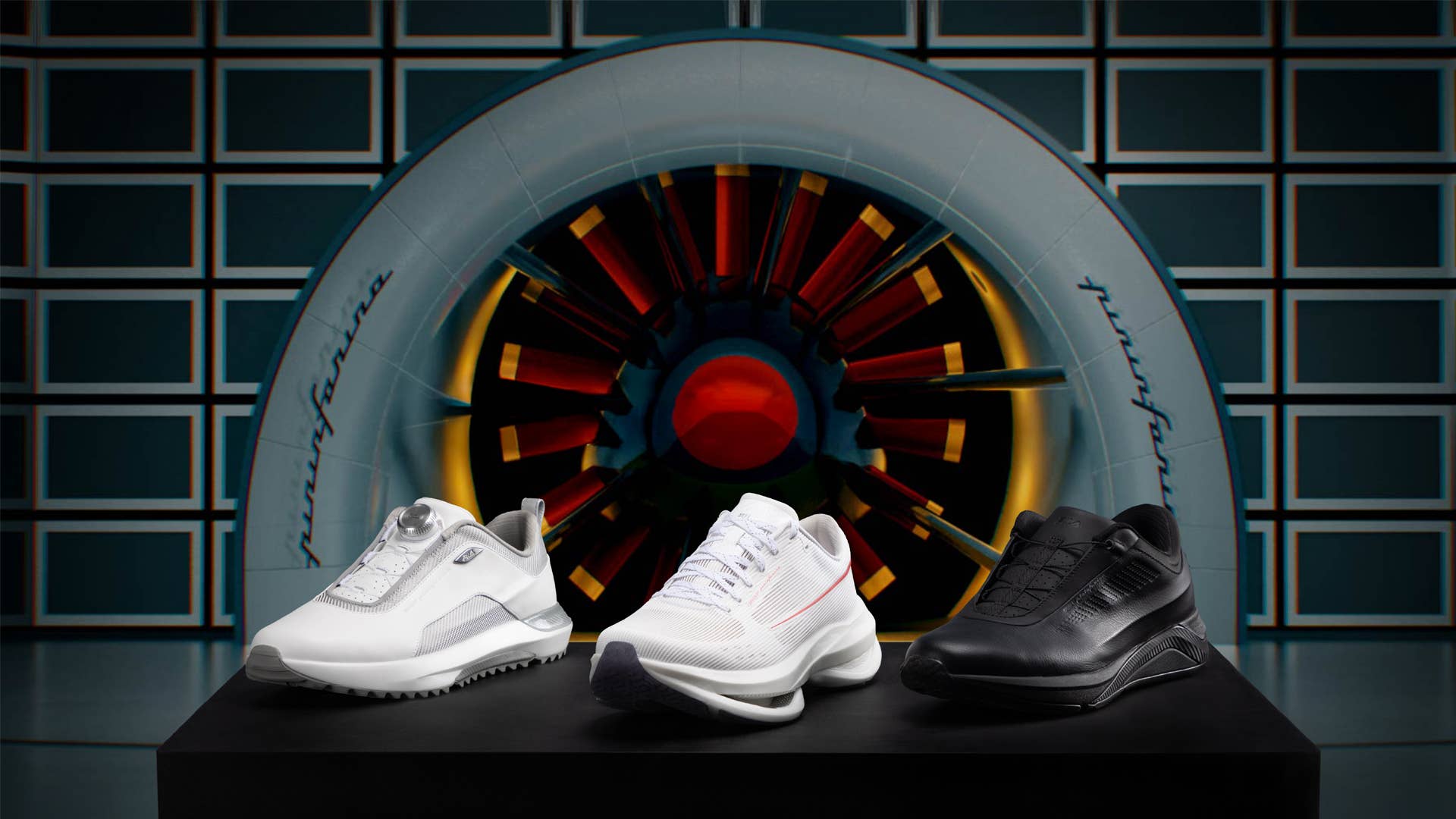
But, there are some opportunities for car designers to design sneakers. Developed in collaboration between Pininfarina and Italian athletic giants FILA, the FILA AERO collection combines Italian car design and sneaker tech. The collection features three sneakers that pulls its look straight from a specific Pininfarina concept car, creating silhouettes with automotive aerodynamic inspired feel baked right into the shoe shapes. The AERO RUNNING shoe takes its cues from Pininfarina’s Modulo concept; it features a streamlined shape meant to cut wind resistance while you’re moving. In addition to its automotive-inspired shape, it features an outsole made by Michelin. The French tire manufacturer’s CPU tech keeps things lightweight and provides enough traction for your 5Ks or even a marathon.
Inspired by the Cambiano concept, the AERO ELITE is the business-casual one. It features a minimalist design with premium materials for long days on your feet. It’s got a BOA dial system for laceless wear and pairs a Michelin sole with FILA’s own Morbido cushioning tech. Rounding out the trio is the GOLF shoe, which is inspired by the H2 Speed concept. It prioritizes grip and stability for the course, featuring a gold Vibram outsole plus FILA’s Soffio tech and BOA laceless closure technology.
Gaia Squarci/Bloomberg via Getty Images
Beyond Horsepower
From a design perspective, it is pretty clear that Pininfarina is about way more than just fast cars. Whether you’re grabbing a soda, hopping on a train, or even just lacing up your sneakers, you might be interacting with a little piece of high-performance Italian design history without even realizing it. They’ve managed to take that same magic they use for Ferraris and bring it into our everyday lives, making the ordinary feel just a bit more special.
At the end of the day, that’s what great design is all about: making things work well while looking great. It’s fun to think that the same folks behind some of the world’s most expensive supercars also put that same heart and soul into a Coke machine or a train designed to get people out of their cars. It just goes to show that good design isn’t just for the expensive things; it’s for all of us, everywhere we go.
About the author

James Ochoa
Senior Editor, Autoblog