
Which affordable EV is better value for money?
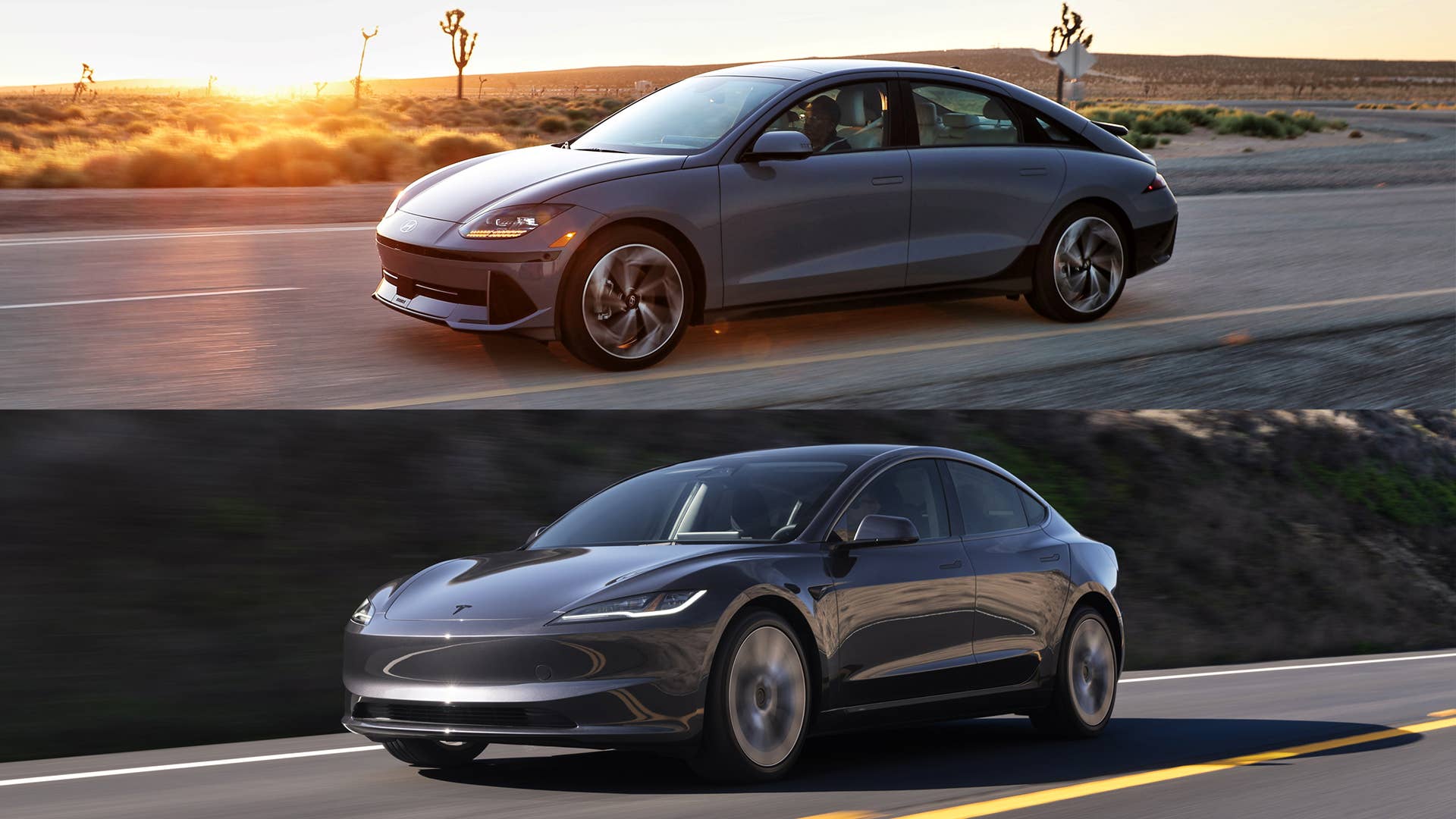
The unveiling this week of an affordable Tesla Model Y was no surprise, but Tesla also surprised everyone with a base Model 3, known as the Model 3 Standard. Starting at $36,990, it’s now the most affordable new Tesla on sale, placing it mightily close to the Hyundai Ioniq 6 SE Standard Range, which starts at $37,850 for the 2025 model year.
You won’t find cheaper electric sedans than these two in America, but which one should you spend your money on? We’ll compare them here in terms of value for money, design, features, and performance. Do keep in mind that an updated Ioniq 6 is on the way, but it’s not available yet.
Design: Hyundai More Flamboyant
Hyundai
Hyundai
Tesla
Tesla
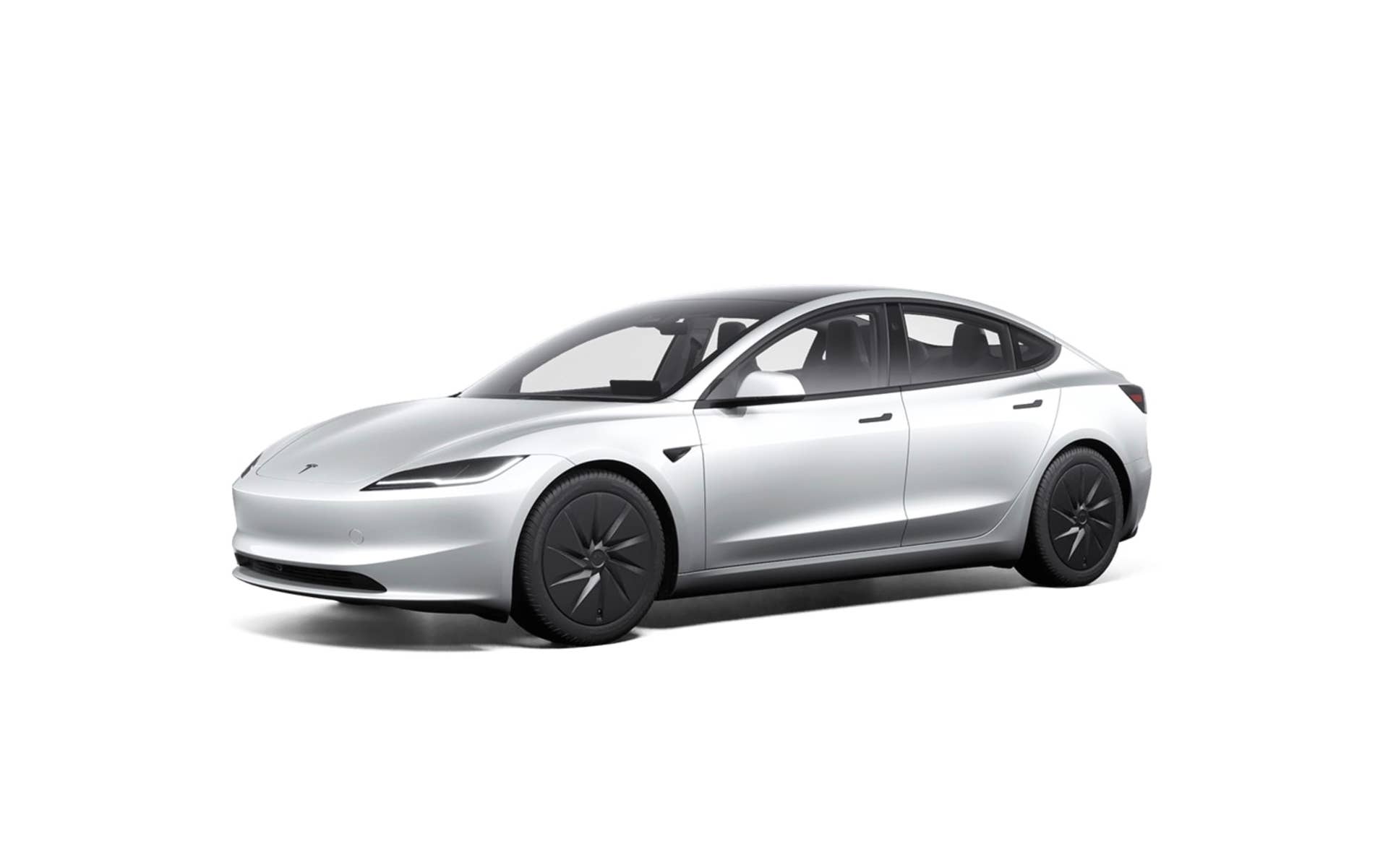
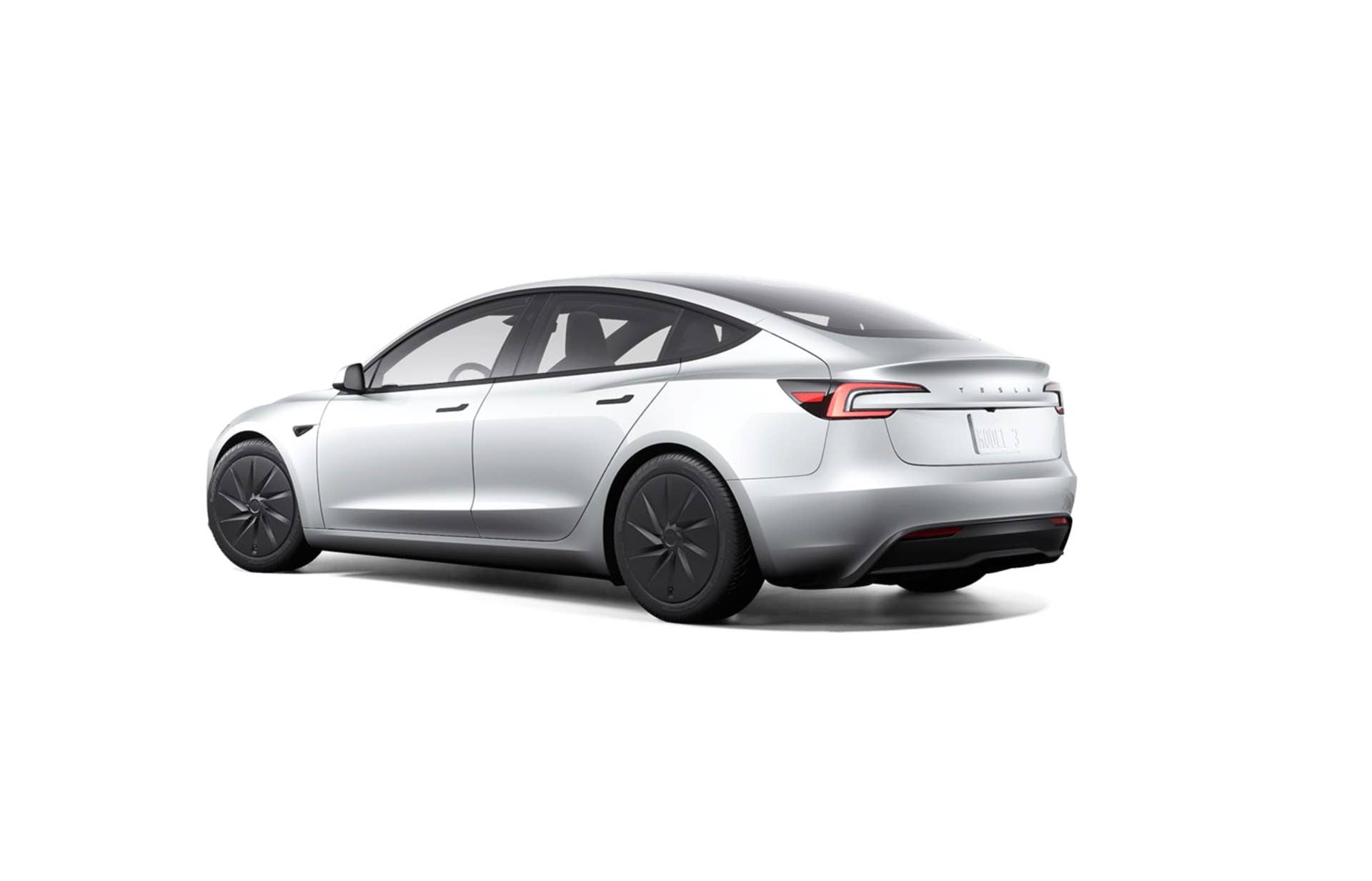
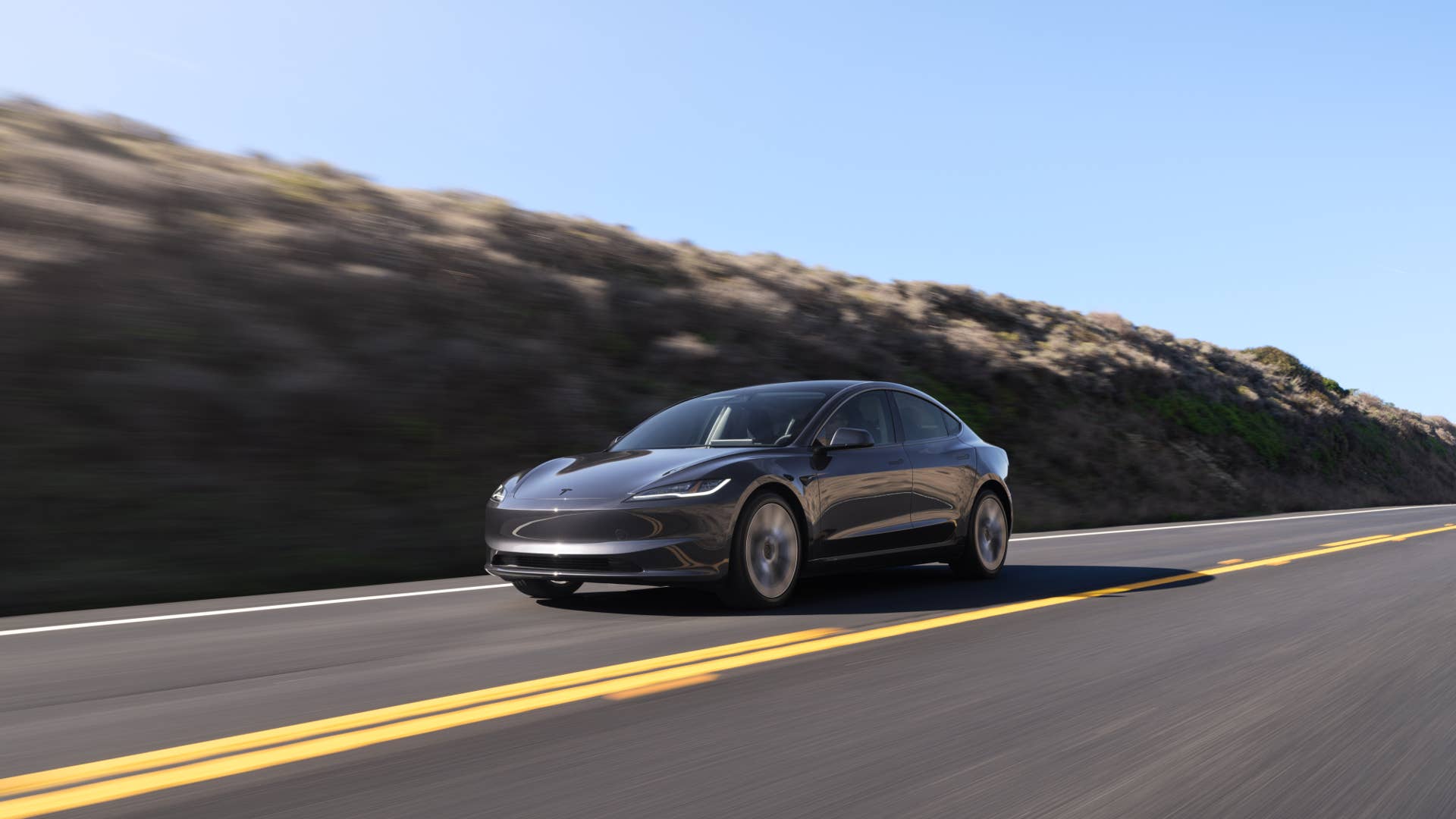
Following its facelift last year, the Tesla Model 3 is a stylish sedan with uncluttered lines. From the slim headlights to the flush-fitting door handles and tidy rear end, it looks aerodynamic and smooth, but it’s not especially exciting.
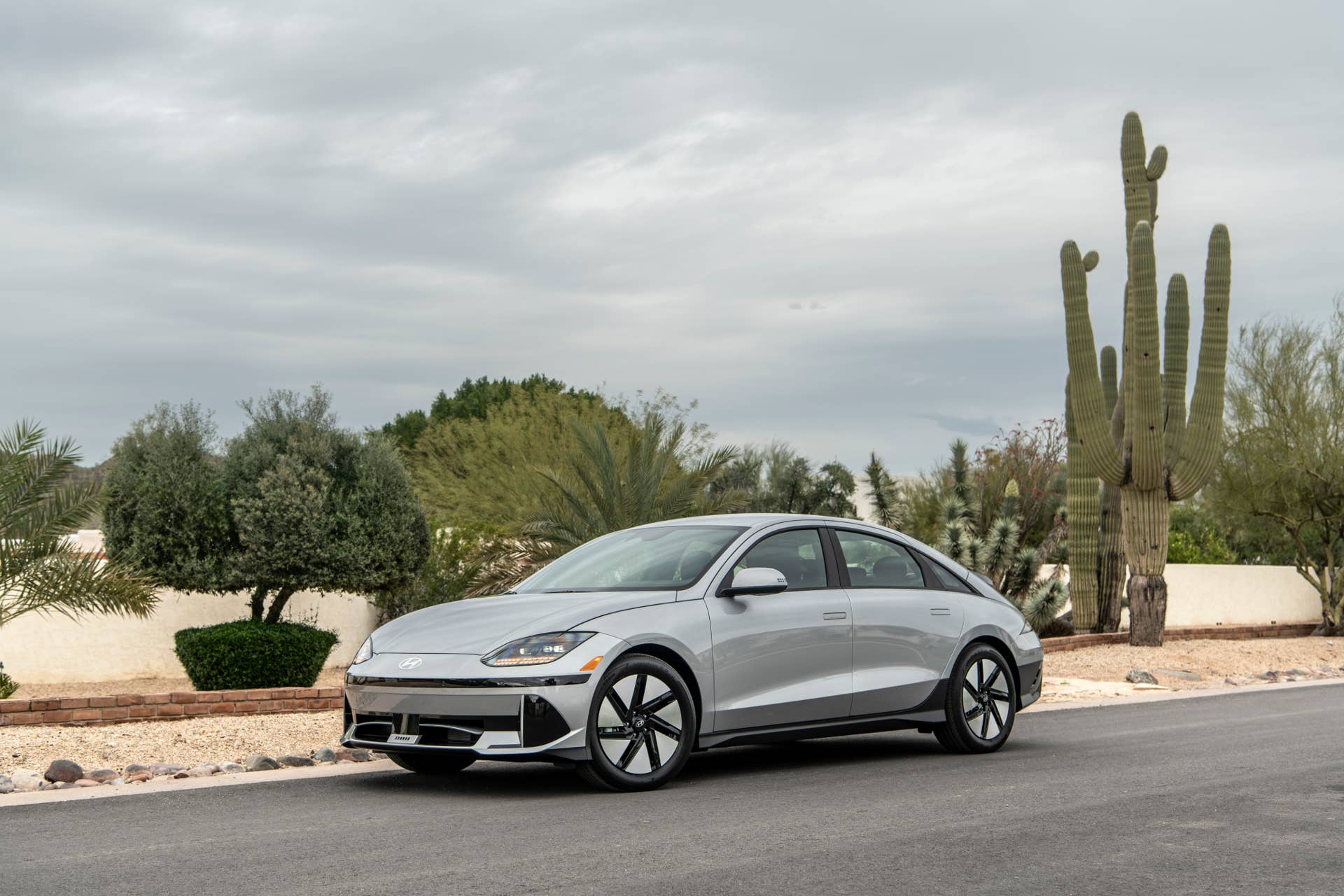
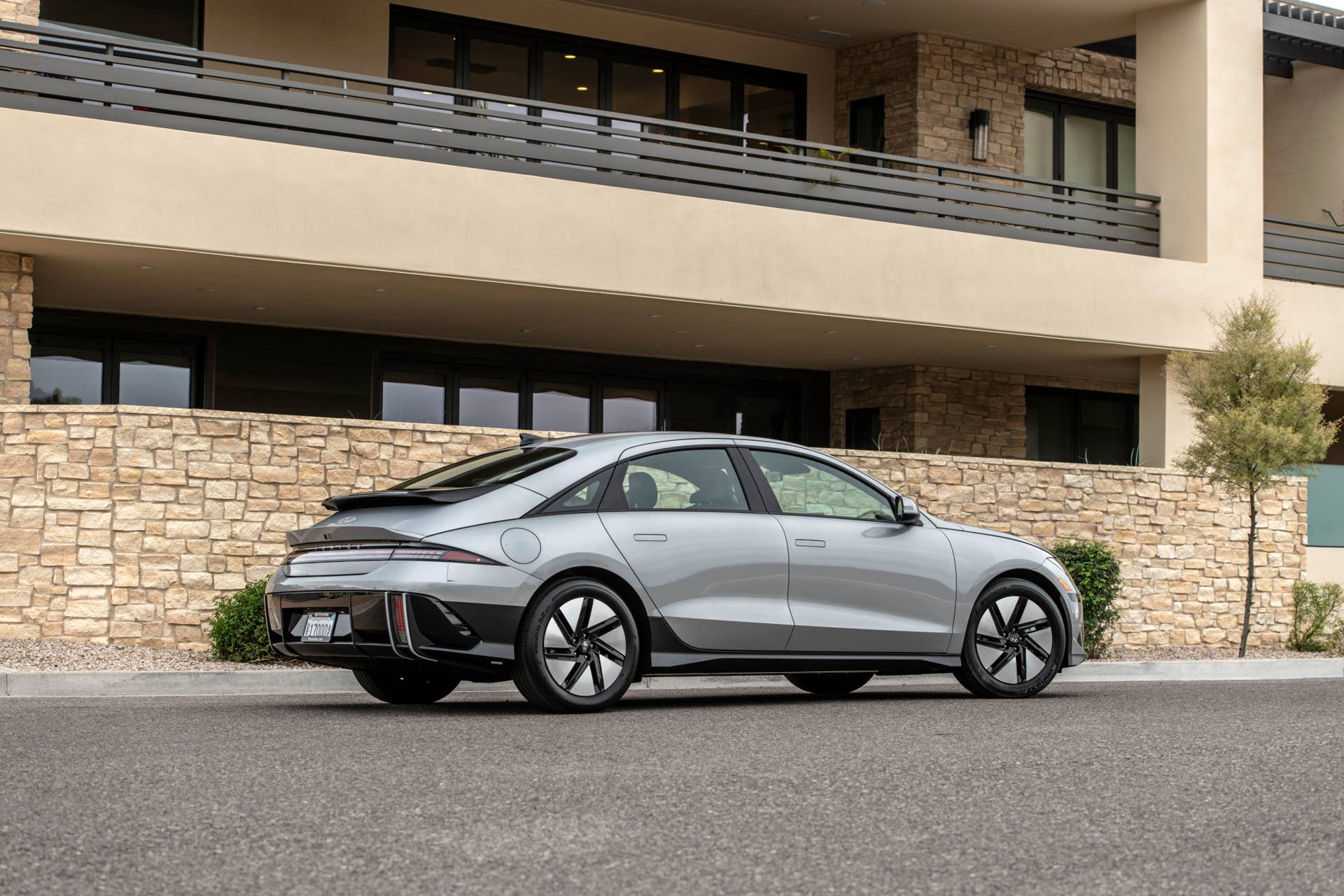
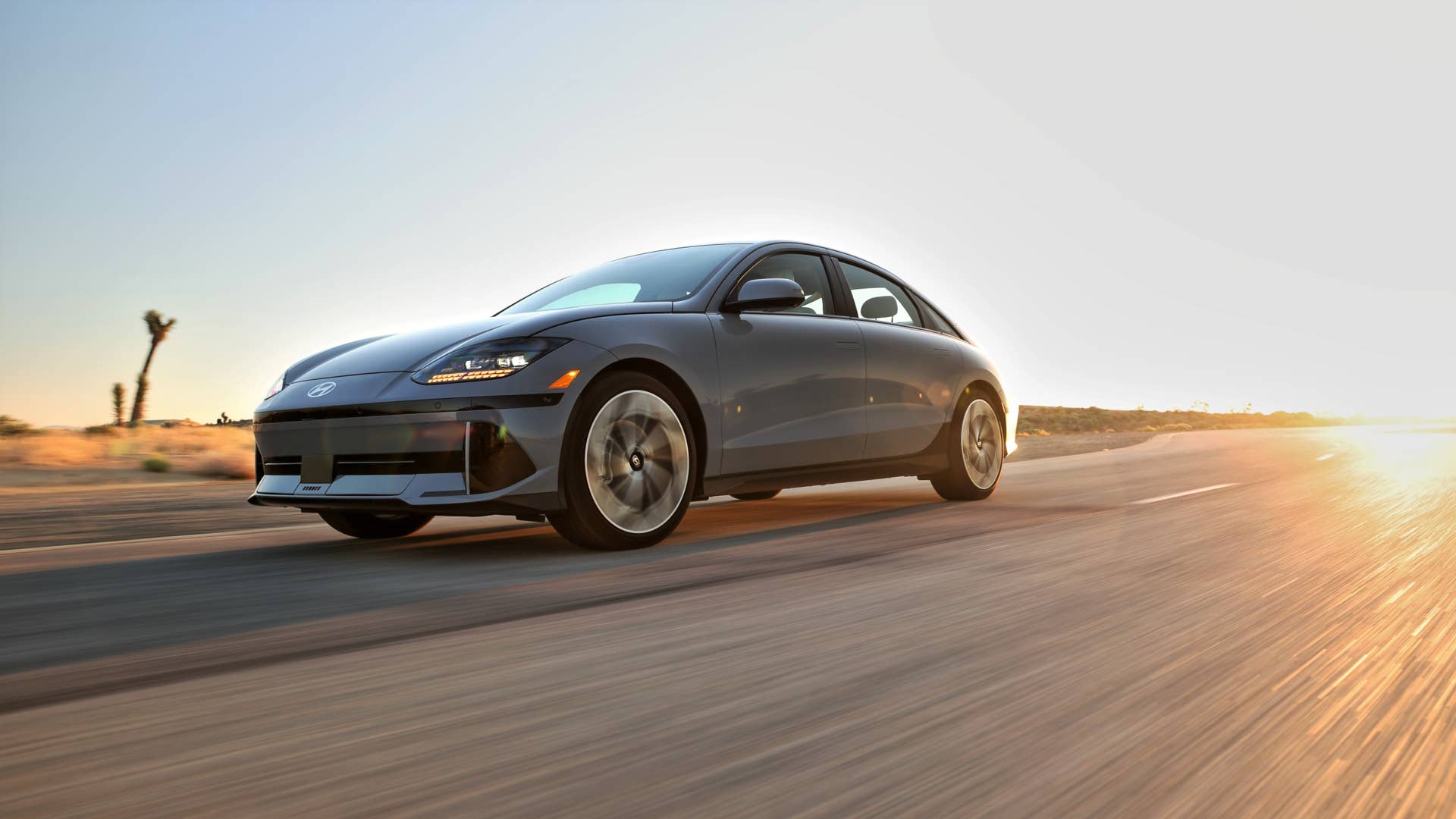
The curvier Ioniq 6 stands out more, for better or worse. The egg-shaped top half of the body gives it a more distinctive profile, and the concept-like rear—with its pixel-like lighting bar and stacked spoilers, is the car’s most dramatic angle.
Both sedans have some styling downgrades compared to pricier trims. The Tesla Model 3 rides on 18-inch Prismata wheels as standard, has manual-folding mirrors instead of electric-folding items, and is only available in three colors: Stealth Grey, Pearl White Multi-Coat, and Diamond Black.
The Ioniq 6 SE Standard Range also gets 18-inch wheels, but lacks the automatic retracting flush door handles of upper Ioniq 6 trims. Like the Tesla, it has LED headlights, but the Hyundai gets five color choices: Onyx Black, Ultimate Red, Serenity White, Curated Silver, and Transmission Blue.
Performance and Range
Hyundai
Tesla
The Ioniq 6 SE Standard Range has a single electric motor powering the rear wheels. It produces just 149 horsepower, and the estimated 0-60 mph time is 8.5 seconds—this is slow by modern EV standards. With its 53-kWh lithium-ion battery, the base Ioniq 6 has a range on a full charge of 240 miles. The combined efficiency rating is 135 MPGe, and it supports rapid charging at up to 350 kW.
The Model 3 Standard trumps its Hyundai rival easily in this category. It also has a single rear motor and RWD, but makes a far more enticing 286 hp, resulting in a 5.8-second 0-60 sprint. A larger 69-kWh battery ensures a range of 321 miles on the standard wheels, or 303 miles with the upgraded 19-inch Nova wheels. The peak charging speed of 225 kW is lower than the Hyundai’s though.
The Model 3 Standard Range is a far superior performer at the price, and it also has a much better range. We feel these factors overshadow the Hyundai’s faster charging.
Interior and Features
Hyundai
Hyundai

Tesla
Tesla
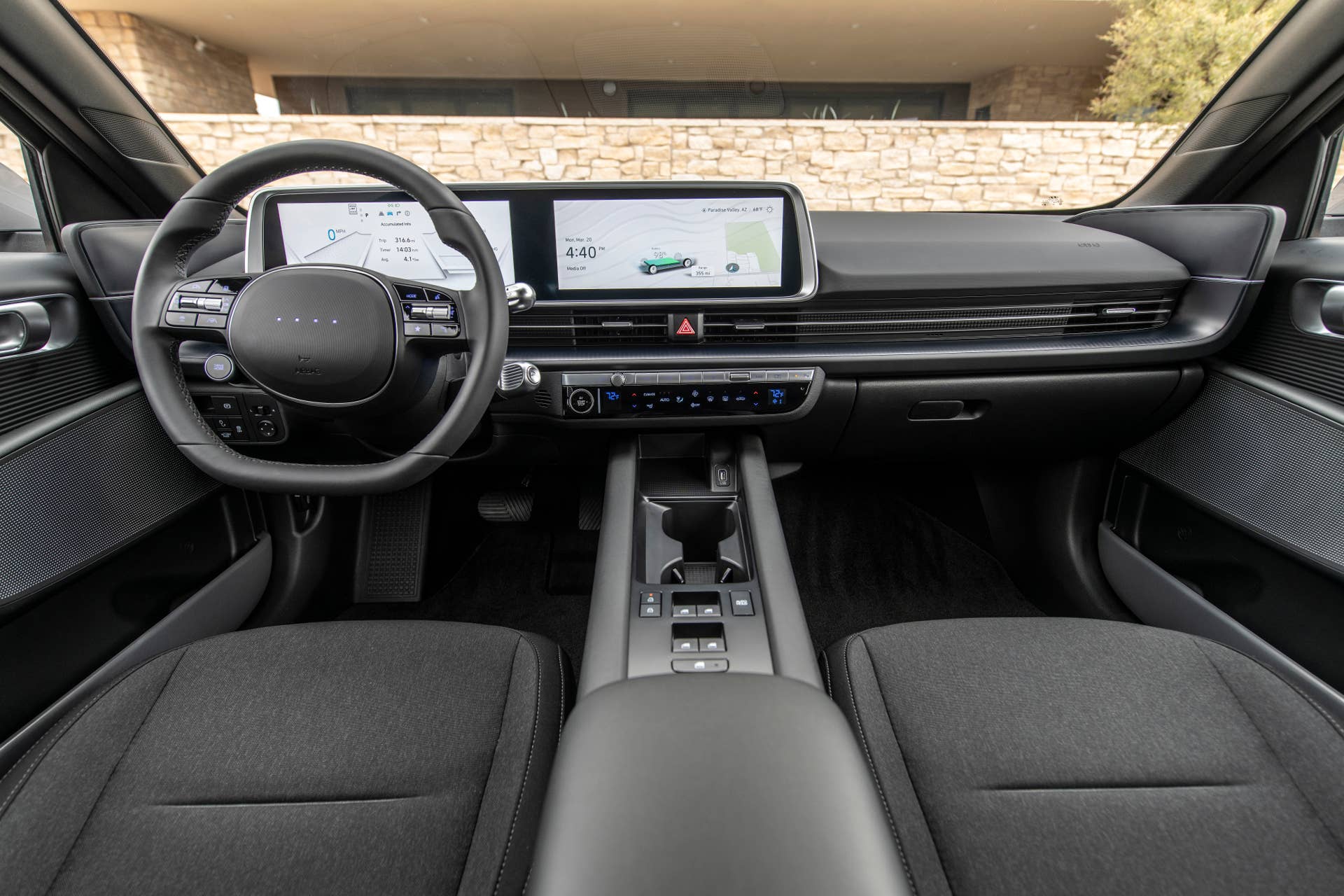
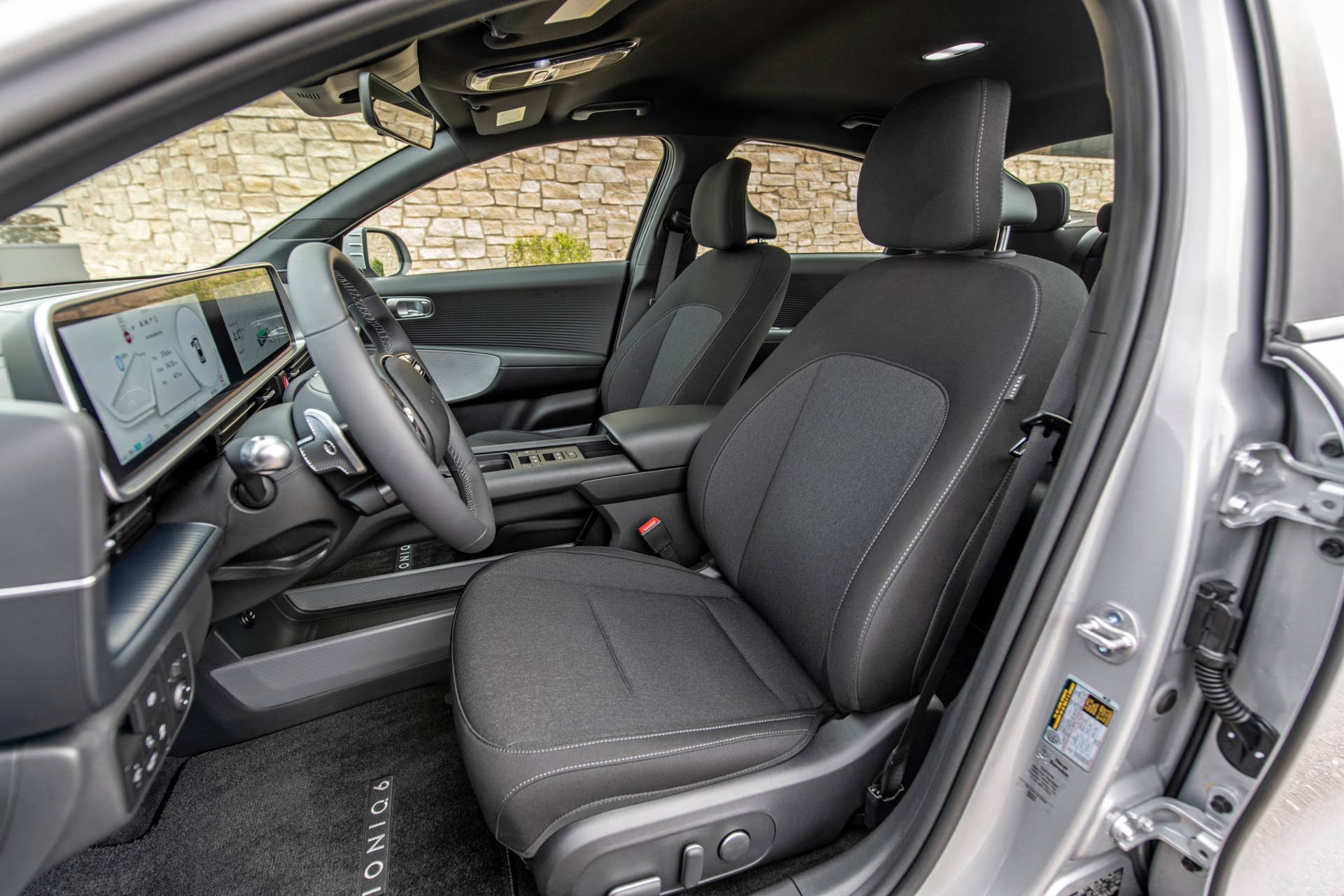
In our review of the 2025 Hyundai Ioniq 6, we appreciated the interior’s roomy back seat and the modern appearance of the dual 12.3-inch displays, but we were less enamored with the interior quality, especially on the base SE. You only get black cloth upholstery on this version of the Ioniq 6, and it doesn’t look or feel particularly high-quality.
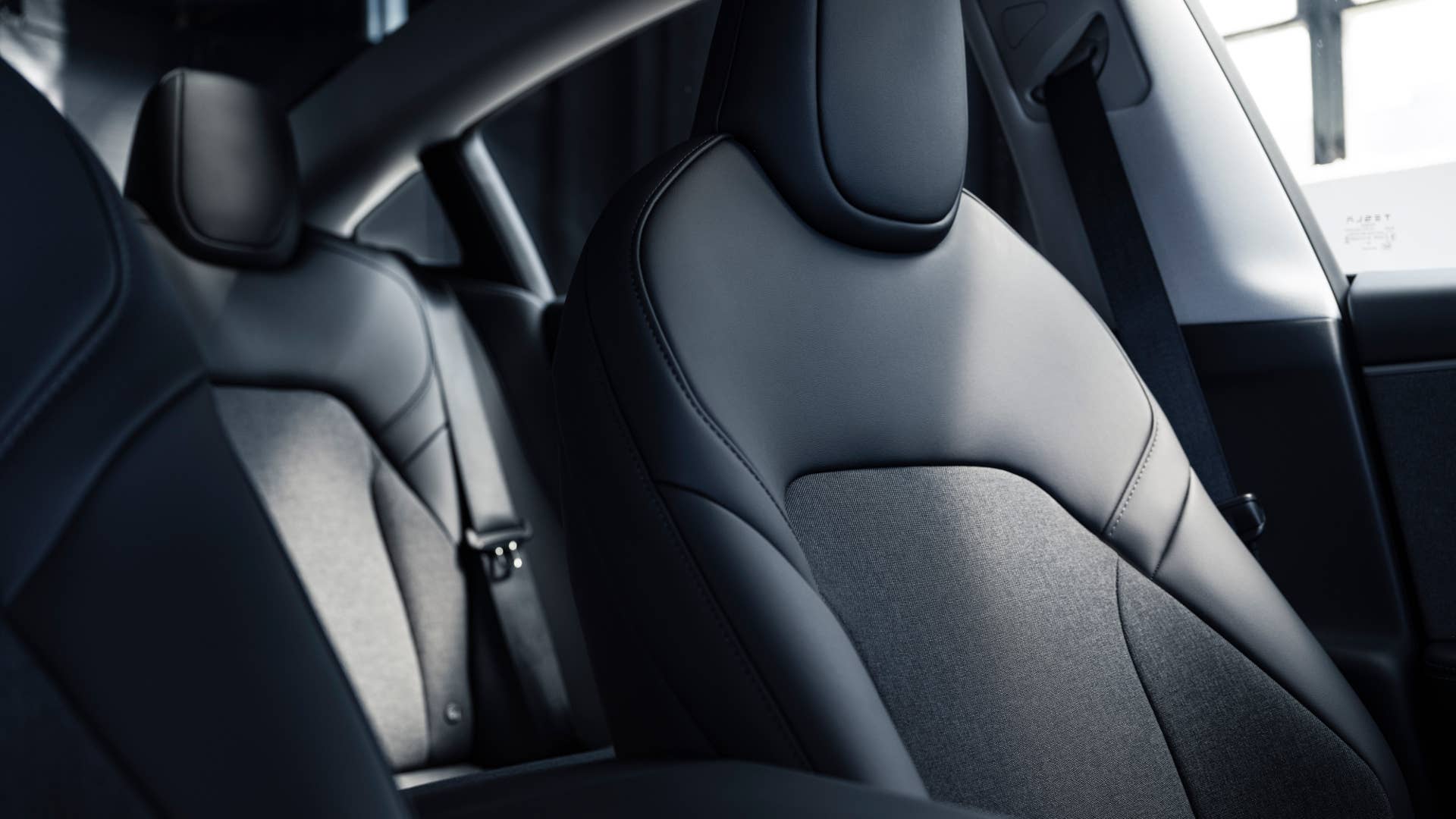
The base Model 3 Standard also comes only with a black interior (a mix of vegan leather and textile upholstery), and the textile finishes elsewhere are a notch or two below the microsuede/textile combination found in more expensive Model 3s. The footwell and door pocket lighting does away with the multi-color ambient lights of other trims, so like the Hyundai, the cabin appears a bit dreary, especially when the screens are off. The Model 3 gets a 15.4-inch touchscreen interface, but the rear passenger screen has been deleted.
Tesla
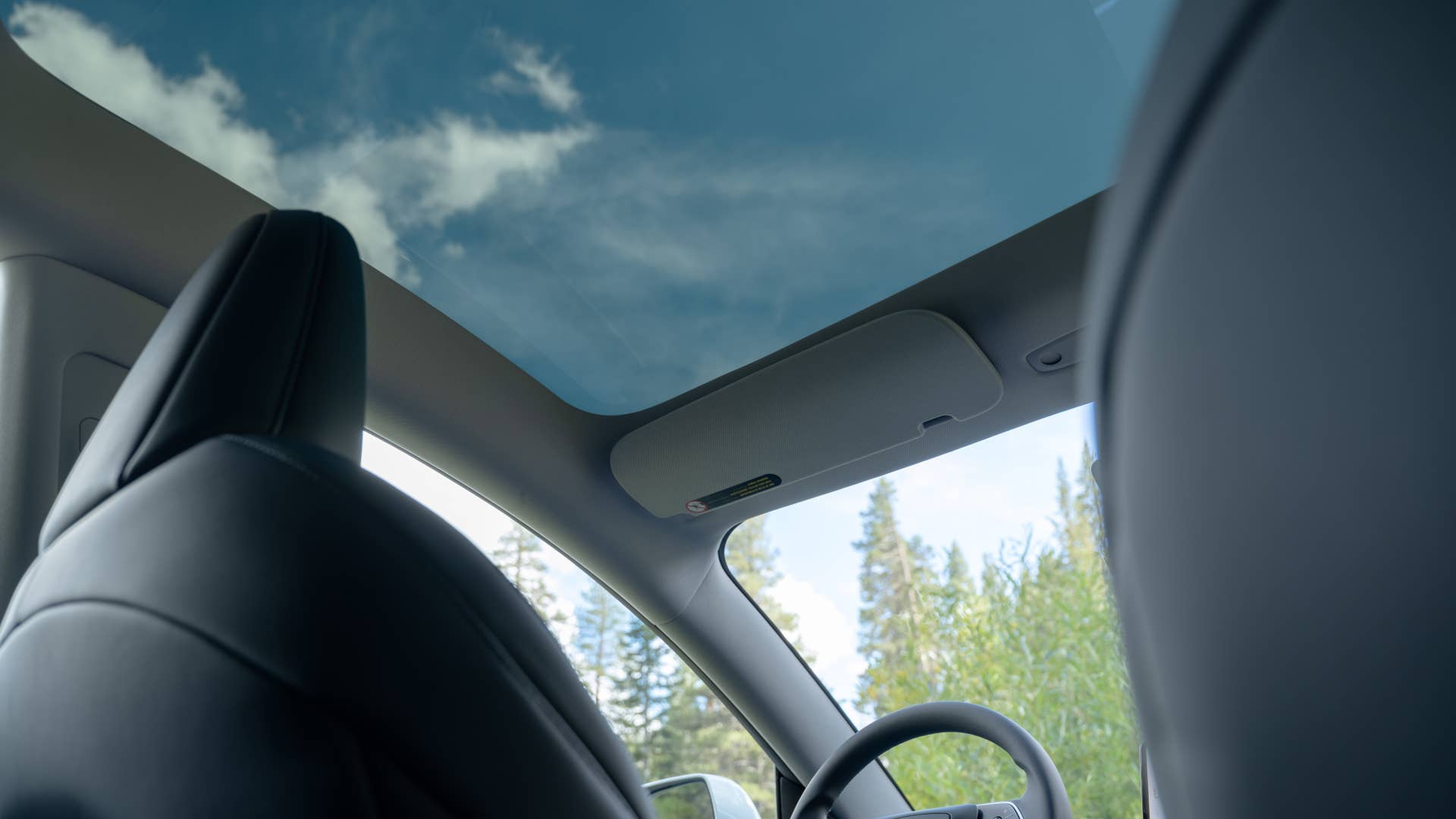
The Hyundai gets an eight-way power driver’s seat, a hands-free smart trunk, dual-zone climate control, blind-spot collision warning, front/rear parking sensors, forward collision warning, and smart cruise control. Both front seats in the Model 3 Standard are power-adjustable, but they lack physical controls so can only be adjusted via the touchscreen. The Model 3 also gets heated front seats, a heated steering wheel, a glass panoramic roof, and eight exterior cameras, which the Hyundai doesn’t have.
Autosteer is not equipped to the base Model 3, but traffic-aware cruise control is, and the Full Self-Driving (Supervised) system remains an $8,000 option—a huge update for FSD has just begun rolling out.
The 21 cubic feet of trunk space in the Model 3 is nearly double (11.2 cubic feet) what you get in the Ioniq 6, and the Tesla’s frunk is larger, too. Both are spacious enough for four adults, though.
Pricing and Warranties
Tesla
At $36,990, the Tesla Model 3 Standard undercuts the Hyundai Ioniq 6 SE Standard range by $860, so there’s not much in it. Hyundai doesn’t offer a comparable level of hands-free driving as Tesla, but the FSD system costs $8,000, a hefty premium.
Hyundai’s basic vehicle warranty runs for five years or 60,000 miles, whereas Tesla covers the first four years or 50,000 miles. Tesla’s battery and drive unit warranty is for eight years or 100,000 miles, while Hyundai’s battery warranty is for 10 years/100,000 miles. The Korean car has the edge here.
Final Thoughts
The Tesla leads comfortably in performance, range on a full charge, and cargo capacity, while the Hyundai has superior charging speeds, a more distinctive design, and a better warranty.
Overall, the Tesla has more standard and optional features, and Hyundai has nothing to rival the optional FSD system. Both cars have limited customization of the interiors, which is a pity.
We haven’t driven both cars yet, so can’t make a final call until we have, but in an on-paper comparison, the Tesla Model 3 Standard is simply more car for the money, and it’s the one we’d recommend if you can live with Tesla’s touchscreen-heavy interface. Whether it’s a better deal than the $42,490 Model 3 Premium is up for debate.
About the author

Karl Furlong
Senior Editor, Autoblog