
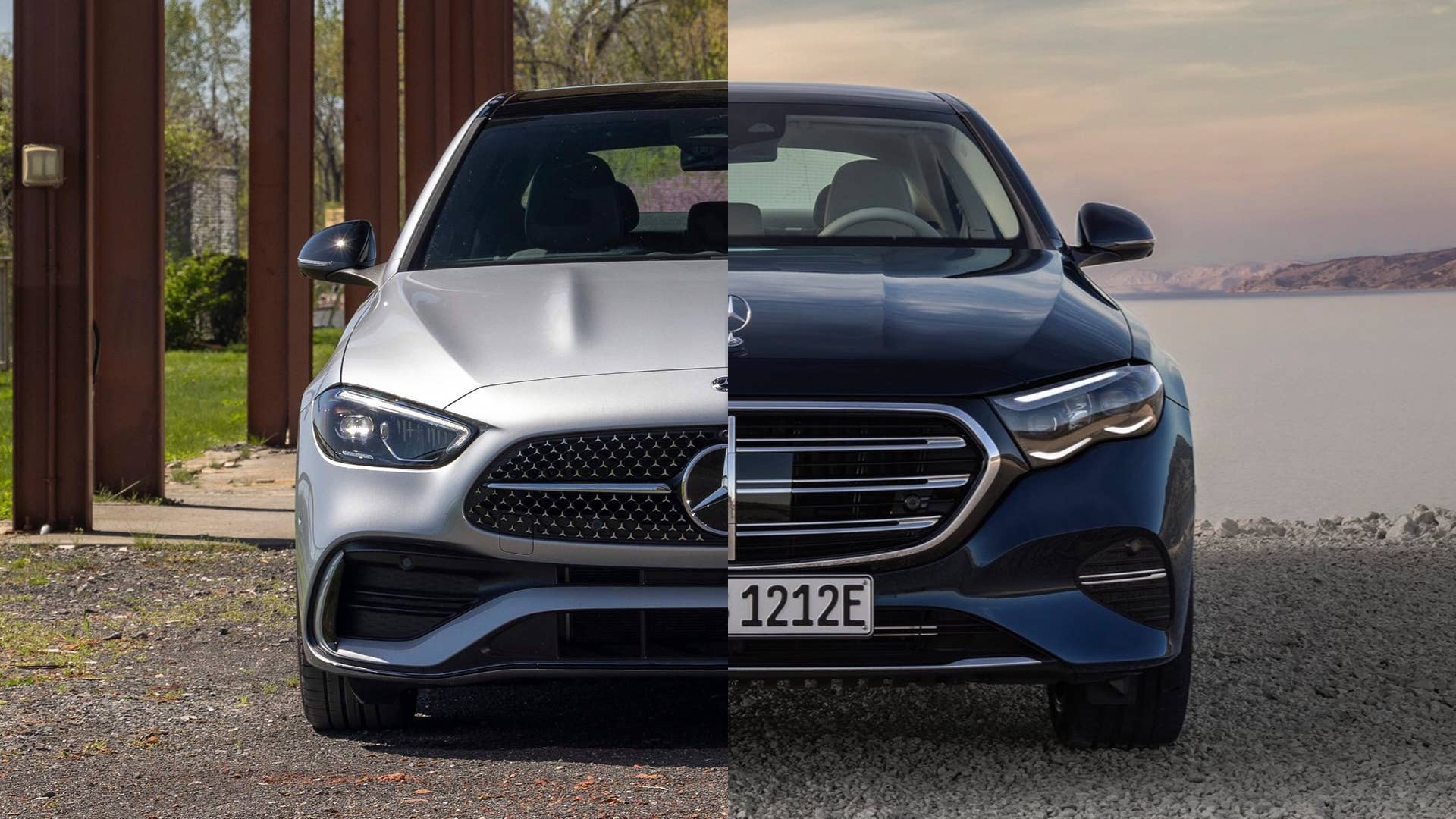
Two classy sedans, one tough decision
Among German automakers, luxury SUVs may get the lion’s share of attention and sales, but sedans are still important. For Mercedes-Benz, the C-Class and E-Class are two core models in its lineup, as they have been for several decades. While they may look similar from certain angles, the C-Class isn’t simply a smaller version of the E. If you’re undecided between the compact sportiness of the C-Class vs. the E-Class’s executive appeal, we’ve covered five of the main differences to know about these Mercedes sedans.
1. Mercedes C-Class Vs. E-Class Dimensions
Mercedes-Benz
Mercedes-Benz
Mercedes-Benz
Mercedes-Benz
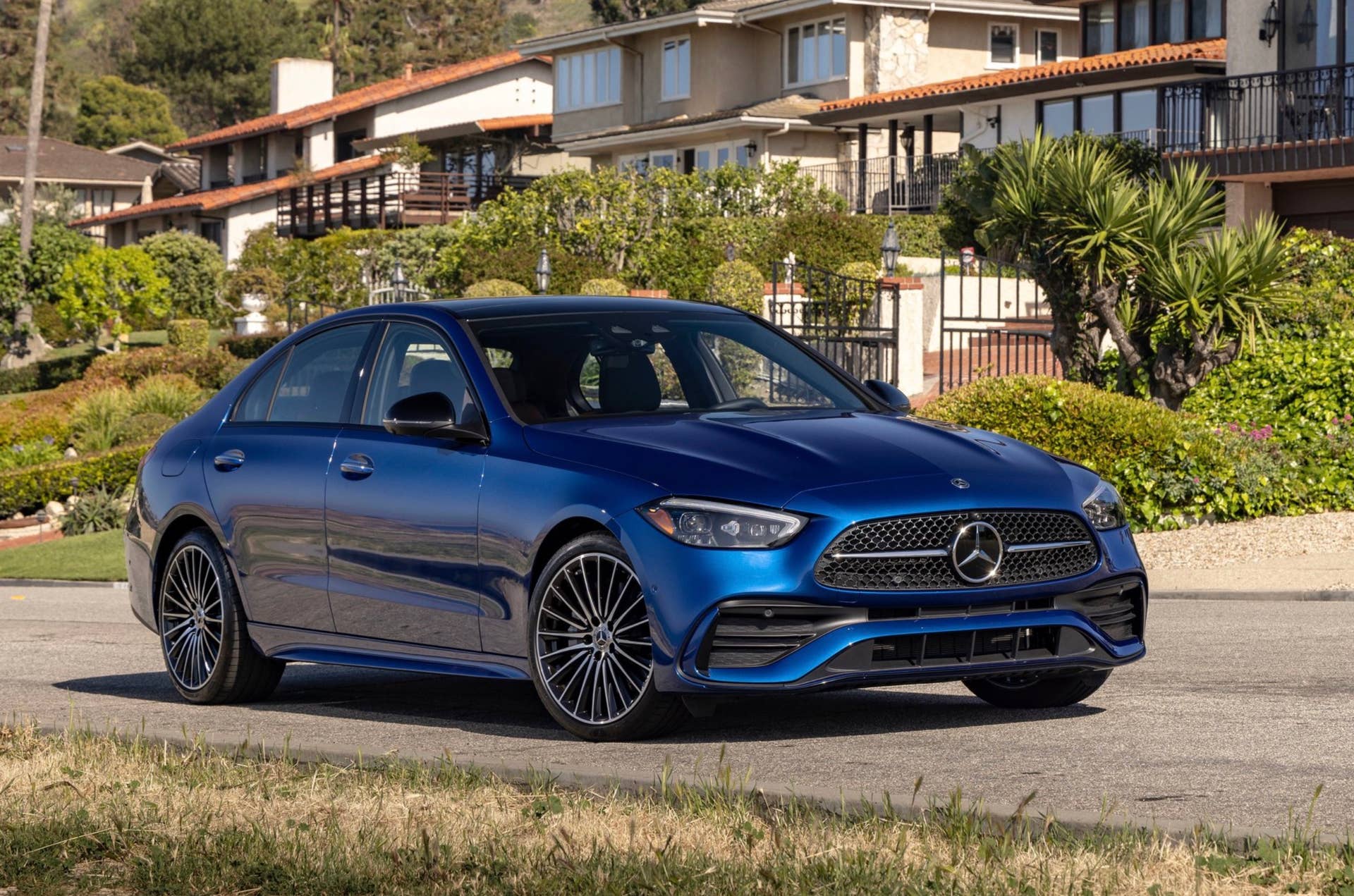
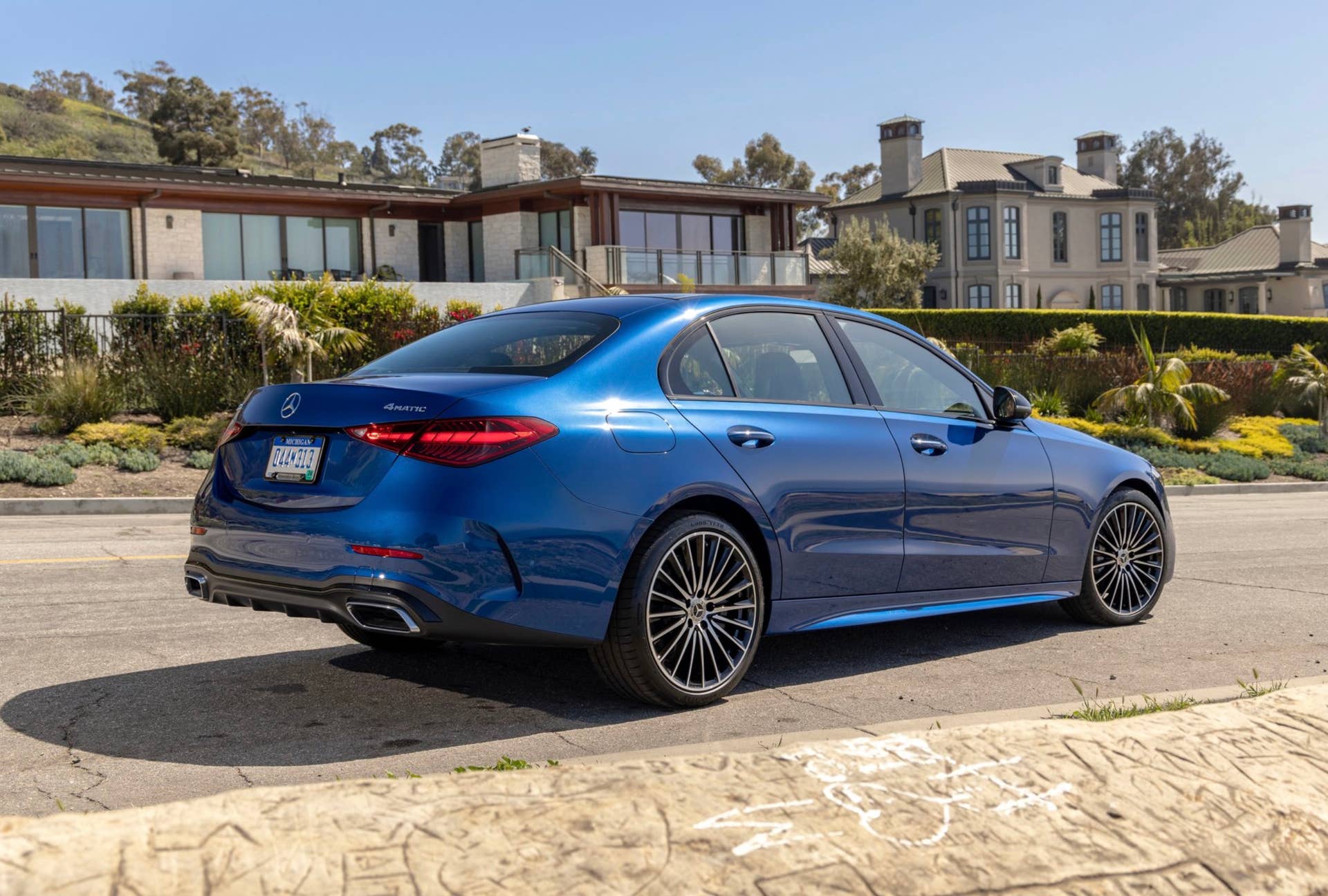
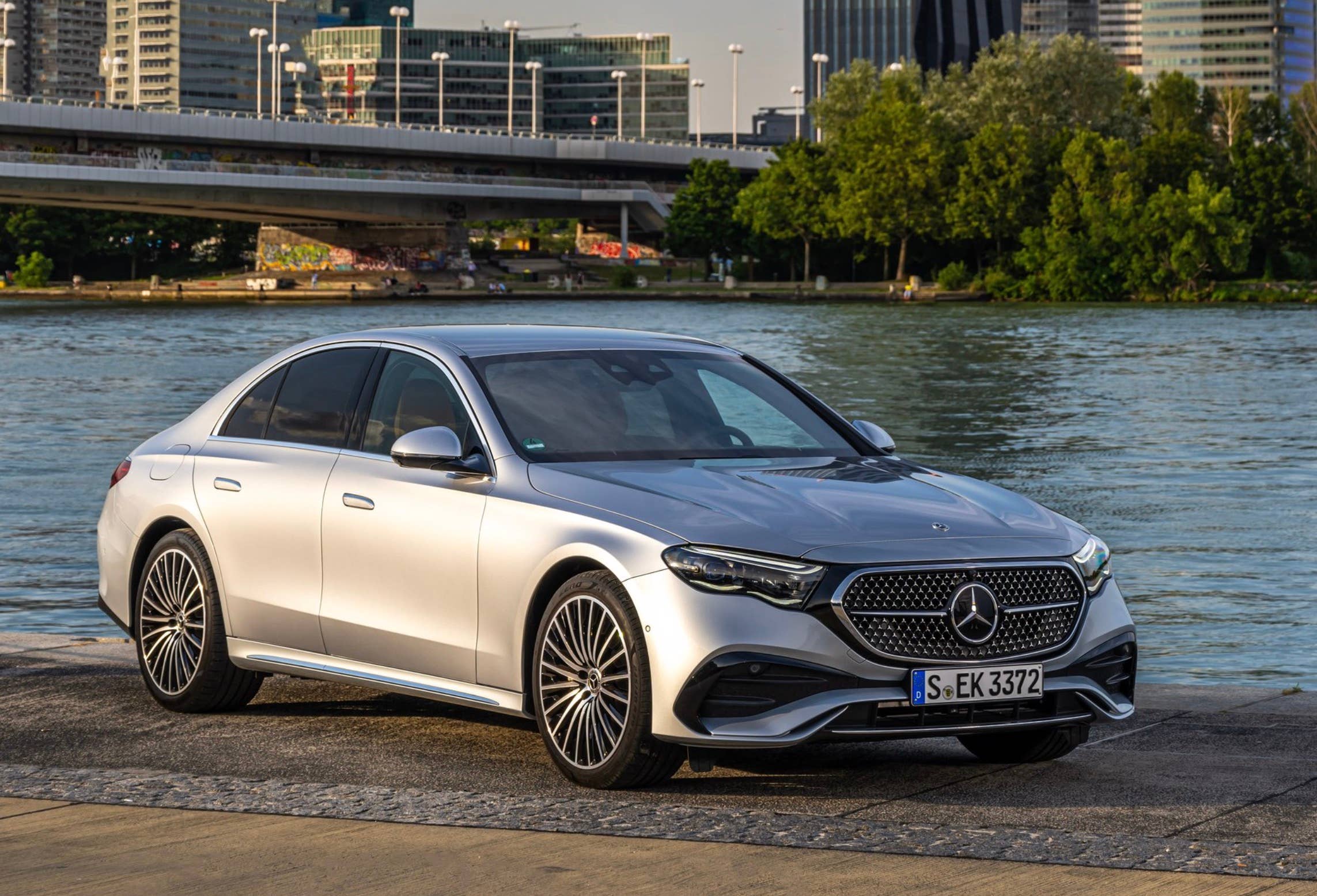
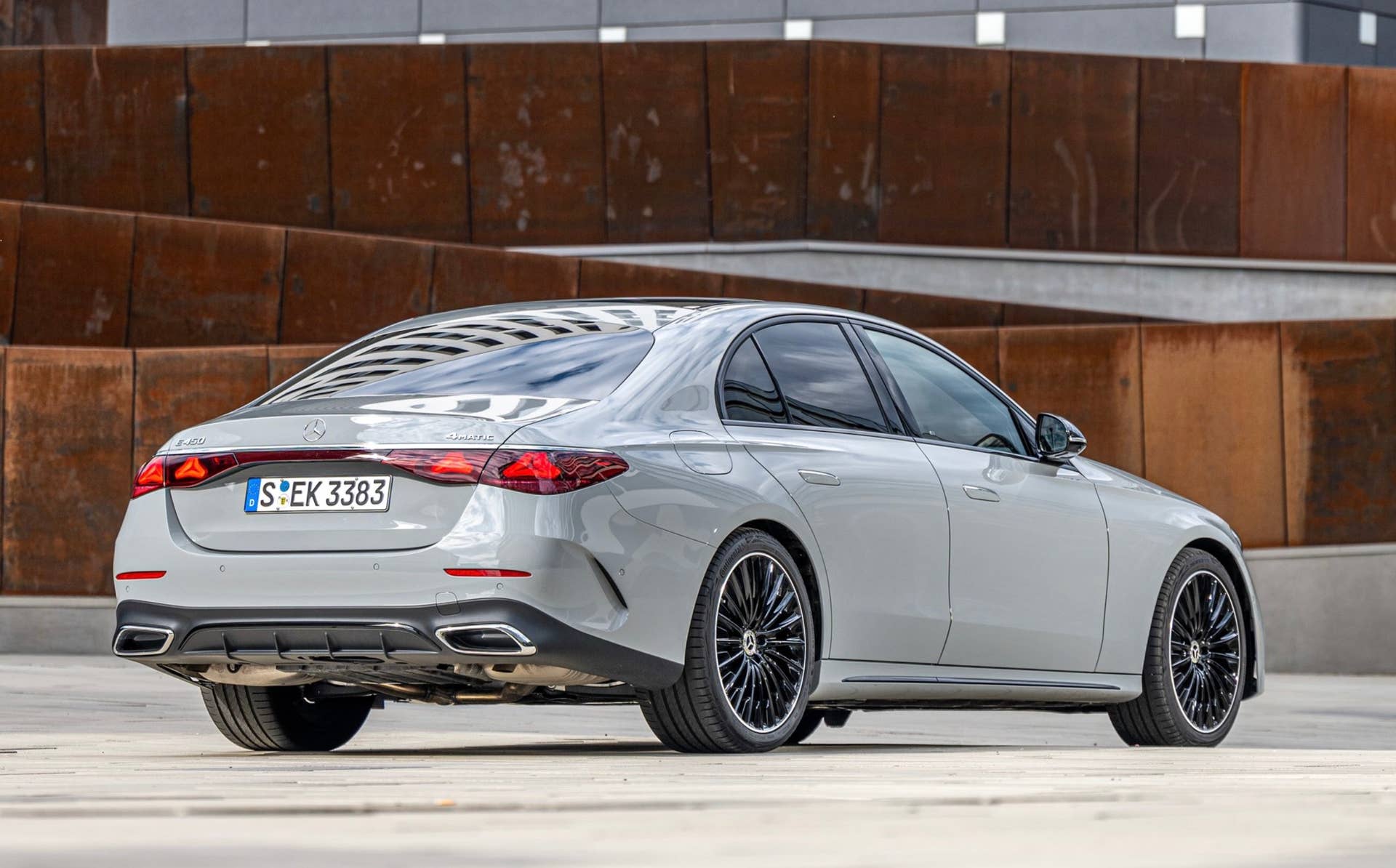
There’s an obvious size gap between these two cars, but both offer their advantages. The C-Class’s compact footprint makes for more agile handling and easier parking, while the stretched E-Class affords passengers more space. Here’s how they compare.
| Mercedes C-Class Vs. E-Class: Exterior Dimensions | ||
| C-Class | E-Class | |
| Length | 187 inches | 194.9 inches |
| Wheelbase | 112.8 inches | 116.6 inches |
| Width (without mirrors) | 74.4 inches | 74 inches |
| Height | 56.6 inches | 57.9 inches |
| Base curb weight | 3,825 lbs | 4,134 lbs |
Surprisingly, the C-Class is slightly wider when excluding mirrors, but the E-Class is wider with the mirrors in their usual position. In all other key dimensions, the E-Class is larger, especially length, which frees up more space in the back seat.
2. Only The E-Class Has Six-Cylinder Engine Options
Mercedes-Benz
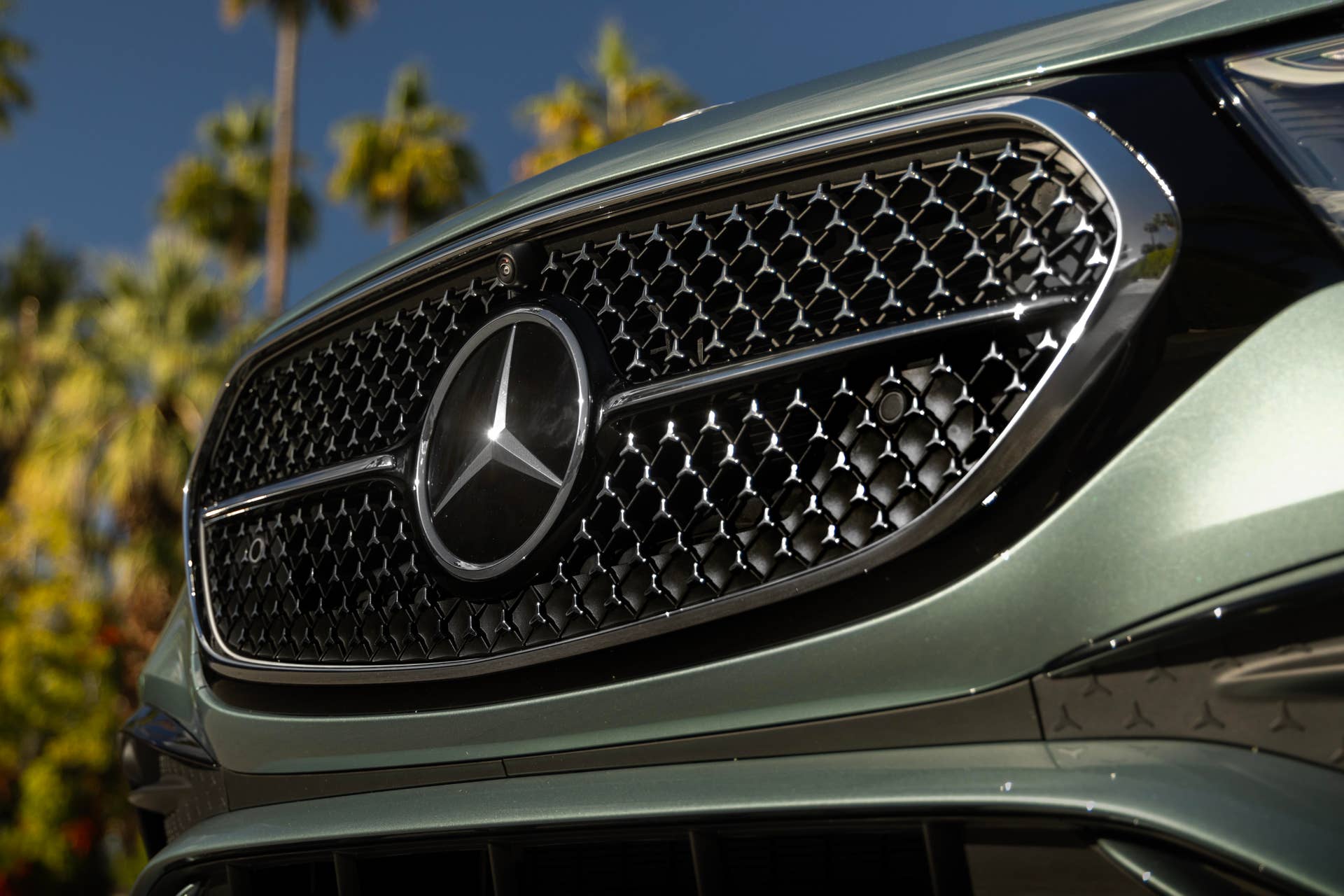
The latest generation of the C-Class has moved away from large-capacity engines entirely. Across the lineup, you’ll only find 2.0-liter four-cylinder engines, all with turbochargers and one (the C63) with a plug-in hybrid system. While the E-Class also has a base four-cylinder model, you can also get it with a silky six-cylinder engine in the E450 and E53. Here’s a look at how the non-AMG variants of each sedan match up.
| Mercedes E-Class Vs. C-Class: Powertrains | |||||
| C300 | C300 4Matic | E350 | E350 4Matic | E450 4Matic | |
| Engine | 2.0L I4 Turbo | 2.0L I4 Turbo | 2.0L I4 Turbo | 2.0L I4 Turbo | 3.0L I6 Turbo |
| Horsepower | 255 hp | 255 hp | 255 hp | 255 hp | 375 hp |
| Torque | 295 lb-ft | 295 lb-ft | 295 lb-ft | 295 lb-ft | 369 lb-ft |
| Drivetrain | RWD | AWD | RWD | AWD | AWD |
| 0-60 mph | 6 seconds | 6 seconds | 6.1 seconds | 6.1 seconds | 4.4 seconds |
Despite the E-Class’s weight penalty, it gives up almost no performance advantage to the C-Class; all four-cylinder models are closely matched. The step up to the E450 is significant. It’s not only much quicker, but the six-cylinder engine suits the nature of a luxury sedan better.
3. Two Completely Different Plug-In Hybrids
Mercedes-AMG
Mercedes-Benz
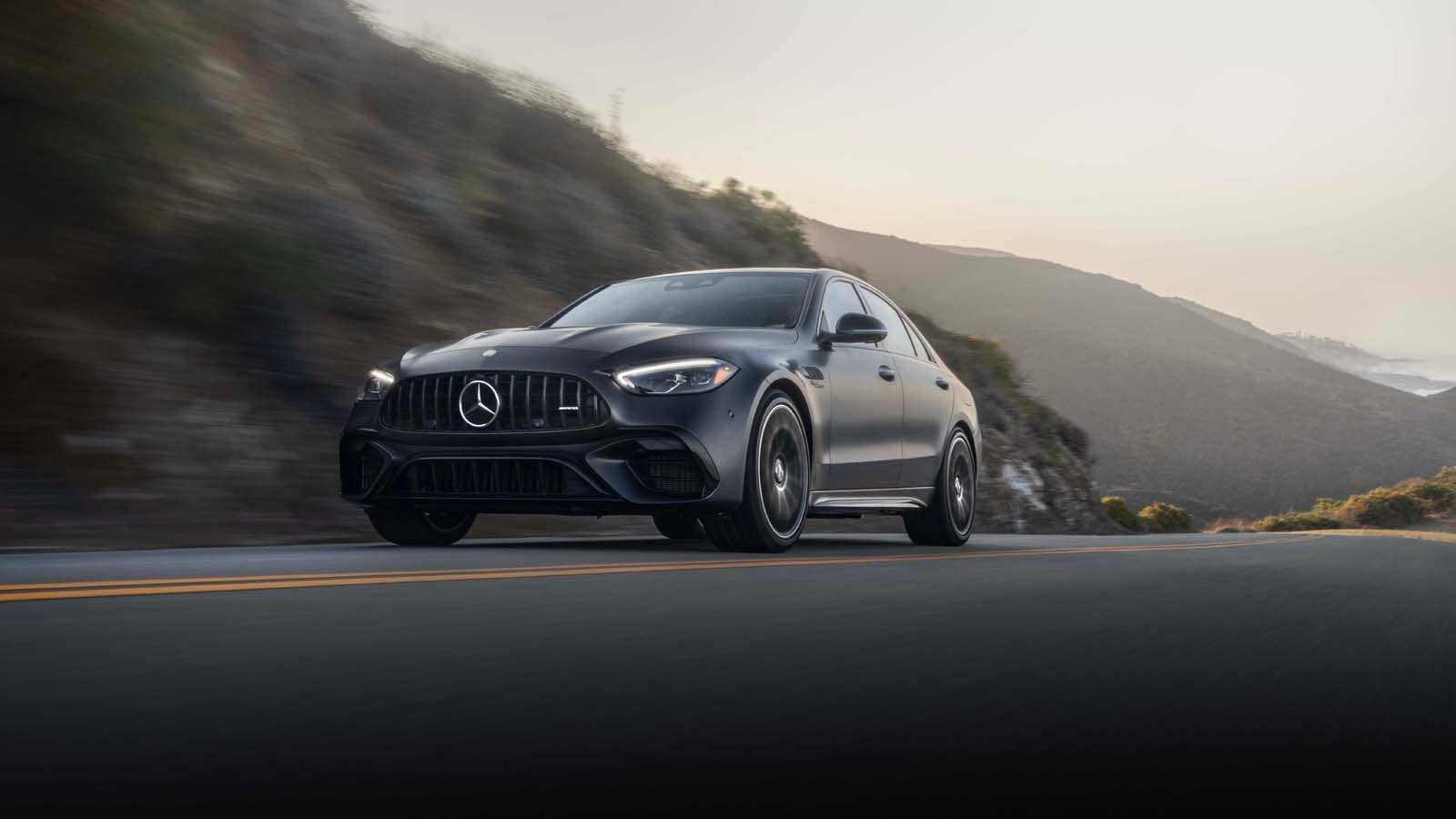
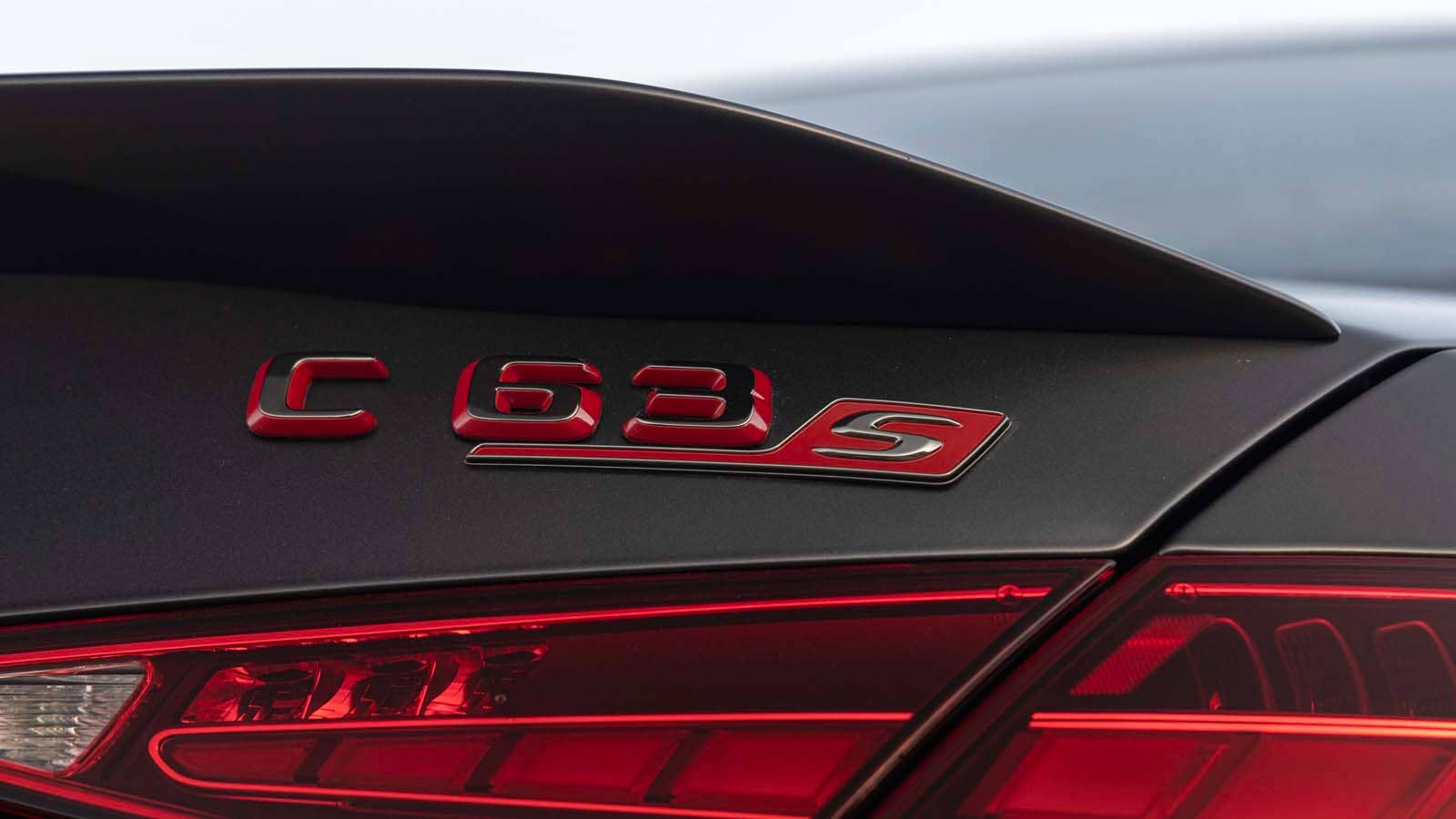
Both sedans offer plug-in hybrid options, but they’re not really comparable. The AMG C63 S E Performance is the top model in the C-Class range. It has an incredibly advanced 2.0-liter turbo-four plug-in hybrid powertrain with a powerful rear electric motor. Performance is astonishing, with a 0-60 mph time of 3.3 seconds, thanks to combined outputs of 671 hp and 752 lb-ft. However, this model has been criticized for not matching the emotional qualities of older, V8-powered C63 sedans, so much so that Mercedes-AMG intends to discontinue this engine.
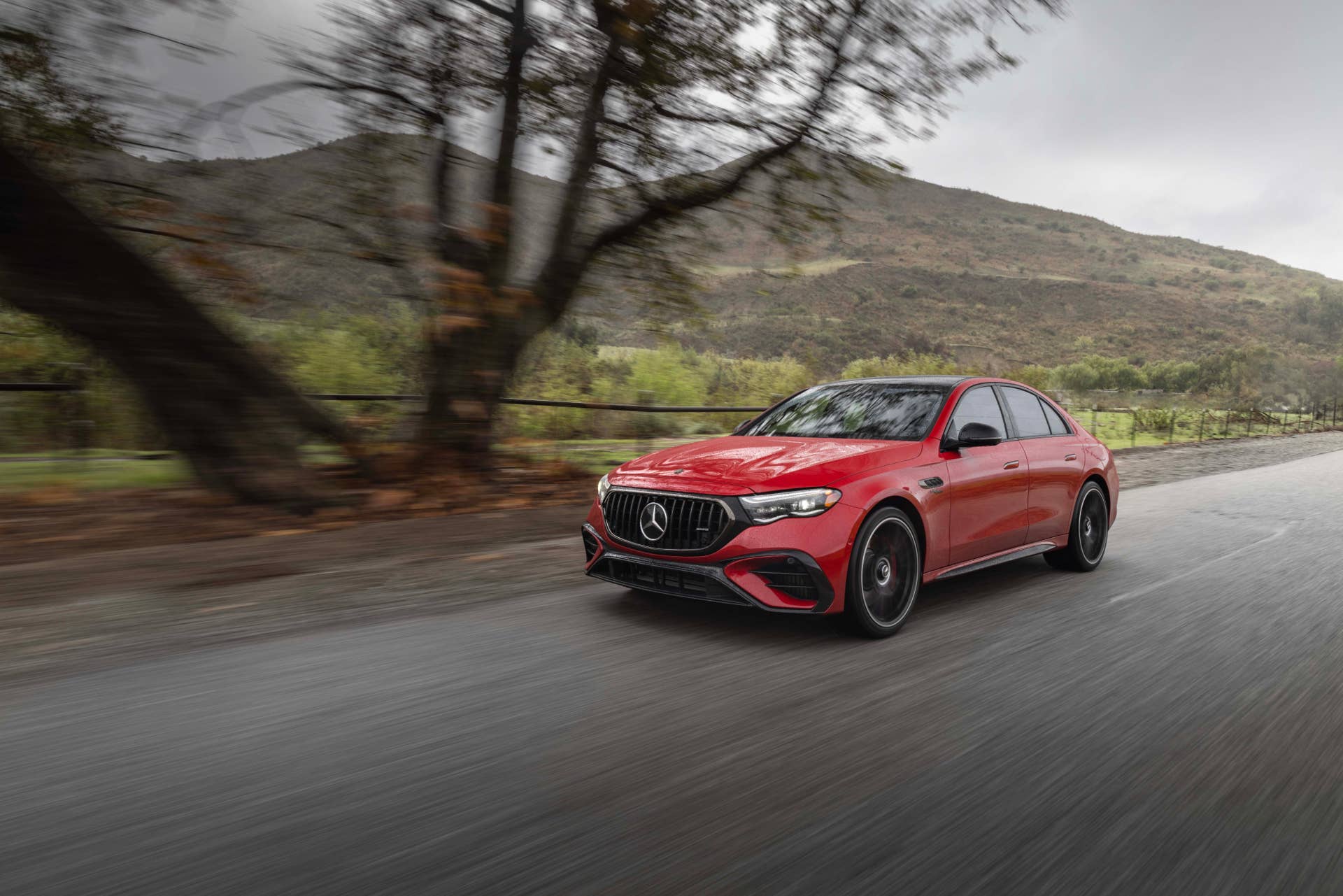
While Mercedes does not currently offer an E63, the E53 Hybrid is the next best thing. Also a plug-in hybrid, it has a 3.0-liter six-cylinder turbo engine and a rear electric motor, too. The setup isn’t as advanced as the C63’s, but the six-cylinder growl is more pleasing. It makes 577 hp and 553 lb-ft combined, allowing for a 3.9-second 0-60 time.
Mercedes-AMG
Unlike the C63, the E53 actually has a usable all-electric range of 44 miles. The C63’s PHEV system is purely there to boost performance—the EPA estimates it’ll only manage a single mile on electric power alone. At up to 60 MPGe, the larger E53 is also far more efficient than the C63 (37 MPGe).
If you want the most exciting, highly strung, sharpest car here, get the C63. But the E53’s balanced performance and more pleasing engine note are hard to ignore. Alternatively, Mercedes also sells the C43, an AMG model without a PHEV system. It makes 416 hp and has a 4.3-second sprint time, but like the C63, the engine noise isn’t the most inspiring.
4. Merc’s Top Infotainment System Is Exclusive To One
Mercedes-Benz
Mercedes-Benz
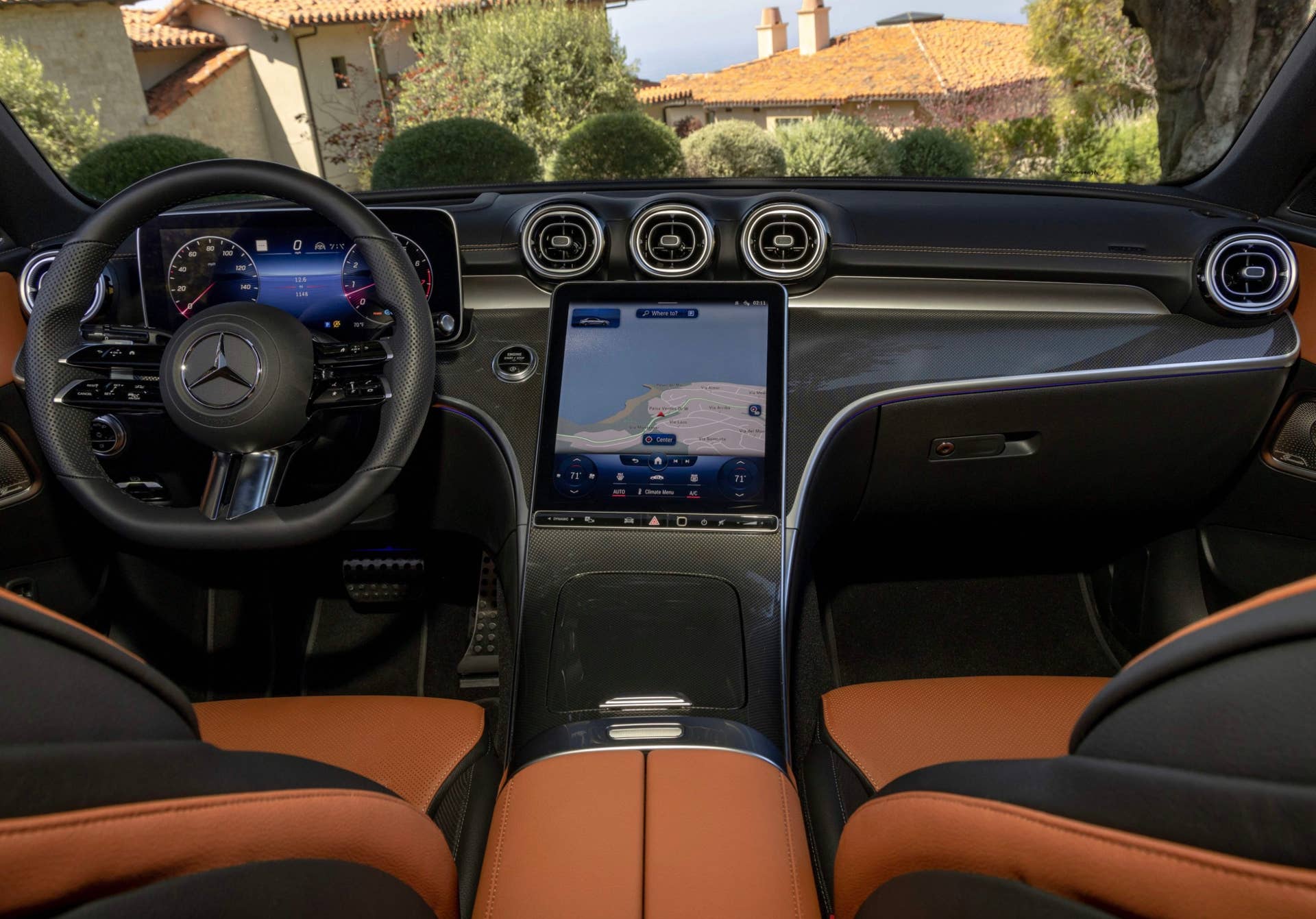
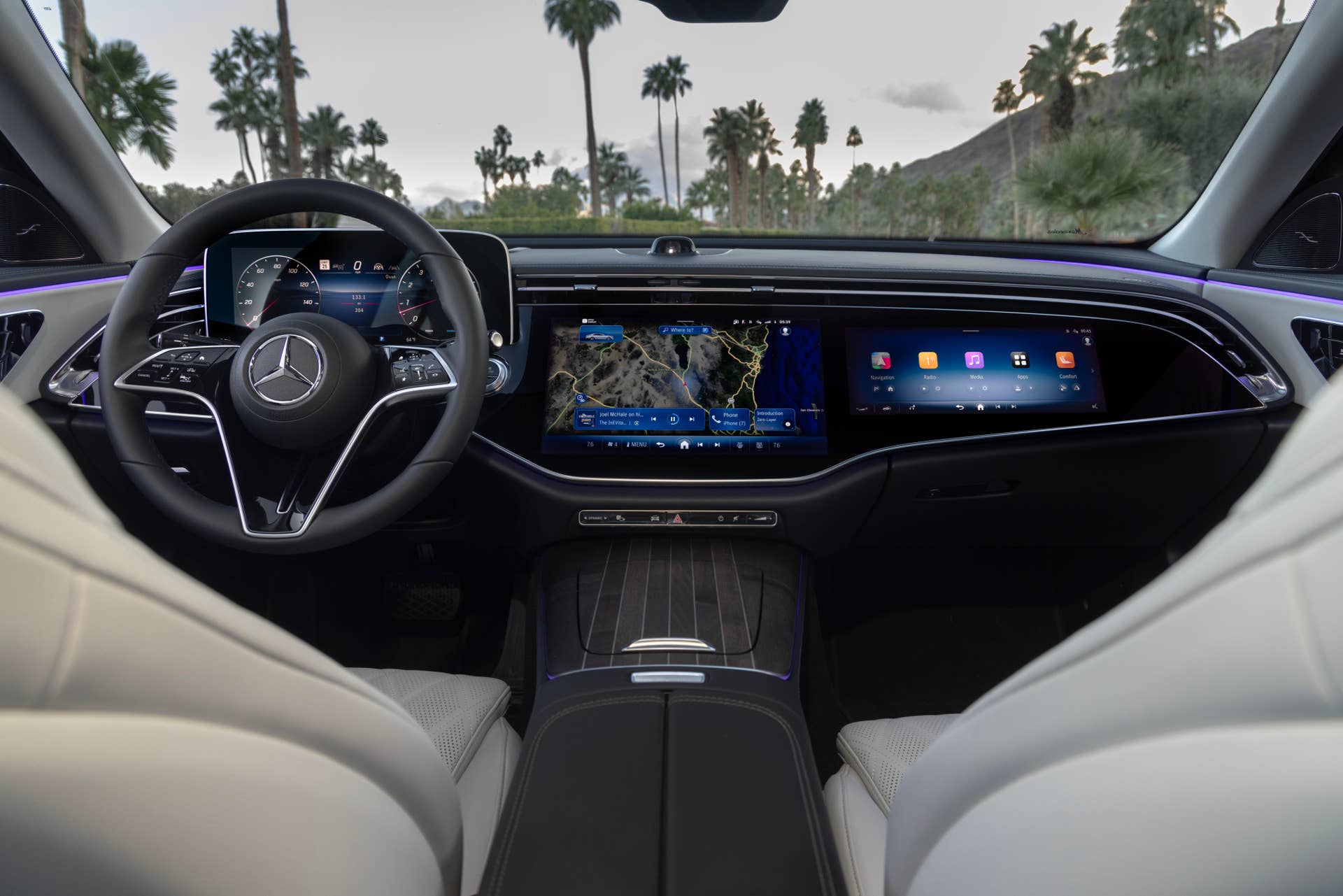
Both cars are loaded with nearly every conceivable infotainment feature, although the E-Class has a larger standard touchscreen. It’s on the options list where things differ, though.
The E-Class can be specified with the striking MBUX Superscreen. This combines a 14.4-inch touchscreen and 12.3-inch passenger-side screen beneath a single panel of aluminum-silicate glass. It gives the interior a very futuristic air, especially combined with the E-’s advanced ambient lighting system.
In the C-Class, the best you can get is an 11.9-inch touchscreen and 12.3-inch digital gauge cluster, but we expect this to change soon, as most 2027 Mercs have transitioned to a new, upright dashboard design with full-width displays—including the 2027 electric C-Class.
The E-Class’s more premium positioning is also reflected in nicer materials, more powerful sound systems, and plush seating.
5. The Pricing Factor

Mercedes
Mercedes
The 2026 Mercedes-Benz C-Class is one of the more affordable vehicles you can buy from the brand. Here’s its pricing:
- C300: $49,650
- C300 4Matic: $51,650
- AMG C43: $64,150
- AMG C63 S E Performance: $88,000
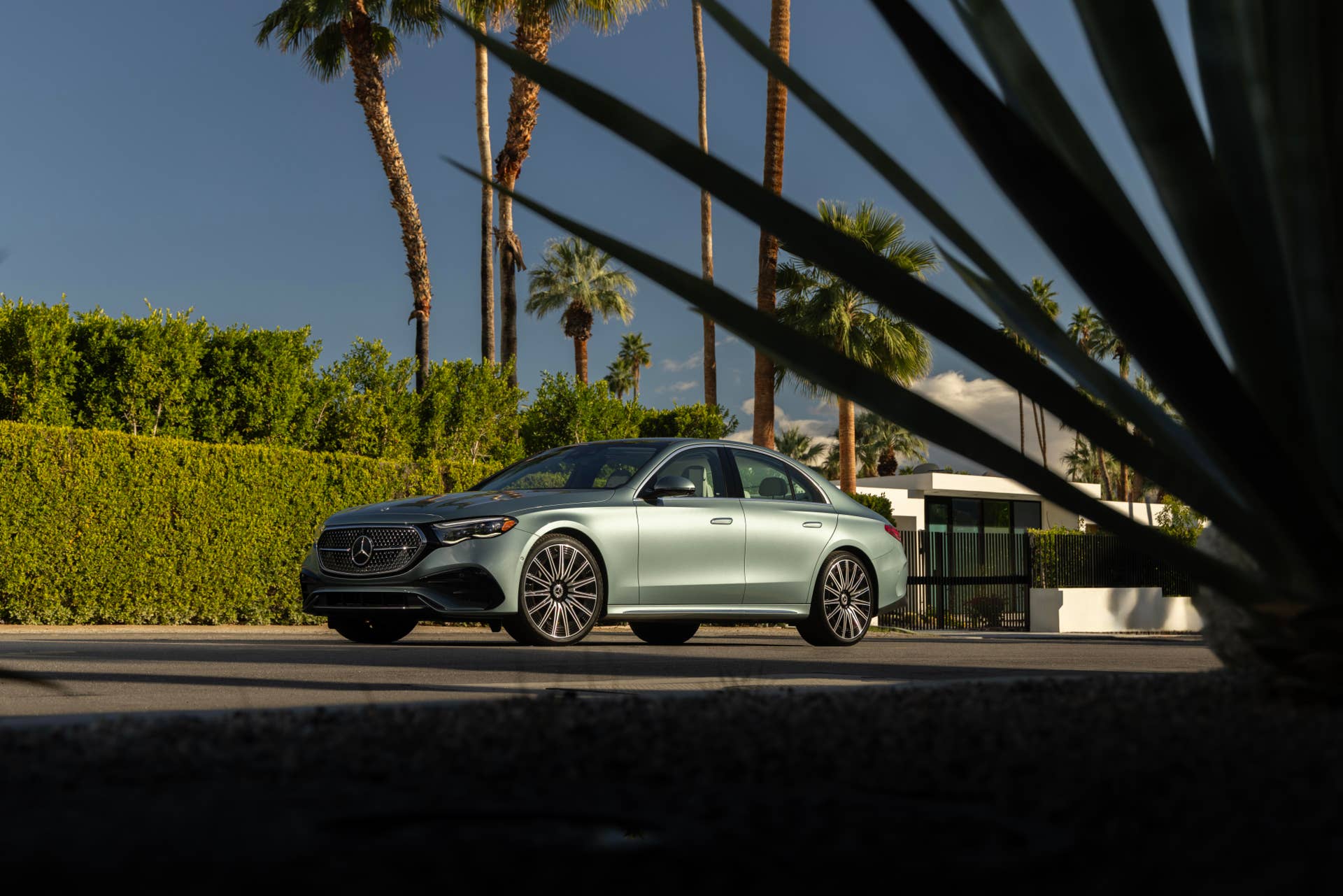
The E-Class is easily more expensive, but it does deliver greater comfort and refinement than its smaller sibling:
- E350: $63,900
- E350 4Matic: $66,400
- E450 4Matic: $72,300
- AMG E53 Hybrid: $89,600
There isn’t a bad car here, as all eight variants of these sedans are accomplished luxury cars. But, if you can stretch to it, the E450 is our pick as the best of the bunch. It’s exceptionally refined and very quick, without resorting to the aggressive AMG add-ons that can feel superfluous in a luxury cruiser.
Final Thoughts
Mercedes-Benz
In years gone by, the C-Class and E-Class were easy to distinguish at a glance. That’s become a bit more challenging, as Mercedes uses a very similar design language for all its gas-powered sedans. But when you get inside and drive each model, the E-Class’s superiority is still noticeable. It’s the better car here, especially with one of its six-cylinder powertrains. But, if the E is beyond your budget, the C-Class is one of the most comfortable compact luxury sedans you can buy.
About the author

Karl Furlong
Senior Editor, Autoblog