
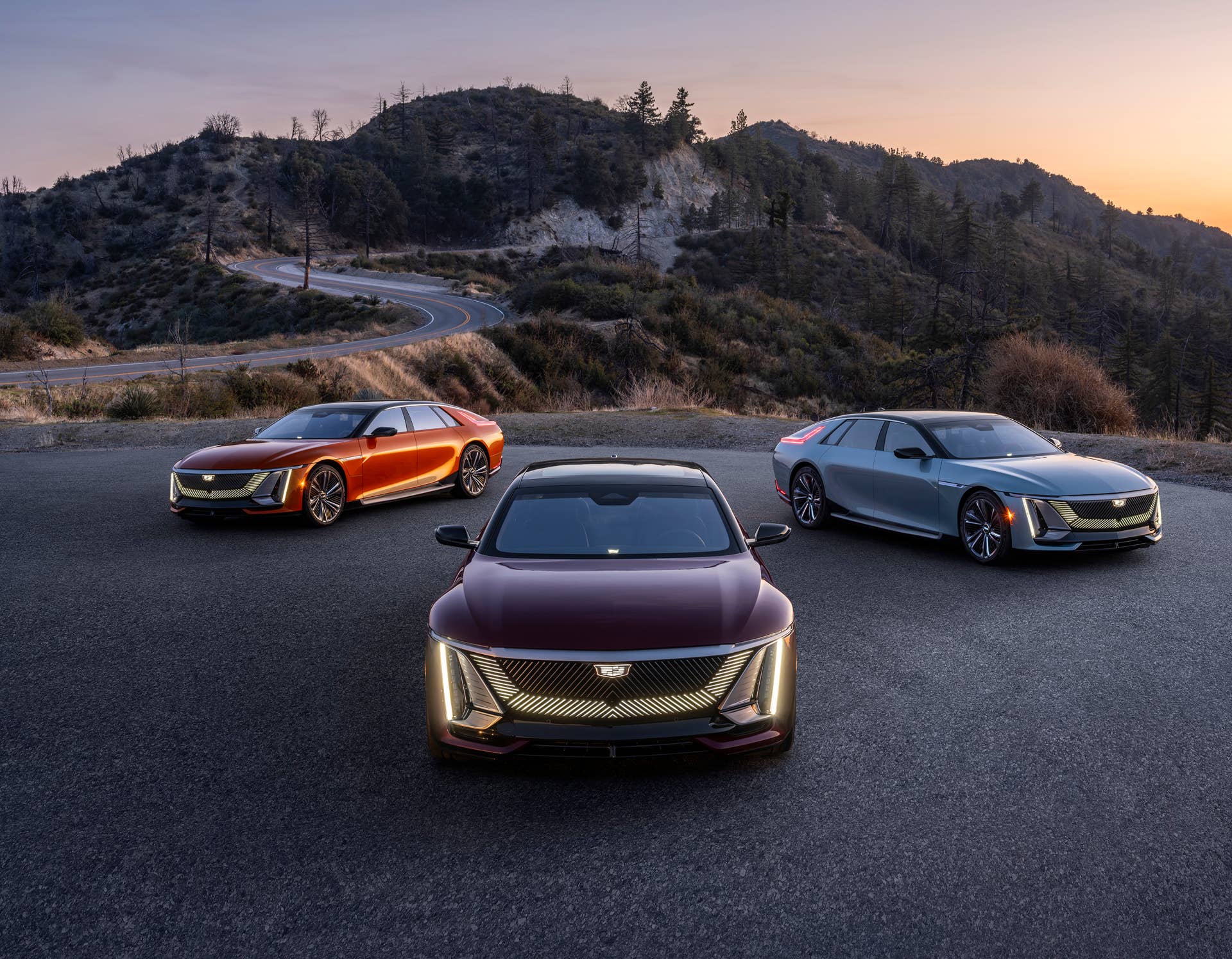
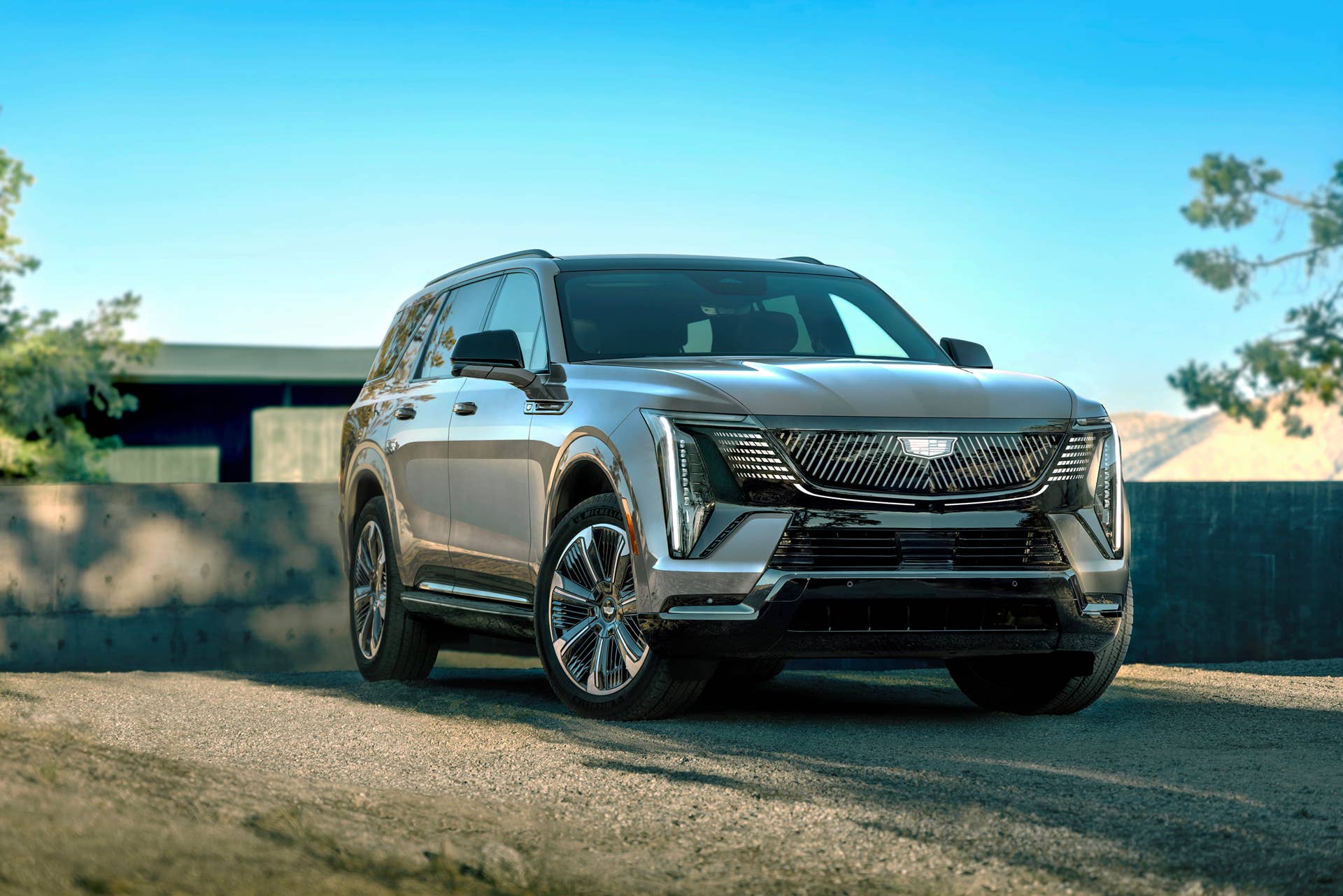
As EVs become increasingly mainstream in North America, it seems that all but one of the “big three” legacy domestic automakers have fallen behind in their fully-electric offerings. While Ford offers just three electric models in its lineup–the Mustang Mach-E, the F-150 Lightning, and the E-Transit van–and Dodge and Jeep together offer just two electric models currently–the Charger EV and the Jeep Wagoneer S–General Motors massively outshines them all with a whopping thirteen unique electric models spanning across the Chevrolet, GMC, and Cadillac lineups.
Cadillac
Cadillac
Cadillac alone offers six different electric models, with different variants available for almost every model. This strategy seems to be doing quite well for the brand, which anticipates its EVs will make up 30-35% of its total U.S. sales, according to CNBC. So, if Cadillac’s integration of EVs into its lineup has proven to be a safe bet for the brand, why doesn’t Lincoln, Cadillac’s most direct rival, give it a try themselves? It’s not as if they don’t have a platform ready to go.
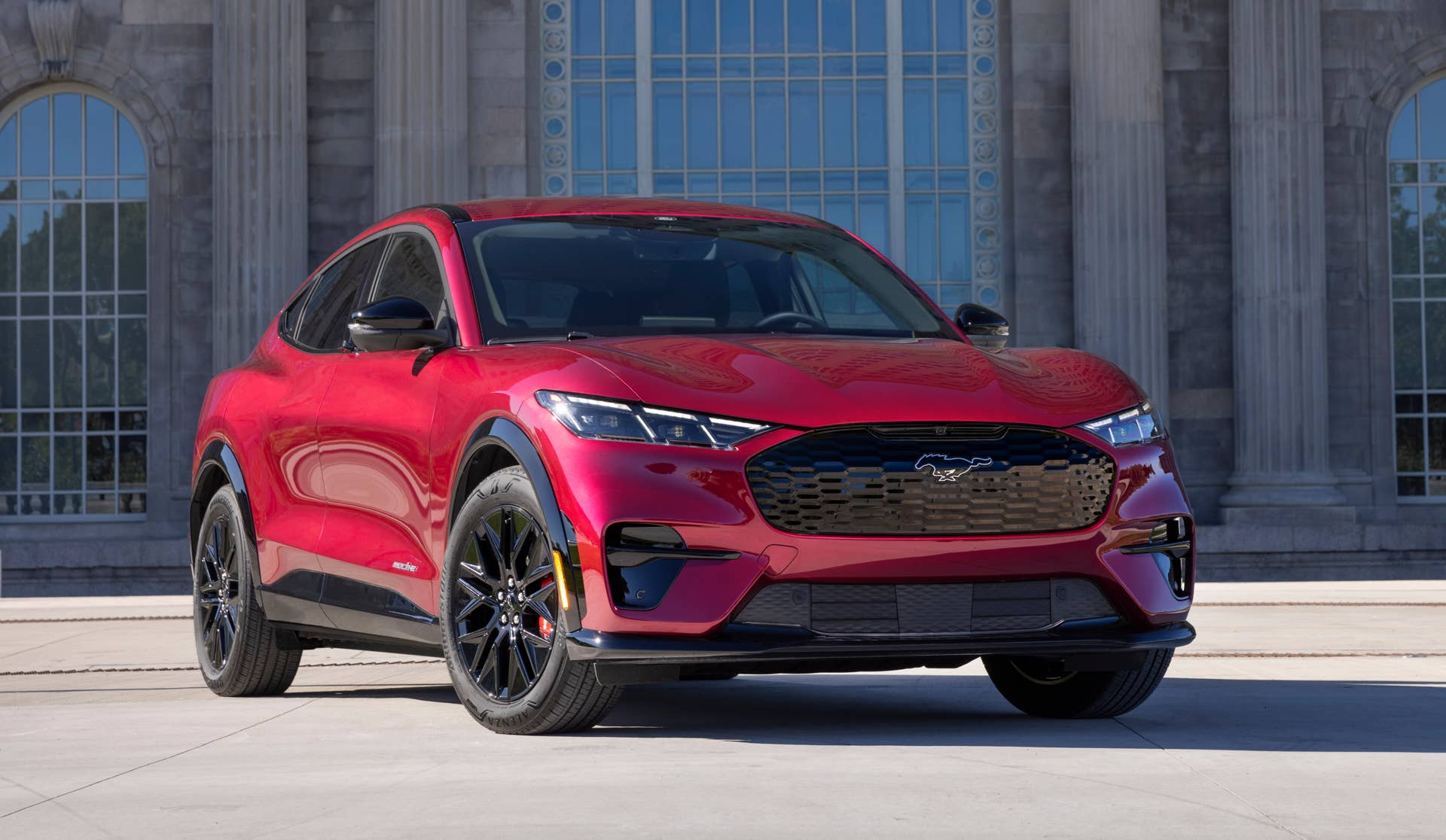
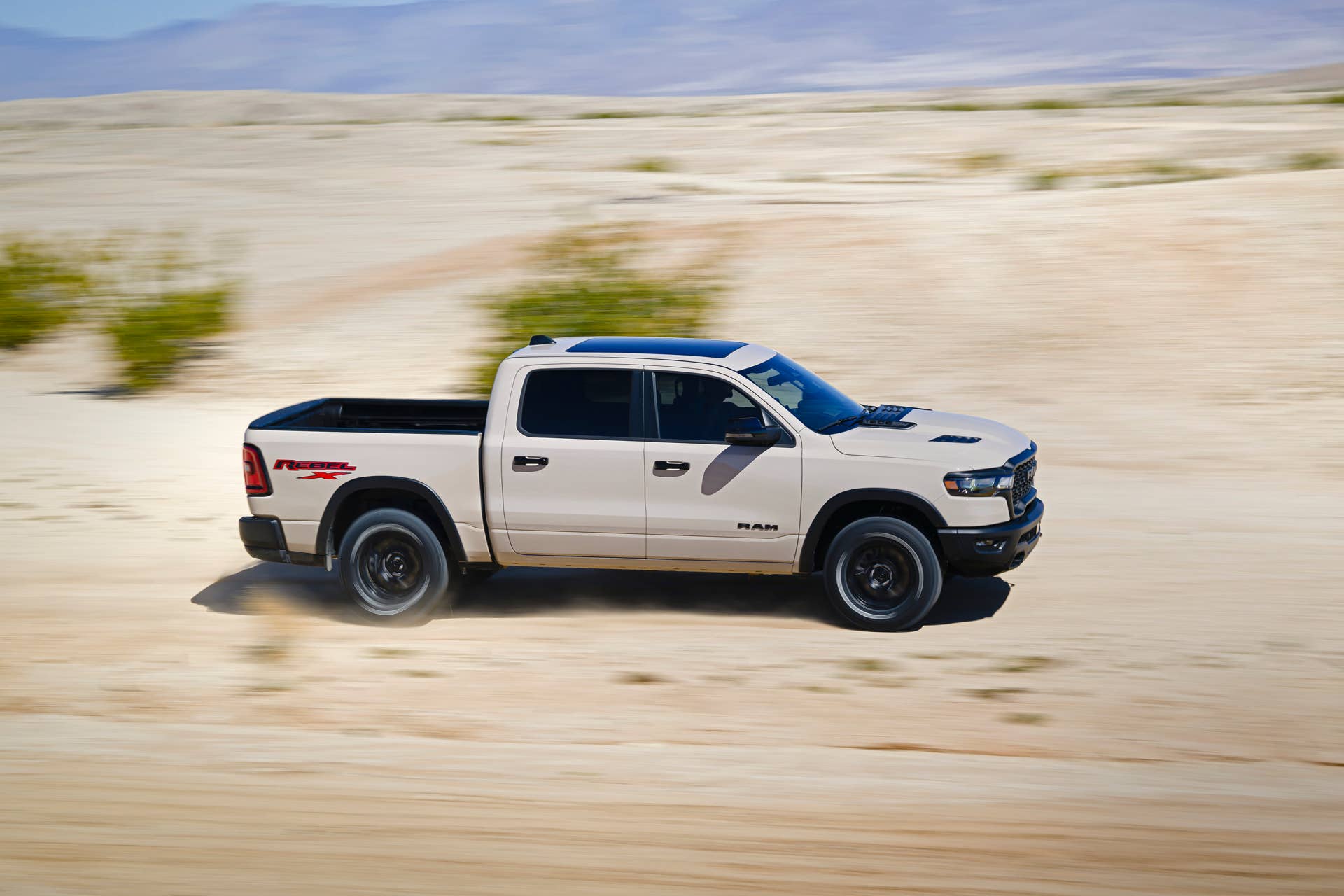
The Ford Mustang Mach-E could provide an excellent platform for a fully-electric Lincoln crossover
Ford’s Mustang Mach-E, despite its controversial nomenclature, has proven popular with American EV buyers, outselling both the Chevrolet Blazer EV and Chevrolet Equinox EV combined in 2024, and even outselling the traditional, gas-powered Ford Mustang pony car. With its favourable critical reception and proven sales track record, the Mustang Mach E seems to offer the perfect base for a more luxurious, Lincoln-branded variant. Using the Mach-E with eAWD’s 365-horsepower dual-motor setup, an electric compact Lincoln crossover could aim its sights directly at the Cadillac Optiq, which starts at $52,895.
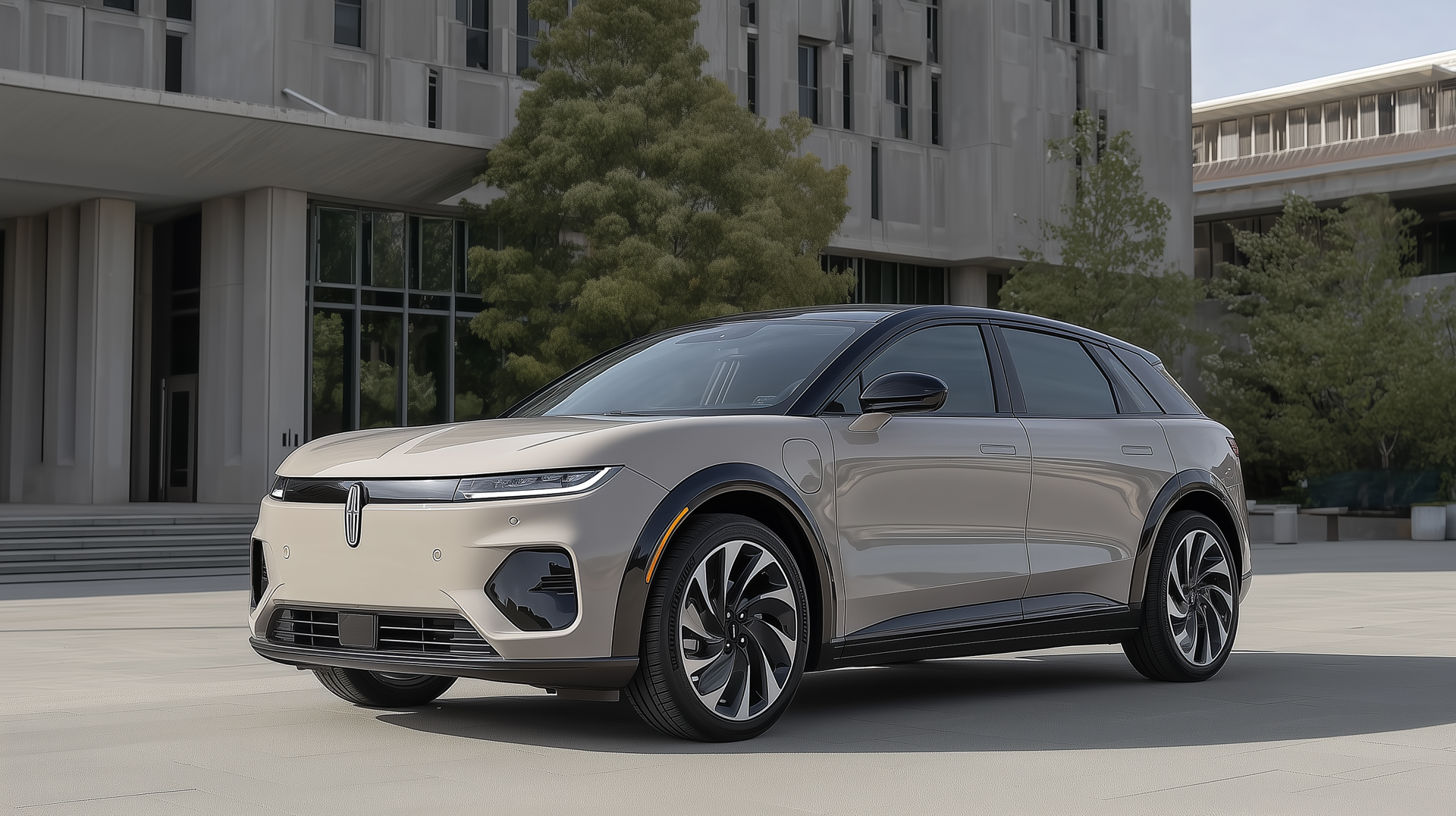
Using generative text-to-image artificial intelligence software and Adobe Photoshop, we take an imagined look at what a Ford Mustang Mach-E-based compact electric crossover would look like, branded as a Lincoln. These images are solely for speculative purposes and in no way, shape, or form represent any actual Ford or Lincoln products.
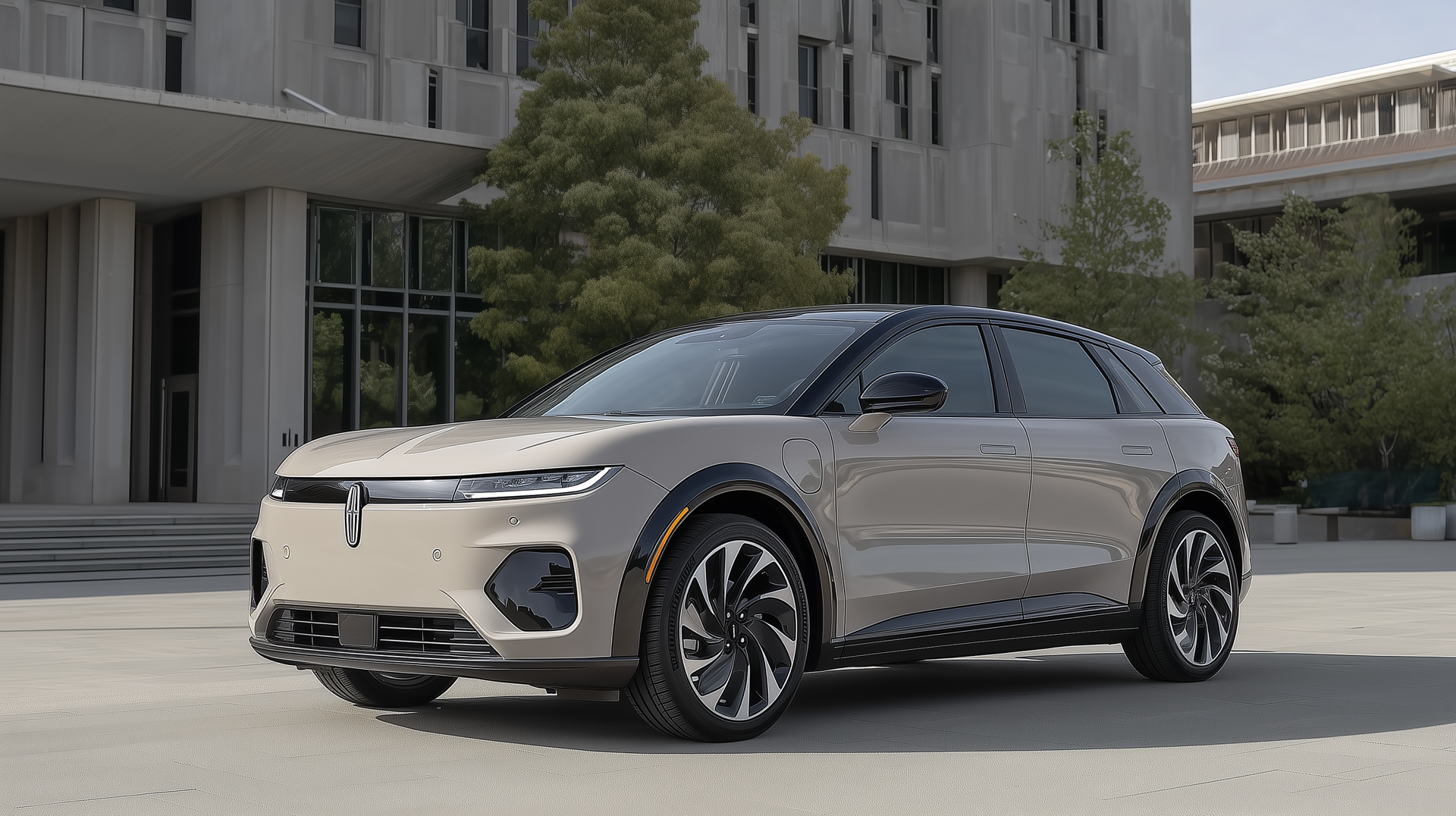
AI Generated Image
To try and tempt buyers away from the 519-horsepower, performance-focused Optiq-V, Lincoln could offer a Mach-E-based compact electric crossover equipped with the GT Performance Edition’s powertrain, which sends an instantaneous 480-horsepower and 634 lb-ft to all four wheels, allowing for a rapid 0-60 sprint time of 3.5 seconds–the same as Cadillac’s Optiq-V. Unlike the Mach-E GT Performance Edition, however, the Lincoln variant could offer more luxurious features such as an electronically-operable panoramic moonroof, massaging seats, a high-fidelity Revel sound system, and much more. Even with commendable performance figures, a silent-but-deadly performance EV crossover from Lincoln could still fit the brand’s focus on “Serenity”, due to its ability to offer a quiet and comfortable driving experience alongside its palpable performance figures.
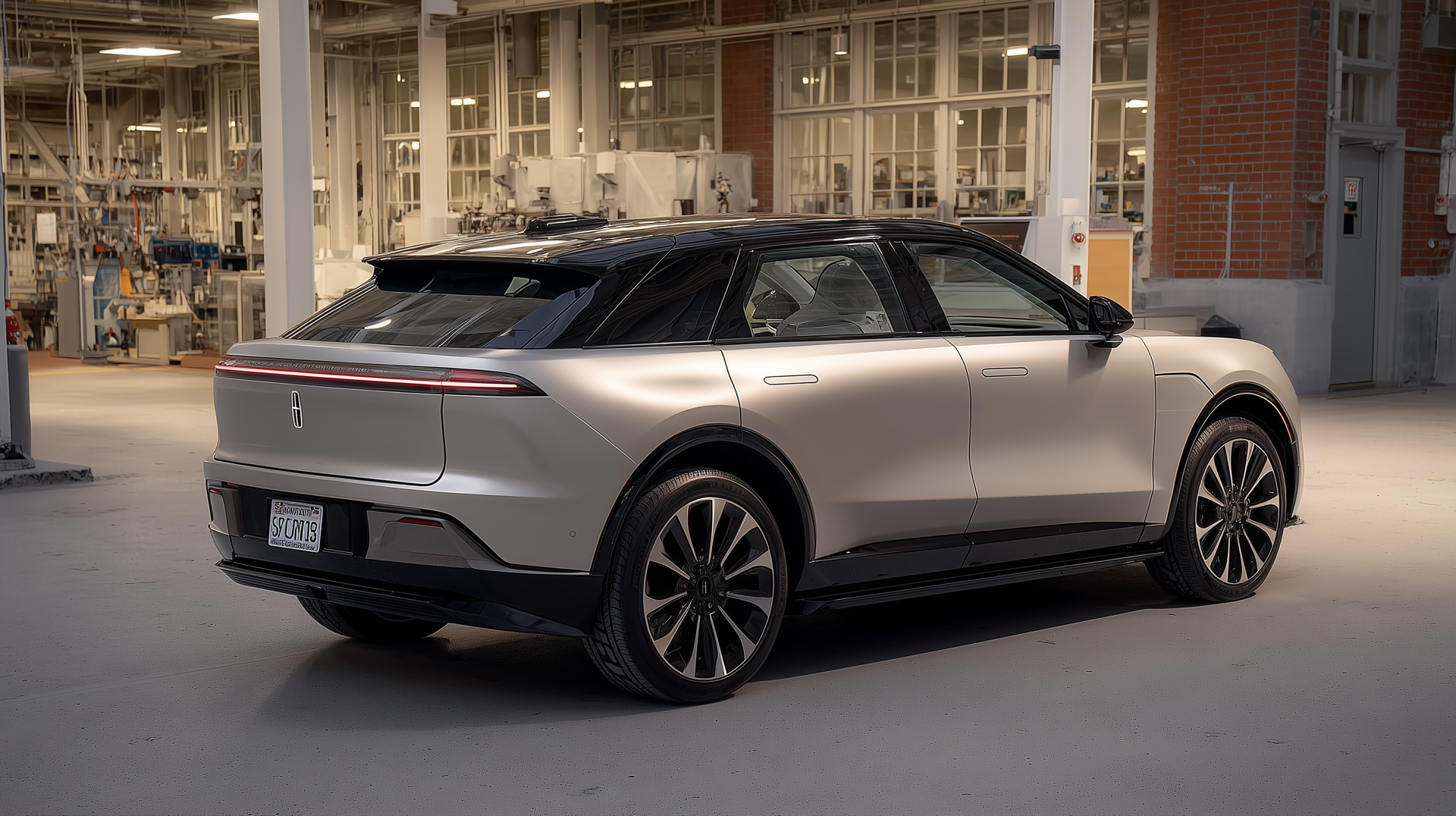
AI Generated Image
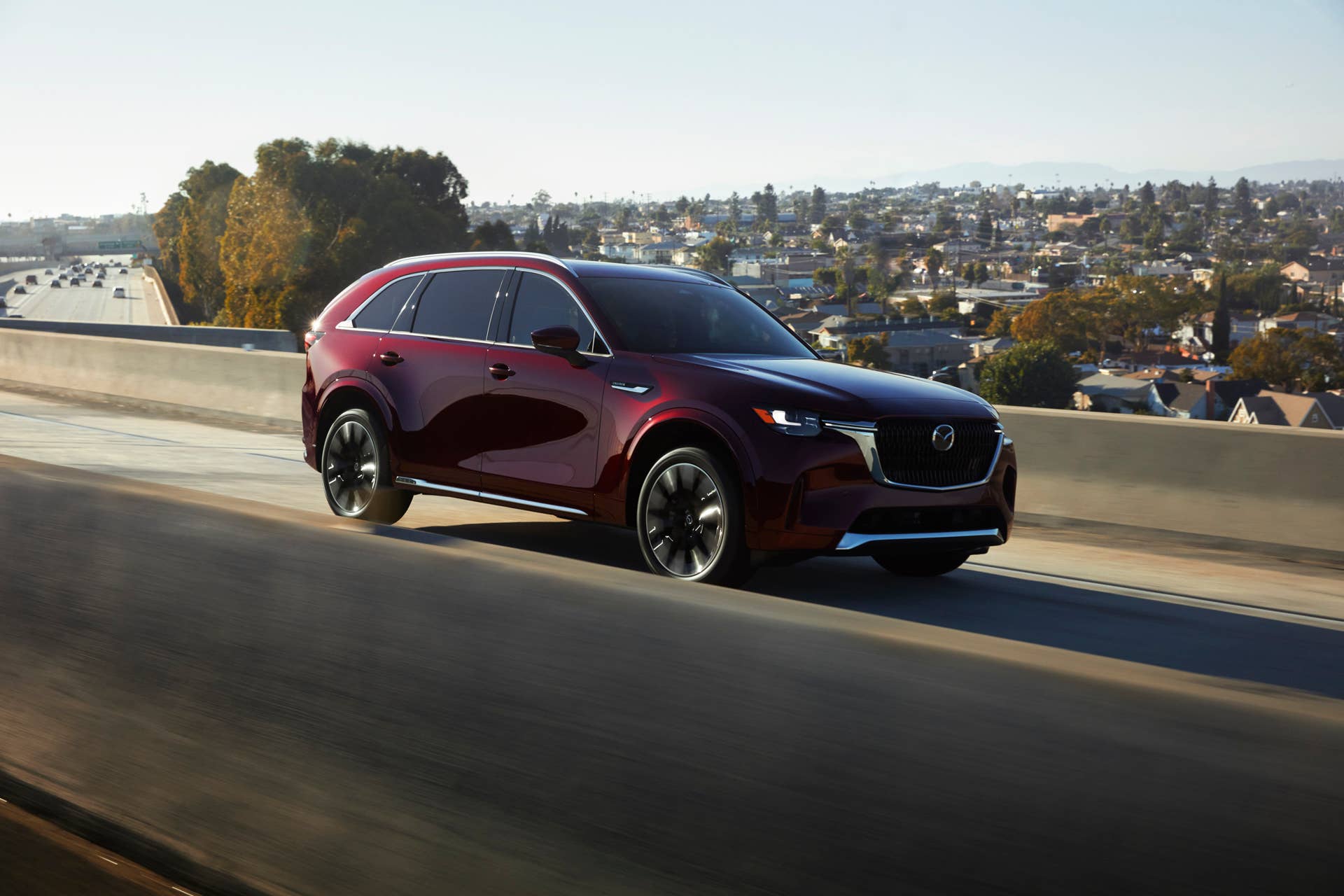
A compact electric Lincoln crossover could compete with much more than Cadillac’s Optiq
The compact electric crossover is one of the fastest-growing automotive segments in North America, and highly optioned luxurious variants are no exception. Almost every premium brand offers something in this class at this point, whether it be of European, Japanese, Korean, or domestic origin. From Europe, examples include the $49,800 Audi Q4 e-tron, the $53,050 Mercedes-Benz EQB SUV, the $63,548 Volvo EX40, and the $119,900 Maserati Grecale Folgore. From Japan, examples include the $44,095 Lexus RZ and the $64,500 Acura ZDX. From Korea, we have the $52,350 Genesis GV60, and domestic segment offerings include the $52,895 Cadillac Optiq, the $65,200 Jeep Wagoneer S, the upcoming $45,000 Rivian R2, and, of course, the $37,490 Tesla Model Y if you consider Tesla to be a luxury brand.
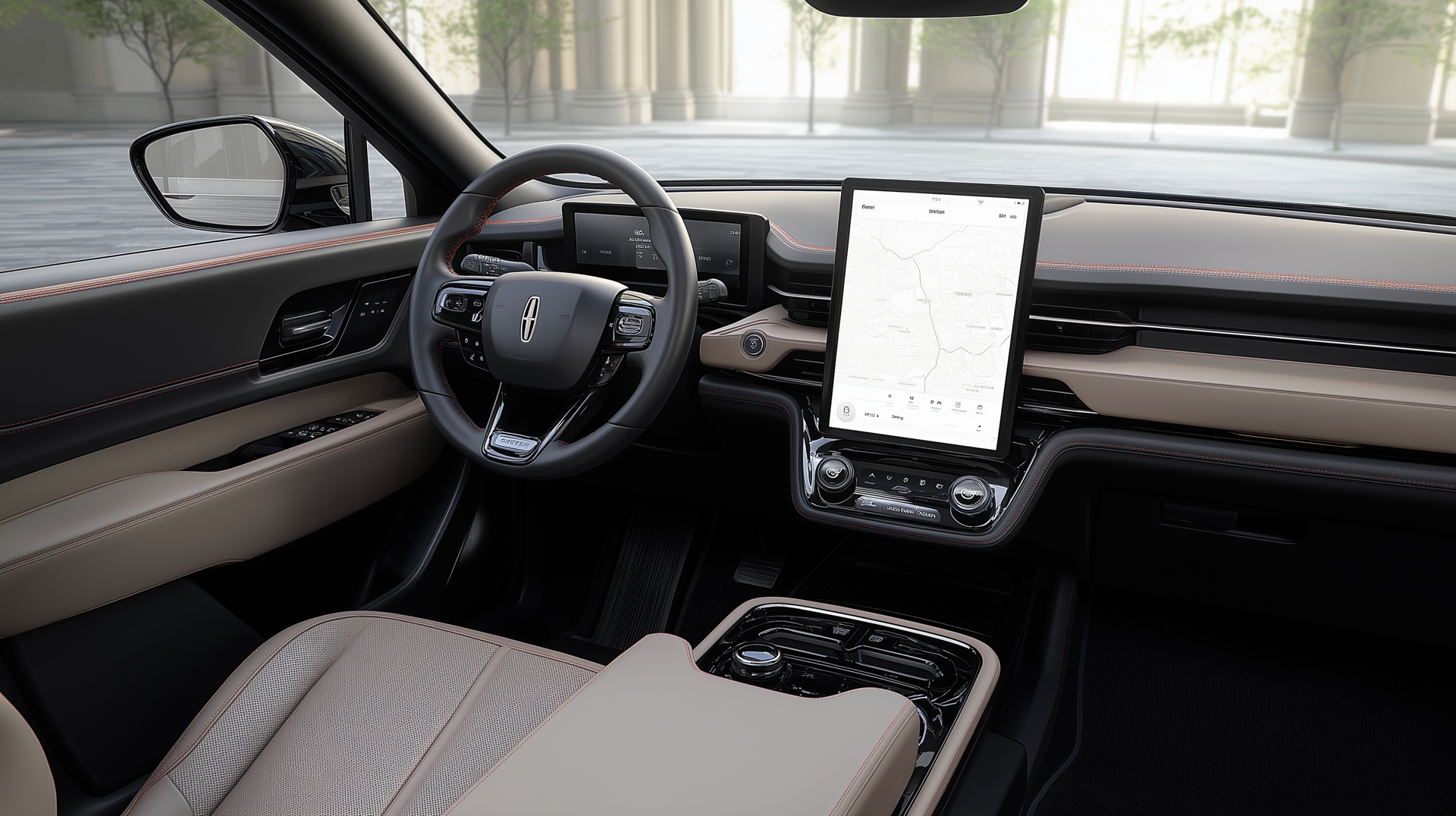
AI Generated Image
Final thoughts
Considering how hot the compact premium electric crossover segment is these days, it’s almost astounding that Lincoln hasn’t yet taken the opportunity to develop a competitor, especially considering the availability of the Ford Mustang Mach-E’s commendable platform. Hopefully, Lincoln has something exciting being cooked up behind the scenes because as rival brands cement their crossover EVs’ reputations and gradually earn the respect of buyers, Lincoln risks falling behind and introducing a product that’s too little, too late.

About the author

Cole Attisha
Staff Writer, Autoblog