
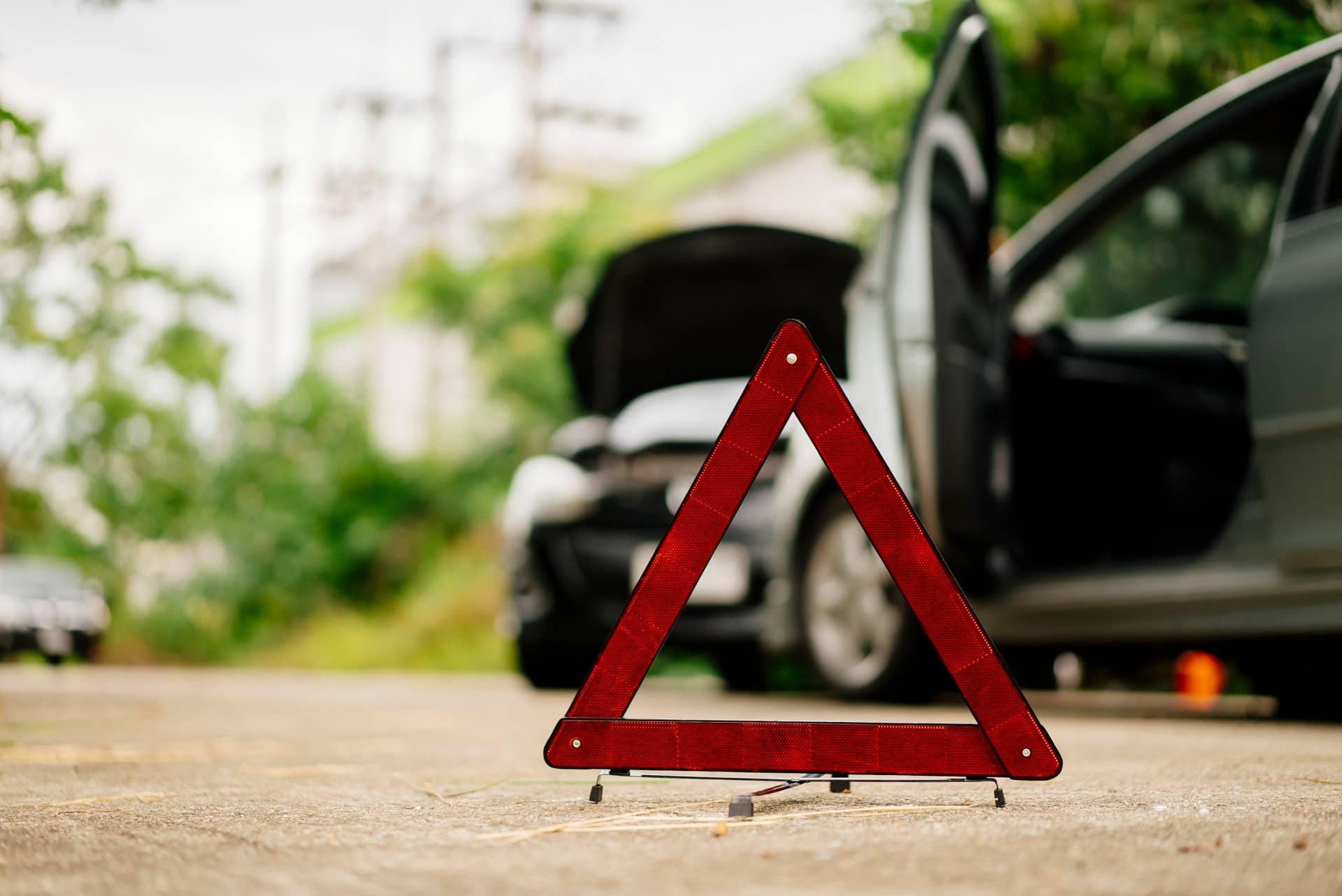
If you look at the Monroney sticker for a brand-new, base-model Subaru Impreza or even a new Nissan Sentra, one of the cheapest cars on the market, the list of standard safety features is impressive. For less than $30,000, you get features that are designed to prevent forward collisions, detect a car in your blind spot, and warn you when you’re about to hit something when you’re backing up. These features are designed to help you maintain your car’s integrity and to make roads safer for everyone.
But what happens if those features don’t come on when they’re supposed to, and an accident happens? Can you blame the manufacturer? Well, from what I’ve determined from research, it depends. Because these technologies will be mandatory for automakers selling in the US by 2029, as mandated by the NHTSA and the DOT, these systems must meet a standard. However, a manufacturer is only responsible if the driver can prove that the technology is defective. Then, a driver must prove that the technology’s defectiveness resulted in a crash.
That becomes a very laborious and painful process. But, as a lawyer, are there any specific instances or circumstances that can make the automaker liable? I spoke with Personal Injury Lawyer Andrew Sitzer to find out.
Why are these technologies so important?
The data doesn’t lie, folks. A recent data analysis by the IIHS shows that automatic emergency braking (AEB) reduces overall rear-end crashes by 50% and rear-end injury crashes by 42% in passenger vehicles. The AAA published a study this year stating that 2024 models with AEB avoided 100% of forward collisions in tests at speeds up to 35 mph. And, now that pedestrian detection is becoming standard, up to 20% of pedestrian collisions are avoided.
Kristen Brown
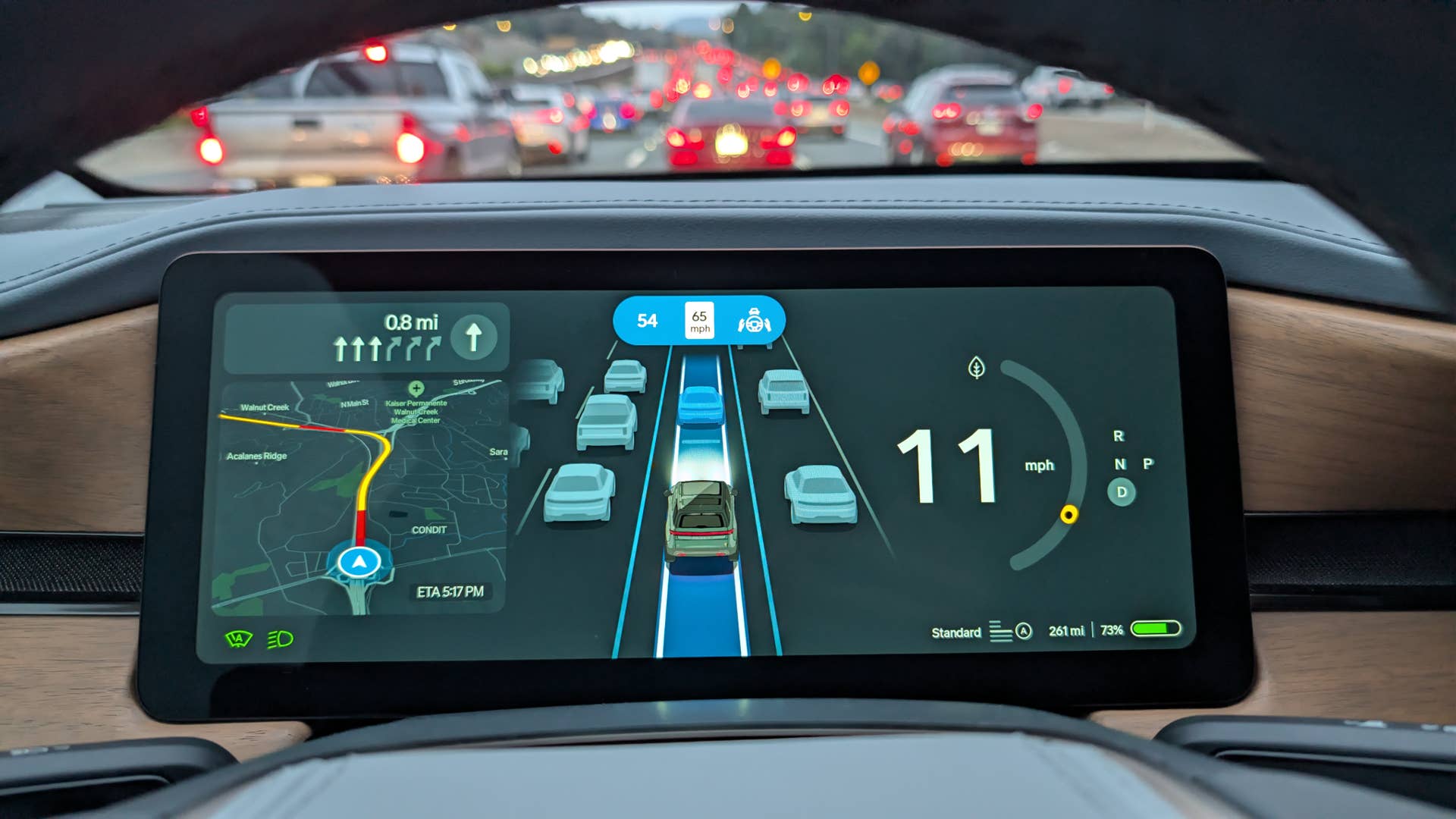
Think of it like herd immunity against accidents—the more people who have cars that are equipped with these systems, the safer the roads are for everyone. Imagine a world where everyone used adaptive cruise control that would automatically adjust the distance; traffic and accidents would be significantly reduced.
Be sure to read the owner’s manual and check for language
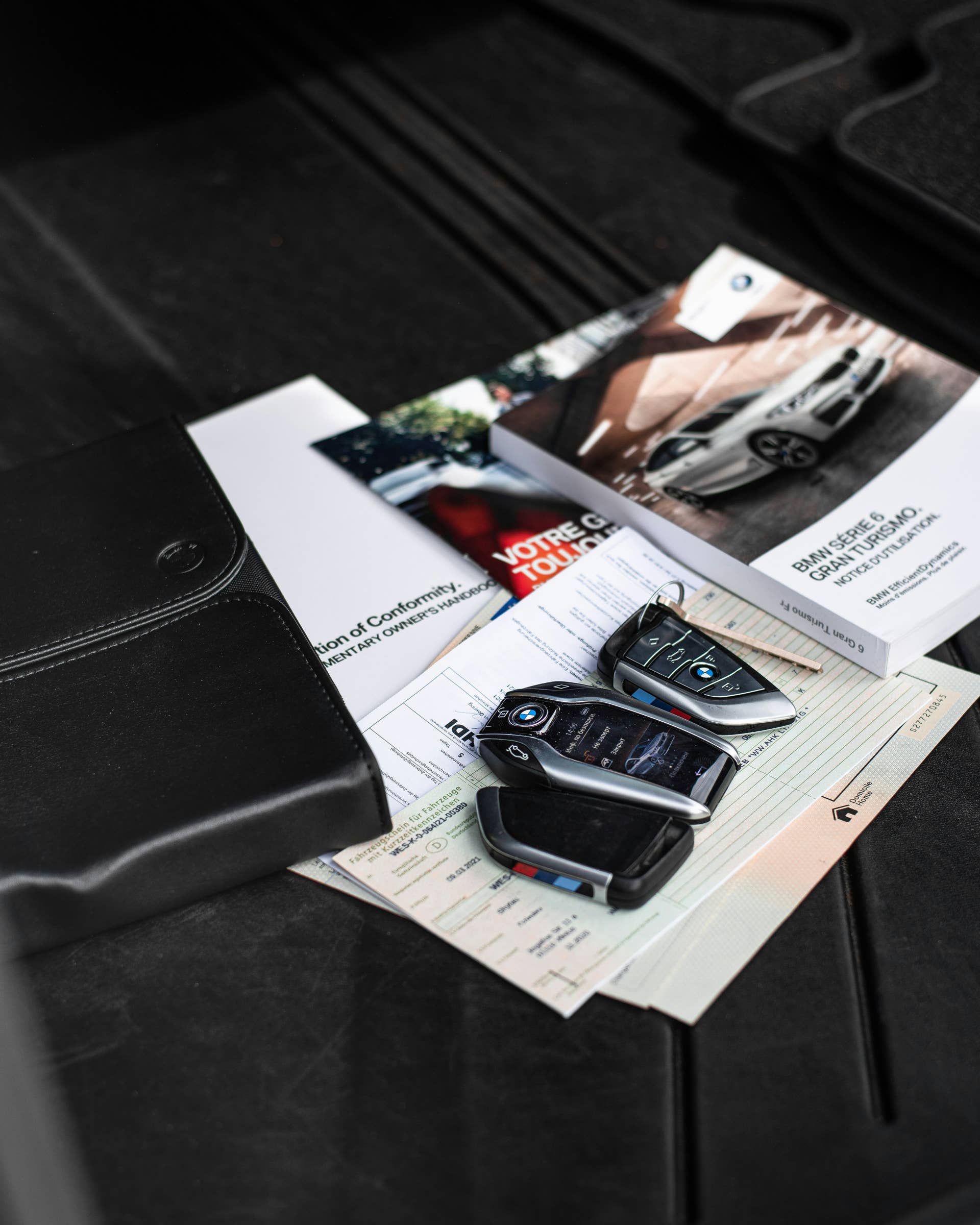
Unless a car is equipped with level 3 autonomous driving technology, the manufacturer wants the closest to zero responsibility as possible. Therefore, many manufacturers will include disclaimers stating the technologies are an “assist” and are “not a substitute for attentive driving”. Some warn drivers not to rely on these systems, as variables like adverse weather or a dirty windshield can make them less effective. Even the NHTSA writes that these features are a “defense” but not an “absolute shield”.
But let’s circle back to the defectiveness loophole. In recent years, brands like Nissan, Volkswagen, and Audi have settled class action lawsuits out of court regarding braking system defects. There have also been cases where drivers claimed marketing for technology like Tesla’s Autopilot was misleading. It is possible to hold big names accountable if there is something mechanically, technologically, or ethically wrong with a safety-sensitive system.
But let’s circle back to the defectiveness/effectiveness loophole. In recent years, Nissan, Volkswagen, and Audi have had class action lawsuits filed against them after drivers aired their grievances about a defect in the braking system that caused an accident, and these automakers settled out of court without admitting their technology was the cause. There have also been cases where a driver was able to claim Tesla’s marketing for the Autopilot/FSD technology was misleading, implying these features were fully autonomous when they’re not, proving it is possible to hold big names accountable if there is something mechanically, technologically, or even ethically wrong with a safety-sensitive system. It just takes the right lawyer, the right language, and the right circumstances.
So, what does the attorney have to say?
Andrew Sitzer is a personal injury lawyer based in Orange County, California, and the founder of Sitzer Legal. He specializes in injury cases, including car and truck accidents, as well as motorcycle and bike crashes. His specialization gives him deep knowledge of traffic laws, catastrophic injuries, and the inner workings of the legal system.
“The first thing I tell them is these cases are difficult, and they take time. Automakers have deep pockets and entire legal departments whose job it is to protect them,” Sitzer said. “That said, ‘difficult’ doesn’t mean ‘impossible.’ In California, we’ve seen cases like this succeed, but the burden of proof is on us, the plaintiff; that’s where the real work begins.”
Pexels
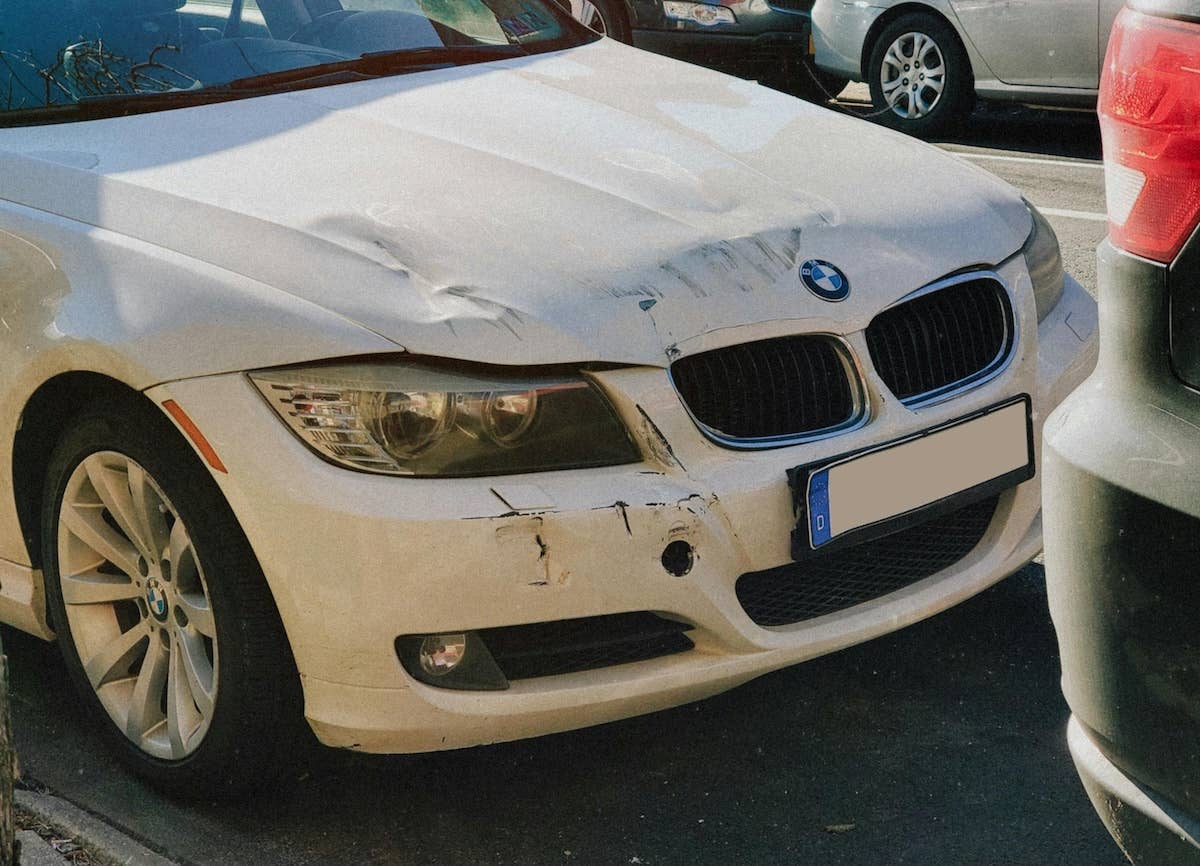
Usually, he’ll suggest a $500 EDR—or blackbox—analysis by an outside expert. This, Sitzer said, would give him explicit data to work off of; from there, he can reconstruct the accident and help determine whether or not it was the driver’s fault, or if the system truly failed. But that’s just one part of Sitzer’s strategy.
“You essentially need to prove three things. First, you have to show that the technology was defective, not just that it didn’t activate, but that it should have activated under the conditions you were driving in and failed to do so because of a flaw in the system,” he explained. “Second, you need to prove that failure directly caused your accident. And third, you need to show there were damages—injury, property damage, and/or financial loss. The second one is where most cases get complicated. The manufacturer is going to argue it was the driver’s error, environmental factors, or that the system was actually operating within its ‘designed parameters.’”
Sitzer says that automakers are very careful about the language they use
Sitzer said that part of the automakers’ formula to protect themselves is to use language that removes responsibility from them should an accident happen. It’s deep in the owner’s manual, which, unfortunately, is left unread.
“AEB systems have limitations that are clearly spelled out in the owner’s manual; limitations related to speed, weather conditions, sensor obstructions, and even the angle of the sun,” said Sitzer. “If the crash occurred under conditions where the manufacturer had already disclosed that the system might not perform well, that becomes a major hurdle. Their attorneys will point to your manual where it says, for example, the system may not detect vehicles in heavy rain, and suddenly, your case just got a lot harder.”
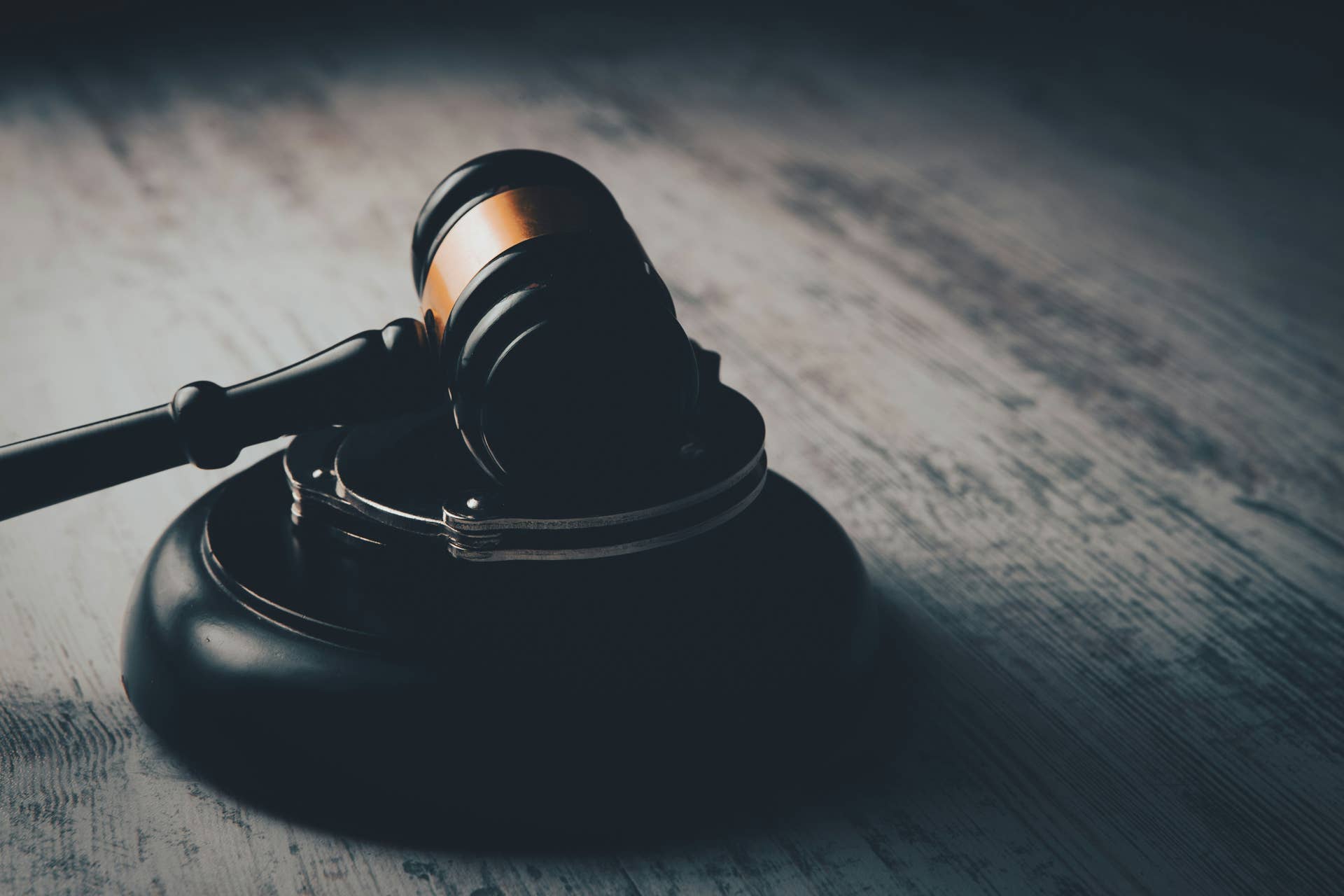
Other AEB-related cases can be easier to prove, though. Sometimes, he said, an AEB system can cause an accident by engaging when it’s not supposed to. Blackbox data would show that, and this, Sitzer says, is an easier case to win.
“[These cases] are actually a different category, and there has been more success with these types of cases recently. When a system engages unexpectedly, causing a rear-end collision or forcing a sudden stop in traffic, that’s the technology actively creating a dangerous situation,” he said. “Those cases tend to be stronger because the defect is more demonstrable. You weren’t relying on the system to save you; the system itself caused the problem.”
There are other instances where you’d have a leg to stand on
If a client is adamant about AEB causing an accident by not activating in situations where it absolutely should have, and you have strong evidence to strengthen your argument, there are a few angles of attack he can work from.
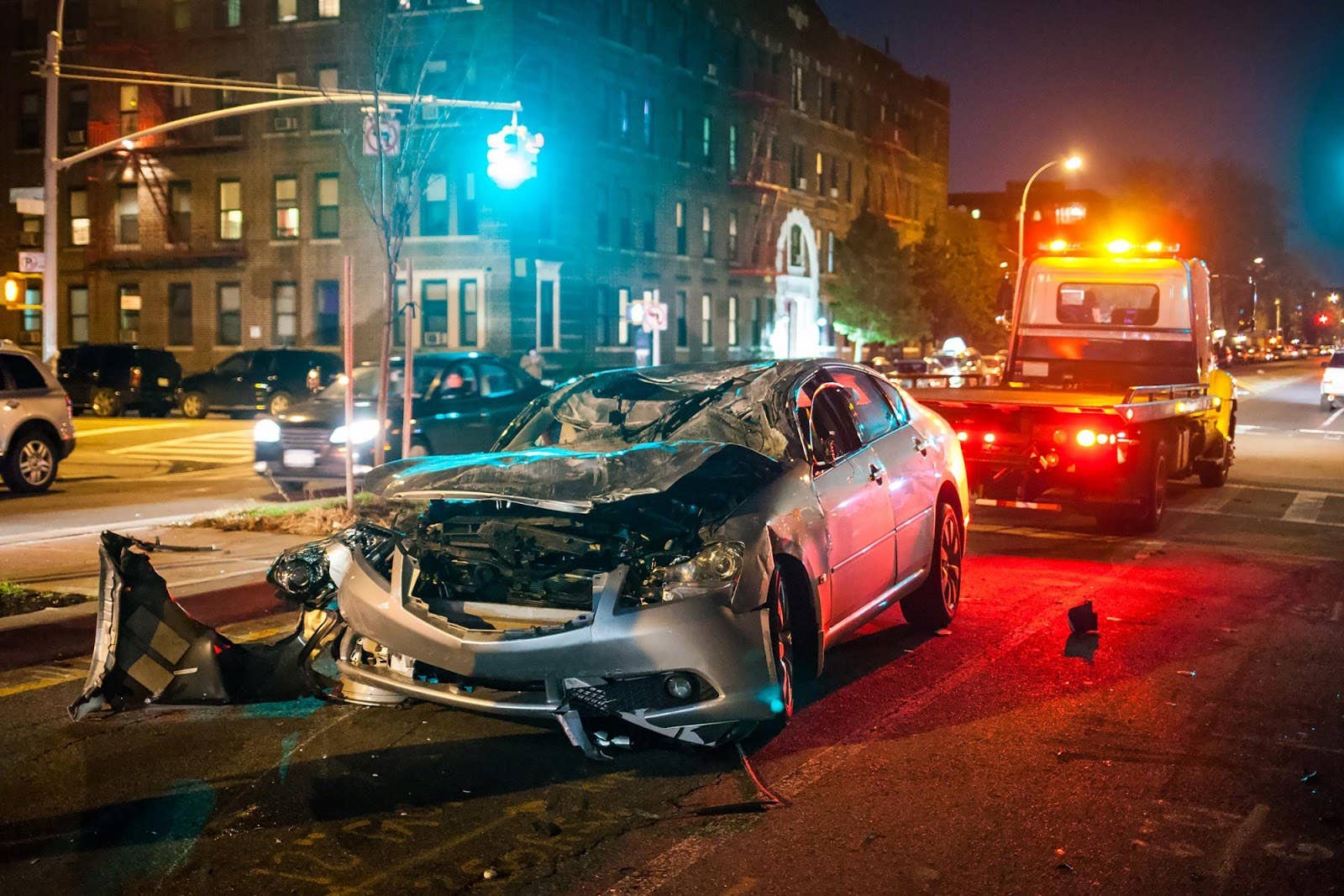
“A few scenarios stand out. If there’s an existing recall, technical service bulletin, or pattern of similar complaints filed with NHTSA, that’s significant,” he noted. “It suggests the manufacturer knew or should have known about the issue. If the system failed under conditions well within its advertised capabilities—say, at 25 mph on a clear day with a stopped vehicle ahead—and you have dashcam footage or vehicle data to prove it, that strengthens your position considerably. Or, if the marketing materials made representations that go beyond what the system can actually deliver, you may have a deceptive-practices claim in addition to a product liability claim. We’ve seen that play out with some of the Tesla Autopilot litigation.”
Finally, this is something he suggests to every one of his clients.
“Document everything. If your AEB system behaves erratically—phantom braking, failing to engage, warning lights—take your car to the dealer immediately and get it in writing. Make sure you have a dashcam, and save the footage. Screenshot any marketing materials that influenced your purchase. And read your owner’s manual, as tedious as that sounds; know what your system can do and isn’t supposed to do. If something goes wrong down the road, that documentation could be the difference between a viable case and a dismissed one.”
Final thoughts
Before a manufacturer puts safety-sensitive technology into a new model, they have a team of attorneys and law professionals making sure nearly all bases are covered to ensure they’re not legally responsible for anything if someone crashes. And since we’re all adults here, we should all know that we should never rely on any emergency braking system to do the work for us. It’s there to help avoid a crash, not prevent one entirely—that’s up to the driver’s knowledge, skills, and reaction time. So, every time you drive—and I mean every time you drive—make sure you’re not getting behind the wheel assuming any of these systems will prevent an accident for you.
Even with that, some cases, even recent ones, show us that automakers can be held accountable where it’s due. Like Achilles’ heel, there are certain instances where an automaker can be held responsible, showing a weakness in their seemingly impenetrable legal defense. As you know, manufacturers tend not to spare any expense when it comes to legal defense, but as the saying goes, the bigger they are (“they” being the automaker), the harder they can fall. It just takes the right lawyer, like all cases, big or small. They just have to actually be responsible for faulty technology, and not for poor driving.
About the author
Kristen Brown
Contributing Writer, Autoblog