
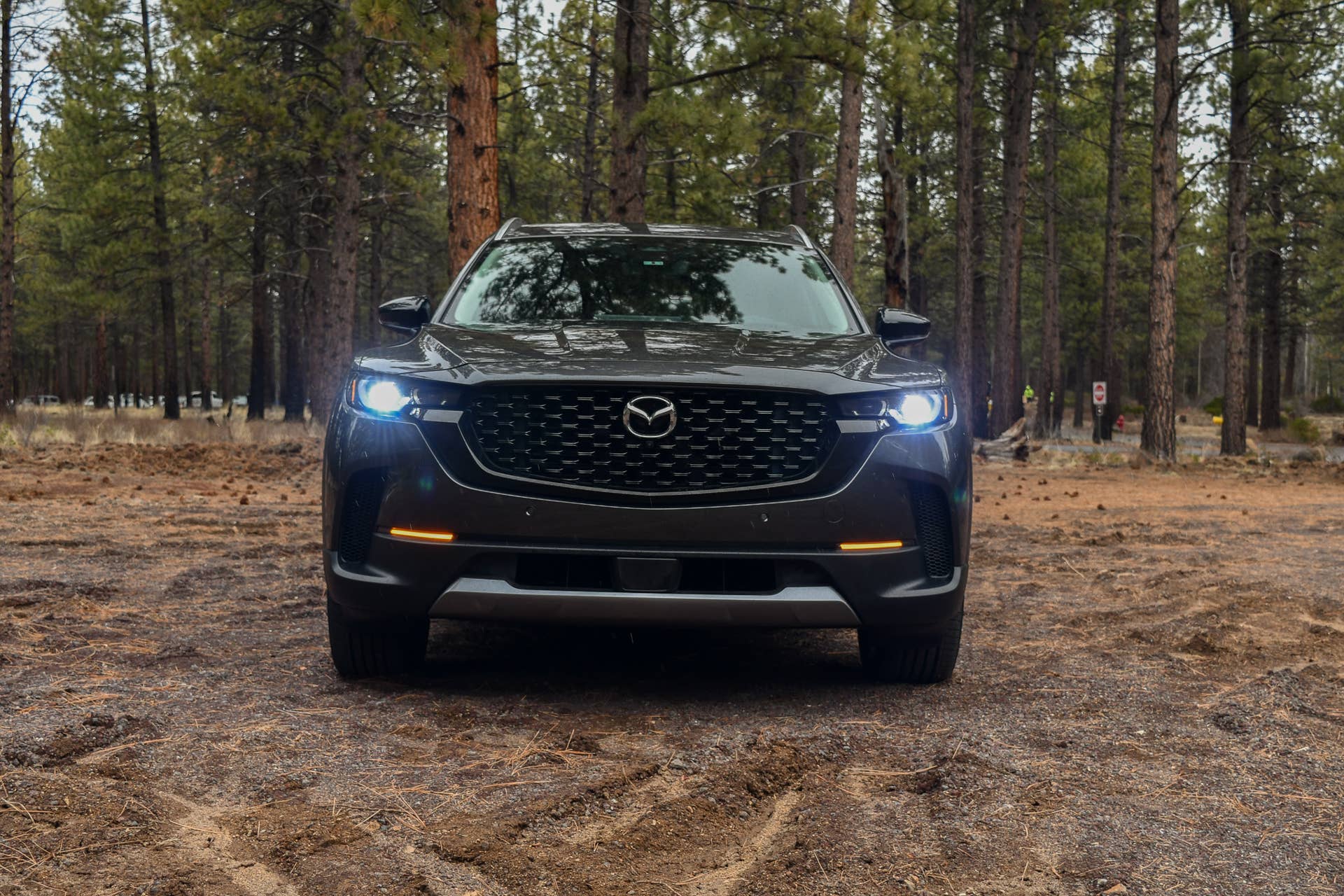
Most states require headlights with windshield wipers. This presents a complex legal issue: If you rear-end a car without its lights on, are you at fault? I asked a lawyer to find out.
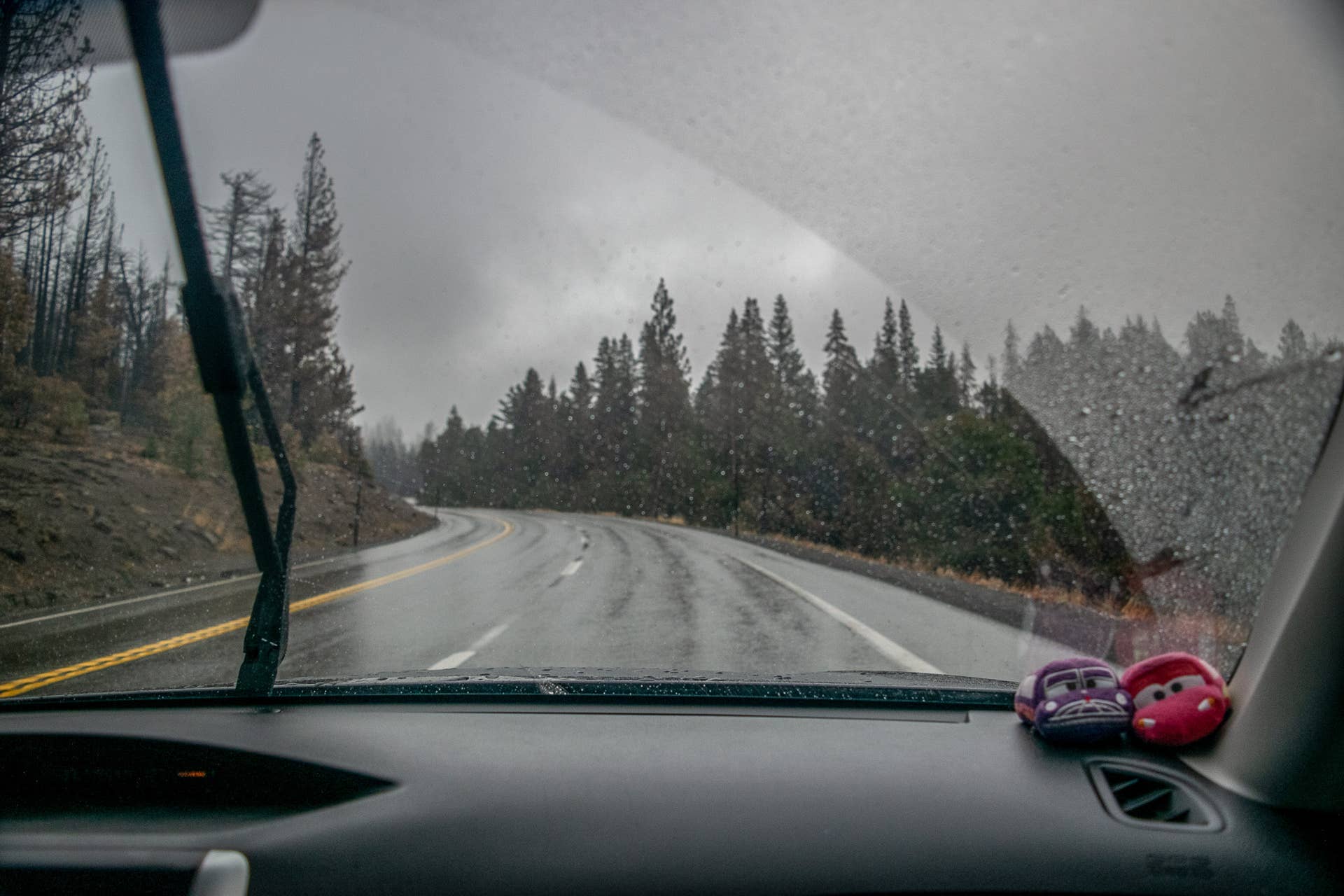
Picture this: my husband picks me up from the San Francisco International Airport, and we’re driving through the Caldecott Tunnel to get to our home in the East Bay. It’s raining pretty heavily (for most Californians, anyway), and I noticed that, for how heavily it was raining, a majority of those sharing the road didn’t have their headlights on. We had ours on, of course, because it’s the law–but we figured most either didn’t know that, or they didn’t care. Our wipers were going pretty quickly, and my husband noted how difficult it was to see the dark car in front of him without their lights on.
Kristen Brown
Then he asks me, “Do you think, if I rear-ended that car, that I’d still be at fault? Because they’re technically breaking the law if they didn’t have their wipers on. So, I wonder if that would make them at fault and not me.” We started deliberating for a little while before he shrugged and suggested I ask a lawyer. So, I did. I spoke with Orange County Traffic Attorney Scott R. Ball, who owns OC Ticket Defense in Huntington Beach, California. I think you’d be pretty surprised by what he had to say.
The “wipers on, headlights on” law, explained
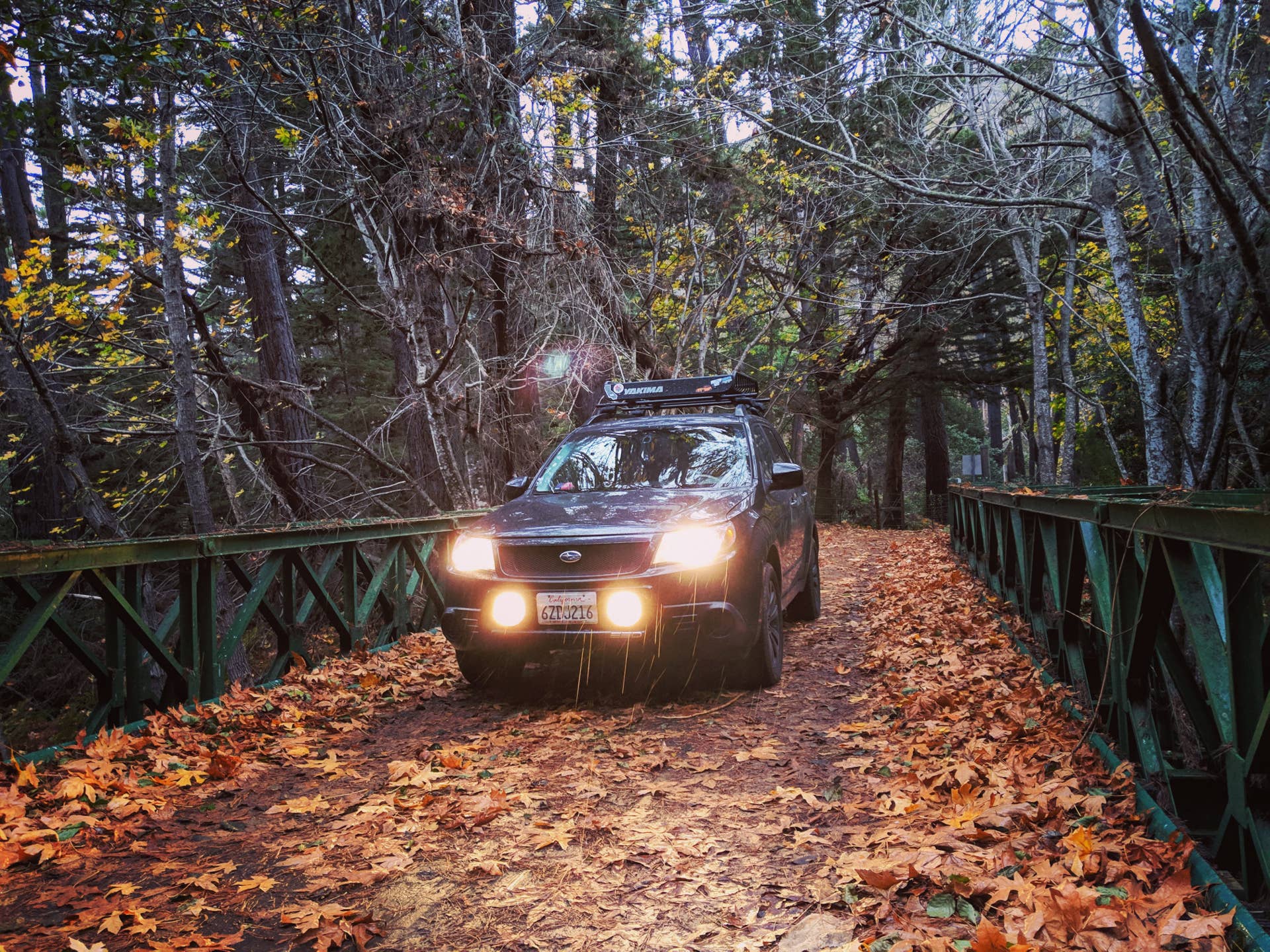
Nearly 20 states have a “wipers on, lights on” rule that requires drivers to turn on their headlights, which also activates their taillights, to make them easier to see in low-visibility conditions. The logic is simple: if it’s easier to see you when it’s raining or snowing, you’re less likely to be struck by another vehicle. If you don’t have to crash, the city, state, or county doesn’t have to use as many resources. Other states have similar laws, mandating the use of headlights during “adverse” weather conditions, such as fog, snow, or nighttime hours.
Kristen Brown
California, the state I’m currently living in, takes headlight use during “inclement weather” very seriously. Per CA Vehicle Code Section 24400, headlights are required when visibility is low, and if officers are so inclined, they can write you a ticket for up to $230, depending on the county. If you’re ticketed, you can get points on your driving record, which can hike your insurance premium. Unsurprisingly, California has some of the harshest penalties for failing to use your headlights in poor driving conditions. But I’ve lived in California for 25 years before moving back, and have never heard of anyone being pulled over for it.
Why are you presumed to be at fault for rear-ending someone?
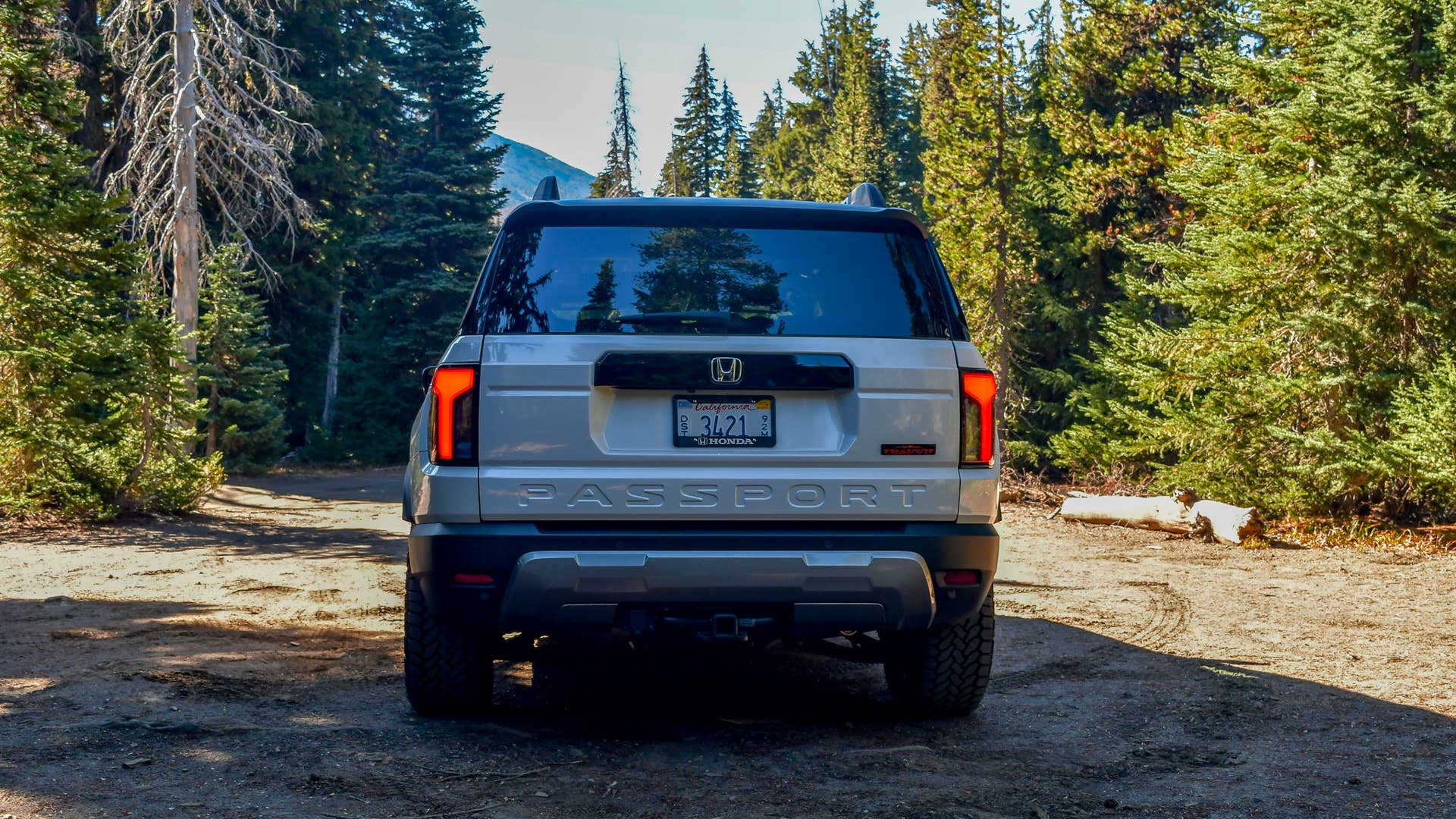
Most states, including California, typically presume someone to be at fault when they rear-end someone because the state requires drivers to follow other cars at a safe distance. If you hit someone, insurance companies and state agencies assume it means you were following way too closely, and therefore, didn’t have enough room to stop before crashing into the car in front of you. Liability can shift, however, if you have a dash camera or other irrefutable evidence that the other driver caused the accident that left you no choice, such as being cut off too closely, not having functional brake lights, etc. But it’s incredibly hard to fight.
Kristen Brown
This “loophole,” per se, is what caused the debate with my husband while driving home. If he were to rear-end the driver in front because they didn’t have their lights on like the state law requires, he’d be in the clear, right? Especially since my husband does have a forward-facing dash camera that was recording at the time. There’s no way he’d be held responsible—he had his lights on, he was following at a safe distance, and he wasn’t speeding. But that’s not what Ball said.
The legal expert said the other driver being at fault would depend on several factors
Like all legal matters, every answer involves a colorful way to say, “it depends.” Ball responded to my inquiry quickly, saying that determining which driver is at fault isn’t always black and white. In fact, it can be quite sticky.
“When determining fault for an accident, a number of factors are considered, and yes, the fact that a driver did not have his or her lights on would be considered,” said Ball. “But it would only be one piece of the puzzle. An accident reconstruction would look at the speed both vehicles were traveling, weather conditions, visibility, the distance between the vehicles, and many other potential factors.”
He noted that a violation of CA Vehicle Code Section 24400 doesn’t automatically make them at-fault, either. Ball said, “Just because one driver (or possibly both) is breaking one or more laws does not necessarily make them at fault, but it will absolutely be considered.” Ball mentioned that responding officers would try to rule out the obvious with a field sobriety test, too.
But I have a dash camera—won’t that clear my name?
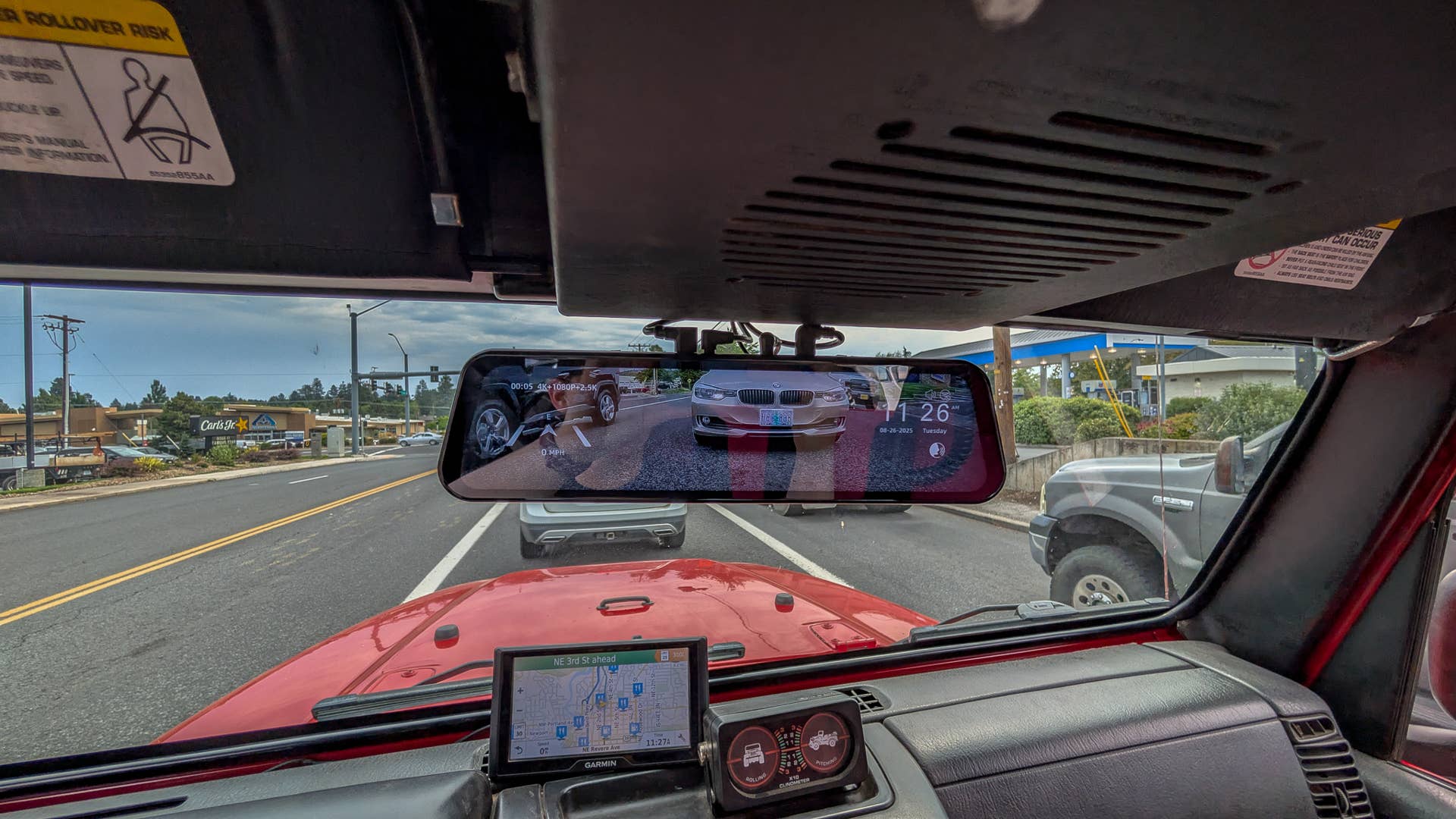
Ball coined dash cameras as a “common sense perspective,” as they show an unbiased chain of events leading up to a crash, which tends to be more reliable than witness statements that may change or conflict with other statements. They also help establish context or counter false claims against you, should one be made. If the evidence is clear, a case could be solved quickly. However, if the footage revealed my husband was speeding, distracted (ie, swerving lanes, looking at his phone, if audio captured him saying something that would suggest his eyes weren’t on the road, like, “Look, a Cybertruck”), tailgating, or making unsafe manuevers, the other driver’s insurance company could use it against him.
This is, of course, if he didn’t have an attorney like Ball review the footage first, so he could determine whether or not the footage is reliable, a high enough quality, and wouldn’t complicate the case. Should the footage be deemed worthy, Ball could ensure admissibility, which would meet California’s strict rules of evidence that require footage not to be edited or altered in any way before it’s used in court or an investigation. The state would also require everyone to consent to their voices being used, and if one party declines, the video is no good. However, a video without audio can still be usable.
Kristen Brown
Additionally, the state of California can make it more complicated, even if the other driver was determined to be mostly at fault. In the Golden State, the principle of comparative negligence applies, meaning any compensation my husband would get would be lessened by his degree of fault. If the footage indicates he was even partially responsible, the amount he’d recover would be reduced in proportion to that blame.
Final thoughts
Like most things in the tangled webs of the legal system, there isn’t a black and white answer to this question. In this hypothetical situation, my husband could be cleared of fault, but only if he had to go through a legal obstacle course to prove he didn’t do anything wrong, the car was incredibly difficult to see, he wasn’t speeding, and he wasn’t distracted. The takeaway here is this: always maintain a safe distance between your car and the car in front of you, install a high-resolution dash camera if you haven’t already, and remember to turn your headlights on if you have to use the wipers. Not only is it the law in a lot of states, but it also makes you more visible to other drivers and helps you see better, too. It’s just a smart thing to do.
About the author
Kristen Brown
Contributing Writer, Autoblog