
Rules ended up designing our cars
Safety, emissions, and taxation regulations can play a more important role in determining the size, weight, and shape of cars than the whims and fancies of designers. Crash test ratings, fuel-efficiency standards, and tax brackets may determine everything from the height and bonnet shape of cars to their powertrains. Even small changes in wording, like a half-inch, a few lbs, or a single mpg threshold, can trigger radical redesigns. Designers’ cool factor is generally a side effect of these regulations and not necessarily what they’re meant to achieve. The most obvious place where lawmakers drew a line is in fuel efficiency and emissions regulations.
When fuel economy rules bred weird efficiency heroes
Corporate average fuel economy (CAFE) rules, setting average fuel economy standards for each automaker in mpg, were established by Congress in 1975 through the Energy Policy and Conservation Act (EPCA). CAFE rules have separate targets and penalties for cars and light trucks. These regulations are also “fleet average,” meaning that automakers can’t cut corners by selling one extra-efficient model. This average must cover SUVs, trucks, sedans, hatchbacks, and hybrids. Still, automakers have occasionally built tiny, ultra‑aero econoboxes that existed mostly to boost a brand’s fleet average, such as early 2000s Suzuki Swift imports. Additionally, some smaller cars or hybrids may not be big sellers, but they could be vital to keeping a brand’s overall fleet in decent condition for CAFE ratings. Systems similar to CAFE are in place in Japan and the European Union.
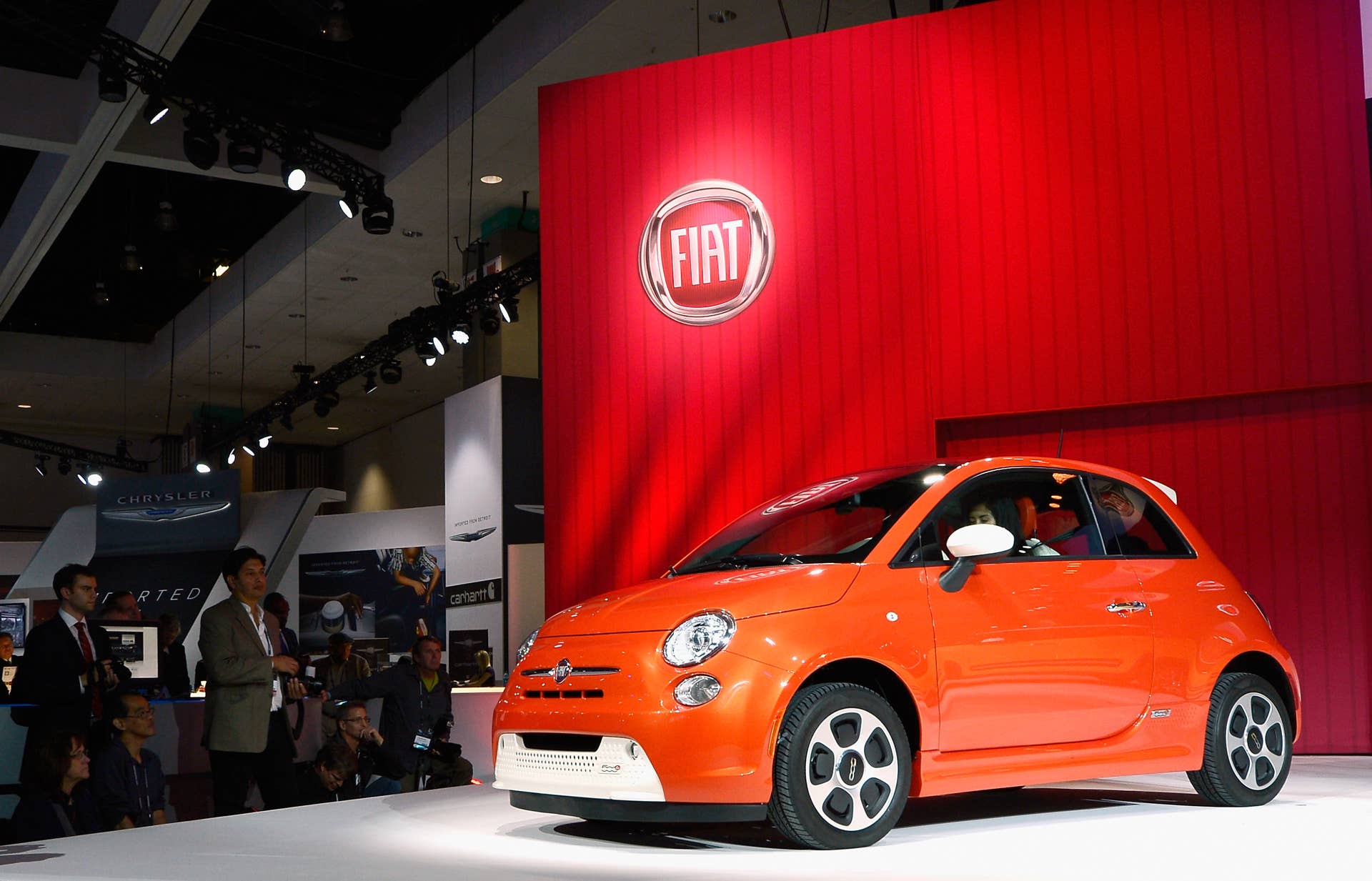
Stringent CAFE regulations led to downsized engines, turbocharging, stop-start systems, hybrids, plug-in hybrids, and aero equipment across entire model ranges. The increasing popularity of hybrids shows that hybrids added mainly to avoid fines or meet regional targets can end up more engaging or distinctive to drivers than their conventional counterparts. But with recent rollbacks and weakening of US emissions and fuel economy standards under the Trump administration, it has become less pressing for automakers to continue pushing electrified powertrains or maintain low-volume hybrids, with some manufacturers toning down plans for low-volume or hybrid models. Automakers have also built compliance cars to meet rules in one state or country, such as California’s ZEV mandates. For example, Wired reported that Fiat targeted California’s ZEV rules with its 500e EV (2013-2019), which famously sold at a loss, not to be confused with the EV’s redesigned version.
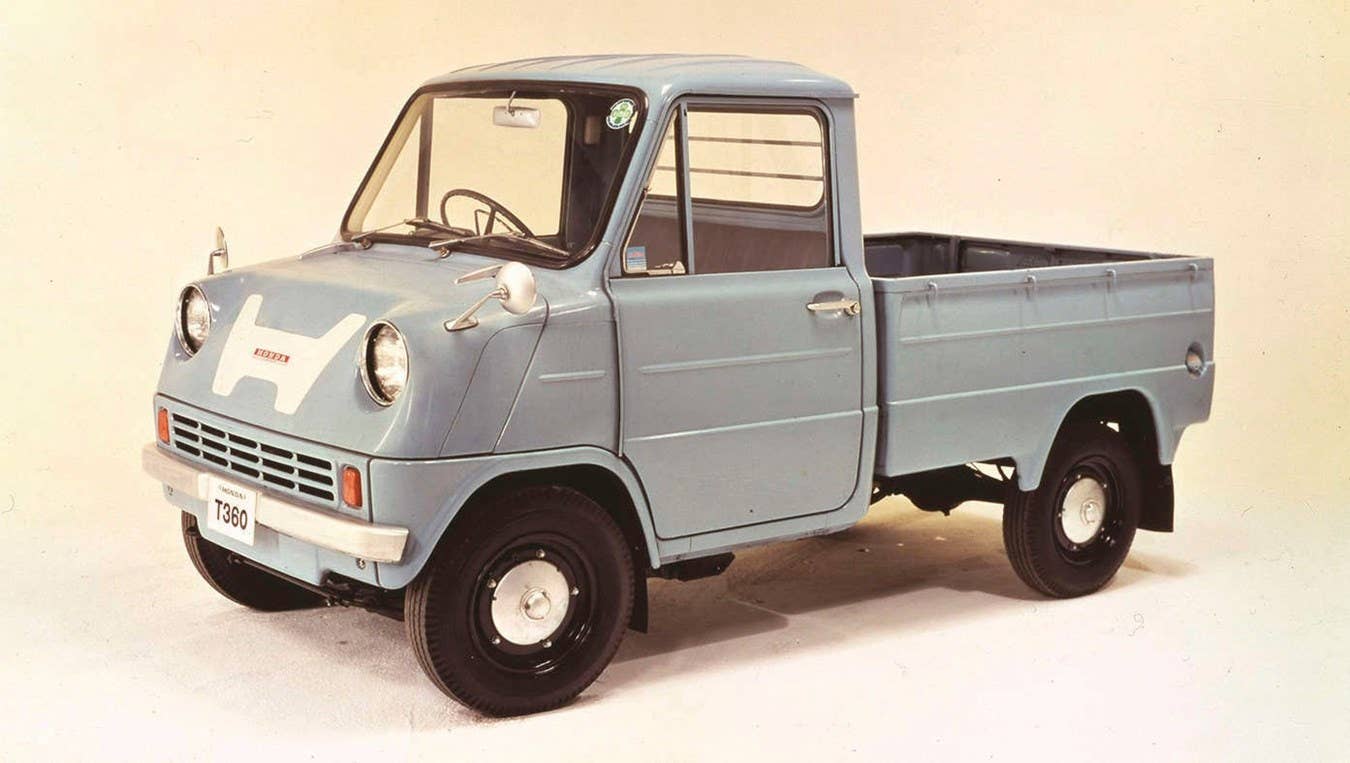
How kei car tax rules turned into tiny legends
When looking at how government rules accidentally created some of the most clever vehicles, kei cars readily come to mind. After World War II, Japan’s kei class was spawned from strict caps on physical size and engine displacement to spur domestic mobility and keep ownership costs low through tax and insurance breaks. These rules helped get Japanese drivers into affordable, utility‑oriented cars while creating a tightly defined box for manufacturers.

Oiwa Garage
The smart design of kei interiors, their small engines, and their weight-reduction measures make them feel more accessible than they seem. Although the power output has always been restricted in kei cars, NVH (noise, vibration, harshness) refinement and fun-to-drive factors are often maximized to compensate. Honda’s Beat, produced between 1991 and 1996, had a 660cc engine, but its small dimensions kept the weight extremely low, and the suspension was soft and reactive. Suzuki’s Alto Works, a hot hatch produced between 1987 and 2000, also featured a 660cc engine, but it was turbocharged, had soft suspension, and sharp steering. Kei imports 25 years or older now show up in U.S. cities as quirky, efficient commuters and weekend toys, even though they were engineered around Japanese rules, not American tastes.
How pedestrian safety turned front ends into engineering puzzles
Modern pedestrian safety regulations in Europe and other countries are driving vehicle designers towards a higher, softer nose and a specific hood shape, according to Streetsblog USA. The regulations require a longer front overhang, a higher hood, and more crush space in the bumpers and grilles so a pedestrian strikes a softer part of a vehicle rather than a hard nose. There have been enthusiast complaints that the regulations destroy traditional low front-end styling, but the rules have opened the door for active hoods that open in impacts, smart crumple zones, and intelligent sensor arrangements.
How loopholes and “truck” rules created strange crossovers
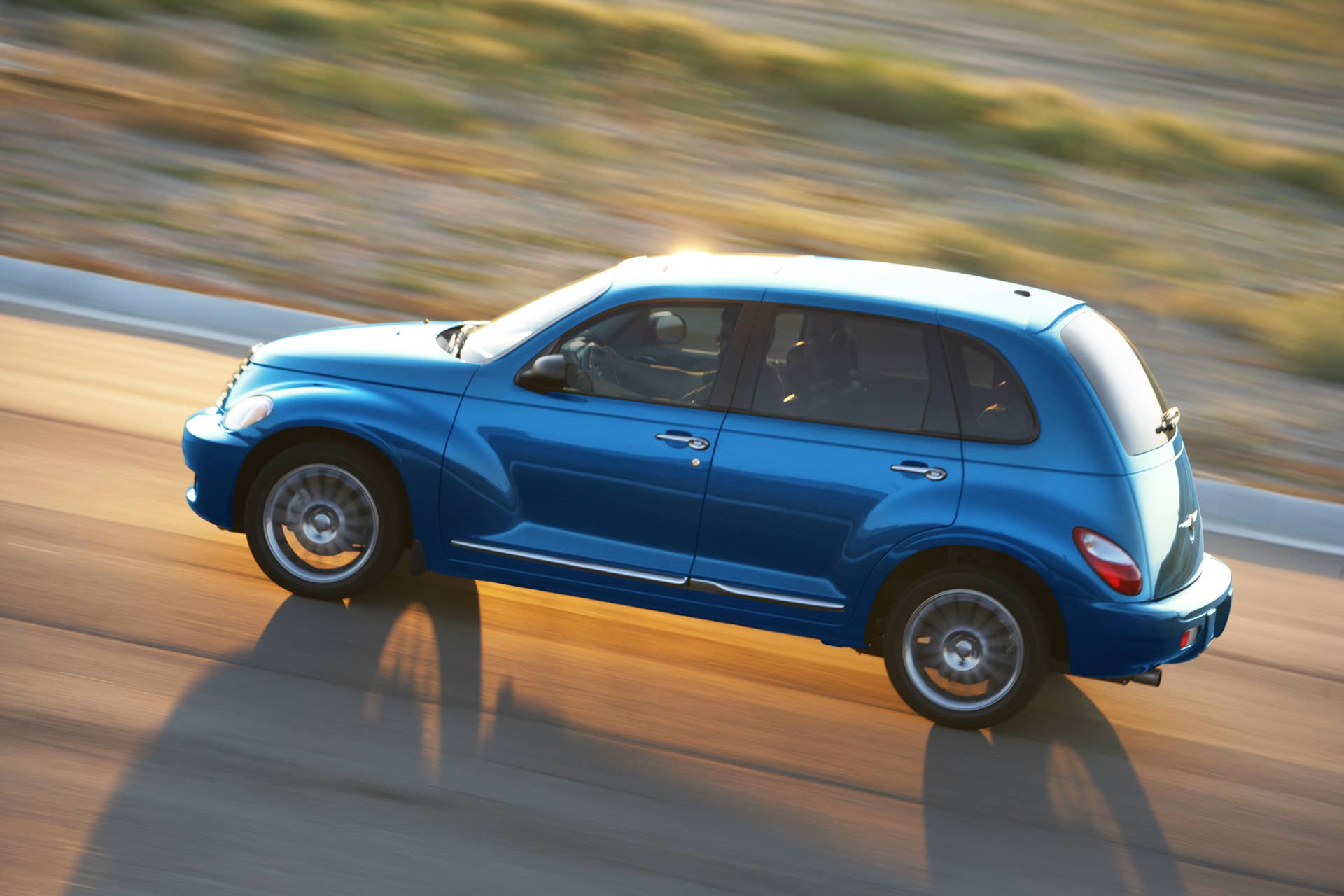
Because light trucks are subject to different CAFE standards, safety regulations, and taxation/classification, it can be more profitable and legal for automakers to sell a five-door hatchback as a “truck” rather than a passenger car. This allows manufacturers to produce higher-riding, more weighty vehicles with more lenient mpg standards while marketing them as crossovers. An example that stands out is Chrysler’s PT Cruiser, which was classified as a light truck. Ultimately, this dynamic helped give rise to today’s wave of crossovers and SUV‑like vehicles that blur the line between car and truck, sometimes with odd proportions or packaging.
Chrysler
Final thoughts
Clever cars are usually the unforeseen results of safety regulations, emissions legislation, and taxation policies. Rules, loopholes, or category changes rearrange the possibilities of what cars can be and what cars can succeed. The relationship between the government and car design is set to become increasingly complex as electrification, autonomy, and stricter global standards emerge. Check out Road Ethos for more automotive design insights, including the wild, beautifully bold era of 1970s designer cars and the BMW M2 being due for a facelift.
About the author

Cody Carlson
Contributing Writer, Autoblog