
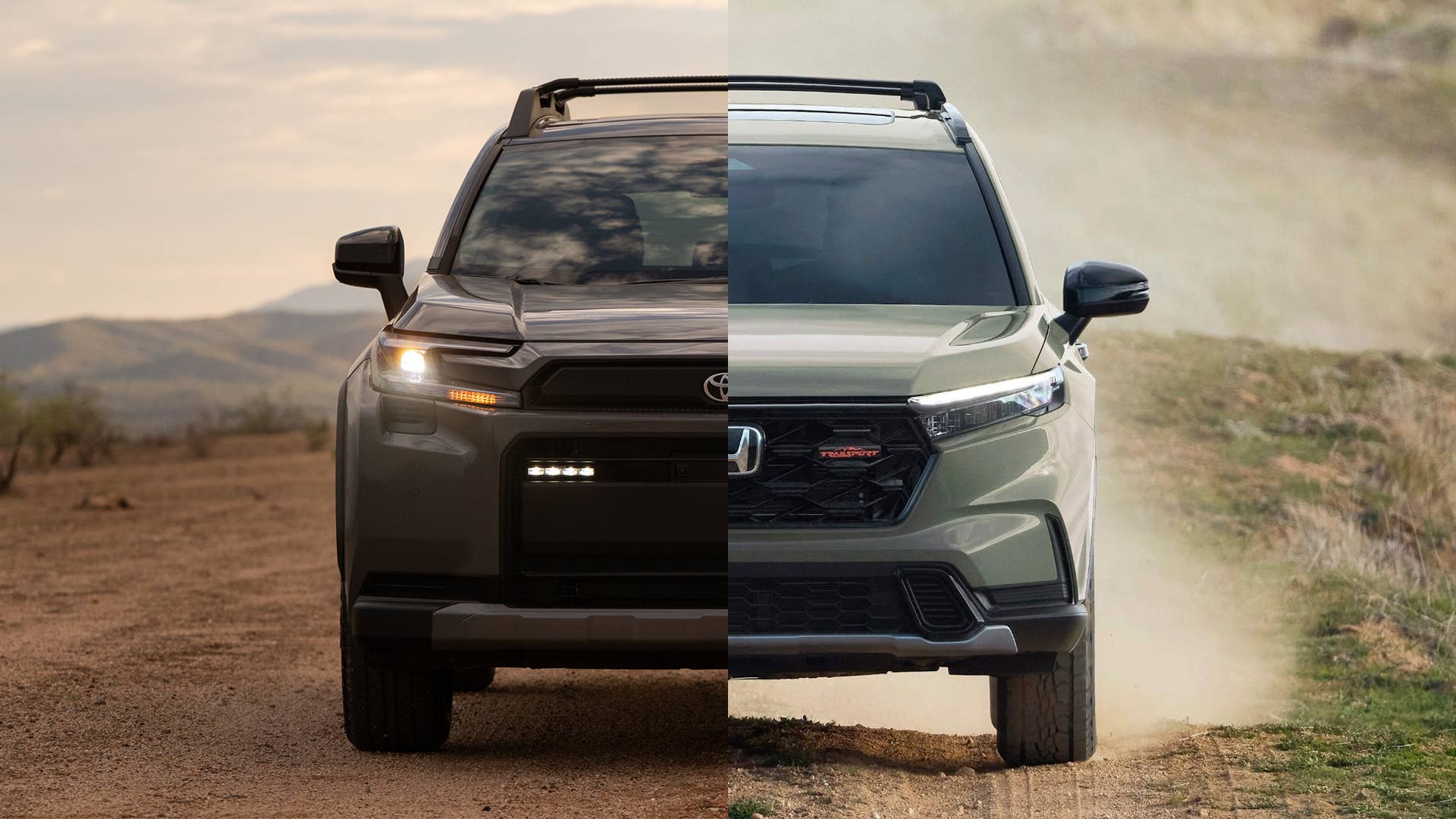
The Honda CR-V and the Toyota RAV4 are the two top-selling compact SUVs in the US. Both offer a selection of efficient engines, plenty of tech and the kind of interior space and practicality that makes them perfect for family transport.
But above all else, safety should be the most important factor in the decision-making process, and we decided to look at the passive and active safety systems in both models as well as the crash test results from both the NHTSA and the IIHS.
The benchmark for US vehicle crashworthiness, the National Highway Traffic Safety Administration (NHTSA) provides federal 5-Star Safety Ratings and rollover evaluations, while the Insurance Institute for Highway Safety (IIHS) conducts further collision assessments, such as the small overlap and updated moderate overlap front crash tests.
Honda CR-V Safety Overview
Honda
Honda
Honda
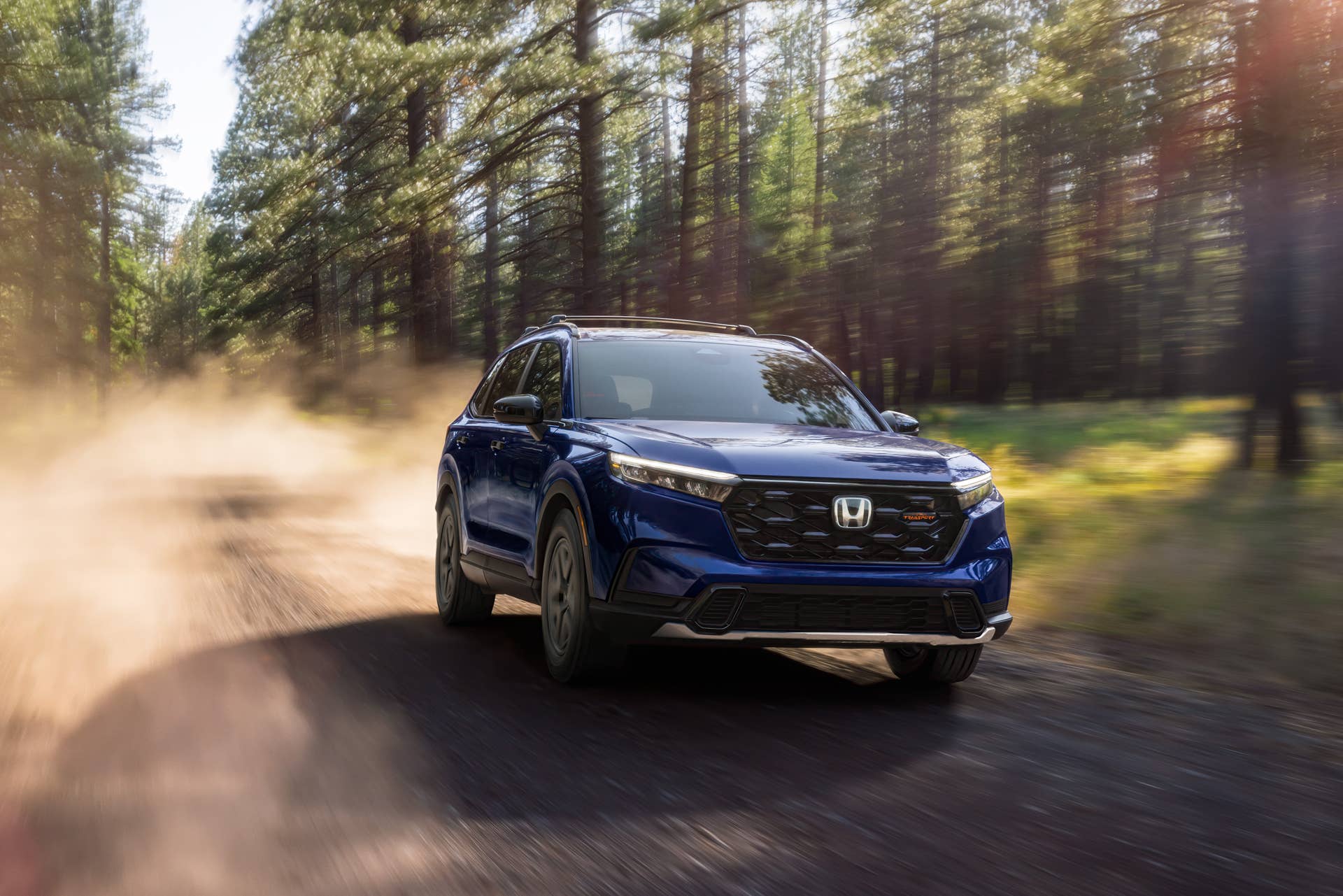
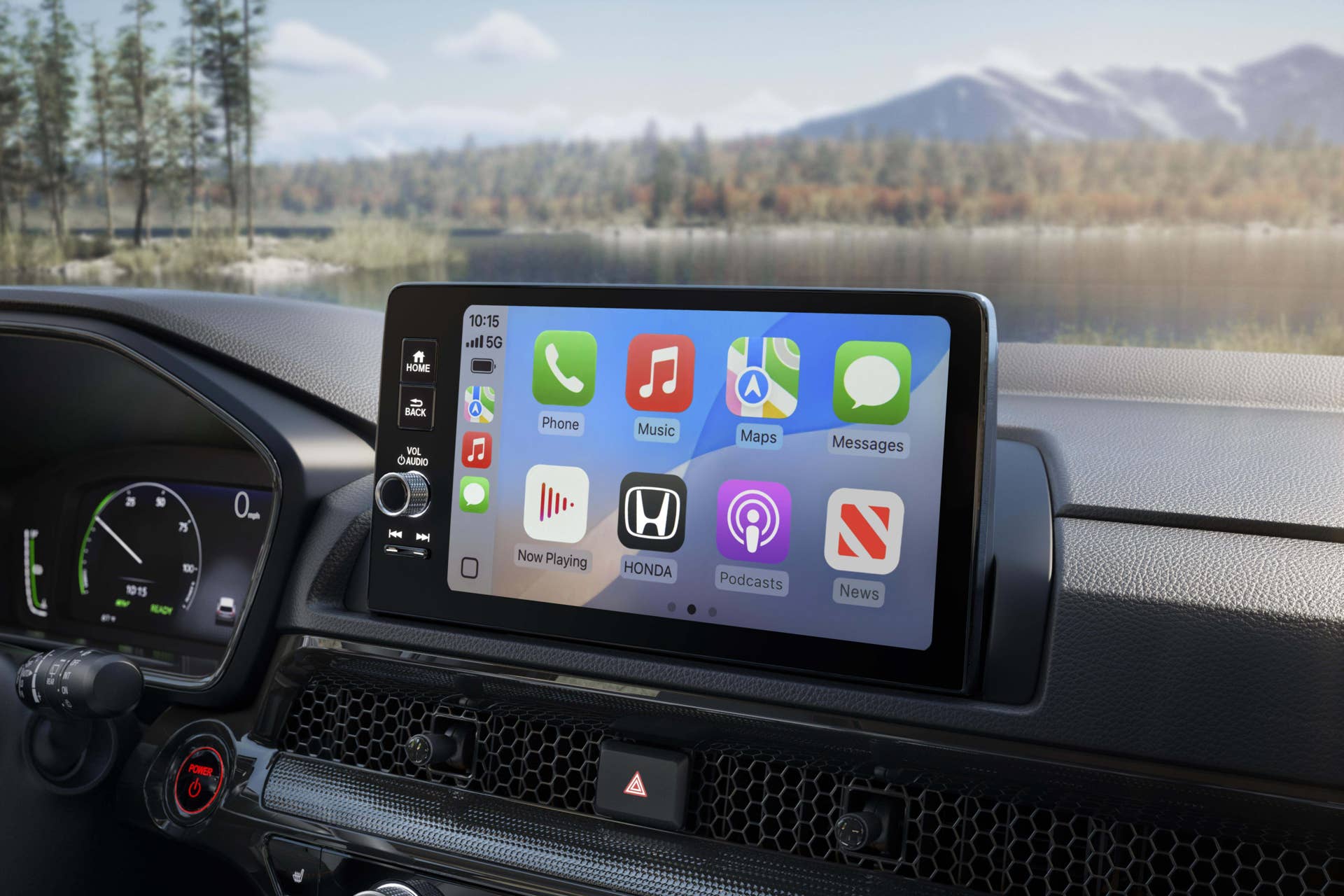
The current generation model has been on sale since 2023, and every CR-V comes standard with the Honda Sensing suite of active safety and driver-assistive technologies. Standard systems include Collision Mitigation Braking, Forward Collision Warning, Road Departure Mitigation, Lane Departure Warning , Lane Keeping Assist System, Adaptive Cruise Control with Low-Speed Follow, Traffic Sign Recognition, and Traffic Jam Assist.
Passive protection is provided by a standard multi-angle rearview camera, and a comprehensive 10-airbag system including front knee and rear outboard side airbags.
Available safety upgrades on higher trim CR-Vs include the Blind Spot Information System with Cross Traffic Monitor, front and rear parking sensors, and Low-Speed Braking Control.
Toyota RAV4 Safety Overview
Kristen Brown
Toyota
Toyota
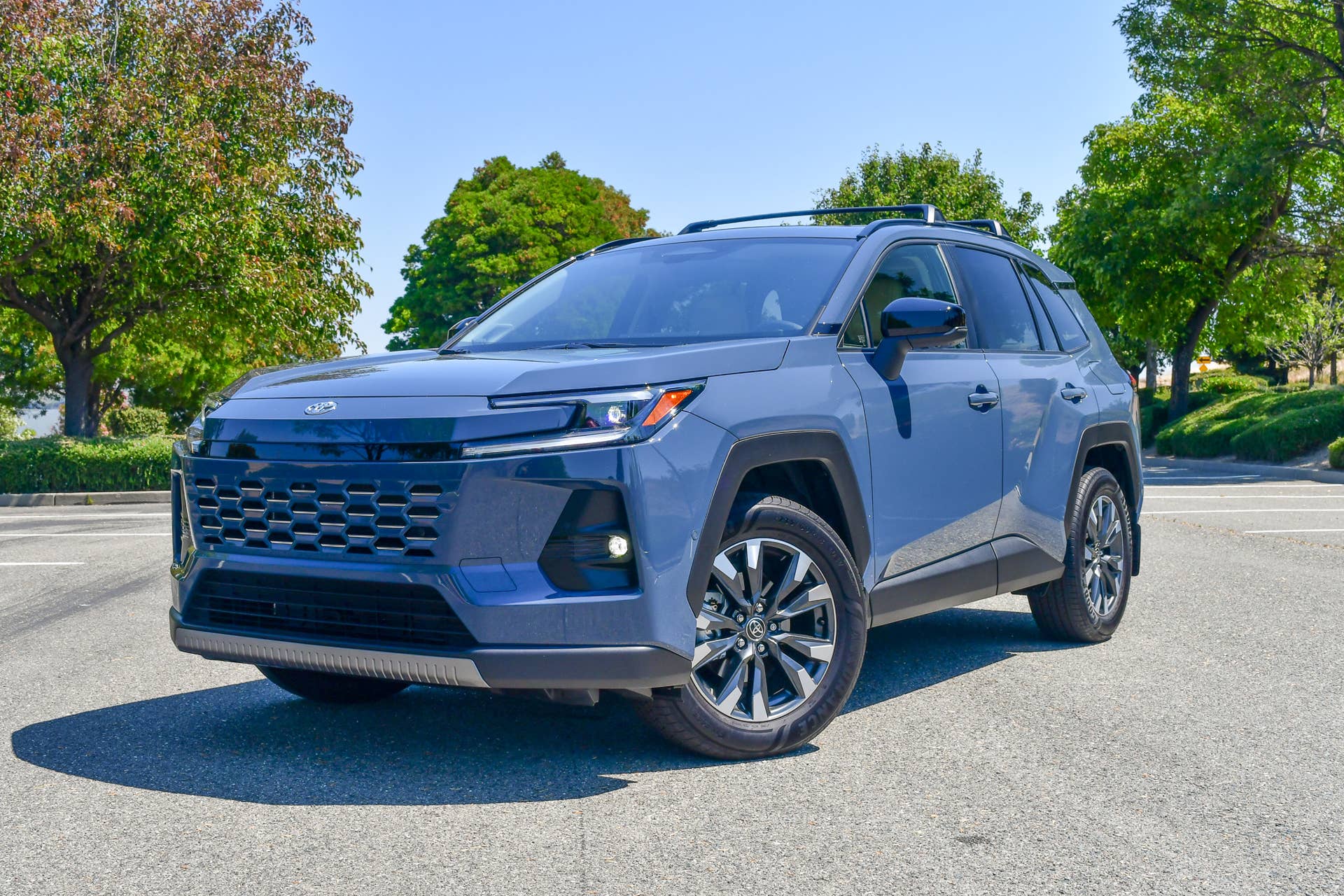
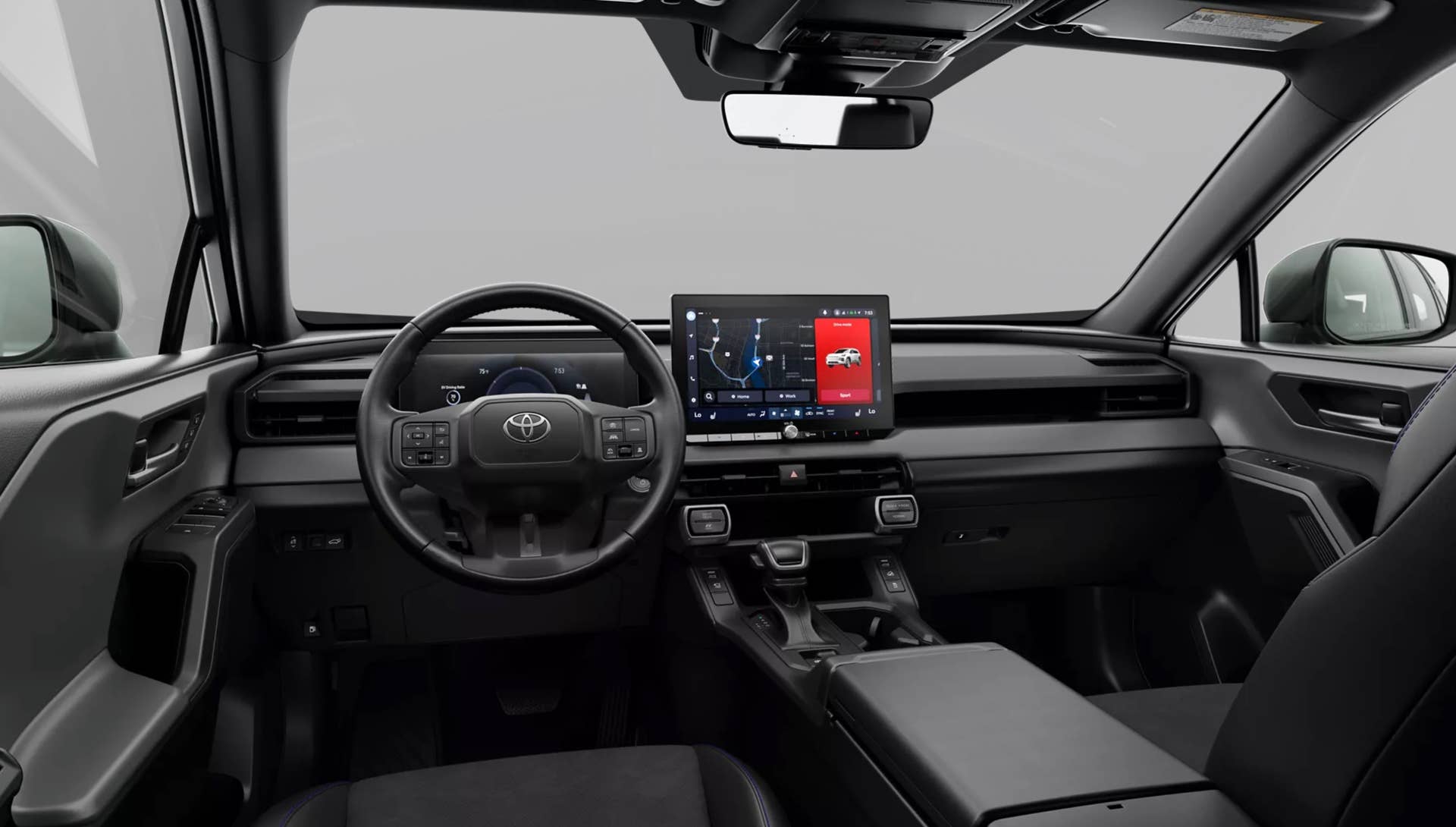
The RAV4 is all-new for 2026, and comes standard with the upgraded Toyota Safety Sense 4.0 suite. Standard active safety features in this package include the Pre-Collision System with Pedestrian Detection, Full-Speed Range Dynamic Radar Cruise Control, Lane Departure Alert with Steering Assist, and Lane Tracing Assist.
Additional standard TSS 4.0 technologies include Automatic High Beams, Road Sign Assist, Proactive Driving Assist, and a new Emergency Driving Stop System (EDSS) that can bring the vehicle to a halt if it determines the driver is inattentive and unresponsive.
Higher trim levels offer a variety of available advanced driver-assist systems. These available features include a Blind Spot Monitor with Rear Cross-Traffic Alert, Front and Rear Parking Assist with Automatic Braking, and a 3D Panoramic View Monitor. Other available safety upgrades for the 2026 model include Advanced Park, Front Cross-Traffic Alert, Lane Change Assist, and Traffic Jam Assist.
CR-V vs RAV4: Safety
| Make and Model | IIHS | NHTSA |
| Honda CR-V | 2024: Top Safety Pick 2025: Good overall 2026: Good overall | 2024: 5 Stars Overall 2025: 5 Stars Overall 2026: 5 Stars Overall |
| Toyota RAV4 | 2024: Top Safety Pick (applies to models with specific LED projector headlights) 2025: Good overall 2026: (not tested yet) | 2024: 5 Stars Overall 2025: 5 Stars Overall 2026: n/a |
Honda CR-V Vs. Toyota RAV4: Which is Safer?
Toyota
Honda
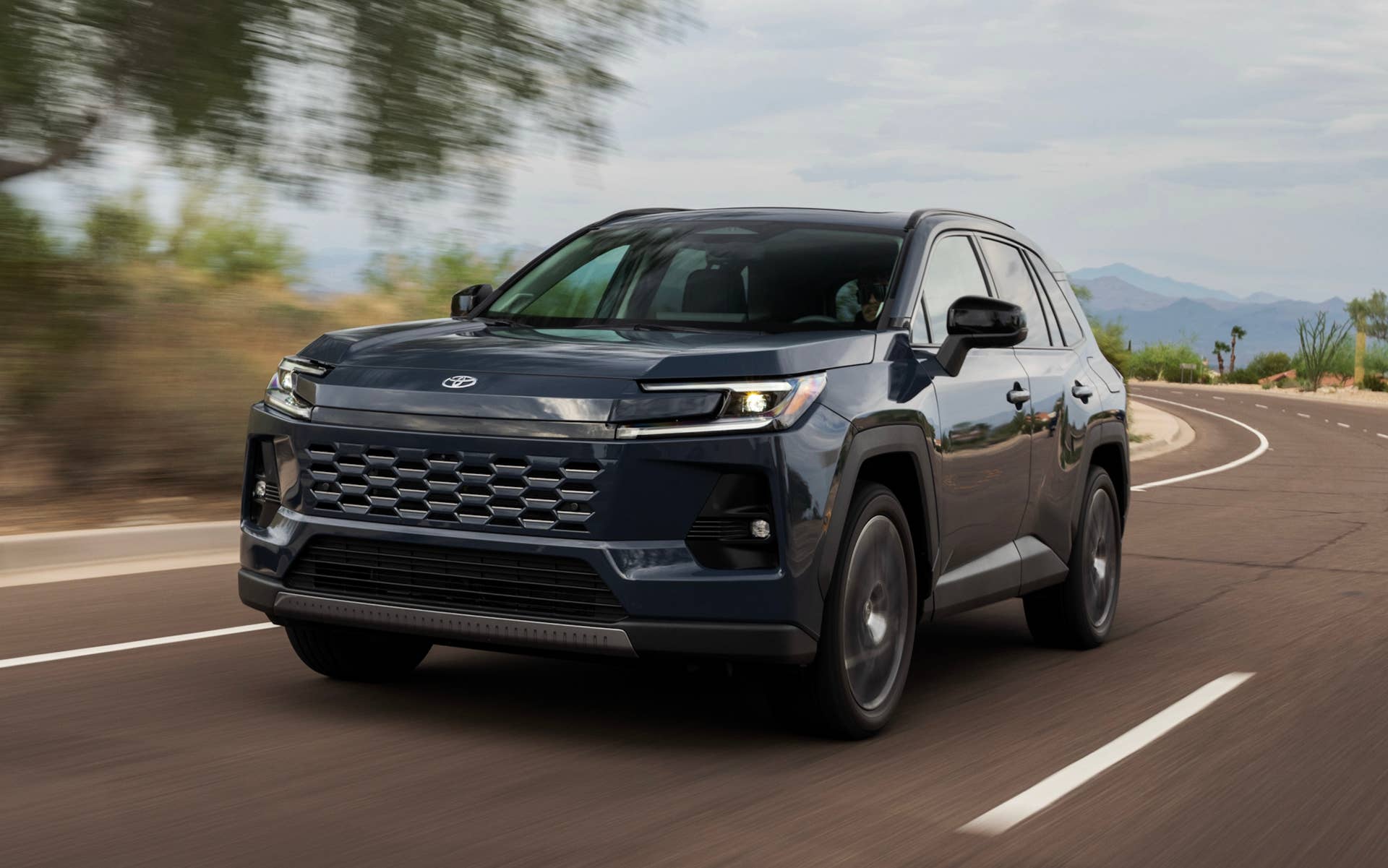
These two compact SUVs are both clearly designed to offer a very high level of active and passive safety features as well as top level crash protection.
When comparing the safety features fitted as standard, Honda CR-V ekes out a small victory thanks to offering Traffic Jam Assist on all trims. But both models have very similar safety features here, and the real test is in how they fare in an actual collision.
In NHTSA testing, both vehicles perform well, each earning a 5-Star Overall Safety Rating in all years tested. The rigorous IIHS crash worthiness evaluations now include updated scoring for the moderate overlap front test, which proved challenging for both. The test puts more focus on rear-seat protection and saw the CR-V receive a Poor rating, while the RAV4 secured a higher Marginal score in 2025.
The results across the other metrics were very close as well, but the RAV4 lost only in the side crash worthiness test to the CR-V, and either equaled or bettered it in the remainder of the tests. Bear in mind that the RAV4 was completely redesigned for 2026, and this newer model’s scores have not yet been released by either the NHTSA or the IIHS. While assumption has no place in an objective review, it is highly unlikely that the new RAV4 will perform worse than its predecessor in these tests.
Seeing as the outgoing 2025 Toyota model scored slightly higher than the 2026 CR-V, we are awarding the RAV4 the narrowest of wins here, for now. However, the results are so close that your choice is more likely to come down to brand loyalty, pricing, and performance, rather than overall safety.
About the author

John Tallodi
Senior Editor