
Why the Hummer H3 was ahead of its time
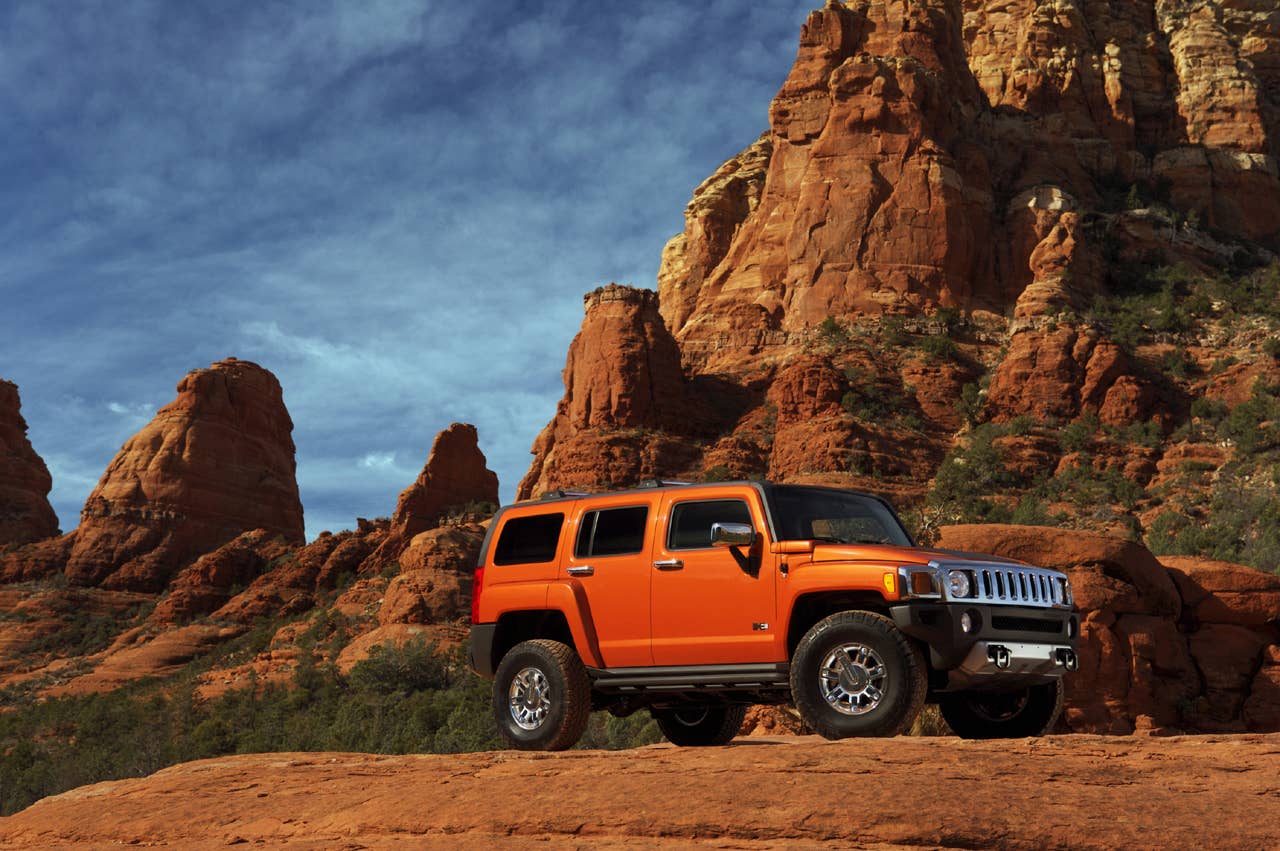
For the 2005 model year, General Motors gave us the Hummer H3—a rugged midsize SUV that sat on a body-on-frame chassis shared with the Chevrolet Colorado and the GMC Canyon—and was incredibly misunderstood. When the H3 first arrived, critics were quick to point out how far the model diverged from Hummer’s military-grade roots. Soon after, financial woes stemming from the 2008 Financial Crisis caused large, fuel-thirsty off-roaders to go out of fashion, and shortly thereafter, Hummer, as we knew it, was wiped off the face of the planet, never to be seen again. Or, so we thought.
Hummer was initially founded as AM General by selling civilian versions of U.S. Military Humvees to the public. However, over time, it transitioned to offering more road-friendly models based on preexisting GM truck platforms. This began with the introduction of the H2, which shared its underpinnings with the Chevy Silverado and the Cadillac Escalade. Although the H2 was far “softer” than its predecessor, the H1, it became an instant hit as a pop culture icon, featured in countless hip hop music videos and often seen with flashy chrome spinning wheels. When the H3 finally debuted, sitting on an even smaller platform—shared with GM’s midsize pickup trucks—many people felt Hummer had become too soft, having strayed so far from the brand’s battle-proven roots that it no longer justified its “Hummer” badging. Now, though, this kind of midsize SUV is precisely what GM desperately needs.
General Motors
Why GMC needs a true mid-size body-on-frame SUV
Fast forward to 2025, and midsize off-roader SUVs are all the rage. Ford has consistently sold over 100,000 Broncos per year since 2021, and Jeep has sold even more Wranglers. Toyota sees the segment as so lucrative that it offers two separate entries: the 4Runner and the Land Cruiser, with the latter offering slightly larger proportions and more interior space. Even Hyundai is considering joining the party with an entry of its own, developed from the ground up. This is why I can’t help but wonder why General Motors doesn’t get in on the action, as they have a currently available midsize pickup truck platform ready to underpin a midsize off-road SUV of their own. They even have the historic pedigree to play off of.
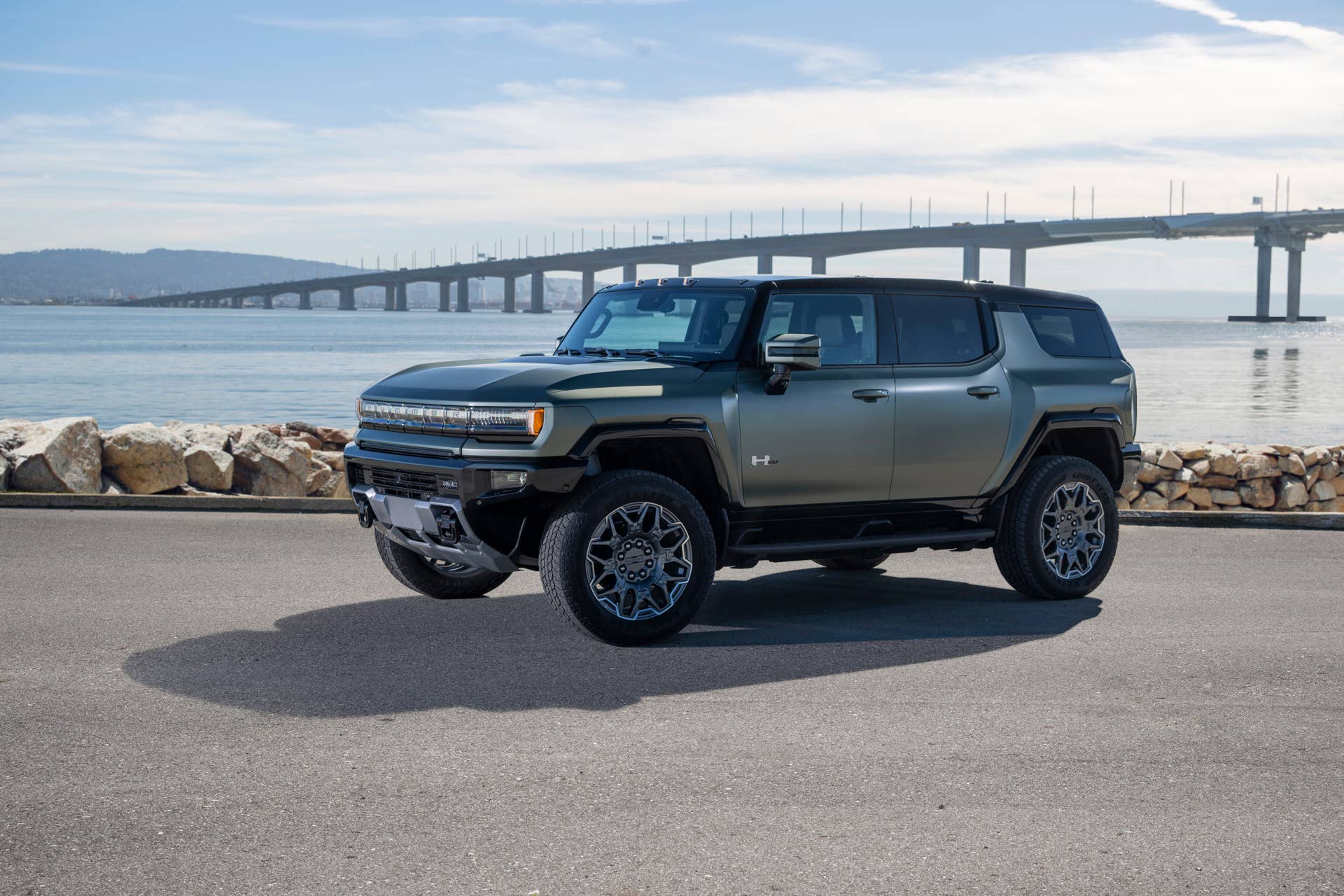
Not only are midsize off-road SUVs popular once again, but so too is the Hummer badge. In 2021, GM decided to revive the Hummer nameplate—not as its own brand, but rather, as a fully-electric flagship model slotted atop GMC’s adventure-ready lineup of crossovers, SUVs, and pickup trucks. Despite its inherently niche demographic, the GMC Hummer EV sells surprisingly well for how obscure it is, with year-over-year sales growth. In fact, GMC has almost quadrupled the Hummer EV’s sales figures with each new year it’s been on sale, proving that the model’s growth isn’t just consistent—it’s exponential.
GMC
People love the Hummer nameplate and the ruggedness it stands for—not to mention the unmatched road presence the GMC Hummer EV has to offer. Still, though, the Hummer H3 remains a niche product, weighing in at roughly 10,000 lbs and with a price tag that closely approaches six figures. Simply put, my thought is this: why doesn’t GM continue the successful Hummer rebrand by offering a similarly marketed model in a more lucrative segment at a more attractive price point? Essentially, I believe now’s a better time than ever for General Motors to revive the Hummer H3 under the GMC nameplate.
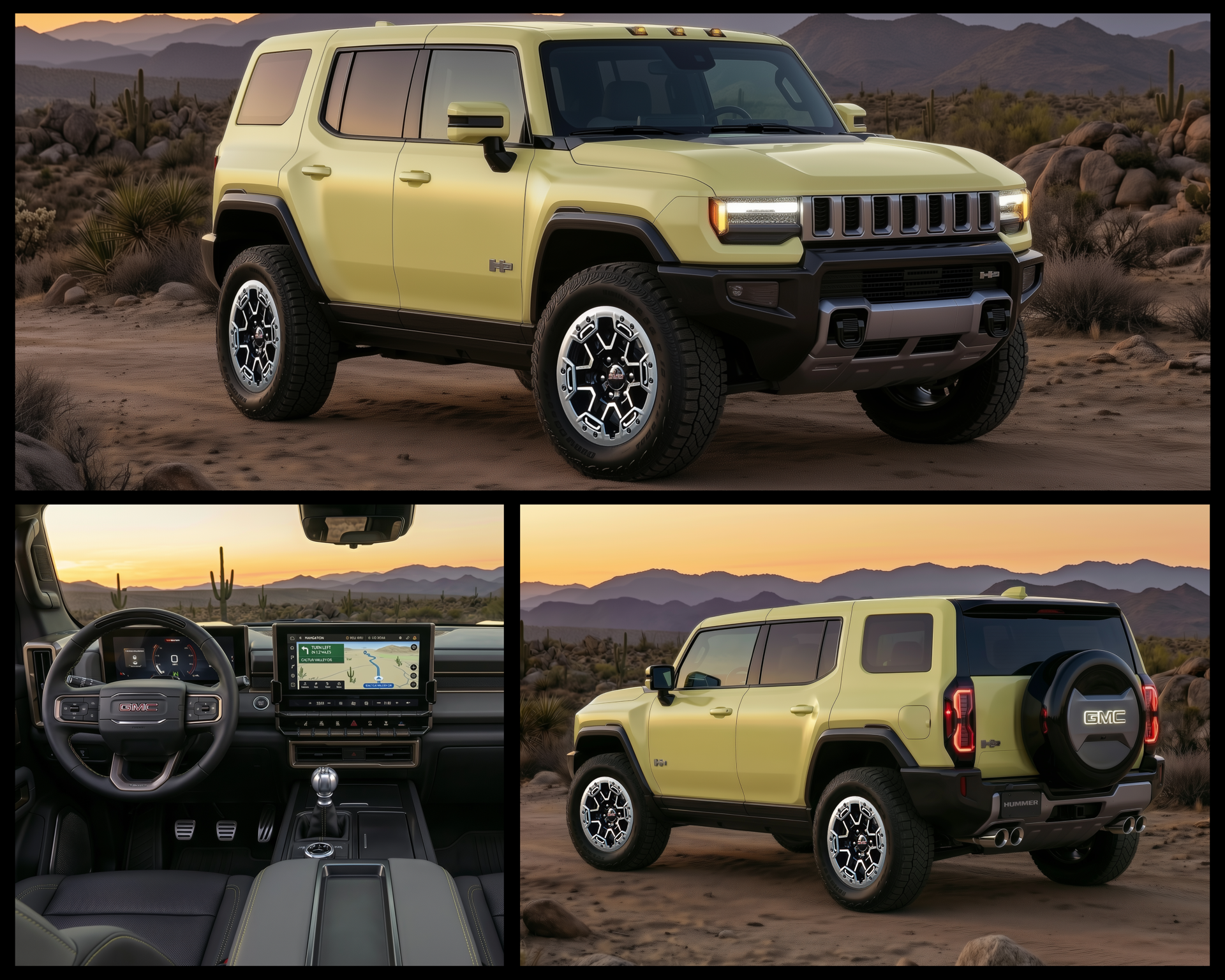
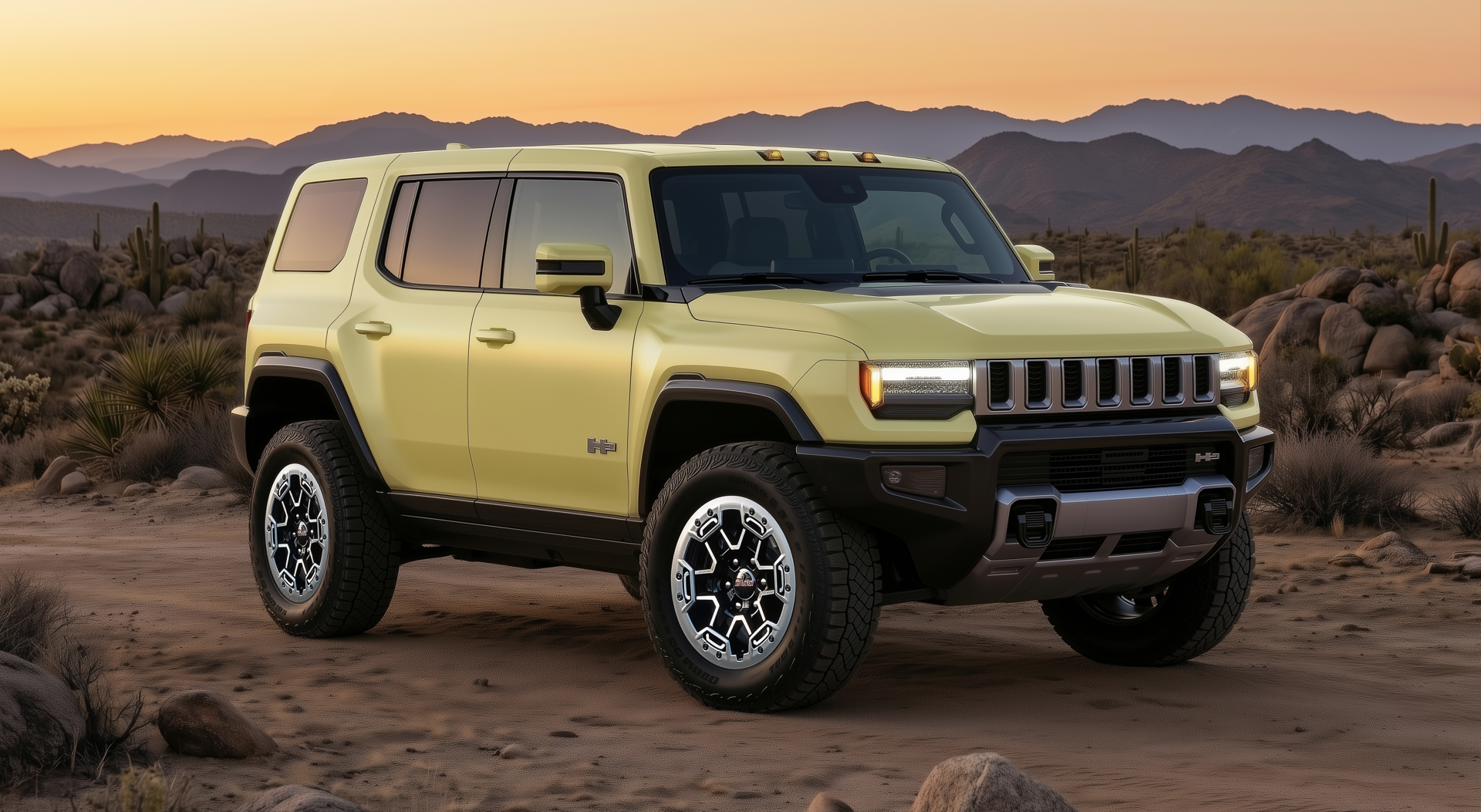
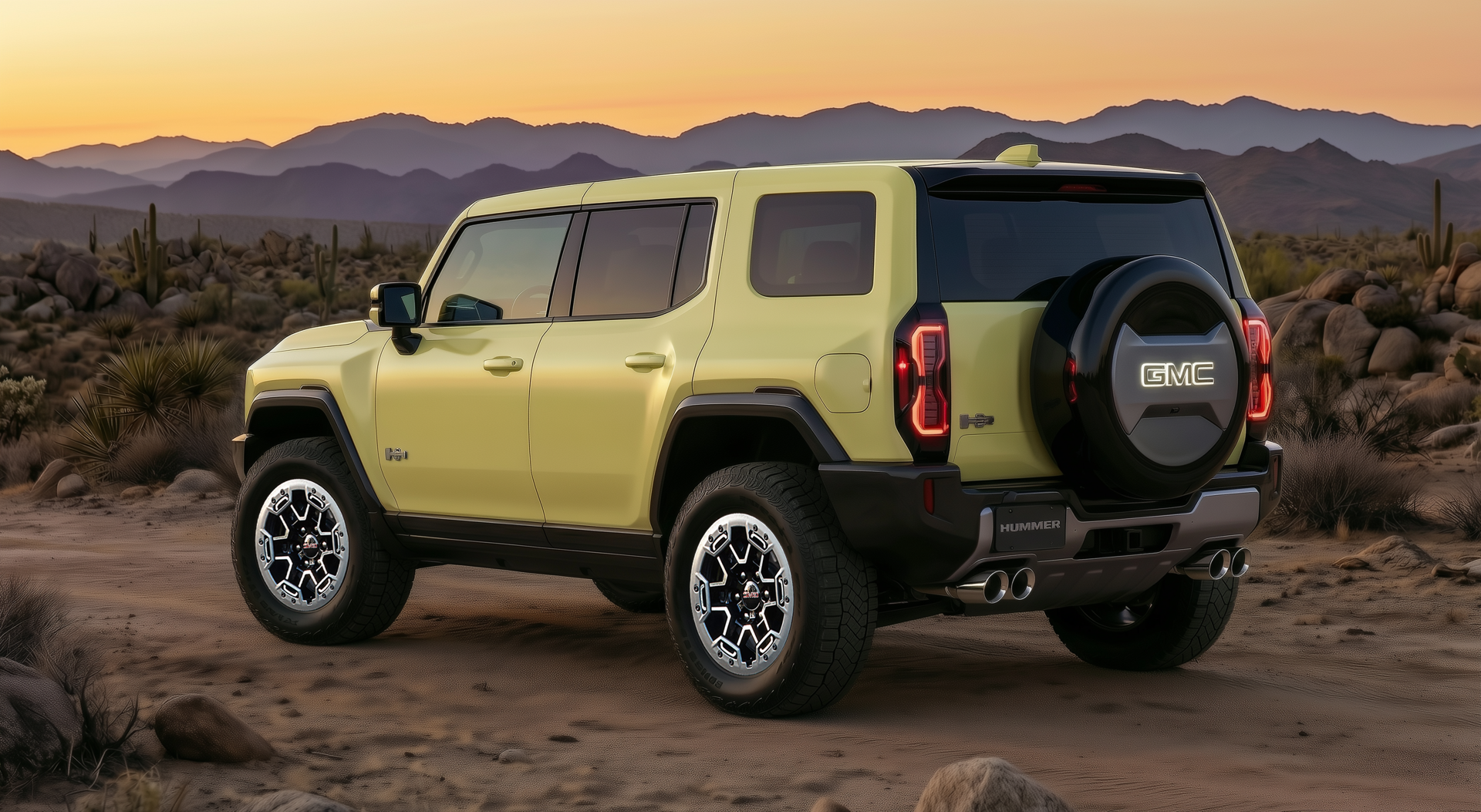
So, to visualize my thoughts and share them with you, I’ve put together some renders using Adobe Photoshop, Midjourney 7.0, and Gemini 3 Pro. These images are purely fictional and do not depict any actual General Motors, GMC, or Hummer products.
Cole Attisha Using Adobe Photoshop, Midjourney 7.0, and Gemini 3 Pro
What a modern Hummer H3 revival could look like
Sharing its underpinnings with the contemporary GMC Canyon, a revived midsize body-on-frame off-road SUV from GMC alone could be competitive within the budding segment. Still, the most successful models in the class tend to draw on long-standing heritage, often using retro-modern styling to convey that point to buyers, adding a unique on- and off-road presence in the process. That’s why I believe that, should GM go ahead with producing a midsize off-roader, using the Hummer nameplate and drawing from the contemporary Hummer EV’s retro-modern styling would be the most ideal way for the automaker to successfully market a rugged, back-to-basics off-roader to the American car-buying public.
Cole Attisha Using Adobe Photoshop, Midjourney 7.0, and Gemini 3 Pro
Powertrain possibilities: Gas, hybrid, or electric?
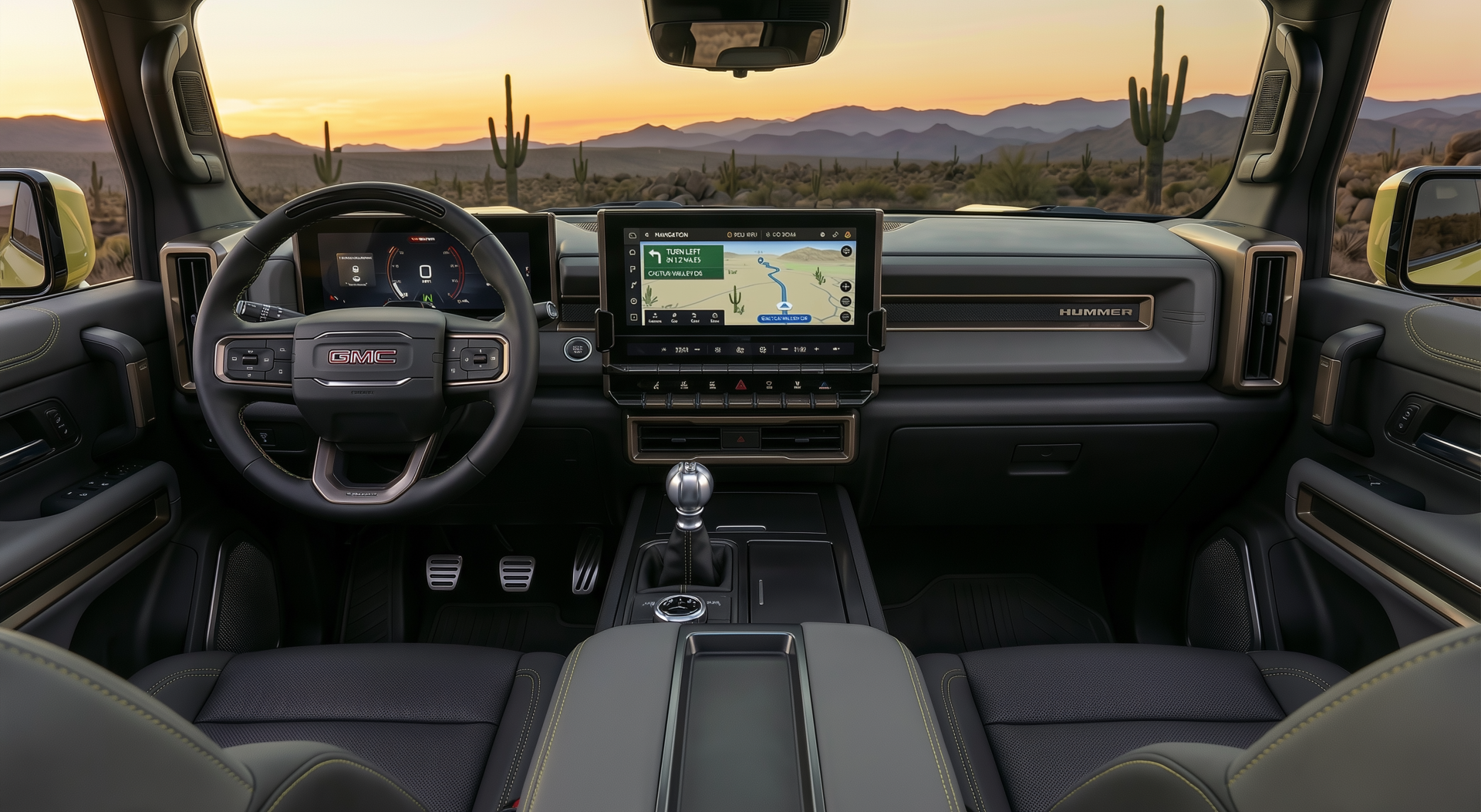
Beneath the hood, the most likely powertrain candidate is the GMC Canyon’s turbocharged 2.7-liter four-cylinder, which produces up to 310 horsepower and 430 lb-ft of torque. That’s already quite close in terms of figures to the 2026 Toyota Land Cruiser, which uses a turbocharged 2.4-liter mill, paired with a hybrid system, to produce 326 horsepower and 465 lb-ft of torque. Although the Land Cruiser’s powertrain delivers noticeably more power, it comes at the cost of significantly increased weight. For example, the current Land Cruiser can weigh up to 5,800 lbs in higher-grade trims, whereas the current GMC Canyon AT4 weighs almost 1,000 lbs less at 4,840 lbs. That’s a difference you’ll feel under your right foot—and at the fuel pump—far more than an additional 16 horsepower and a few more torques.
Producing a hybrid or a fully-electric powertrain for such a creation would not be a simple task for GM. Still, perhaps an EREV (extended-range electric vehicle) system could present GM with a unique opportunity to rival upcoming segment rivals, most notably Scout Motors. Developing such a powertrain for a midsize off-road model seems like a costly, high-risk task, but one that, if executed well, could massively amplify GM’s reputation for innovation. Still, as many midsize off-road SUV buyers typically prioritize simplicity and ruggedness over advanced technology and efficiency, the Canyon’s 2.7-liter four-pot seems like the obvious choice here. Paired either with a ten-speed automatic or even perhaps a six-speed manual gearbox, as well as four-wheel drive, a Canyon-based GMC Hummer H3 revival seems like an absolute no-brainer to me.
Cole Attisha Using Adobe Photoshop, Midjourney 7.0, and Gemini 3 Pro
Final thoughts: Should GMC bring back the Hummer H3?
Personally, I think GM is missing out on a massive opportunity in a highly lucrative market segment by not offering buyers a rugged, retro-modern-inspired midsize off-road SUV on a ladder-frame platform. As proven by the Jeep Wrangler, the Ford Bronco, and the Toyota 4Runner, GM is quite literally missing out on hundreds of thousands of sales every year by excluding such a model from its brand portfolio—especially considering that GM has a perfectly adequate platform ready to go at a moment’s notice. But still, perhaps I’m only a dreamer who wishes to see more variety in the contemporary automotive marketplace.
Do you think this idea is insane and misguided, or do you agree that a midsize body-on-frame SUV offering is sorely missed in GM’s lineup? Share your thoughts in the comments!
About the author

Cole Attisha
Staff Writer, Autoblog