
Who is heck is Eddie Bauer, anyway?
If you have been paying attention to any business news as of recent, you may know that Eddie Bauer LLC, the store operator in the U.S. and Canada for the 106-year-old clothing brand may be set to close all of its stores in North America. According to reporting from TheStreet, sources close to the retail operator say that it is prepared to close close to 200 stores around the continent, as it eyes a Chapter 11 bankruptcy.
For those who are unfamiliar with particular clothing brands, Eddie Bauer has been an iconic outdoor and adventure-wear brand since it was founded in 1920 by its namesake, Eddie Bauer. Over the years, the Seattle company’s clothing and gear has been used by adventurers, mountaineers, explorers and casual travelers alike.
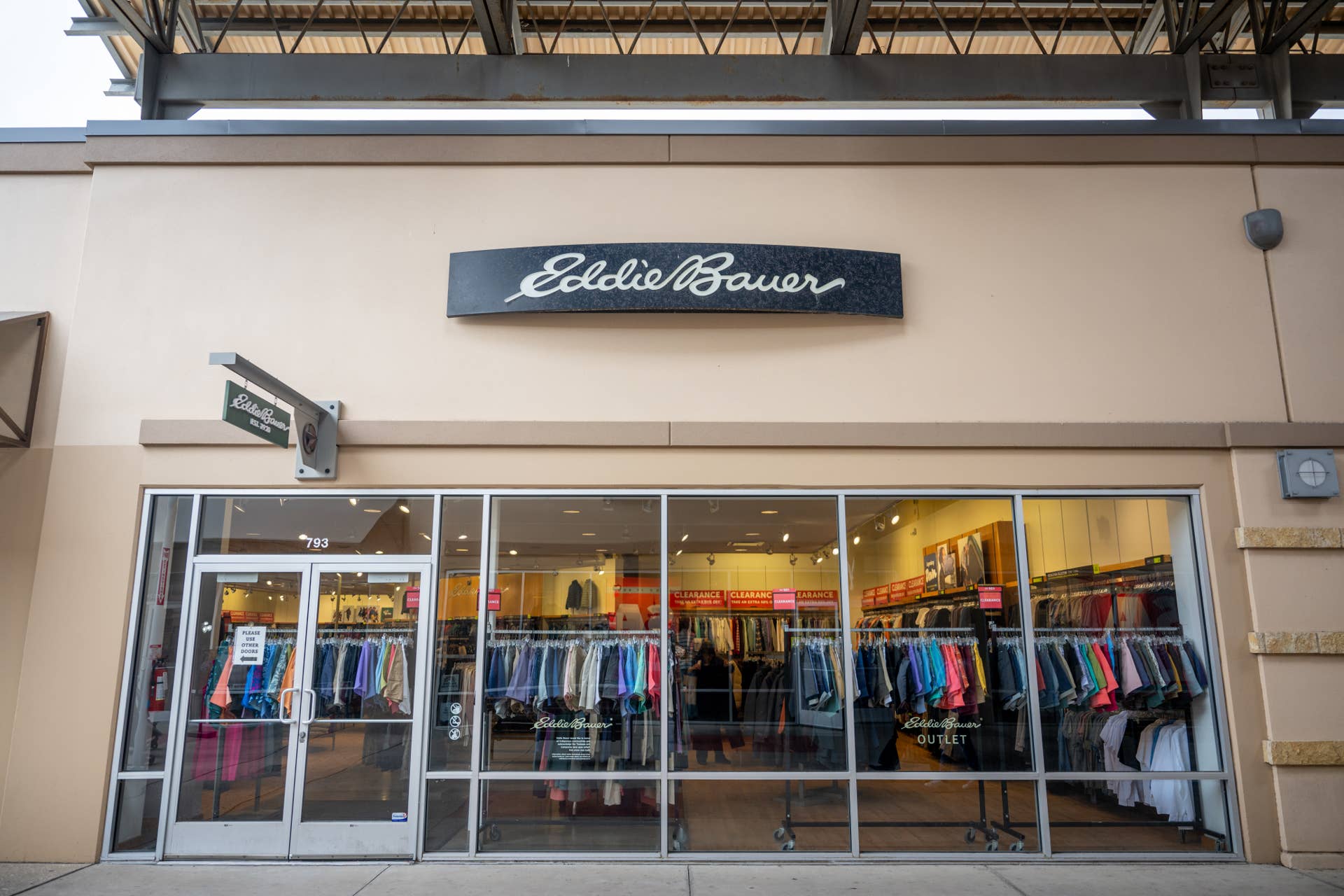
Brandon Bell/Getty Images
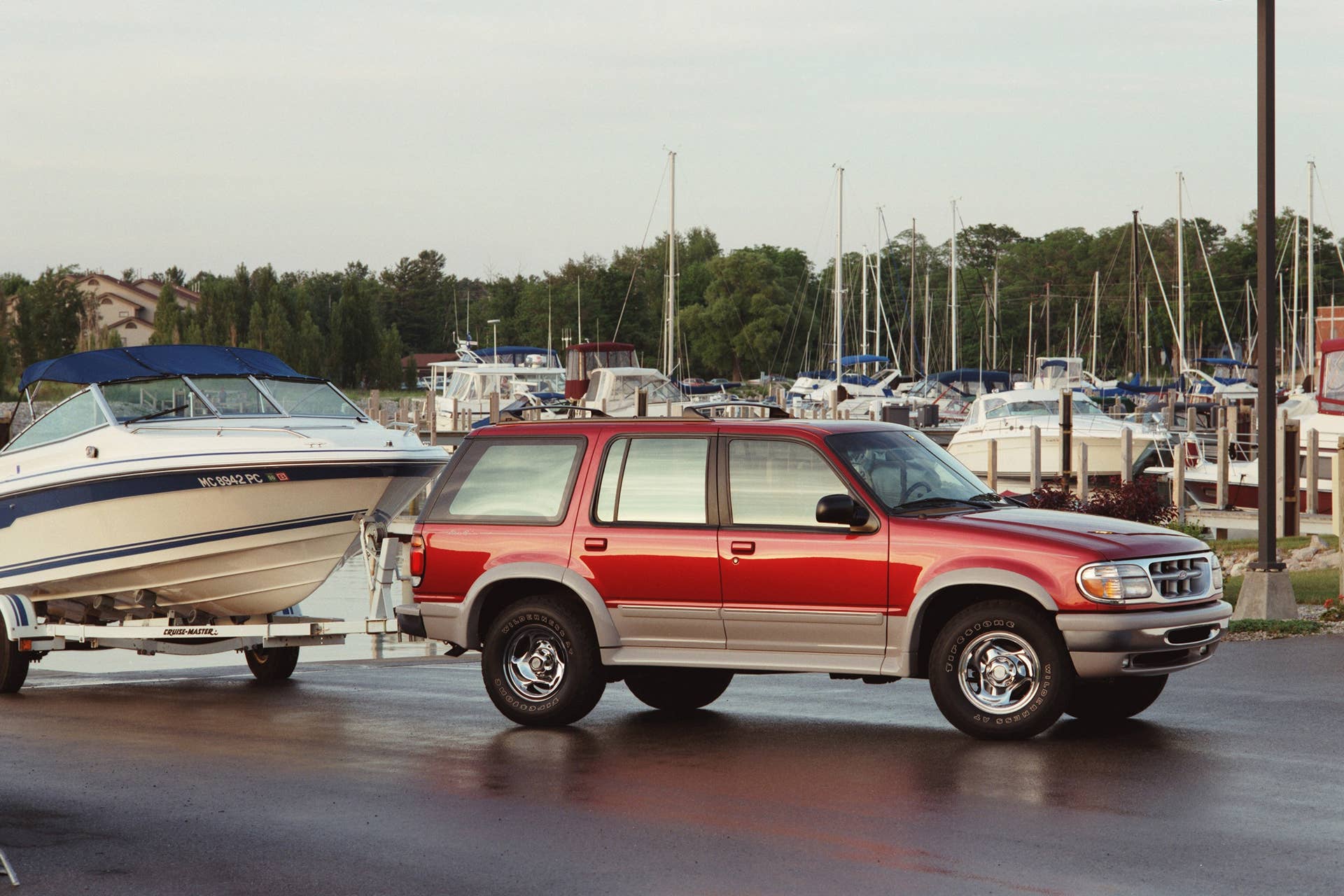
However, unlike contemporary competitors like Patagonia, Arcteryx, or Helly Hansen, its most recognizable legacy for many may not be on a ski slope or hiking trail, but rather on the open road, thanks to a unique partnership with none other than the Ford Motor Company. You have probably seen these vehicles before, whether it be an Eddie Bauer Expedition on a school run, or an Eddie Bauer Explorer at the grocery store.
For years, Ford’s partnership with Eddie Bauer has proven to be a highly successful marriage of two distinct American brands, which created some iconic vehicles that resonated with owners and enthusiasts for multiple generations.
Courtesy: Lincoln Motor Company
Eddie Bauer isn’t the first clothing or fashion brand to partner with a Ford brand
Despite Ford’s iconic link with the outdoorsy brand, it isn’t the first time Ford, or in fact, any automotive brand has collaborated with a clothing or fashion brand.
In the 1970s, the American Motor Company spearheaded the “designer edition” vehicle by offering the Sportabout Gucci Package on the 1972 Sportabout wagon. For an extra $141.80 (around $1,118.03, adjusted for inflation), the station wagon’s interior was revamped to be as stylish as a Gucci handbag. The cabin got a headliner sporting Gucci’s signature ‘double-G’ pattern, as well as ivory and green vinyl front and rear seats with Gucci’s signature green and red stripes, which also carried onto the sun visors and door panels.
Courtesy: Lincoln Motor Company
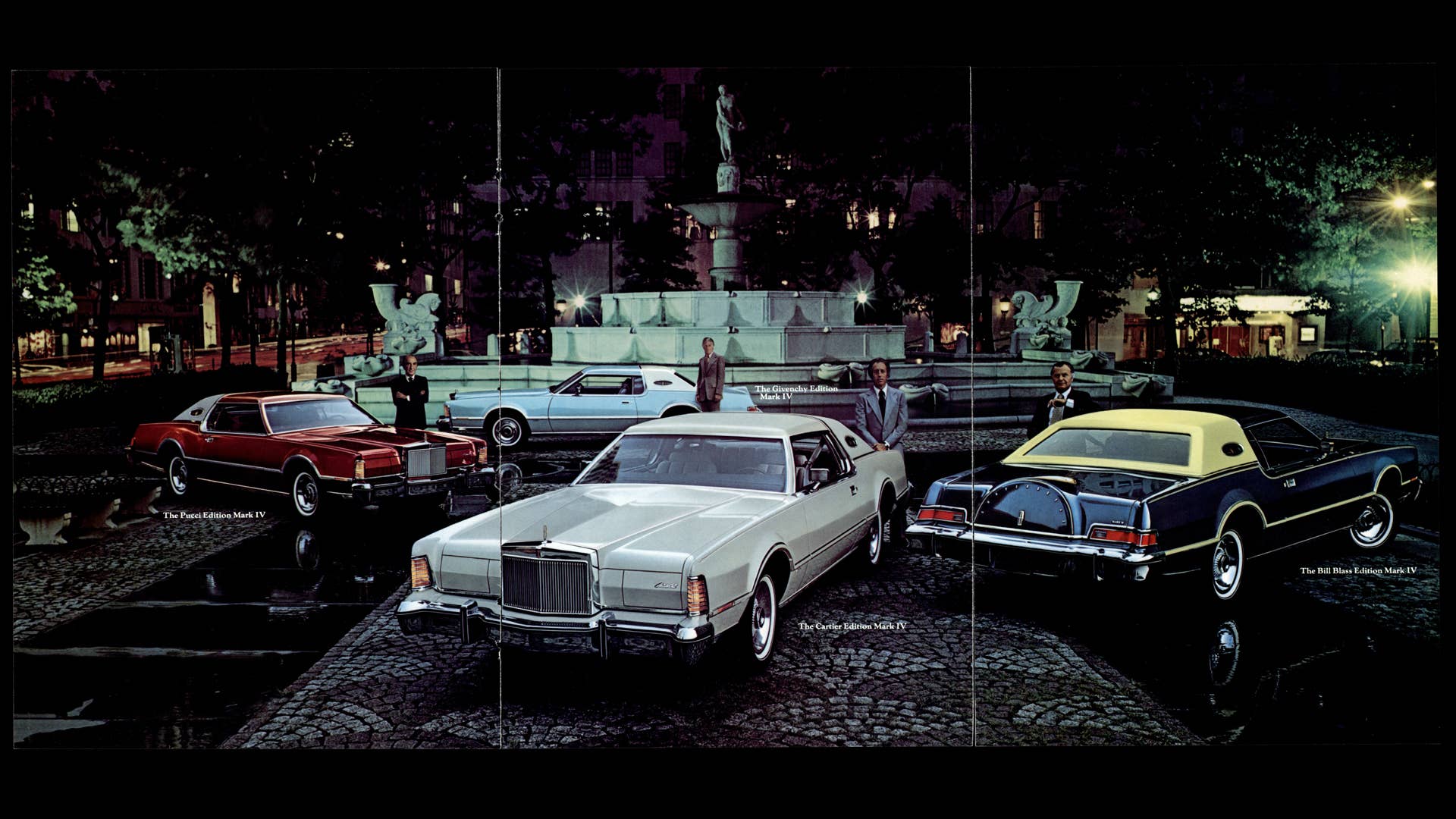
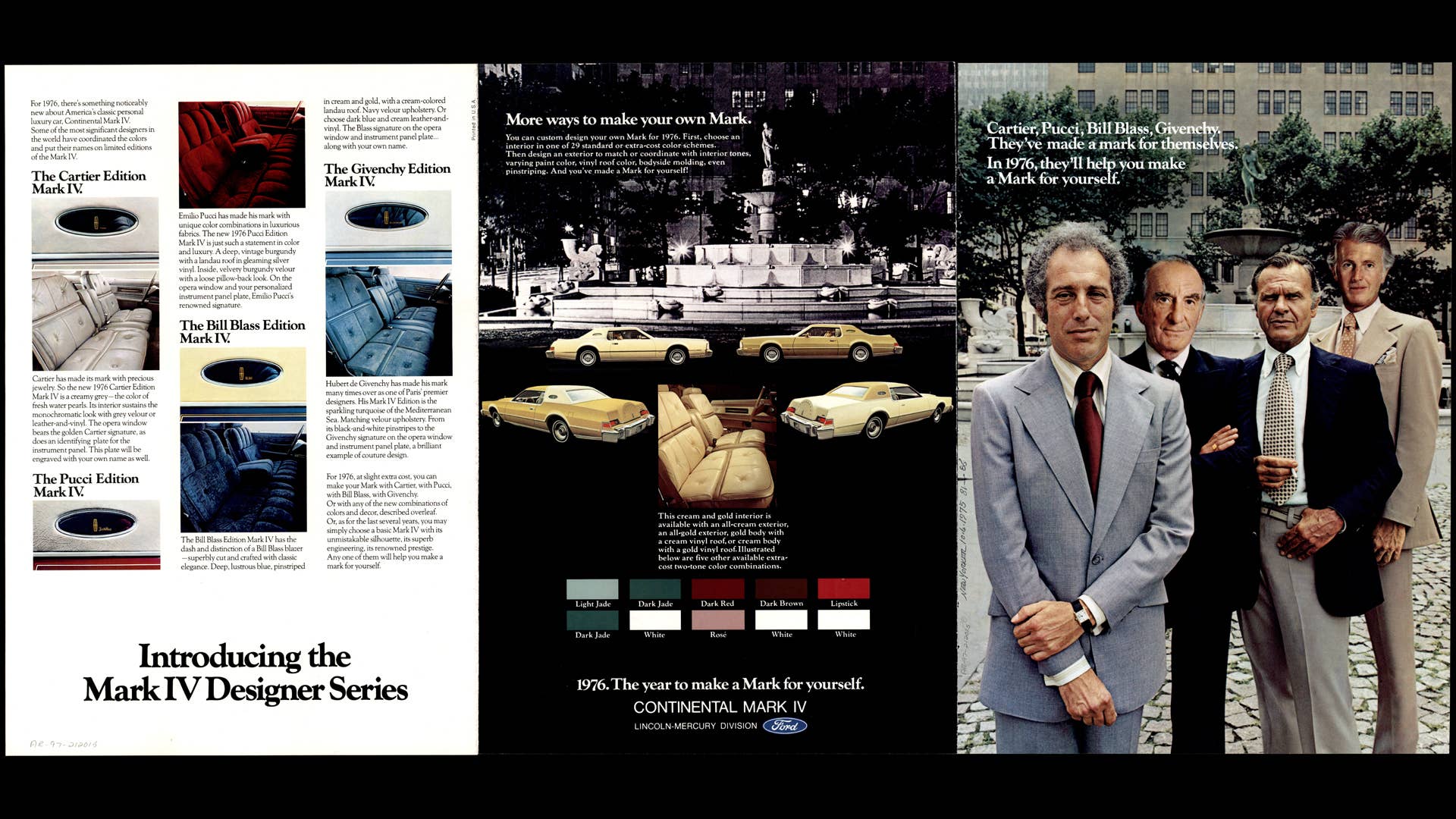
AMC’s partnership with Gucci was a sales hit, and in 1976, Ford got in on the fun by introducing the “Designer Series” Mark IV Continental at its Lincoln division. Led by fashion icons such as Bill Blass, Emilio Pucci, Hubert de Givenchy (Givenchy), the renowned Parisian jewelers Cartier, and later, Gianni Versace (Versace), the program saw these visionaries transform the two-doors in their vision, with exclusive colors, upholstery, and even special touches like special pinstriping.
This move by Ford capitalized on a burgeoning trend, where the prestige and distinct aesthetic of these expensive high fashion brands were leveraged to elevate the automotive experience. These design collaborations were more than just badging; they were an actual effort to inject a level of bespoke exclusivity and artistic flair into mass-market luxury cars, which successfully appealed to their consumer base.
Ford
With the Eddie Bauer partnership, Ford transferred this idea to its “mainstream” cars.
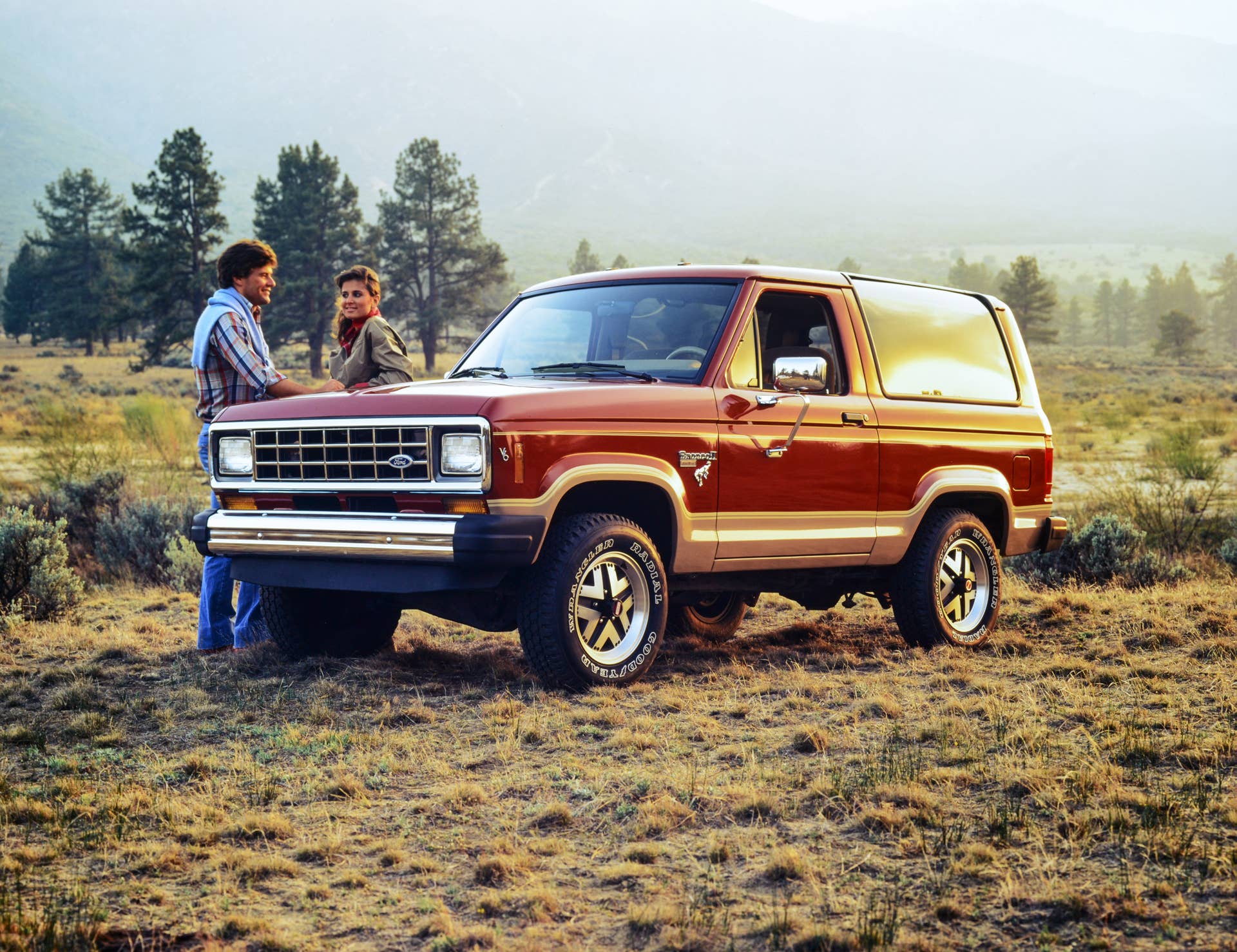
However, despite this rich history and experience blending the identities of fashion and luxury together, Eddie Bauer’s involvement with Ford coincided with the launch of a rugged, new SUV. Although the Eddie Bauer name would strongly resonate with the Ford Explorer, the partnership between Ford and Bauer actually began when it introduced the Explorer’s spiritual predecessor: the Bronco II.
Like today’s Bronco Sport, the Bronco II was designed to be a smaller and lower-priced Bronco for younger prospective Bronco owners. In a press release published at the launch of the car in 1983, Ford VP Louis E. Lataif described the smaller Bronco II as “a new kind of vehicle, designed for on-the-go American lifestyles,” with Ford copywriters going as far as citing internal research data that found that “easy to drive” 4×4 vehicles were “attracting more buyers among young marrieds, mature and other special markets,” including women.
“Many women today are discovering that a utility vehicle can match more aspects of their lives than can a car,” Dr. Marilyn King, Ford manager of contemporary markets, said at the time. “They like them for carrying packages or sports equipment, driving in snow on suburban roads or on off-road vacations. They find they fit a variety of family weekend patterns.”
Ford
Where does Eddie Bauer fit into all this? In late 1983, Ford and Eddie Bauer company entered into a partnership to start producing Eddie Bauer co-branded vehicles starting in the 1984 model year, with the 1984 Ford Bronco II being the first to receive such treatment.
A report from The New York Times published at the time stated that the move was part of a slow expansion of the brand by Eddie Bauer president, James J. Casey, who believed that “Ford wanted to tie in a truck that gets people to places where they can use the gear and wear the clothing sold by an outdoor outfitter such as Eddie Bauer.”
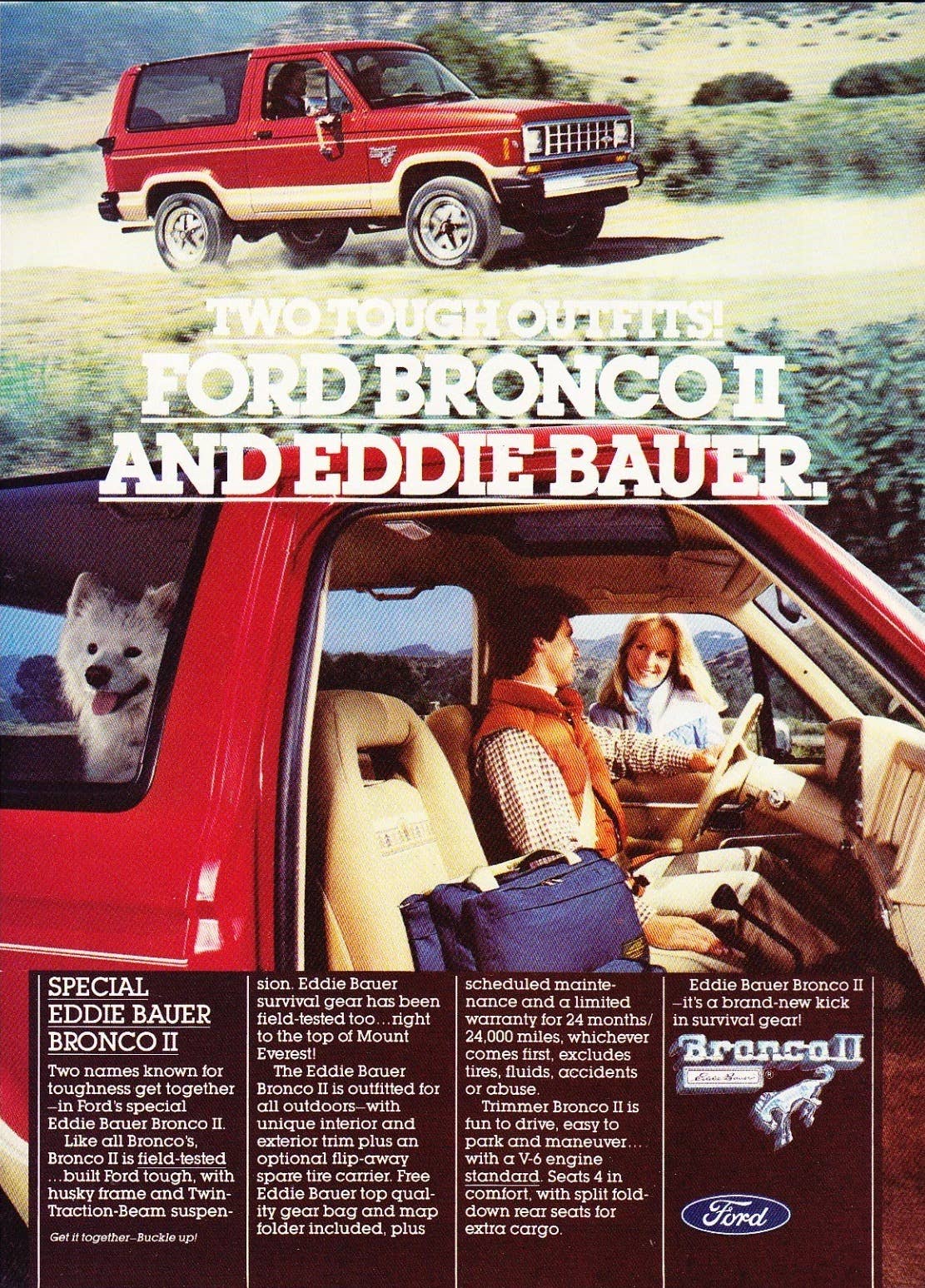
This motive is made explicitly clear in the way the car was marketed. In an ad for the ‘Special Eddie Bauer Bronco II,” Ford’s ad men likened the “field-tested” and “built Ford tough” Bronco II to that of Eddie Bauer’s gear, which has seen “the top of Mount Everest.” Nonetheless, this model was positioned as the top-of-the-line Bronco II, featuring special Eddie Bauer exterior and interior badging, a special two-tone paint job and a Eddie-exclusive tan cloth interior with a nature-themed motif on the seatbacks.
In addition to the goodies in the car, the ad for the Bauer Bronco II stated that the car also came with exclusive Eddie Bauer gear; specifically a free Eddie Bauer “top quality gear bag and map folder.”
“The original intention was to bring a little bit of a different image to some versions of our truck-based products like the Bronco,” Ford truck group marketing manager Doug Scott said in a 2003 Automotive News retrospective. “At the time, we were taking a truck-based chassis and developing a whole new market, which became the sport-utility. We wanted the attributes of a truck in a higher vein, and Eddie Bauer was obviously the upscale image and the outdoors image that fit the bill.”
Ford
Ford
Ford
Beyond the Bronco II
Although the Bronco II was seen as a failed project by today’s contemporary automotive pundits, the model was the genesis for a very fruitful partnership that would effectively define a part of the brand for multiple decades and many generations of car enthusiasts.
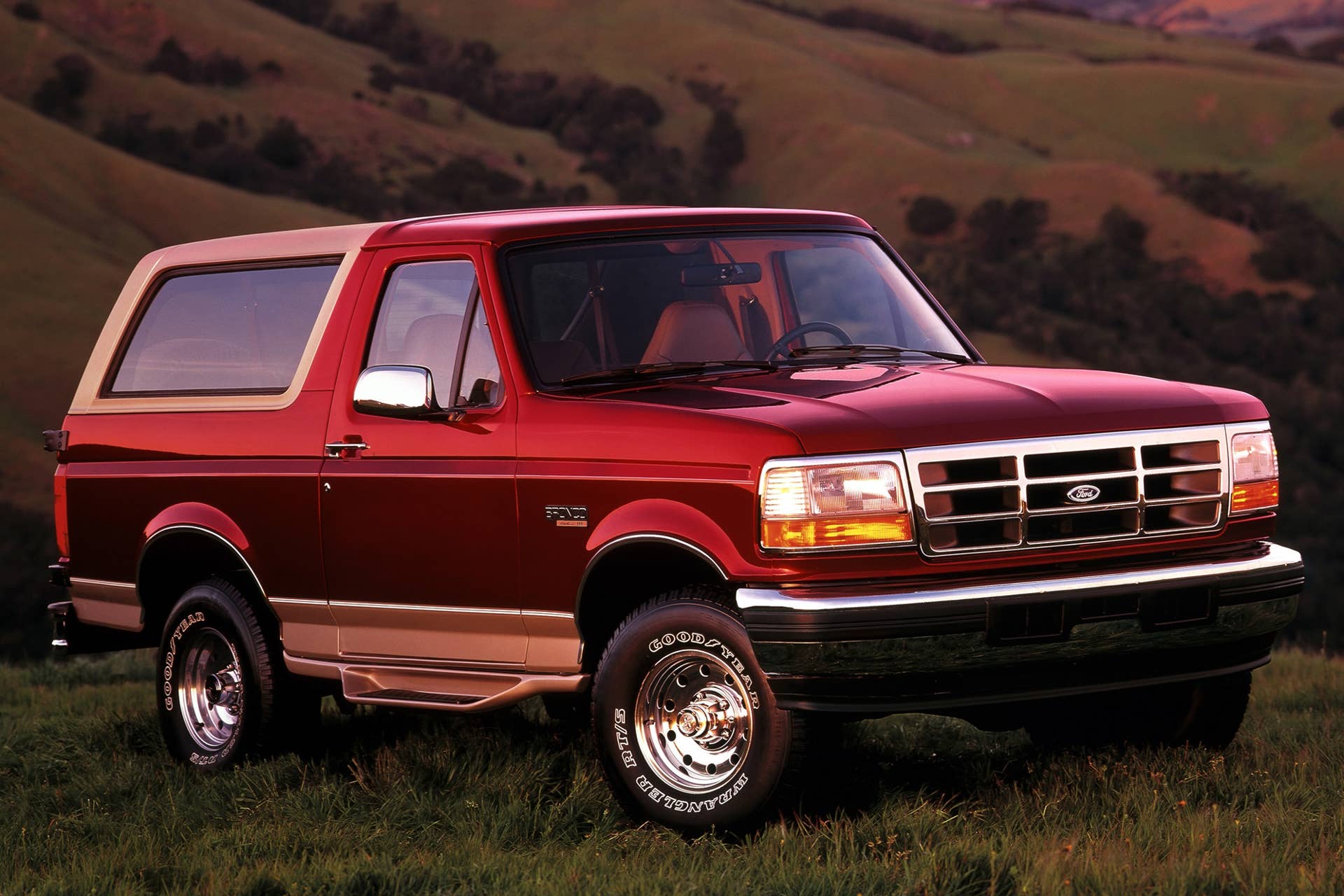
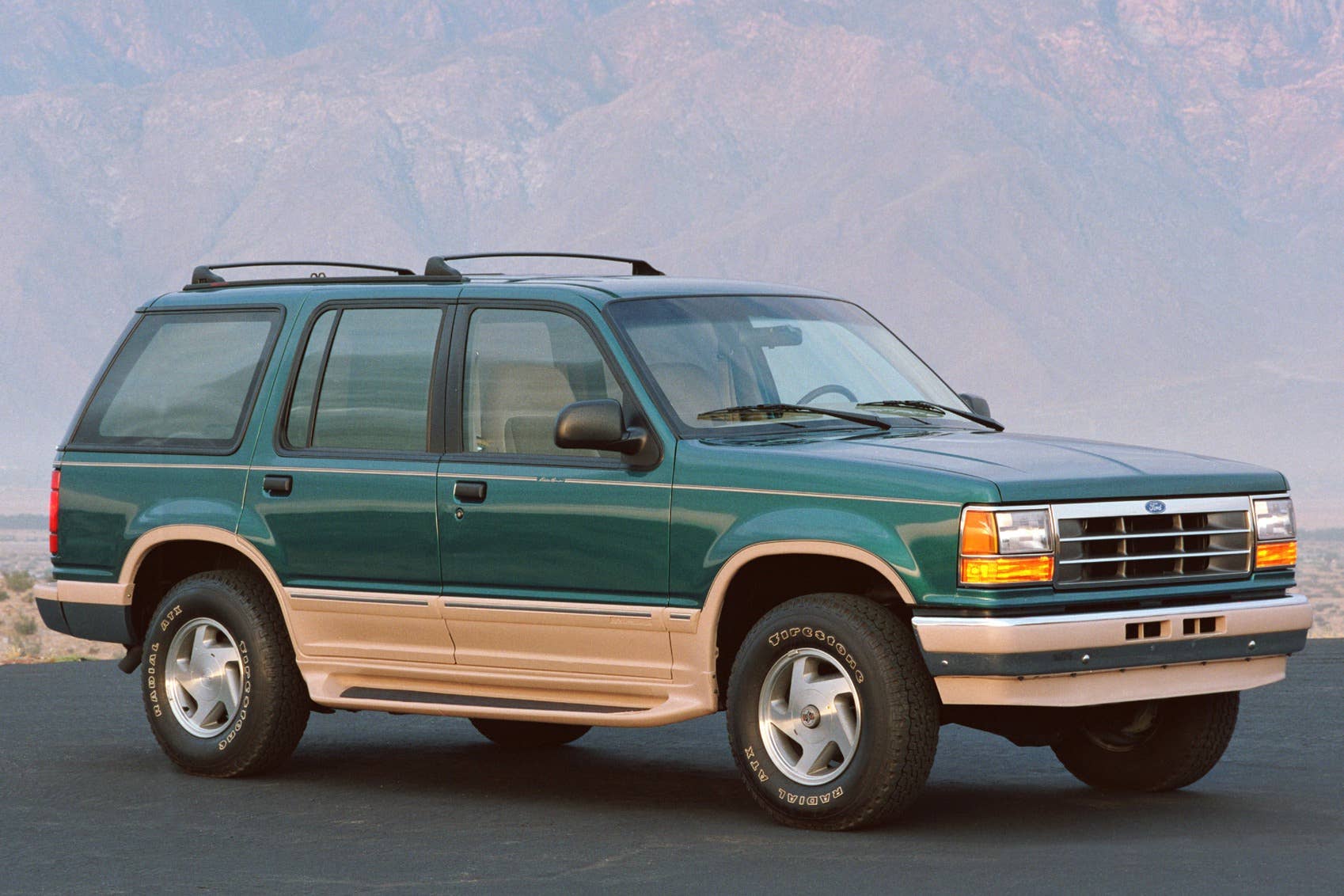
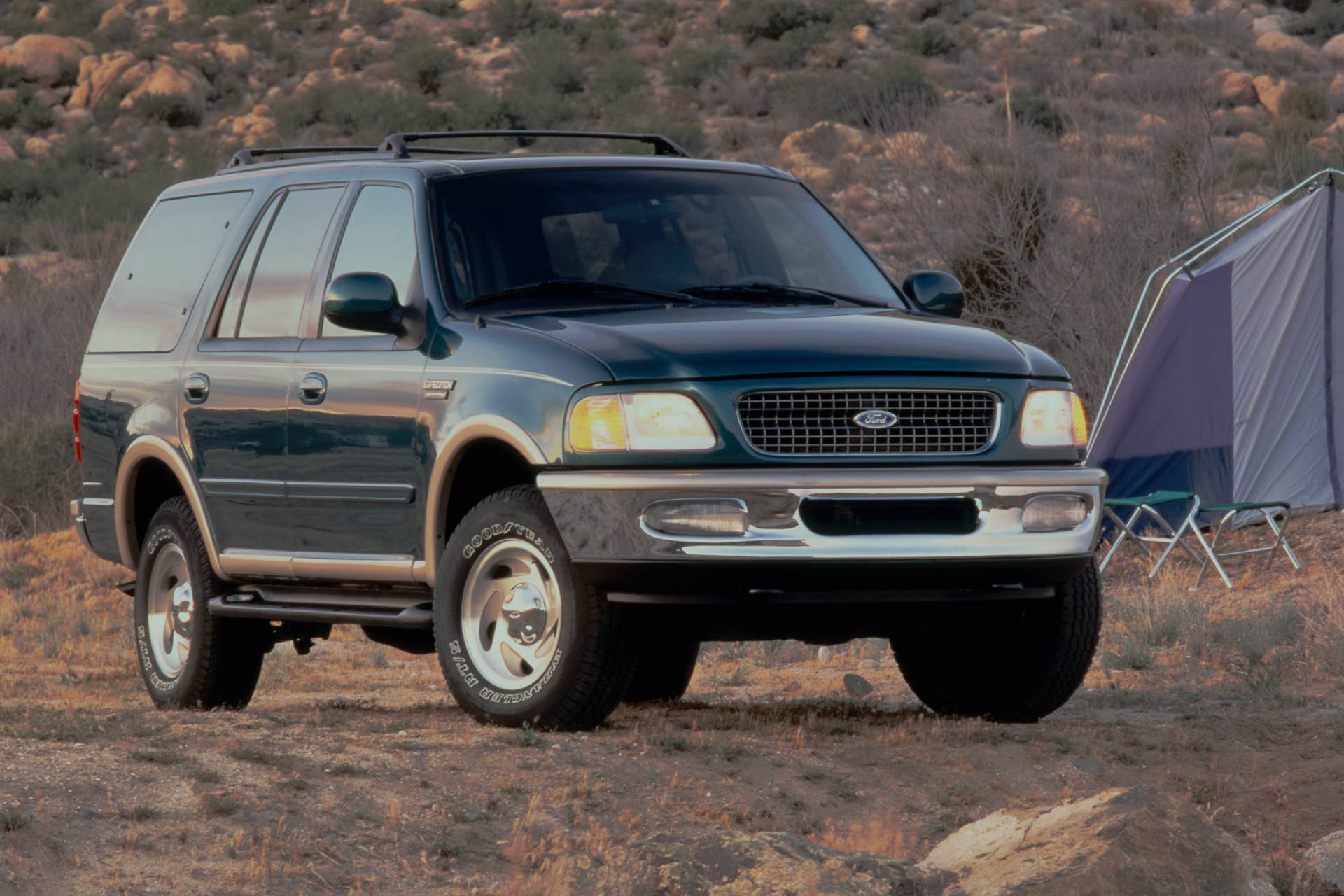
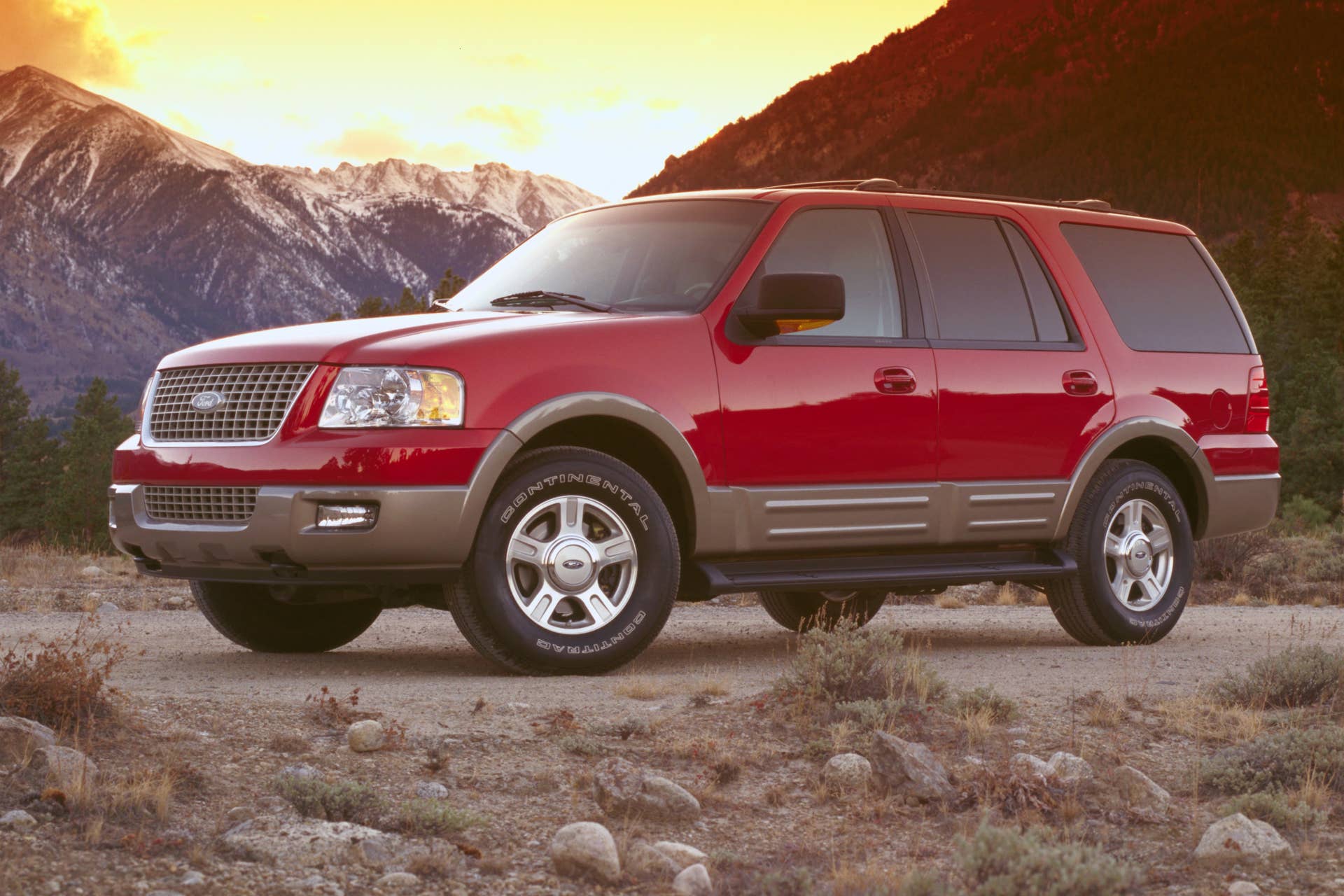
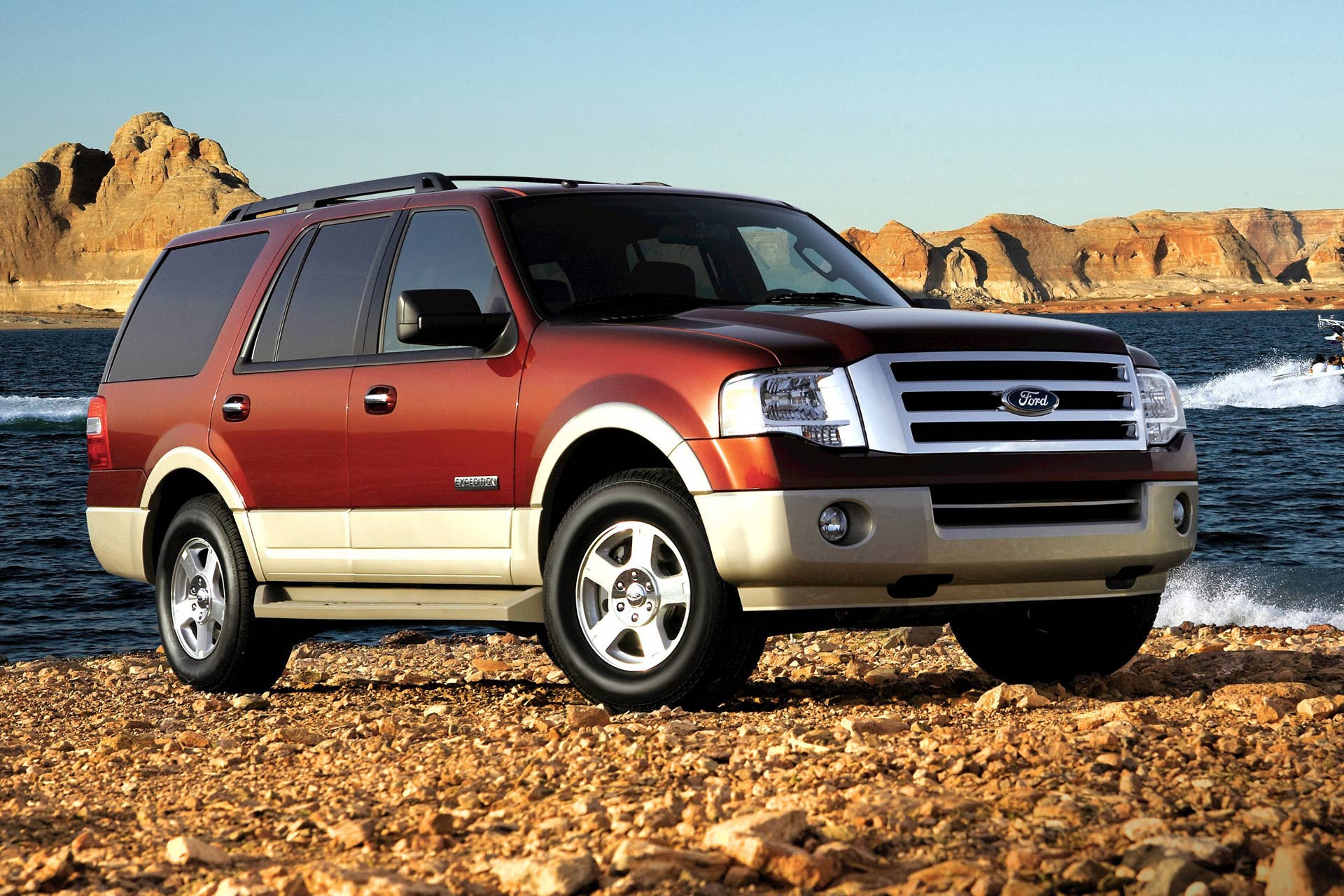
Beyond the Bronco II, Ford applied the same formula to some of its other “built Ford Tough” 4x4s and family vehicles. This effectively denoted the Eddie Bauer edition vehicles as the high-end, posh, outdoorsy, top-of-the-line trim level for many Blue Oval vehicles, including the Bronco, Explorer, Expedition, Excursion, the Aerostar minivan, and even the F-150. On these models, Ford applied some of the same distinct features it used on the Bronco II, such as two-tone paint and specially-appointed interiors, as well as other extras like illuminated running boards, Eddie Bauer-exclusive body molding and a plethora of other technology and luxury features that were not available on lower-end trim models.
Up until 1996, purchasers of Ford Eddie Bauer edition vehicles received a piece of luggage as a gift. However, to coincide with the introduction of the new 1997 Ford Expedition that year, Bauer released an exclusive line called Expedition Goods that was only available through Ford dealers, which included exclusive Expedition-branded Eddie Bauer products such as hats, duffel bags, polo shirts, fleece jackets and vests, and even a pocket knife.
Eddie Bauer and Ford leave a legacy of copycats.
The partnership between Eddie Bauer and Ford quietly ended following the 2010 model year, with the final models offered being the Explorer and Expedition SUVs. No specific sales data regarding the Eddie Bauer trim from the period exists, however, a Ford press release from 1999 celebrating the millionth Eddie Bauer-branded Ford details that Eddie Bauer editions of key models made up a considerable amount of sales of certain models. Per Ford, Ford sold 431,488 Explorers in 1998, with 48,680 of them were Eddie Bauer editions. That same year, Ford also sold 98,823 Eddie Bauer Expeditions.
However, a more remarkable measure of the partnership’s success was that the formula was copied by other manufacturers. Recently, Jeep has released a special North Face edition of its Avenger in Europe, however, a more notable co-branding example is with Subaru. In 2000, the Japanese all-wheel-drive specialists partnered with one of Eddie Bauer’s competitors, the Maine-based outdoor clothing company L.L. Bean, to produce a top-of-the-line edition of the Outback.
The initial offering, the 2000 Subaru Outback L.L. Bean edition coupled the capable Outback drivetrain with some luxury appointments like leather upholstery, faux wood trim on the dashboard, a McIntosh-branded stereo with six-disc CD changer, a moon roof and exclusive L.L. Bean badging. Like Bauer, Bean’s partnership with Subaru was not just a limited-run offering of a select amount of vehicles, it was Subaru’s high-end ‘almost sub-brand.’ By its axing in 2008, Subaru offered both the Outback and the Forester in L.L. Bean trims.
However, not all partnerships last forever. In 2008, Subaru and L.L.Bean mutually split following an eight-year relationship. In a statement at the time, Subaru spokesman Dominick Infante said that the brand felt it was time to part ways, adding that while the L.L. Bean cars did well “on the East Coast and in ski states,” it wanted to expand the overall brand’s appeal “into sunshine states like Texas, Florida and California.”
Ford
Ford
Final Thoughts
As much as I used to think these sorts of partnerships as pure gimmicks, it goes to show that these partnerships can help enhance the image of a specific brand, and vice versa. Eddie Bauer was so proud of its partnership with Ford, it featured the branded vehicles on its catalogs, its publicity photos, and even in its stores.
Truth be told, these brand experiments work; it’s what marketing was supposed to do. When I initially heard about the news of Eddie Bauer closing, the first thought in my head was not if there was going to be a massive sale at my local store, it was the childhood memory of an elementary school classmate and their mom’s Triton V10-powered Eddie Bauer edition Ford Excursion; a massive, gargantuan vehicle that not only sounded like an idling school bus, but dwarfed every car around it, including my mom’s Honda.
It’s memories like those that create strong brand associations. I got confused the first time I saw an Eddie Bauer logo on something that wasn’t a Ford, and for the longest time, I associated L.L. Bean with Subaru so much that I didn’t know that it made clothes until an L.L. Bean store opened at my local mall.
Though Eddie Bauer’s history as a clothing retailer may be gone, its place in automotive history as a pioneer of the co-branded SUV is well secure, forever linking the brand and its rugged outdoors aesthetic with the Blue Oval’s iconic vehicles.
About the author

James Ochoa
Senior Editor, Autoblog