
It’s Clearly Against the Law, and Yet No One Gets Called Out
Spend enough time on American roads and you’ll start to notice a troubling pattern: drivers casually crossing double yellow line (or flush) medians as if they don’t apply to them. It’s a dangerous pattern I’m seeing literally every day on Chicago area roads. It’s not just an occasional driver doing it. I’ve seen several cars in a row do this at one intersection for one left-turn lane. I have watched this behavior become more prevalent over the past year or so.
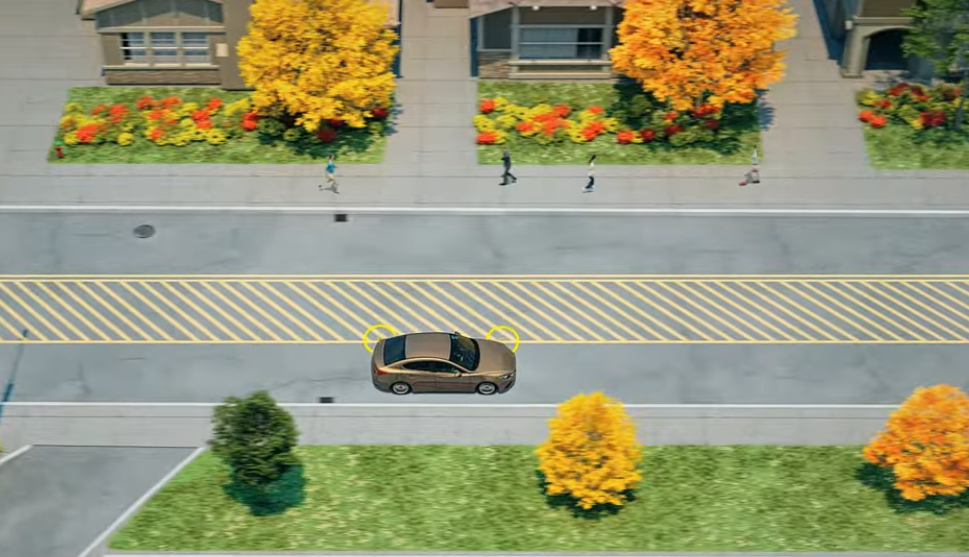
Whether it’s a quick U-turn, cutting across traffic to save a few seconds, or bypassing a backed-up intersection, this behavior is now a daily occurence in my area, and it seriously increases the likelihood of serious accident. It’s also a recipe for road rage. I regularly have these violators honk at me when I’m trying to observe the law and take the left turn when the lane opens up. Go figure, the drivers who are wrong now feel that they have the right of way when it’s clearly the opposite.
A double yellow line is one of the simplest and most universally understood road markings, but that doesn’t seem to matter to many drivers who think the law doesn’t apply to them. It means no crossing, no passing, and no exceptions unless a specific break or legal turn lane is provided. Yet many drivers treat it as a suggestion rather than a rule. Why?
Drivers are Becoming More Impatient
Getty Images
It’s apparent drivers are becoming less patient, not more. Whether it can be attributed to the immediacy of technology in our lives or some other combination of factors, driver’s would rather violate traffic laws than arrive a couple of minutes late. Traffic congestion, long stoplight signal cycles, and crowded intersections all contribute to this.
When drivers see an opportunity to shortcut a route or avoid a wait, the temptation to cross a double yellow line can outweigh the perceived risk. This is especially true in suburban corridors where medians are painted on a flush surface rather than physically divided by a raised median. Without a curb or barrier, the line becomes easier to ignore. To add fuel to the fire, law enforcement’s attention is elsewhere.
Normalized Behavior Trumps the Law
Jessica Rinaldi/The Boston Globe via Getty Images
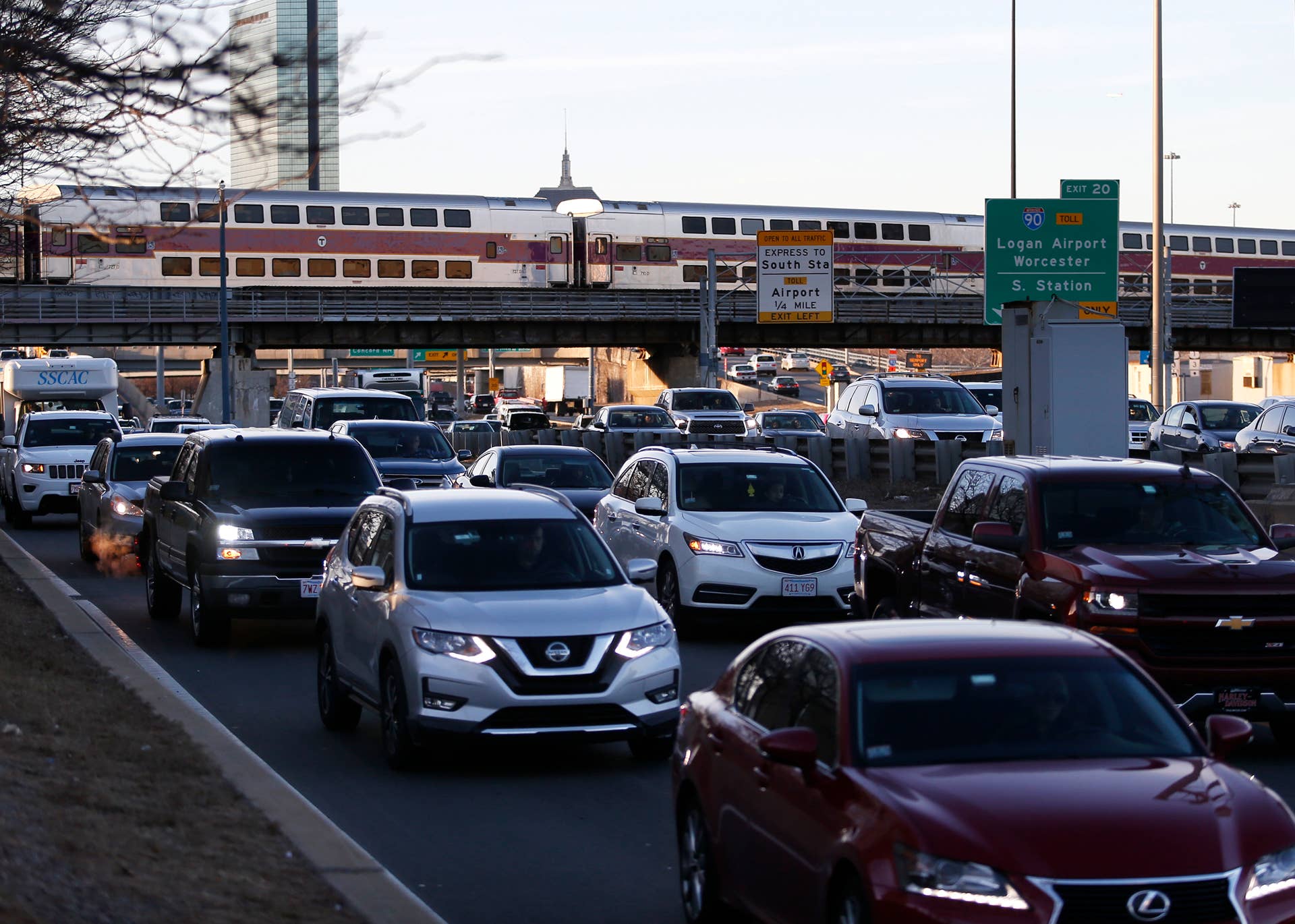
Another factor is normalization. When drivers repeatedly witness others making illegal median crossings without consequence, the behavior becomes tacitly acceptable. At virtually every left turn lane at an intersection with flush medians, one car starts cutting to the left turn lane early, and others follow suit. It becomes part of the informal “flow” of traffic, even if it directly contradicts traffic laws. Over time, this creates a feedback loop: more violations lead to more acceptance, which leads to even more violations. Drivers see other drivers do it. That must mean it’s ok… until it’s not.
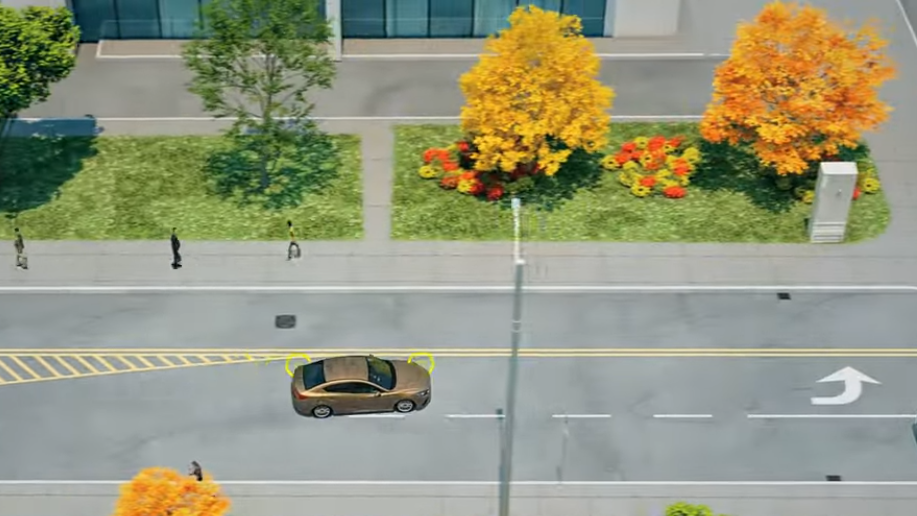
Crossing a double yellow median introduces unpredictability into traffic flow. Other drivers are not expecting a vehicle to suddenly appear in their path from the opposite direction or from a stopped position in the lane, suddently pulling out to avoid the wait to turn left. This lack of expectation drastically reduces reaction time and increases the likelihood of collisions. The yellow lines exist for a reason.
What Does the Law Say?
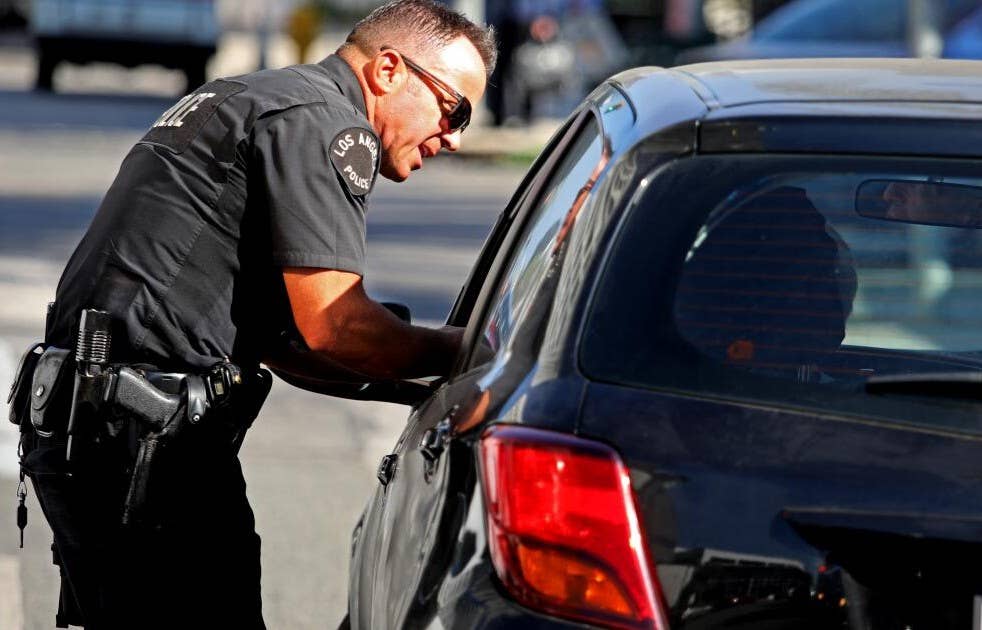
There’s also a misunderstanding of the rules. Some drivers believe crossing a double yellow line is acceptable for any turn, when in reality, most jurisdictions only allow it for specific maneuvers—like turning into a driveway or side street—if it can be done safely. Using it to make a U-turn, to shortcut a left-turn lane, or to cut across multiple lanes of traffic is often illegal, yet widely practiced.
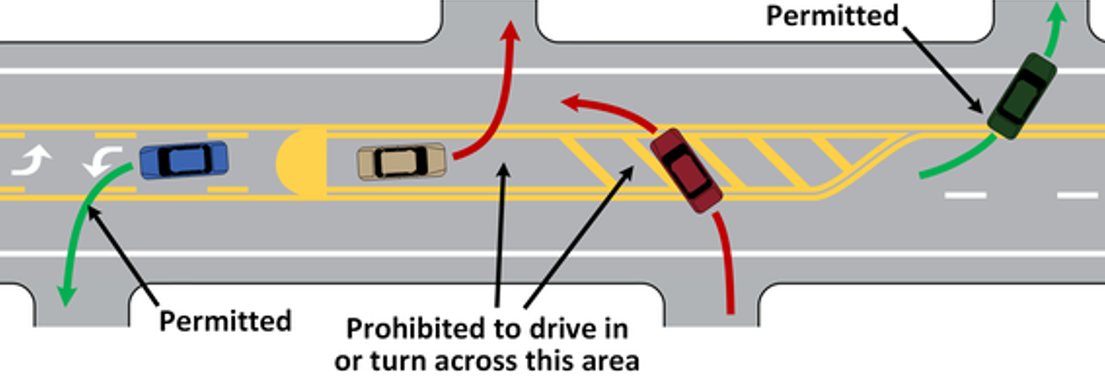
Generally speaking, you’re not supposed to cross a double yellow line unless you are turning into a driveway. The double yellow line is also obvious on major roads or single-lane roadways to avoid passing when visibility is limited, but on medians it has become less so. Then, there’s what’s known as the “double double yellow” or two sets of solid yellow lines (four lines total) create a painted median or “barrier,” which should never be crossed unless there is an emergency situation that requires by-passing or a u-turn to avoid situation.
The Potential Impact
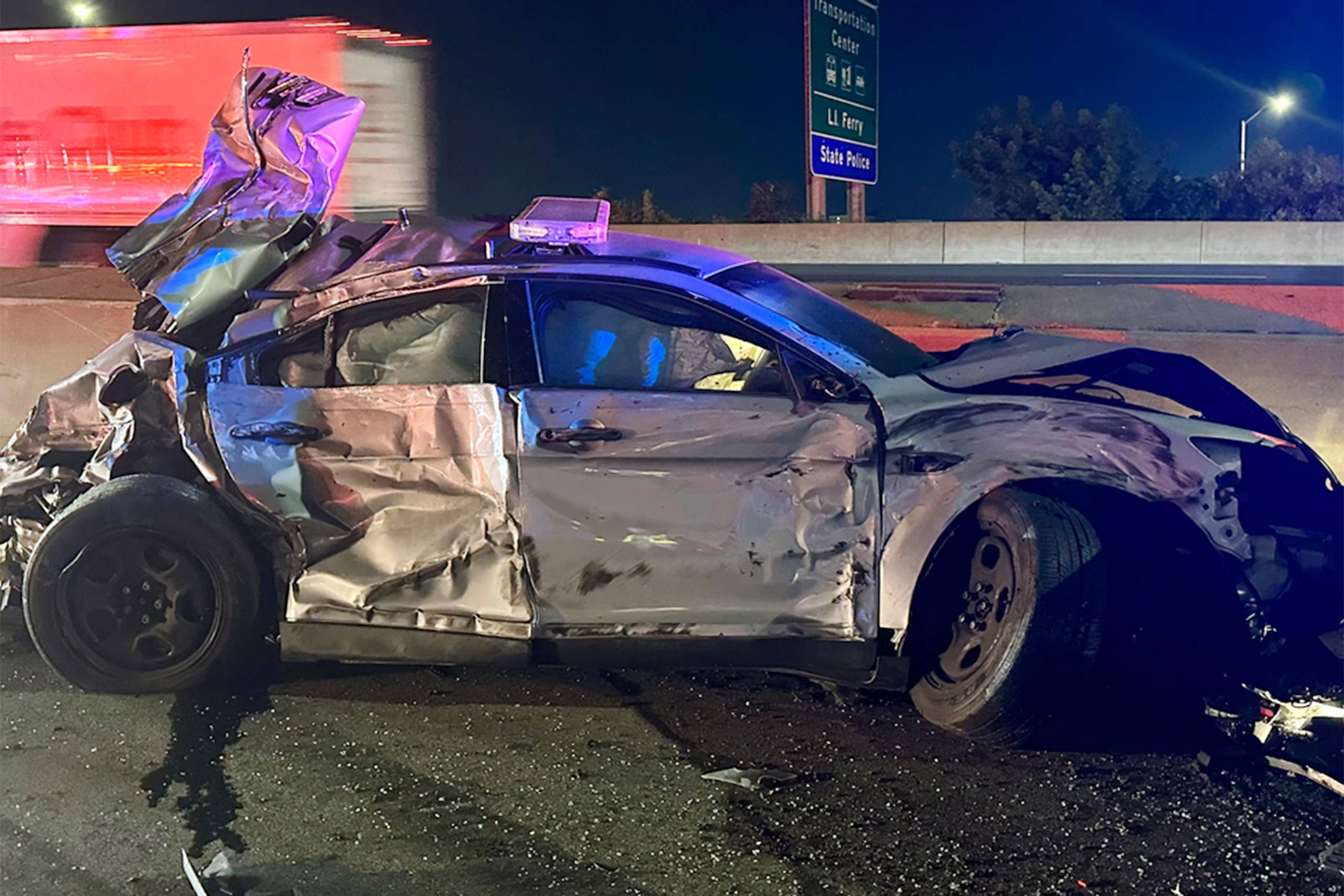
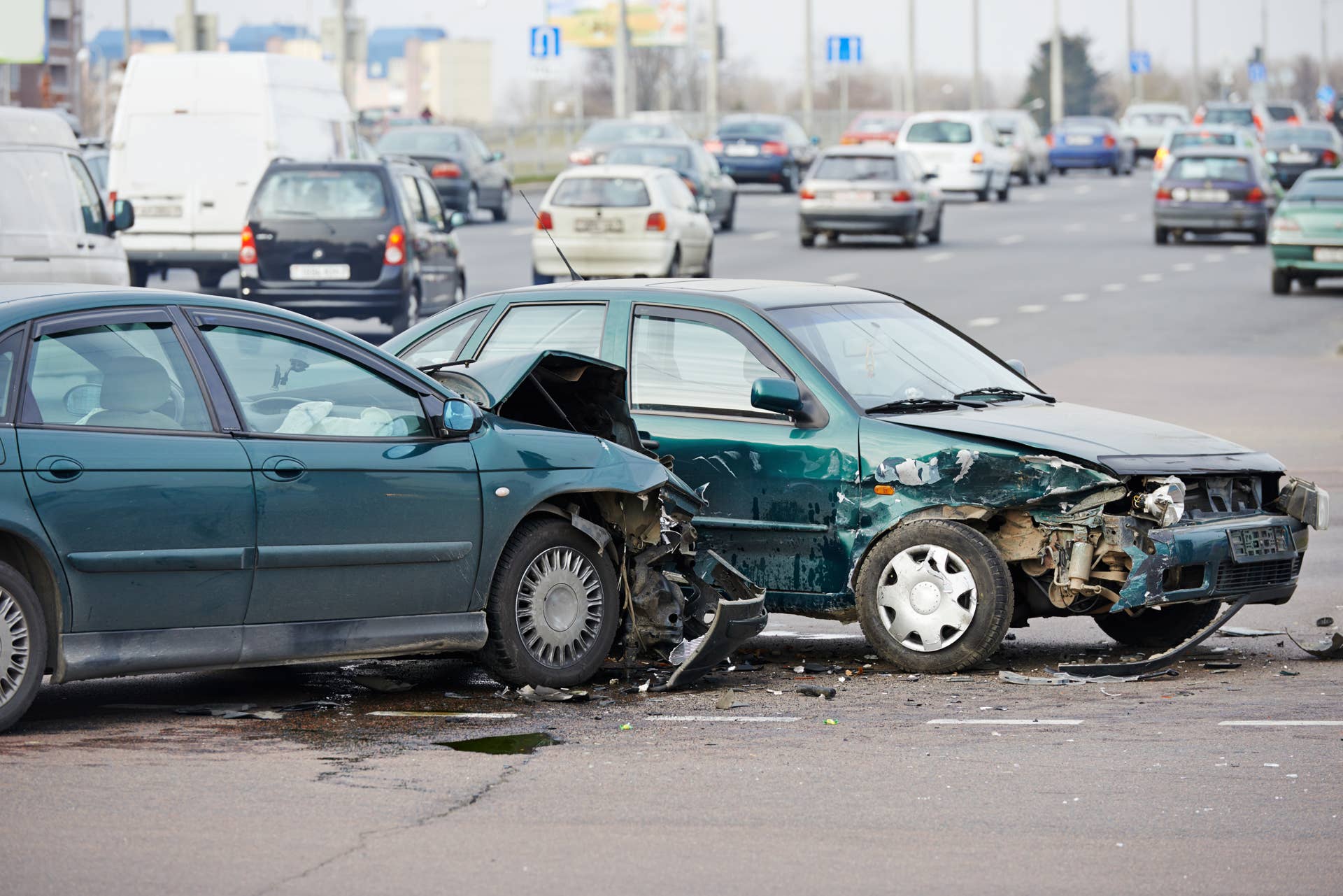
From a legal standpoint, crossing a double yellow line improperly can result in fines, points on a license, and increased insurance premiums. But more importantly, in the event of a crash, the driver who violated the median rule is often found at fault. That liability can extend far beyond a simple ticket. Most importantly, bodily injury or death can result. Imagine a driver is hurtling at 45 mph in a 30 and cutting over a double-double yellow median to turn left. Another driver moves legally into the left turn lane and is hit on the driver’s side. A serious accident could ensue, the result of failing to observe the law.
Urban planners and traffic engineers design medians for a reason. Double yellow lines are typically used in areas where allowing crossing movements would create too much conflict between vehicles. They’re a low-cost way to improve safety without installing physical barriers, but they rely heavily on driver compliance to be effective. No one is enforcing this law, and so the violations continue.
Final Thoughts
So how risky is it? Statistically, improper lane usage and illegal turning maneuvers contribute to a significant portion of urban crashes. While not every incident is directly tied to crossing a double yellow line, the behavior fits squarely within a broader category of high-risk driving decisions that prioritize convenience over safety.
Ultimately, ignoring double yellow line medians is a small decision with potentially massive consequences. It might save a few seconds in the moment, but it introduces a level of risk that’s hard to justify. Unless police begin stopping these violators, it’s likely this behavior won’t abate. As more drivers adopt this behavior, the roads become less predictable—and far less safe for everyone.

About the author
Amos Kwon
Contributing Writer, Autoblog