

Is it enough?
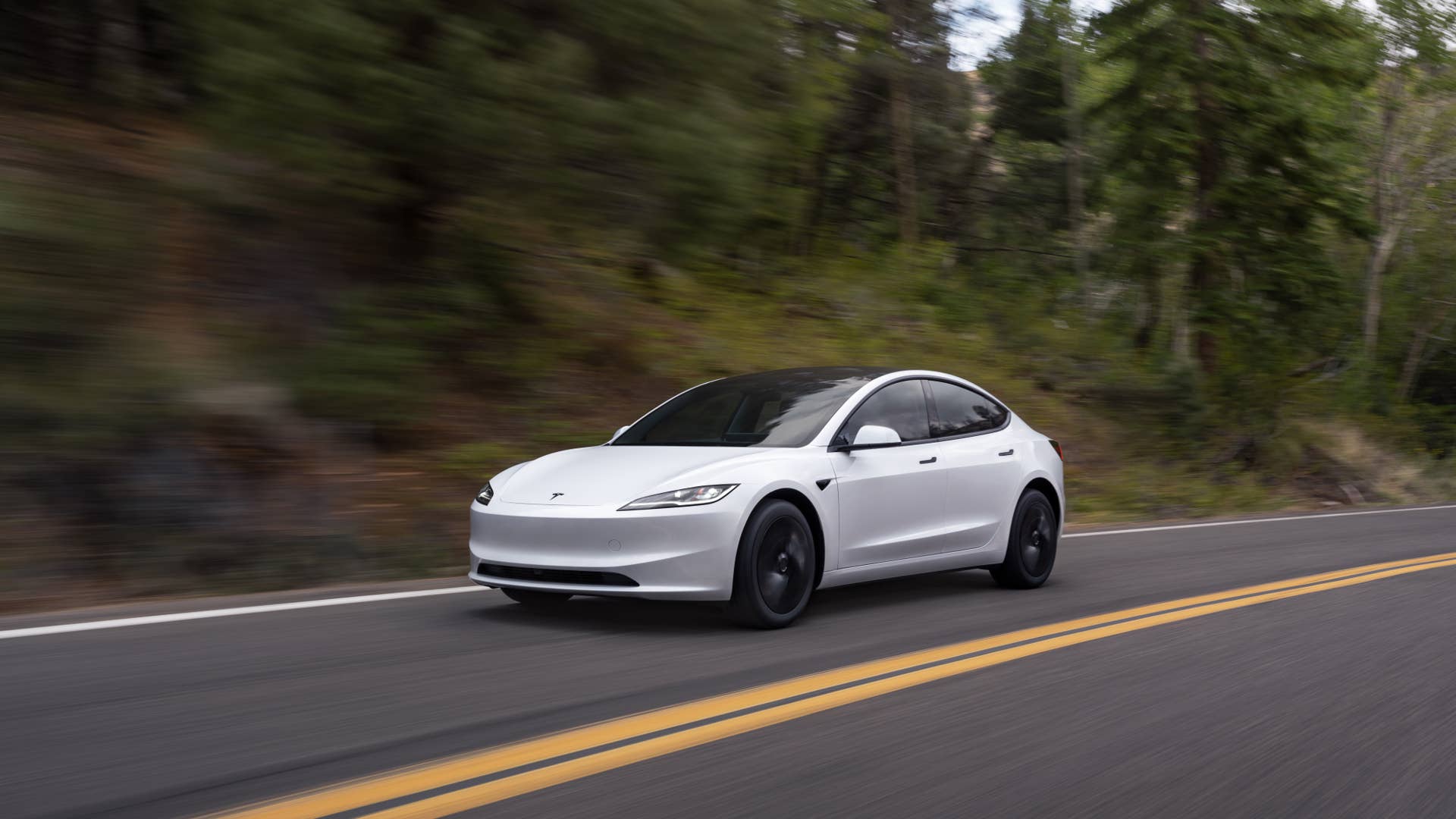
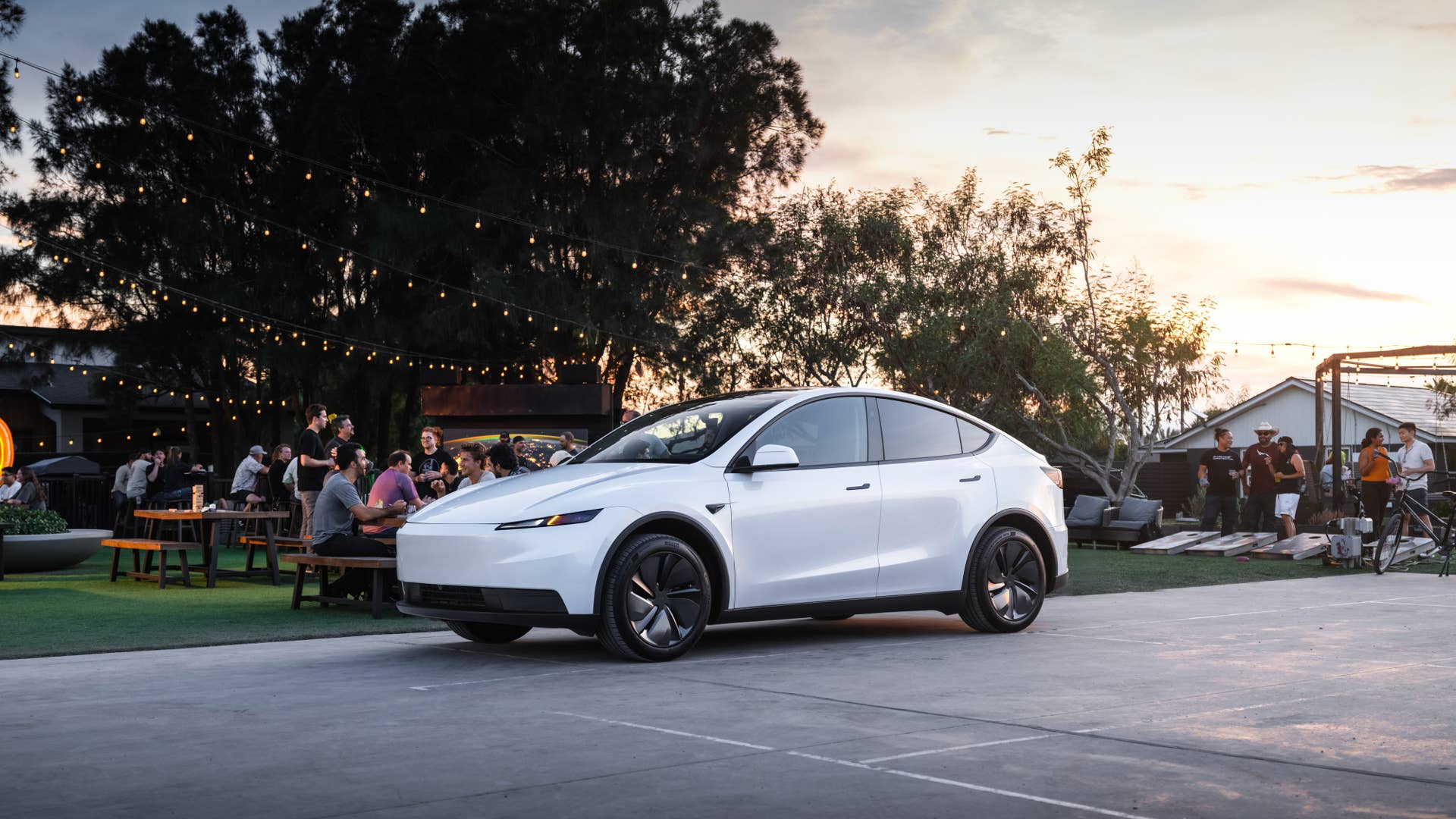
Tesla’s long-promised “affordable” electric vehicles have finally arrived. Earlier this week, the company unveiled the Model Y Standard and Model 3 Standard, priced at $39,990 and $36,990, respectively. The move was supposed to rekindle enthusiasm for a brand that’s been losing market share in the face of intensifying global competition.
But instead of applause, the reaction has largely been a collective shrug. Tesla’s stock dropped nearly 4% after the announcement, and analysts have been quick to question whether these new trims are the lifeline the company hopes they’ll be.
Familiar cars, fewer features
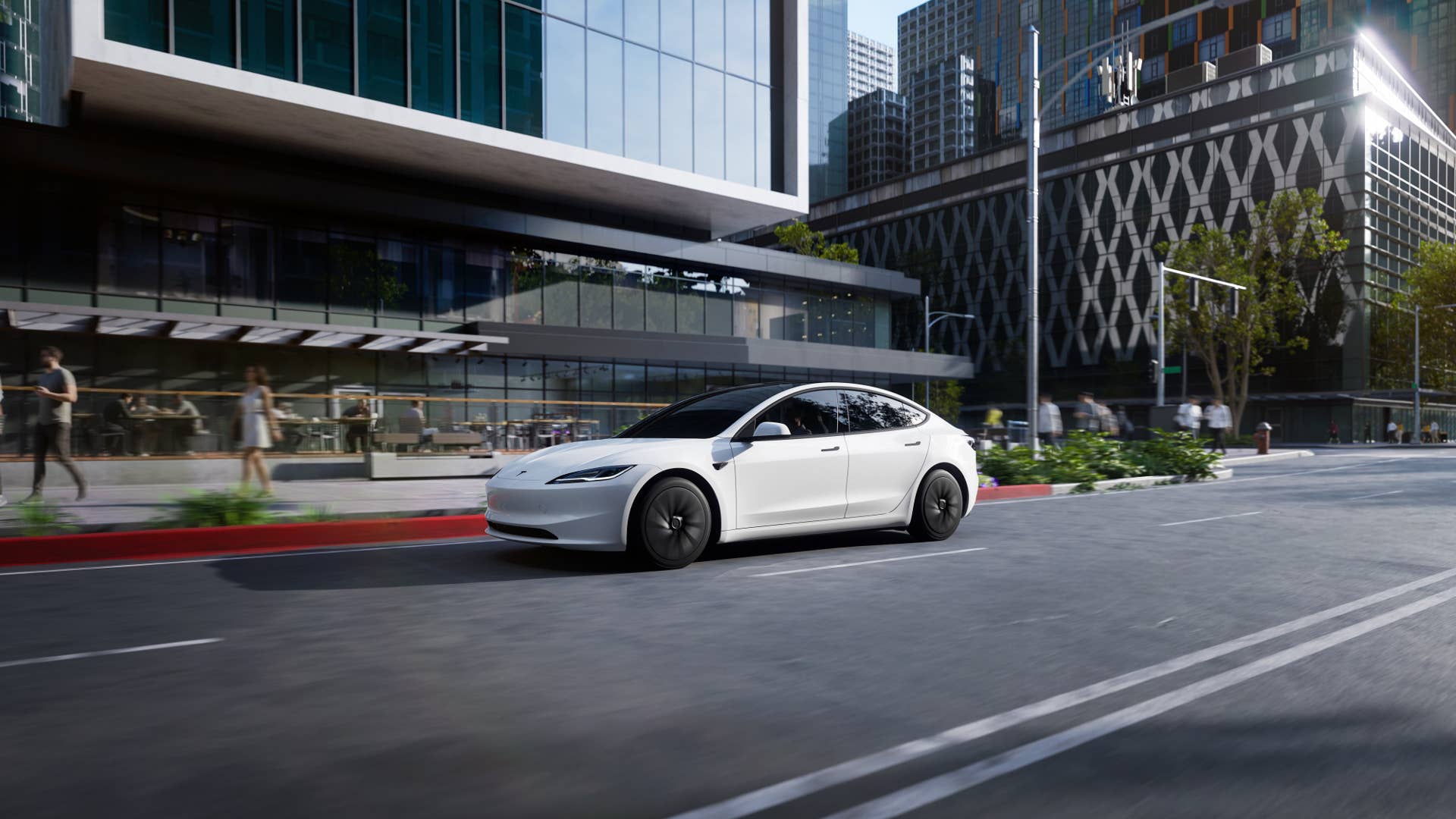
Rather than unveiling an all-new vehicle or groundbreaking technology, Tesla’s “cheaper” lineup consists of stripped-down versions of its existing cars. The new Standard trims omit certain features—an FM tuner, upgraded interior materials, and even some driver-assistance options—to hit a lower price point.
Tesla
Critics say this feels less like innovation and more like “car shrinkflation”—cutting content without meaningfully reducing cost. As one Yahoo Finance writer put it, “This is like a tech giant celebrating its discounted smart speaker just before the hyped release of a superintelligence app. Why invest in a lesser version of a VCR when your best people are busy building a streaming service?”
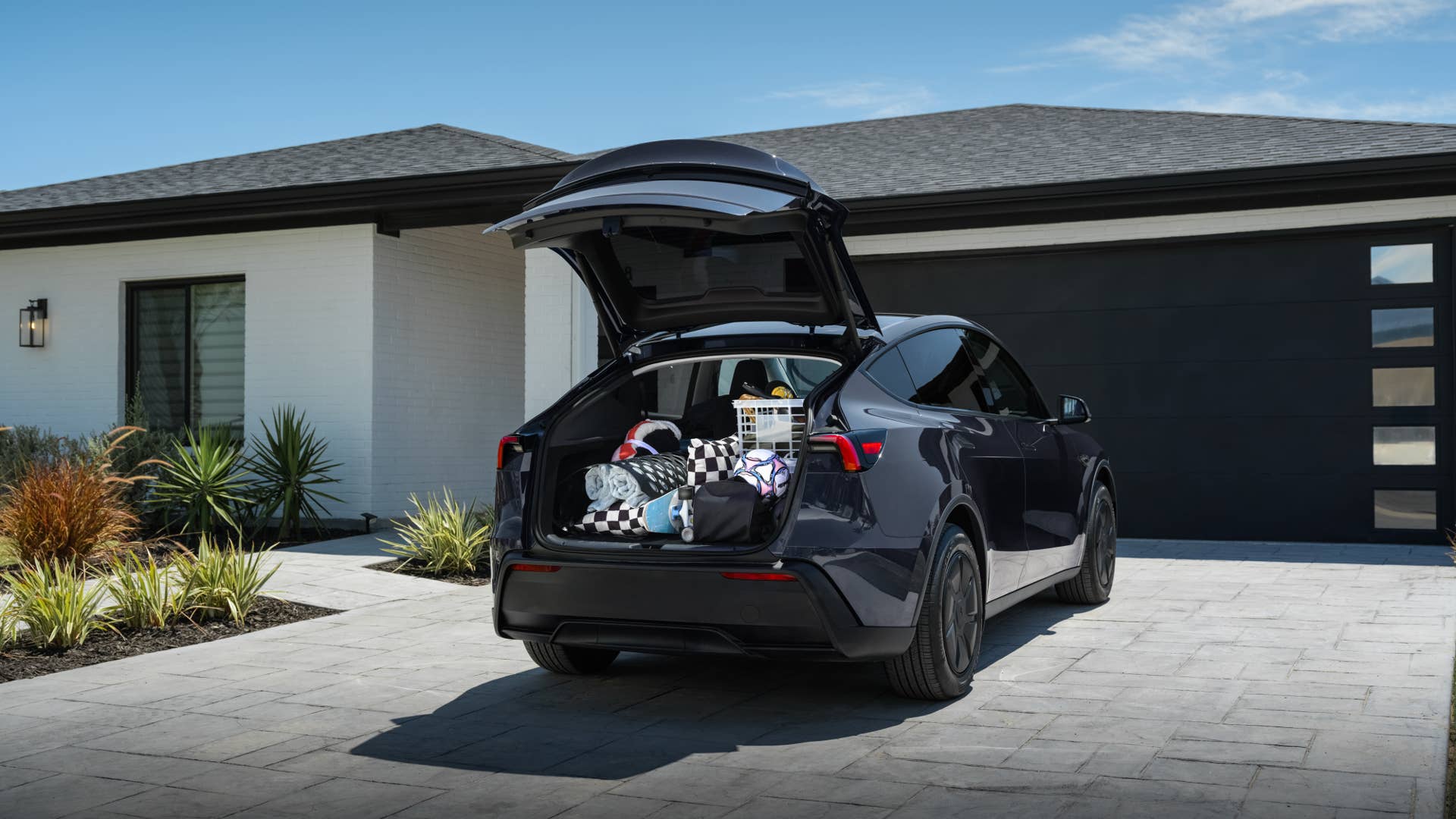
To be fair, the new prices do make Tesla’s bestsellers more accessible. The Model Y, once topping $65,000 for all-wheel drive versions, now starts just under $40,000—a psychological threshold that could appeal to cost-conscious buyers. Still, as Morningstar analyst Seth Goldstein notes, this strategy is “more about maintaining deliveries momentum” than unlocking new demand. In other words, Tesla isn’t necessarily attracting new customers; it’s just giving current ones cheaper ways to stay in the brand.
The competitive pressure
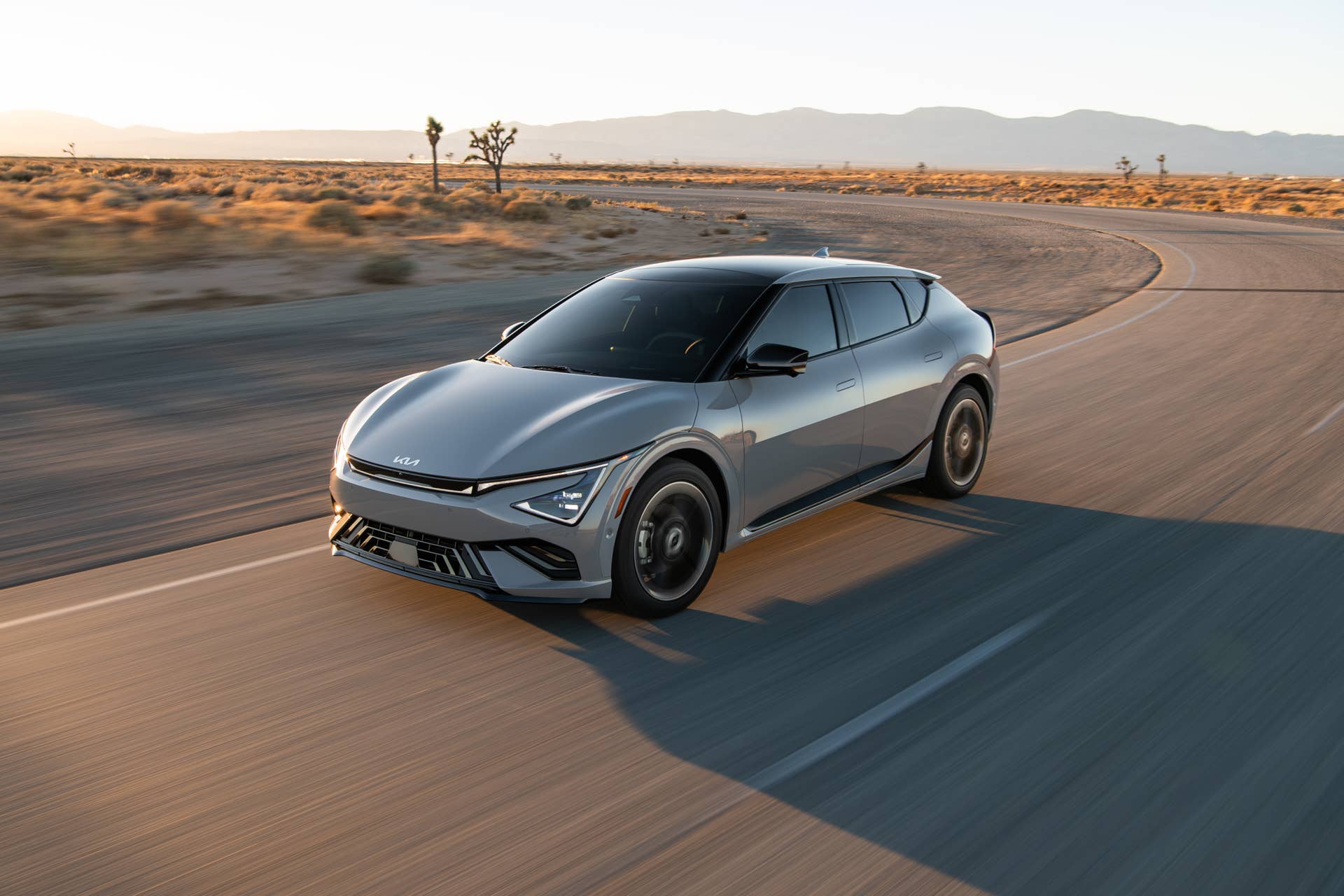
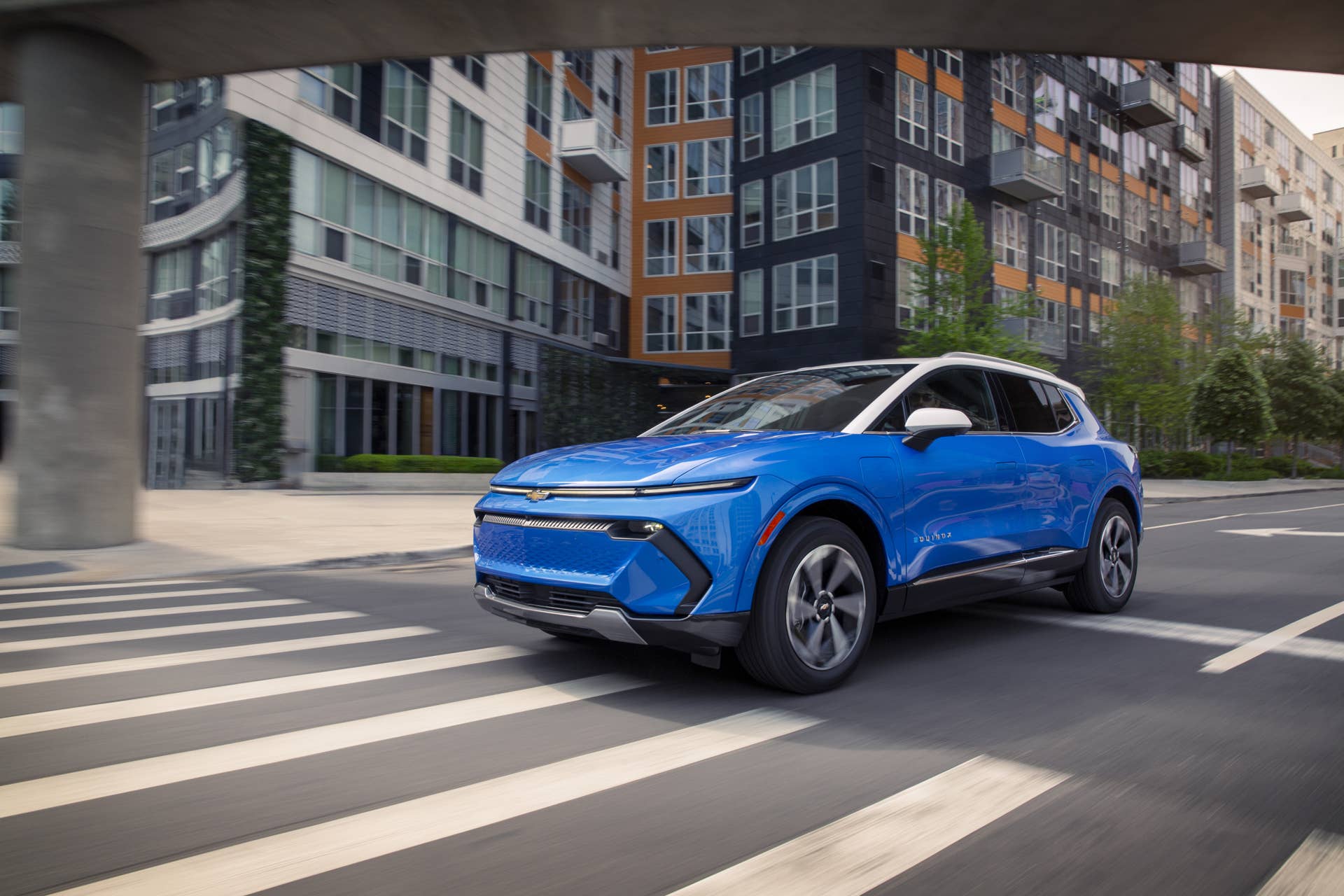
Tesla’s problem isn’t that its cars are bad—it’s that the competition has finally caught up. When the Model 3 and Model Y launched, they were the benchmarks for range, performance, and technology at their price point. Today, buyers can get similar specifications from rivals like the Hyundai Ioniq 5, Kia EV6, or Chevrolet Equinox EV—often for less money and with better build quality or interior comfort.
Kia
That’s especially true in Europe, where Tesla’s market share has been slipping rapidly. Local brands like Renault and Volkswagen have doubled down on compact, affordable EVs, while Chinese automakers such as BYD and MG are flooding the market with competitively priced models.
As automotive analyst Matthias Schmidt told Reuters, the cheaper Teslas may “add momentum,” but they’re unlikely to make a significant dent in Europe’s increasingly crowded EV market. “It isn’t going to break the market open in a way that a 30,000 euro vehicle would,” he said. In other words, Tesla’s “affordable” cars still aren’t affordable enough—especially compared to what’s available overseas.
Chevrolet
Investors wanted a $25,000 Tesla, not this
For years, Tesla teased an even cheaper model: a $25,000 EV that would bring the company to true mass-market scale. That car, once rumored for production by mid-decade, has quietly been shelved in favor of other projects like the long-promised Robotaxi and advancements in AI-driven autonomy.
The decision frustrated investors and analysts alike. Dan Ives of Wedbush Securities, one of Tesla’s most prominent bulls, called the new lineup “disappointing,” saying that prices are “still relatively high versus other vehicles on the market.” Without that truly low-cost model, Ives added, it will be difficult for Tesla to return to its 500,000-unit quarterly delivery target.
Tesla
Others see the move as a sign that Tesla’s priorities have shifted. “They are behaving like a classic car company using price elasticity to grab some short-term share, but the real issue is that the company hasn’t delivered a truly new model since the Cybertruck,” said Ken Johnston, vice president of data and analytics at Envorso. That’s the central tension: while Tesla markets itself as a tech innovator, its latest move feels more like old-fashioned discounting.
A “double-edged scalpel” for margins
From a financial perspective, the cheaper trims may help Tesla’s sales volume—but at a cost. As Michael Ashley Schulman of Running Point described it, the strategy is “a double-edged scalpel for margins.” On one hand, lower prices could reignite demand and maintain economies of scale in production. On the other hand, Tesla risks cutting into its higher-margin models and diluting its premium image.
Tesla
In that sense, Tesla is trying to be both Toyota and Apple at once: a mass-market automaker chasing volume while still positioning itself as a luxury tech brand. The danger is that it ends up succeeding at neither. Combined with the loss of the stateside $7,500 EV tax credit for Tesla buyers, even a sub-$40,000 Model Y doesn’t look as affordable as it might have last year.
The broader picture: Tesla’s identity crisis
Beyond pricing strategy, these new cars highlight a deeper identity crisis for Tesla. Once viewed as the vanguard of the electric revolution, the company increasingly presents itself as an AI and robotics enterprise. Musk has repeatedly said Tesla’s future lies in autonomy, humanoid robots, and software-driven value creation. The cars, in this view, are simply platforms for that vision.
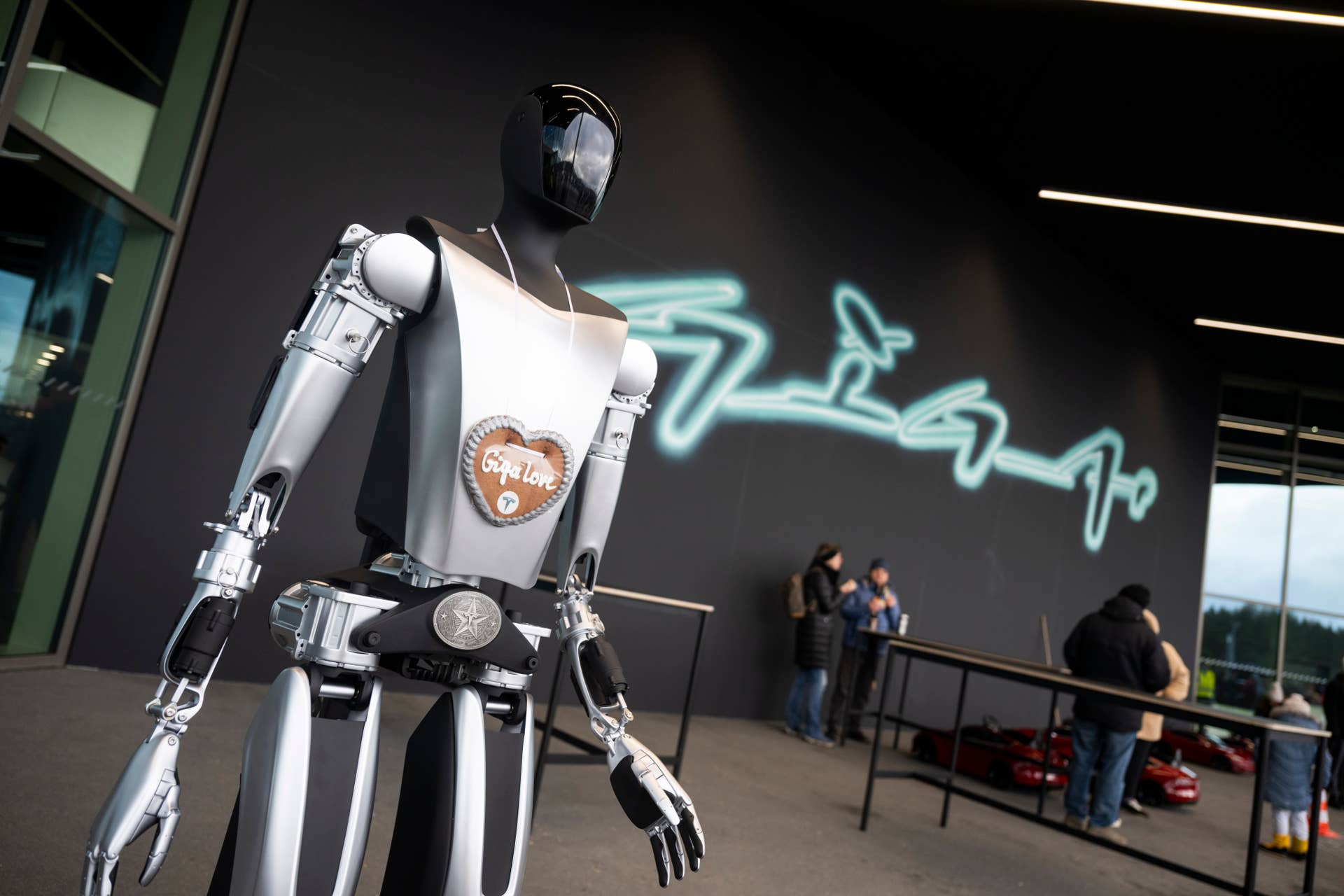
That may explain why Tesla’s stock—once untouchable—barely budged after the announcement. As Art Hogan of B. Riley Wealth put it, “the excitement around the company has less to do with the number of EVs that it sells, and more to do with the number of cities that it gets into with Robotaxi and fully self-driving cars.” Still, as Shay Boloor of Futurum Equities notes, the cheaper models are “basically a pricing lever and not much a product catalyst.” They may buy time, but they don’t change the narrative.
Can a cheaper Model Y really turn things around?
Tesla’s new lineup certainly lowers the barrier of entry for new customers. At least in the U.S., the Model Y’s sub-$40,000 price tag could make it an appealing option for buyers hesitant to spend luxury money on an EV.
Tesla
But in global markets, where competitors are already selling capable electric cars for under $30,000, Tesla’s “Standard” trims look less like disruption and more like catch-up. The real problem isn’t just price—it’s product stagnation. Tesla hasn’t launched a genuinely new mass-market model in years, and the futuristic products it has promised remain vaporware. Without the long-awaited $25,000 car, Tesla risks losing its grip on the narrative that made it the face of the EV industry in the first place. The cheaper Model Y might slow the company’s decline, but it’s unlikely to reverse it.
Final thoughts
Tesla’s decision to roll out lower-priced versions of its most popular cars is a pragmatic move, not a revolutionary one. It may help offset the loss of tax credits and keep deliveries steady in the short term, but it doesn’t solve Tesla’s larger issues of a stagnant product lineup, fading brand excitement, and increasing competition from both legacy automakers and Chinese upstarts.
As one analyst quipped, Tesla’s new lineup feels like the company “dropping its Steve Jobs turtleneck and slipping into a Walmart hoodie.” That may help with sales, but it risks eroding the innovation-driven image that made Tesla special in the first place. For a company that once defined the future of cars, that’s a dangerous tradeoff.
About the author

Elijah Nicholson-Messmer
Contributing Writer, Autoblog