

There was once a glorious, golden time when all proper sports cars were naturally aspirated, rear-wheel drive, and free from electronic nannies that jumped in to spoil the fun before it even started. BMW’s M division used to make some of the best daily-driver sports cars to this exact recipe, but slowly, legislation and technological ‘progress’ corrupted the formula, and now you can get a BMW with an M badge on it that is turbocharged, all-wheel drive, and will beep at you the second you try to use more than a fraction of the million+ horsepower on offer from its hybridized engine.
But turbocharging has evolved to the point that lag is something only gamers talk about, electronic driver aids can be switched off, and even BMW’s AWD setup behaves like a lairy RWD car if you want it to. The biggest slap in the face really happened when automatic transmissions started creeping in.
First, it was the rough but rapid single-clutch auto used in the E36 M3, this tech was used until the E60 M5, by which time even BMW had to admit that it was time to move onto something a little more refined. It started offerings DCT dual-clutch transmissions in models like the E90 V8 M3 and twin-turbo F10 V8 M5, and now the latest M cars use modern torque-converter automatics.
There are many performance benefits to automatics, but for some fans, the lack of a clutch pedal was a big step backwards. Love them or hate them, automatic performance cars are here to stay, and we decided to compare these two transmission types to see whether a manual is a pointless option or the savvy choice in today’s high-tech M-Powered vehicles.
Manual vs Automatic: Pros and Cons
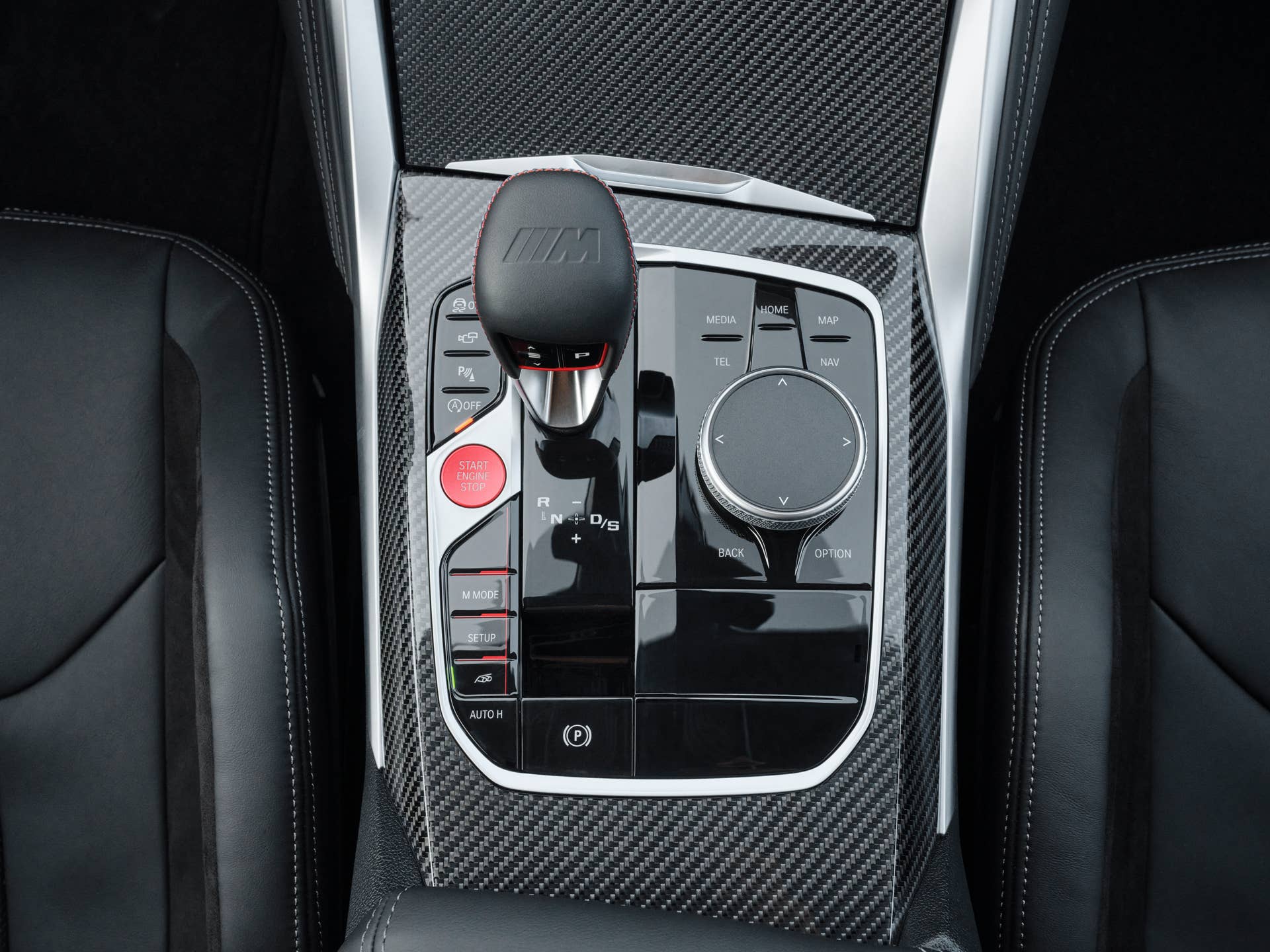
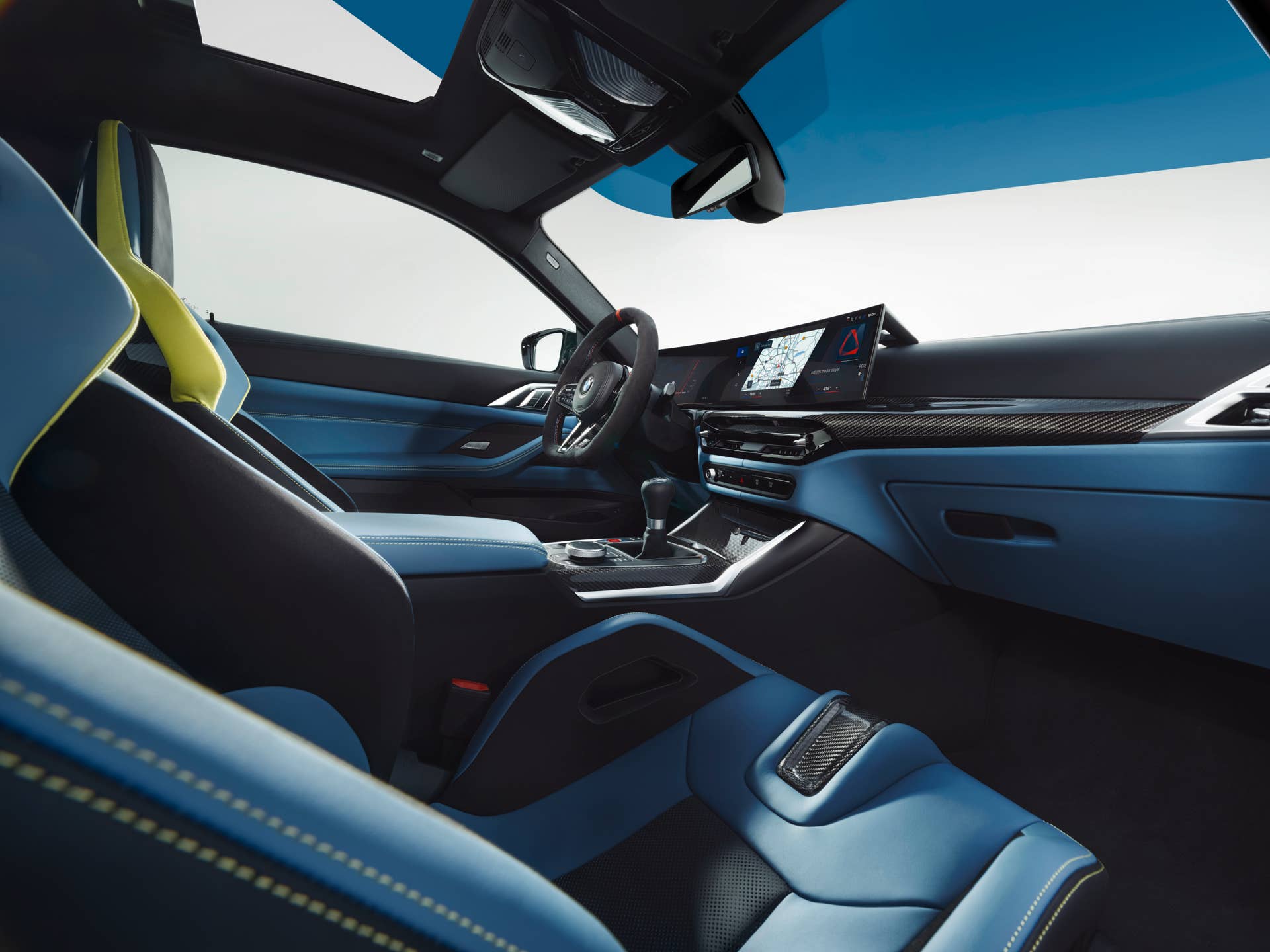
Automatic transmissions have been around for decades, although their proliferation in performance vehicles is a relatively recent development. 25 years ago you would struggle to find an automatic sportscar outside of the US with an auto ‘box, but now finding one with a manual is just as tough. The shift, as it were, to automatics has happened because they offer better engine and software integration, allowing the vehicle to precisely manage power delivery, especially in the case of high-powered vehicles.
They also provide significantly quicker shifts than a human can do, which directly translates into faster acceleration. Automatics are also claimed to deliver lower fuel consumption figures, although this can vary from case to case, and some transmissions are specifically geared to perform well in the standardized tests, which can be detrimental to both economy and performance in the real world.
In recent years, BMW has transitioned from DCT (Dual-Clutch) transmissions to torque converter automatics because they are now claimed to offer the same shift speeds as DCTs while being far smoother in low-speed maneuvering and when cruising. Thankfully, it also offers manual shifters on some of its models, although they are increasingly becoming ‘special edition’ offerings.
Modern BMW M Cars With Manuals
BMW
| Specification | BMW M2 | BMW M3/M4 |
| Engine | 3.0L Twin-Turbo Inline-6 | 3.0L Twin-Turbo Inline-6 |
| Power | 473 hp | 473 hp (Base RWD) 503 hp (Comp xDrive) |
| Torque | 406 lb-ft (Manual) 443 lb-ft (Auto) | 406 lb-ft (Manual) 479 lb-ft (Auto) |
| 0-60 mph | 3.6 sec (xDrive Auto) 4.1 sec (Manual) | 3.4 sec (xDrive Auto) 4.1 sec (Manual) |
| Fuel Economy | 16 City / 23 Hwy / 19 Comb | 16 City / 23 Hwy / 19 Comb |
| Base MSRP | $69,500 (RWD Manual) $73,600 (xDrive) | $79,300 (RWD Manual M3) $88,600 (Comp xDrive M3) |
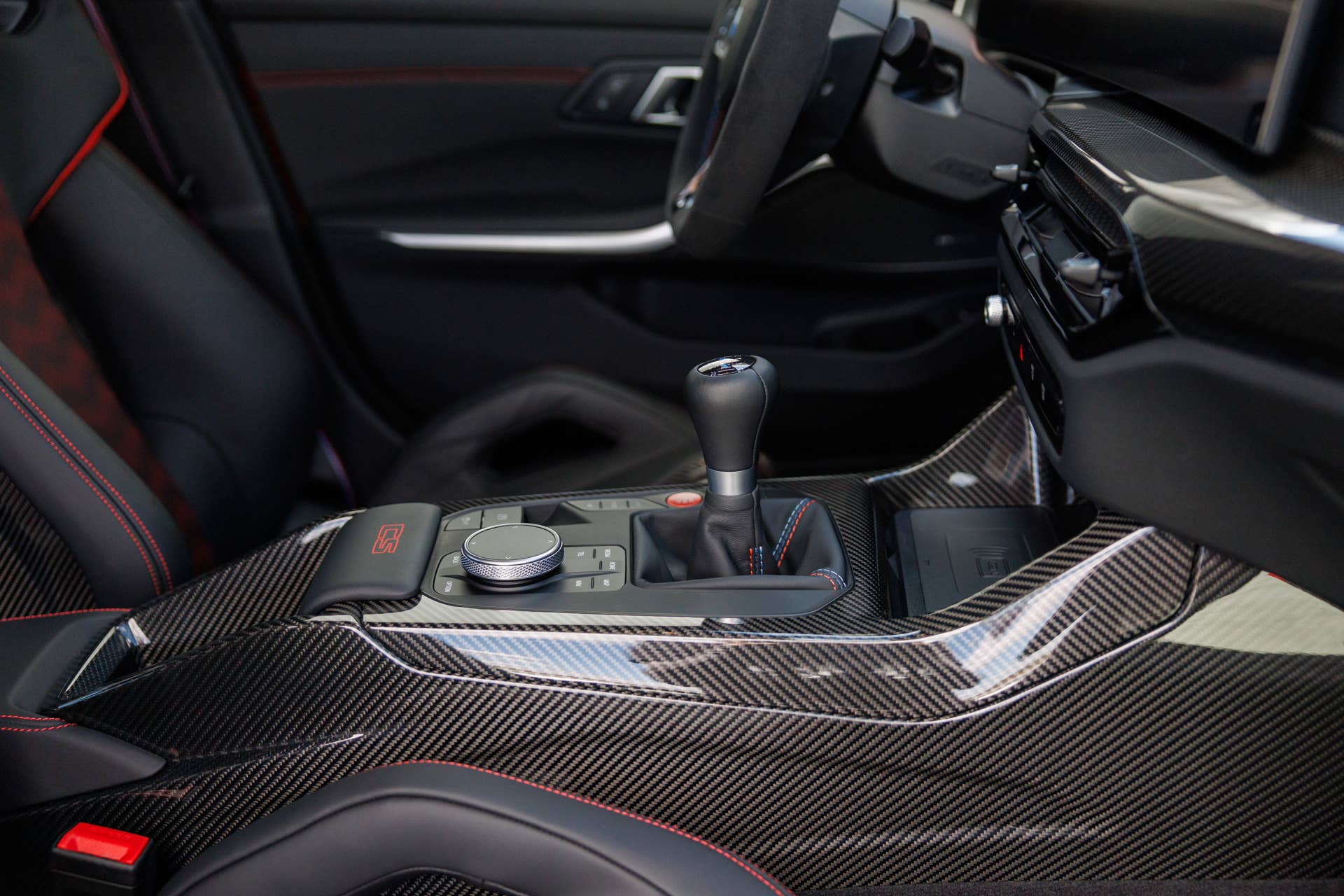
Even though the vast majority of US buyers prefer an automatic, there are still plenty enthusiasts out there who prefer a manual for their performance vehicles. This has been proven several times in the past when BMW made manual versions of some of its M cars either specifically for the US market, or in limited numbers for global buyers as well.
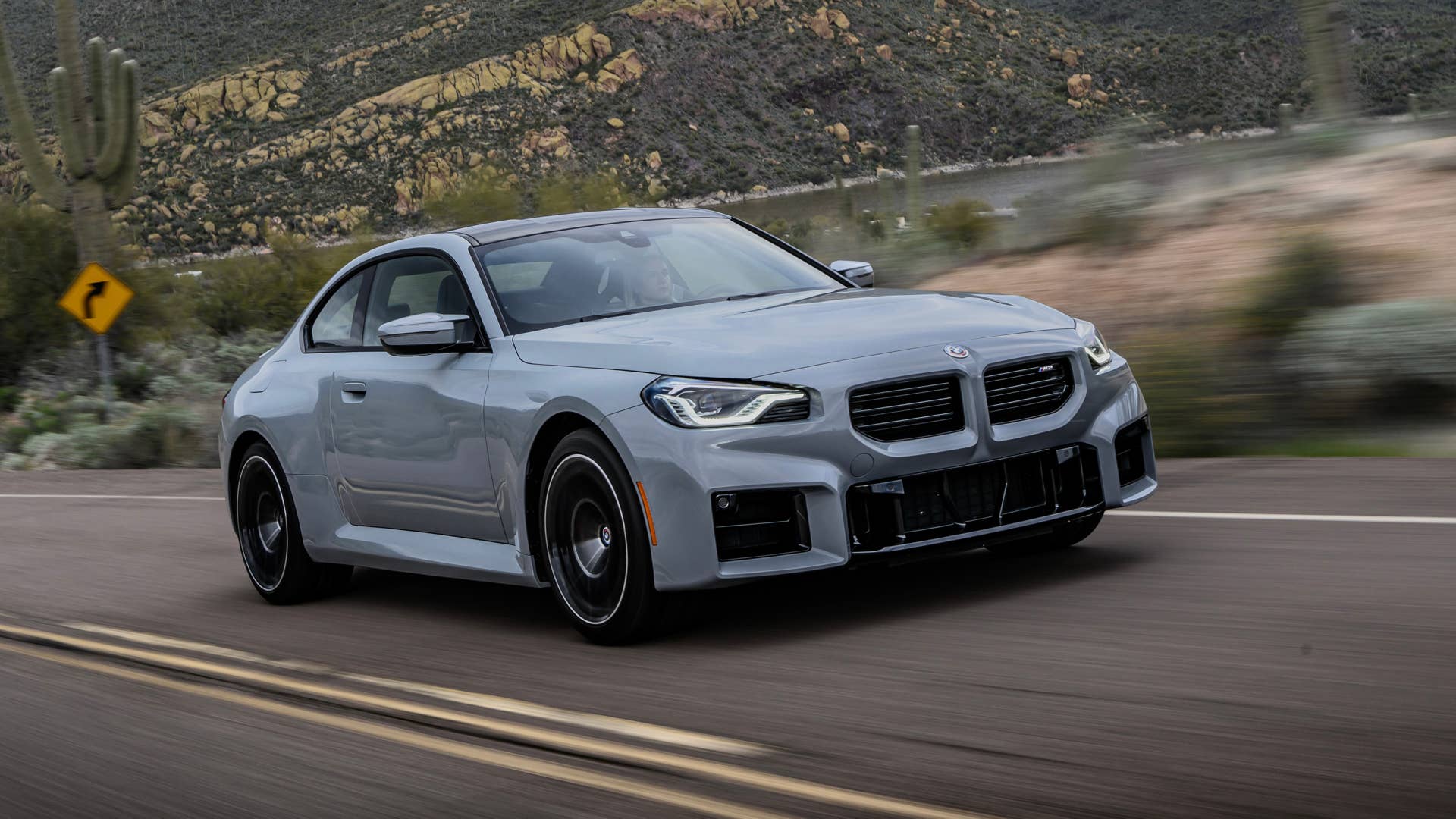
The most recent example of this is the introduction of a manual transmission to the base BMW M3 and M4. These are US-exclusive cars, and their existence can at least partially be attributed to the fact that half of all M2 models sold in the US are ordered with a stick shift.
The limited-run M3 CS Handschalter is another US-only model that quickly sold out despite its massive price tag and lower power and torque figures than the cheaper automatic equivalent. As of writing, there are currently just the M2, M3 and M4 models that are offered with manual transmissions.
M Power Play
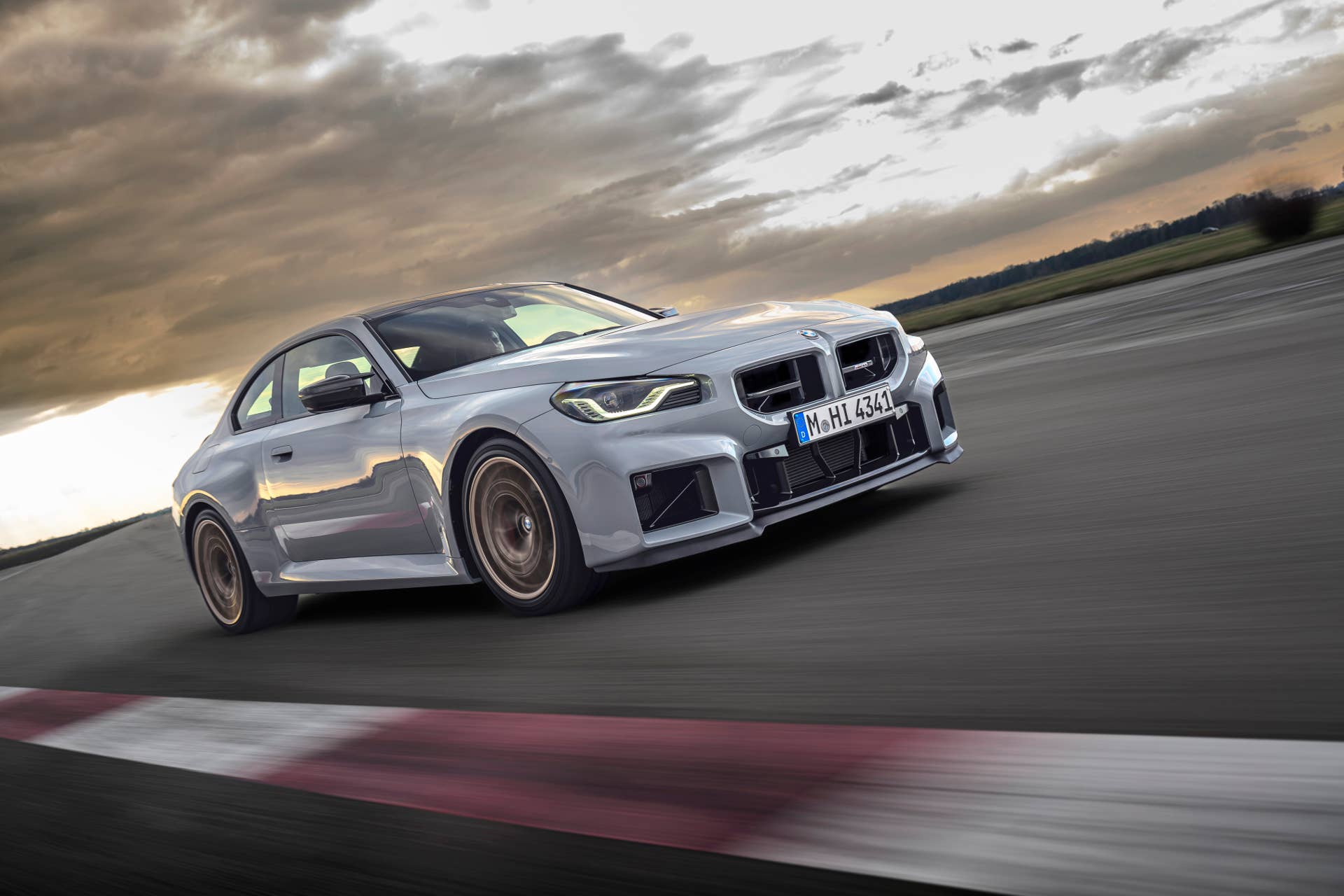
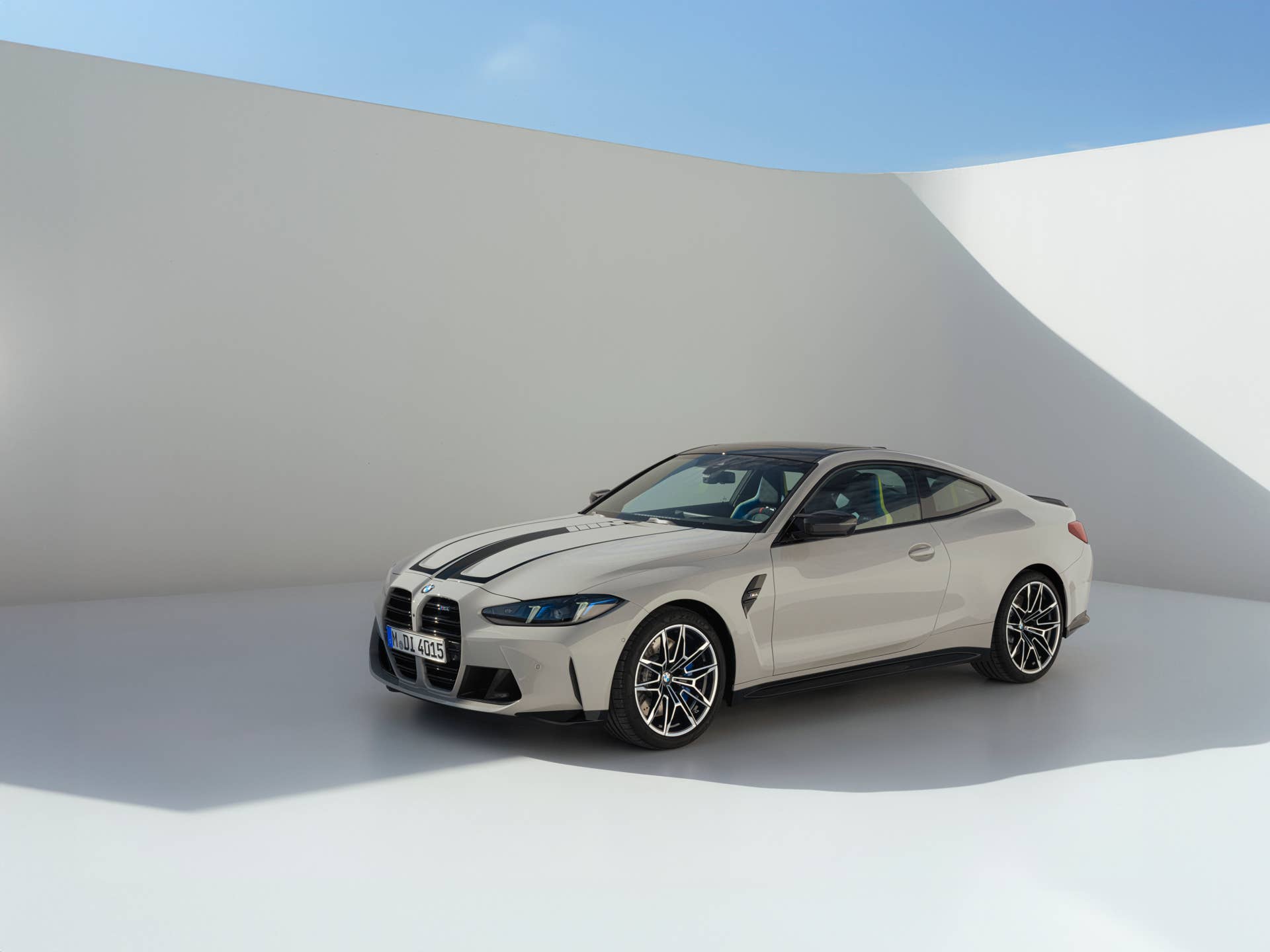
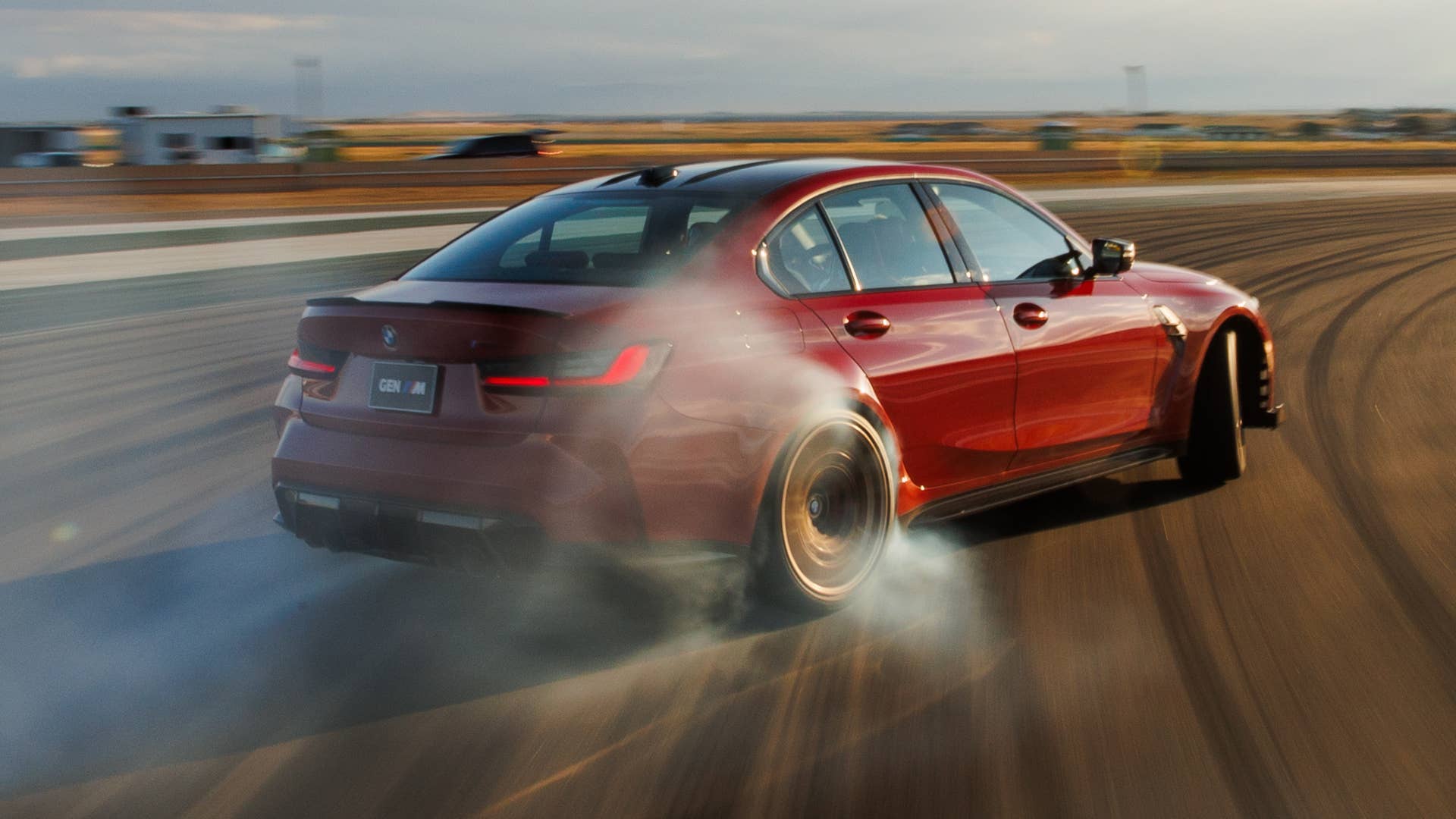
And that brings us to another issue that auto manufacturers have to face, the suppliers of manual transmissions capable of handling the power of modern turbocharged engines is dwindling. All BMWs manual M cars are offered solely with RWD, and the twin-turbo 3.0-liter inline-six is detuned from a 503hp and 473 lb-ft of torque in the automatic-only Competition models to 473 hp and 403 lb-ft. Those figures are still impressive, but the lack of all-wheel drive traction, less power and slower shifts can make the manual models over half a second slower to 60 mph.
But they are still extremely rapid cars, and aside from conducting illegal drag races on the way to Tesco, the 0-60 times make no difference in the real world. Yes, an automatic is easier to live with in traffic, but if you are buying an M car, then uncorrupted rear-wheel drive dynamics, and the benefits of being fully in control of the gear shifting duties should be all that matter.
For those who want a rapid daily driver, rather than a track-capable sports sedan, the M240i xDrive and M340i xDrive are both class-leaders and capable of serious pace. But, if you want the biggest dose of driver engagement, and are prepared to compromise a bit when dealing with slow-moving traffic, a manual shift M car is by far the better enthusiast’s choice. And, in this case, they tend to cost a little less and come with no fuel economy penalty.
About the author

John Tallodi
Senior Editor