
If you either don’t have a large family or have another vehicle in which to transport them, and are looking for something exciting to drive on the weekends, these are the cars you may want to take for a test drive. The best high-performance cars in 2027 have been selected based on their overall ability to thrill, their engagement levels, and their daily usability. Yes, high-performance cars are typically saved for the weekend, but we still want to focus on cars that we can drive to Dunkin’ without going deaf from an obnoxious exhaust. We like a stiff chassis, but we don’t want suspension so hard that our chiropractor can afford a third home in Aspen. And we appreciate rarity and uniqueness, but we don’t want something so special that we feel fear driving it. With that in mind, let’s get right to it.
Winner: Nissan Z NISMO
Nissan
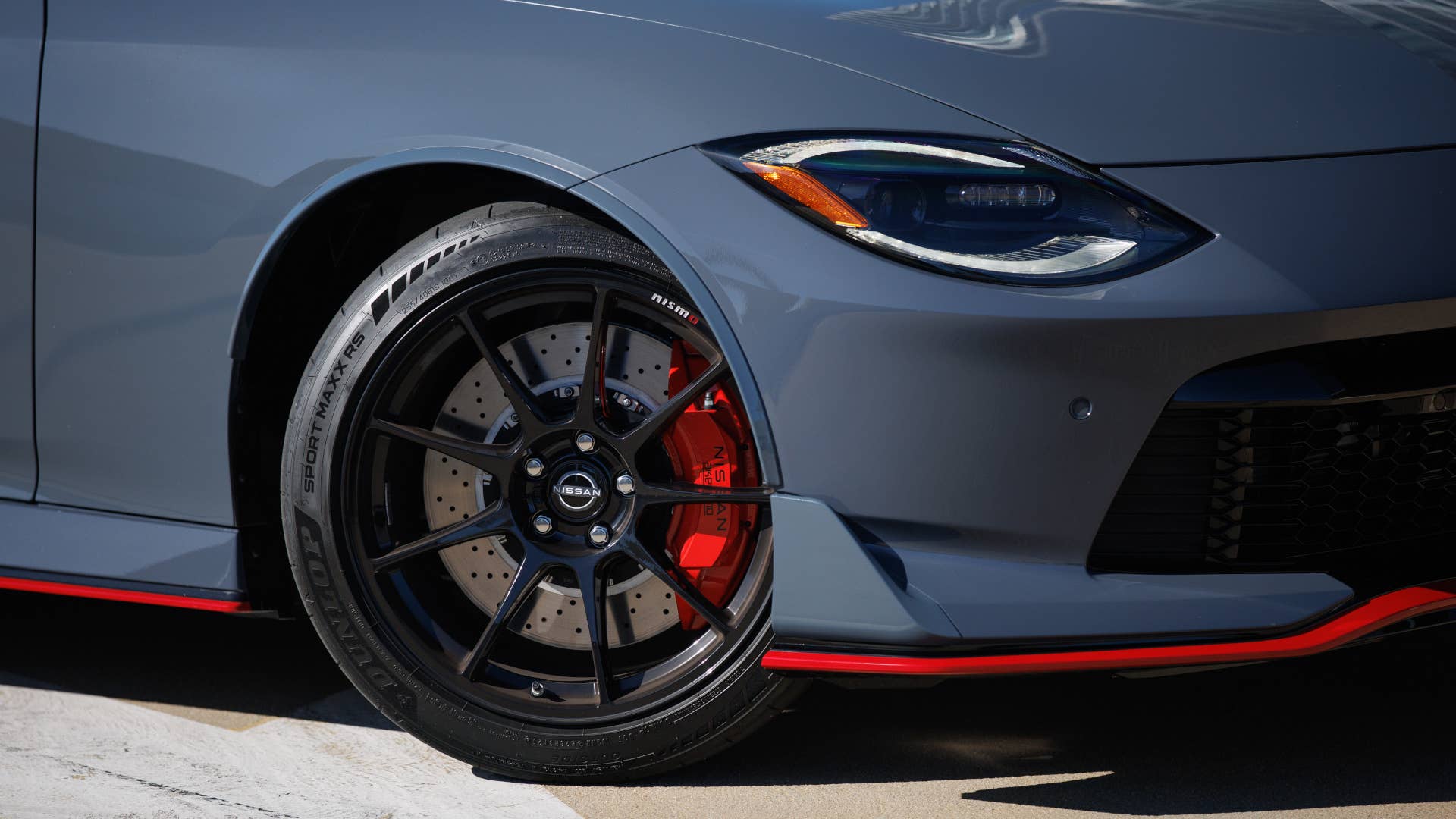
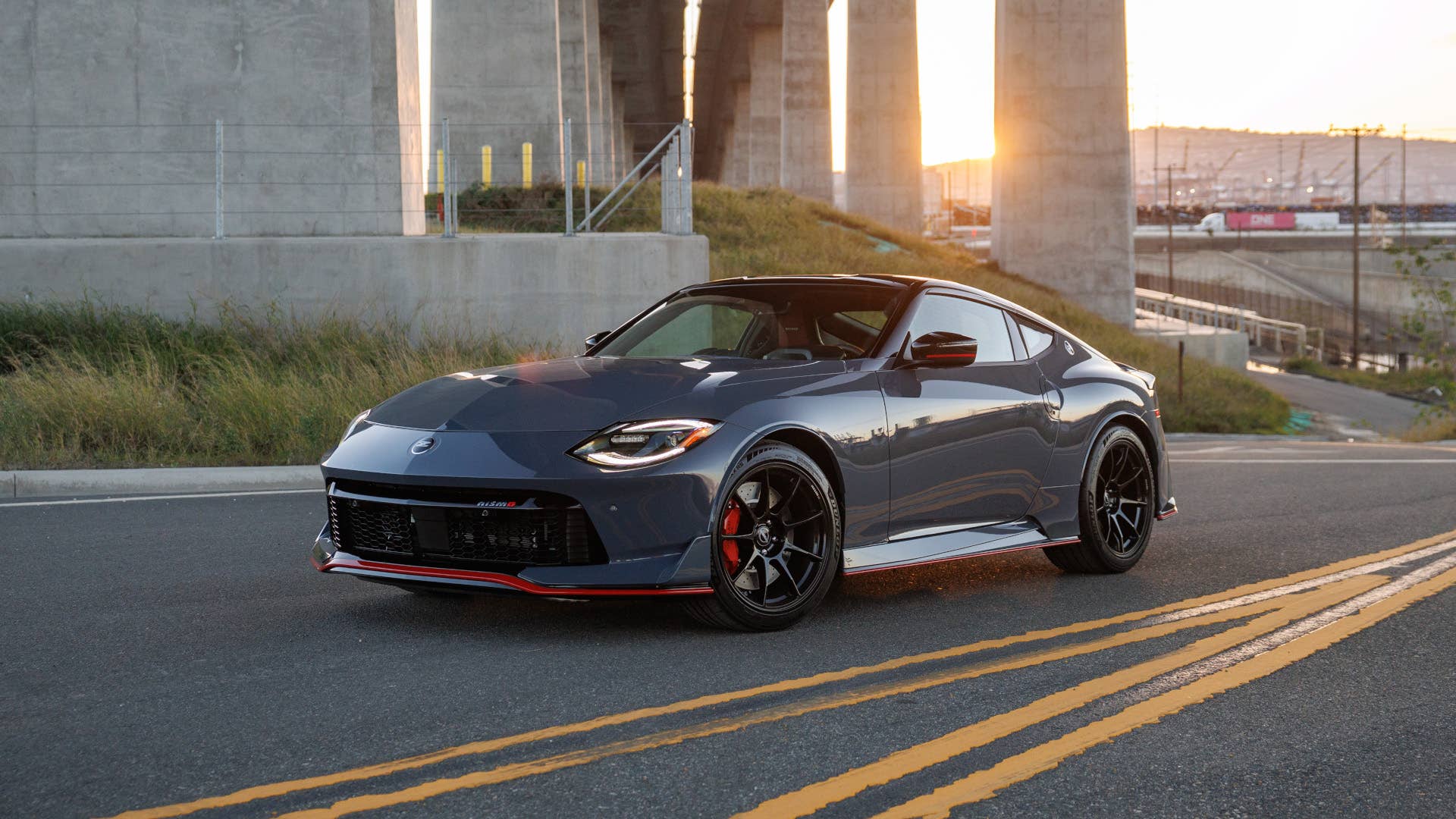
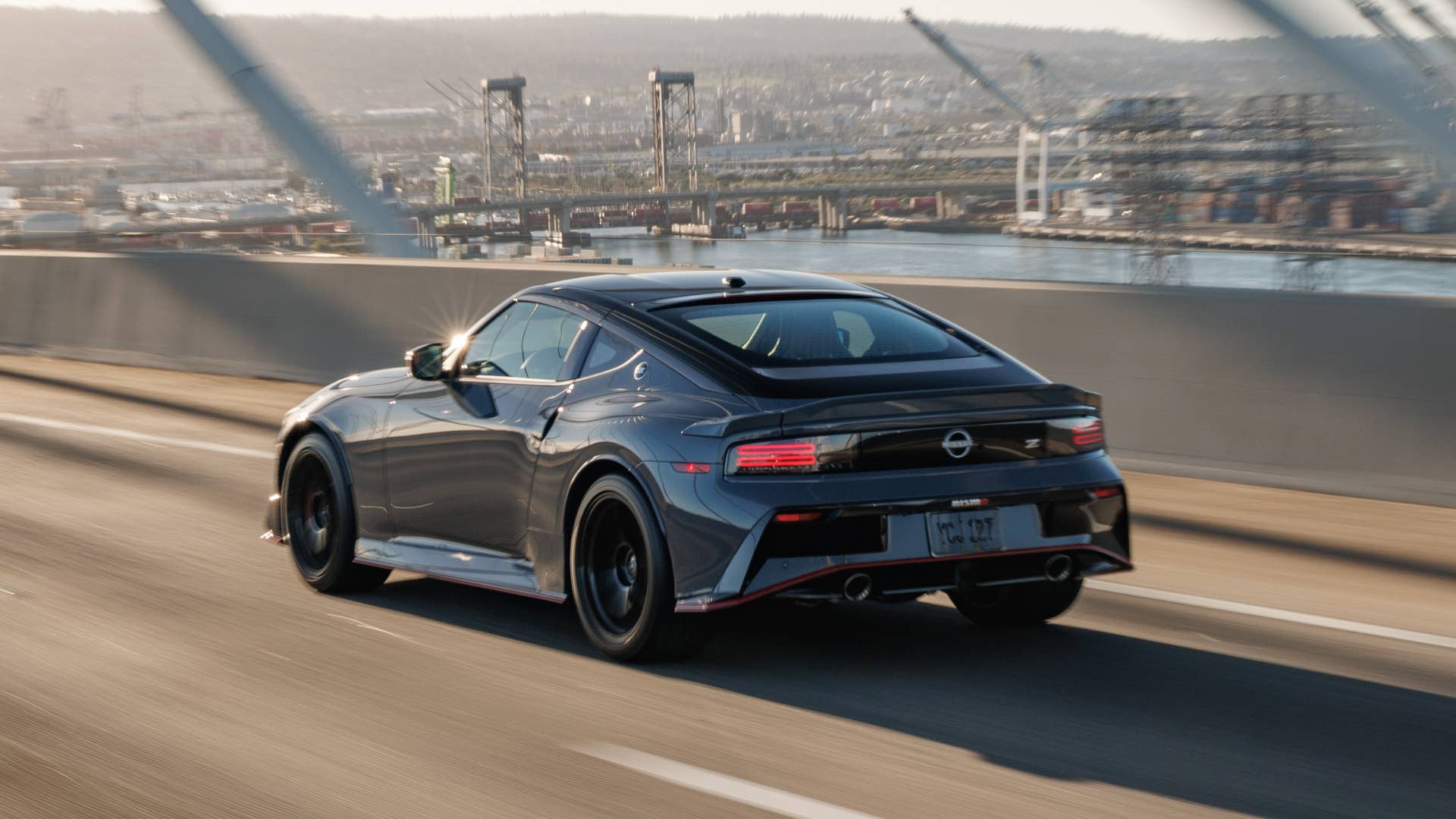
For the 2027 model year, the Nissan Z NISMO wins our Best High-Performance Car category. Now available with a six-speed manual transmission, the 3.0-liter twin-turbocharged V6 has had its throttle and ignition timing revised to suit. 420 horsepower and 384 lb-ft of torque are sent to the rear axle through a stronger clutch than the regular Z, operated through a new shifter with a shorter throw. Two-piece iron-aluminum brake rotors mean more time on track and shed 19 pounds of unsprung weight, while a slicker steering rack makes the Z NISMO easy to place in the tightest canyons.
Nissan
Inside, a 12.3-inch digital gauge cluster and a 9.0-inch central touchscreen with wireless Apple CarPlay are laid out neatly, and the cabin still has physical buttons so you can keep your eyes on the next apex. Combined with unique styling inside and out, including gorgeous Recaro bucket seats, the Z NISMO is essentially an aftermarket version of the regular Z, yet it still has a factory warranty. As a relatively affordable way of hooning, a rear-wheel-drive Japanese sports car is hard to beat, but the Z NISMO stands out for combining turbo power, range-topping bragging rights, and a manual transmission.
Z NISMO Pros
- It’s a genuine, platform-specific, RWD, two-seat sports car
- Aggressive, retro styling stands out
- Manual option adds huge driver appeal
- Twin-turbo V6 is reliable and powerful
- Recaro seats and physical buttons focus the cabin
Z NISMO Cons
- Cargo area is small (6.9 cubic feet)
- V6 is thirsty when driven hard
- Six-speed manual option will be highly limited
Nissan Z NISMO Scores:
Performance: 4/5
Driver Appeal: 4.5/5
Daily Usability: 3.5/5
Who’s It For?
The 2027 Z NISMO is for the enthusiast who wants a pure sports car with a manual transmission, enough power to drift, enough braking power to attack a track, and no reliability concerns. While the manual is rare, the Nissan Z NISMO’s relative ease of availability compared to some German sports sedans and sports cars makes it less of a liability as a daily driver, too.
Recommended Trim
The 2027 Nissan Z NISMO is available with either a six-speed manual or a nine-speed automatic transmission, and we’d select the former. However, the auto’s launch control function is a bonus not offered with the three-pedal. Can’t afford a NISMO? The mid-range Nissan Z Performance trim is the best balance of comfort and price.
Runner-Up 1: BMW M3 CS Handschalter

Due to its limited availability and six-figure asking price, the 2027 BMW M3 CS Handschalter narrowly misses out on top honors. Lighter and less powerful than the automatic option, the Handschalter gives the final G80 model year a six-speed manual, and with retuned suspension and all 473 hp going to the rear axle, it’s an instant classic. That means opportunists won’t drive it as much, but those that do will get the benefit of CS-specific tuning without the weight of all-wheel drive, and as Bimmer enthusiasts know, BMW does its best work when those two letters are slapped onto an M car.

It’s worth noting that you have to order M Carbon Ceramic brakes (painted red or gold) to get the best out of the stick-shift M3 CS’s handling ability, as this cuts 31.5 lbs of unsprung mass and contributes to an overall weight reduction of 75 lbs. You also need to spend a little more to get the best tires ($600) and an aluminum front strut brace ($1,100), but put some paint protection film on the car, accrue a few thousand miles over the next five years, and you’ll likely still recover the $107,100 asking price (plus $1,350 for shipping). Opt for Techno Violet or Imola Red paint at $4,500, and your M3 CS Handschalter will likely be even rarer, and thus more valuable. The S58 3.0-liter twin-turbo inline-six is practically bulletproof, the G80 cabin still has physical buttons, the trunk is deceptively large, and there’s enough seating to get the whole family sideways. Unless you need an SUV or AWD, this might be the perfect one-car garage-filler.
BMW M3 CS Handschalter Pros
- Single model-year availability makes it rare
- Manual transmissions are particularly unusual in this segment in 2027
- Upgraded handling dynamics promise a sharper driving experience
- Ditching AWD saves weight, making this the most fuel-efficient M3 CS variant
- S58 engine is strong, responsive, and reliable
- Spacious interior is remarkably practical
BMW M3 CS Handschalter Cons
- Rarity will result in limited availability, markups, and limited use by eventual buyers
- Less power than a “normal” M3 CS with AWD
- Six-figure asking price keeps rising with options
- Fuel economy is not its forte
BMW M3 Handschalter Scores:
Performance: 4.5/5
Driver Appeal: 4/5
Daily Usability: 4/5
Who’s It For?
The successful individual with a six-figure salary who wants a practical yet fun, fast yet safe, and streetable yet sought-after sports sedan that is highly unlikely to depreciate heavily.
Recommended Trim
The M3 CS Handschalter is a singular variant only available for 2027. However, automatic CS variants will continue to be offered, and for now, the regular M3 (non-Competition) can also be had with RWD and a manual, just without the CS carbon fiber and handling upgrades. If you can’t get a CS Handschalter, a base M3 is almost as exciting for much less money.
Runner-Up 2: Audi RS 5
Audi
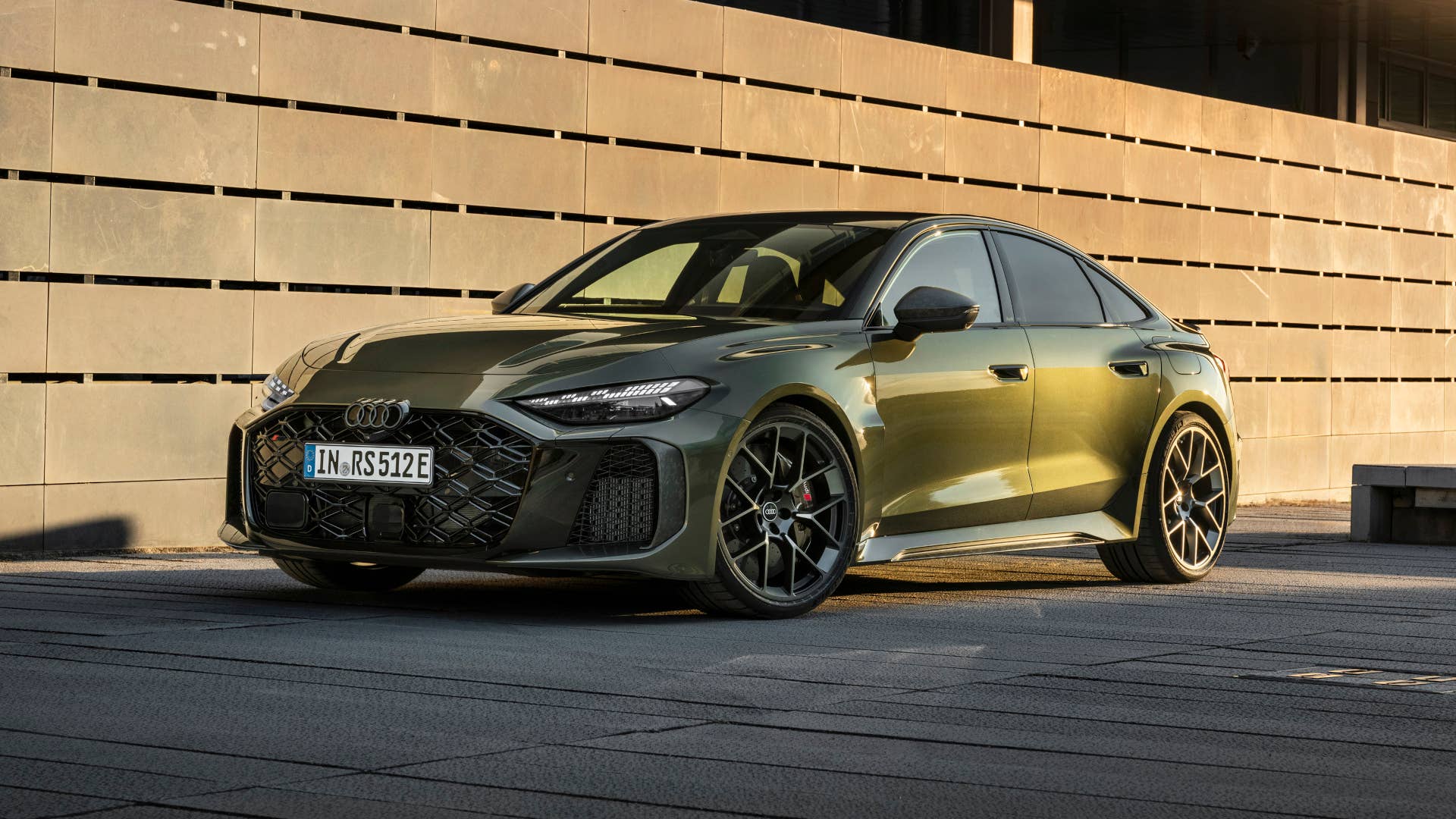
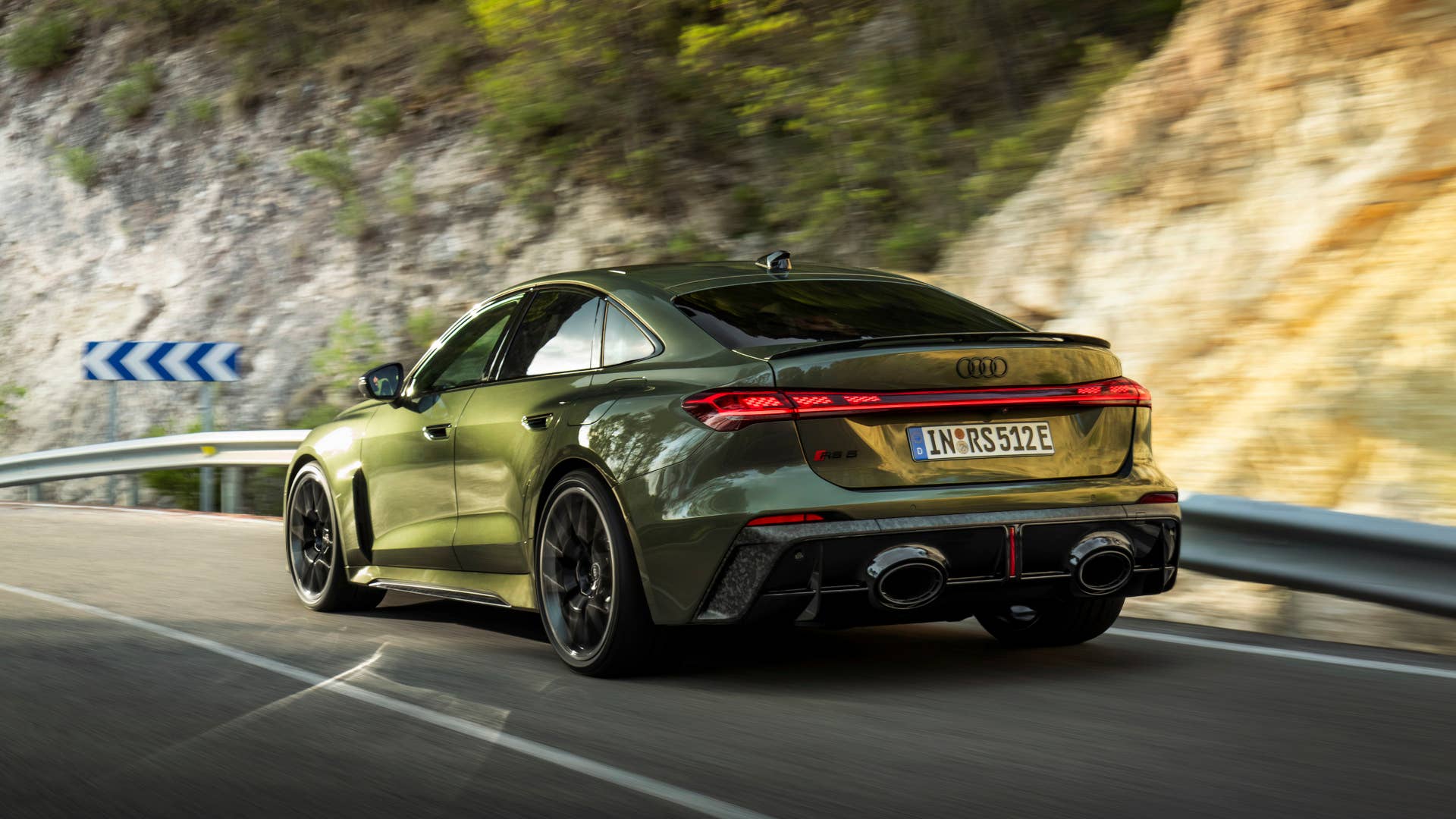
The 2027 Audi RS 5 has gained a lot of weight in becoming a plug-in hybrid, and while the efficiency benefits of such a powertrain depend on how the driver uses the car, the new RS 5 is so much more than just a 2.9-liter twin-turbo V6 with an electric motor bolted to the eight-speed automatic. Audi has debuted what it claims is the world’s first electromechanical torque vectoring rear transaxle, and that means the new RS 5 can burn its tires much better when you let your hair down and will steer more sharply when you’re taking driving seriously. By all accounts, the 5,192-lb curb weight is beautifully masked by the chassis dynamics, helped by the wider track within gorgeously bulging wheel arches.
Audi
The M3 is a great all-around daily driver, but the RS 5’s mix of AWD and a 40-mile EV range makes it even better all year round. While the RS 5 is no longer available as a coupe and is unlikely to be offered as an Avant/wagon in the U.S., the sedan looks more aggressive than many two-door sports cars, and the hatchback tailgate means loading suitcases and groceries is easier than in direct competitors. 630 hp, 0-60 in around 3.5 seconds, and a top speed of up to 177 mph. What more could you want?
Audi RS 5 Pros
- 630 hp is plenty for a compact sports sedan
- Clever torque vectoring system means sharper dynamics
- PHEV powertrain and all-electric driving mode can help improve fuel economy
- Aggressive styling is purposeful and muscular from every angle
- Practical with a large tailgate and decent cargo space (11.7-41.3 cubic feet)
Audi RS 5 Cons
- 5,200-lb curb weight is immense and will contribute to tire and brake wear
- No coupe option, wagon unlikely
- Audi Sport depreciation has historically been worse than BMW M, Mercedes-AMG
- No manual transmission
- Cargo space would be better without a battery pack
Audi RS 5 Scores:
Performance: 4/5
Driver Appeal: 4/5
Daily Usability: 4.5/5
Who’s It For?
Most buyers in this segment tend to choose an M3, so the RS 5 is for someone who wants to stand out. It’s also for those who want a practical and relatively efficient all-year sedan with enough excitement to make the daily drive enjoyable; few cars provide such effortless performance.
Recommended Trim
With the RS 5 coupe gone and the Avant unlikely to make it to our shores, there’s only the sedan to choose from. However, if Audi decides to give us the wagon, we’ll change our answer.
Honorable Mentions
Chevrolet Corvette Grand Sport

General Motors
With a new LS6 6.7-liter naturally aspirated V8 producing 535 hp to the rear wheels, the Corvette Grand Sport is pure American muscle in an exotic, mid-engine suit for less than six figures ($86,000 base MSRP). Numerous performance upgrades are available, and in Grand Sport X form with an electric motor on the front axle creating AWD, up to 721 hp is on offer. Mid-engine balance, V8 power, and supercar looks at an affordable price? Win.
Porsche 911
Porsche
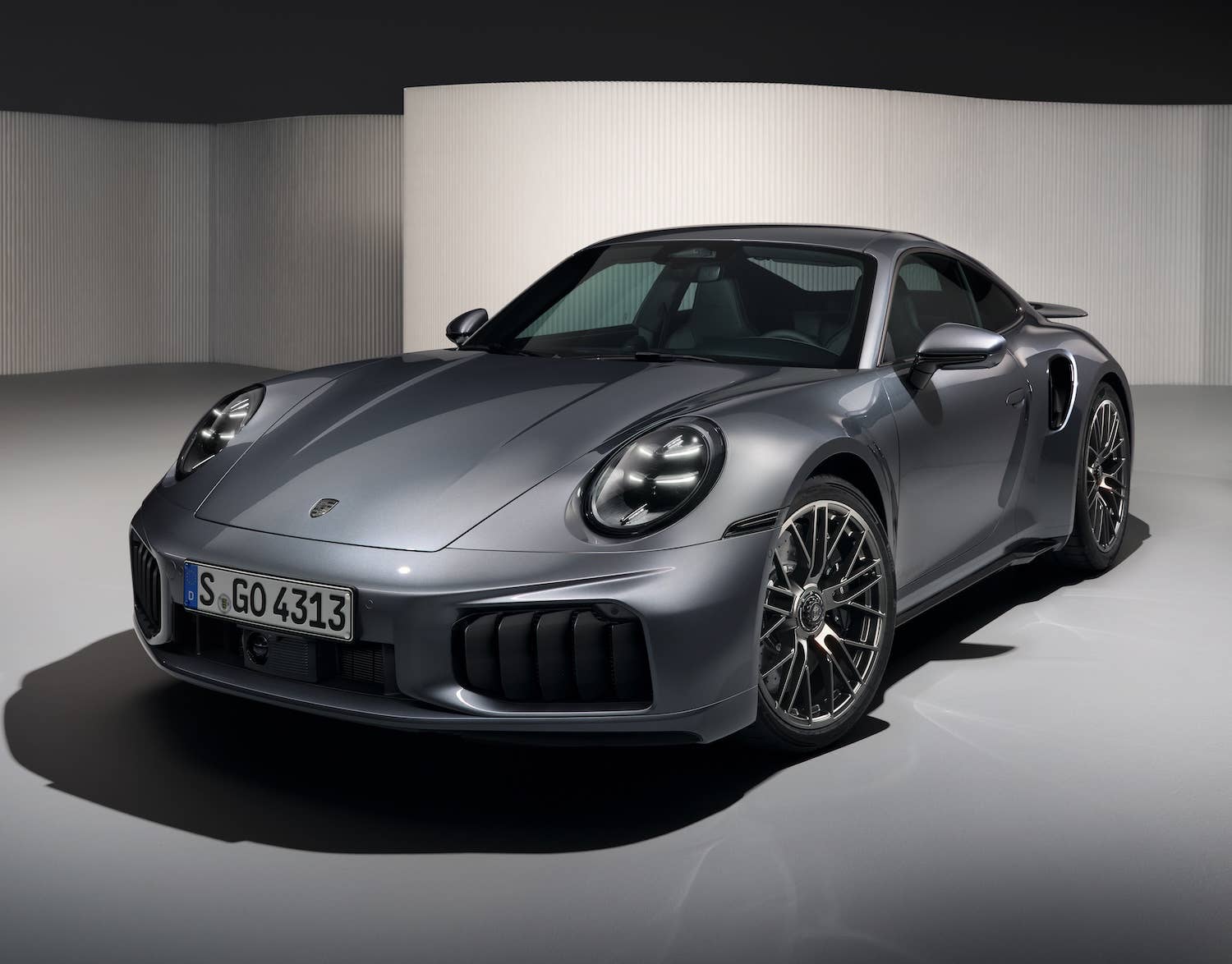
From the entry-level Carrera to the range-topping Turbo S and Weissach’s GT3 and GT3 RS, every single Porsche 911 is beautiful to drive, and with the GT products still sticking to naturally aspirated power for the time being, a 911 offers a pure driving experience unlike any other, whether coupe or cabriolet. Speaking of, there’s even a drop-top GT3 called the 911 S/C. Manual transmissions are also available in some models, though getting your hands on the best 911 variants takes lots of money and an uncomfortably close relationship with your dealer.
BMW M2 with M xDrive
BMW
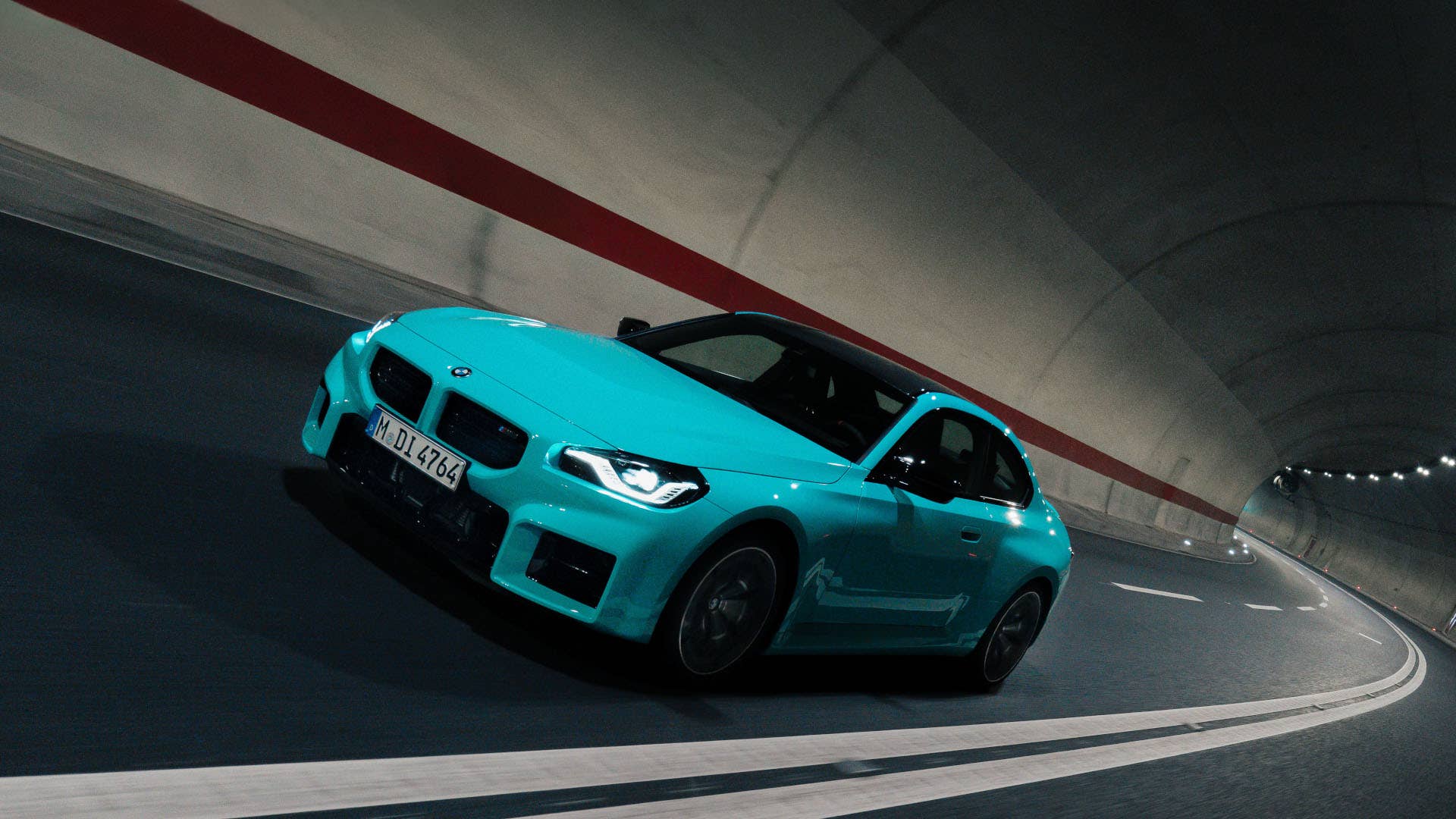
Adding AWD to the BMW M2 has made it a viable option for those who contend with low-grip scenarios on a regular basis, and because this is M xDrive, the front axle can be disconnected when a more tail-happy demeanor is suitable. In a nutshell, a four-paw M2 makes the car more approachable, and that should mean it’s more exploitable more often.
Ford Mustang Dark Horse SC
Ford
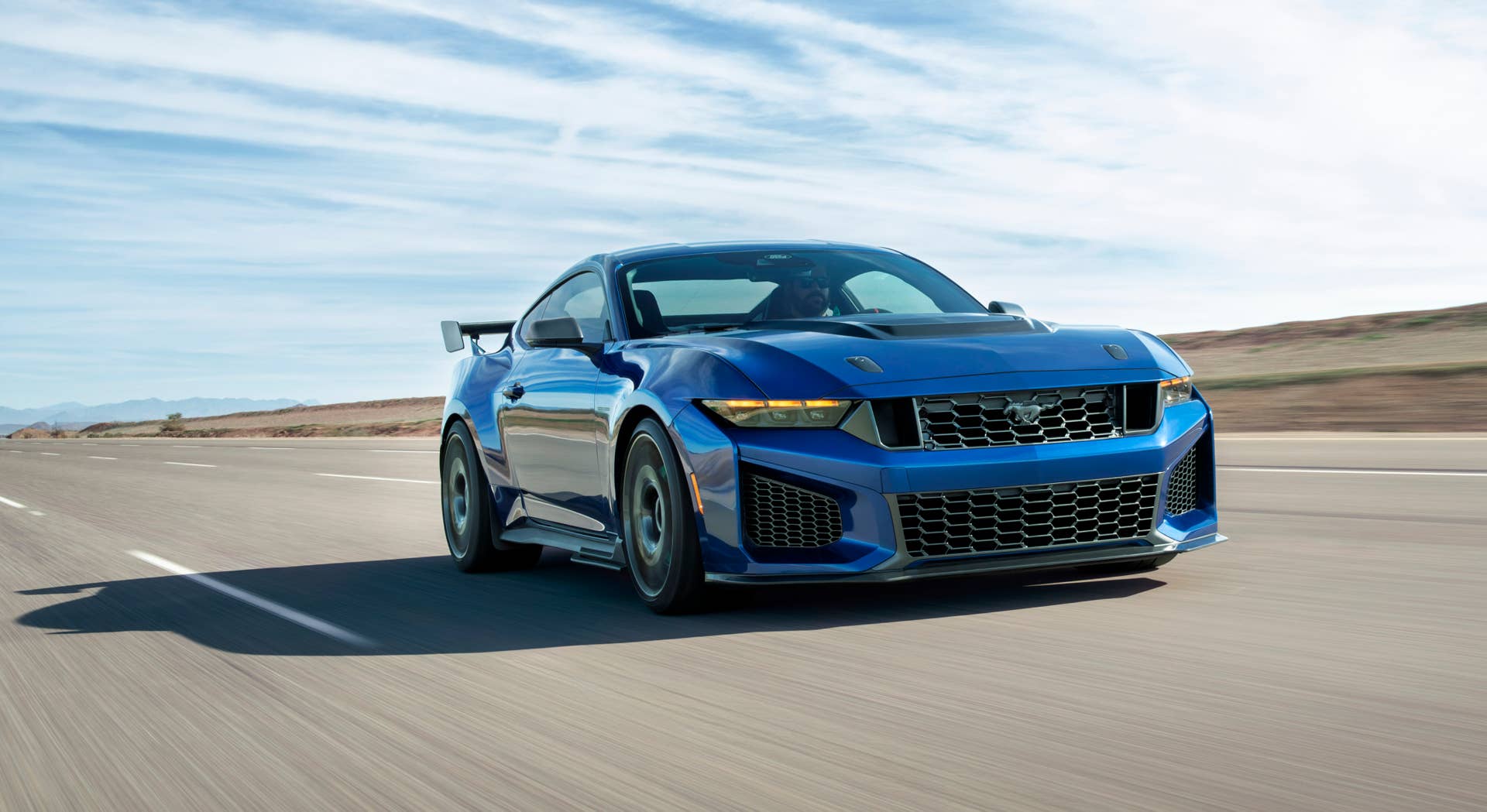
The Ford Mustang Dark Horse SC is effectively the S650 generation’s Shelby GT500, and it gives you a supercharged 5.2-liter V8, carbon fiber wheels, carbon-ceramic brakes, and up to 620 lbs of downforce. It makes 795 hp and starts at “only” $103,490, making it far more attainable than the Mustang GTD, which can run well over $430,000.
Conclusion
Buyers looking for a high-performance car are spoilt for choice in 2027, whether they want to spend five figures or six, whether they want to buy domestic or foreign, whether they want manual or automatic, and whether they want rear- or all-wheel drive. It’s a great time to be alive, and as the end of the decade nears, we hope automakers continue to give enthusiasts options like these.
About the author

Sebastian Cenizo
Senior Editor, Autoblog