
A look back at Subaru’s strange genius
Subaru is well-known for its outdoorsy crossover SUVs, but fewer may realize that a quirky legacy preceded its rugged persona. Before models like the Outback and Forester, Subaru attracted a cult following through its experimentation with odd engineering choices and left-field design. Rather than being made to fit in, they were designed to stand out through distinct elements, including but not limited to unusual proportions and clever mechanical tricks. If you consider Subaru’s pre-crossover history, it seems like some of these cars resembled passion projects. While certain designs contrast sharply with what you see from Subaru today, they helped build the brand’s focus on practicality, loyalty, and doing things its own way, which remains. Below are four examples of the company’s eccentric history that deserve recognition.
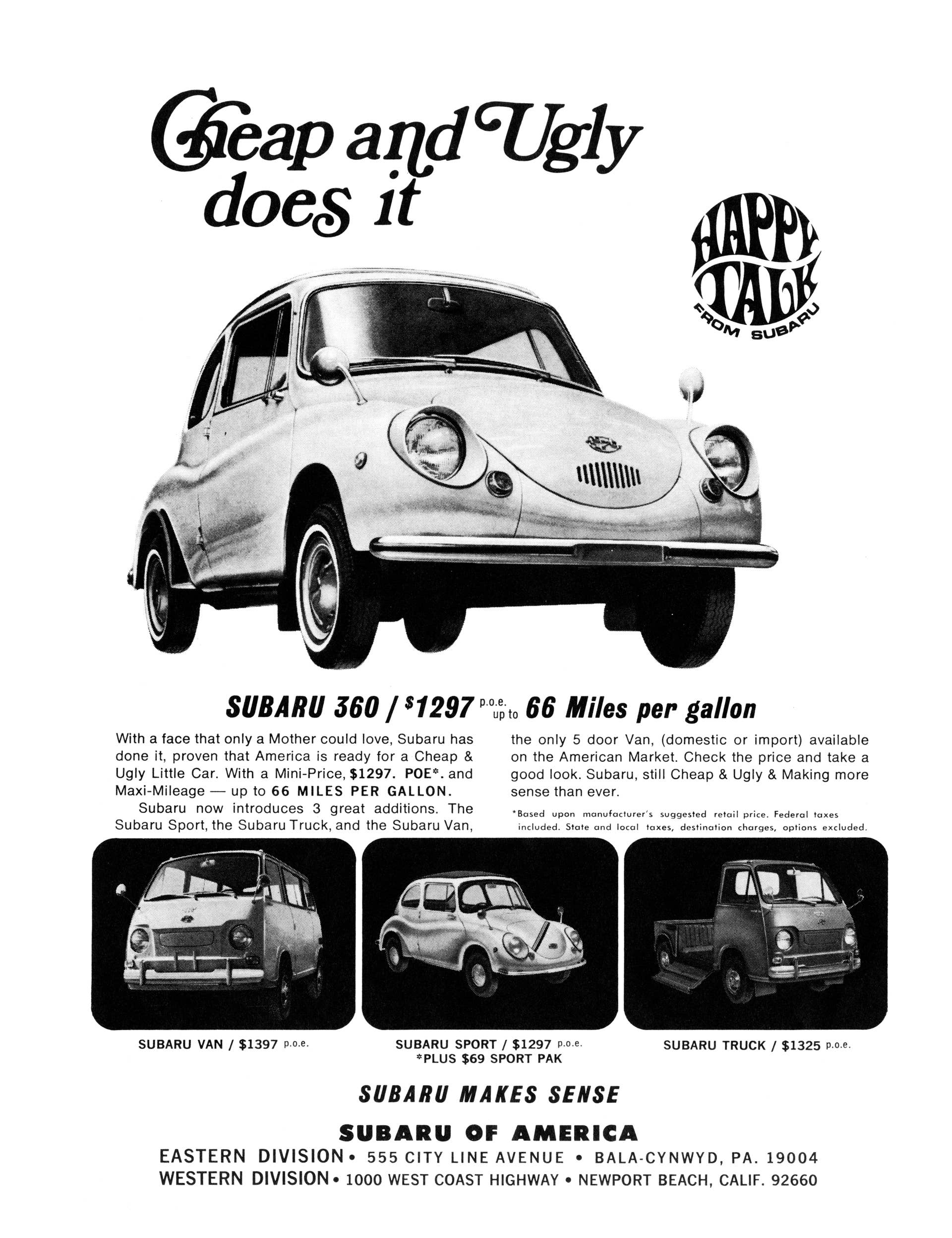
Subaru 360: Japan’s “ladybug” that started it all
Subaru’s 360, released in 1958, was the automaker’s first mass-produced vehicle. As a bug-eyed microcar measuring less than 10 feet long and only about 4 feet wide, the 360 easily stood out. If you’re wondering why the 360 was so small, Japan’s automotive industry was beginning to mobilize after WWII, and microcars like the 360 were tax-advantaged. Nicknamed “the ladybug” for its round appearance, the original 360 came equipped with a 356cc air-cooled 2-cylinder engine that produced 16 horsepower. As you can probably guess, the 360 was very lightweight, weighing in at 849-900 lbs. This contributed to its excellent estimated gas mileage (66 mpg) and helped form Subaru’s reputation for practicality. Despite weighing less than some fully-equipped motorcycles like the Harley-Davidson FL, the Subaru 360 could carry four passengers. The 360 was all about function over form, and its awkward appearance is still endearing.
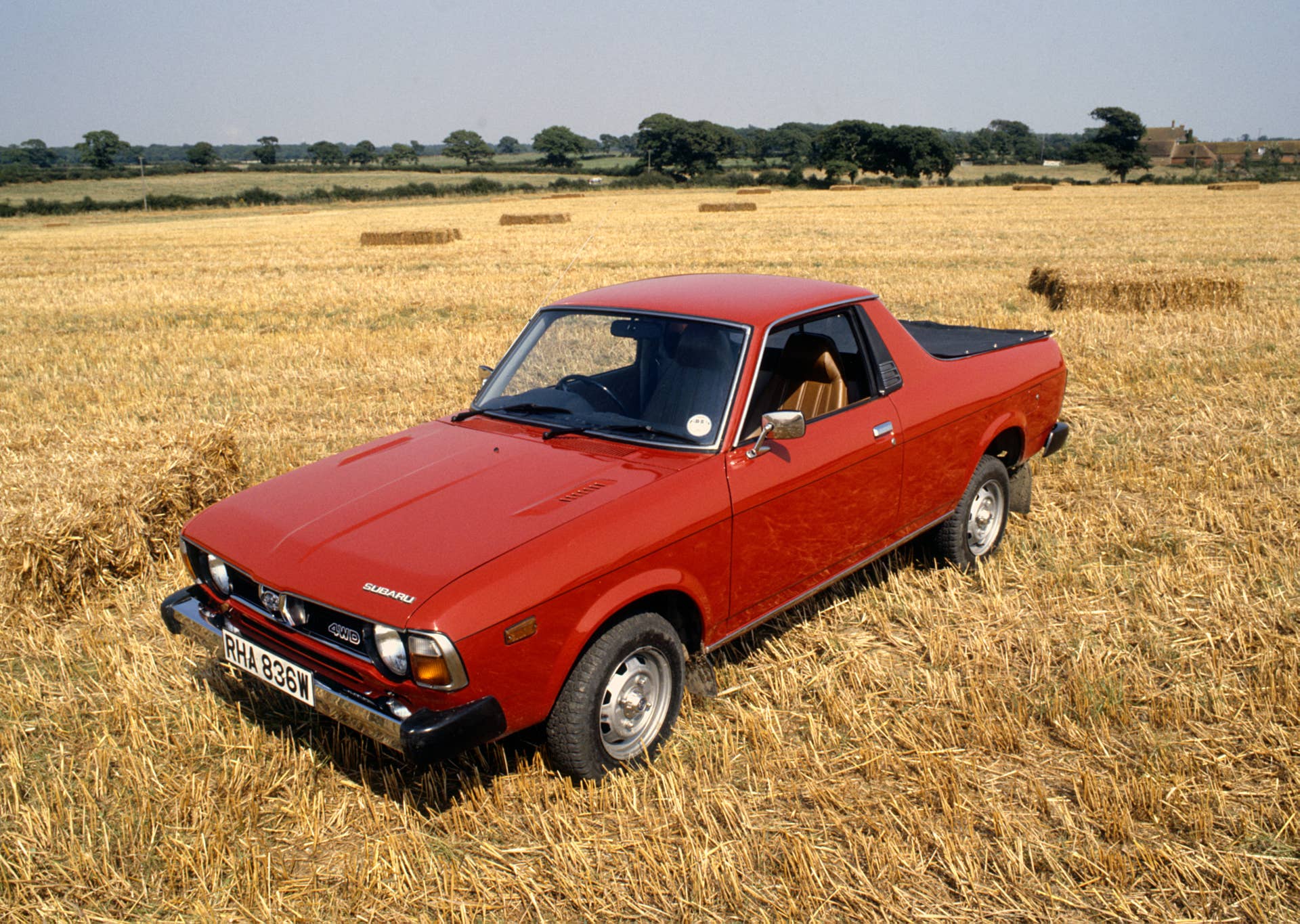
Subaru BRAT: the pickup with seats in the bed
The United States imposed a 25% import tariff on light trucks in the late 1970s, known as the “Chicken Tax.” Subaru wanted to sell small pickup trucks to the United States; however, this was not viable due to the 25% tariff. The automaker avoided this issue by modifying its existing Leone platform for compact cars to include a bed with two rear-facing plastic jump seats and seat belts. Named the Subaru BRAT (Bi-Drive Recreational All-Terrain Transporter), Subaru effectively sidestepped the 25% levy. In essence, the BRAT was part small wagon, part utility truck featuring elements like a light roll bar and 4WD. The BRAT would become more ingrained in mainstream culture when former President Ronald Reagan used a 1978 model for work on his California ranch. As Subaru strived to keep pace with other trucks like the Toyota Hilux and Ford Courier, the BRAT was an early example of how the company catered to American tastes in unconventional ways.
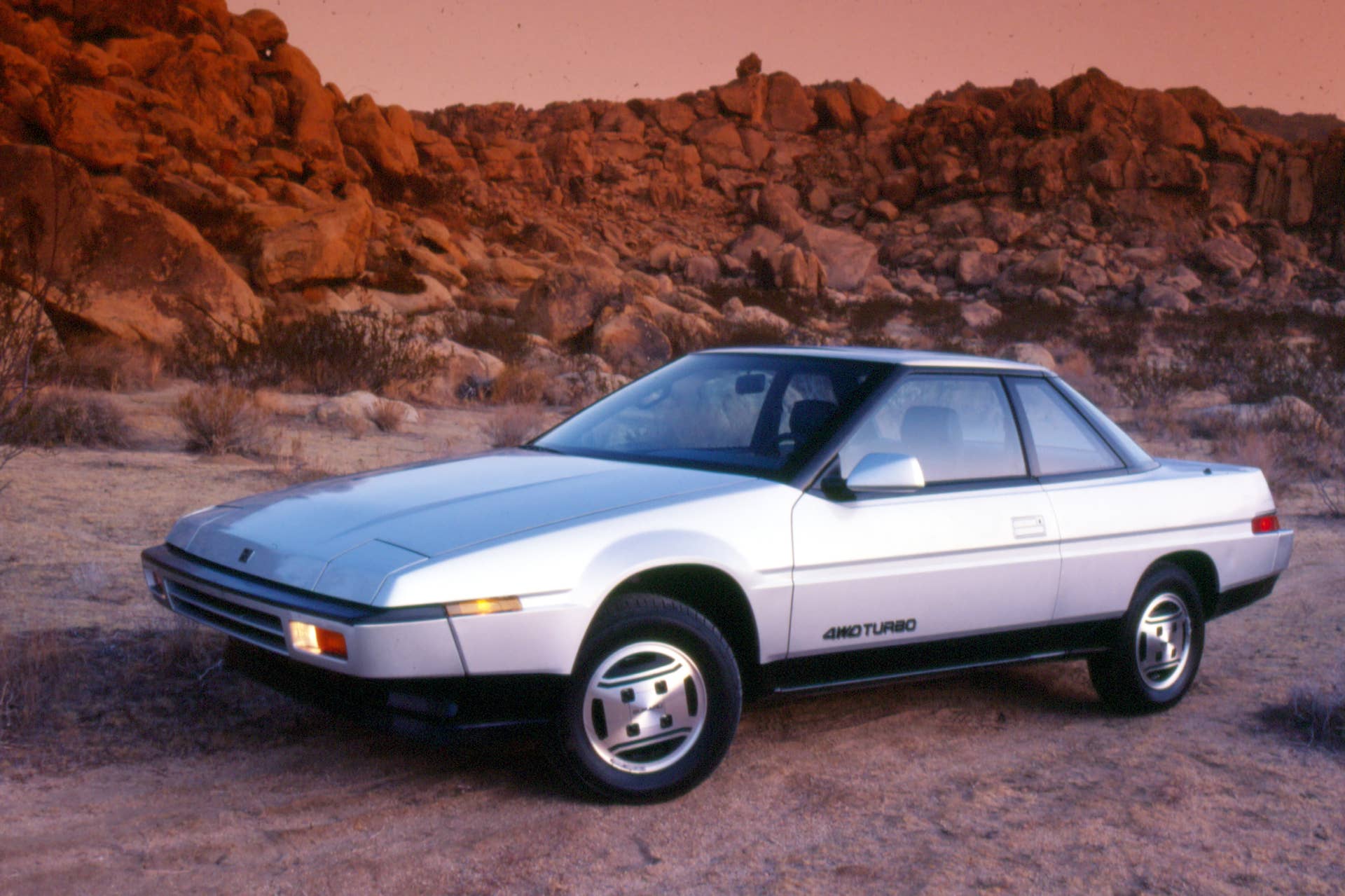
Subaru XT: the futuristic wedge before its time
The Subaru XT was a sharp pivot from the company’s boxy, practical design to aerodynamic efficiency, with an impressive 0.29 drag coefficient. This aerodynamic prowess was rooted in its low-slung wedge shape, similar to what you’d see on a concept car, and its four pop-up headlights foreshadowed a spaceship-like interior design. Inside, the cockpit featured a wraparound digital instrument panel with holographic displays and a single-spoke air steering wheel, increasing visibility. The most powerful XT, the XT6, produced 145 maximum horsepower from 1988 to 1991. All-wheel drive (AWD) was also available, along with adjustable suspension. These design choices would ultimately prove Subaru could operate as a tech-forward brand, and the hope was that the XT would compete with European sports coupes. The XT was a commercial flop, but its design remains ahead of its time.
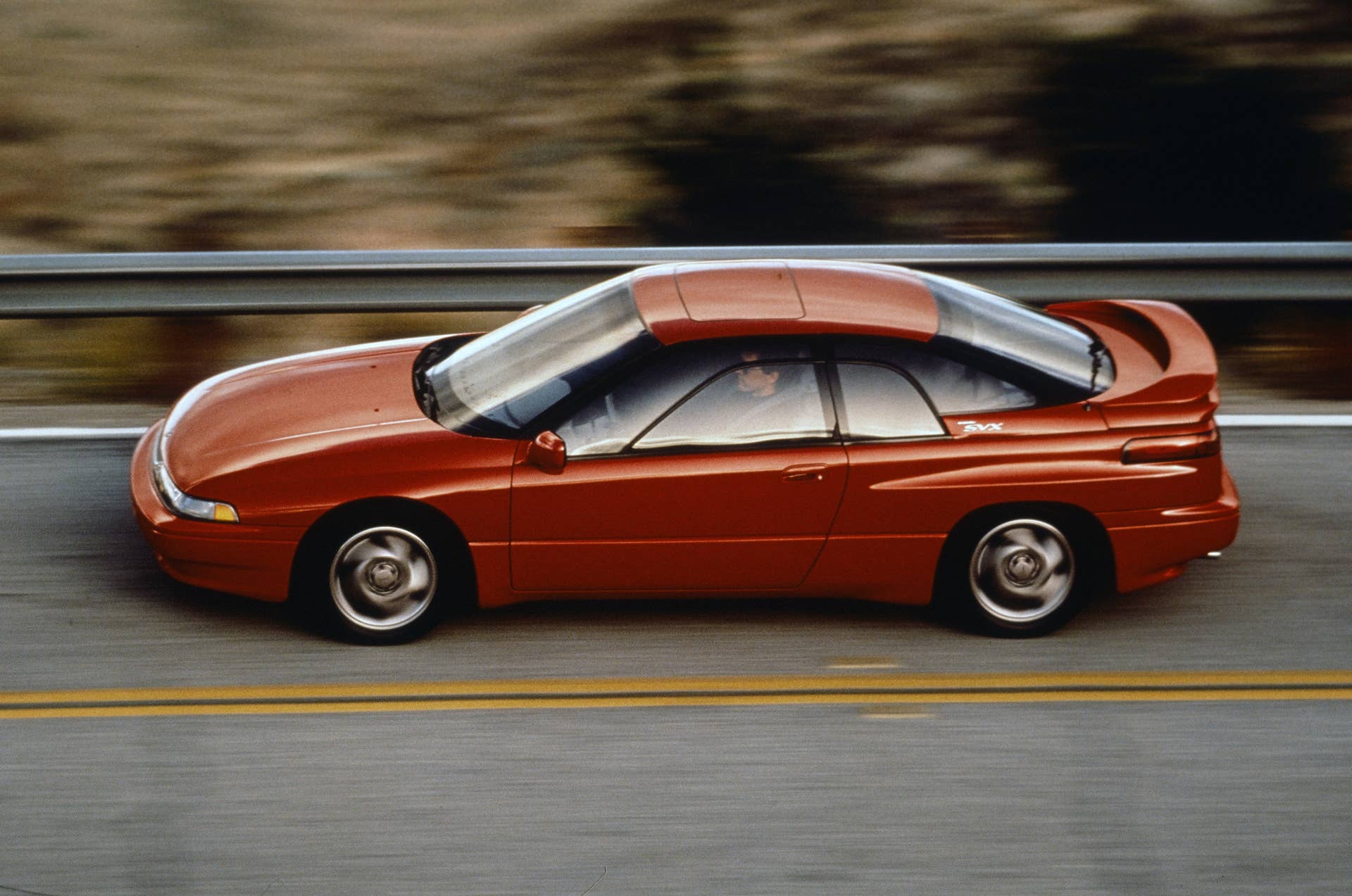
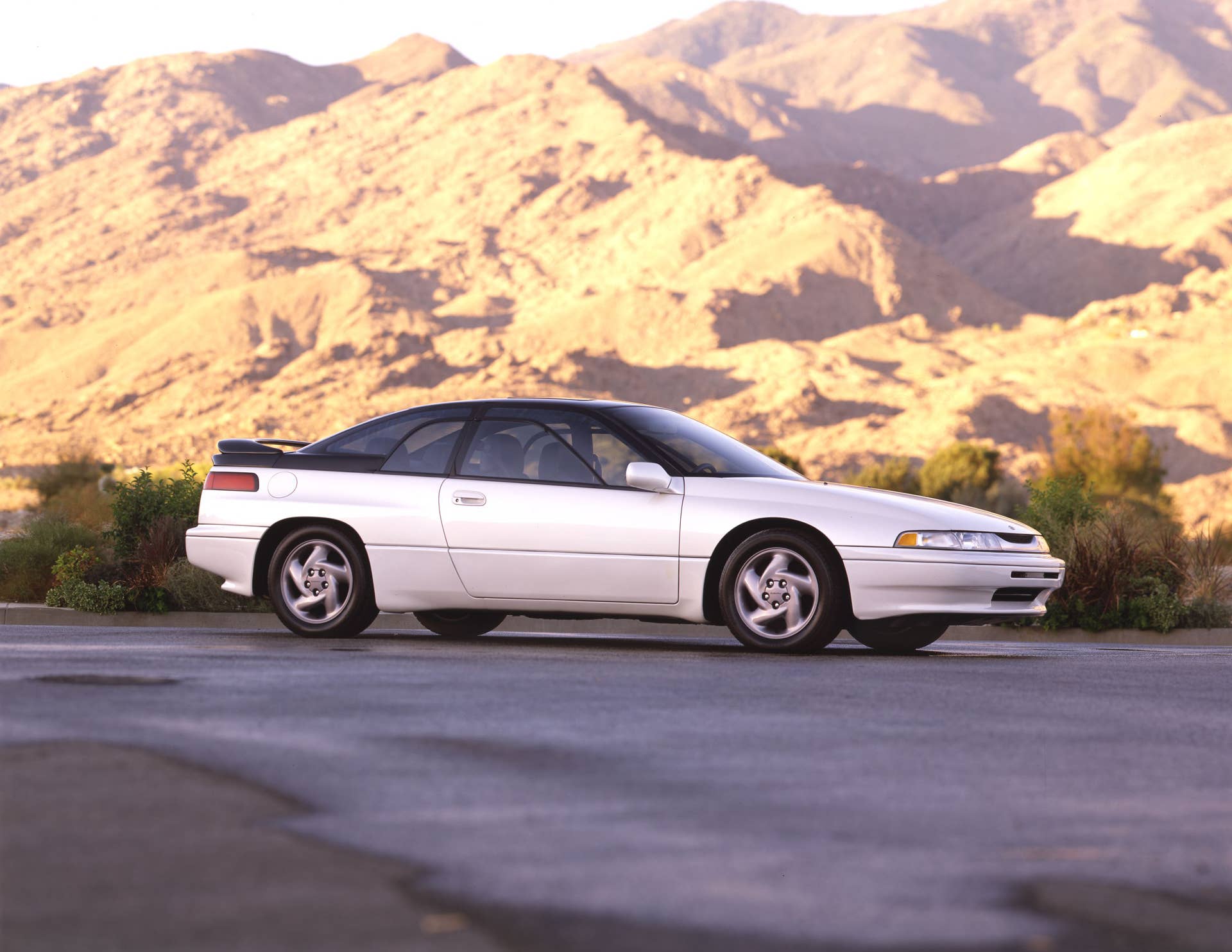
Subaru SVX: luxury, velocity, and twin windows
Famous Italian designer Giorgetto Giugiaro, the mind behind cars like the DeLorean DMC-12, penned the Subaru SVX as a grand touring coupe blending JDM engineering with European flair. The SVX’s defining design element was its twin-pane airplane-like window, similar to a fighter jet canopy. Subaru further geared the vehicle toward premium buyers with additions such as leather and wood trim. Performance was solid, with the 3.3L 6-cylinder producing 231 horsepower and 228-229 lb-ft of torque. Over its run from 1992-1997, the SVX consistently achieved a 0-60 mph time of 7.3 seconds. Considering Subaru’s reputation for specializing in practical wagons and sedans, the SVX, along with the XT, was a notable departure. Unfortunately, the SVX also shared the XT’s lack of commercial success.
Final thoughts
Despite the 360, the BRAT, the XT, and the SVX being out of production for decades, their experimental spirit can still be seen in small ways today. For instance, the Outback Wilderness shares the BRAT’s turbo flat-four engine and raised suspension. Although the XT and SVX models didn’t benefit from the success of the 360 and BRAT, they helped cement Subaru’s commitment to authenticity over mainstream appeal, which is why its fan base is so loyal.
About the author

Cody Carlson
Contributing Writer, Autoblog