
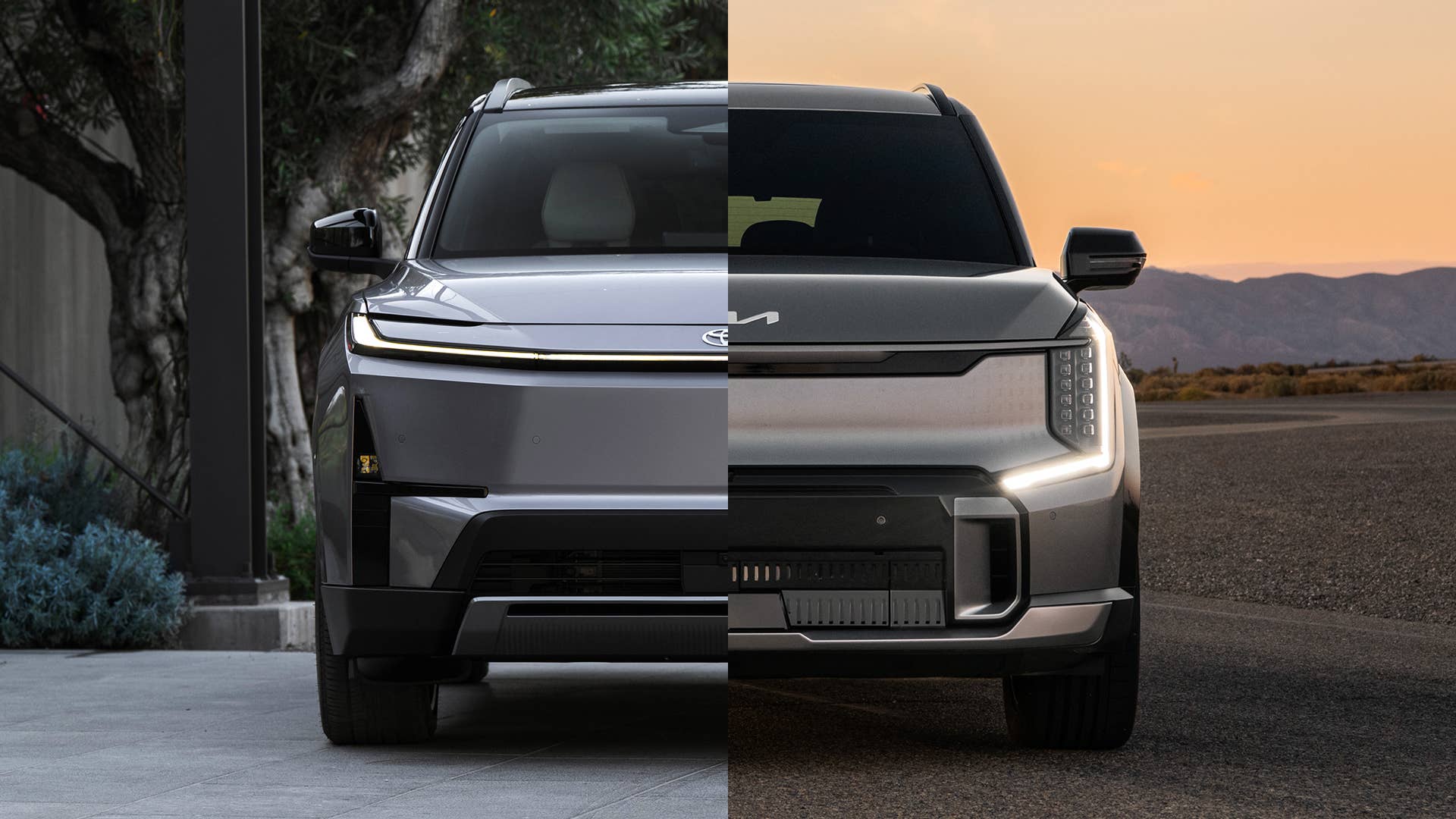
A new breed of potent family haulers
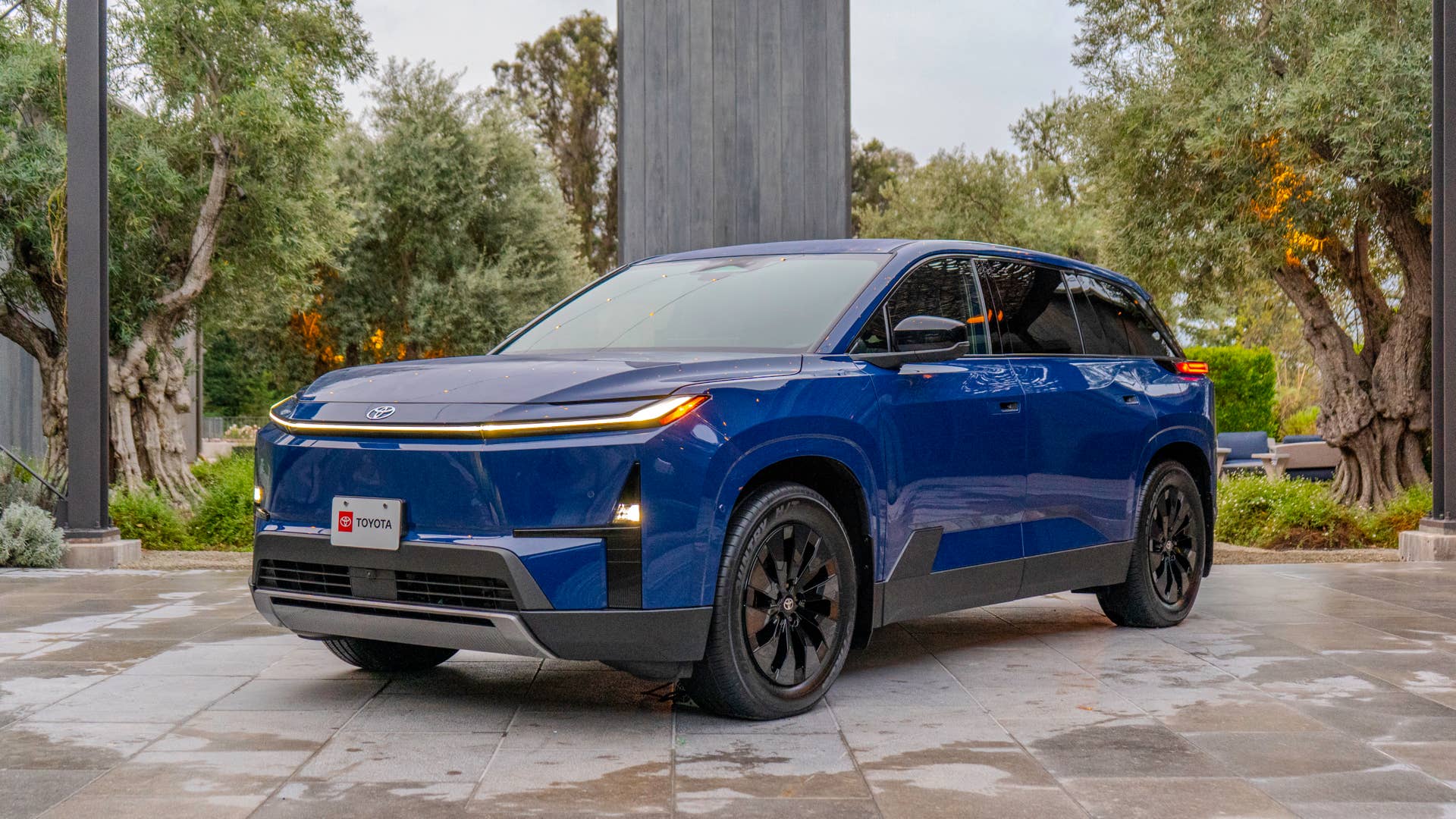
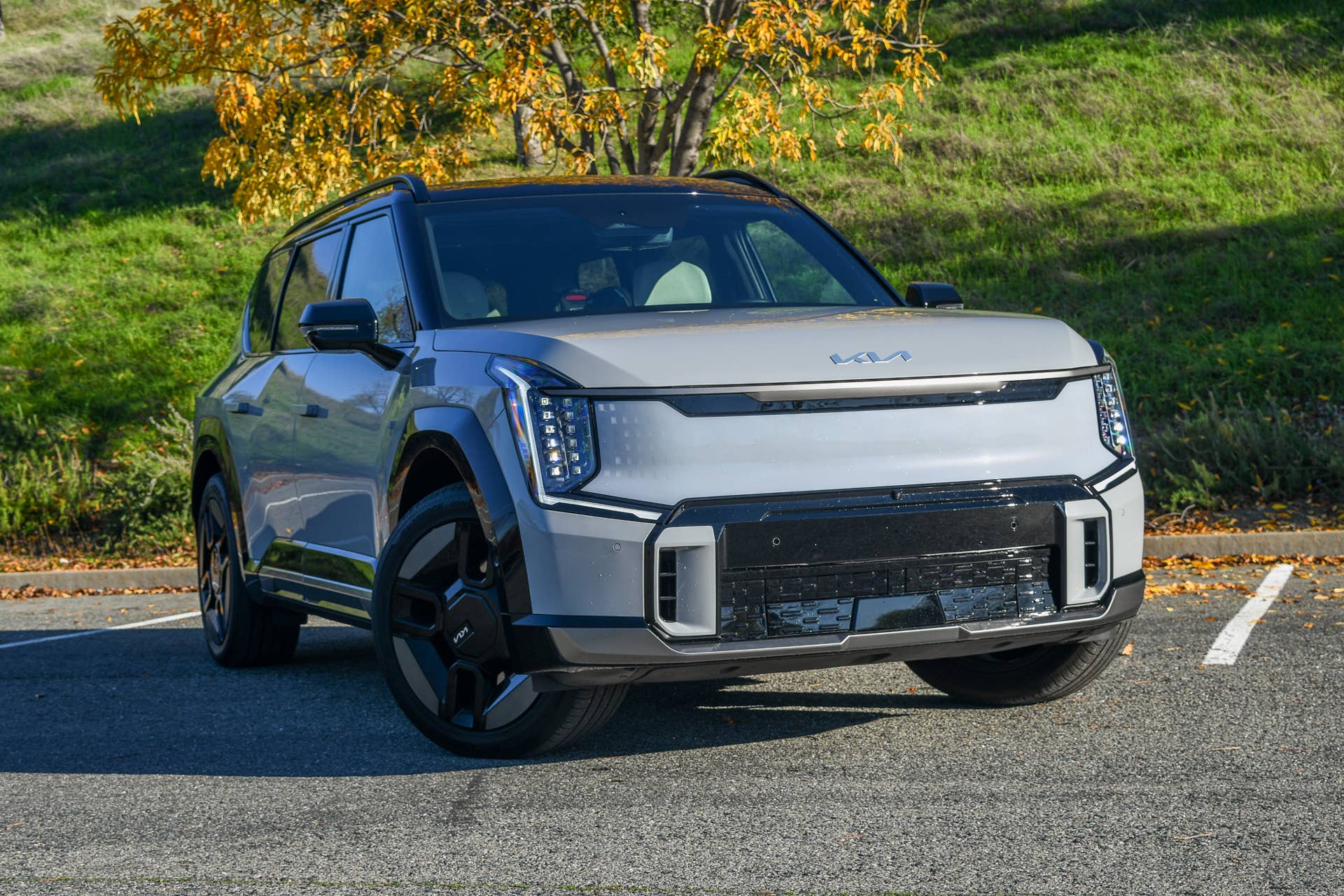
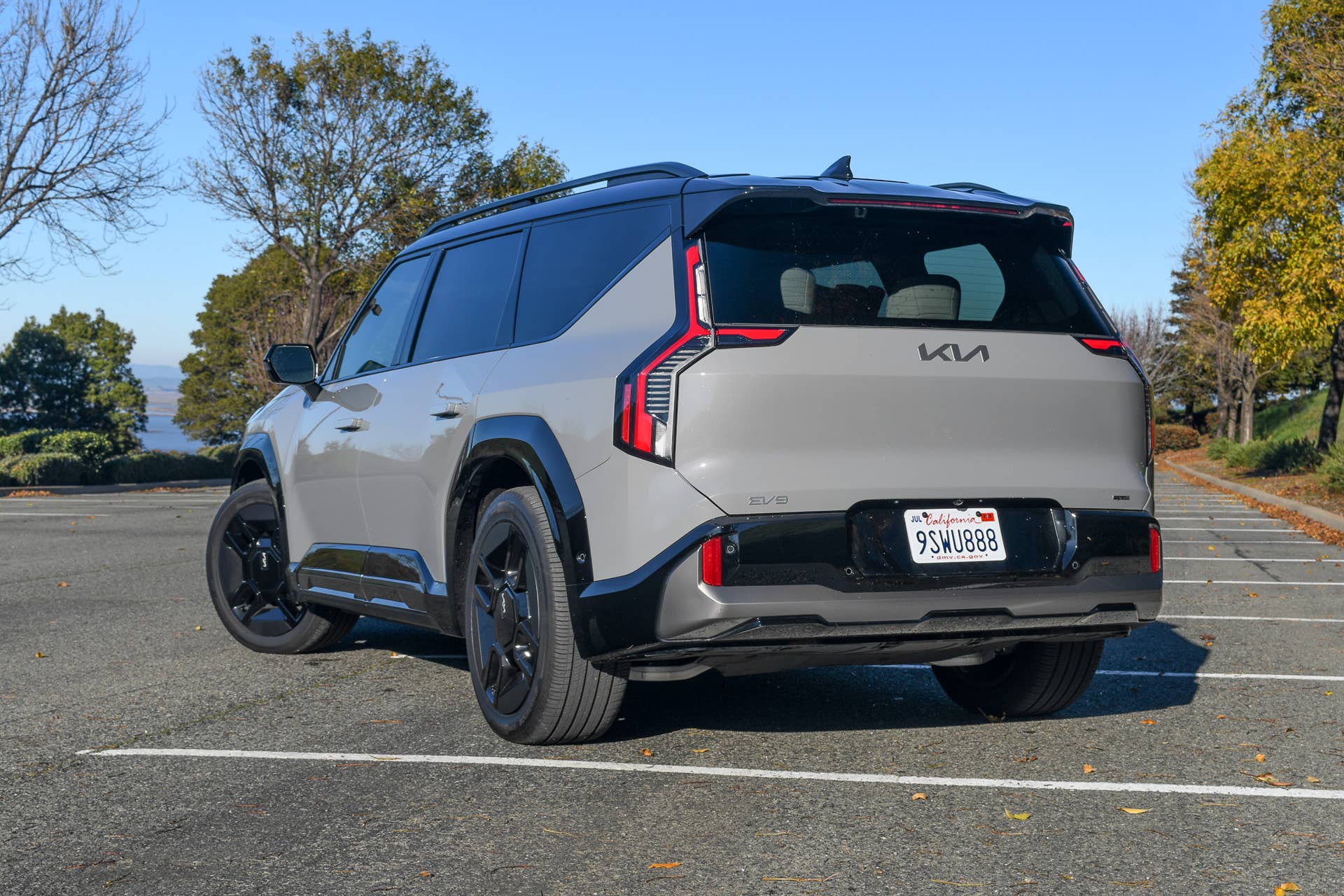
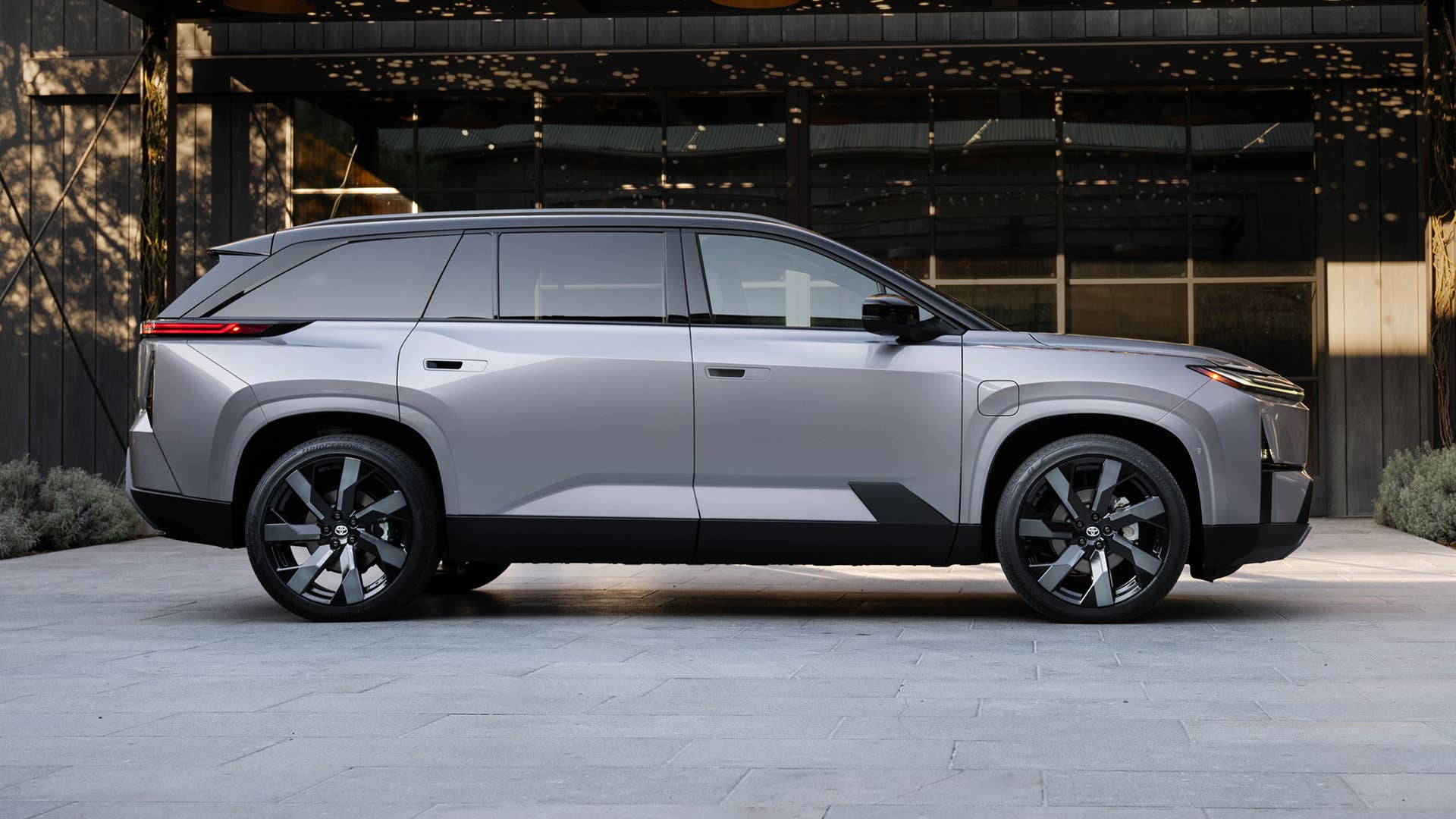
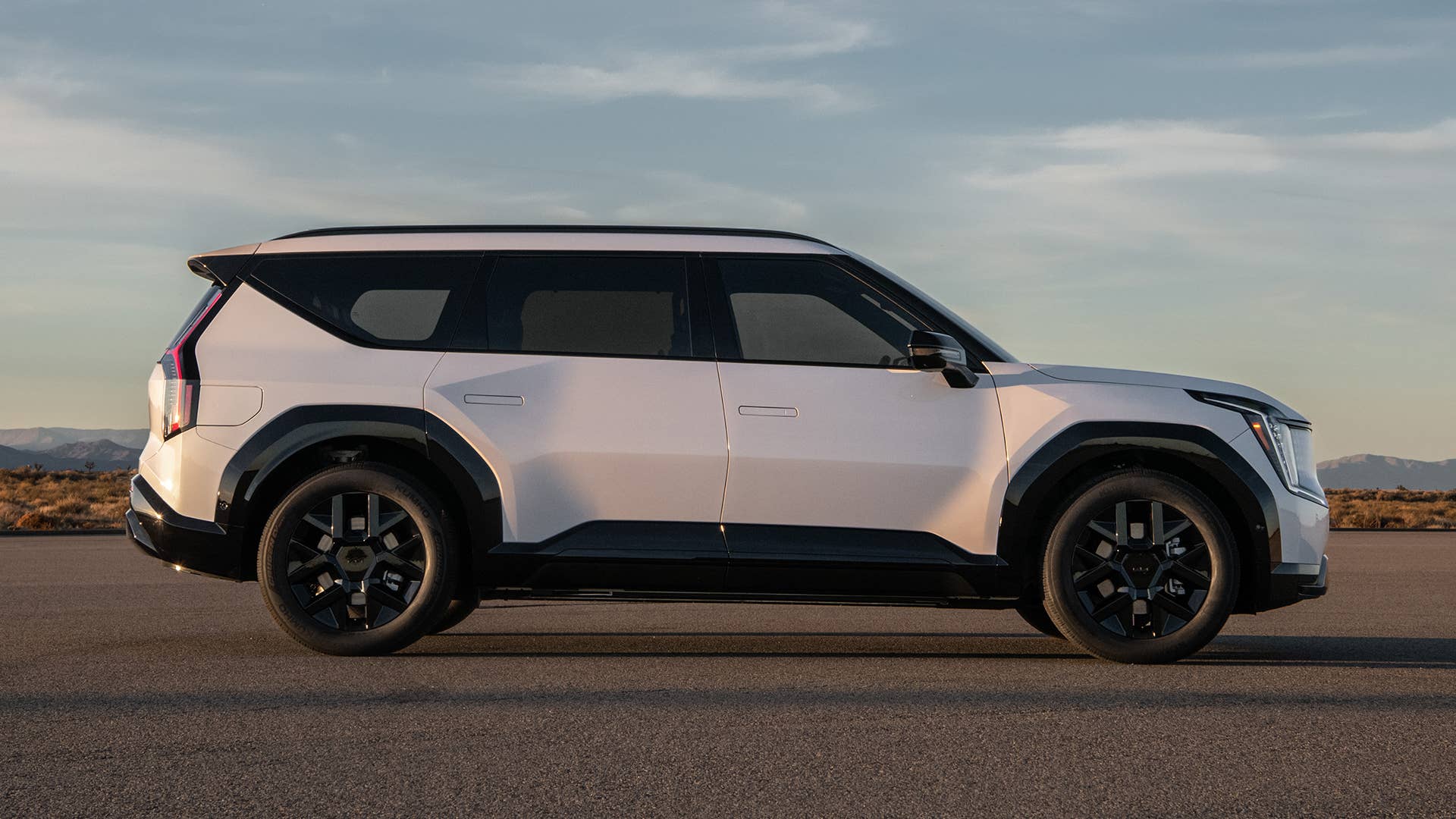
Toyota has kicked off 2026 with a bang by revealing the all-new 2027 Highlander, a fully electric three-row SUV. It’s the brand’s largest new EV, slotting in above the bZ Woodland. This is a small but growing EV segment, and one of the Highlander’s key rivals is the Kia EV9. Both SUVs are boldly styled, powerful in dual-motor guise, and have competitive ranges on a full charge. But can the newer Highlander upstage the impressive EV9? Here’s a look at three key differences between them.
1. Highlander Has More Standard Power
Cole Attisha
Cole Attisha
Kristen Brown/Autoblog
Kristen Brown
Both electric SUVs start off with single-motor variants. The base Highlander is more powerful, with 221 horsepower. Kia’s cheaper EV9s produce 201 or 215 hp, so the Toyota has a slight edge here. Kia claims an 8.8-second 0-60 run for the least powerful EV9 with 201 hp, so the base Highlander should be a little quicker than this, although Toyota has made no claims.
Things change as one moves to the dual-motor models, though. In the Toyota, the extra motor boosts the output to 338 hp combined, which should make the SUV quite responsive. Kia’s dual-motor EV9s produce 379 hp and they can reach 60 mph in only five seconds, which is speedy for a vehicle that can seat up to seven people.
If you’re buying one of the cheaper trims, the Toyota should be a better performer, but the dual-motor EV9s are more powerful.
2. FWD Vs. RWD
Toyota
Kia
It’s not only outputs that differ, but also the drivetrains used for each. The standard Highlander has a single motor that powers the front wheels, whereas the single-motor EV9s are rear-wheel drive. These layouts may influence how the SUVs perform in different scenarios; FWD models tend to be more secure in slippery conditions, while RWD models can be more effective and fun in the dry. These are large SUVs, though, so don’t expect sports car-like responsiveness and agility from either of them.
The dual-motor versions of both SUVs feature all-wheel drive.
3. Toyota Has Better Range, Kia Charges Faster
Toyota
Toyota
Kia
Kia
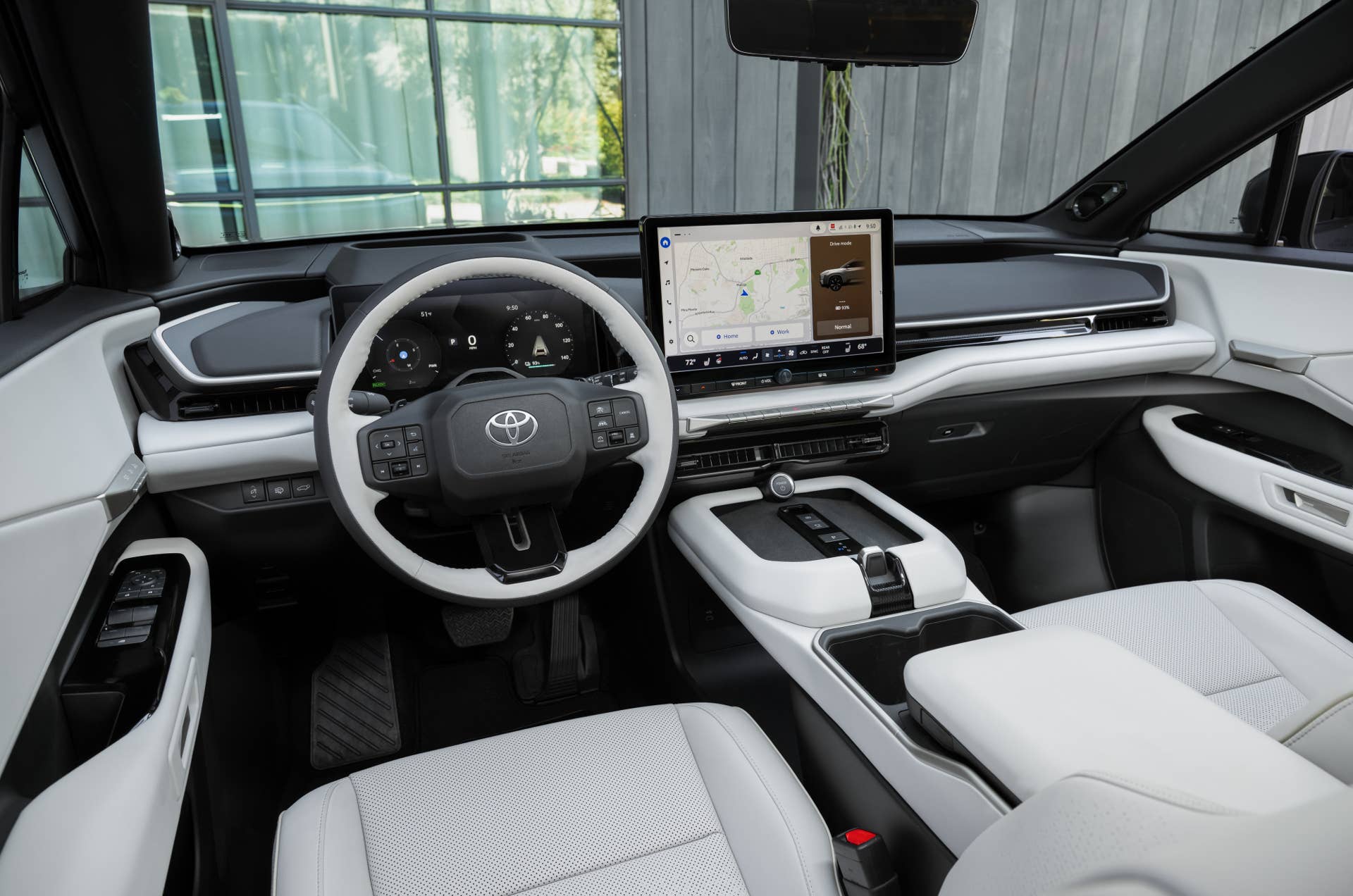
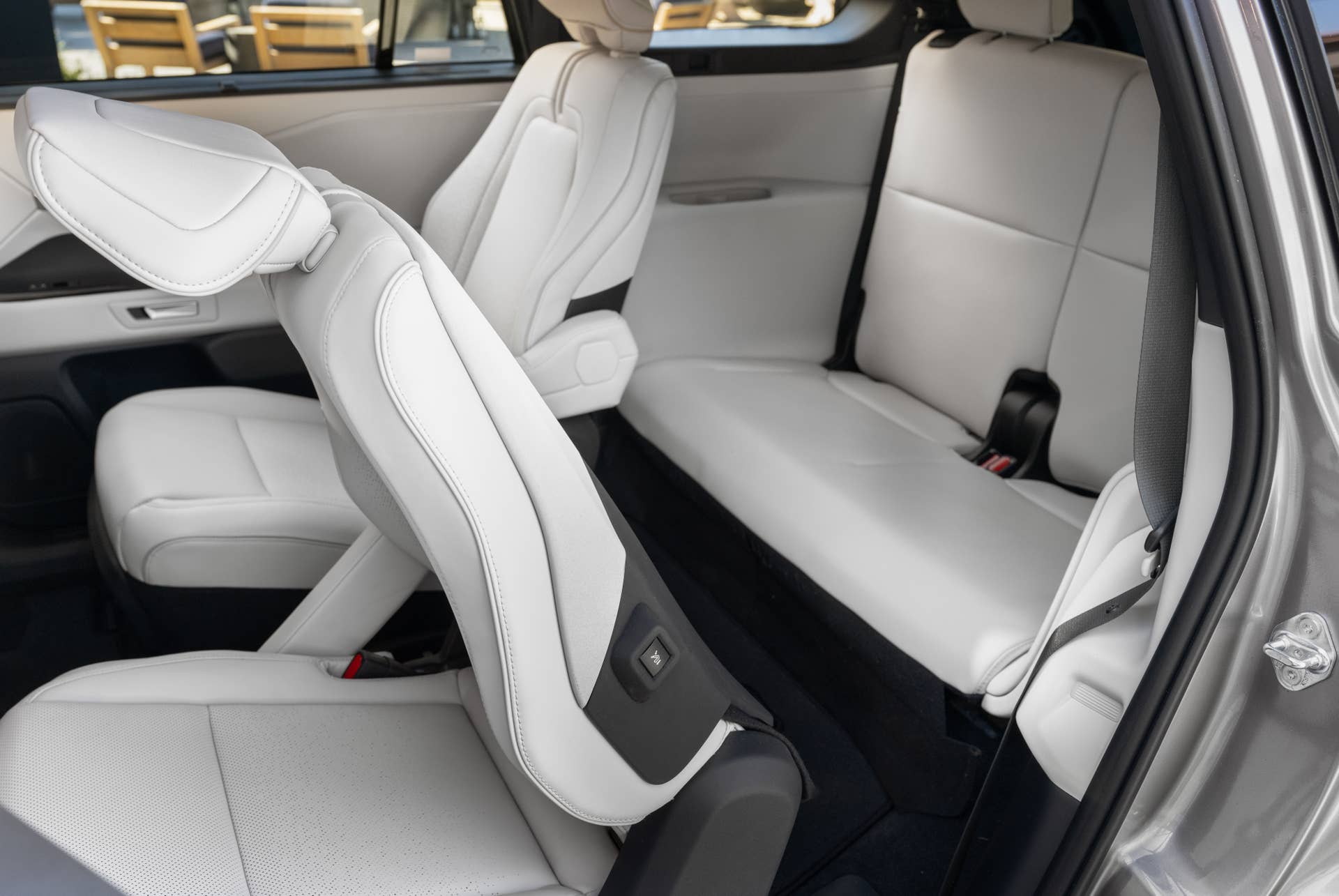
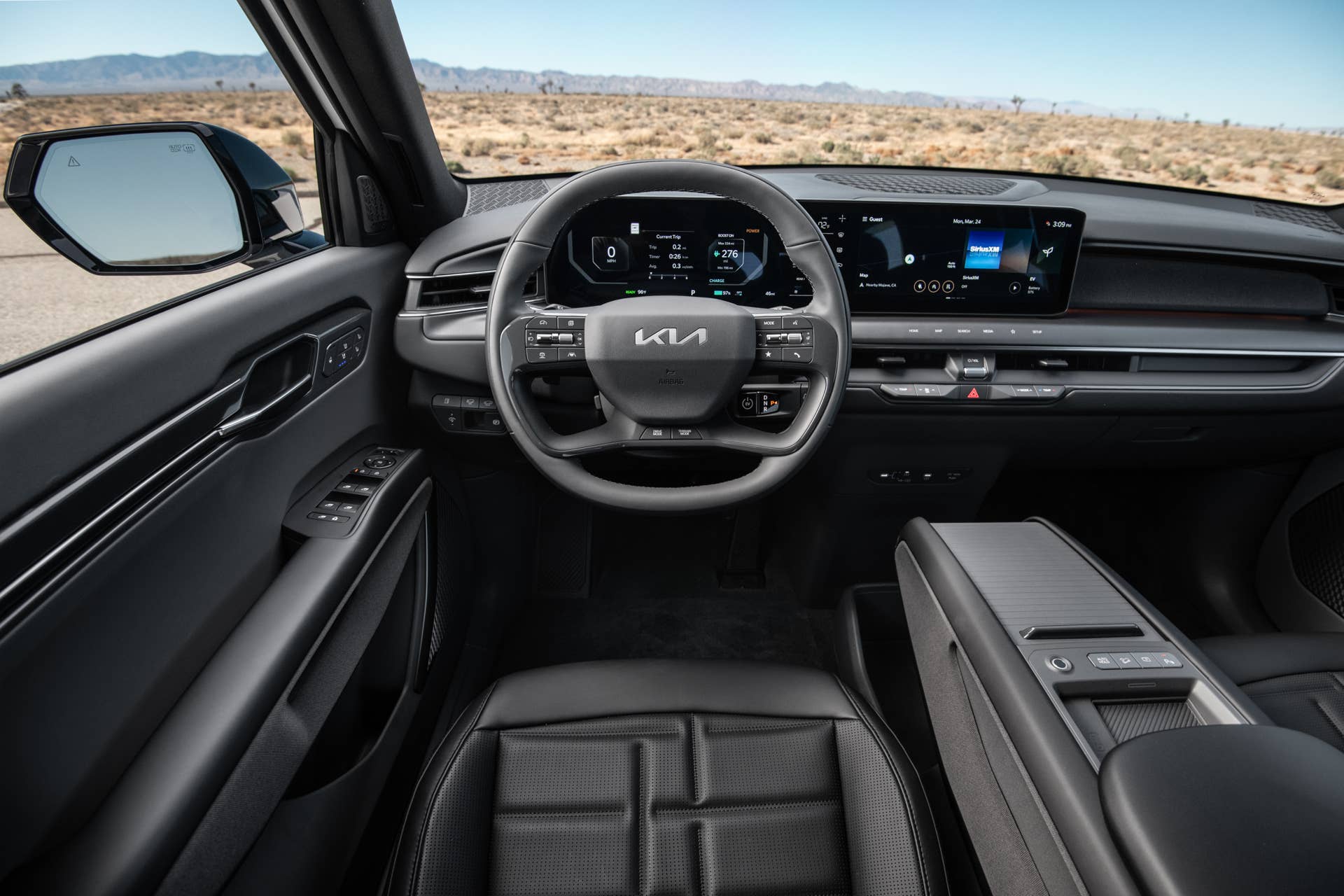
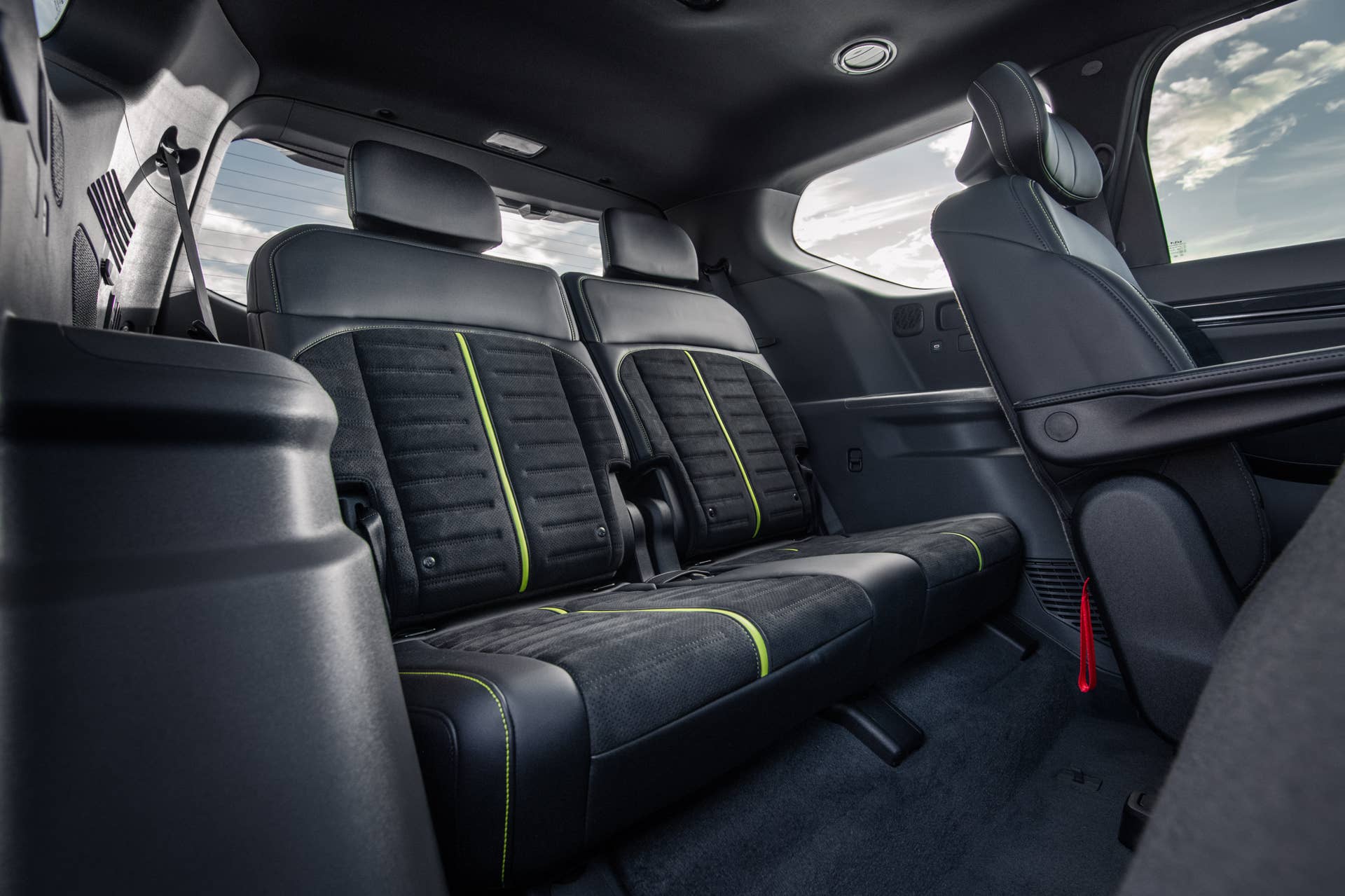
Perhaps because of its standard FWD layout, the Toyota has a better standard range than the Kia. The base FWD variant of the Highlander can cover an estimated 287 miles on a full charge, which is a full 57 miles more than the cheapest RWD EV9. Battery size isn’t the reason here, as there’s a negligible difference in battery size (77 kWh in the base Highlander and 76.1 kWh in the EV9). EPA ratings aren’t available yet, but the figures we have suggest the Highlander is more efficient.
With AWD and the same 77-kWh battery, the Highlander’s range drops to 270 miles. A 95.8-kWh battery is available, increasing the Highlander AWD’s range to 320 miles. Kia’s EV9 RWD has a bigger battery option (99.8 kWh) that increases its range to 305 miles. In AWD form, the best it will do is 283 miles with the same larger battery. Essentially, then, Toyota has been able to squeeze more range out of smaller or equivalent battery packs.
One advantage in the Kia’s favor is charging speed, though. Its battery can be replenished from 10 to 80% in roughly 24 minutes using a DC fast charger, whereas Toyota claims 30 minutes for the Highlander to do the same.
Final Thoughts
Toyota
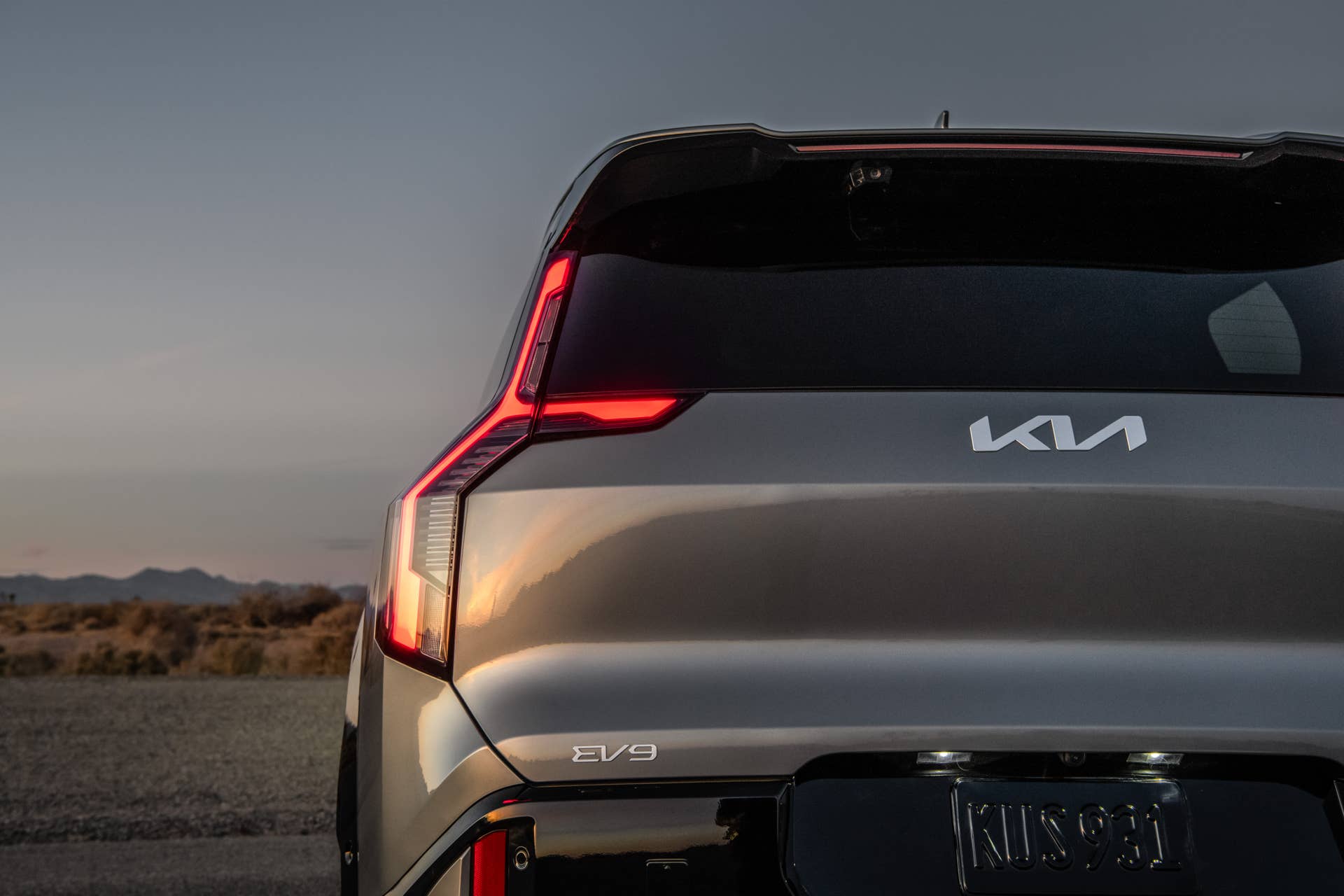
Kia
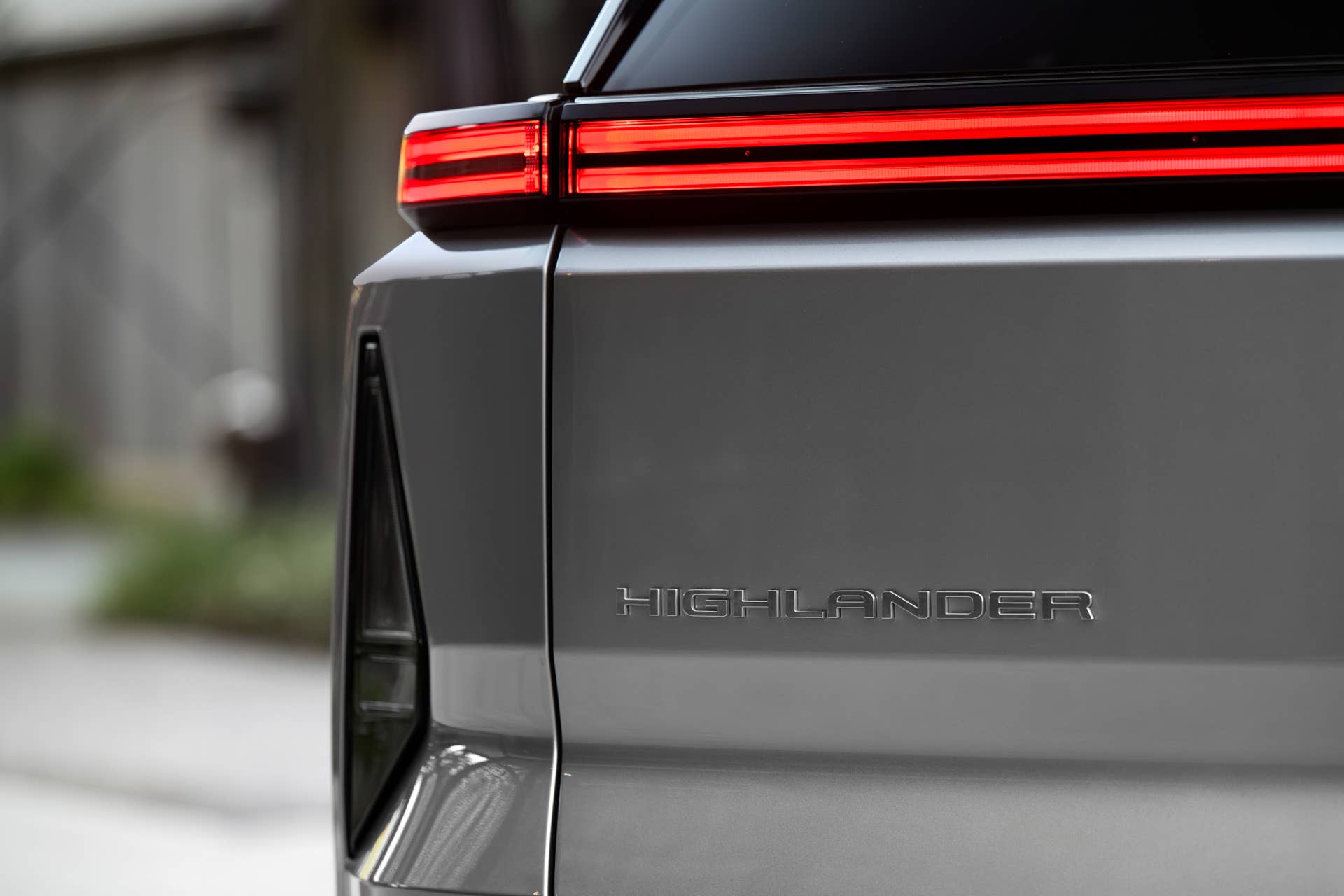
Until we drive the Toyota and can compare its pricing with the Kia’s, we can’t pick a clear winner between these two. The 2027 Highlander only goes on sale late in 2026, so the EV9 won’t have to worry about its Toyota rival until then.
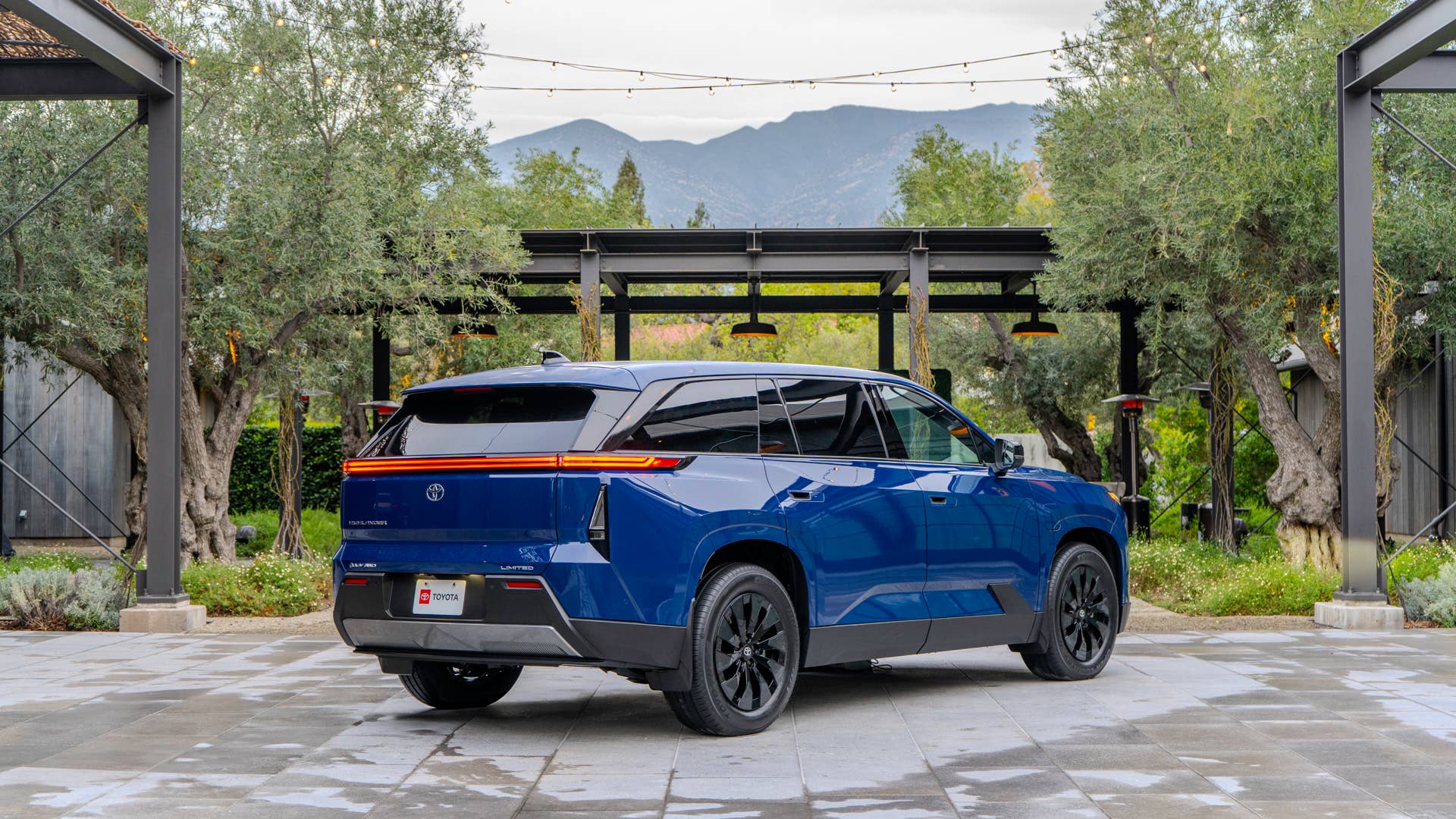
However, based on this early on-paper comparison, the Highlander has the power and range to match or surpass its Korean rival. And, while Kia has generally had the more emotive designs between the two brands, the new Highlander successfully sheds the conservative image attached to Toyota SUVs.
Pricing will be key, but it helps that the Kia is assembled in the U.S., as will be the case for the Highlander when it arrives. If Toyota can match or undercut the EV9’s $54,900 starting price, it has the potential to take over the three-row EV segment.
About the author

Karl Furlong
Senior Editor, Autoblog