
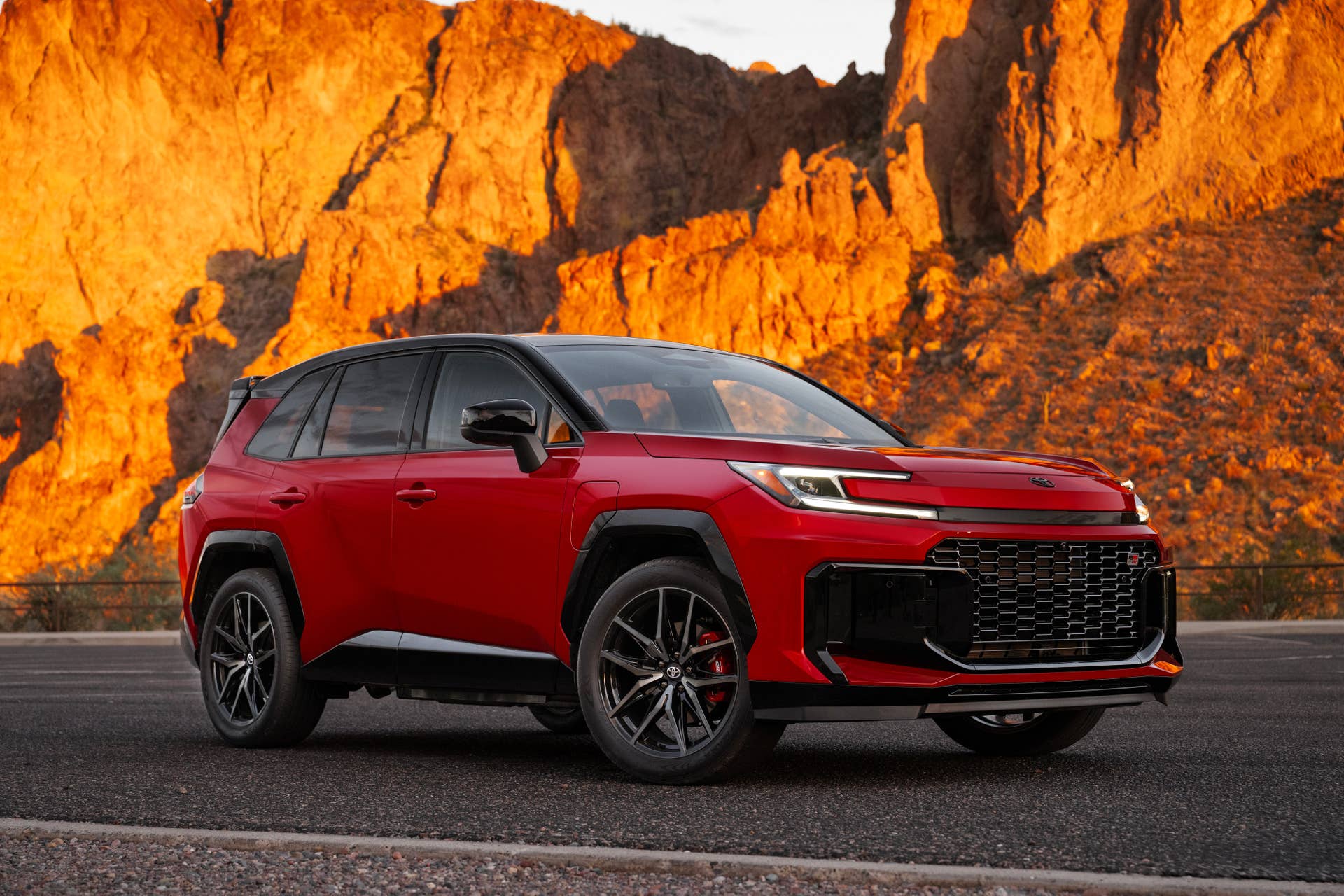
Two of the most efficient crossovers around
Plug-in hybrid (PHEV) crossovers are a different breed, running on both a standard gas engine and offering a fairly substantial electric-only range. The 2026 Toyota RAV4 PHEV and Hyundai Tucson PHEV offer impressive performance, exceptional efficiency, and all the utility a crossover brings to the road. When all is said and done, however, there are several major differences between the two crossovers you need to take into account before you buy.
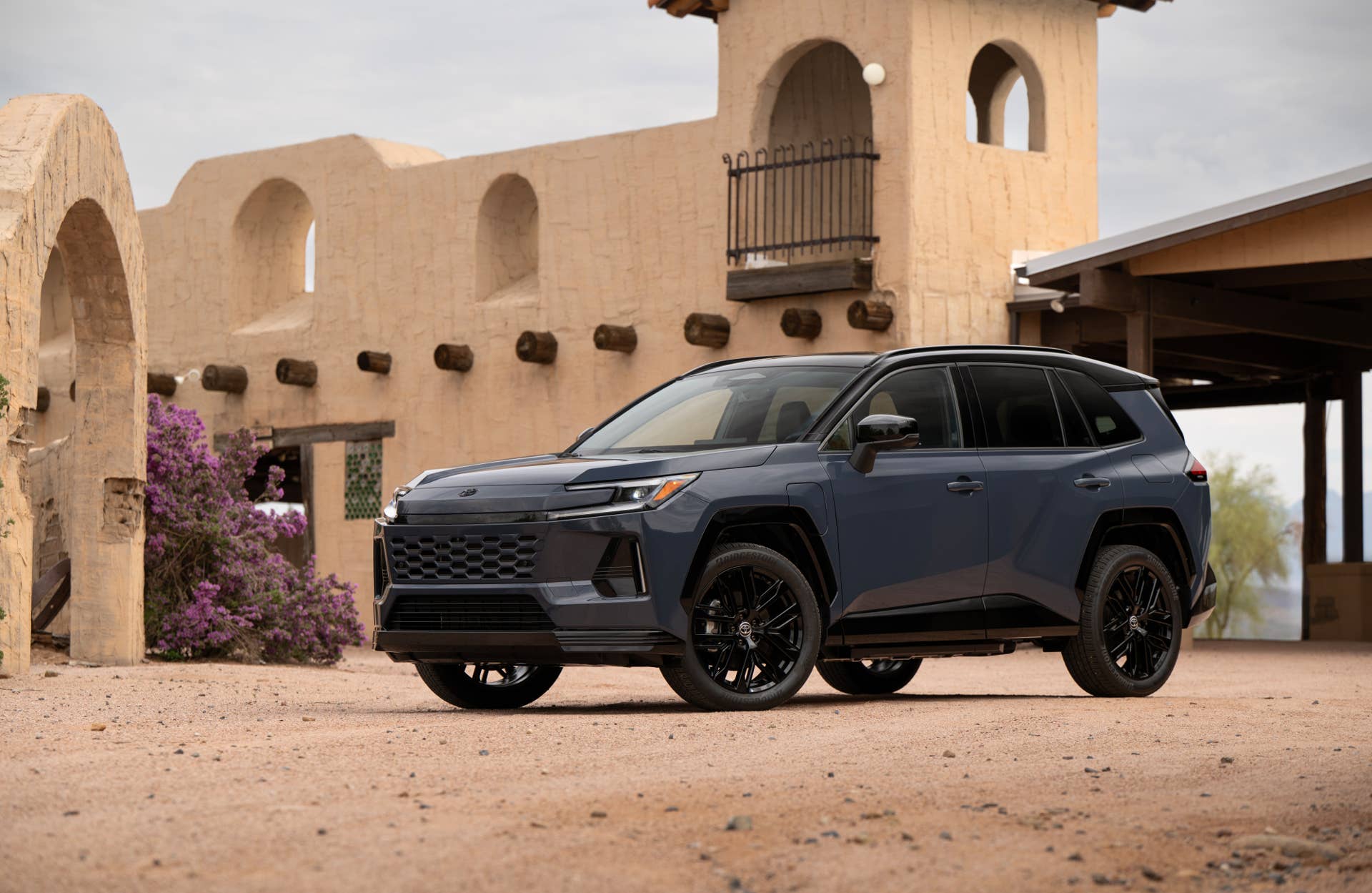
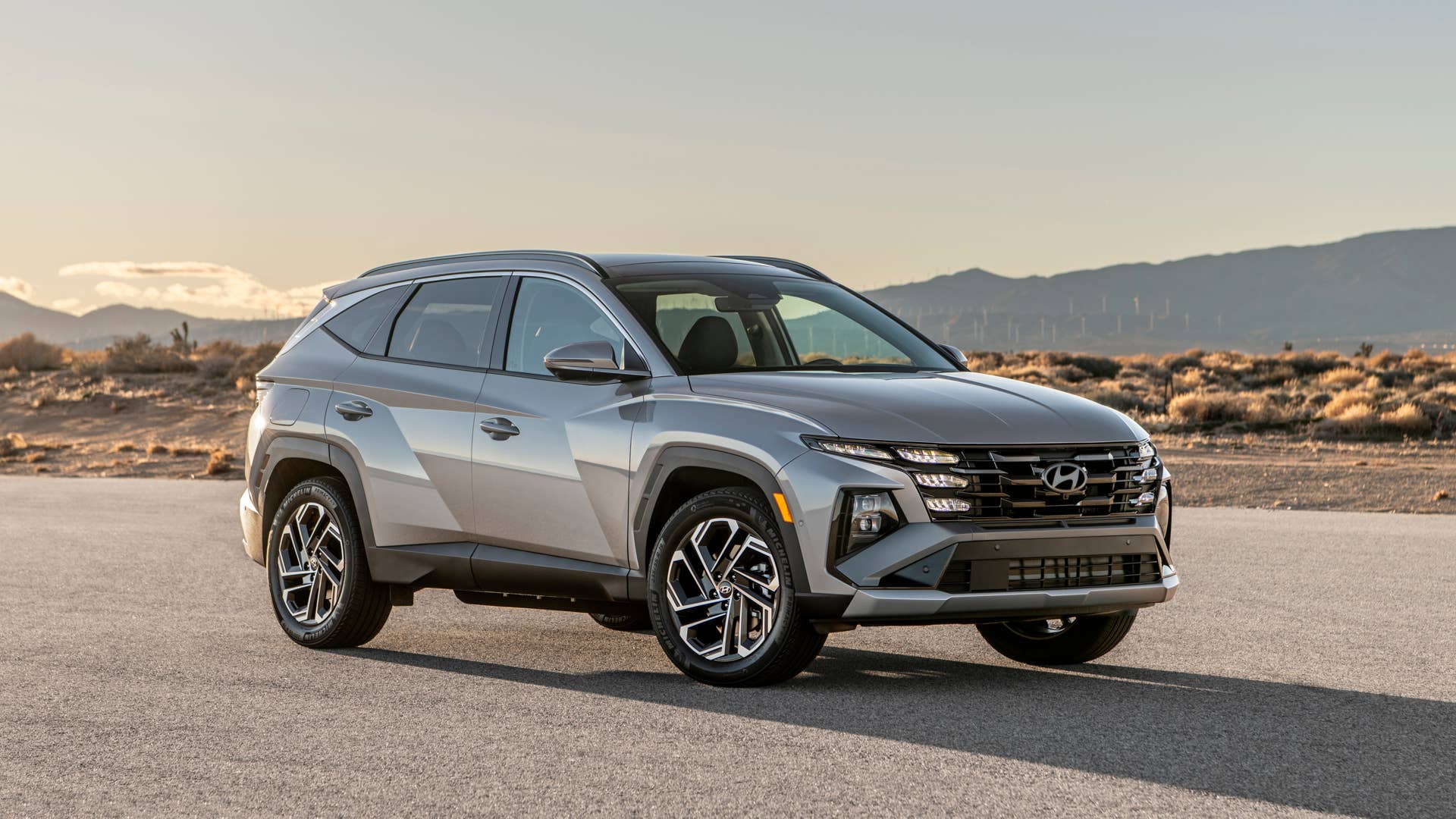
The 2026 model year marks the beginning of the sixth-generation RAV4 lineup, including the PHEV model, so there are plenty of changes on the docket. While the standard ICE and hybrid versions of the Tucson get a couple of notable changes, the PHEV carries over relatively unchanged.
1. The RAV4 PHEV offers a higher electric-only range
The 2026 Toyota RAV4 PHEV comes equipped with the latest version of the gas-electric powertrain. It offers an electric-only range of 52 miles, a 10 mile improvement over the 2025 model. Not only that, but some models offer DC fast charging capability. Even the sportiest model, the GR Sport, offers a 48-mile electric-only range. At its most efficient, the 2026 RAV4 PHEV’s earns up to 107 mpge combined.
The Hyundai Tucson PHEV is plenty efficient as well, but its 32-mile electric-only range falls short of the RAV4 PHEV. The 2026 Tucson PHEV is rated for an EPA-estimated 77 mpge combined. The Korean crossover doesn’t offer DC fast charging functionality.
2. The RAV4 PHEV gives consumers more choices
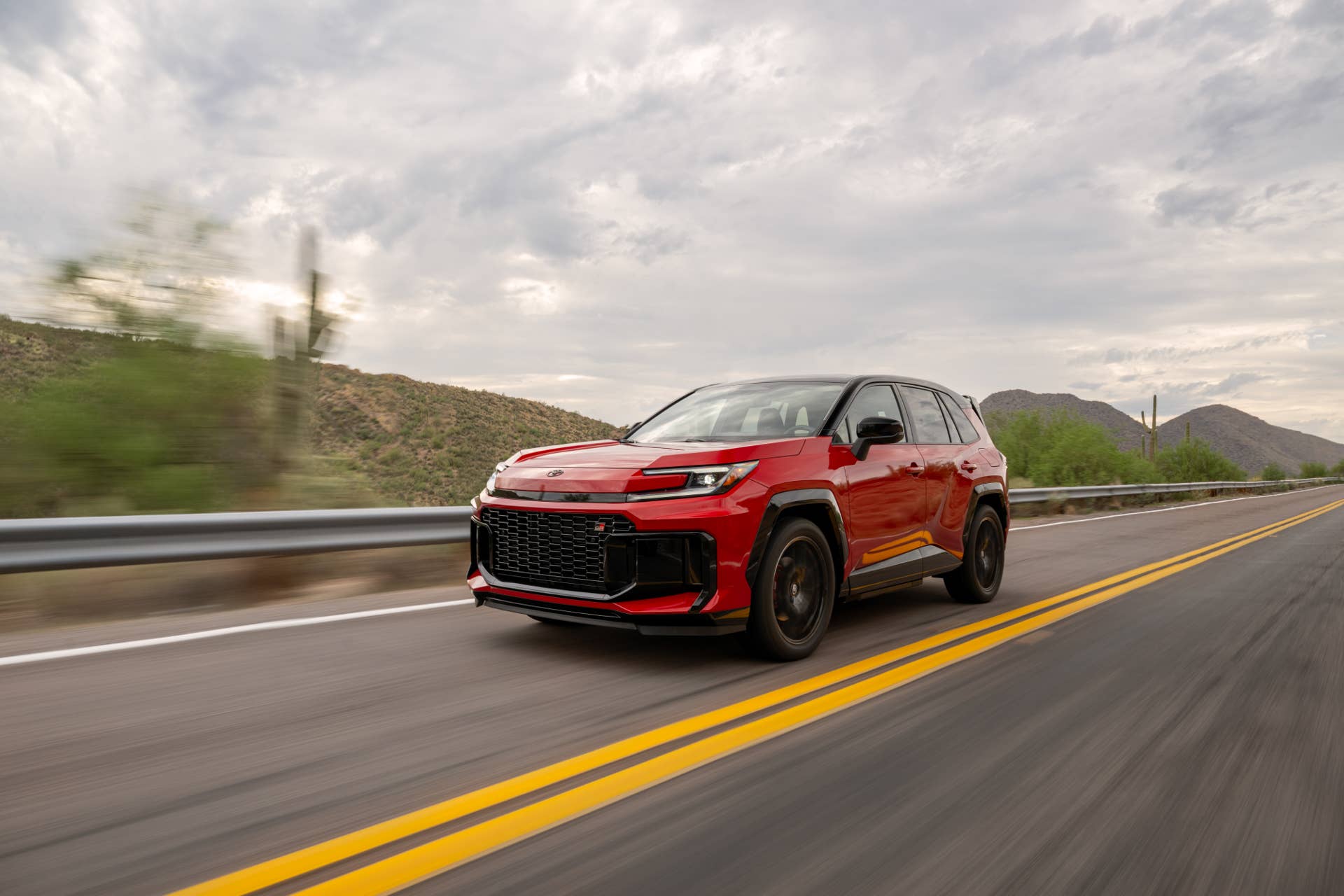
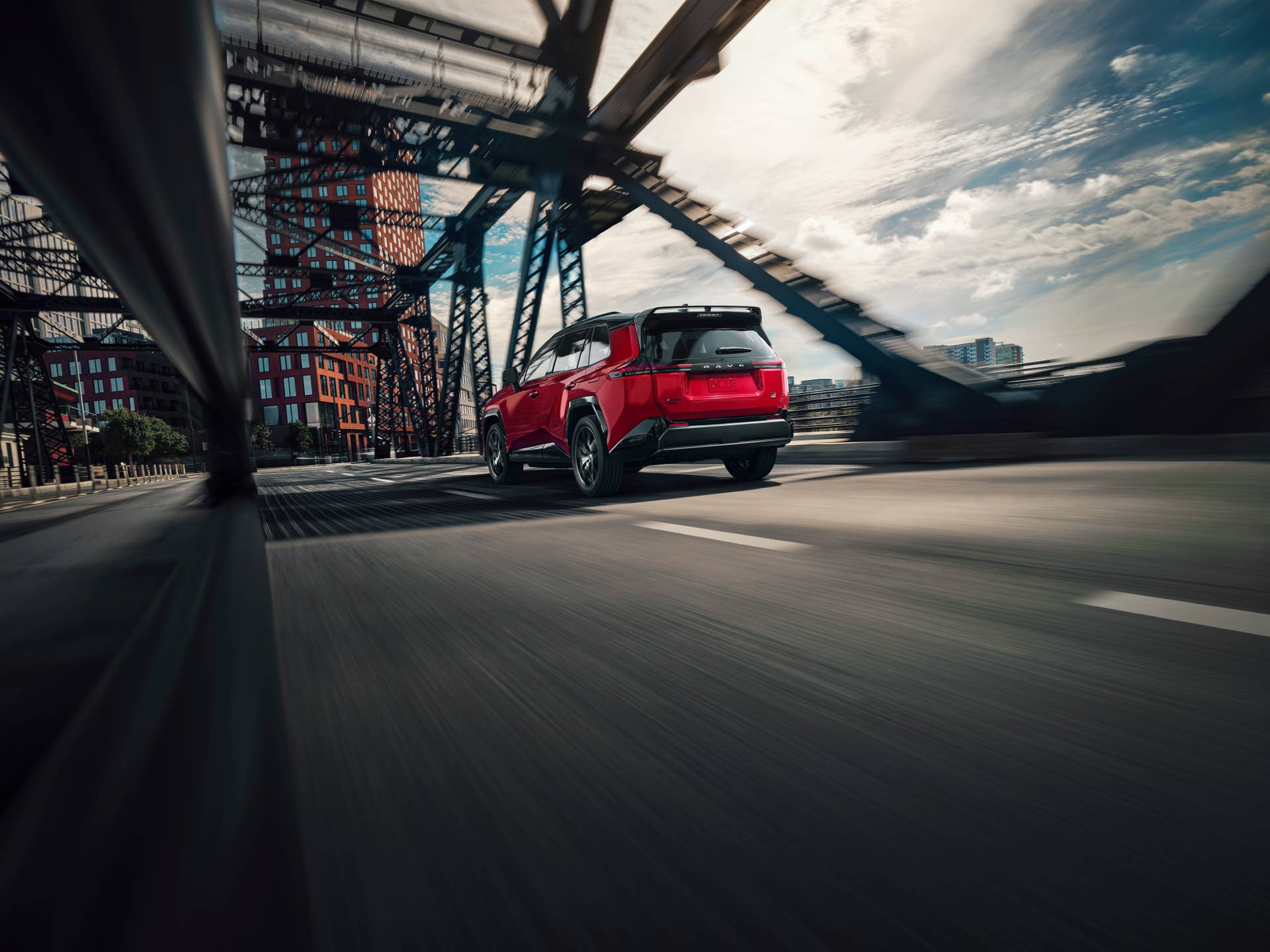
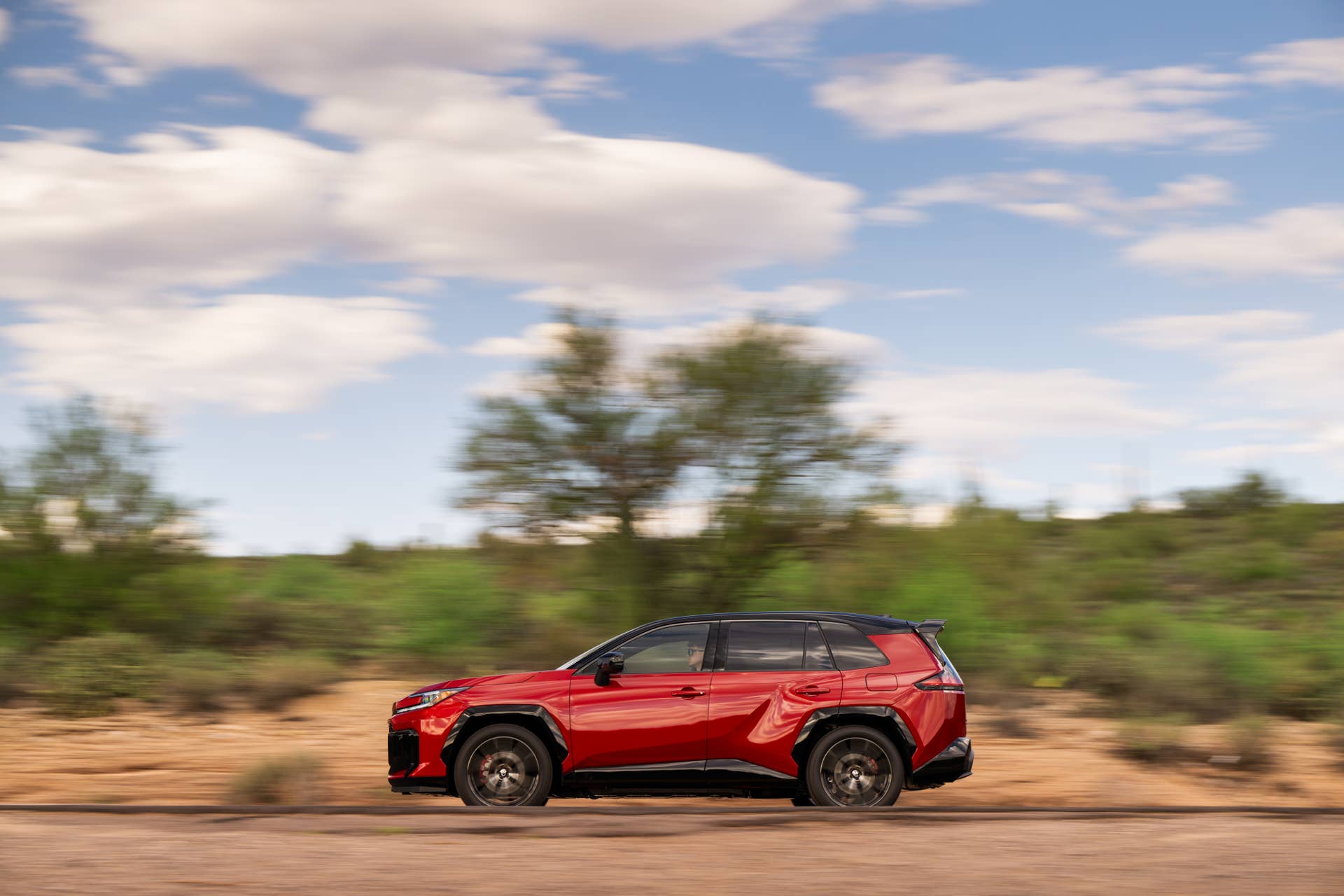
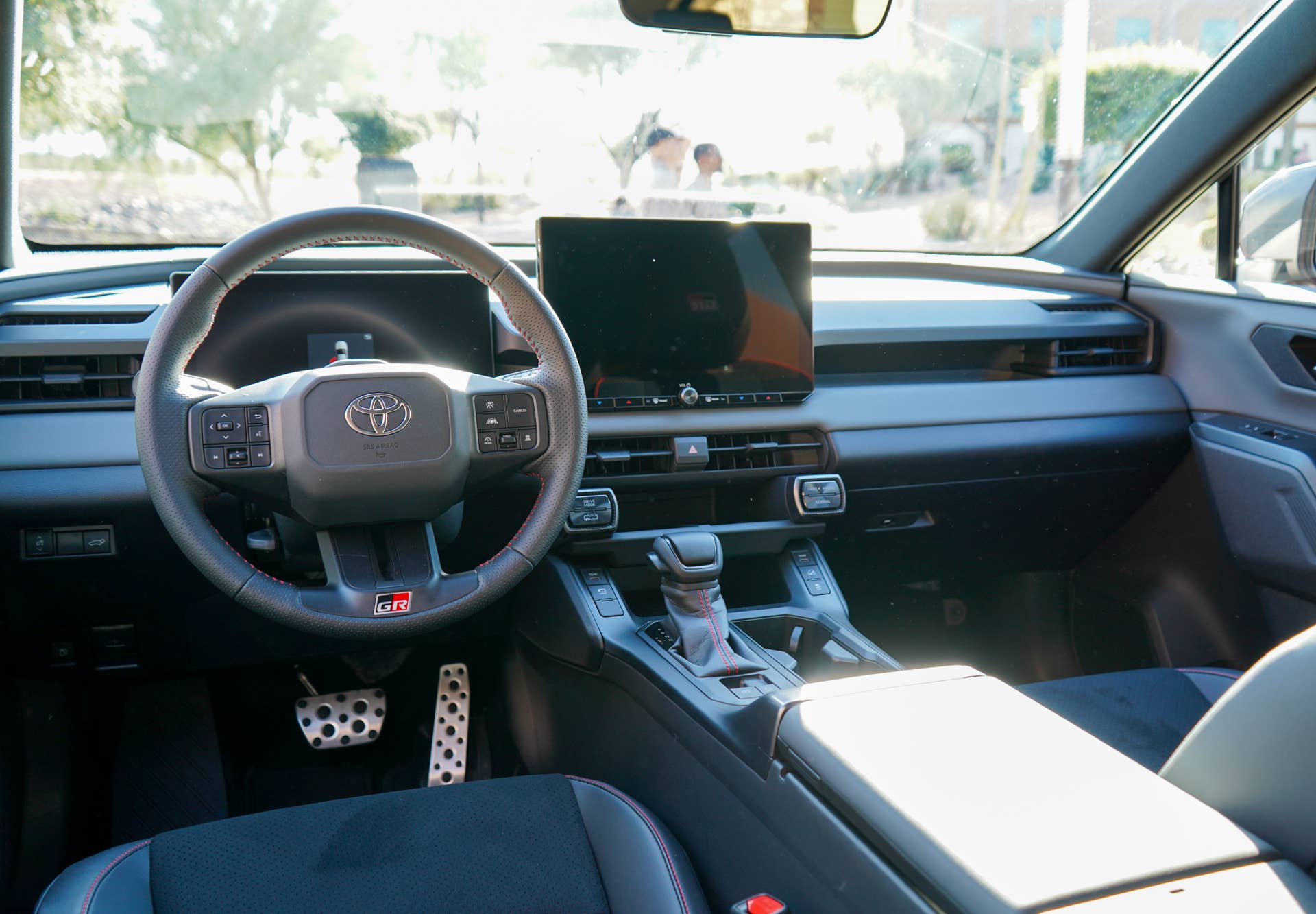
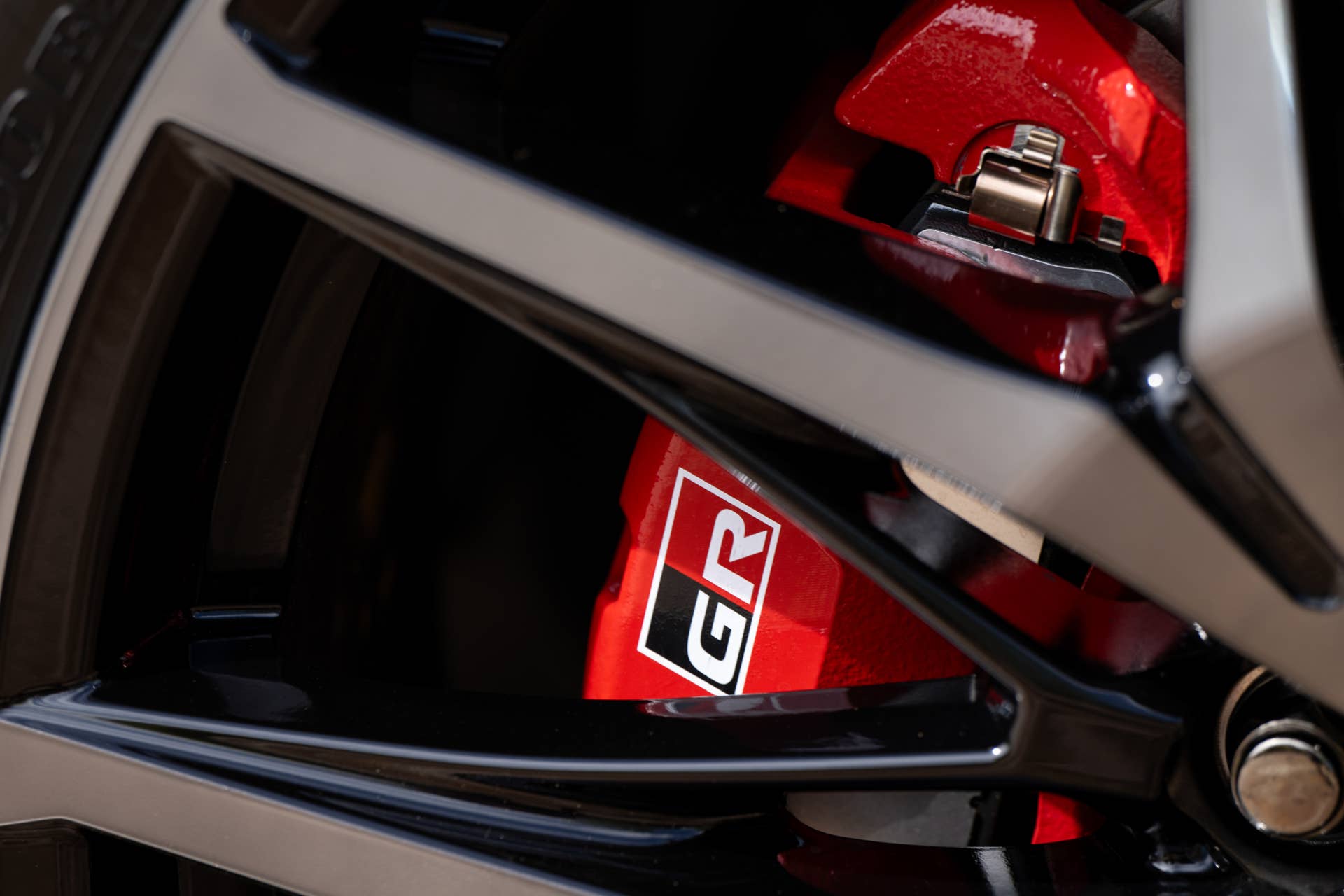
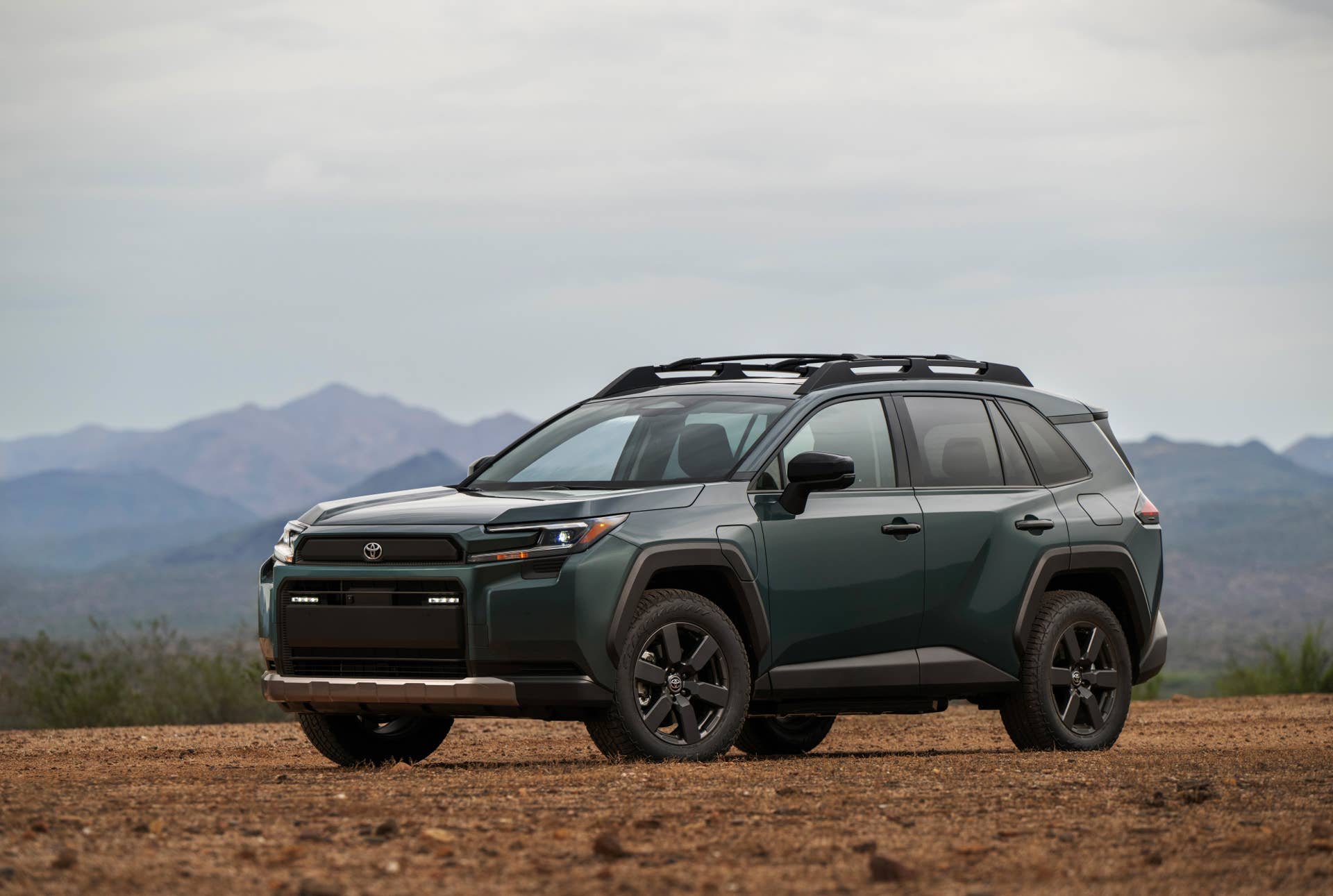
While pricing for the 2026 RAV4 PHEV is expected in the first half of 2026, Toyota has already unveiled that the new generation will come in four models: SE, XSE, Woodland, and GR Sport. The SE and XSE will likely offer sporty styling similar to the ICE-only RAV4, while the Woodland will come better equipped for hitting the trails. The GR Sport will feature standard performance equipment, like a sport-tuned suspension and 20-inch wheels wrapped in summer performance tires.
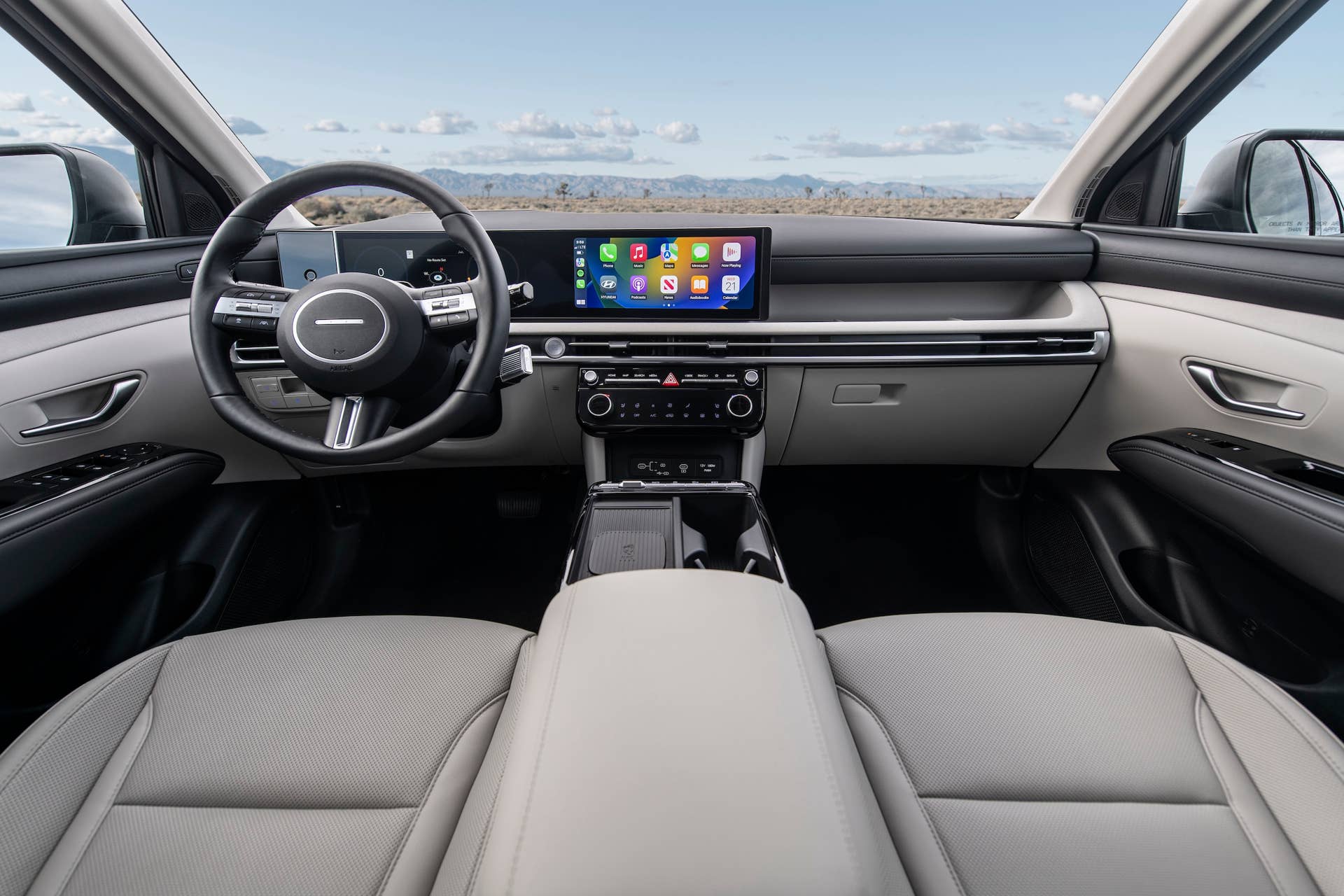
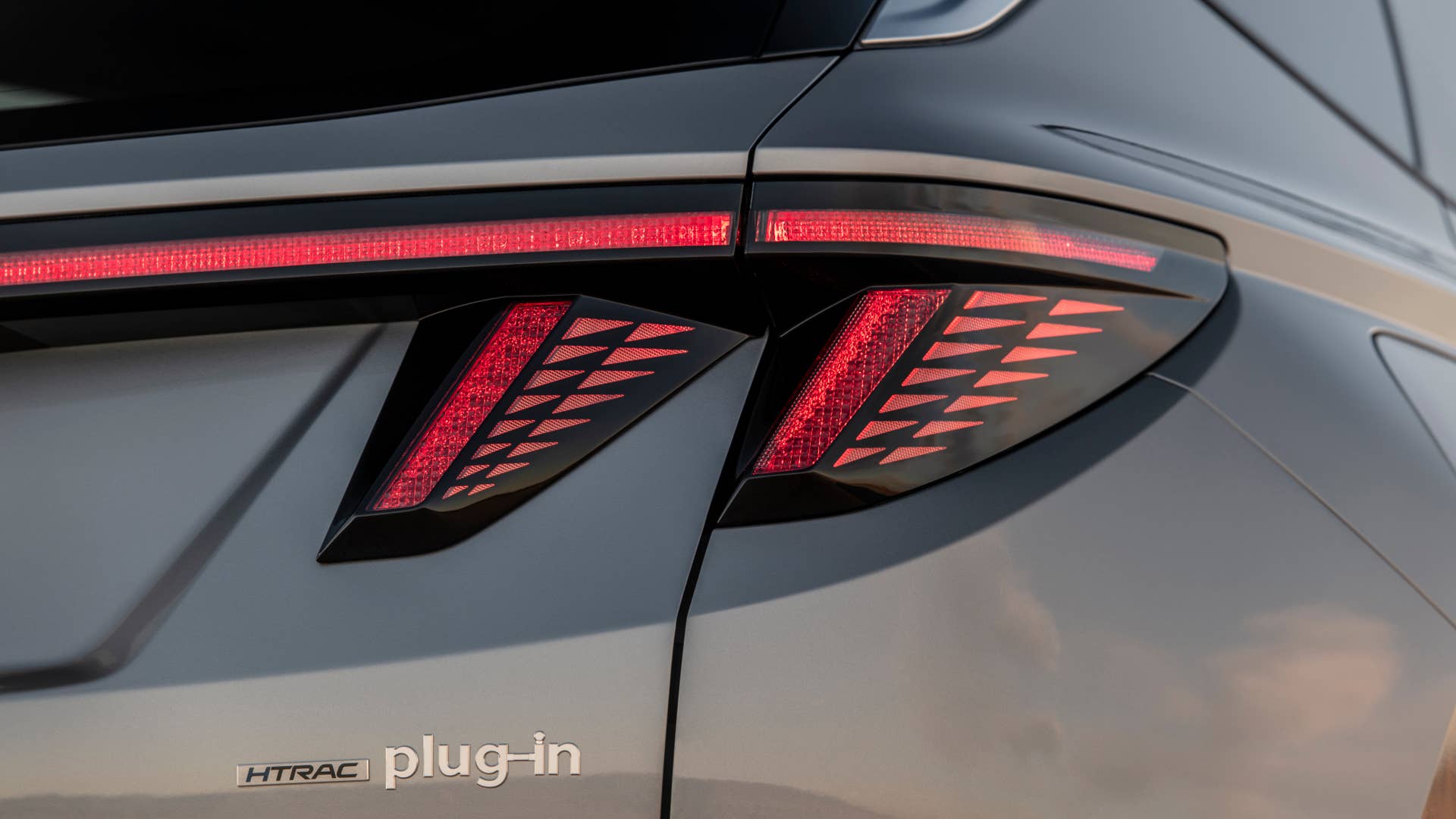
The Tucson PHEV only comes in two trim levels: SEL and Limited. The base SEL model starts at $40,075, undercutting the current 2025 RAV4 PHEV’s price by several thousand. It includes heated front seats with cloth upholstery, a 12.3-inch touchscreen display, and wireless Apple CarPlay and Android Auto compatibility. The Limited model, from $48,300, rides on the edge of luxury, with leather-trimmed heated and ventilated front seats, heated rear seats, and a Bose premium audio system.
3. The RAV4 PHEV wins in performance and towing capacity
The 2026 Toyota RAV4 PHEV and Hyundai Tucson PHEV both offer impressive performance in their own right, but the former takes a decisive win. The RAV4 PHEV features a plug-in hybrid powertrain that consists of a 2.5-liter four-cylinder engine, several electric motors, and an eCVT. While Toyota doesn’t provide a combined torque figure, the upcoming RAV4 PHEV offers 324 horsepower.
Hyundai
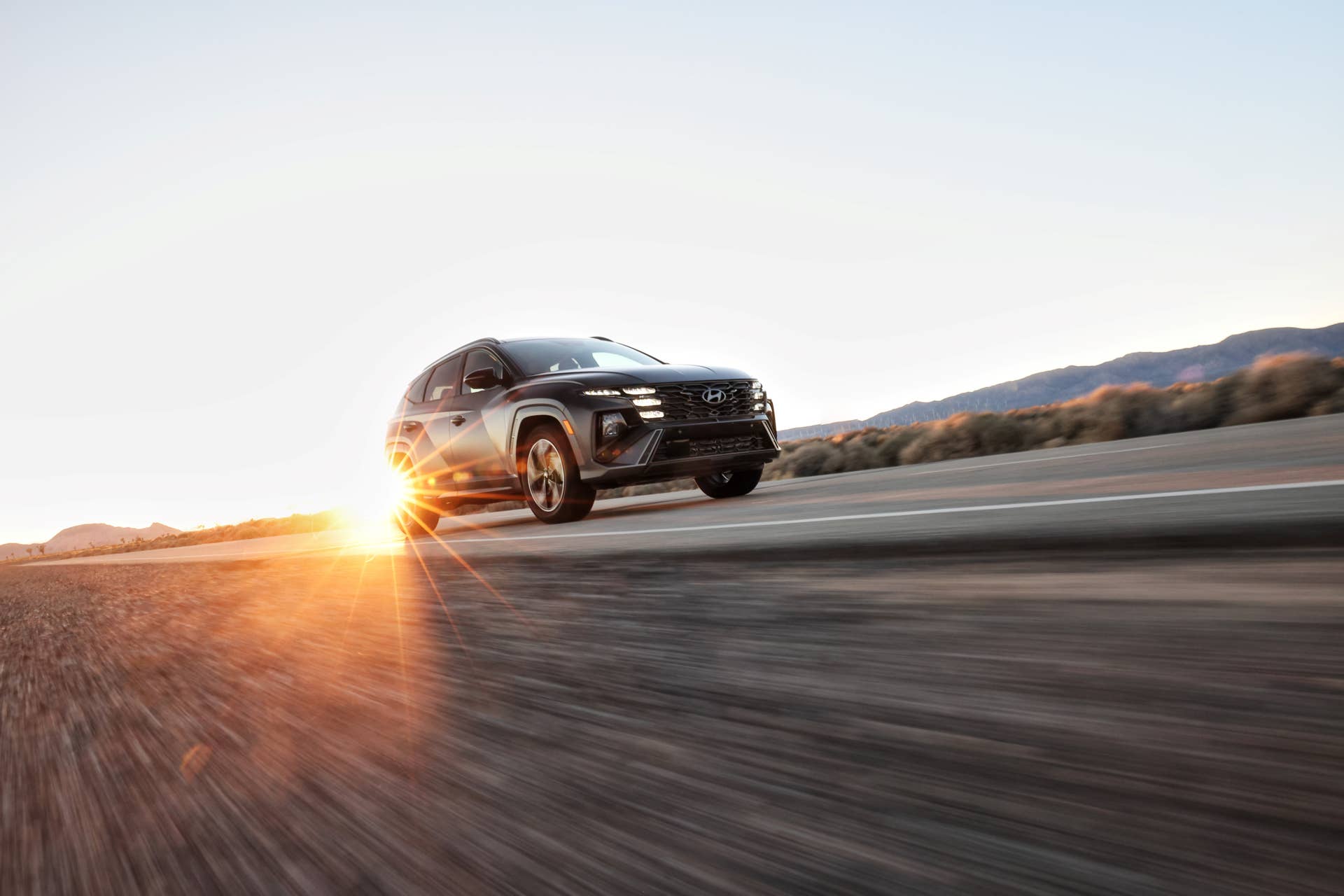
The Hyundai Tucson PHEV comes powered by a 1.6-liter turbocharged four-cylinder engine and an electric motor. Total output sits at a healthy 268 horsepower and 271 lb-ft of torque. Unlike in its Japanese rival, the Tucson PHEV features a six-speed automatic transmission. All-wheel drive comes standard in both crossovers.
4. The RAV4 PHEV offers more cargo space, Tucson PHEV features more passenger space
The Hyundai Tucson PHEV features a 108.5-inch wheelbase, putting it a few inches ahead of the RAV4 PHEV’s 105.9 inches. While it may seem minor, that advantage gives the Korean crossover 105.9 cu ft. of passenger space, resulting in more front and rear headroom and legroom. For comparison, the RAV4 PHEV offers passengers up to 101.3 cu ft. of space.
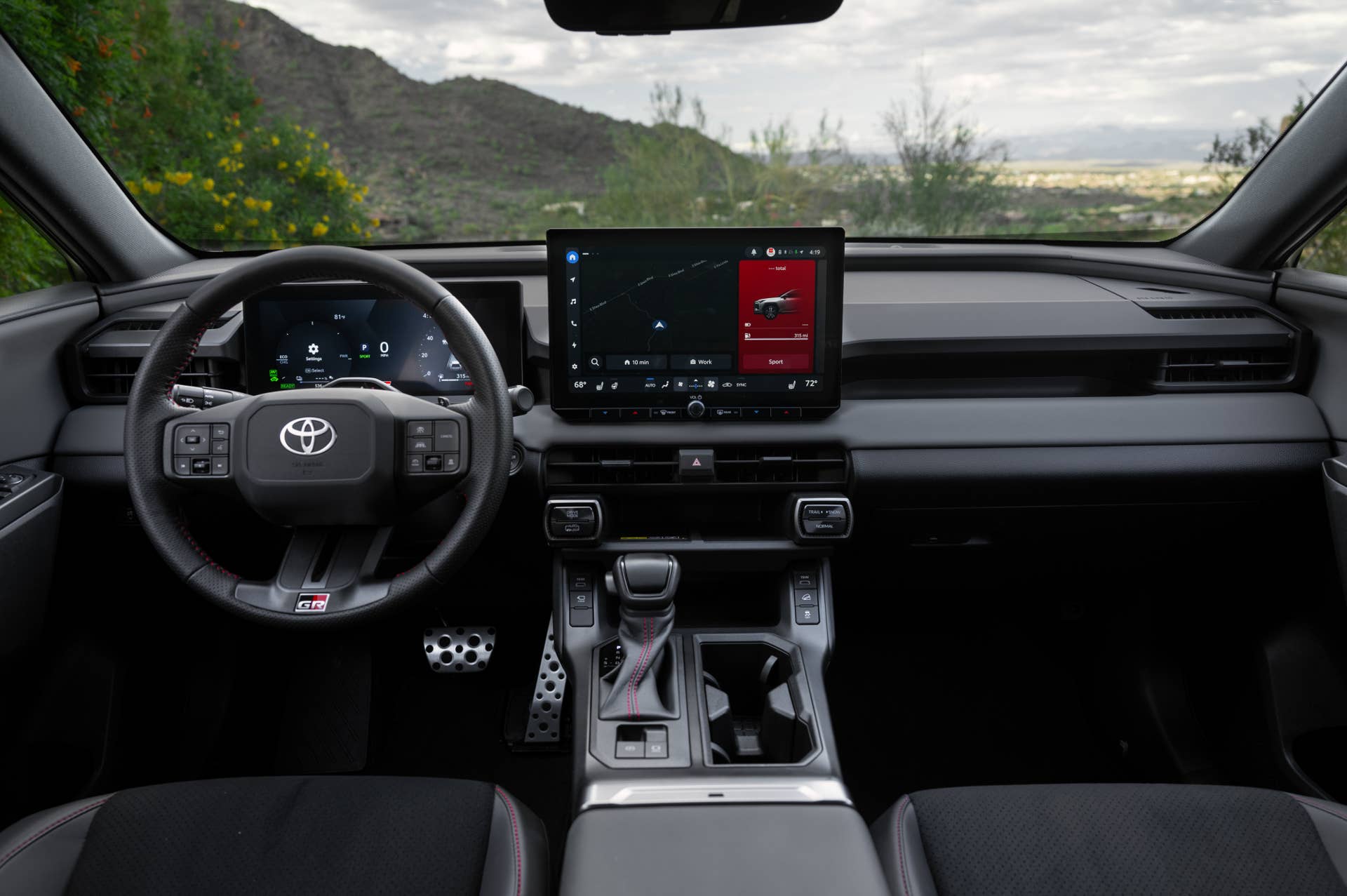
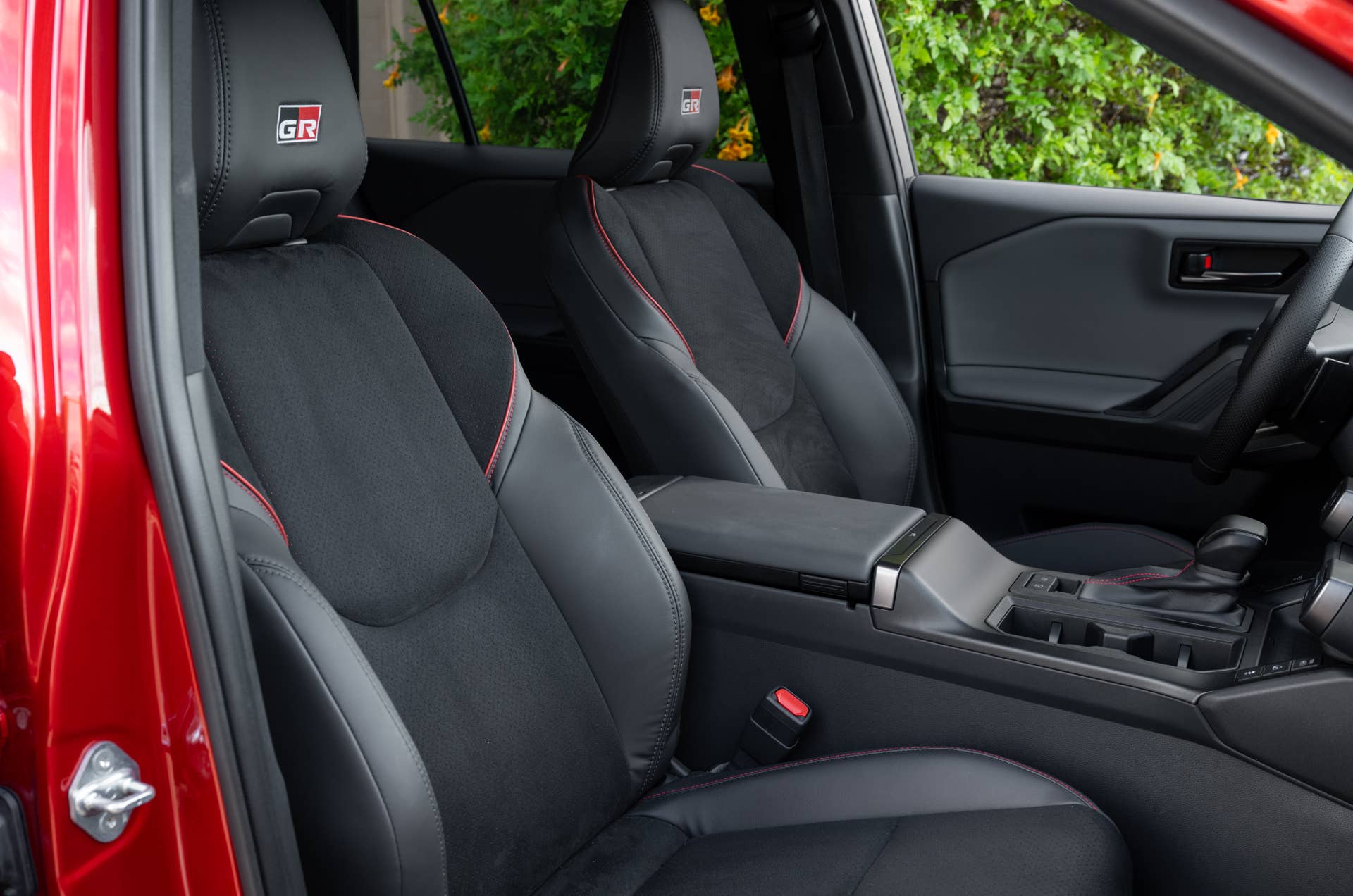
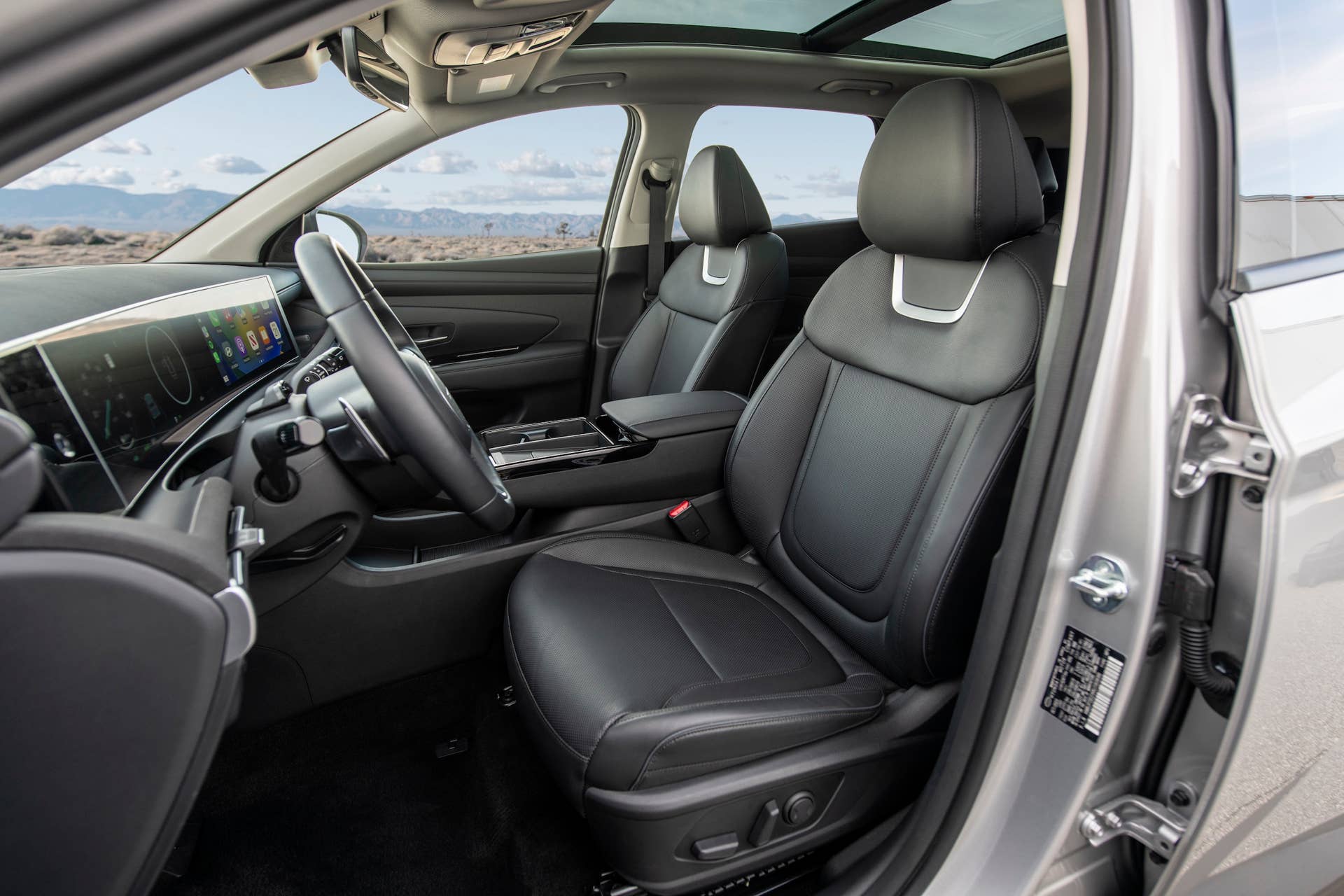
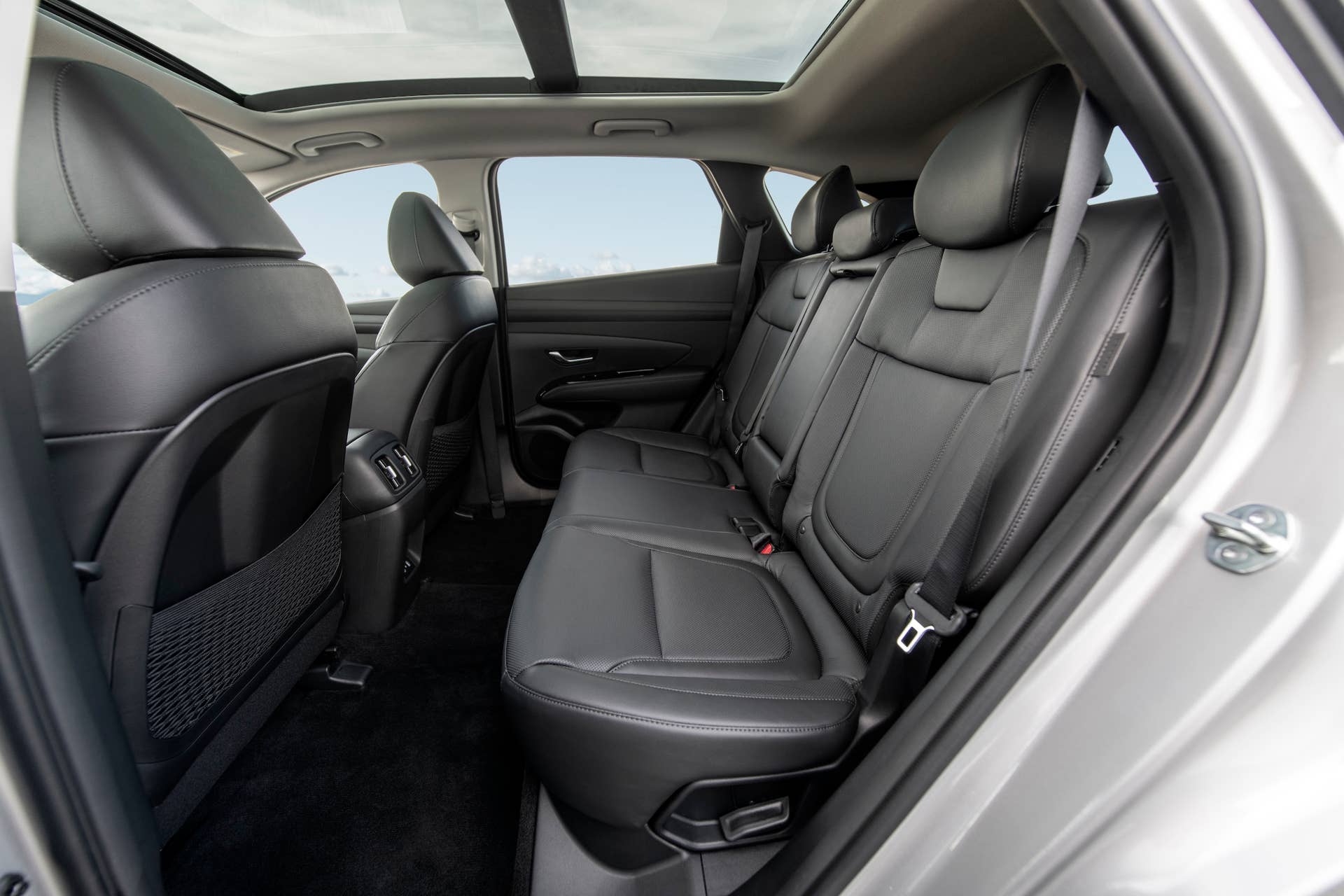
As far as cargo space goes, it’s a mixed bag. The RAV4 PHEV offers up to 33.6 cu ft. in its dedicated cargo area, topping the Tucson PHEV’s 31.9 cu ft. Folding the rear seats down puts the Korean crossover in the lead with 66.3 cu ft. of cargo space, topping the RAV4 PHEV’s 63.6 cu ft.
5. The RAV4 PHEV features a higher towing capacity
Towing capacity might not be the first metric that comes to mind when considering plug-in hybrid crossovers, but it’s another area where the RAV4 PHEV excels. Most 2026 models can tow up to 3,500 lbs. Note, however, that towing isn’t recommended for the GR Sport model. The Tucson PHEV can only tow up to 2,000 lbs. when properly equipped, although both trim levels are capable of towing.

Hyundai
Final thoughts
The 2026 Toyota RAV4 PHEV and Hyundai Tucson PHEV are both powerful and efficient crossovers, but the former proves to be the better pick in that regard. Overall, the Korean model wins in interior space, with more passenger and total cargo space than the RAV4 PHEV. If you plan on towing regularly, then the Toyota RAV4 PHEV might have an advantage. Make sure to test drive both models before you make a final decision.
About the author

Joseph Pudlewski
Contributing Writer, Autoblog