
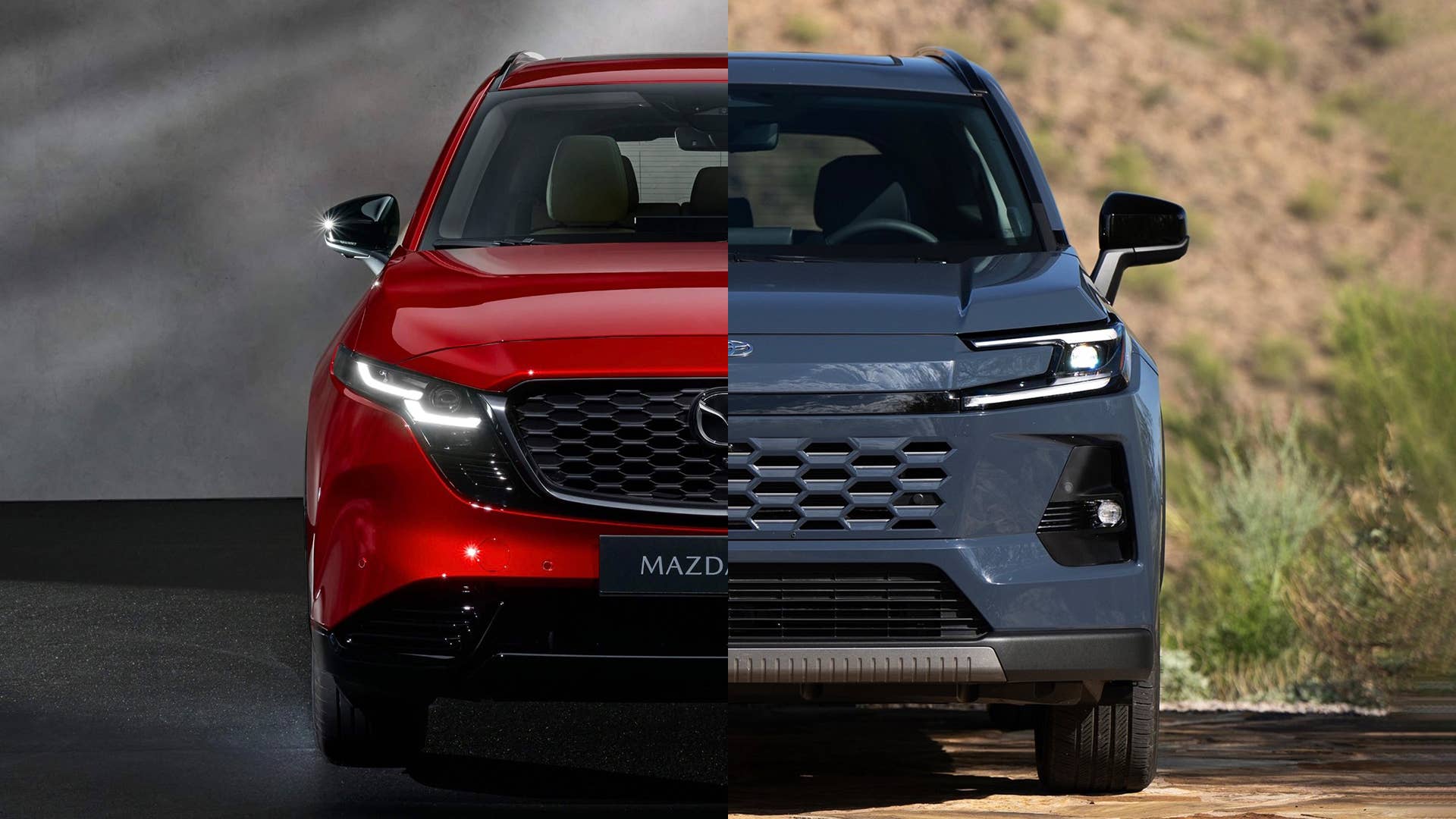
These Japanese crossovers keep things simple
Mazda has just released pricing for the all-new 2026 CX-5. The timing is perfect, as the 2026 Toyota RAV4, also an all-new generation, recently went on sale late last year. This gives us an opportunity to properly compare the value proposition of each crossover. For this comparison, we’re sticking to the base models, which are the CX-5 2.5 S and RAV4 LE. Automakers like Ford have seen high demand for base models recently, likely a response to rising car prices, which average at around $50,000 these days. So if you need a capable compact crossover without the frills and the high price, should you get the Mazda or Toyota?
How Much Do They Cost?
Mazda
Mazda
Mazda
Mazda
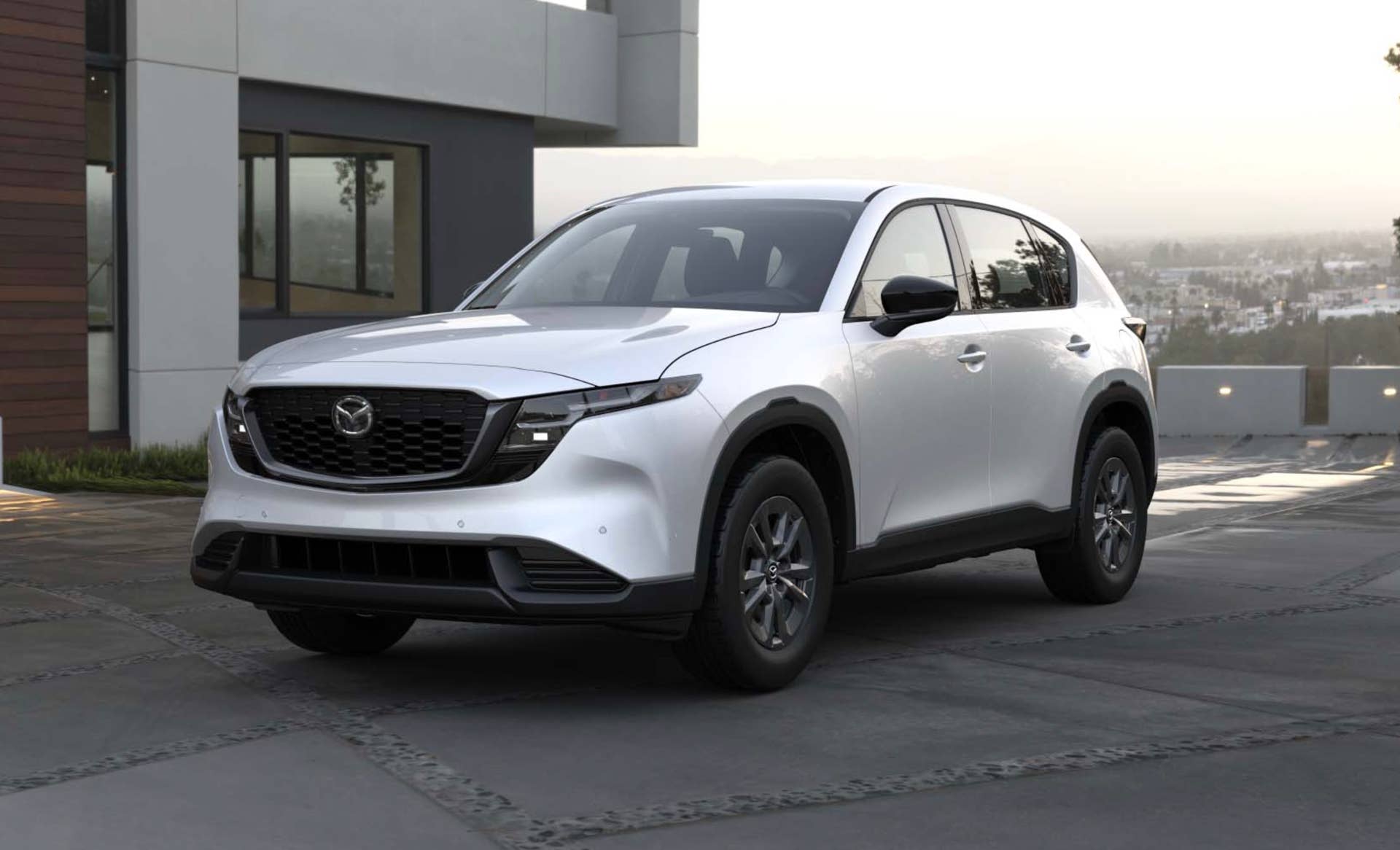
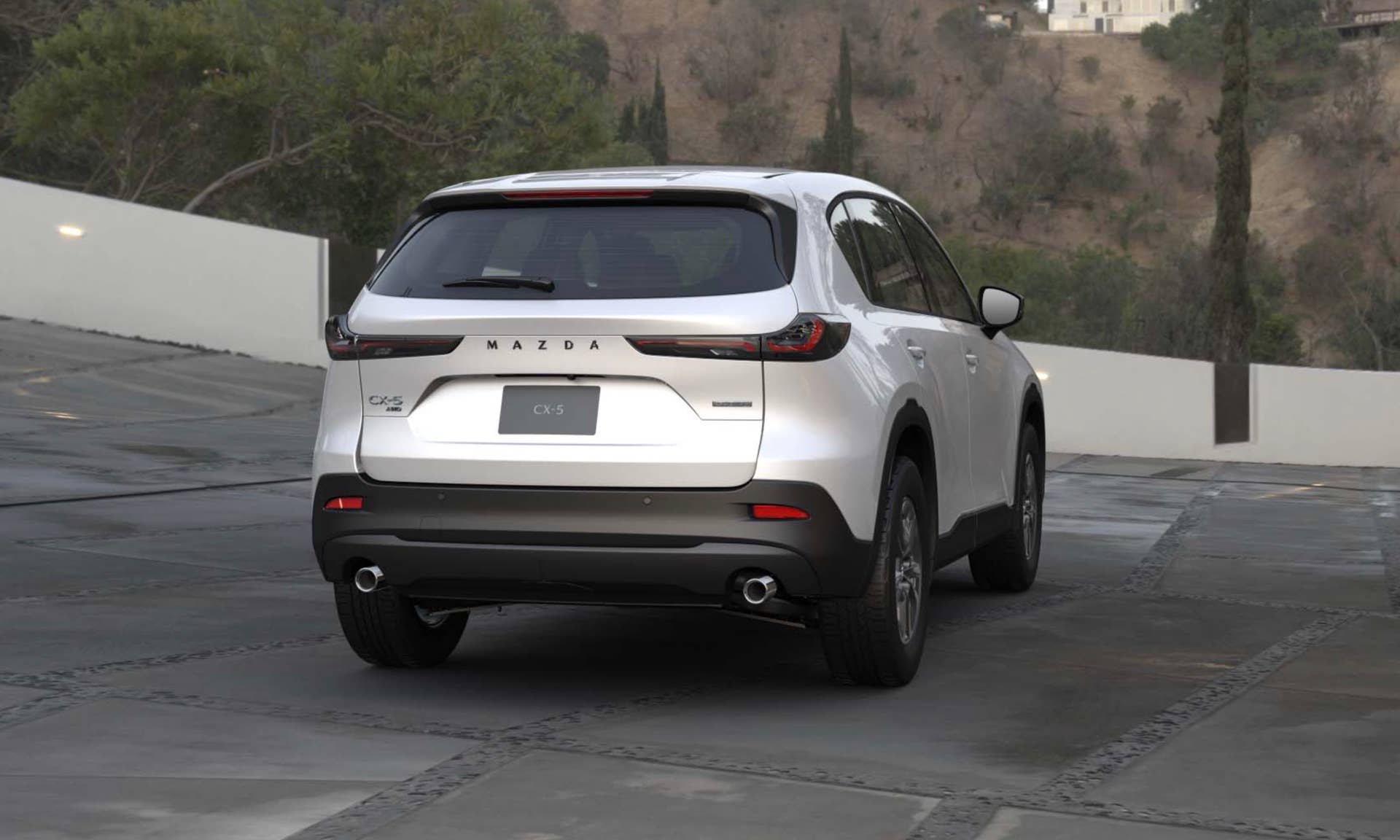
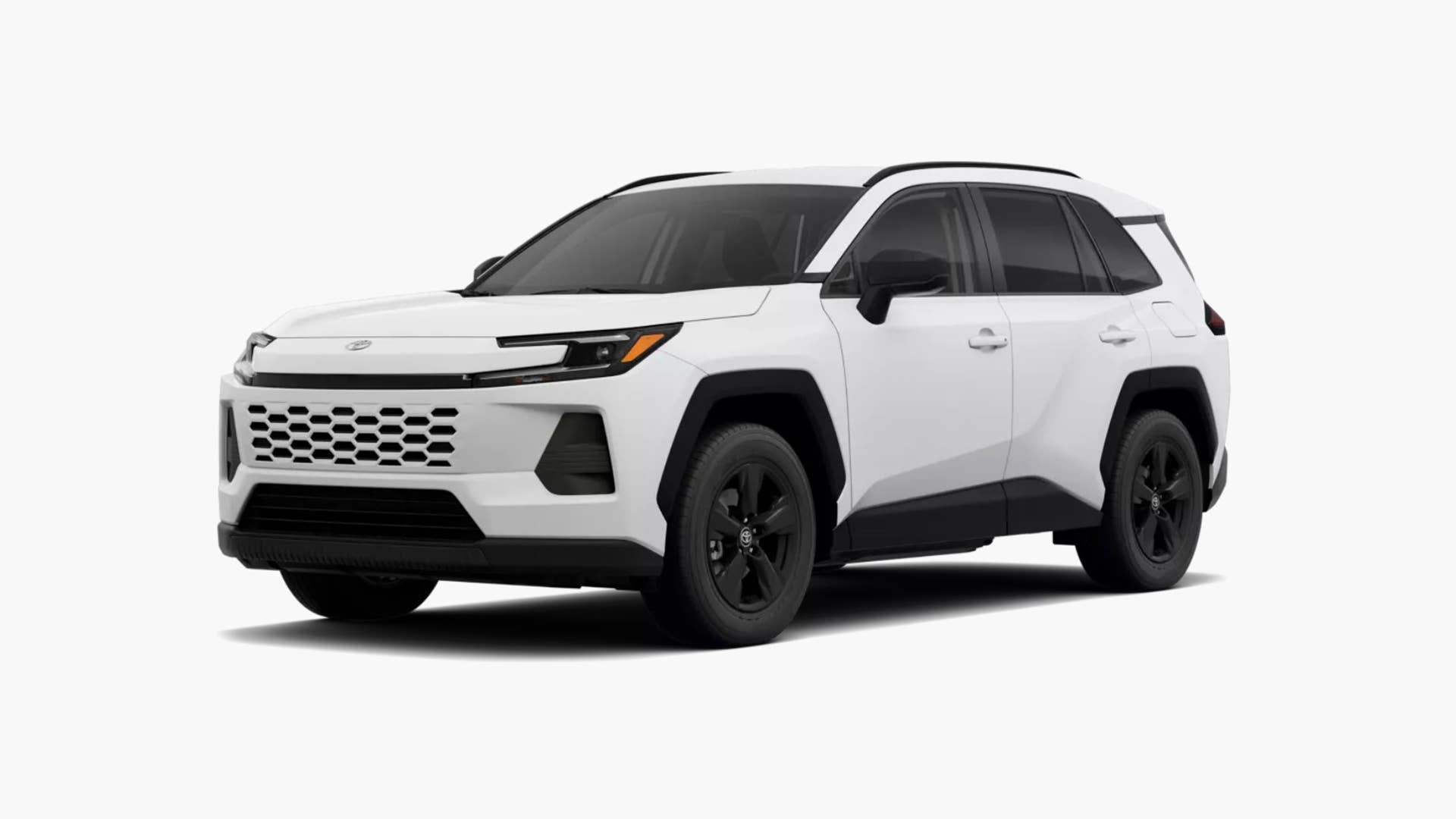
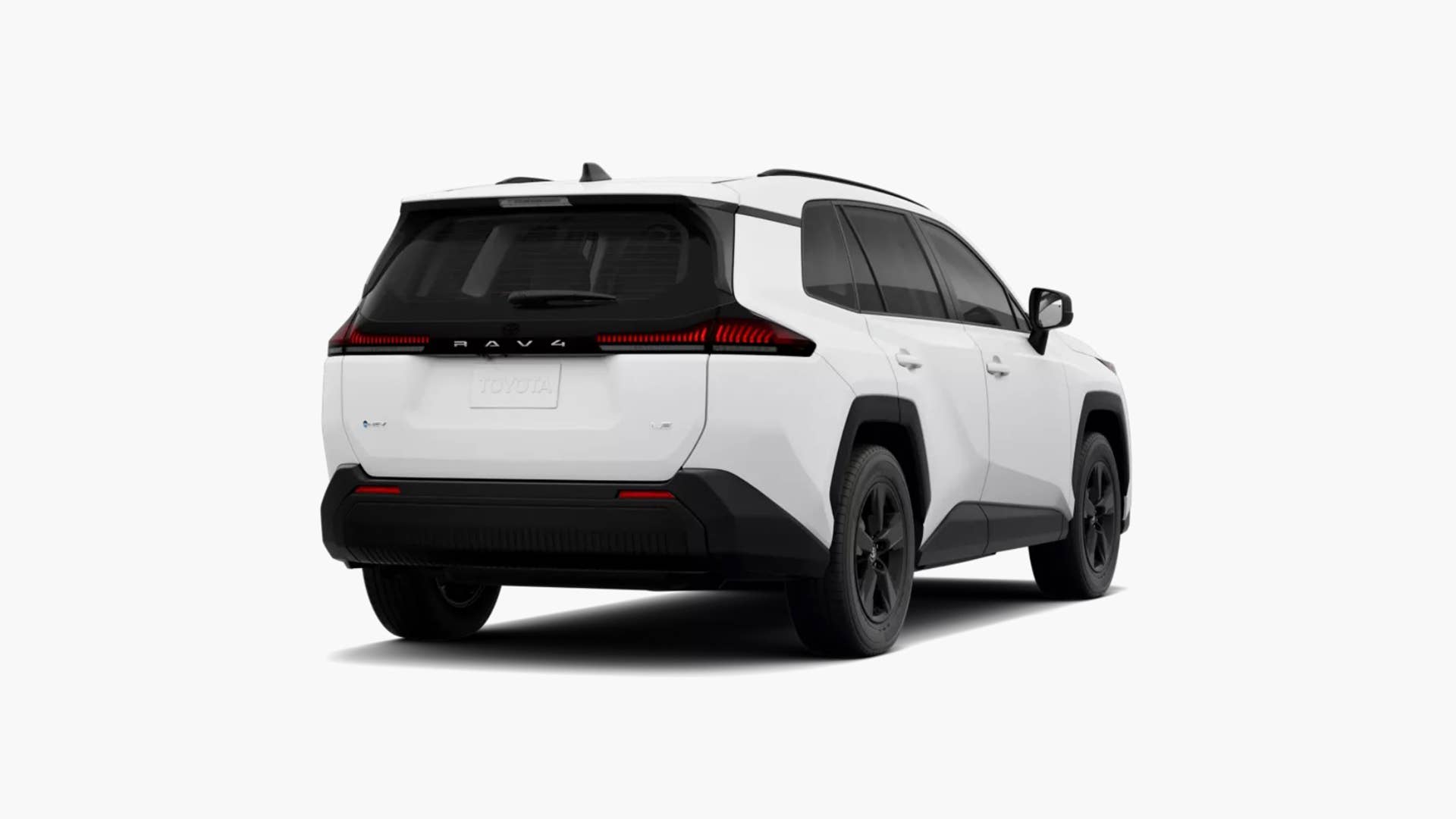
The base price of the 2026 Mazda CX-5 is $29,990, excluding a destination charge of $1,495. For the 2026 RAV4, the cheapest LE variant goes for $31,900, excluding a destination charge of $1,450. At first glance, the CX-5 looks like a better deal as it’s nearly $2,000 cheaper, but that doesn’t tell the full story.
Let’s take a closer look at powertrains and specifications.
Performance and Efficiency
Mazda
The 2026 CX-5 gets a 2.5-liter four-cylinder naturally aspirated engine as standard, and it produces 187 horsepower and 186 lb-ft of torque. All-wheel drive and a six-speed automatic transmission are standard.
Toyota has switched to an all-hybrid lineup for the new RAV4. It has a 2.5L four-cylinder engine and electric motors, and these combine for 226 hp with standard front-wheel drive. If you want AWD, that’ll cost another $1,400, and it also raises the output to 236 hp. If you need to tow, the Toyota wins, but not by a wide margin. The LE can tow 1,750 lbs, regardless of whether you choose FWD or AWD, while the Mazda can tow 1,500 lbs.

Toyota
Being a hybrid, the Toyota is easily more efficient. In LE guise, it gets up to 48/42/44 mpg city/highway/combined with FWD, or 45/39/42 mpg with AWD. The CX-5 gets 24/30 mpg city/highway—Mazda hasn’t indicated a combined figure just yet.
In this category, the Toyota comes out on top because it’s quicker, much more efficient, and can tow more. However, the CX-5 does get you an AWD compact crossover for significantly less.
Convenience and Safety Features
Mazda
Toyota
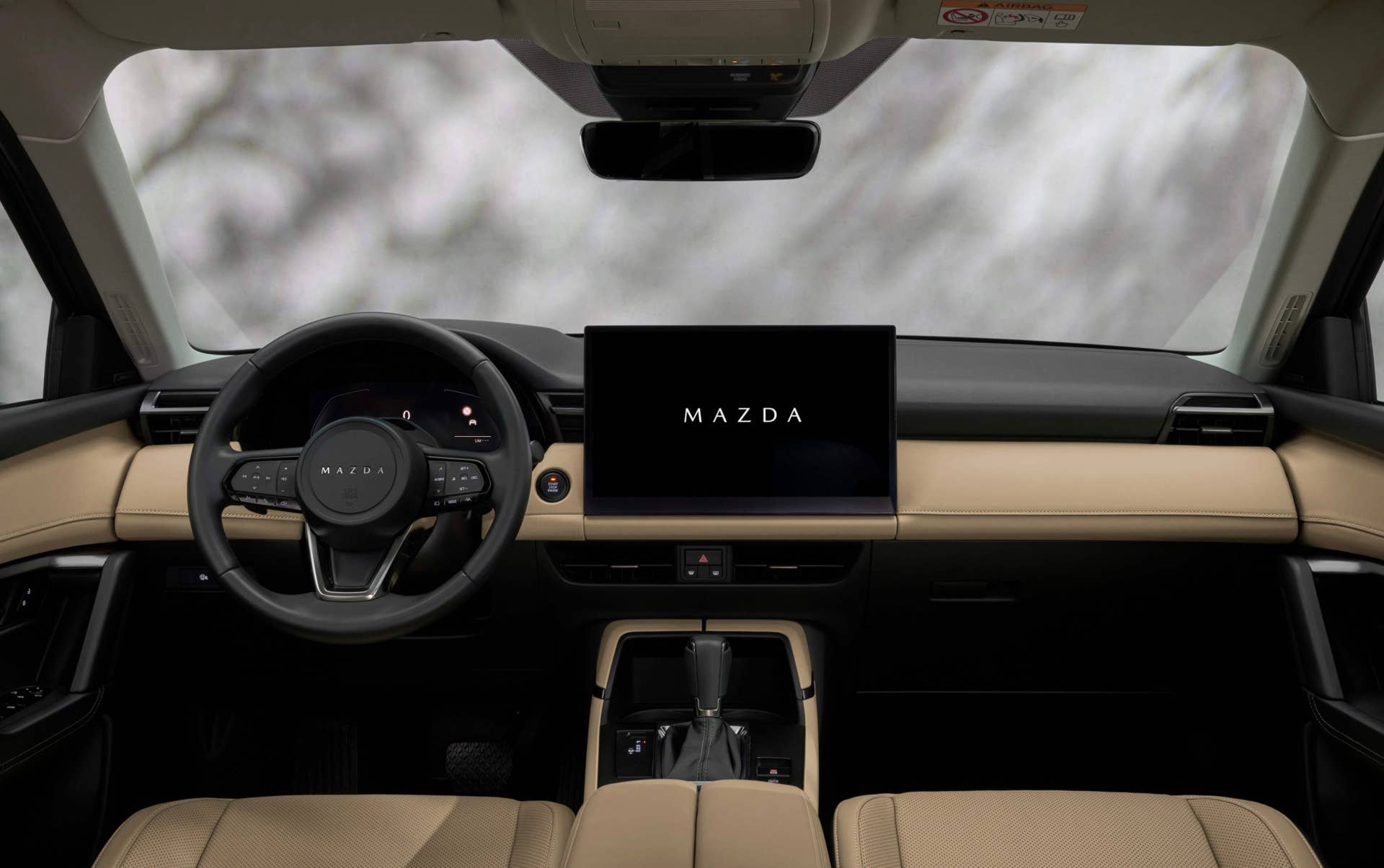
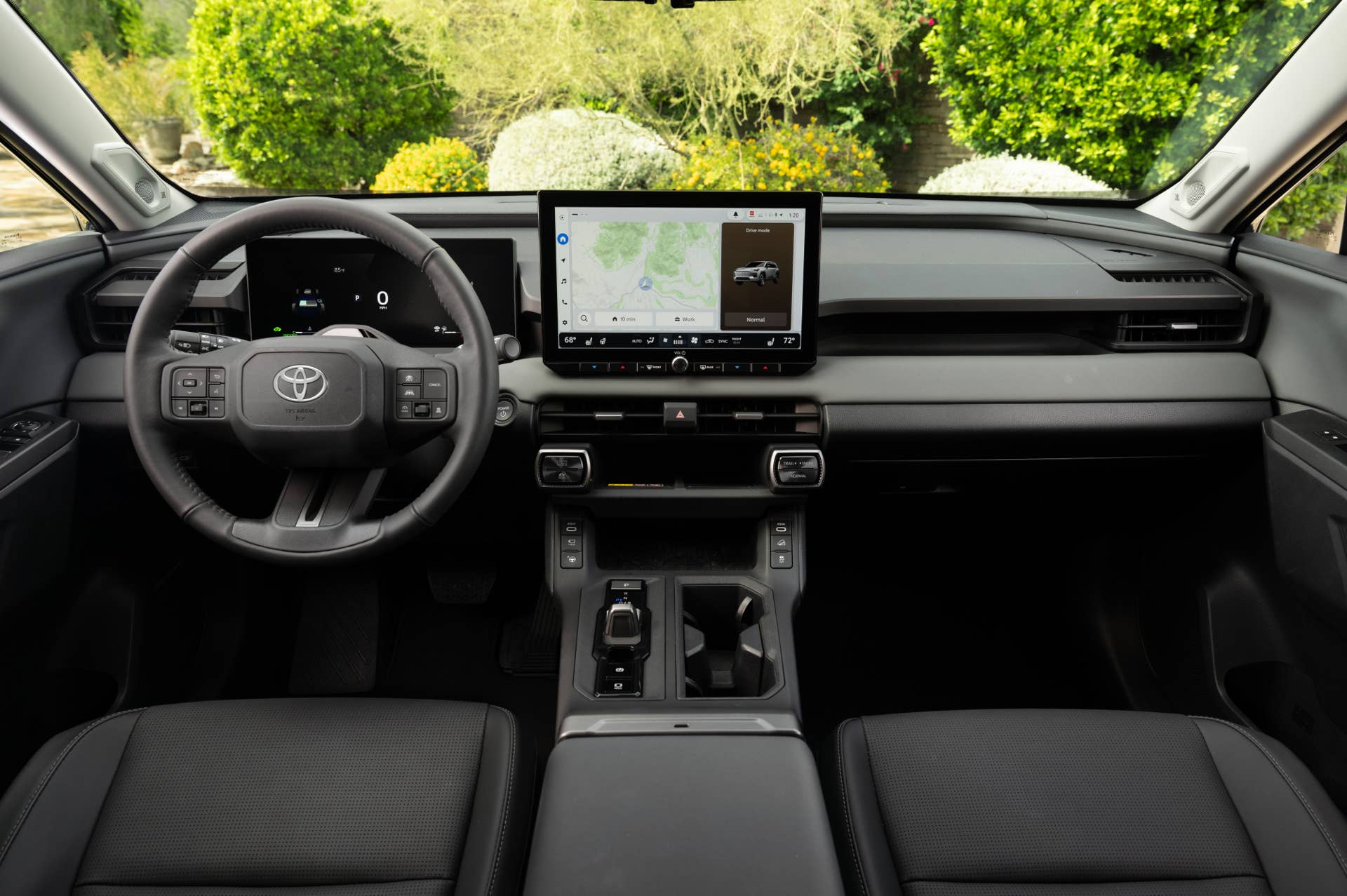
Being the base trims, the CX-5 2.5 S and RAV4 LE miss out on the best materials and technologies of upper trims, but all the essentials are accounted for. Do note that the interiors pictured above are not of the base models, so certain elements may be visually different.
Here’s a look at the standard and optional features of both models.
| Feature | CX-5 2.5 S | RAV4 LE |
| LED headlights | S | S |
| Wheels | 17-inch alloys | 17-inch alloys |
| Rain-sensing windshield wipers | S | N/A |
| Dual-zone automatic climate control | S | S |
| Cloth upholstery | S | S |
| Leather-trimmed shift knob and steering wheel | S | N/A |
| Touchscreen | 12.9 inches | 10.5 inches |
| Speakers | 8 | 6 |
| Apple CarPlay/Android Auto | Wired | Wireless |
| Front/rear parking sensors | S | N/A |
| Blind-spot monitoring | S | S |
| Adaptive cruise control | S | S |
| Lane departure warning | S | S |
| S = Standard; O = Optional; N/A = Not Available |
Despite its lower price, the Mazda has more speakers, a larger touchscreen, standard parking sensors, and rain-sensing windshield wipers. The Toyota has the convenience of wireless Apple CarPlay/Android Auto, but it lacks a smarter leather finish for the gear selector and steering wheel. The two vehicles are evenly matched in terms of safety equipment.
At a glance, the Mazda once again looks to have the more premium interior, but we’d have to spend some time behind the wheel of the CX-5 to say this definitively. The RAV4 relies less on touchscreen-based controls, though, which many drivers may prefer.
Space and Practicality
Mazda
Toyota
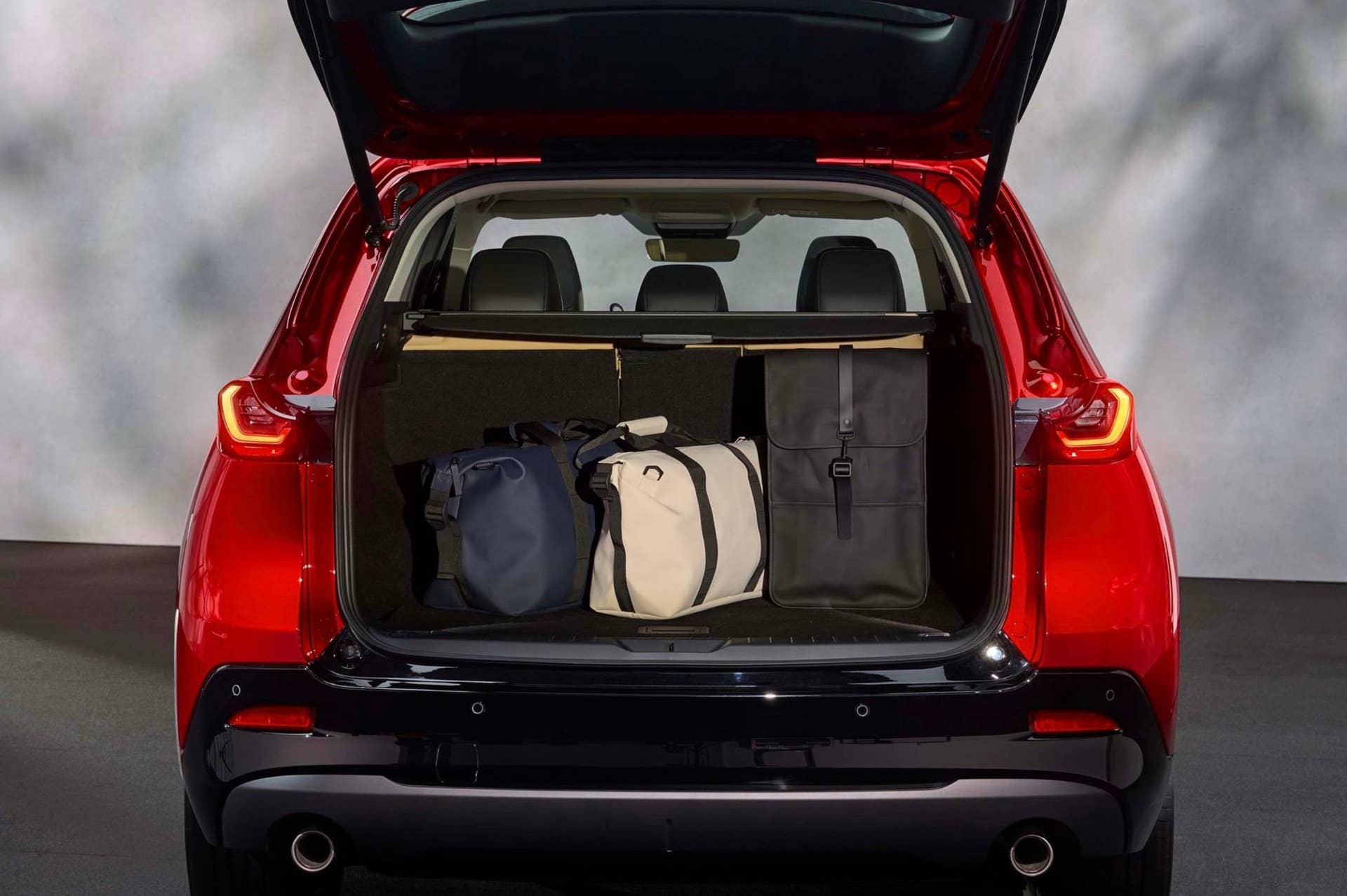
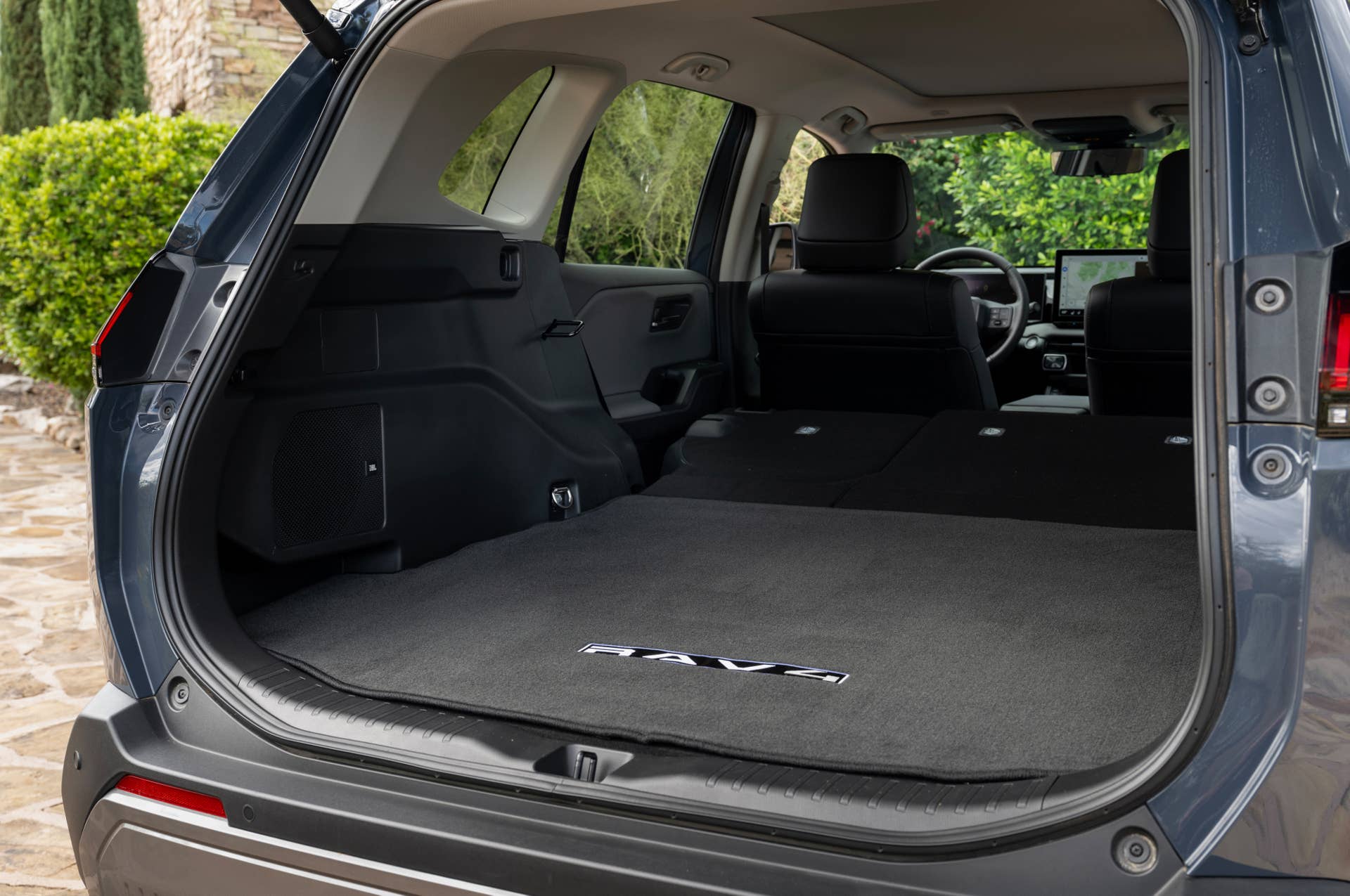
The new CX-5 and RAV4 are not a huge departure from their predecessors in size, so even taller adults should have no problem getting comfortable in either row of both vehicles. However, the Mazda does have more rear legroom, especially at the back (39.9 to 37.8 inches). It’s also better for three passengers at the back, with a bit more shoulder room than in the RAV4.
Cargo space in the Mazda is 33.7 cubic feet behind the second row to the RAV4’s 37.8 cubic feet. The Toyota also comes out on top when you fold the back seats down, which frees up 70.4 cubic feet to the CX-5’s 66.5 cubic feet.
Final Thoughts
This is a tough call. At base level, these two vehicles excel in different ways. The RAV4 is the clear winner in the powertrain department; it’s got a lot more power, uses less gas, and can tow more. But if you absolutely need AWD, it’s suddenly $3,310 more expensive than the CX-5. That’s despite the fact that the CX-5 generally has more standard features and tech, plus some nicer-looking materials. Whether that’s worth more than the RAV4’s fuel savings and extra power will all come down to individual preferences and how much driving you do.
Choose the Mazda if you value comfort, tech, a more premium vibe, and the lowest price. But if you want something more powerful and efficient, the RAV4 is easily worth the price premium.
About the author

Karl Furlong
Senior Editor, Autoblog