
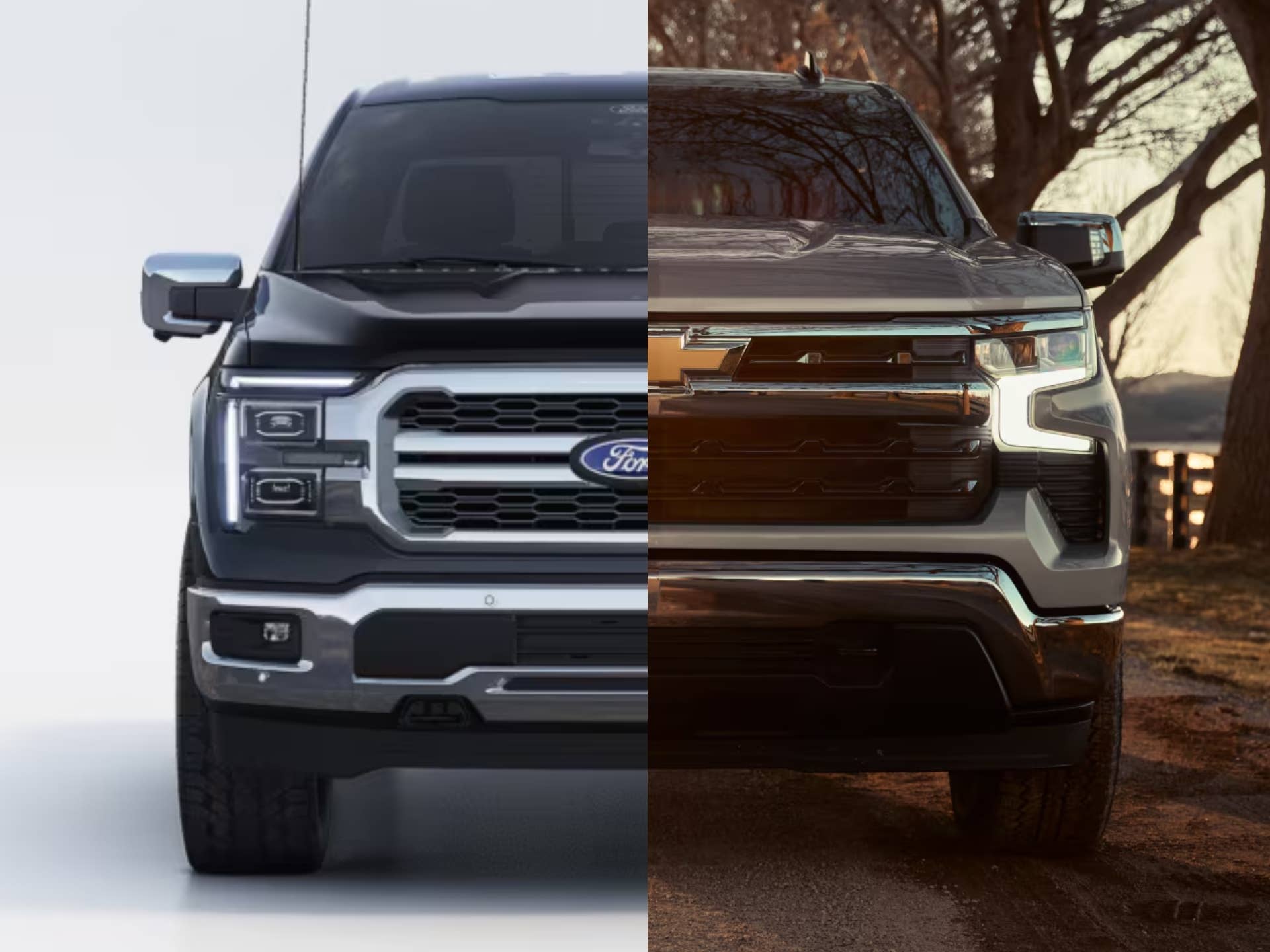
America’s best-selling pickup trucks have never been so competitive
For decades, full-size truck comparisons have been fiercely contested between the Ford F-150 and Chevy Silverado. Both trucks often serve double duty as family haulers and job site heroes, with each taking distinctly different approaches to conquering both roles.
The Ford F-150 continues its reign as America’s best-selling truck, while the Chevrolet Silverado 1500 pushes back with proven reliability and competitive pricing. But how do these pickup truck models compare when put head-to-head? Here are five major differences between the 2025 Ford F-150 and 2025 Chevrolet Silverado 1500 that could influence your next truck purchase.
1. Only Ford Offers Hybrid Technology
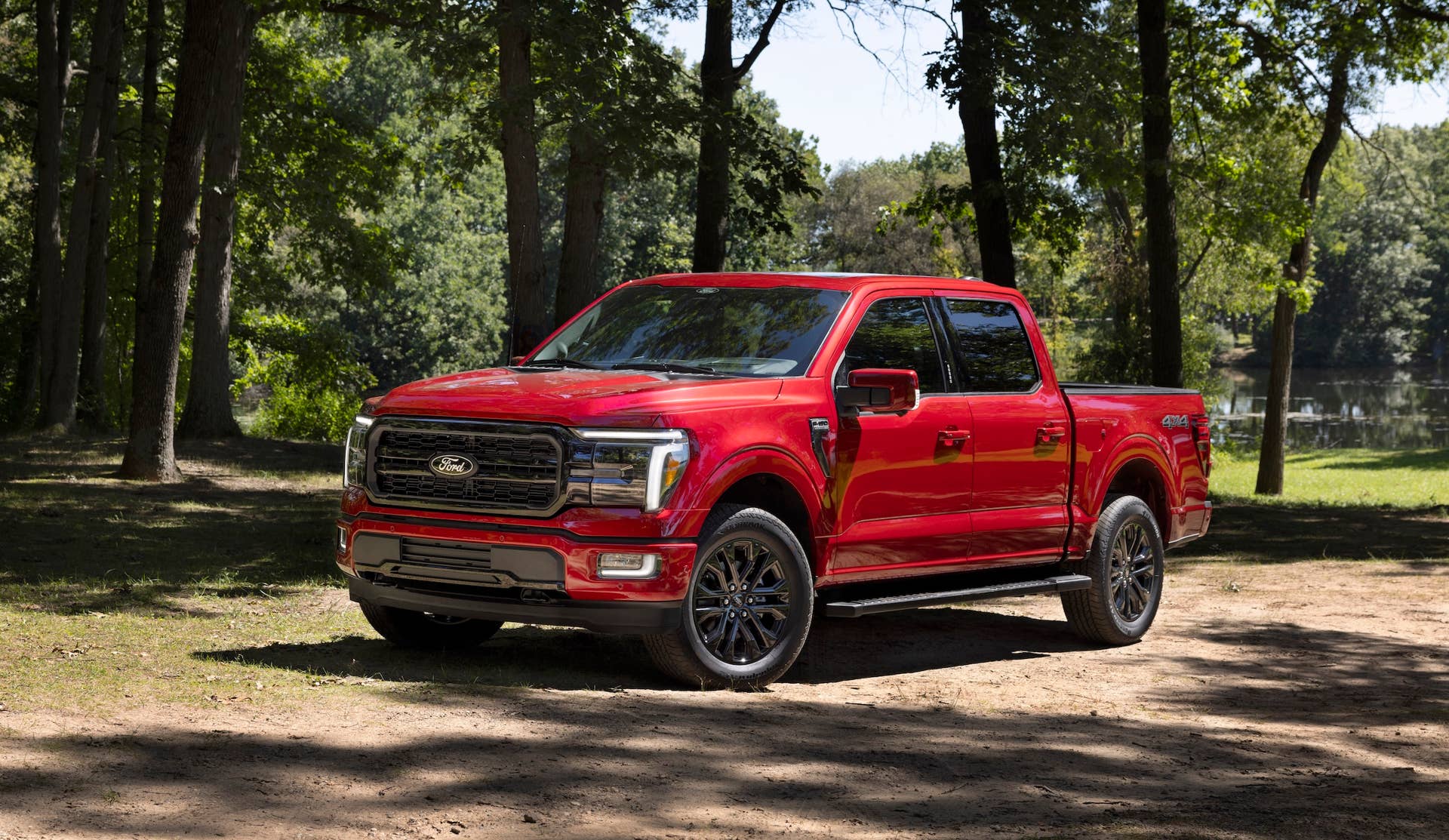
Ford
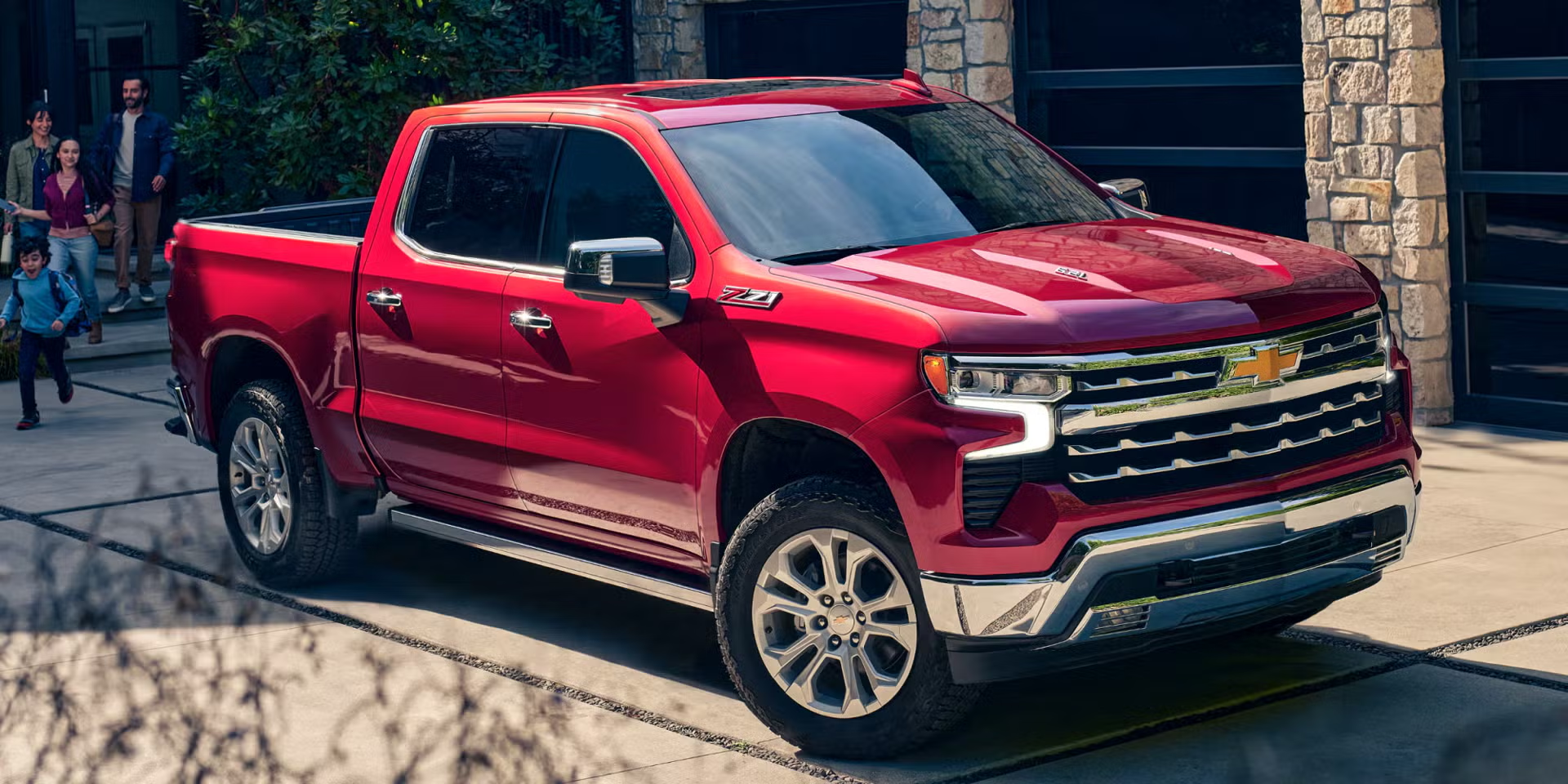
Chevrolet
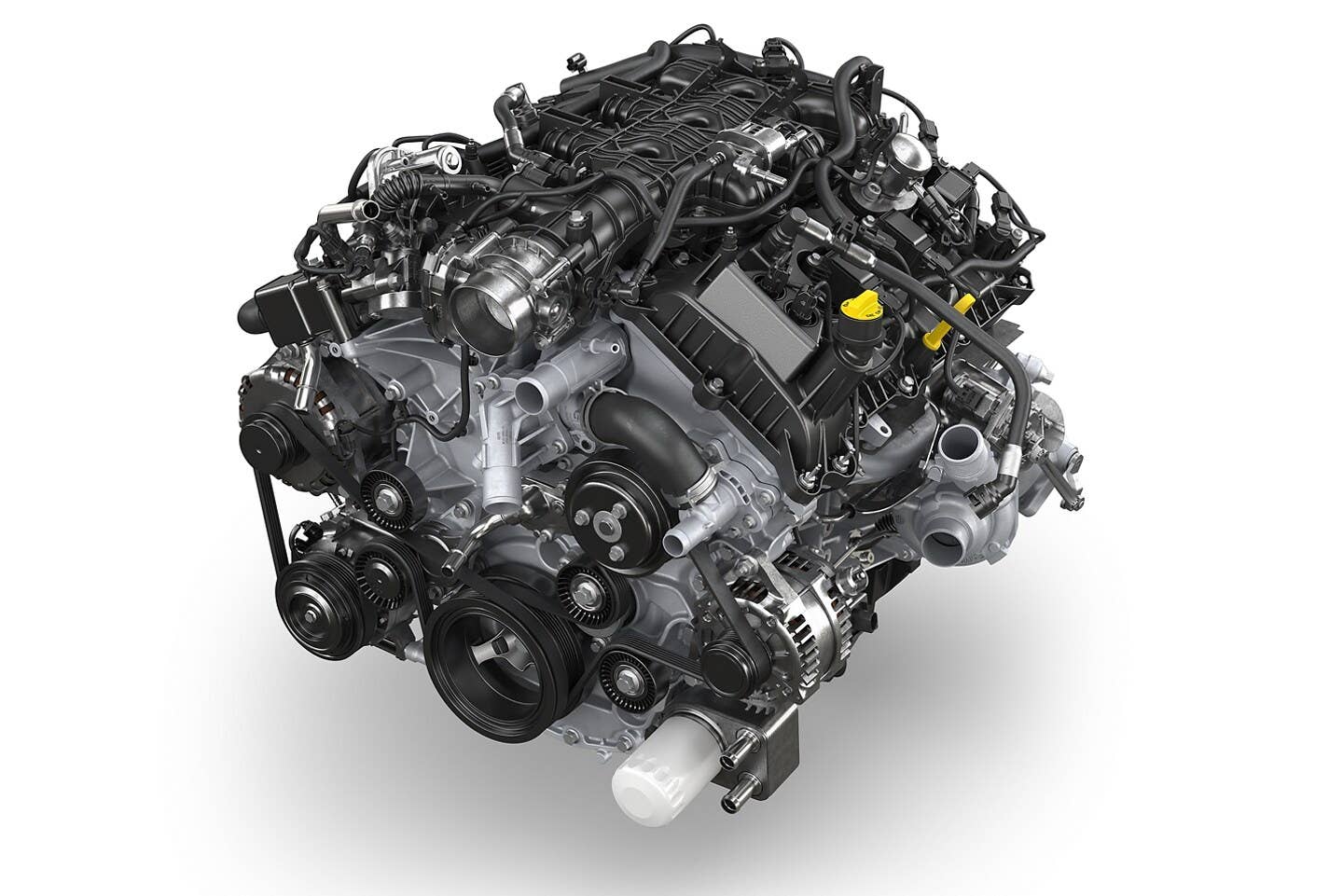
Ford’s hybrid technology is not just a token eco-friendly option either, it’s a legitimate workhorse. Ford’s PowerBoost hybrid system combines a 3.5-liter twin-turbo V6 with an electric motor to produce 430 horsepower and 570 lb-ft of torque, making it one of the most powerful engines in the F-150 lineup.
The hybrid F-150 also serves as a mobile power station with its Pro Power onboard system capable of generating up to 7.2 kW of electricity, enough for work or camping. This feature alone sets the F-150 apart from any competitor and transforms the pickup truck into a legitimate work tool.
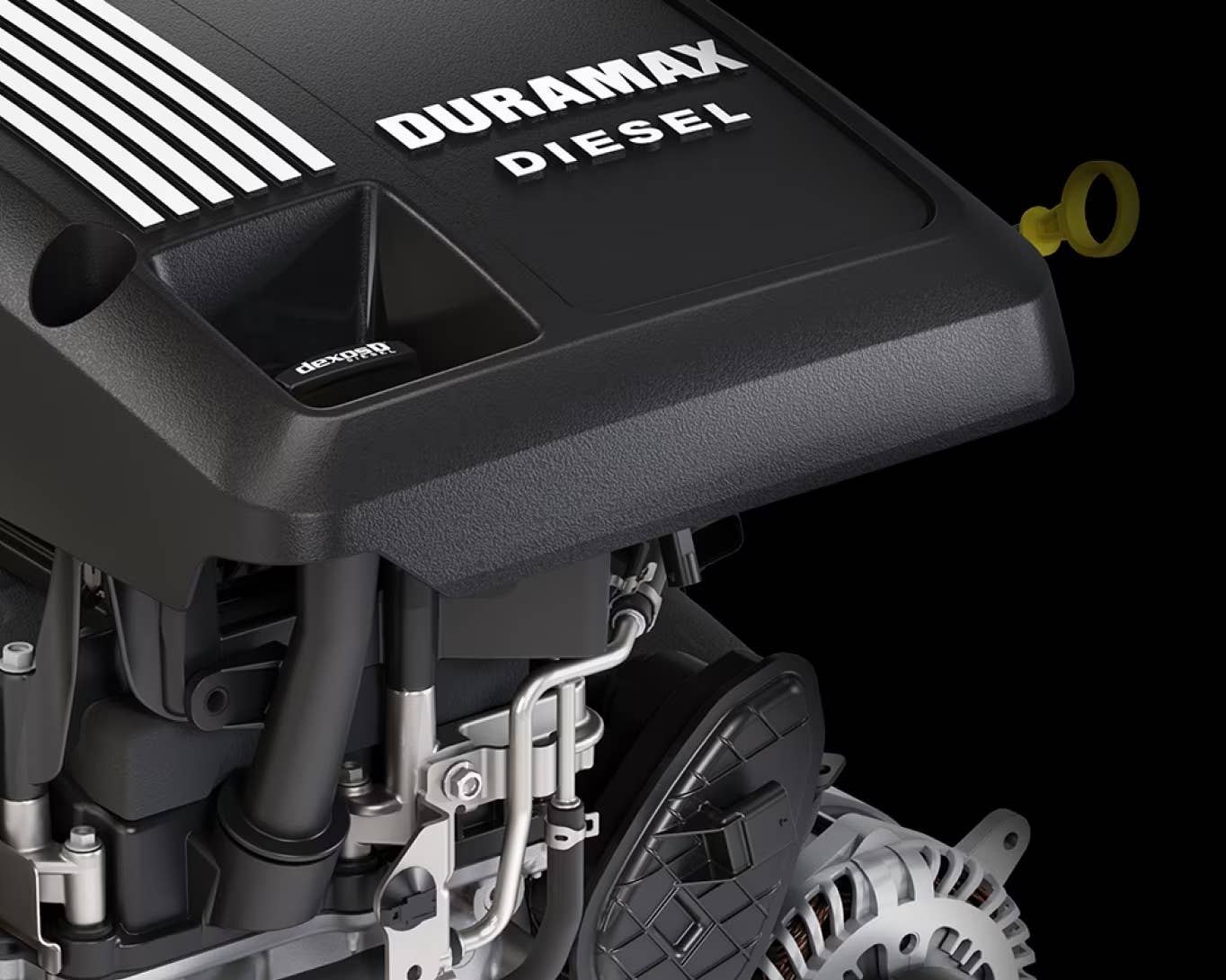
The Chevrolet Silverado 1500, meanwhile, sticks to traditional powertrains. While Chevy offers a 3.0-liter Duramax diesel that delivers excellent fuel economy for a truck, it lacks the instant torque and power generation capabilities of Ford’s hybrid system.
2. Chevrolet Offers More Engine Options, Better Economy
Ford
Chevrolet
The Silverado 1500 offers four distinct powertrain options, each targeting different pickup truck buyer priorities.
The base Silverado starts with a 2.7-liter turbocharged four-cylinder producing 310 horsepower and 348 lb-ft of torque. This engine provides surprising capability for its size and delivers competitive fuel economy. Step up to the 5.3-liter V8, and you get 355 horsepower and 383 lb-ft of torque with the traditional V8 soundtrack. The range-topping 6.2-liter V8 produces 420 horsepower and 460 lb-ft, competing directly with Ford’s most powerful non-Raptor engines.
However, the real standout of the Silverado lineup is the 3.0-liter Duramax turbo-diesel inline-six, producing 277 horsepower and 460 lb-ft of torque. This diesel engine delivers the Silverado’s maximum towing capacity while still achieving up to 28 mpg highway, and outperforming Ford’s hybrid efficiency claims in the process.
Ford’s engine approach is more modern. The F-150 lineup centers around EcoBoost turbocharged engines, with the base 2.7-liter turbo V6 producing 325 horsepower and 400 lb-ft. The 3.5-liter EcoBoost V6 delivers 400 horsepower and 500 lb-ft, while the previously mentioned hybrid tops the regular lineup.
The Ford approach prioritizes efficiency and power, while Chevrolet offers something for everyone, including truck buyers who still prefer traditional V8 engines.
3. The Ford F-150 Can Tow More
Ford
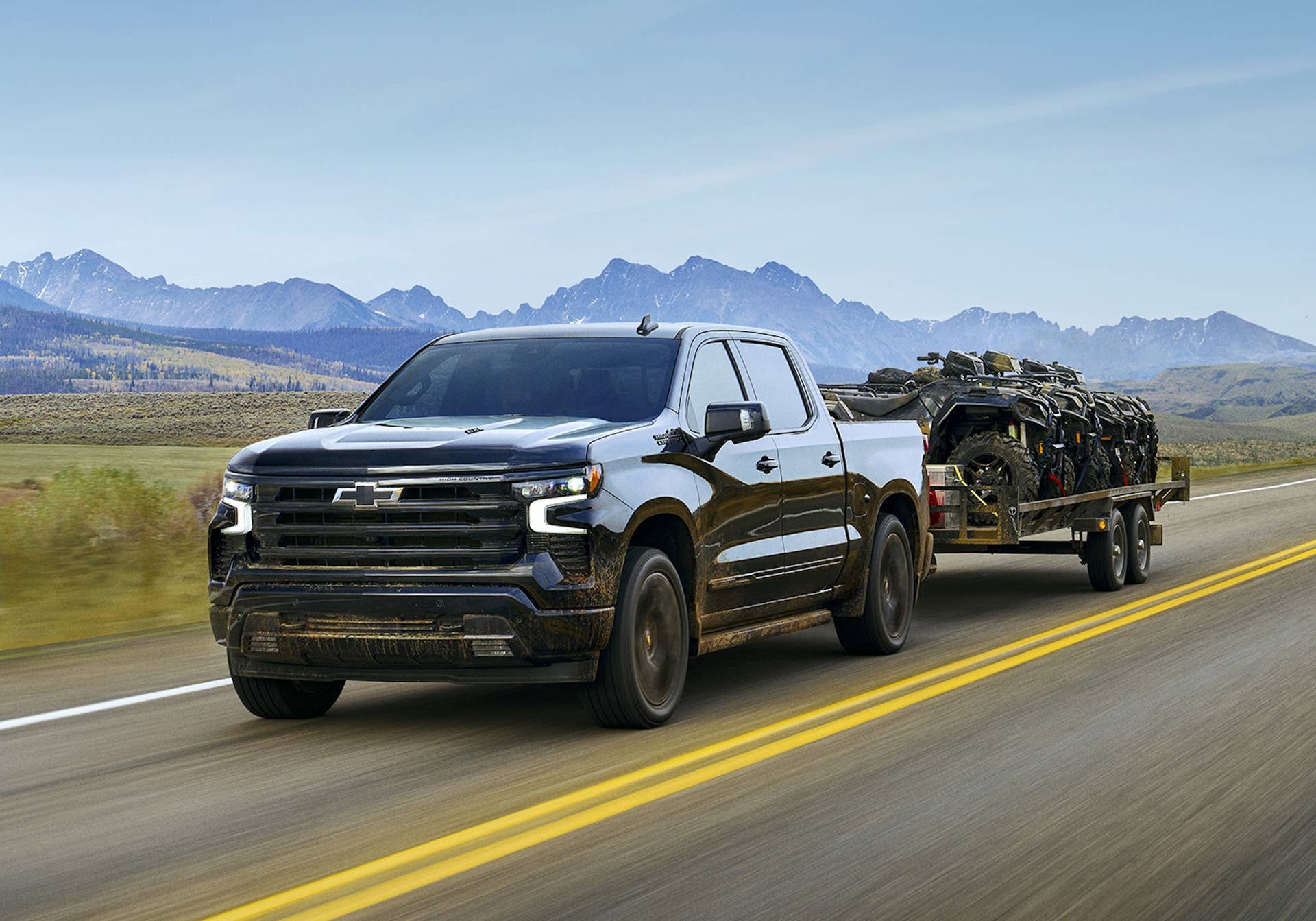
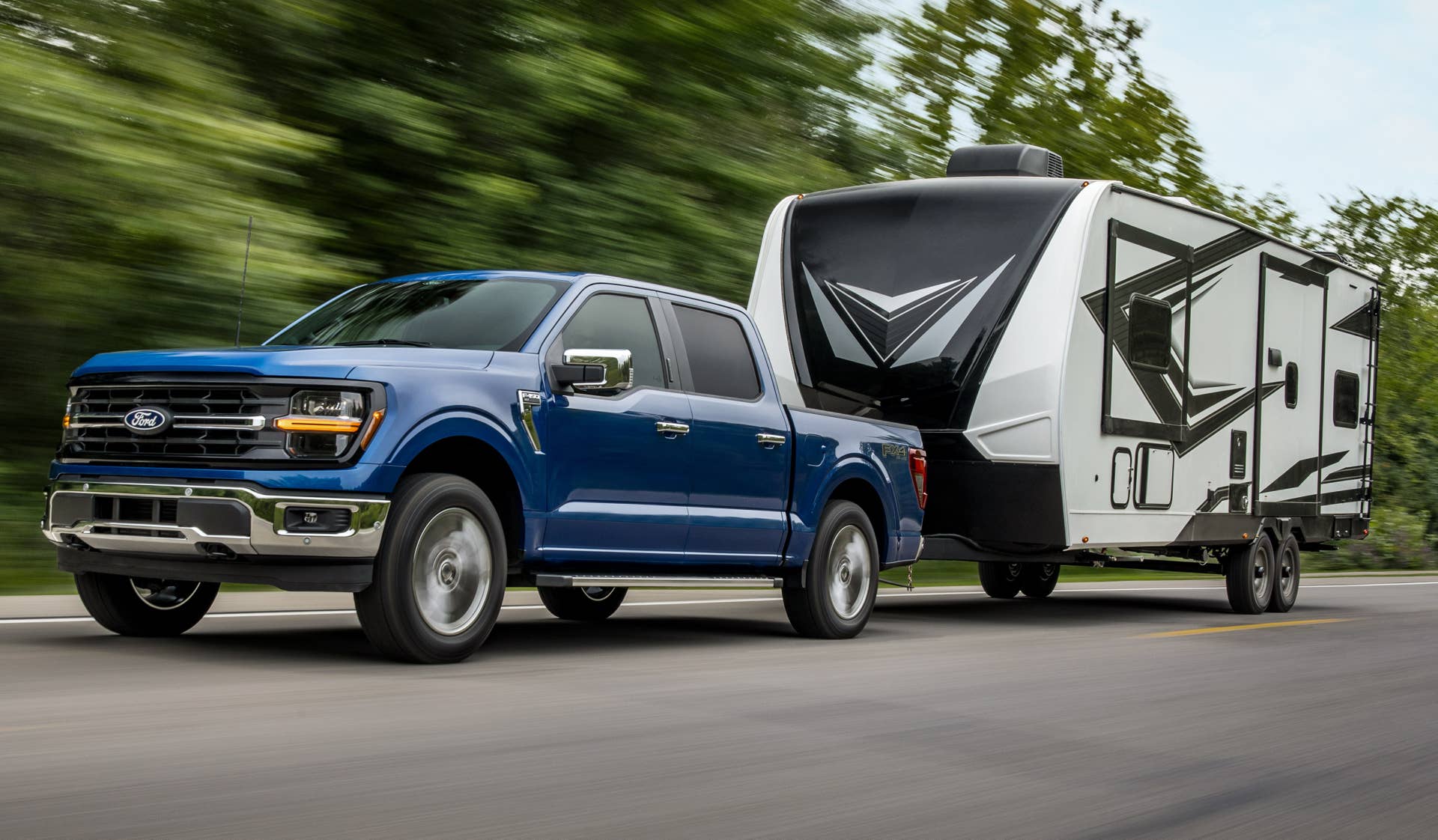
When it comes to raw numbers, the Ford F-150 edges out the Silverado in key capability metrics. The F-150’s maximum towing capacity reaches 13,500 pounds when equipped with the 3.5-liter EcoBoost and proper equipment, compared to the Silverado’s 13,300-pound maximum with the Duramax diesel.
Ford also leads in maximum payload capacity at 2,445 pounds versus the Silverado’s 2,260 pounds. The F-150’s available onboard scales are a nifty feature to make sure you don’t go over payload.
4. Silverado Offers Better Value and Proven Reliability
Chevrolet
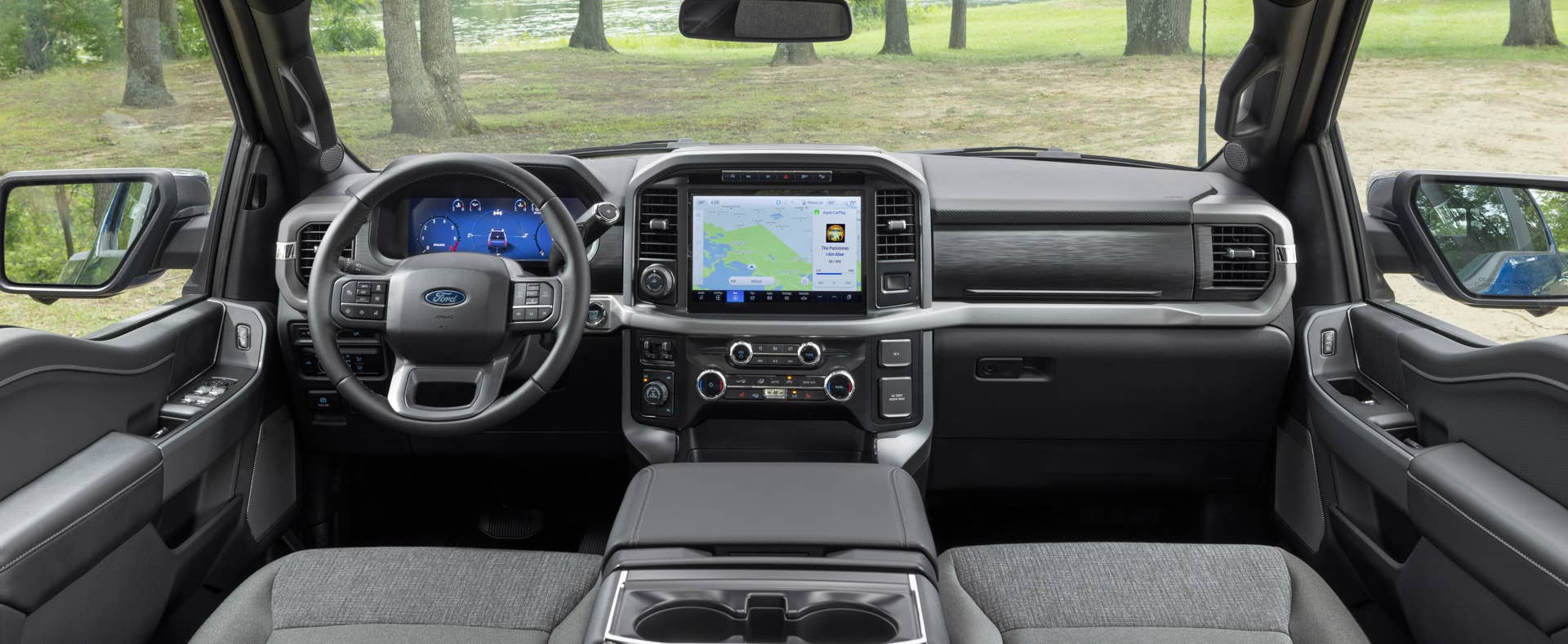
Ford
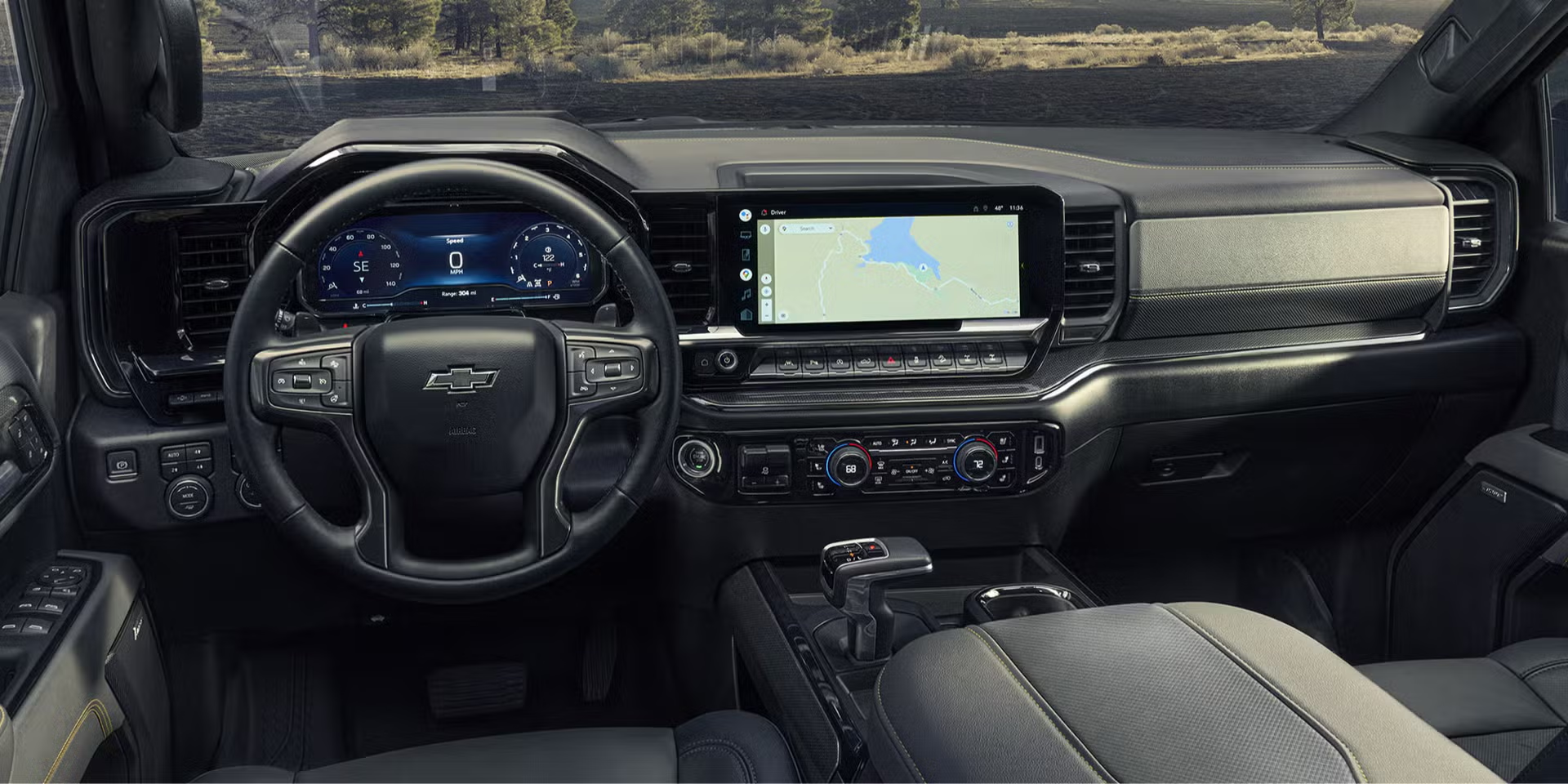
Chevrolet maintains advantages in pricing and reliability, at least in terms of reputation. The Silverado 1500 Regular Cab starts at approximately $37,845, while the F-150 Regular Cab begins around $39,645. The difference becomes more pronounced in crew cab configurations, where the Silverado often undercuts Ford pricing by around $1,000-$3,000, depending on trim level. Chevrolet also includes more standard equipment at lower price points. Even base Work Truck Silverados include cruise control, while Ford reserves this feature for higher trims.
From a reliability standpoint, the Silverado benefits from more traditional engineering approaches. While Ford’s EcoBoost engines deliver impressive power and efficiency, they rely on complex turbocharging and direct injection systems that can be expensive to maintain. The Silverado’s naturally aspirated V8 engines, particularly the proven 5.3-liter, have decades of refinement and tend to require less maintenance over their lifespan.
5. The Ford Is Safer


Chevrolet
Safety represents a crucial differentiator between these trucks. The Ford F-150 consistently earns higher safety ratings from the National Highway Traffic Safety Administration (NHTSA), with most configurations receiving five-star overall ratings. The Silverado’s safety ratings vary more by configuration, with some variants receiving four-star overall ratings from NHTSA.
Final Thoughts
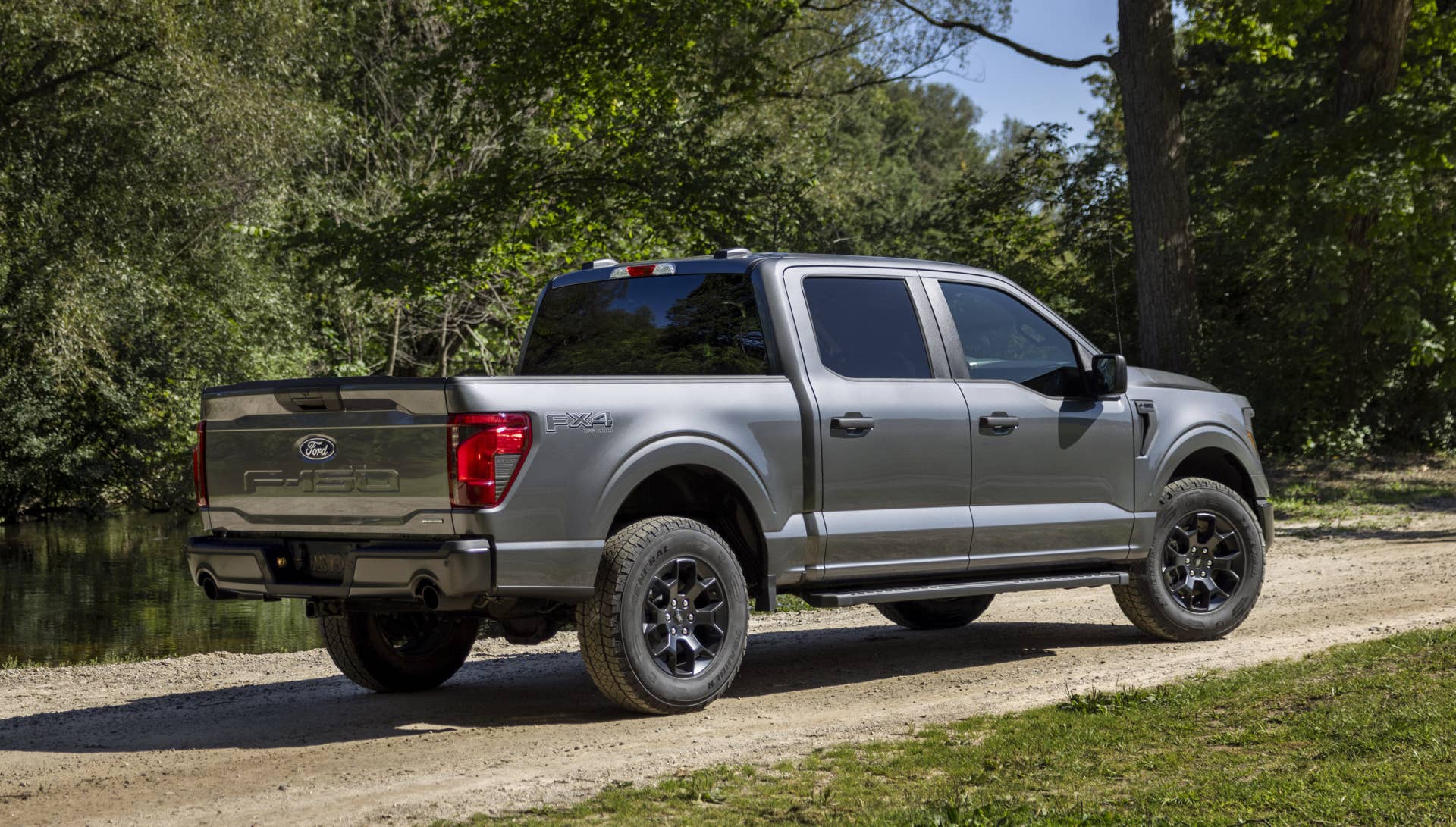
Ford
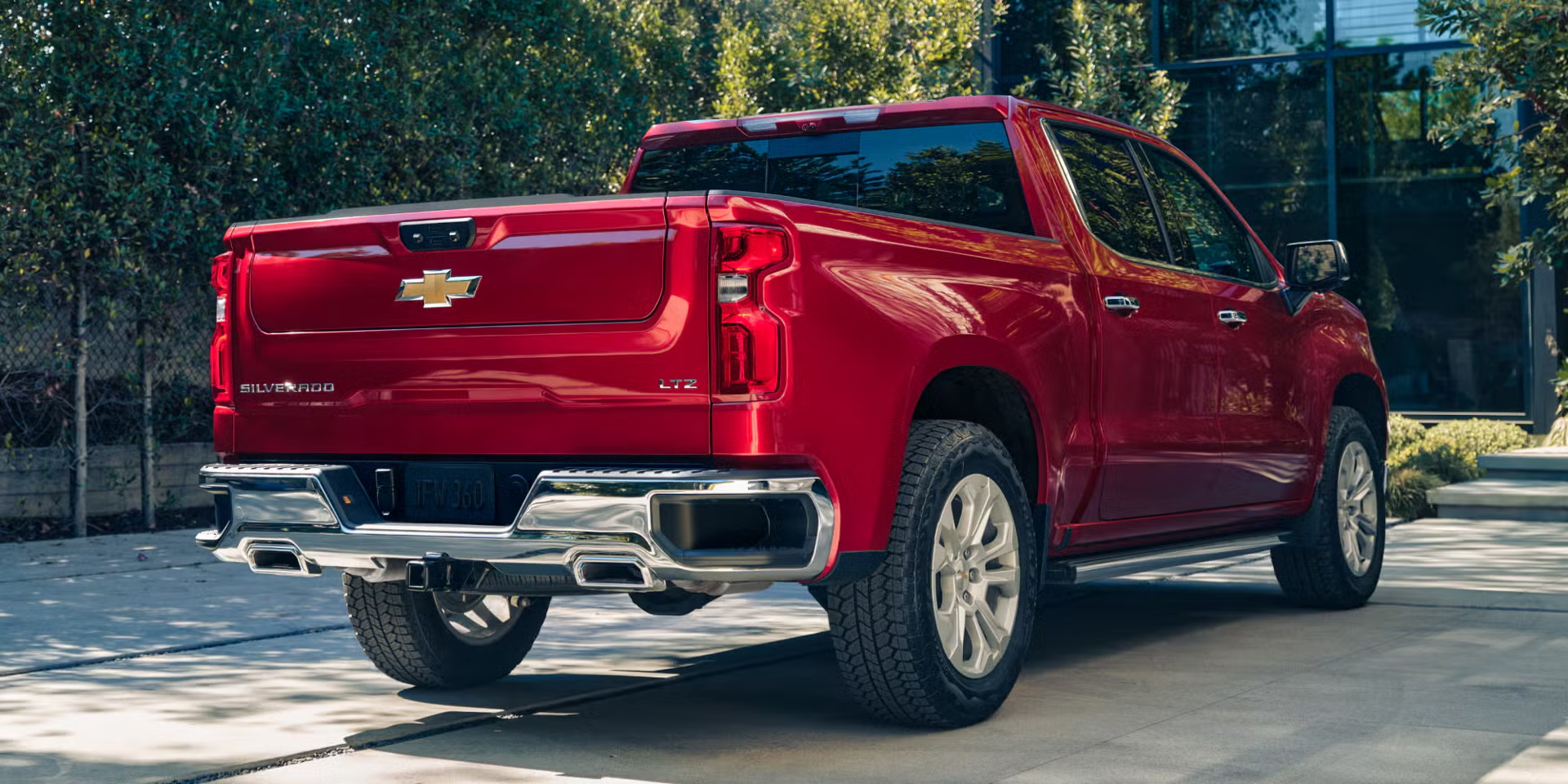
Chevrolet
Choosing between the Ford F-150 and the competition ultimately depends on your priorities and preferences. The F-150 excels for buyers who want technology that works, maximum capability, and innovative features like hybrid power.
The Silverado will appeal to traditionalists who prioritize proven reliability, value pricing, and engine variety. It offers a more conservative approach that many truck buyers still prefer, especially those who want a naturally aspirated V8 or the efficiency of a turbo-diesel.
Get the F-150 if maximum capability is a priority, and the Silverado if you’re on a budget and prefer a simpler powertrain.
About the author

Simran Rastogi
Senior Editor