
When it comes to a mass-produced good as complex as a car, even the best ones can have a few niggles now and then. But there are always a few that simply don’t match up to expectations, especially if a manufacturer oversells its products and can’t deliver on its promises.
To better inform consumers of which vehicles to avoid, survey sites like Consumer Reports compile annual lists of the least satisfying models on sale. Unfortunately, the same brands and vehicles often tend to populate these lists, and for 2026 there are some familiar grilles as well as a few new entries to be wary of.
Which Vehicles Are The Least Satisfying To Own?
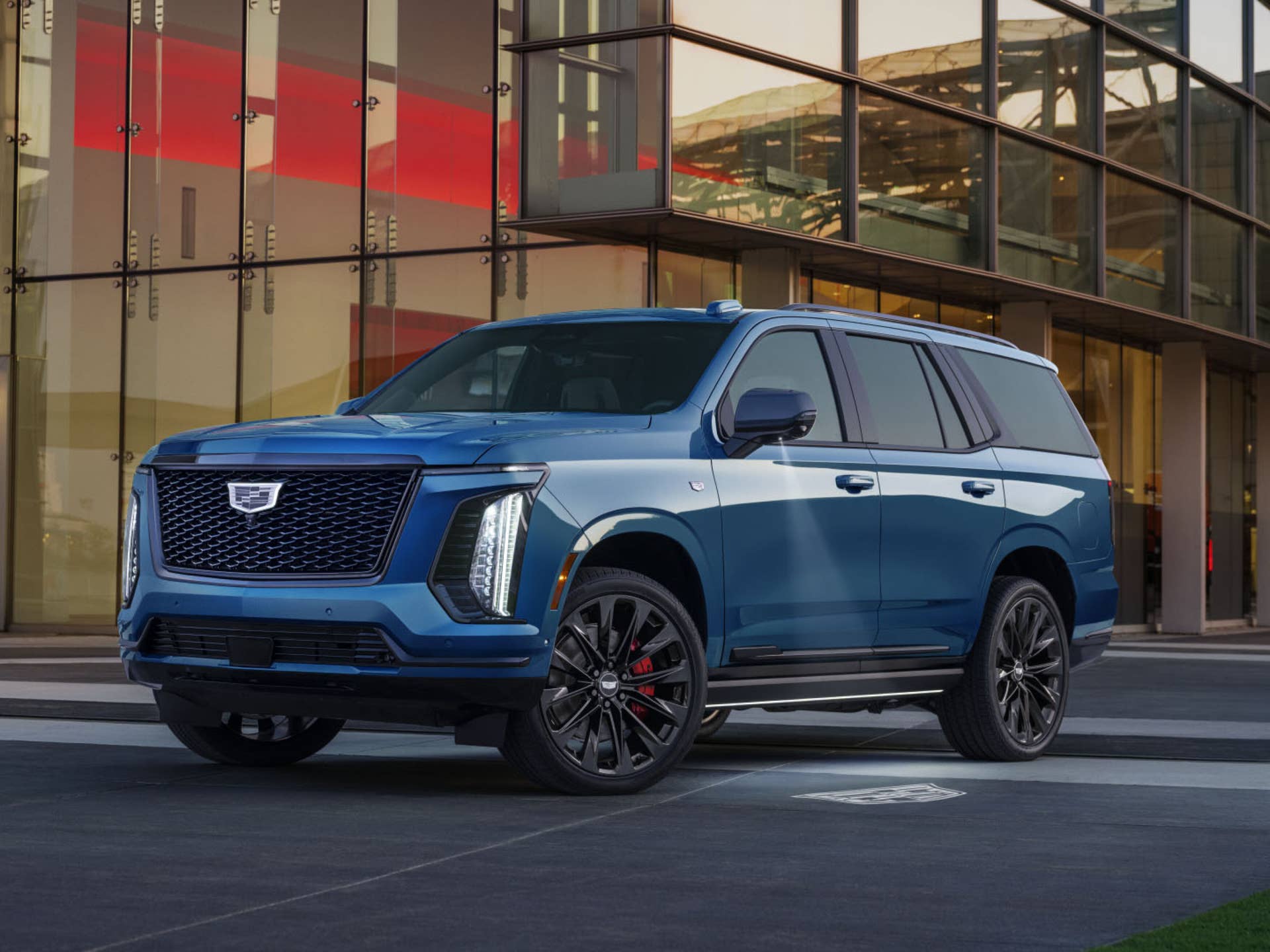
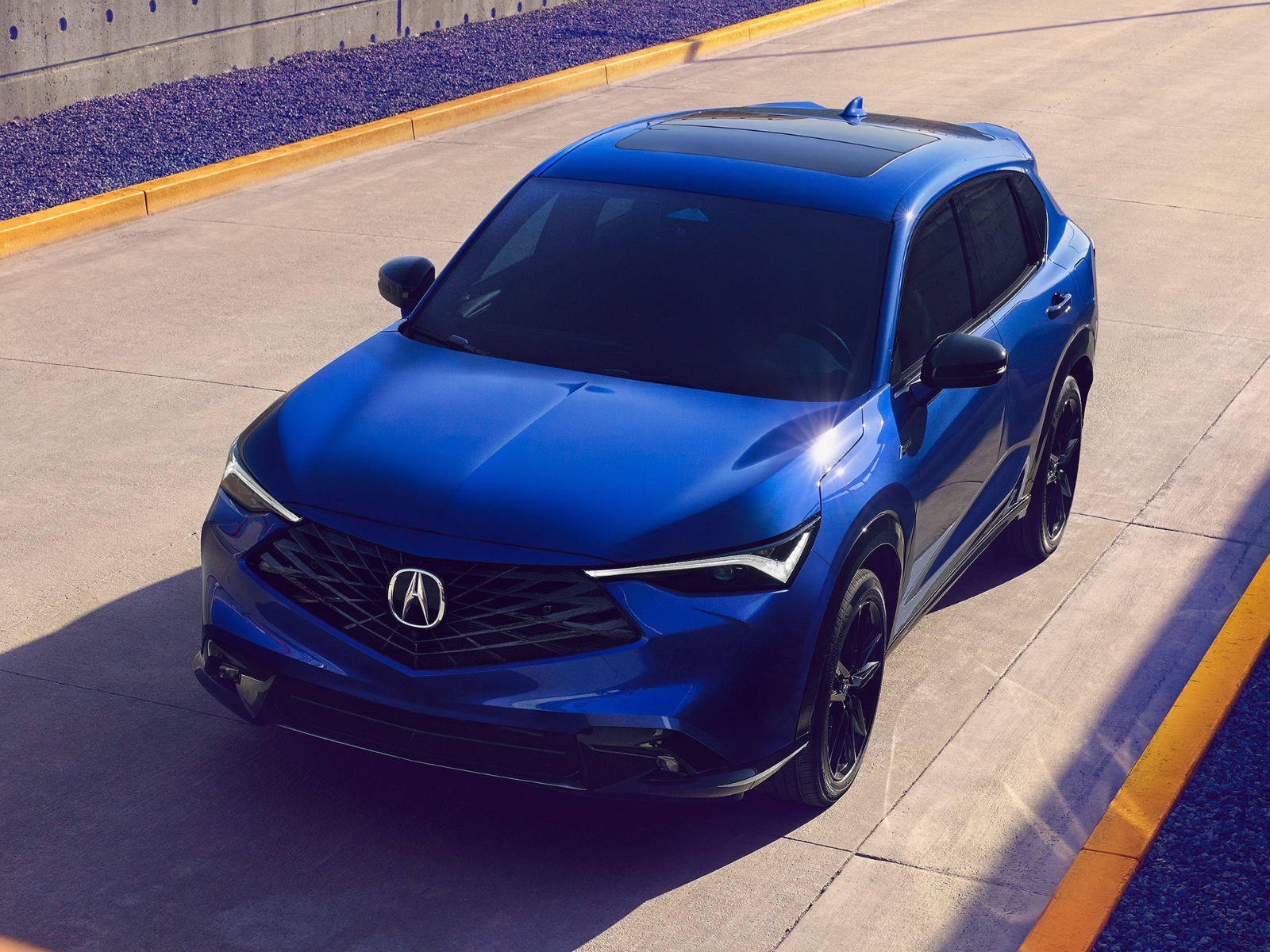
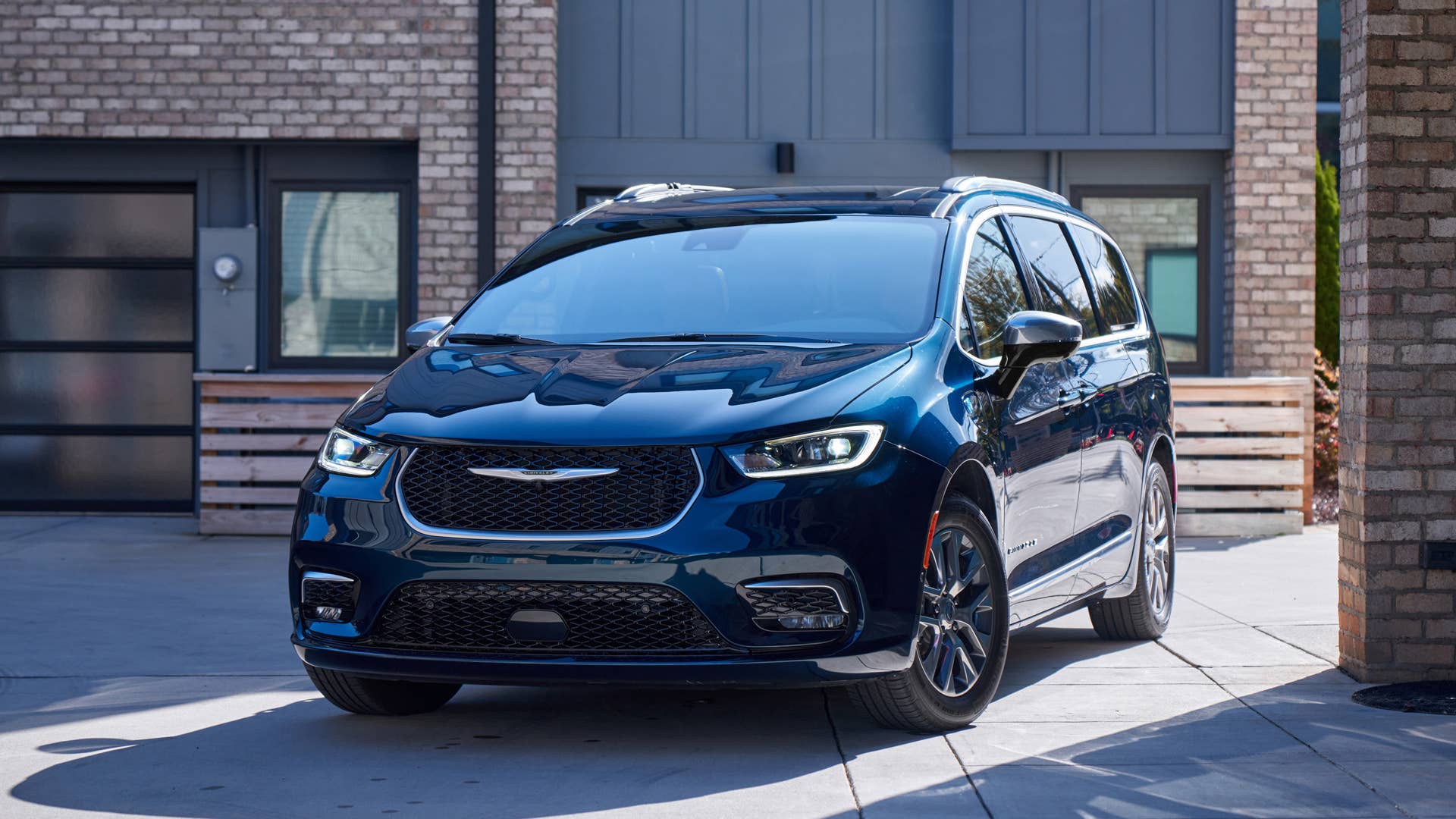
| Make and Model | |
| Volkswagen ID.4 | |
| Chrysler Pacifica Hybrid | |
| Cadillac Escalade | |
| Mazda CX-70 PHEV | |
| Toyota Corolla Cross | |
| Acura ADX | |
| Audi Q4 E-Tron | |
| Honda Prologue | |
| Mazda CX-90 PHEV | |
| Jeep Grand Cherokee PHEV |
Just as we found with the 10 best performing models in CR’s satisfaction survey, the worst offenders don’t always follow a logical decision-making process. While reliability, overall comfort, performance and value-for-money are all important metrics, if a model performs as the manufacturer claims, it tends to get a decent owner satisfaction score.
A slow performance car, or an uncomfortable luxury SUV will be rated lower than if it were the other way around. Expectations need to be met if an owner is to feel happy with their purchase. And the three vehicles below are some of the worst offenders when it comes to not matching their claims:
Honda Prologue
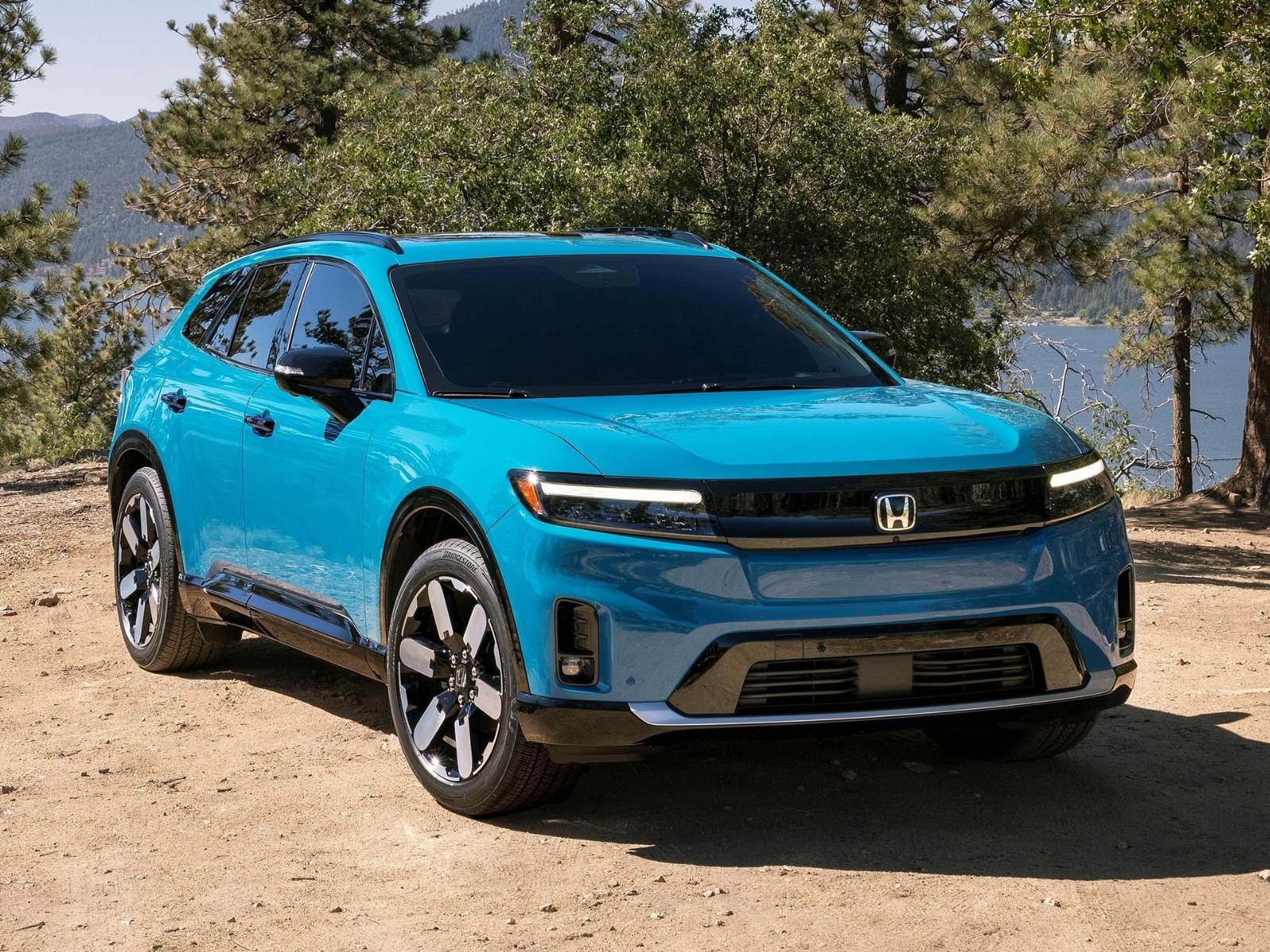
A ‘prologue’ is an introductory section of a book, or story that comes before the main portion. In this case the all-electric Honda Prologue’s introductory section should include a warning about its stiff ride, poor handling, and poor value proposition. That might prepare owners better for a subpar driving experience.
The Prologue shares its EV platform with the Chevrolet Blazer EV, but far more Chevy Blazer EV owners would buy the same car again. Perhaps part of the issue is that GM kept some of the best bits for the Blazer EV, as it gets more powerful engine options, a larger infotainment screen and the base model is cheaper than the equivalent Prologue model. Maybe Honda’s decision to retire the Prologue after the 2026 model year is not a bad one.
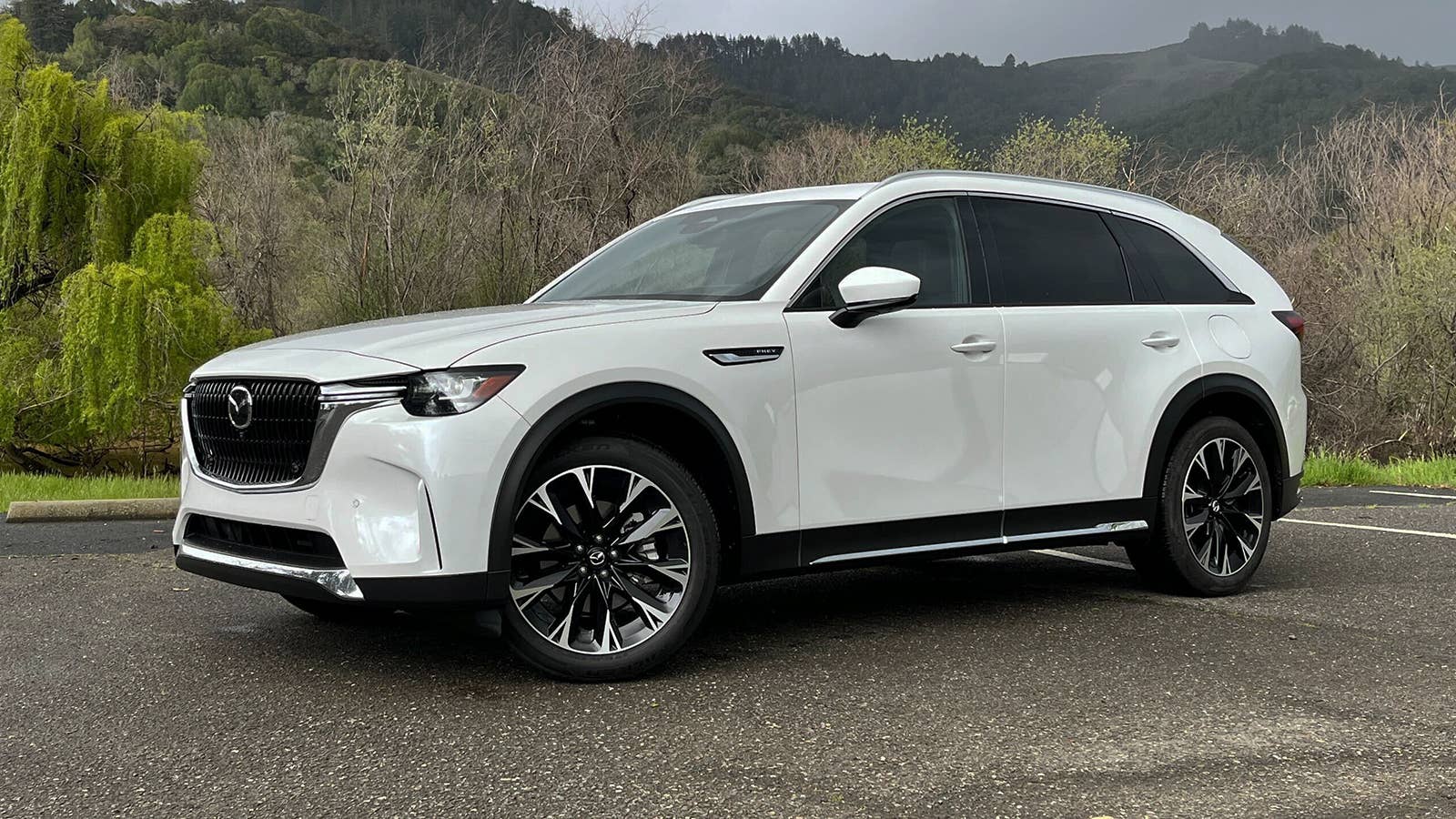
Mazda CX-90 PHEV
Joel Stocksdale
When asked what they thought of their CX-90 Plug-in Hybrid models, Mazda owners lamented about the poor driving experience, terrible value as well as an overly stiff ride. The PHEV’s real-world fuel economy is no better than the regular six-cylinder models, and most people found the CX-90 to be less refined than they expected.
Add in a terrible predicted reliability score, and it’s no wonder that only a small handful of owners would consider buying the same model again. One area where the CX-90 did shine was in handling agility, but it fell short where other three-row midsize SUVs excelled, such as in overall comfort and economy.
Jeep Grand Cherokee PHEV
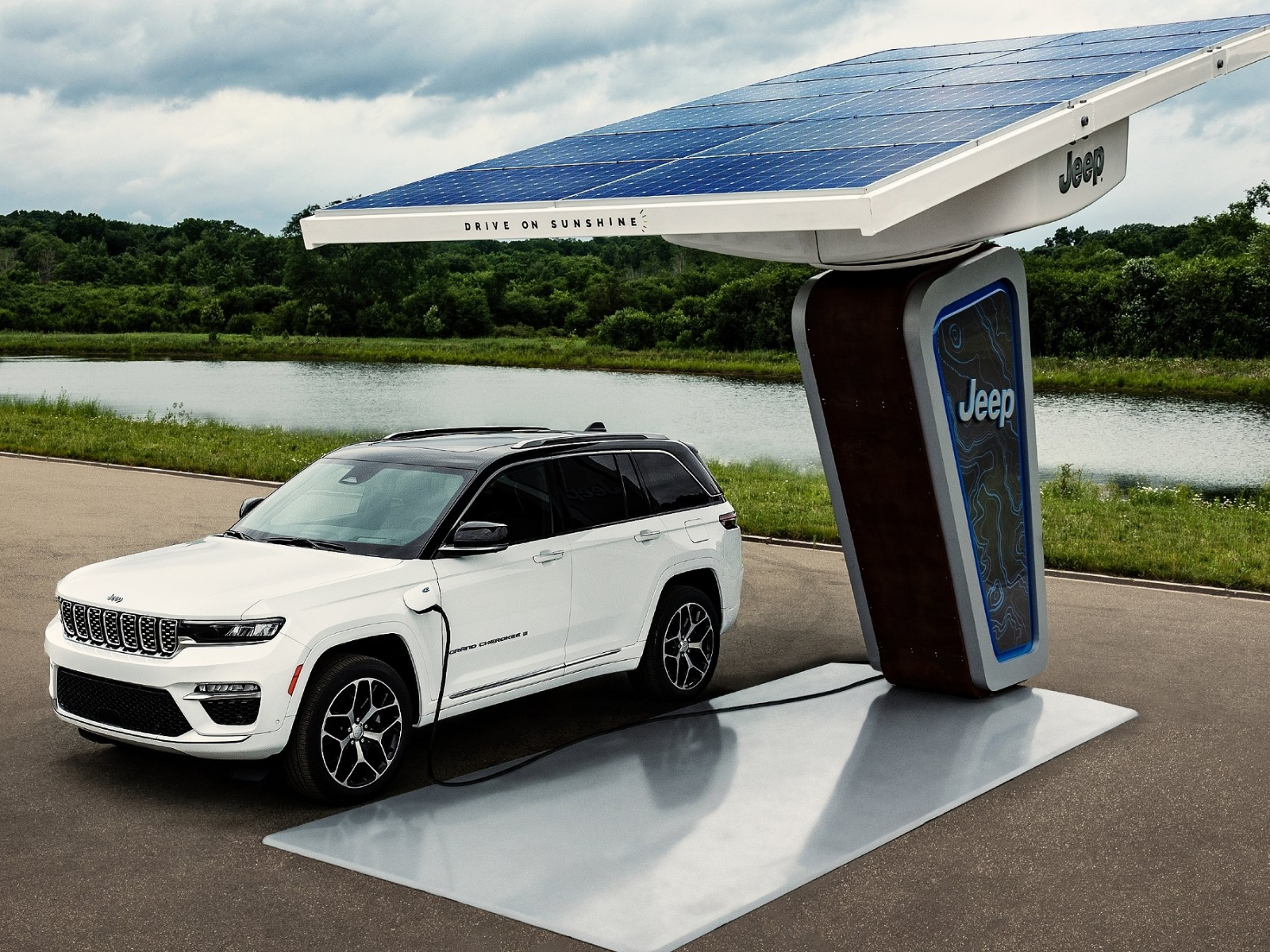
Another PHEV model tops our least liked list, and unlike the regular Grand Cherokee which scored far higher in both customer satisfaction and reliability, the Plug-in Hybrid variant has been plagued with safety issues and the expiration of the federal tax incentive that prompted Stellantis to withdraw all US PHEV models at the beginning of 2026.
The remaining Cherokee 4xe models were sold off at discounts, but even this financial incentive wasn’t enough to get owners to warm to these troublesome SUVs. Thankfully most of the 4xe Grand Cherokees should still be covered by their factory warranties, as they were sold between 2022 and 2025. If you find one for sale on a lot at a suspiciously low price, it’s not because the dealer is feeling generous.
Your Results May Vary
As with anything that has an element of subjectivity to it, you may not experience the same issues here as other owners have. If you already own one of these vehicles and don’t have a problem with the shortcomings that other owners find problematic, then you may be wondering what the fuss is all about. What these results do indicate is that on average, the 10 models listed here are likely to leave most owners wishing they went with another vehicle instead.
Research Note:
To evaluate long-term dependability objectively, our vehicle reliability scores are based on Consumer Reports data. Consumer Reports is widely regarded as one of the most trusted sources in automotive evaluation because it operates as an independent, non-profit organization that accepts no corporate sponsorship or advertising.
Its predicted reliability scores are calculated using data gathered from annual surveys filled out by hundreds of thousands of vehicle owners detailing real-world mechanical repairs and electrical faults.
For exact scores on the models mentioned please visit consumerreports.org.
About the author

John Tallodi
Senior Editor